Two of the four serious restoration platforms in 2026 — Cotality DASH and Xcelerate — serve fundamentally different operators. DASH was built inside the insurance ecosystem. Xcelerate was built by someone who ran restoration operations and wanted the software to make his crews better by default. This is the comparison for owners who’ve narrowed it down to these two.
All data below is sourced directly from cotality.com and xlrestorationsoftware.com as of June 2026.
Side-by-side comparison
| Factor | Cotality DASH | Xcelerate |
|---|---|---|
| Built for | Insurance-heavy, TPA-reliant operators | Process-discipline operators, multi-location, franchises |
| Parent company | Cotality (formerly CoreLogic, publicly traded) | Independent |
| Xactimate integration | Yes (native via Cotality ecosystem) | Yes (Verisk’s Xactimate & XactAnalysis) |
| Mobile app | iOS + Android, true offline mode | iOS + Android, real-time field-to-office sync |
| Security | AICPA SOC 2 Type II certified | SOC 2 Type 2 certified (independently audited) |
| QuickBooks | Online + Desktop | Yes |
| Matterport | Yes | Yes |
| DocuSketch | Yes | Yes |
| Encircle | Yes (via Cotality ecosystem) | Yes |
| CompanyCam | Not listed on vendor site | Yes |
| RingCentral | Not listed on vendor site | Yes |
| Microsoft 365 | Not listed on vendor site | Yes (Office 365) |
| Power BI | Not listed on vendor site | Yes |
| Pricing | Contact for quote: (866) 774-3282 | Contact for quote: (423) 405-6417 |
| Customization | Moderate — workflow follows DASH architecture | Low by design — best practices are the default |
| CAT/offline work | Strong — true offline mobile sync | Strong — real-time field-to-office sync |
Where DASH wins
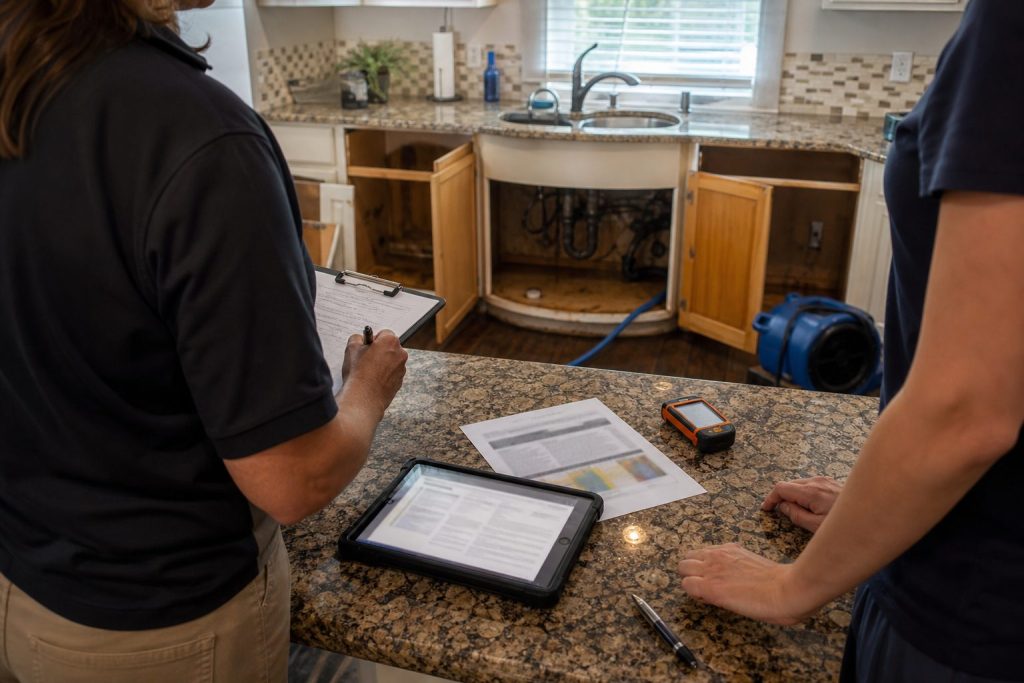
If TPA volume is above 30% of your revenue, DASH wins this comparison and it isn’t close. The Cotality ecosystem connects to Contractor Connection, Code Blue, and other TPA networks that live inside the CoreLogic/Cotality data world. Job files auto-populate with Cotality property data using AI — verified address details, property history, and risk data are loaded before your first site visit. The Compliance Manager builds carrier-specific checklists directly into field workflows, which means a tech in the field is guided through the exact documentation a specific carrier needs before the adjuster ever reviews it.
DASH’s true offline mobile mode is also a genuine advantage in CAT work. If you’re running crews in a disaster zone without reliable cellular, DASH saves documentation locally and syncs when service returns. That is not a minor feature when your crew is documenting a $200,000 job in a basement with no signal.
Where Xcelerate wins
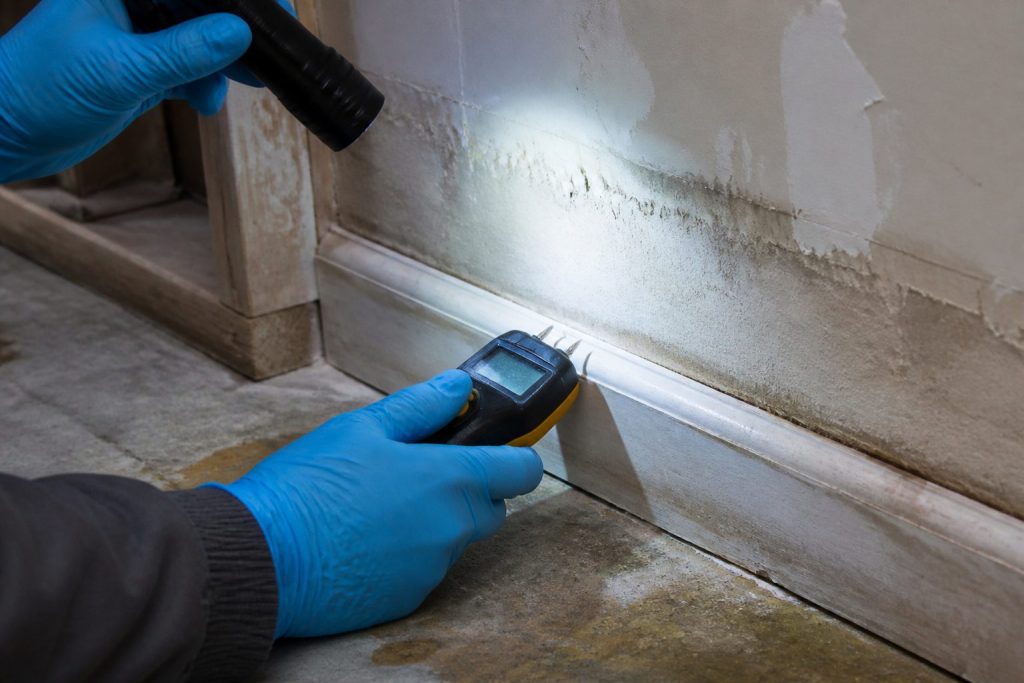
If you want the software to make your team better operators, Xcelerate is the choice. The platform was designed by someone who spent years running restoration operations and wanted to solve the consistency problem — the reason two crews from the same company can produce dramatically different results on similar jobs. Xcelerate’s answer is SOP-driven checklists and stage gates that make best practices the path of least resistance.
Xcelerate’s integration depth is also notably wider than DASH on non-insurance tools. The full verified integration list (per xlrestorationsoftware.com) includes: Zapier, Encircle, CompanyCam, Matterport, QuickBooks, DocuSketch, Clean Claims, Microsoft 365, Gmail and Google Calendar, RingCentral, Xactimate/XactAnalysis, Power BI, and TSheets. The built-in CRM includes referral tracking, sales leaderboards, and route planning — tools that DASH doesn’t surface as prominently.
The growth marketing angle is also more developed: Xcelerate offers lead-gen websites, Google Business Profile listings, city-specific landing pages, and a digital marketing platform as part of its product suite. If you’re building a retail book rather than living off TPA volume, this matters.
Where neither wins
Neither DASH nor Xcelerate publishes pricing. Both require a demo call to get a number. If you need to make a quick cost comparison, that’s a friction point — you’ll need to run both through their sales process before you can run the numbers. For price-sensitive operators above 15 users, PSA (Canam Systems) with flat team pricing deserves a spot in the demo cycle before you commit.
The decision
Pick DASH if your revenue is insurance-led, you work with TPAs inside the Cotality ecosystem, or you run CAT work where offline mobile sync matters. Pick Xcelerate if you are retail-heavy, want process discipline baked into the default workflow, need broader non-insurance integrations, or are building a multi-location operation where consistency across branches is the problem to solve.
Frequently Asked Questions
What is the main difference between Cotality DASH and Xcelerate?
DASH (by Cotality) is built around the insurance restoration ecosystem — it connects natively to Xactimate, XactAnalysis, and the broader Cotality/CoreLogic data platform. Xcelerate was built by a former restoration general manager and focuses on operational discipline: profitability tracking, SOP-driven checklists, and stage-gate workflows baked into the default experience. DASH bends to the insurance world; Xcelerate bends to process rigor.
Which is better for insurance restoration work — DASH or Xcelerate?
DASH wins for insurance-heavy operators. Its native connections to Xactimate, XactAnalysis, Claims Connect, and the Cotality property data platform mean TPA jobs flow through with minimal friction. Xcelerate also integrates with Xactimate and XactAnalysis (per xlrestorationsoftware.com/xcelerate-integration-partners), but the Cotality ecosystem depth gives DASH a structural advantage for carriers and TPAs.
Does Xcelerate integrate with Xactimate?
Yes. Per xlrestorationsoftware.com/xcelerate-integration-partners, Xcelerate integrates with Verisk’s Xactimate and XactAnalysis, automating cost analysis and giving access to Verisk’s database of cost data, materials, and labor rates for accurate estimates.
What integrations does Cotality DASH have?
Per cotality.com as of June 2026, DASH integrates with QuickBooks Online, QuickBooks Desktop, Sage 100, Sage 300, Claims Connect, Matterport, DocuSketch, Cotality CRM, and Cotality Mitigate. It also connects to Xactimate and XactAnalysis through the Cotality ecosystem.
Is Xcelerate or DASH better for multi-location restoration companies?
Xcelerate explicitly markets to multi-location and franchise operators, with SOP-driven checklists and standardized workflows designed to ensure consistent outcomes across branches. DASH also supports multi-location operations through centralized job management and compliance workflows. Xcelerate’s edge is in making operational consistency the default rather than something you have to configure.
Which restoration software has better mobile capabilities — DASH or Xcelerate?
Both offer strong mobile apps. DASH’s mobile app (iOS and Android) features true offline mode — data saves locally and syncs when connectivity is restored, which is critical in disaster zones. Xcelerate’s field-to-office sync ensures crew updates and photos are visible to the office in real time. DASH’s offline functionality is a genuine differentiator for CAT work.
How do DASH and Xcelerate compare on security?
Both platforms meet SOC 2 Type 2 / Type II standards. Cotality DASH is AICPA SOC 2 Type II certified (per cotality.com). Xcelerate meets SOC 2 Type 2 standards with independent audit (per xlrestorationsoftware.com). Both are enterprise-grade on data security.
Leave a Reply