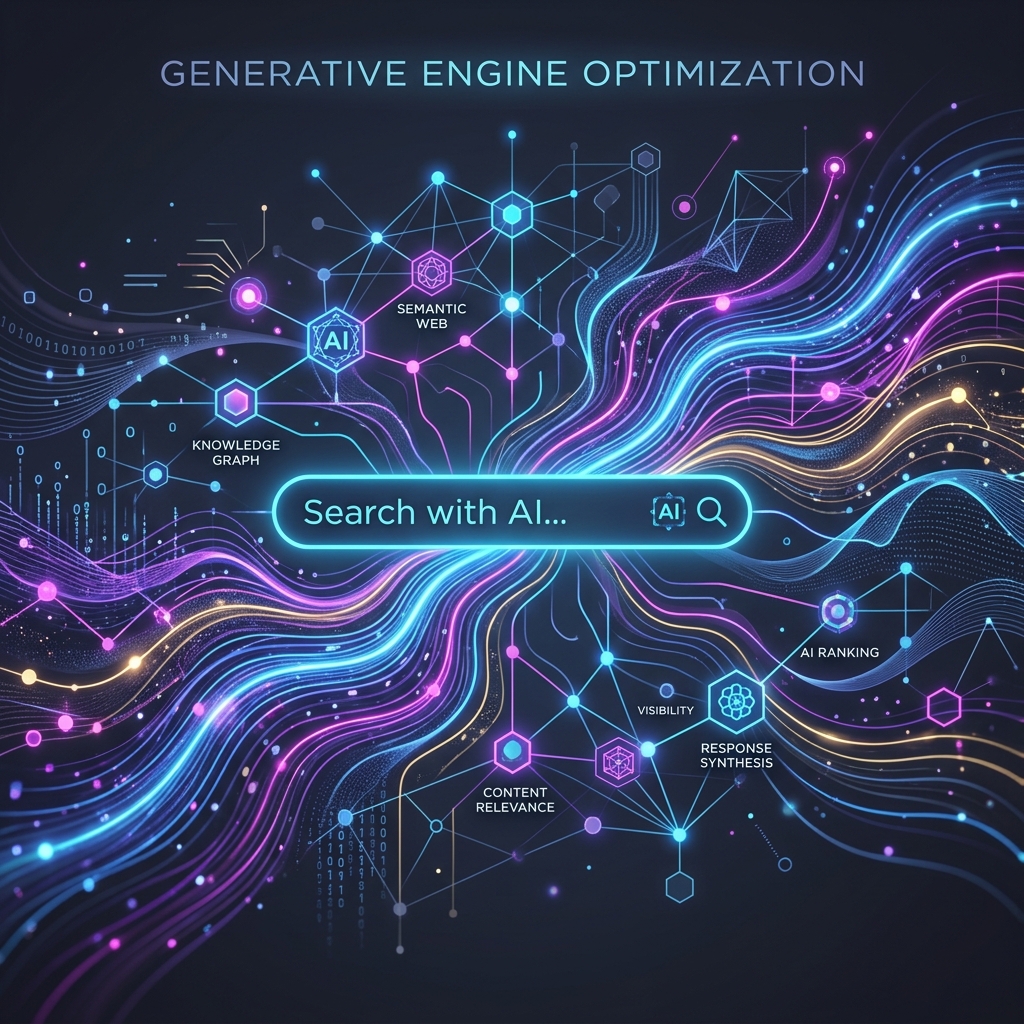
Generative Engine Optimization: Why Your Agency Needs an AEO Strategy Now
In 2026, the digital marketing landscape has fundamentally shifted. For over two decades, agencies fought for the “blue link” on traditional Search Engine Results Pages (SERPs). Today, that battlefield has been eclipsed by an AI-synthesized ecosystem. With over 25% of traditional searches triggering AI Overviews, and millions of users migrating to conversational platforms like ChatGPT, Gemini, and Perplexity, the primary goal of search marketing has moved from earning a click to being cited, mentioned, or recommended by an AI model.
If your agency is still pitching traditional SEO to clients without a comprehensive Answer Engine Optimization (AEO) and Generative Engine Optimization (GEO) strategy, you are optimizing for a web that no longer exists.
The “Zero-Click” Reality of 2026
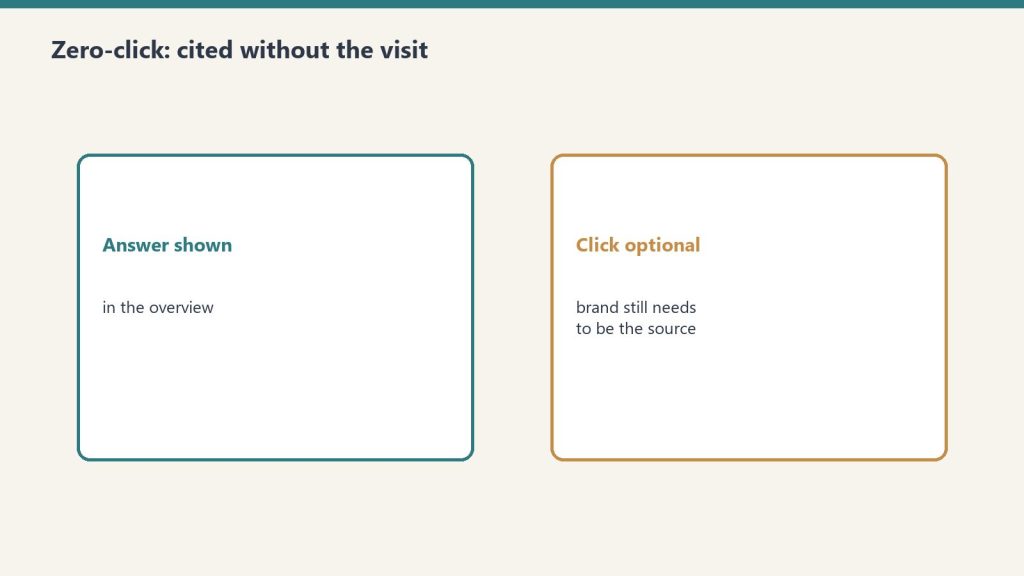
High rankings on a traditional SERP no longer guarantee traffic. Users increasingly complete their research, compare products, and make buying decisions directly within AI interfaces without ever clicking through to a source website. This “zero-click” reality means agencies must optimize for AI authority rather than just keyword density. If a generative engine does not view your client as a trusted entity, they simply will not exist in the answers provided to the end-user.
Defining GEO and AEO
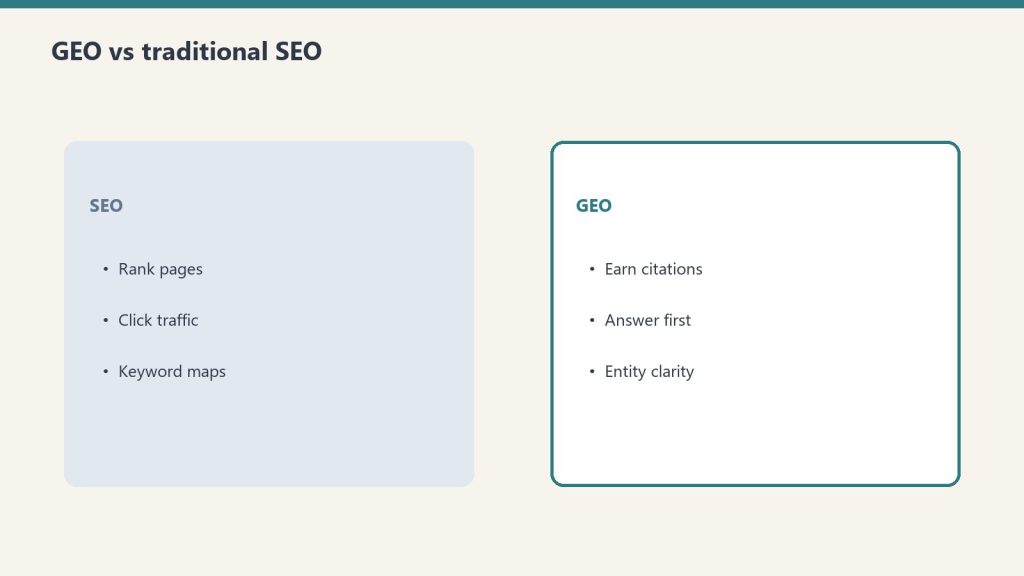
While often used interchangeably, Generative Engine Optimization (GEO) and Answer Engine Optimization (AEO) represent two sides of the same critical coin:
- Generative Engine Optimization (GEO): The macro-practice of optimizing brand content to be discovered, selected, and synthesized by Large Language Models (LLMs). Success is measured by “share of model”—how often a brand is included in the AI’s aggregated response compared to competitors.
- Answer Engine Optimization (AEO): A targeted subset of GEO focused on providing direct, concise, and accurate answers to natural language queries. AEO ensures that when a user asks a voice assistant or AI, “What is the best marketing automation software?”, your brand is the definitive, extracted answer.
The New KPIs: Measuring ‘Share of Model’
Because traditional organic traffic is diminishing for top-of-funnel queries, forward-thinking agencies have abandoned traffic-only reporting. In 2026, performance is measured by AI-specific KPIs:
- Citation Share: How frequently is the brand linked as a source in AI Overviews and Perplexity summaries?
- Brand Mention Frequency: Is the brand recommended naturally in conversational outputs?
- Trust & Entity Scores: How deeply has the AI mapped the brand’s entity to a specific industry or solution?
How to Build an AI-First Strategy
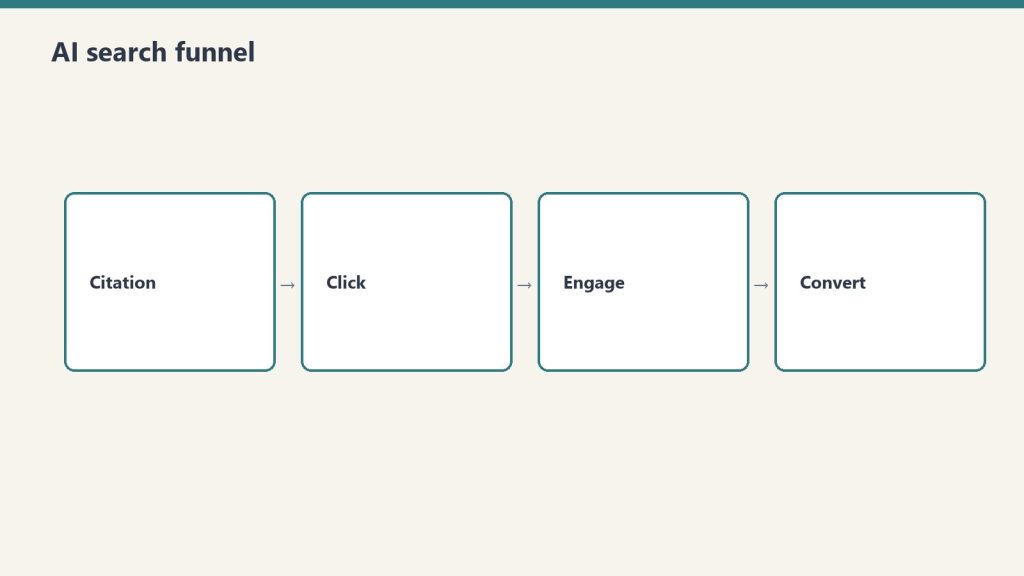
Companies that are winning in 2026 have moved beyond “writing for search engines” to “writing for AI models.” This requires a convergence of PR, content marketing, and technical SEO.
First, agencies must prioritize E-E-A-T (Experience, Expertise, Authoritativeness, and Trust). Because AI models aggregate information from across the web—including forums, reviews, social media, and news—agencies must manage an “omnichannel” presence. A brand’s narrative must be consistent everywhere the AI might look.
Second, structured data and schema markup are no longer optional. Modern GEO requires engineering content for machine “extractability.” By ensuring that data is neatly organized and technically transparent, agencies reduce the risk of AI hallucinations and increase the likelihood that a model will trust and cite the provided information.
Conclusion: The Search Everywhere Era
Generative Engine Optimization does not replace traditional SEO; it builds upon it. Traditional SEO creates the foundational web presence, while GEO ensures that presence is visible and authoritative across the fragmented AI search landscape. In the “Search Everywhere” era, research no longer starts and ends on a single search engine. Agencies that adapt to this reality will dominate the next decade of digital marketing.
Tygart Media Insights: Preparing agencies and tech leaders for the future of search, artificial intelligence, and digital authority.
Related on Tygart Media: SEO vs GEO vs AEO · GEO tactics · AI citation monitoring.
Leave a Reply