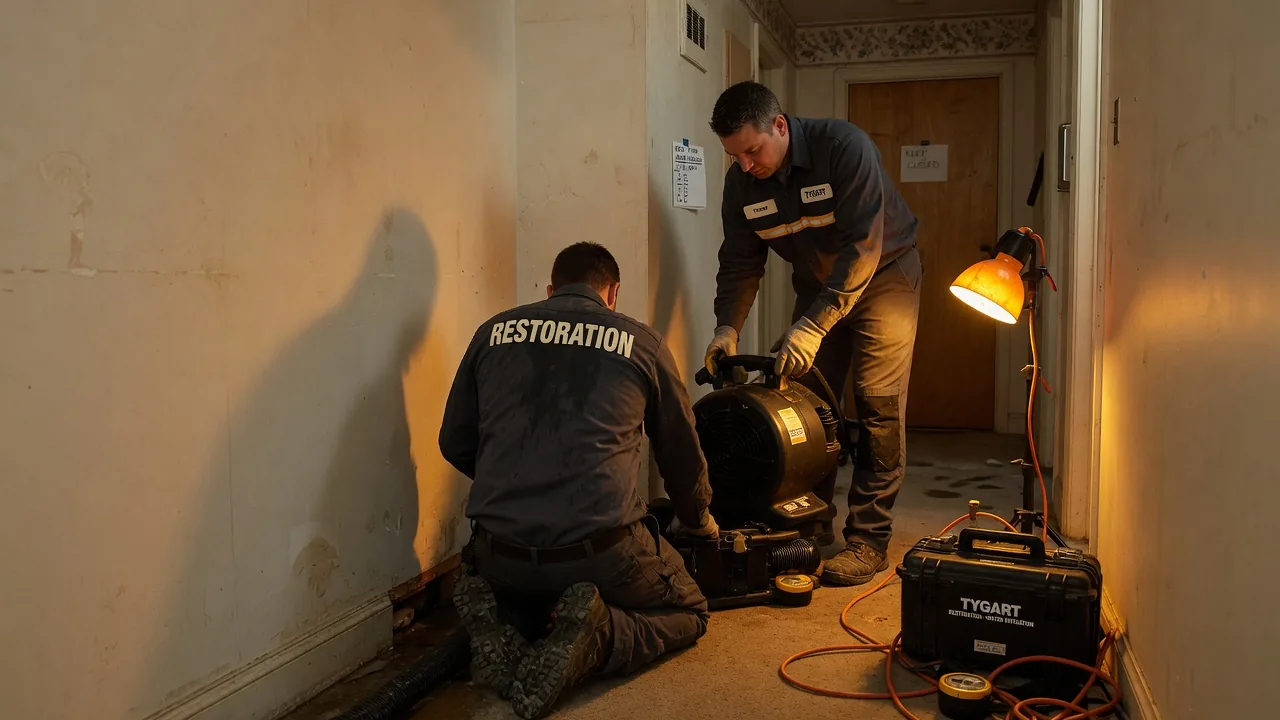
Commercial restoration lead generation operates on completely different mechanics than residential. The buyer is a facility manager, property manager, risk manager, or broker. The decision cycle is months, not minutes. The contract structure is often an MSA or preferred vendor agreement rather than a one-off job. Companies that try to win commercial work using residential lead-gen tactics consistently fail — and companies that crack the offline relationship game build durable, high-margin pipelines that compound for years.
This article is part of our broader restoration lead generation master guide, which sits above this piece in the hub-and-spoke architecture.
Why Commercial Lead Generation Is Different
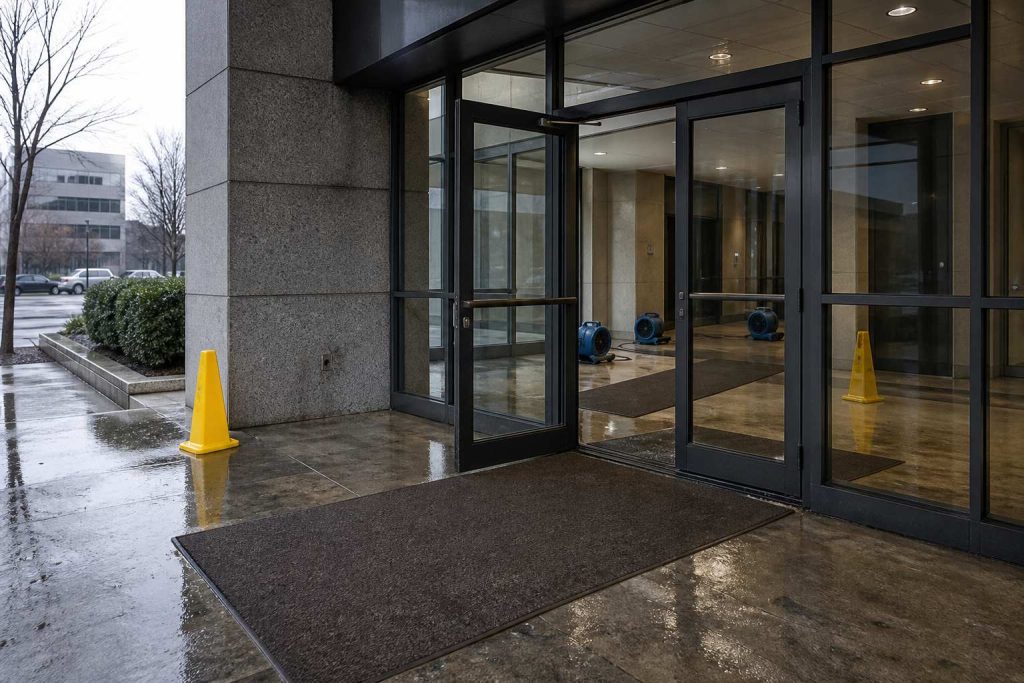
Three structural realities define commercial restoration lead generation. First, the buying decision is rarely emergency-driven in the same way residential is — even after a loss occurs, the property manager almost always has a vendor list and goes to it before searching online. Second, the deal sizes are larger but the cycle to first revenue is much longer. Third, the relationship, once established, often produces multi-year recurring revenue rather than a single transaction.
The implication: commercial lead generation requires consistent, patient, account-based work — the opposite of the rapid-response model that drives residential.
The Five Channels That Drive Commercial Restoration Leads
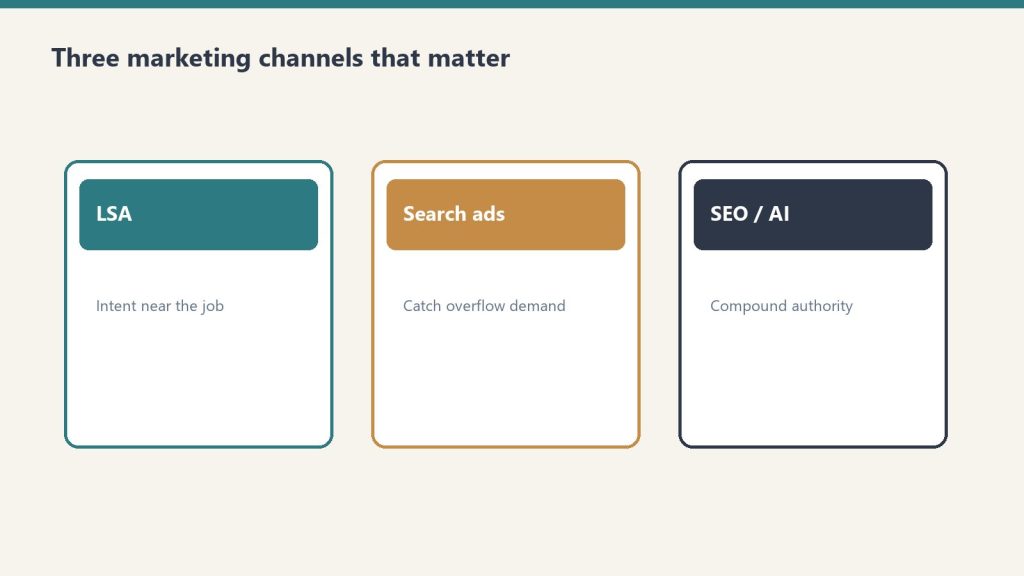
1. Property Management Firm Relationships
National and regional property management firms manage hundreds or thousands of properties across portfolios. Becoming a preferred vendor for one mid-sized firm can produce more revenue than a year of residential paid search. The relationship-building cycle includes targeted outreach, on-site visits, lunch-and-learns, and demonstration of response capability through small initial jobs.
2. TPA and Carrier Preferred Vendor Programs
Third-party administrators and insurance carriers maintain preferred vendor networks that route claims to approved restoration companies. Programs like Contractor Connection, Code Blue, Crawford Contractor Connection, and direct carrier networks (State Farm Premier Service, Allstate Catastrophe Network, etc.) produce consistent commercial volume for vendors who pass the qualification gauntlet. The friction is real — pricing concessions, performance metrics, and reporting requirements — but for many operators the volume is worth it.
3. Insurance Broker and Risk Manager Outreach
Commercial insurance brokers and corporate risk managers control the loss runs for the buildings they insure. Building relationships with brokers — through industry events (RIMS, IIABA chapter meetings, broker firm visits) — creates an upstream referral channel that competitors cannot easily replicate.
4. Facility Manager Networks
Local IFMA chapters, BOMA chapters, and facility management trade groups concentrate the exact buyers commercial restoration companies need to reach. Active chapter involvement — sponsoring events, presenting at meetings, holding board positions — builds the kind of trust that gets a company onto a vendor list.
5. Direct Account-Based Outreach
Targeted outreach to specific buildings, hospitals, schools, and corporate campuses through LinkedIn, email, and in-person visits closes the loop. The outreach motion that works is patient and educational — sharing case studies, response guarantees, and capability documents over months — not transactional.
The MSA Game
The most valuable commercial relationships are formalized as Master Service Agreements (MSAs) that pre-position the restoration company as the default vendor when a loss occurs. Negotiating MSAs requires legal sophistication, performance guarantees, and often pre-positioned equipment or response commitments. The investment is substantial, but a portfolio of MSAs with major property owners is the closest thing to recurring revenue in restoration.
Sales Cycle and Pipeline Management
Commercial restoration sales cycles routinely run 6-18 months from first conversation to first job. Pipeline management requires CRM discipline that most restoration companies lack — tracking conversations, follow-ups, lunch meetings, MSA negotiation stages, and qualification touchpoints across dozens of prospects simultaneously.
The companies that consistently win commercial work treat business development like a long-cycle B2B sales motion, not like residential lead generation.
Related on Tygart Media: Starlink on a water job · S500 in the van · local SEO for restoration.
Frequently Asked Questions
How long does it take to build a commercial restoration pipeline?
Most restoration companies need 18-36 months of consistent commercial business development before the pipeline becomes self-sustaining. The first MSA or major property management vendor approval often takes 12-18 months from first contact.
Are TPA programs worth it for commercial restoration?
For most mid-sized restoration companies, TPA programs are a meaningful volume source despite the pricing pressure and reporting requirements. Larger operators with strong direct accounts often phase down TPA work as direct relationships replace it. Smaller operators usually need TPA volume to fill the calendar.
What is the typical close rate on commercial restoration leads?
Once a relationship is established and a loss occurs, close rates on commercial restoration opportunities are very high. The challenge is not closing — it is becoming the vendor of choice before the loss happens.
Should a residential restoration company expand into commercial?
Expansion into commercial requires different sales talent, different equipment, different insurance coverage, and patient capital to fund a long sales cycle. Companies that try to bolt commercial onto a residential operation without those investments usually fail. The successful path is dedicated commercial sales hires and at least 18 months of runway.
What is the most overlooked commercial lead source?
Plumbing companies and mechanical contractors who service commercial buildings see water losses before anyone else and often refer to a trusted restoration vendor. Building deep relationships with the local commercial plumbing community is one of the highest-leverage and most-overlooked commercial lead-gen tactics.
Get The Signal
What we actually ran, what it measured, and what it means for a restoration shop — every week, including the flops.
Leave a Reply