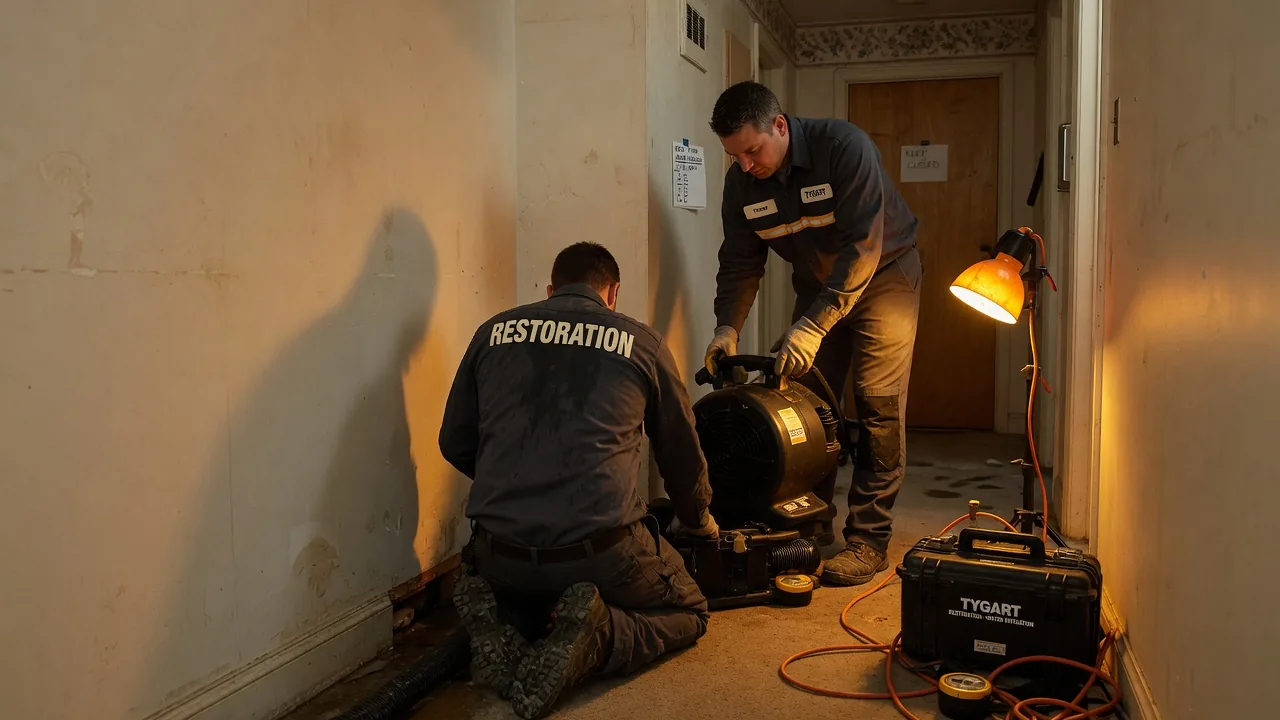
Every restoration company eventually faces the same lead-buying decision: pay more for exclusive leads or pay less per lead and compete with two or three other companies for the same homeowner. The marketing on both sides is loud and the math is rarely shown. This article walks through the actual unit economics, the operational implications, and the conditions under which each model wins.
This is part of our restoration lead generation guide, which covers the full channel mix.
What the Two Models Actually Mean
Exclusive restoration leads are sold to a single restoration company. The lead vendor delivers the contact information, ideally with intent verification, and no other restoration company in the area receives that lead. Pricing is higher per lead — often $150-$400 for water damage in major metros.
Shared restoration leads are sold to multiple companies simultaneously, typically 3-5. The first to call usually wins. Pricing per lead is lower — often $40-$120 — but close rates are dramatically lower because of the race-to-call dynamic.
The Math That Matters
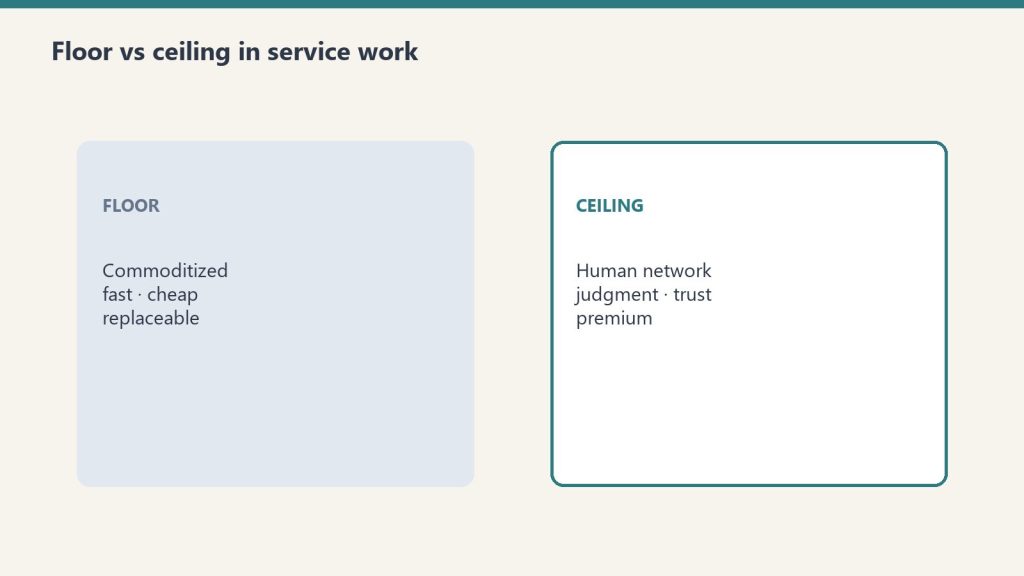
The right comparison is not cost per lead — it is cost per closed job. A shared lead at $60 with a 10% close rate produces a closed job at $600 in lead acquisition cost. An exclusive lead at $250 with a 30% close rate produces a closed job at $833. In this example, the shared lead model actually wins on raw acquisition cost, but the calculation flips when sales overhead, time-to-call requirements, and lead quality drift are factored in.
The true cost per closed job calculation must include: cost per lead, sales labor required to work the lead (much higher for shared leads because of the race), close rate, and average revenue per closed job.
Close Rate Differences
Industry observation suggests close rates on exclusive restoration leads typically run 25-40% for well-run operations. Shared leads close rates typically run 8-15% for the same operators. The variance is driven primarily by speed-to-call — the company that calls a shared lead within 60 seconds typically wins, while leads called after 5 minutes have already been claimed by a competitor.
Operational Requirements for Each Model
Exclusive leads work best for restoration companies with normal sales cadence and a focus on lead quality over volume. The slower pace allows thoughtful qualification and a normal sales conversation.
Shared leads require an entirely different operation — dedicated dispatchers monitoring lead feeds, automated SMS responses, parallel call attempts, and the operational discipline to call within seconds. Companies that buy shared leads without this infrastructure typically waste their budget.
Lead Quality Drift
Both models suffer from lead quality drift over time as vendors expand sourcing to meet volume commitments. The mitigation is the same: weekly lead-by-lead review, vendor-by-vendor close rate tracking, and willingness to pause or kill underperforming sources quickly.
Hybrid Approaches
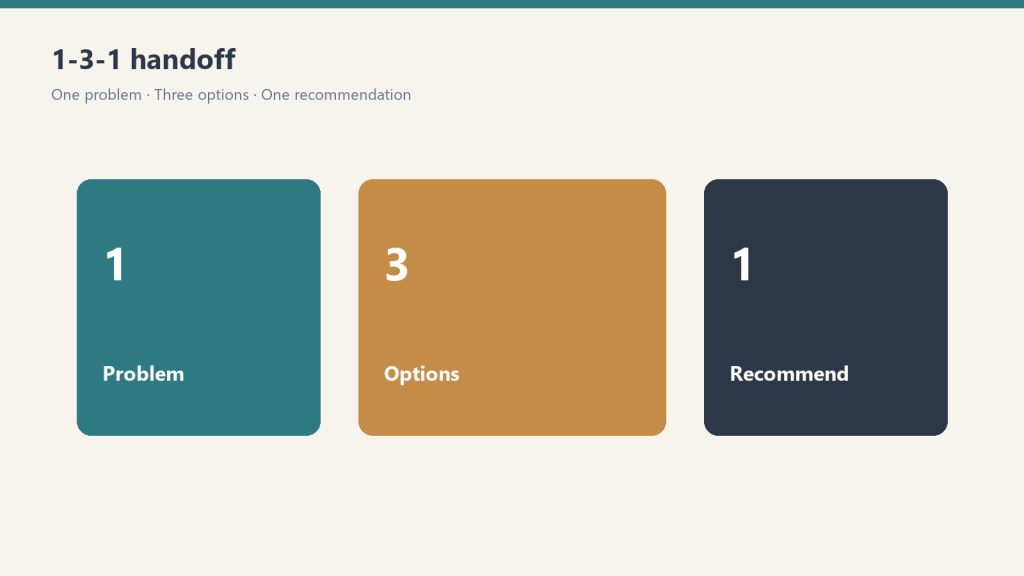
Most mature restoration operations use a mix — some exclusive leads for the steady baseline, shared leads to fill capacity gaps, with channel-by-channel performance tracked weekly. Pure single-source dependence (whether exclusive or shared) creates fragility.
Which Model Fits Which Operator
Companies under roughly $2M in revenue without dedicated dispatch capability usually get better results from exclusive leads or LSAs than from shared lead vendors. Companies above $5M with mature dispatch operations often run profitable shared lead programs alongside exclusive sources. Solo operators almost always lose money on shared leads.
Related on Tygart Media: Starlink on a water job · S500 in the van · local SEO for restoration.
Frequently Asked Questions
Are exclusive restoration leads worth the higher price?
For most restoration companies without 24/7 dispatch infrastructure, exclusive leads produce a lower true cost per closed job despite the higher per-lead price. The dispatch infrastructure required to compete on shared leads is meaningful and not free.
What is a reasonable close rate on shared restoration leads?
Mature operations with fast dispatch typically close 8-15% of shared leads. Operations without dedicated dispatch usually close in low single digits. Anything above 20% on shared leads is exceptional and probably a function of low local competition rather than skill.
How do I track which lead source is actually profitable?
Tag every lead in the CRM with its source, track close rate and average revenue per closed job by source, and calculate cost per closed job rather than cost per lead. Review weekly and reallocate budget away from underperforming sources.
What is the biggest mistake restoration companies make with lead vendors?
Buying leads at scale without operational capacity to work them properly. A flood of cheap shared leads with a slow phone process produces low close rates and quickly burns marketing budget while damaging the company’s reputation through delayed responses.
Should I buy leads at all if I have organic traffic?
Lead buying complements rather than replaces organic and direct channels. Most healthy restoration operations have a portfolio that includes organic, paid search, LSAs, and one or two lead vendors — with each channel measured independently.
Leave a Reply