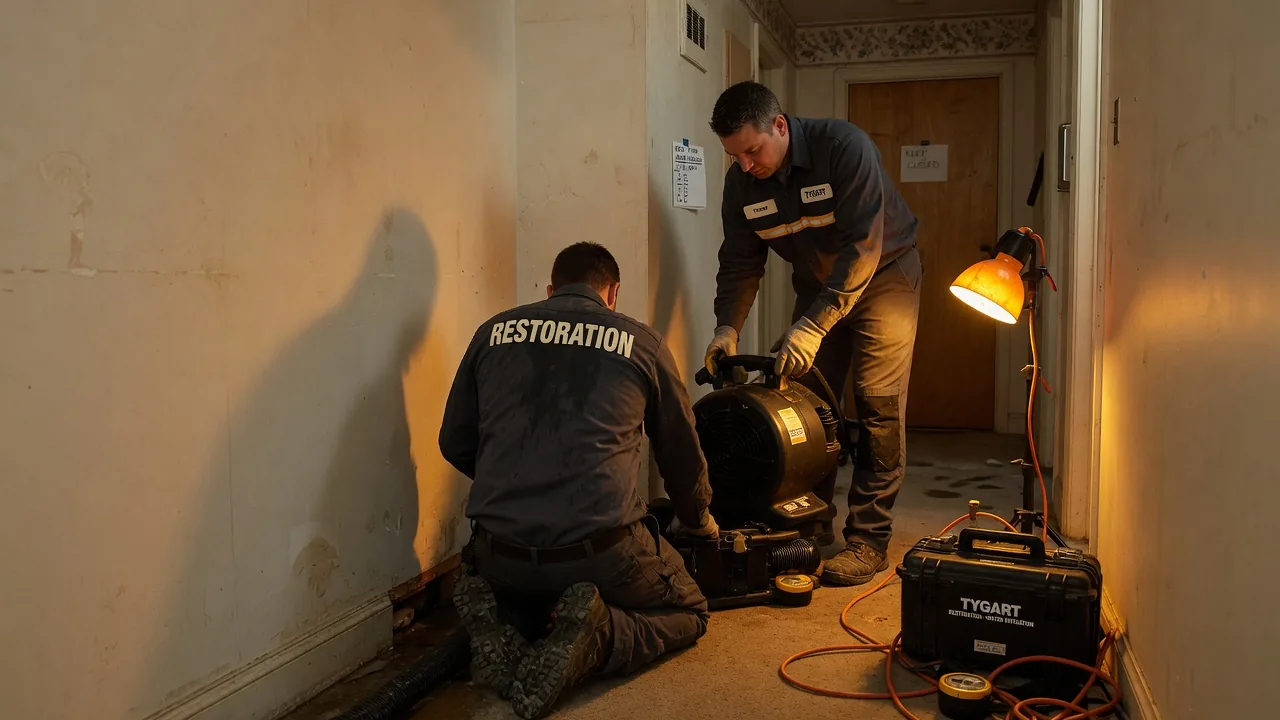
Social media is the channel where restoration company marketing budgets go to die unless someone is paying attention. The platforms reward consistency more than creativity, the algorithms change quarterly, and the gap between social activity and closed jobs is harder to measure than search or LSAs. But for the operators who get it right, social produces meaningful brand lift, recruiting wins, B2B reach, and a steady drip of residential leads.
This guide walks through which platforms matter for restoration, what to post, and how social fits into the rest of the marketing stack. For the broader strategic context, see our restoration marketing guide.
Why Most Restoration Social Fails
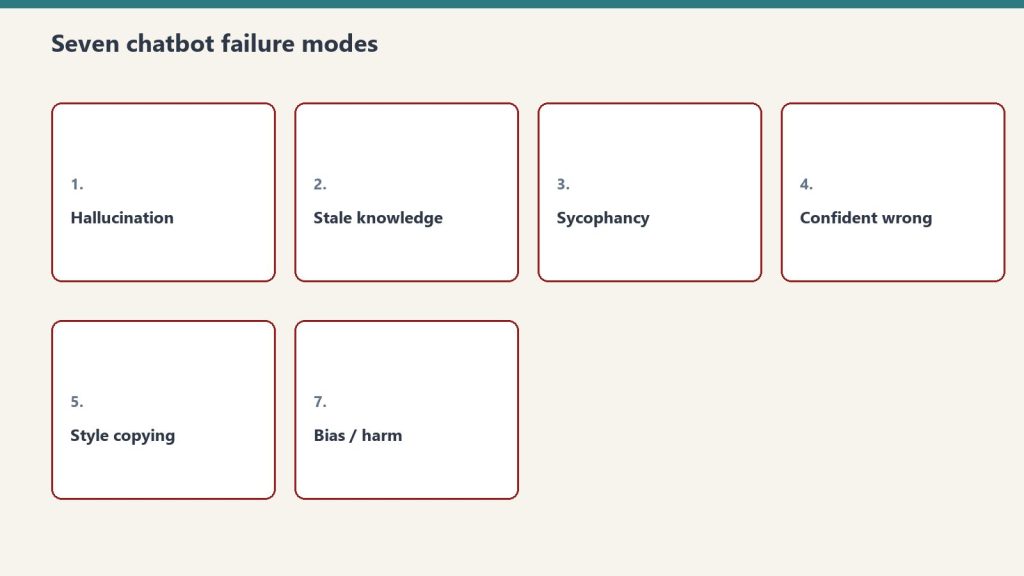
The typical restoration company social account posts before-and-after job photos with a generic caption two or three times a week, then wonders why it does not produce leads. The failure mode is consistent: posting without strategy, no platform-specific content, no paid amplification, and no measurement loop. Social can absolutely work for restoration — but only when the operator commits to a real production cadence, picks the right platforms, and treats it as a system rather than an afterthought.
Platform-by-Platform Fit
Facebook remains the most useful platform for residential restoration in most markets. Local community group engagement, Facebook Marketplace presence, and paid Facebook Ads targeting homeowners by geography are the three highest-leverage uses. Organic reach on a business page is essentially zero — paid amplification is required for the platform to matter.
Instagram works well for restoration brand building, recruiting, and adjacent-service partnerships (real estate agents, designers, plumbers). Reels showing job site work, time-lapses of dry-out setups, and process explainers tend to outperform polished promotional content. Instagram is rarely a direct lead source for restoration but matters for credibility when prospects search for the company.
LinkedIn is the highest-ROI social platform for commercial restoration and B2B business development. Property managers, facility managers, risk managers, brokers, and TPA contacts all spend meaningful time on LinkedIn. A consistent posting cadence from the owner or commercial sales lead, combined with targeted outreach to local property management firms, produces real pipeline. Most restoration companies dramatically underinvest here.
YouTube
YouTube works as a long-tail SEO and authority channel rather than a daily-engagement platform. Videos demonstrating the dry-out process, walking through fire damage cleanup, or explaining insurance claims rank for years and embed into blog content. The production bar is higher than other platforms but the asset life is much longer.
TikTok
TikTok produces wildly variable results for restoration. A small number of restoration companies have built large followings with raw job-site footage and educational content. Most accounts gain little traction. Worth experimenting with if the operator already produces video content for other platforms — not worth a dedicated investment otherwise.
Content Types That Perform
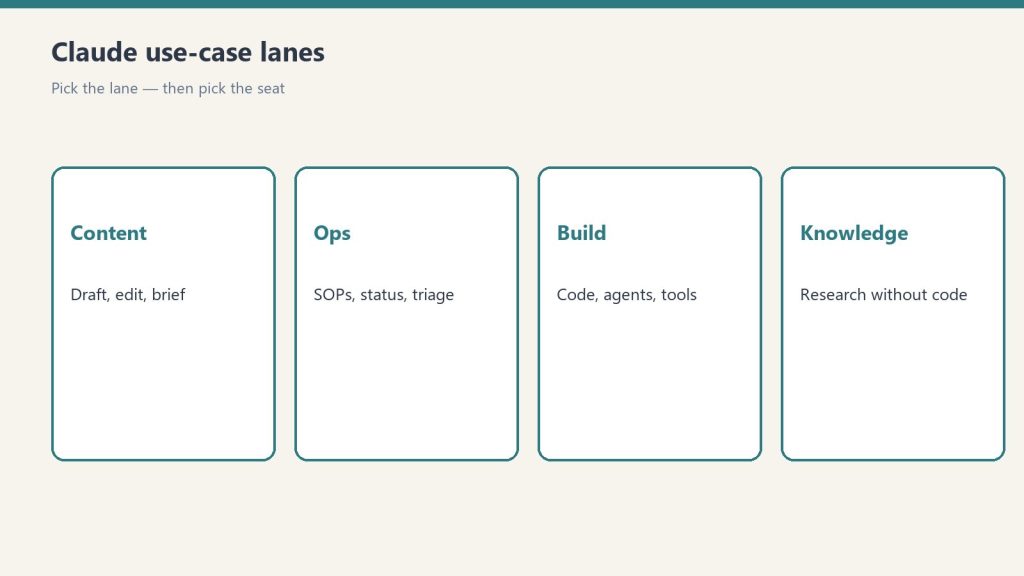
Across platforms, certain content types consistently outperform others for restoration companies: time-lapse job site videos, before-and-after walk-throughs with voiceover explaining the process, “what happens in the first 24 hours” educational pieces, owner or technician POV videos explaining a specific aspect of the work, and customer testimonials filmed at the completed job site. Pure promotional content (logo graphics, holiday greetings, generic safety reminders) generally underperforms.
Paid Social for Restoration
Paid social is where restoration social marketing actually produces measurable results. Facebook and Instagram Ads targeting homeowners in specific zip codes with video creative around water damage prevention or what to do during a storm produce both top-of-funnel awareness and direct lead form fills. LinkedIn Ads targeting facility manager and property manager titles in specific metros work for commercial pipeline.
The budget threshold for paid social to matter is generally $1,500-$3,000 per month per platform. Below that, frequency is too low to generate meaningful results.
Recruiting Through Social
Often overlooked: social media is one of the most effective recruiting channels for restoration technicians and project managers. Content showing crew culture, training programs, equipment, and career paths attracts the labor pool that restoration companies struggle to recruit through traditional channels.
Measurement and Attribution
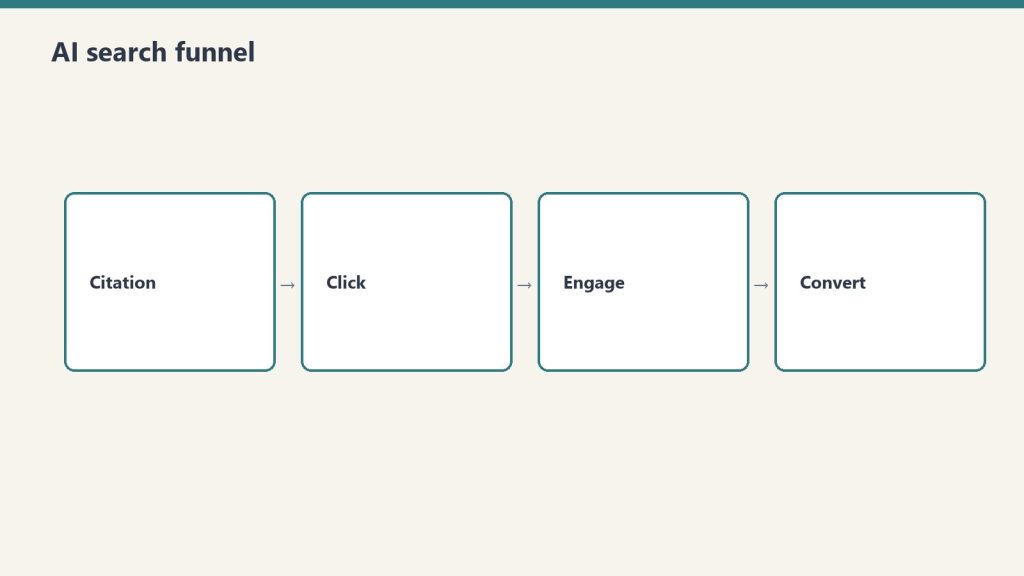
Social attribution is harder than search but not impossible. UTM-tagged links, dedicated landing pages for paid social campaigns, and post-call lead source questions all help. The most useful question is not “how many leads did social generate” but “what role does social play in our overall marketing mix” — which usually shows up as influencing search and direct traffic rather than producing first-touch leads.
Related on Tygart Media: LinkedIn social selling · content marketing · LinkedIn content strategy.
Frequently Asked Questions
Which social platform should a restoration company start with?
For residential-focused restoration, Facebook and Instagram together are usually the right starting point. For commercial-focused restoration, LinkedIn is the highest-leverage starting platform. YouTube makes sense once the company is already producing video content for other channels.
How often should a restoration company post on social media?
The minimum viable cadence is generally 3-5 posts per week per platform. Below that, audiences disengage. The cap is whatever the operator can sustain at quality — burnout from over-posting is more common than under-posting.
Do I need a separate person to run social media?
For companies under roughly $5M in revenue, social media is usually best handled by a part-time hire or a specialized agency rather than a full-time in-house role. Above that, a dedicated marketing coordinator who handles social, email, and content together becomes a worthwhile investment.
Can social media produce direct restoration leads?
Paid social — particularly Facebook and Instagram Ads — produces direct residential leads in most markets. Organic social rarely produces direct emergency restoration leads but does support brand recognition that improves conversion rates on other channels.
Is it worth posting before-and-after job photos?
Yes, but with operator commentary that explains what was done and why, and with attention to customer privacy and consent. A photo with no context is a wasted post; the same photo with a 90-second video explanation of the work performed is one of the highest-performing content types in restoration social.
Get The Signal
What we actually ran, what it measured, and what it means for a restoration shop — every week, including the flops.
Leave a Reply