Author: William Tygart

  • Navigating the 2026 Tacoma Rainiers Season: Your Comprehensive Guide to the Gameday Experience

    Navigating the 2026 Tacoma Rainiers Season: Your Comprehensive Guide to the Gameday Experience

    # Navigating the 2026 Tacoma Rainiers Season: Your Comprehensive Guide to the Gameday Experience

    As the Triple-A affiliate of a major league club, the Tacoma Rainiers hold a special place in the heart of local sports enthusiasts. The anticipation for the 2026 season is already building, and for dedicated fans and newcomers alike, understanding how to access the wealth of information surrounding the team is key to a fulfilling gameday experience. From securing tickets to tracking player performance and understanding stadium policies, the official online portal for the Tacoma Rainiers serves as the definitive resource for all things related to the club.

    The digital landscape has become the primary command center for sports fans, and the Tacoma Rainiers’ official site is no exception. Designed to be a comprehensive hub, it offers an organized gateway to every facet of the team’s operations and fan engagement. Whether you’re looking for the latest news, detailed statistics, or planning your next visit to Cheney Stadium, the site provides dedicated sections to streamline your information gathering. This central repository ensures that fans have direct access to authoritative data, making it easier than ever to stay connected with the team throughout the 2026 season and beyond.

    One of the most critical aspects of following any sports team is the ability to attend games, and the Tacoma Rainiers’ official platform provides an extensive array of ticketing options designed to cater to every fan’s preference and budget. For those looking to catch a single game, Single-Game Tickets are readily available, offering flexibility for spontaneous outings or specific matchups. Groups planning an outing can explore Group Ticket Options, which often come with added benefits for larger parties. Dedicated supporters can invest in Season Ticket Memberships, ensuring their presence at every home game and often unlocking exclusive perks. For a more elevated experience, Private Hospitality Spaces offer premium amenities, perfect for corporate events or special celebrations. The site also acknowledges the importance of the military community with specific Military Ticket Deals, providing accessible options for service members and their families. Furthermore, practical resources like the Digital Tickets FAQ and Box Office Information are provided to ensure a smooth and hassle-free ticketing process, from purchase to entry. Fans can also manage their existing tickets through the MyTicket & Season Ticket Exchange Info section, adding another layer of convenience.

    Understanding the team’s schedule is paramount for any fan, and the official site dedicates a significant portion to keeping supporters informed about the 2026 season. The “2026 Schedule” section is the go-to place for all upcoming games, offering a clear overview of the season’s progression. For those who prefer a tangible reference, a “2026 PDF Schedule” is also available for download, allowing fans to print and keep a physical copy of the season’s lineup. The digital schedule is equipped with robust filtering capabilities, enabling fans to customize their view based on specific criteria. You can filter by “Day of the Week” to plan your week around games, or by “Time” to distinguish between “Day Games” and “Night Games.” The “Home/Away” filter allows fans to easily identify when the Rainiers are playing at Cheney Stadium or on the road. Additionally, an “Opponent” filter helps fans track specific rivalries or matchups against various teams, ensuring they don’t miss a key series. While the full game-by-game results for the 2026 season will populate as the year progresses, the site also provides access to “Game-by-game Results” for historical reference, allowing fans to review past performances and track the team’s journey.

    Beyond just the schedule, the official platform is a treasure trove for those who love to delve into the analytics and composition of the team. The “Stats & Scores” section is a comprehensive resource, featuring a live “Scoreboard” to follow games in real-time. For the stat-heads, “Individual Stats” and “Team Stats” offer in-depth breakdowns of player and team performance, allowing fans to track batting averages, ERAs, and other key metrics. The “Standings” section provides a clear picture of where the Rainiers rank within their league, while “MiLB Stats” offers a broader view of the minor league landscape. For those interested in the historical context, “History & Records” provides a look back at the team’s legacy. The “Team” section offers a deeper dive into the organization itself, including the current “Roster” of players, recent “Transactions” affecting the team’s composition, and a listing of the “Front Office Staff” who steer the club. Furthermore, “Corporate Partners” are recognized, highlighting the businesses that support the Rainiers, and “Employment Opportunities” are listed for those looking to join the team behind the team.

    Attending a game at Cheney Stadium is an experience in itself, and the official website ensures that fans are well-prepared for their visit. The “Cheney Stadium” section is packed with practical information, starting with a comprehensive “Frequently Asked Questions” guide that addresses common queries. The “Know Before You Go” section provides essential tips and guidelines to ensure a smooth entry and enjoyable time at the ballpark. Understanding the “Rain Policy” is crucial for outdoor events, and the site clearly outlines procedures in case of inclement weather. For those looking to enjoy refreshments, “Cheney Stadium Concessions” details the food and beverage offerings, including information about the popular “R Bar.” The “Fan Behavior Policy” is also clearly stated, promoting a safe and respectful environment for all attendees. Additionally, the “Tacoma Affiliation History” offers a glimpse into the long-standing relationship between the Rainiers and their major league parent club, enriching the fan’s understanding of the team’s heritage.

    Staying connected with the Tacoma Rainiers extends beyond the ballpark, and the official site provides multiple avenues for fans to follow the action from anywhere. For those who can’t make it to the stadium, “MiLB.TV” offers live streaming of games, bringing the excitement directly to your screen. If you prefer to listen, the “Listen Live” option provides radio broadcasts, ensuring you don’t miss a single pitch. The site also lists “Mariners Affiliates,” connecting fans to the broader network of the parent club. For specific broadcasts, information on how to “Watch on Bally Sports Live” is also available, providing another platform for viewing games. Beyond live action, the “News” section serves as a central hub for all official announcements and stories, with a “News Home” and links to “MiLB.com News” for broader minor league updates. Fans can also participate in “Sweepstakes & Contests,” adding an interactive element to their engagement with the team.

    In conclusion, the Tacoma Rainiers’ official website is an indispensable tool for anyone looking to immerse themselves in the 2026 season. From the moment you consider purchasing a ticket to the final out of a game, every piece of information you need is meticulously organized and readily accessible. This comprehensive digital platform ensures that whether you’re a seasoned season ticket holder or a curious first-timer, you have all the resources at your fingertips to enjoy the vibrant world of Tacoma Rainiers baseball. Make it your first stop for all things Rainiers and prepare for an exciting season ahead.
  • Tacoma’s June Calendar Blooms with Outdoor Adventures and Community Celebrations

    Tacoma’s June Calendar Blooms with Outdoor Adventures and Community Celebrations

    # Tacoma’s June Calendar Blooms with Outdoor Adventures and Community Celebrations

    As the days grow longer and the Pacific Northwest truly comes alive, Tacoma is gearing up for a vibrant June, offering an abundance of activities that invite residents and visitors to explore its natural beauty, engage with the community, and discover new passions. From lush garden showcases to invigorating trail challenges and family-friendly events, our city’s parks and public spaces are set to host a season brimming with opportunities for connection and enjoyment.

    This month, Tacoma’s calendar is particularly rich with events that highlight our city’s commitment to green spaces and active living. Whether you’re a seasoned outdoors enthusiast, a budding gardener, or a family looking for engaging activities, there’s something tailored for every interest.

    ## Cultivating Inspiration: The Point Defiance Flower & Garden Festival

    One of the undeniable highlights of early June is the much-anticipated **Point Defiance Flower & Garden Festival**, returning on Saturday, June 6, and Sunday, June 7. This beloved event, held within the sprawling beauty of Point Defiance Park, offers free admission, making it an accessible and inspiring outing for everyone.

    The festival is more than just a display of blooms; it’s a comprehensive showcase of gardening in the Pacific Northwest. Attendees can look forward to a wealth of garden inspiration, with expert-led workshops designed to spark creativity and enhance horticultural skills. Beyond the educational aspects, the festival provides ample opportunities for shopping, featuring local vendors offering unique plants, garden art, and related merchandise. Food trucks will be on site to satisfy any culinary cravings, ensuring a full day of enjoyment.

    For those eager to delve deeper into the art of gardening, guided garden tours offer an intimate look at various planting styles and techniques. A series of informative lectures will cover a range of topics, providing valuable insights from local experts. The festive atmosphere is further enhanced by live music performances, creating a delightful backdrop for exploration. And for adults looking to unwind, a dedicated beer and wine tasting garden offers a chance to sample local libations amidst the botanical splendor. The Point Defiance Flower & Garden Festival truly embodies the spirit of spring and early summer, inviting all to find beauty, inspiration, and family fun.

    ## Embrace the Trails: The Tacoma Trails Challenge

    For those who prefer to experience Tacoma’s natural landscapes through active exploration, the **Tacoma Trails Challenge** is back and ready to inspire adventure throughout the entire month of June, from the 1st to the 30th. This popular event encourages participants to lace up their walking shoes, grab their cameras, and embark on a journey through our city’s diverse network of parks and trails.

    Registration for the Tacoma Trails Challenge is free, removing any barriers to participation and making it easy for everyone to join in the fun. The challenge is designed to be an engaging way to discover new corners of Tacoma, offering a unique blend of physical activity and playful competition. Participants are invited to explore various parks and trails, with the added incentive of playing bingo and winning prizes. This interactive element transforms a simple walk into a scavenger hunt, encouraging a closer look at the natural environment and fostering a sense of accomplishment.

    One excellent location to kick off your Trails Challenge adventure, or simply to enjoy a scenic outing, is **Swan Creek Park**. This East Tacoma gem offers a fantastic network of trails, perfect for a leisurely stroll, an invigorating run, or a peaceful walk amidst lush greenery. The park itself will also host a specific event, the **Swan Creek Trail Run**, on Saturday, June 20, 2026, at 10:00 am. This organized run and walk provides a wonderful opportunity to experience the park’s trails in a community setting, whether you’re aiming for a personal best or simply enjoying the camaraderie and natural beauty.

    ## Family Fun and Community Spirit

    Tacoma’s June calendar also features a variety of events catering to families and celebrating the diverse fabric of our community. For the younger members of the family, the **Fish Tales** event at the **Point Defiance Marina** offers a delightful morning of storytelling and creativity. Scheduled for Thursday, June 11, 2026, at 11:00 am, this event provides a charming opportunity for children to engage with marine-themed stories and participate in a craft activity, fostering imagination and a love for our waterfront.

    As summer truly gets underway, parents will be pleased to know that **Summer Camps** are in full swing, with registration currently open. Metro Parks Tacoma proudly offers “a camp for every camper,” ensuring that children of all ages and interests can find an enriching and fun experience. From outdoor adventures to arts and crafts, these camps provide structured activities and opportunities for growth during the school break.

    Beyond traditional family activities, our community also comes together to celebrate diversity and inclusion. **Pride at Northwest Trek Wildlife Park** is a special event scheduled for June 6-7, inviting everyone to celebrate Pride and support our LGBTQ+ community. This unique event at the wildlife park offers a chance to enjoy the natural surroundings while fostering a sense of belonging and solidarity.

    ## Exploring Tacoma’s Green Gems and Recreational Hubs

    While specific events punctuate the calendar, Tacoma’s array of parks and recreational facilities consistently offer opportunities for enjoyment. Beyond the event-specific mentions, several featured parks and places are always worth a visit:

    * **W.W. Seymour Conservatory:** A beautiful glasshouse showcasing exotic plants, offering a serene escape and a visual feast for plant lovers. It complements the spirit of the Flower & Garden Festival with its year-round botanical displays.

    * **Fort Nisqually Living History Museum:** Step back in time at this meticulously recreated 19th-century fur trade outpost, offering a glimpse into the region’s rich history.

    * **Tacoma Nature Center:** A tranquil urban oasis dedicated to environmental education and wildlife observation, with walking trails and a visitor center.

    * **Ruston Way:** This scenic waterfront promenade is perfect for leisurely walks, jogs, or simply enjoying panoramic views of Commencement Bay and the Olympic Mountains. It’s a popular spot for both active recreation and peaceful contemplation.

    * **Meadow Park Golf Course:** For golf enthusiasts, this course provides a well-maintained setting for a round of golf, offering both challenge and relaxation.

    These locations, alongside the many neighborhood parks, ensure that there’s always a green space or recreational opportunity just around the corner, regardless of the season.

    ## Navigating Your Visit: Important Advisories

    As you plan your outings, especially to popular destinations like Point Defiance Park, it’s always wise to stay informed. Please note that vehicle and pedestrian detours are currently in effect at Point Defiance Park due to ongoing construction. Additionally, a traffic advisory has been issued for June 6-7, specifically around Point Defiance Park and its boat launch, anticipating heavier than normal congestion due to multiple events taking place. Planning ahead and checking for updated directions and maps on the Metro Parks Tacoma website is highly recommended to ensure a smooth and enjoyable visit.

    Tacoma’s June calendar is a testament to our city’s vibrant community and abundant natural resources. From the inspiring beauty of the Flower & Garden Festival to the active challenge of the trails and the inclusive spirit of community celebrations, there’s a wealth of experiences waiting to be discovered. So, step outside, explore our local gems, and make the most of what Tacoma has to offer this season.

    —

    **Disclaimer:** The information provided in this article is for general informational purposes only and does not constitute professional advice. Readers are encouraged to verify details with official sources and exercise their own judgment. The Tacoma Business Journal is not responsible for any actions taken based on the information presented.

  • Tacoma Arts Live and the Historic Armory: A Hub for Culture and Community in 2026

    Tacoma Arts Live and the Historic Armory: A Hub for Culture and Community in 2026

    # Tacoma Arts Live and the Historic Armory: A Hub for Culture and Community in 2026

    Tacoma’s cultural landscape is continually evolving, yet some institutions remain steadfast anchors, enriching the community with vibrant programming and dedicated support for local artists. Among these, Tacoma Arts Live stands out, operating from the historic Tacoma Armory and serving as a vital hub for arts, culture, and community engagement. As we move through 2026, Tacoma Arts Live continues its mission to present high-quality programs that not only entertain and educate but also foster crucial cross-cultural understanding within our city.

    Founded in 1979, Tacoma Arts Live has grown into a cornerstone of the region’s artistic infrastructure. As a 501(c)(3) non-profit arts organization, its work extends far beyond simply staging performances. The organization is deeply committed to expanding access to the arts for all residents, a critical endeavor in a diverse city like Tacoma. A core tenet of their mission is to uplift underrepresented voices, actively supporting BIPOC and women entrepreneurs within the creative sector. Furthermore, Tacoma Arts Live nurtures creativity through a range of youth-focused initiatives delivered throughout the region, ensuring that the next generation of artists and arts enthusiasts are inspired and engaged from an early age.

    The impact of Tacoma Arts Live is quantifiable and far-reaching. Annually, the organization inspires thousands of learners, bringing arts education and exposure to countless students. They host a significant number of live events, drawing in thousands of visitors who come to experience diverse artistic expressions. Crucially, Tacoma Arts Live actively supports hundreds of local creatives, providing them with platforms, resources, and opportunities to thrive. This commitment to local talent not only enriches the artistic fabric of Tacoma but also contributes directly to the local economy.

    U.S. Senator Patty Murray has recognized the profound difference Tacoma Arts Live makes, stating, “Tacoma Arts Live…are really making a difference for artists and small business owners here by giving people a voice, a space, and the support they need to succeed and grow… The work [they] do is helping to build a positive and inclusive community identity, promote local economic development, and give a voice to local artists.” This sentiment underscores the organization’s dual role as both a cultural presenter and an economic catalyst, fostering an environment where creativity can flourish and contribute to the broader well-being of the city.

    At the heart of Tacoma Arts Live’s operations is the historic Tacoma Armory, located at 1001 Yakima Ave. This venerable building serves as more than just a venue; it’s a character in Tacoma’s ongoing story. Leigh Sachwitz, Founder and Creative Director of flora&faunavisions, captured the essence of the Armory’s appeal, noting, “I feel the spirit here, the history of the Tacoma Armory and the staff…It’s the perfect venue for an immersive show.” This speaks to the unique atmosphere the Armory provides, a blend of historical gravitas and contemporary adaptability that makes it ideal for a wide array of artistic and community events.

    The organization’s dedication to education is particularly evident through programs like LENS. A LENS Liaison Teacher highlighted the tangible benefits, remarking, “This activity and the importance of the skills learned through LENS made a huge difference for these students when they needed it most.” Such testimonials reinforce Tacoma Arts Live’s commitment to not just showcasing art, but also using it as a powerful tool for personal development and community enrichment, especially for young people.

    Looking ahead to June 2026, the Tacoma Armory’s calendar, curated by Tacoma Arts Live, is bustling with diverse events that exemplify its mission:

    * **June 7, 2026: Skate the Armory** – A repeating event that transforms the historic space into a dynamic roller-skating rink. This event offers a unique blend of recreation and community gathering, utilizing the Armory’s expansive floor for an active and engaging experience. It’s a testament to the venue’s versatility, hosting events that appeal to a broad demographic beyond traditional performing arts.
    * **June 12, 2026: Black Night Market – Juneteenth Market** – This event highlights Tacoma Arts Live’s commitment to uplifting underrepresented voices and supporting BIPOC entrepreneurs. The Juneteenth Market provides a vital platform for Black-owned businesses and artists, fostering economic development within the community while celebrating a significant cultural holiday. It’s an opportunity for residents to engage directly with local creators and support a diverse marketplace.
    * **June 13, 2026: Gritty City Sirens Burlesque** – Held in the more intimate Tacoma Armory Roosevelt Room, this performance showcases the breadth of artistic expression supported by Tacoma Arts Live. It speaks to the organization’s willingness to embrace various art forms, providing a stage for local performers and offering unique entertainment options for Tacoma audiences. The Roosevelt Room’s setting allows for a more focused and engaging experience for attendees.
    * **June 18, 2026: Behind the Techniques: Dance and Video Mixing Workshop** – Also taking place in the Tacoma Armory Roosevelt Room, this workshop exemplifies Tacoma Arts Live’s educational and creative development initiatives. By offering hands-on learning experiences in contemporary art forms like dance and video mixing, the organization directly nurtures creativity and provides opportunities for skill-building within the community. This event is particularly geared towards those looking to explore new artistic techniques and collaborate in innovative ways.

    These events collectively paint a picture of an organization deeply embedded in the life of Tacoma, offering something for everyone, from recreational activities to cultural celebrations and artistic development.

    It is also important to acknowledge Tacoma Arts Live’s respect for the land and its history. The organization explicitly states that it operates on the traditional homelands of the Puyallup and Nisqually Tribes, and on lands with deep significance to other Coast Salish tribes. This recognition underscores a broader commitment to cultural understanding and respect, acknowledging the enduring presence and stewardship of Coast Salish people on these lands since time immemorial.

    In conclusion, Tacoma Arts Live, headquartered at the historic Tacoma Armory, continues to be an indispensable force in shaping Tacoma’s cultural identity. Through its diverse programming, unwavering support for local artists and entrepreneurs, and dedication to arts education, it not only entertains and educates but also strengthens the very fabric of our community. As a knowledgeable local operator, it’s clear that Tacoma Arts Live is not just presenting events; it’s building connections, fostering creativity, and ensuring that Tacoma remains a vibrant, inclusive, and culturally rich city for all. For more information on upcoming events or to support their mission, Tacoma Arts Live can be reached at 253.346.1721 or tickets@tacomaartslive.org.

  • Active Storm Alerts Today: Severe Thunderstorms & Flash Floods Hit Florida, Utah & Arizona — Restoration Hotspots

    Severe thunderstorm warnings and life-threatening flash flood warnings are active right now across parts of Florida, Utah, and Arizona. These are the kinds of localized, high-intensity events that produce the exact damage restoration teams see most: wind-driven roof and siding failures, hail-pocked vehicles and windows, and sudden interior flooding from heavy rain or flash runoff.

    This is a live snapshot of the alerts as of the afternoon of Saturday, August 29, 2026. Conditions change fast — always verify with the National Weather Service for your specific county or ZIP code.

    Florida — Severe Thunderstorms & Flood Advisories

    The National Weather Service Tampa Bay (Ruskin) office has issued multiple severe thunderstorm warnings this afternoon for west-central and southwest Florida. Hazards include 60 mph wind gusts capable of damaging roofs, siding, and trees, plus urban and small-stream flooding from heavy rain.

    Active / recent warnings include:

    • Central Pasco County (near Hudson, Moon Lake, Shady Hills) — severe thunderstorm, 60 mph gusts, nearly stationary.
    • Northeastern Manatee County / southeastern Hillsborough County (near Parrish) — severe thunderstorm warning.
    • Northwestern Charlotte County / south-central Sarasota County (North Port, Venice, Osprey, Nokomis, Englewood area) — 60 mph gusts.
    • Southeastern Charlotte / northeastern Lee County (near LaBelle, North Fort Myers) — 60 mph gusts.
    • Flood advisories for urban/small-stream flooding in parts of Lee, Highlands, and surrounding counties.

    A lingering front is keeping daily rounds of showers and storms over the Southeast through the weekend, with flash-flood potential shifting toward Louisiana, Alabama, Mississippi, Florida, and southwest Georgia on Sunday. Expected rainfall totals of 1–3+ inches in many areas by Monday.

    Local emergency contacts:

    Utah — Severe Thunderstorms & Life-Threatening Flash Floods

    The Storm Prediction Center has a Slight Risk of severe thunderstorms from eastern Nevada across northern Utah into far southwest Wyoming, with the main threat being severe wind gusts and isolated large hail. The National Weather Service Salt Lake City office has active warnings in central Utah.

    Active warnings:

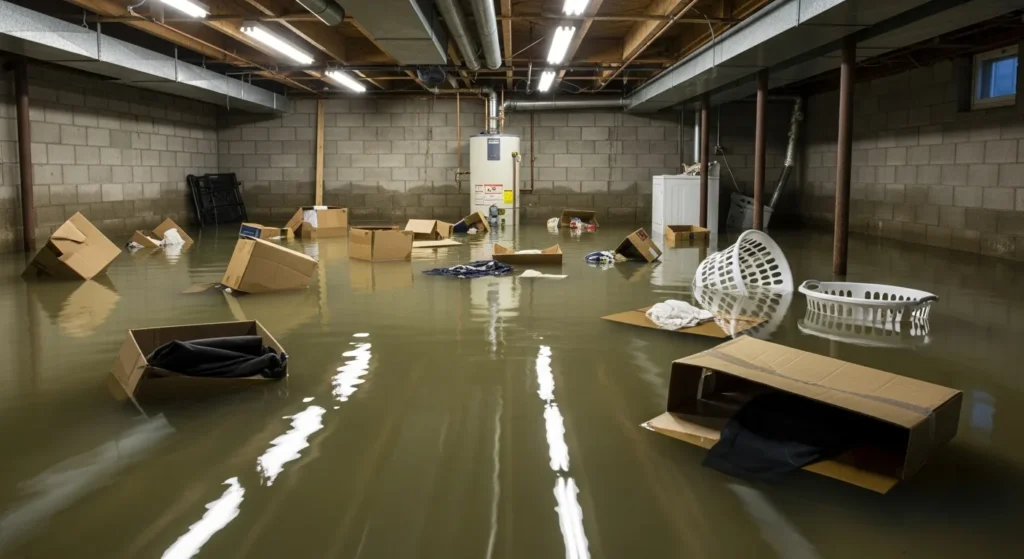
    Flooded residential basement with standing water and damaged belongings
    Flash flooding and heavy rain produce exactly this kind of interior water damage — saturated drywall, damaged belongings, and mold risk within 48 hours.
    • Severe Thunderstorm Warning — northwestern Emery County and southwestern Carbon County (Huntington, Wellington, Castle Dale, Orangeville, Cleveland, Elmo, Hiawatha). 60 mph winds + quarter-size hail. Storm located 9 miles north of Clawson, moving northeast at 30 mph.
    • Flash Flood Warning — southern Emery County and north-central Wayne County. Life-threatening flash flooding from heavy rain; Doppler radar indicated ongoing or imminent flooding.

    Local emergency contacts:

    • Emery County Sheriff’s Office / Emergency Management: 435-381-2404 | emery.utah.gov
    • Utah Division of Emergency Management: dem.utah.gov

    Arizona — Flash Flood Warning & Monsoon Storms

    A Flash Flood Warning is active for the Havasu Creek basin in Coconino County (near Supai, northward to the Colorado River). Between 0.5 and 0.75 inches of rain have already fallen, with additional amounts possible. Life-threatening flash flooding is ongoing or expected shortly. Campers and hikers are advised to move to higher ground immediately.

    Flood watches cover broader areas including parts of the Phoenix metro, Pima, Pinal, Gila, Apache, Navajo, and Yavapai counties for heavy rain potential through Sunday and Monday. Scattered thunderstorms with strong or severe wind gusts remain possible.

    Local emergency contacts:

    What These Storms Mean for Restoration Teams

    These alerts map directly to the damage categories restoration companies handle every day:

    • Wind damage (60 mph gusts): roof shingles, siding, gutters, tree limbs on structures, broken windows.
    • Hail (quarter-size in Utah): vehicle dents, skylights, soft metals, landscaping.
    • Flash flooding & heavy rain: interior water intrusion, saturated drywall and insulation, mold risk within 24–48 hours, sewage backup in low-lying areas.
    • Urban flooding in Florida: parking lots, first-floor commercial spaces, HVAC units, electrical hazards.

    For teams in or near these hotspots, the play is simple: stage equipment, pre-position drying assets, and be ready to respond the moment the warnings lift. Property owners should document damage with photos and contact their insurer quickly — and if they need immediate water extraction or board-up, a local restoration pro is the fastest path to limiting secondary damage.

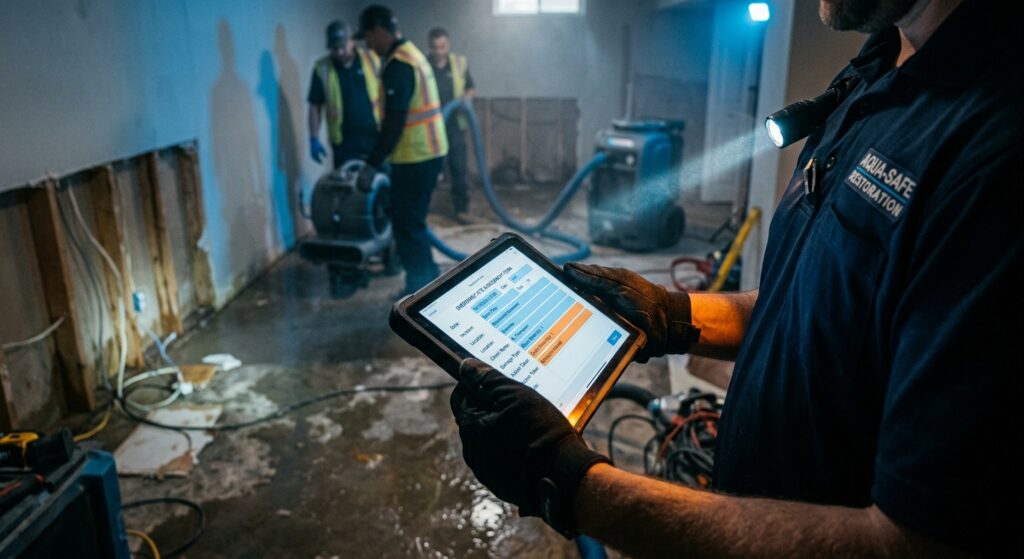
    Restoration worker using a tablet to document water damage cleanup in a flooded basement
    Rapid documentation and extraction limit secondary damage after wind and flood events.

    FEMA & Federal Assistance

    If a storm produces damage beyond what insurance covers, residents can apply for federal disaster assistance. The FEMA Helpline is 1-800-621-3362 (open 7 a.m. to 10 p.m. local time, 7 days a week). Applications can also be started at DisasterAssistance.gov or through the free FEMA app. Find a nearby Disaster Recovery Center at fema.gov/drc.

    Basic eligibility generally requires U.S. citizenship or qualified status, identity verification, proof of occupancy or ownership, and unmet needs not covered by insurance. Don’t wait — apply as soon as it’s safe.

    This post is for informational purposes and is not an official weather warning. Always follow instructions from local authorities and the National Weather Service. Stay weather-aware, especially around flash flooding — turn around, don’t drown.

  • Cursor as an Autonomous AI Command Center: Multi-Agent Fleets, MCP Protocols & Headless Ops (2026)

    Cursor as an Autonomous AI Command Center: Multi-Agent Fleets, MCP Protocols & Headless Ops (2026)

    Most developers and operators still think of Cursor as a next-generation AI code editor—an autocomplete tool with a conversational sidebar. In advanced engineering environments in 2026, however, Cursor has evolved into something far more powerful: a headless, multi-agent command center capable of orchestrating full-stack operations, managing background subagent execution tracks, enforcing safety guardrails, and connecting directly to external enterprise platforms via Model Context Protocol (MCP).

    The 2026 Paradigm Shift: From IDE to Operational Kernel
    • Orchestration Over Autocomplete: Cursor coordinates multi-step operational tasks (e.g., harvesting and categorizing 1,700+ emails, auditing 9 CMS properties, and staging complex database migrations).
    • Dynamic Tool Ingestion via MCP: Standardized Model Context Protocol servers give the AI native read/write capabilities across PostgreSQL, Notion, Slack, Google Calendar, and WordPress fleets.
    • Background Subagent Execution: Independent agents can be dispatched into non-blocking background workers, allowing the primary operator to continue focused work.
    • Persistent Semantic Memory: Anchored system rules (.cursorrules) and cross-session transcripts preserve institutional knowledge and coding standards without prompt degradation.
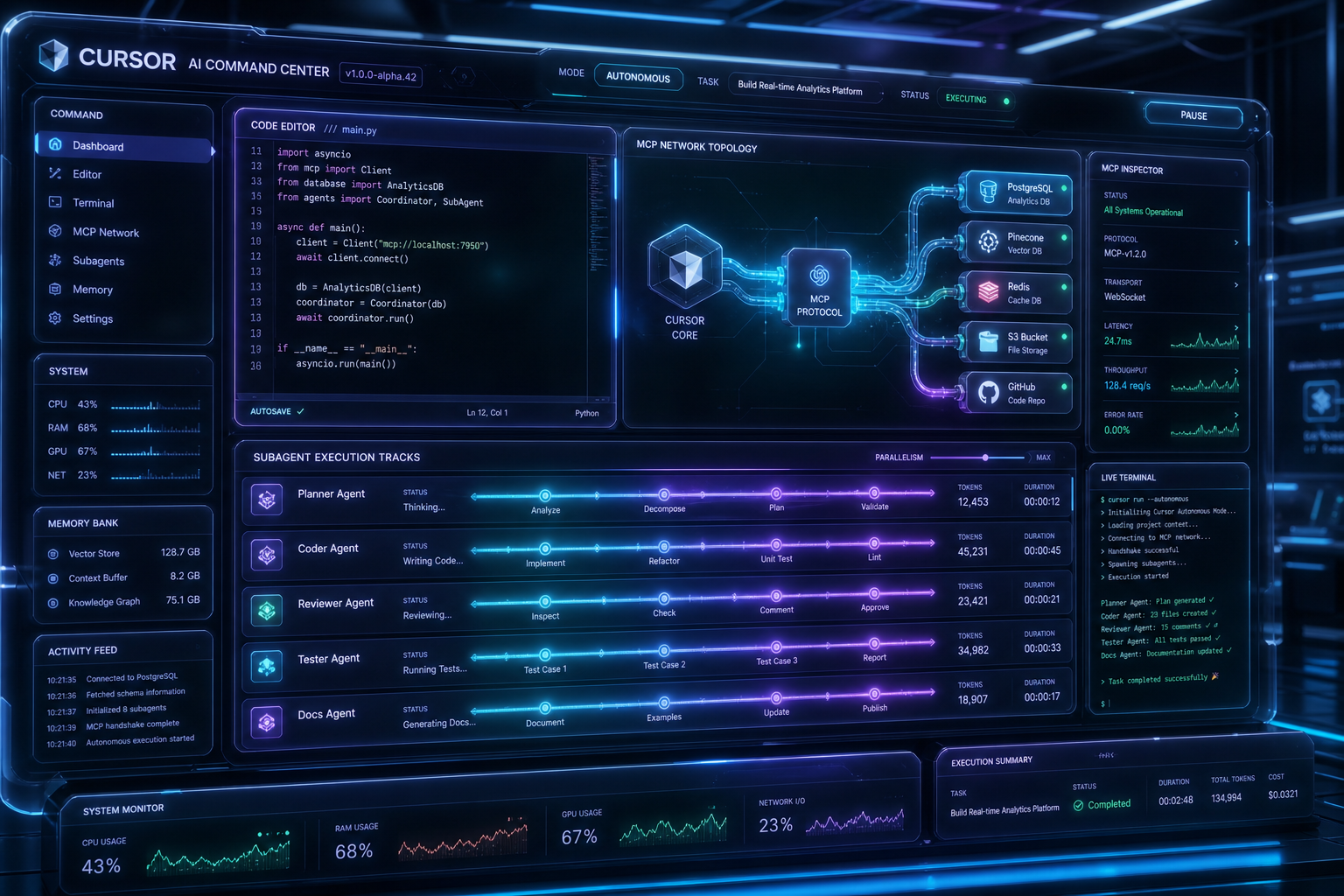
    Cursor AI Command Center Dashboard Architecture generated by Grok AI
    Visual generated by Grok AI — Cursor AI Command Center: MCP Topology, Subagent Execution Tracks & Live Terminal Monitoring.

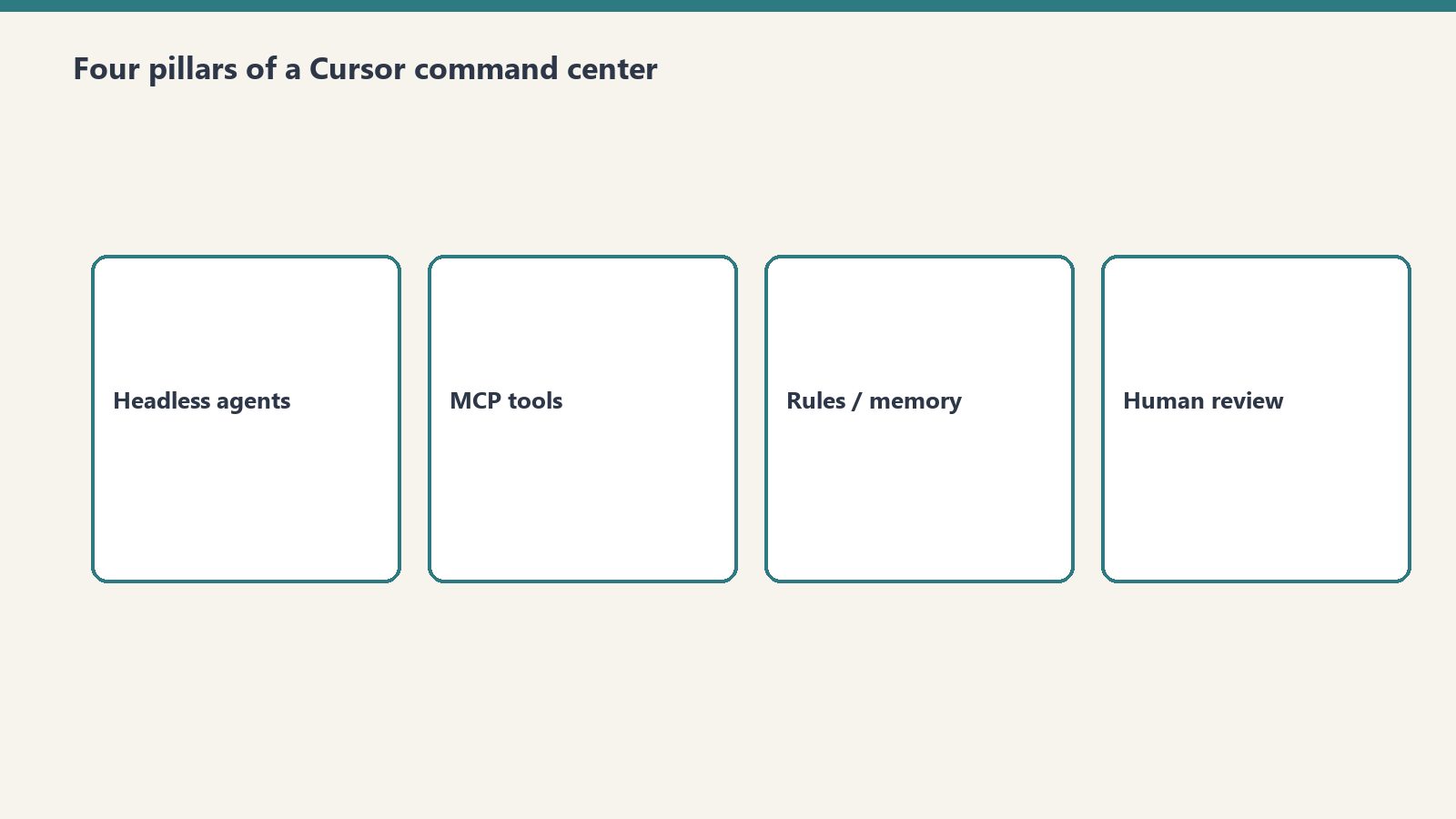
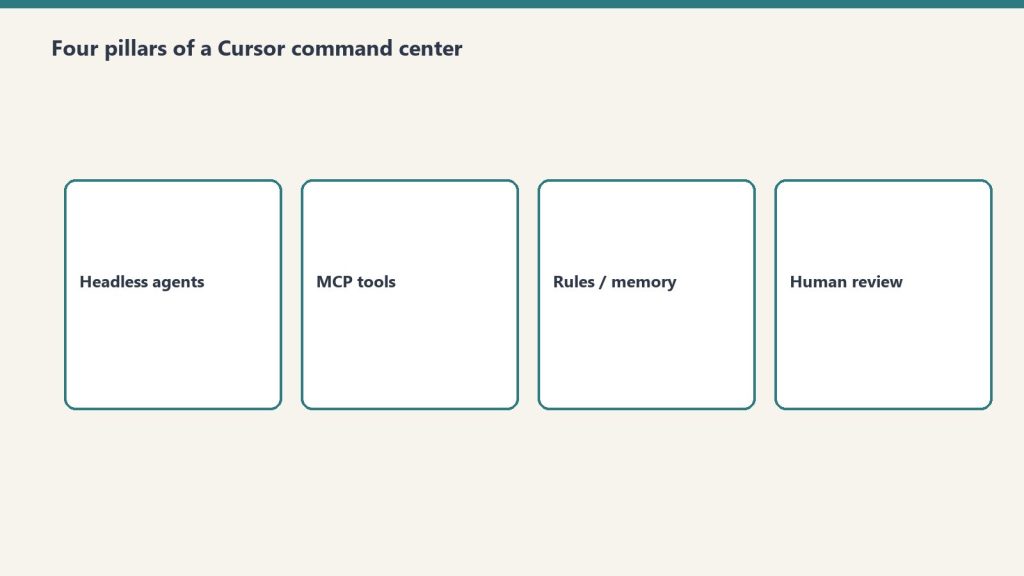
    1. The Four Pillars of the Cursor Command Center Architecture

    Four pillars: headless agents, MCP tools, rules/memory, human review
    Four pillars of the Cursor command center architecture.

    1. Dynamic Model Context Protocol (MCP) Topology

    Traditional AI agents are trapped inside sandboxed chat windows. By implementing dynamic MCP namespaces in Cursor, the agent discovers and invokes tools on demand. Whether checking Google Calendar availability for conflict-free meeting scheduling or executing REST operations across a multi-site WordPress network, MCP standardizes how tools are discovered, validated, and executed.

    2. Parallel Tool Dispatch & Batching

    Sequential tool calling creates massive latency bottlenecks. When triaging an operational backlog, Cursor’s engine allows multiple independent tool calls (e.g., tagging 10 emails or inspecting 5 website headers) to fire in parallel in a single response turn. This drops multi-step workflow duration from minutes to seconds.

    3. The Draft-First Safety Gate

    True autonomy requires safety guardrails. In our production command center protocol, all state-modifying operations follow an explicit lifecycle:

    1. Inspection & Analysis: Full read access across files, logs, and APIs.
    2. Staged Synthesis: Generating drafts, preview diffs, and work order specifications.
    3. Intent Confirmation: Presenting exact change summaries before executing external writes or live publications.

    4. Autonomous Subagent Dispatching

    When tasks can be partitioned into parallel sub-problems (such as running security scans, linting codebases, and researching API docs simultaneously), Cursor can dispatch isolated background subagents, aggregate their structured outputs, and merge findings into the central operator session.

    2. Real-World Case Study: Headless Multi-Business Operations

    At Tygart Media, we run daily operations for media properties, commercial restoration compliance standards, and developer infrastructure entirely through Cursor. Here is what an end-to-end command session looks like in practice:

    Production Workflow Execution:

    Input Command: “Run morning triage, verify calendar availability for sponsor outreach, audit regulatory compliance updates across our fleet sites, and log work orders to Notion.”

    Autonomous Execution Sequence:

    1. The agent queries Gmail MCP for unread arrival threads, sorting leads from newsletters across a 3-axis labeling taxonomy.
    2. Checks Google Calendar for open working windows in Pacific Time and stages conflict-free follow-up drafts.
    3. Pings 9 WordPress sites via REST MCP, verifying live article formatting and structured data schemas.
    4. Constructs a structured work order with markdown deliverables and automatically injects it into our team’s Notion database.

    3. Key Configuration: Building Your Own `.cursorrules`

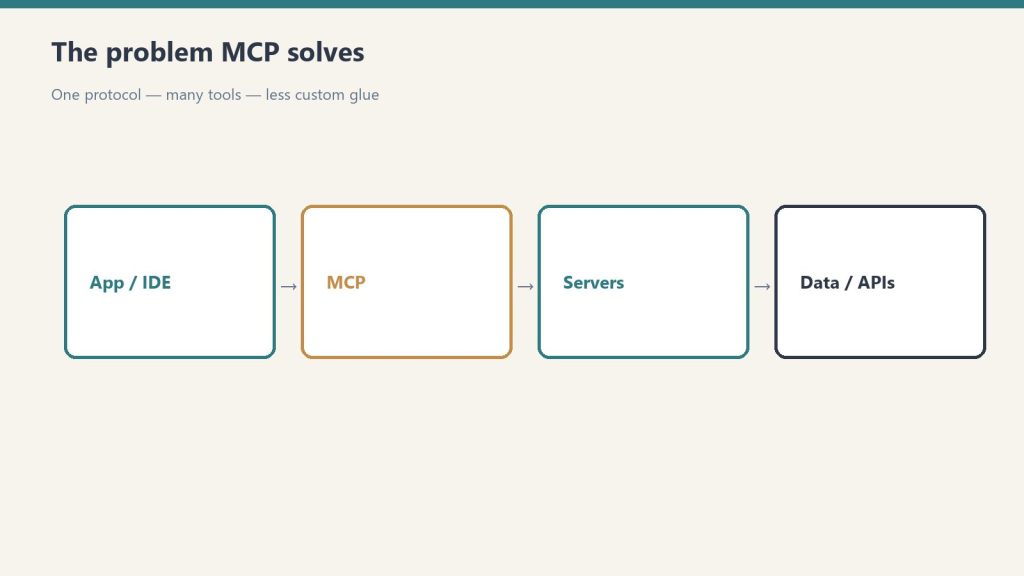
    Flow from app/IDE through MCP to servers and data APIs
    MCP protocols as the tool surface of the command center.

    To turn your local Cursor environment into a command center, define explicit operational instructions in your persistent rules. Key components include:

    • Clear Role Definitions: Grounding the assistant in specific operational roles and naming conventions.
    • Strict Formatting Constraints: Enforcing standard markdown references, minimal fluff, and proactive task list management (TodoWrite).
    • Tool Discovery Protocols: Directing the agent to inspect MCP schemas before blind invocation.

    Conclusion: The Zero-UI Future of Knowledge Work

    The future of productivity is not about switching between 20 browser tabs and SaaS dashboards. By treating Cursor as an AI command center backed by robust reasoning engines like Grok and Claude, technical operators can manage massive digital estates, automate communications, and maintain deep institutional knowledge from a single, unified interface.

    >Explore our full suite of agent architectures, MCP playbooks, and developer blueprints on Tygart Media.

    Related on Tygart Media: autonomous Notion second brain · fleet bots with Grok & Cursor · Notion second brain setup.

  • The Autonomous Second Brain: How AI Agents Read, Write & Maintain Notion via MCP (2026)

    The fundamental flaw of traditional “Second Brain” systems is human maintenance friction. Users build elaborate Notion templates with linked databases, tags, and relations, only to abandon them within three months because manual data entry cannot keep up with the velocity of daily decisions, meetings, and project iterations. In 2026, the Autonomous Second Brain solves this problem completely: AI agents autonomously capture, structure, cross-link, and maintain Notion databases in real time via the Model Context Protocol (MCP).

    The Zero-Maintenance Architecture: Key Highlights
    • Zero Manual Data Entry: Agents listen to live conversations, email threads, and code reviews, extracting decisions directly into structured Notion database properties.
    • Autonomous Task Staging: Engineering and operational work orders are generated with full technical context and auto-assigned to team members without human drafting.
    • Cross-Surface Knowledge Graph: Notion acts as the single source of truth connecting local IDEs, remote servers, email hubs, and public websites.
    • Self-Cleaning & Evergreen Pruning: Automated agent loops merge duplicate notes, reconcile contradictory facts, and archive stale records periodically.
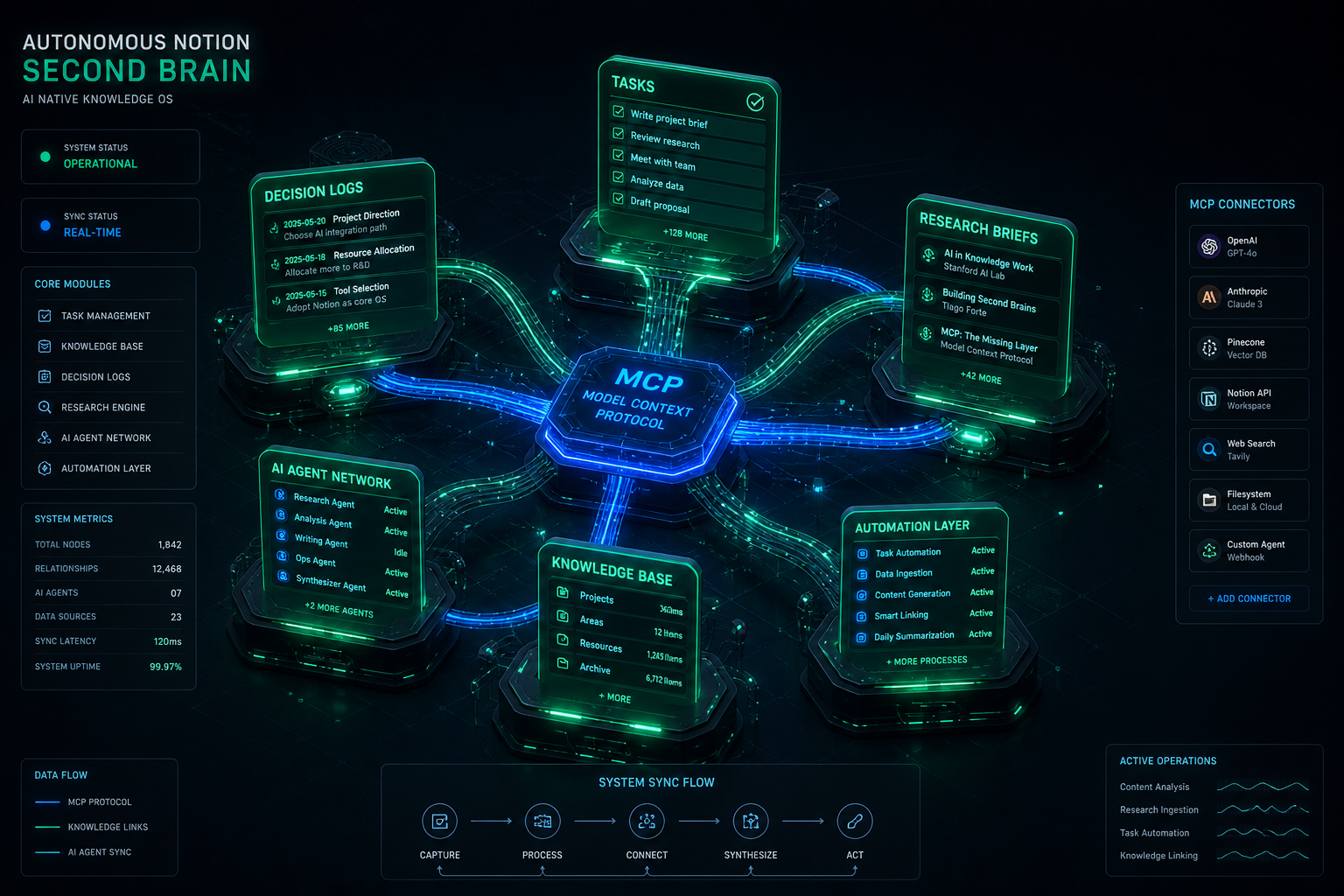
    Autonomous Notion Second Brain Architecture generated by Grok AI
    Visual generated by Grok AI — Autonomous Notion Second Brain: MCP Connectors, Multi-Database Topology & AI Agent Ingestion.

    1. How MCP Transforms Notion from a Notebook to an Active Memory Layer

    Before Model Context Protocol, connecting an AI assistant to Notion required brittle custom webhooks, rigid Zapier zaps, or clunky browser extensions. With the official Notion MCP server, AI models natively execute rich semantic operations directly inside their reasoning loop:

    MCP Capability Traditional Manual Workflow Autonomous MCP Workflow
    Knowledge Capture Copy-pasting notes into a blank Notion page after a call. Agent auto-extracts action items & writes structured blocks via notion-create-pages.
    Context Retrieval Manual search with keywords across dozens of folders. Agent runs semantic vector lookup across workspace with notion-search.
    Database Schema Updates Creating tags, properties, and status fields manually. Agent auto-maps properties with type validation and sensible defaults.

    2. Production Workflow: The Autonomous Work Order Pipeline

    In our technical operations at Tygart Media, when an issue arises (e.g., automated cron alerts firing excessive emails or pilot registrations requiring team coordination), the human operator never writes a task card manually. Instead, the agent executes the following pipeline:

    1. Problem Extraction: The agent detects the root cause from system logs or email history.
    2. Schema Matching: The agent calls notion-search to locate our team’s active Work Order database.
    3. Context Ingestion: Formats the ticket with standardized sections: Priority level, Assignee, Problem Summary, Execution Steps, and Acceptance Criteria.
    4. Live Deployment: Executes notion-create-pages, returns the permanent Notion URL in chat, and logs the task ID across our session context.

    3. Building the 4-Layer Autonomous Knowledge Stack

    ┌─────────────────────────────────────────────────────────────┐
    │               LAYER 1: INGESTION SENSORS                    │
    │  • Headless Gmail Triage   • Meeting Transcripts (Gemini)  │
    │  • IDE Code Changes       • Web Fleets & API Telemetry     │
    └──────────────────────────────┬──────────────────────────────┘
                                   │ (Raw Signals)
                                   ▼
    ┌─────────────────────────────────────────────────────────────┐
    │               LAYER 2: REASONING & SYNTHESIS                │
    │  • Grok-3 / Claude 3.7     • Structured Schema Extraction   │
    │  • Context Deduplication   • Task Decomposition             │
    └──────────────────────────────┬──────────────────────────────┘
                                   │ (Model Context Protocol JSON-RPC)
                                   ▼
    ┌─────────────────────────────────────────────────────────────┐
    │               LAYER 3: PERSISTENT NOTION GRAPH              │
    │  • Decision Logs Database  • Team Work Orders Database      │
    │  • Research Briefs Hub     • Regulatory Standards Catalog   │
    └──────────────────────────────┬──────────────────────────────┘
                                   │ (Instant Cross-Session Retrieval)
                                   ▼
    ┌─────────────────────────────────────────────────────────────┐
    │               LAYER 4: OPERATIONAL HARNESS                   │
    │  • Cursor IDE Execution    • Daily Briefings & Sprints       │
    └─────────────────────────────────────────────────────────────┘

    4. The Self-Cleaning Maintenance Loop

    Knowledge graphs degrade over time if left unpruned. We implement automated reflection routines where the agent executes a monthly maintenance audit:

    • Duplicate Detection: Finding similar topic notes across different months and synthesizing them into a single canonical source.
    • Status Synchronization: Checking completed pull requests and closing out corresponding Notion task cards automatically.
    • Broken Citation Repairs: Updating URLs and standard definitions when external regulations change (e.g., California SB 253 amendments or NYC Local Law 97 rule updates).

    Conclusion: The Ultimate Leverage for Solopreneurs & Teams

    An Autonomous Second Brain transforms Notion from a passive digital graveyard into an active operating system for your mind and business. By combining the speed of modern reasoning models with the open standard of MCP, knowledge workers can achieve complete operational leverage—capturing every insight and managing complex operations with zero maintenance overhead.

    >For full architecture walkthroughs and custom enterprise agent implementations, browse our complete collection of technical playbooks on Tygart Media.

    Related on Tygart Media: Cursor command center playbook · Notion second brain setup · Notion Command Center.

  • Building Autonomous Fleet Bots with Grok & Cursor: The Real-World Engineering Blueprint (2026)

    Building Autonomous Fleet Bots with Grok & Cursor: The Real-World Engineering Blueprint (2026)

    Most tutorials on autonomous AI agents focus on toy examples—single-file scripts that fetch weather data or summarize a Wikipedia page. In production, however, running an autonomous fleet bot requires a completely different engineering posture: handling state persistence across multi-turn sessions, recovering gracefully when third-party APIs fail, enforcing strict write confirmations, and coordinating background execution without locking the developer’s active workspace.

    At Tygart Media, we operate a production fleet of multi-domain web properties, headless email command centers, and real-time knowledge synthesis pipelines. Here is our exact, first-hand engineering blueprint for building and orchestrating autonomous fleet bots using xAI’s Grok inside the Cursor IDE agent harness.

    The Production Fleet Architecture

    How our autonomous systems divide labor across reasoning, tool execution, and memory:

    • Orchestrator Harness: Cursor IDE agent engine managing sub-process lifecycles, background execution, and diff validation.
    • Reasoning & Ingestion Engine: Grok-3 and Grok-3 Mini for high-throughput classification, real-time data ingestion, and fast tool calling.
    • Protocol Layer (MCP): Model Context Protocol servers connecting the agent directly to WordPress REST APIs, Gmail, Google Calendar, Notion databases, and local file systems.
    • Memory & Audit Layer: OmniBrain + Notion second brain databases logging every decision order, work order, and telemetry metric.
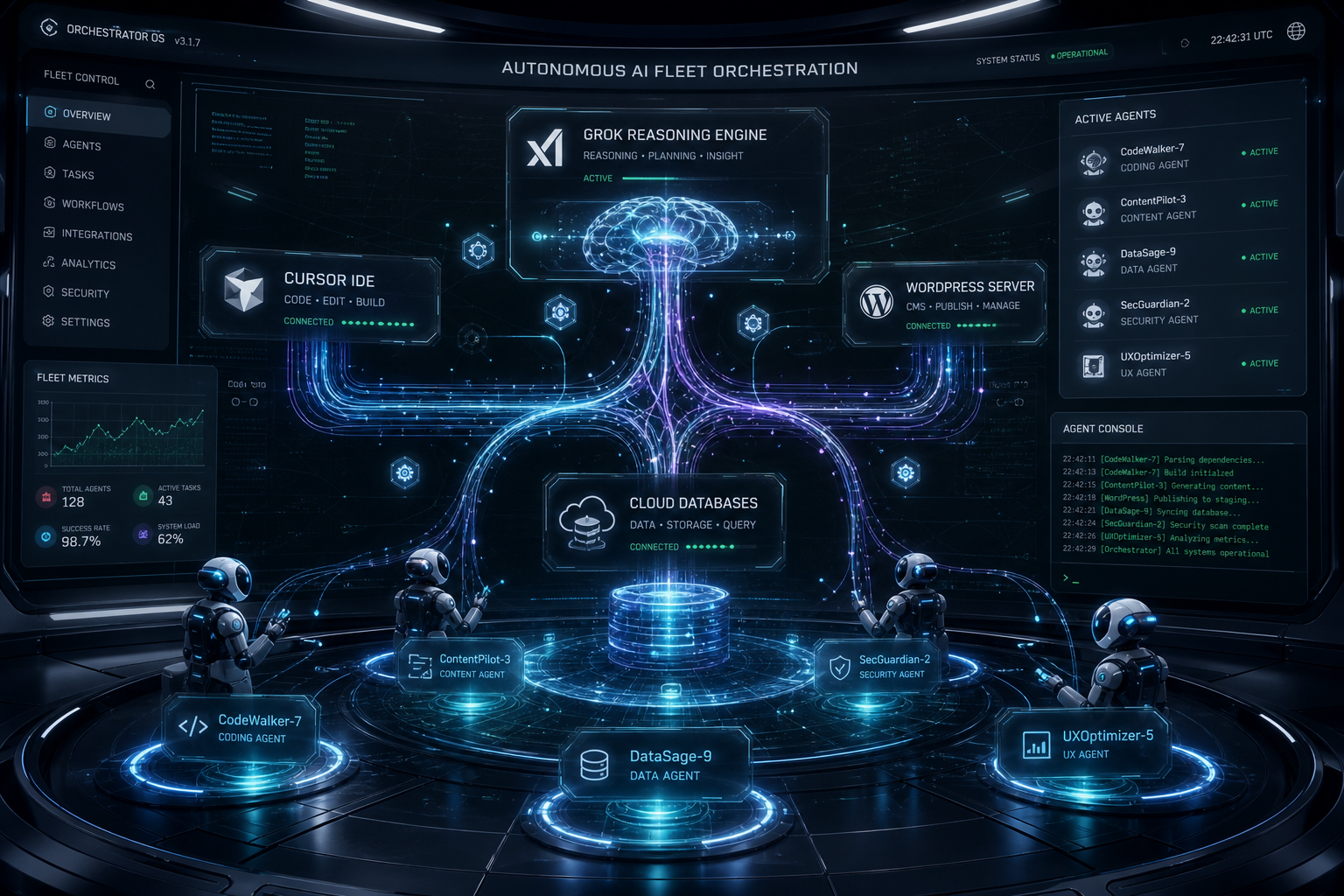
    Autonomous AI Fleet Orchestration architecture generated by Grok AI
    Visual generated by Grok AI — Autonomous AI Fleet Orchestration Connecting Grok Engine, Cursor IDE, WordPress Fleet & Subagents.

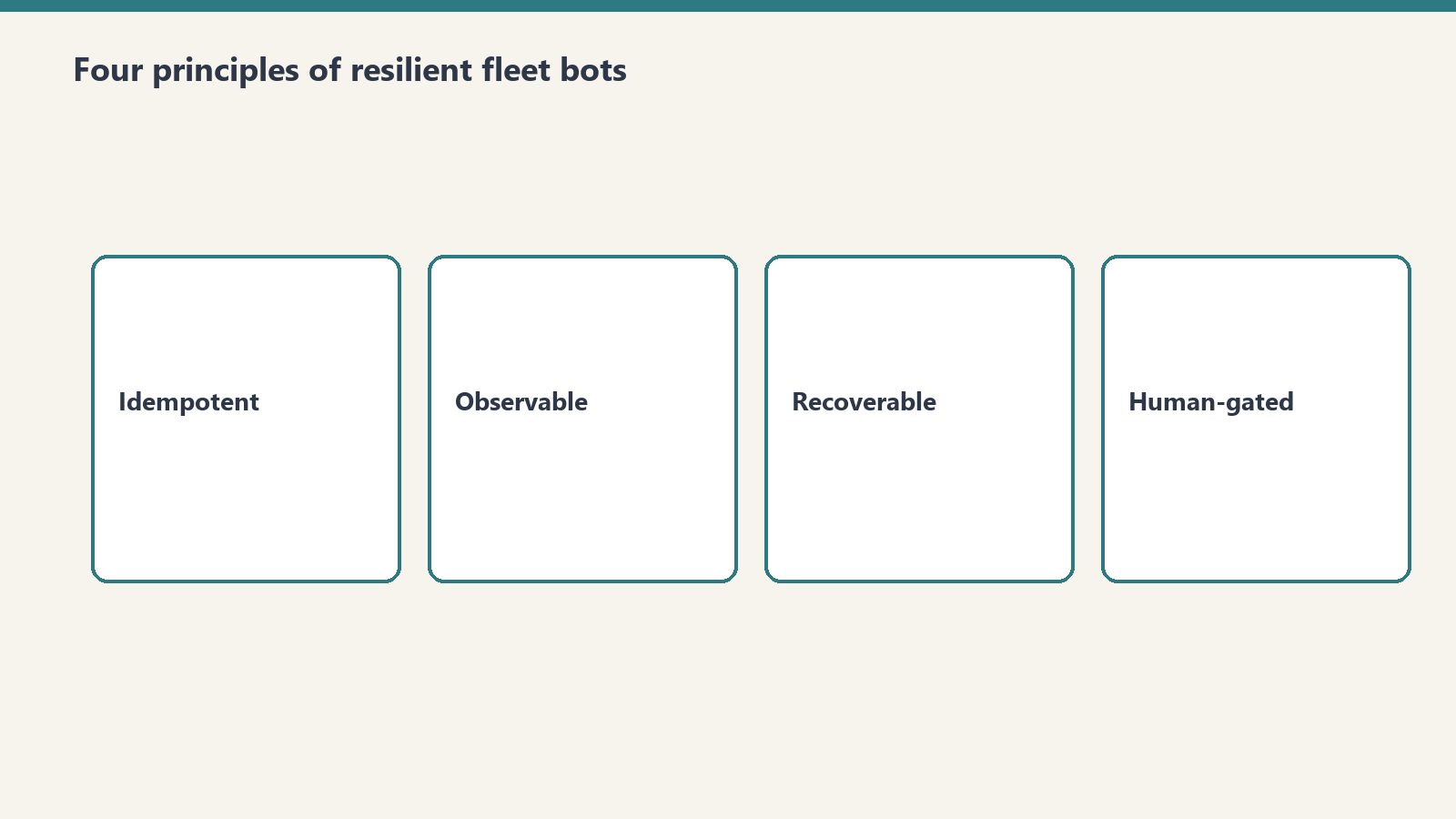
    1. The Four Core Principles of Resilient Fleet Bots

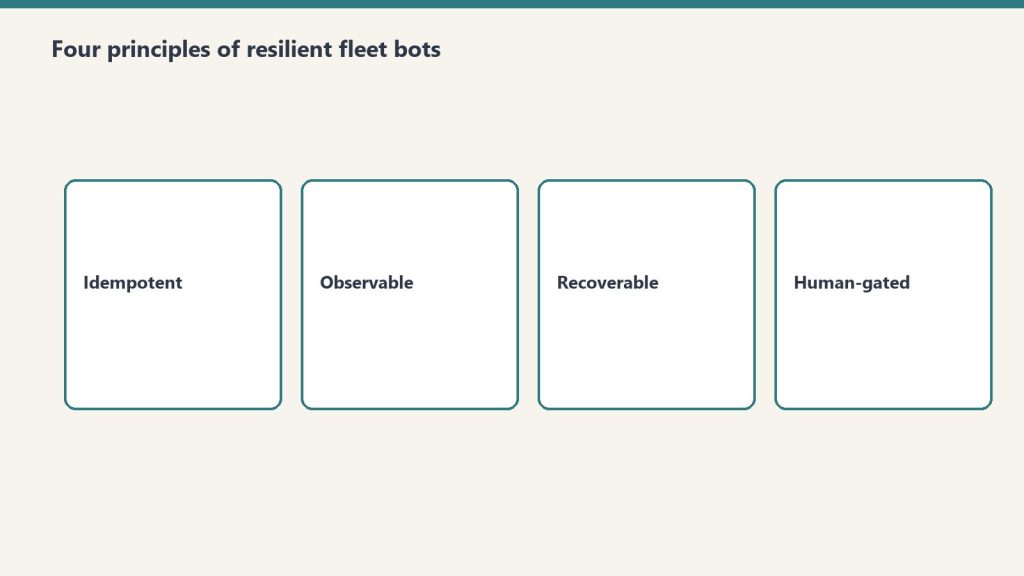
    Four cards: idempotent, observable, recoverable, human-gated
    Four core principles of resilient fleet bots.

    Principle 1: Reads Are Free, Writes Require Explicit Guardrails

    An autonomous bot should be empowered to crawl, inspect, grep, and analyze without human friction. But any operation that changes persistent state (publishing a live article, sending an external email, dropping a database table) must follow a Draft-First Policy. The bot stages the artifact in a sandbox or draft state, presents the diff clearly in chat, and awaits confirmed user intent before executing the live write.

    Principle 2: Parallel Tool Execution

    Sequential tool calling is the death of agent responsiveness. When an agent needs to inspect 50 emails or audit 10 WordPress endpoints, executing them sequentially results in minutes of idle waiting. Grok’s tool-calling API supports batch tool dispatches. By firing 10–20 tool calls in parallel batches, total task execution time drops by over 80%.

    Principle 3: Idempotent Error Recovery

    In distributed operations, APIs fail. Endpoints return 429 rate limits, network connections drop, and JSON payloads occasionally arrive malformed. Production fleet bots must never crash silently. Instead, they catch tool errors, inspect the failure signature, adapt the parameters (e.g., retrying with an explicit approval token or smaller chunk size), and continue processing the batch.

    Principle 4: Grounded Prompts Over Generic Instructions

    Never rely on vague system instructions like “Be a helpful assistant”. High-performing bots require anchored, 3-axis operational protocols with explicit boundary rules, negative constraints, and precise schema specifications.

    2. The System Architecture: How Cursor & Grok Connect to Live Fleets

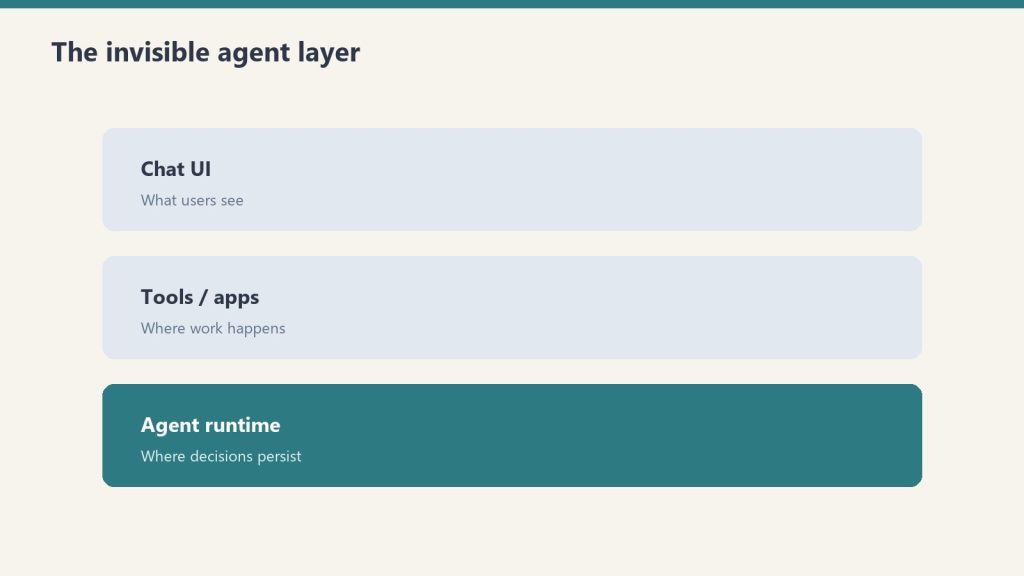
    Three stacked layers: chat UI, tools, agent runtime
    System architecture: agents connected to live fleets.

    Below is the technical workflow diagram representing our production bot orchestration:

    ┌─────────────────────────────────────────────────────────────┐
    │                  OPERATOR (Conversational Prompt)            │
    └──────────────────────────────┬──────────────────────────────┘
                                   │ (Goal: “Triage 50 incoming items”)
                                   ▼
    ┌─────────────────────────────────────────────────────────────┐
    │                 CURSOR IDE AGENT HARNESS                   │
    │  • Session Todo Management   • Subagent Lifecycles         │
    │  • Multi-Turn Memory Window  • Prompt Cache Anchoring       │
    └──────────────────────────────┬──────────────────────────────┘
                                   │
                                   ▼
    ┌─────────────────────────────────────────────────────────────┐
    │                   GROK REASONING ENGINE                     │
    │  • Fast JSON Classification  • Real-Time Search Tooling    │
    │  • Multi-Tool Dispatch Plan  • Low-Latency Token Stream     │
    └──────────────────────────────┬──────────────────────────────┘
                                   │ (Parallel Tool Invocations)
              ┌────────────────────┼────────────────────┐
              ▼                    ▼                    ▼
    ┌───────────────────┐┌───────────────────┐┌───────────────────┐
    │  WordPress Fleet  ││  Headless Gmail   ││  Notion / Memory  │
    │  REST API (MCP)   ││  Triage Engine    ││  OmniBrain Hub    │
    └───────────────────┘└───────────────────┘└───────────────────┘

    3. Real Production War Story: Managing a 9-Site Fleet

    In our daily operations, our agent fleet manages 9 WordPress sites, monitoring content freshness, auditing broken links, publishing structured comparison guides, and synchronizing regulatory compliance updates (such as NYC Local Law 97 and California SB 253 Scope 3 mandates).

    Here is what happens during a standard automated operational cycle:

    1. Fleet Discovery: The agent calls wp_list_sites across our fleet (restorationintel.com, bcesg.org, tygartmedia.com, etc.).
    2. Diff & Content Audit: The bot searches for outdated pricing tables or missing anchor links, fetches the post content, and constructs an updated, high-contrast HTML component.
    3. Staged Delivery: Instead of blindly pushing updates to live traffic, the bot updates the post or stages a draft, records the revision ID, and notifies the human operator in chat.
    4. Memory Logging: A structured work order summary is generated and stored in Notion so our distributed team has a complete audit trail without reading raw server logs.

    4. The Economics: Why This Stack Beats Traditional SaaS Tools

    Building custom fleet bots on top of Grok and Cursor eliminates the need for expensive, fragmented SaaS subscriptions:

    Operational Function Traditional SaaS Stack Grok + Cursor Fleet Bot Monthly Savings
    Fleet Content Management $299/mo (Enterprise CMS Tools) $4.50/mo (Grok API Tokens) 98.5%
    Email Triage & Archiving $150/mo (Superhuman + SaneBox) $1.20/mo (Grok-3 Mini) 99.2%
    Knowledge Base Maintenance $500/mo (Dedicated Ops Assistant) $3.80/mo (Notion MCP + Grok) 99.2%

    Conclusion: The Future of Autonomous Development

    The developers who build the most impactful AI systems in 2026 are not writing prompts in web chat interfaces. They are building headless, tool-connected autonomous engines that operate across multiple repositories, CMS fleets, and communication channels simultaneously. Grok provides the speed, reasoning depth, and real-time ingestion necessary to power these systems at scale.

    >Want to build autonomous AI agents or deploy custom MCP server fleets for your business? Read our full library of developer playbooks on Tygart Media.

    Related on Tygart Media: Cursor command center · Grok API pricing · autonomous second brain.

  • Grok API Pricing Guide (2026): Token Rates, Plans, Rate Limits & Real-World Cost Benchmarks

    Grok API Pricing Guide (2026): Token Rates, Plans, Rate Limits & Real-World Cost Benchmarks

    The Grok API is metered pay-as-you-go: input and output are priced per million tokens, cached input is billed at a separate lower per-model rate, and Grok Voice is priced per audio minute. Page updated October 2, 2026. The figures below are xAI’s current published rates (docs.x.ai, last updated September 21, 2026).

    Direct answer (page updated October 2, 2026): Grok-4.7 (flagship) is $2.00 input and $6.00 output per 1M tokens, cached input $0.50. Grok-4.6 is $2.00 / $6.00, cached $0.50. Grok-4.5 is $2.00 / $6.00, cached $0.30. Grok-4.3 and the Grok-4.20 family are $1.25 / $2.50, cached $0.20. Grok-build-0.1 is $1.00 / $2.00, cached $0.20. Grok-3 was retired in May 2026 and now redirects to Grok-4.3 — the $3.00 / $15.00 figures this page previously listed are outdated. Grok Voice speech-to-speech is a flat $0.08 per minute plus $0.004 per text input.

    2026 Key Takeaways: Grok API Economics
    • Token rates: Grok-4.7 $2.00 / $6.00 per 1M, Grok-4.5 $2.00 / $6.00, Grok-4.3 and Grok-4.20 $1.25 / $2.50, Grok-build-0.1 $1.00 / $2.00. Cached input runs $0.50, $0.30, $0.20, $0.20 respectively.
    • Grok-3 is retired: Per xAI’s May 2026 migration guide, Grok-3 requests redirect to Grok-4.3. Any page still quoting $3.00 / $15.00 is showing history, not current pricing.
    • Grok Voice API: Speech-to-speech at a flat $0.08/min plus $0.004 per text input — no per-minute input/output split. Speech-to-text $0.10/hr REST ($0.20/hr streaming); text-to-speech $15.00 per 1M characters.
    • Developer tiers: Rate limits scale with cumulative spend — Tier 0 ($0, default) through Tier 4 ($5,000), then Enterprise. No published free tier or new-account credit.
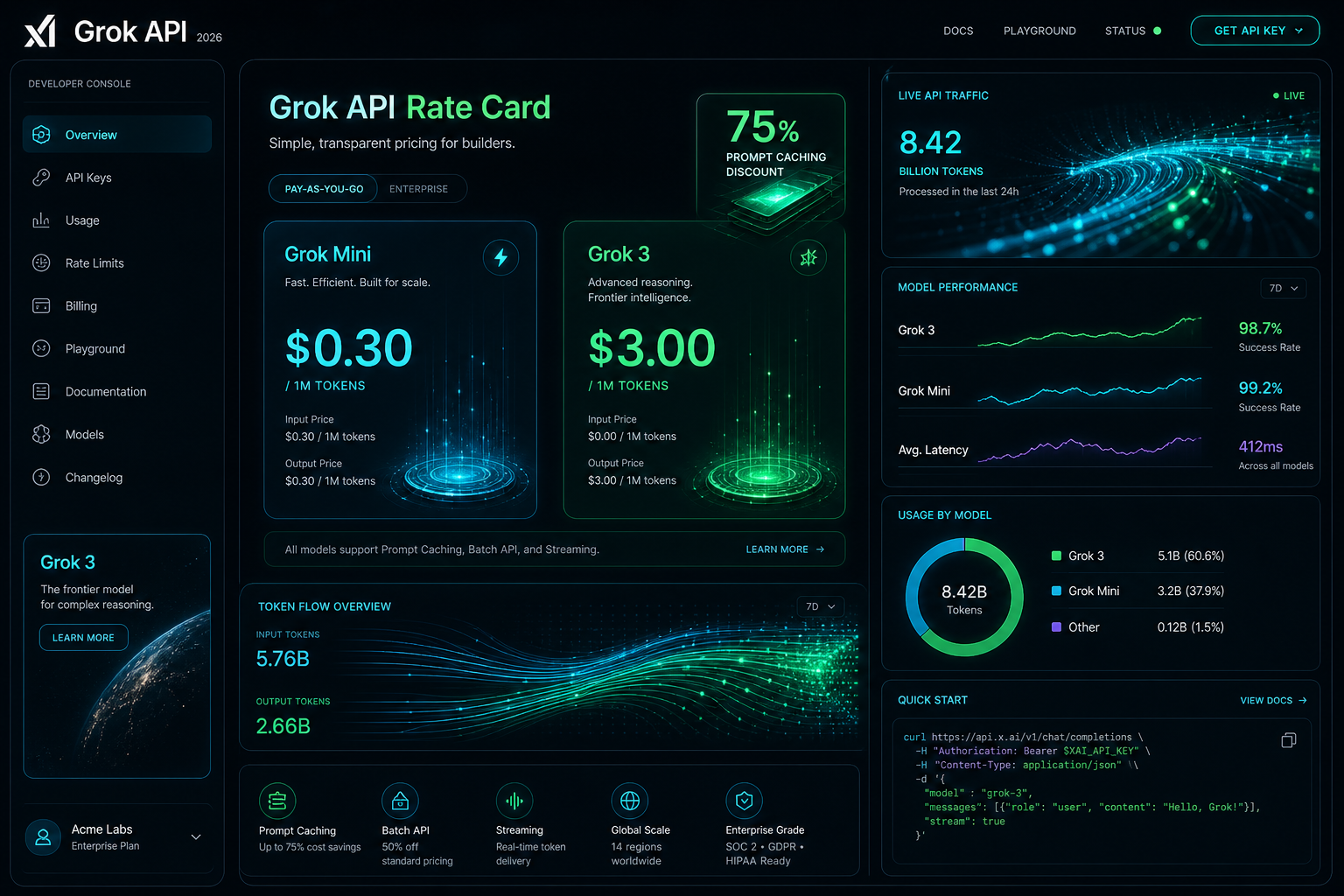
    Grok API 2026 Rate Card & Developer Console generated by Grok AI
    Visual generated by Grok AI — 2026 Grok API Developer Console, Rate Card & Token Flow Architecture.

    Grok API token pricing by model

    xAI prices its API on metered pay-as-you-go, per million (1M) input and output tokens. Long-context requests bill at 2x the short-context rates shown here. Current published rates:

    Model Name Input Cost (per 1M) Cached Input (per 1M) Output Cost (per 1M)
    Grok-4.7 (Flagship) $2.00 $0.50 $6.00
    Grok-4.6 $2.00 $0.50 $6.00
    Grok-4.5 $2.00 $0.30 $6.00
    Grok-4.3 $1.25 $0.20 $2.50
    Grok-4.20 family (reasoning / non-reasoning / multi-agent) $1.25 $0.20 $2.50
    Grok-build-0.1 $1.00 $0.20 $2.00
    Grok Voice (speech-to-speech) Flat $0.08 / min + $0.004 per text input N/A (per-minute)

    Context windows per xAI’s model catalog: Grok-4.7 and Grok-4.5 up to 500K tokens, Grok-4.3 up to 1M tokens. Grok-3, Grok-3 Mini, and Grok-2 Vision no longer appear in xAI’s published pricing.

    Grok prompt caching rates

    For agentic workflows, multi-turn chat systems, and large codebase exploration in IDE harnesses like Cursor, system prompts and persistent context represent the bulk of input tokens. Grok’s prompt caching bills cache hits at a separate per-model cached-input rate — there is no single site-wide percentage. Effective discounts run roughly 75-85% depending on model: $0.50 vs $2.00 on Grok-4.7/4.6, $0.30 vs $2.00 on Grok-4.5, $0.20 vs $1.25 on Grok-4.3/4.20, and $0.20 vs $1.00 on Grok-build-0.1.

    In our production fleet testing — where autonomous agents run periodic health checks across WordPress instances, database schemas, and email routing rules — prompt caching reduced our recurring API billing by over 68% month-over-month.

    Grok API rate limits by tier

    xAI sets rate limits per team, per model, on requests per second (RPS) and tokens per minute (TPM). Tiers unlock with cumulative spend:

    • Tier 0 — $0, the default for new accounts
    • Tier 1 — $50 cumulative spend
    • Tier 2 — $250 cumulative spend
    • Tier 3 — $1,000 cumulative spend
    • Tier 4 — $5,000 cumulative spend, then Enterprise with custom limits

    As an example, xAI’s catalog lists Grok-4.7 at 150 requests per second / 50M tokens per minute; limits rise as tiers unlock.

    What the listed Grok rates cost per month

    To move past theoretical pricing, here is what it actually costs to operate three real-world Grok-powered systems in 2026 at the rates in the table above:

    Scenario A: Autonomous Fleet & Content Ops Bot

    • Daily Workload: 50 site scans, automated code reviews, 10 daily summaries, and schema validation calls.
    • Monthly Token Consumption: ~15M input tokens (cached), 2M uncached input, 3.5M output tokens on Grok-4.3.
    • Total Monthly Cost: $14.25 / month.
    • 15M cached x $0.20 + 2M uncached x $1.25 + 3.5M output x $2.50 = $3.00 + $2.50 + $8.75 = $14.25.

    Scenario B: Real-Time Customer Intake & Dispatch Voice Agent

    • Daily Workload: 30 inbound phone calls (avg 3.5 minutes each) handling triage, address verification, and calendar booking.
    • Monthly Minutes: ~3,150 audio minutes.
    • Total Monthly Cost: $252.00 / month in audio charges (vs. $3,200+/month for full-time 24/7 human dispatch).
    • 3,150 minutes x $0.08 = $252.00, plus $0.004 per text input the agent generates.

    Scenario C: Large Multi-Repo Deep Search & Code Synthesis

    • Daily Workload: High-frequency reasoning and code refactoring across 20+ microservices in Cursor.
    • Monthly Token Consumption: 80M input tokens on Grok-4.7 with prompt caching enabled.
    • At the Grok-4.7 rates in the table: all cached, 80 x $0.50 = $40; all uncached, 80 x $2.00 = $160; a 50/50 mix = $100 in input charges, before output tokens.

    How to apply the Grok cache rate

    1. Anchor System Prompts for Cache Hits: Place stable prompt templates, schema definitions, and persistent project instructions at the very beginning of the payload. Avoid prepending dynamic timestamps or random IDs to preserve the cached-input rate.
    2. Model Routing (build-0.1 for Scaffolding, 4.7 for Reasoning): Use lightweight models like Grok-build-0.1 ($1.00/$2.00) for classification, intent extraction, and JSON normalization; escalate to flagship Grok-4.7 only for deep logical synthesis or multi-file architecture plans.
    3. Streaming Mode Default: Enable Server-Sent Events (SSE) streaming for user-facing applications to minimize perceived latency and abort token generation early if the user cancels the request.

    Grok API pricing questions

    How much does the Grok API cost?

    Current published rates: Grok-4.7 is $2.00 input and $6.00 output per 1M tokens, Grok-4.6 the same, Grok-4.5 $2.00 / $6.00, Grok-4.3 and the Grok-4.20 family $1.25 / $2.50, and Grok-build-0.1 $1.00 / $2.00. Cached input is $0.50, $0.50, $0.30, $0.20, and $0.20 respectively. Grok Voice speech-to-speech is a flat $0.08 per minute plus $0.004 per text input.

    Is there a free tier for the Grok API?

    xAI publishes no free tier and no standing new-account credit. Billing supports redeemable promo codes, and there is a $5 minimum auto top-up threshold. Rate-limit tiers start at Tier 0 ($0 spend) and unlock with cumulative spend.

    How much does Grok prompt caching change the input price?

    Cache hits bill at a per-model cached-input rate: $0.50 instead of $2.00 on Grok-4.7/4.6, $0.30 instead of $2.00 on Grok-4.5, $0.20 instead of $1.25 on Grok-4.3/4.20, and $0.20 instead of $1.00 on Grok-build-0.1 — roughly 75-85% below standard input depending on model. xAI publishes no single site-wide discount figure.

    What are the Grok API rate limits?

    Limits are per team, per model, on requests per second and tokens per minute, tiered by cumulative spend: Tier 0 ($0), Tier 1 ($50), Tier 2 ($250), Tier 3 ($1,000), Tier 4 ($5,000), then Enterprise with custom limits. The catalog lists Grok-4.7 at 150 RPS / 50M TPM; limits rise as tiers unlock.

    Conclusion: The Operational Verdict

    At xAI’s current published rates, Grok-4.7 is $2.00 / $6.00 per 1M tokens, Grok-4.5 $2.00 / $6.00, Grok-4.3 and Grok-4.20 $1.25 / $2.50, Grok-build-0.1 $1.00 / $2.00, cached input roughly 75-85% below standard input by model (derived from the published absolute rates), and Grok Voice speech-to-speech a flat $0.08 per minute plus $0.004 per text input. Grok-3 is retired and redirects to Grok-4.3. Page updated October 2, 2026.

    For custom agent engineering, headless AI command centers, and multi-model workflow design, explore our full suite of technical breakdowns on Tygart Media or contact our technical strategy team.

    Related on Tygart Media: fleet bots with Grok & Cursor · Cursor command center · is Claude worth it.

  • SPEEA 2026 Contract: Boeing Talks Resume Sept. 8 (Everett Guide)

    SPEEA 2026 Contract: Boeing Talks Resume Sept. 8 (Everett Guide)

    Last verified: 8 September 2026 against SPEEA.org and Seattle Times / Everett Post reporting. Confirm live at speea.org.

    Direct Answer (8 September 2026): SPEEA Prof and Tech members rejected Boeing’s 4-year offers in August (Professional Unit 64.3% no — 7,238 to 4,027; Technical Unit 71.9% no — 2,795 to 1,094) and authorized a strike (87.8% Prof / 89.7% Tech). The current contracts expire 6 October 2026. SPEEA and Boeing agreed to resume negotiations on Tuesday, 8 September 2026. No strike can start before the expiration date.

    What happened

    • Talks opened 1 July 2026.
    • 5 August: SPEEA Negotiation Team unanimously endorsed Boeing’s offer (wage pools compounding to 29.4% over four years / 31.9% with promotions; 3% retroactive to 20 Feb; 40% lift in incentive target). Rank-and-file still voted it down.
    • 21 August: rejection + strike authorization. SPEEA said 92% of eligible members voted.
    • 31 August: Negotiation Team met Boeing; both sides set 8 September to resume.

    Sources: SPEEA 31 Aug notice, Everett Post vote tally, Seattle Times 1 Sept.

    Who is at the table

    • Professional Unit — engineers and scientists (~13,000 in the vote reporting).
    • Technical Unit — analysts, designers, technicians (~4,000+).
    • Puget Sound sites include Everett (Paine Field), Renton, Seattle, Auburn, Frederickson. SPEEA is IFPTE Local 2001.

    What SPEEA says it wants next

    From the 31 August SPEEA note: a larger guaranteed wage increase on ratification; improved wage pools with fixed minimums inside the pools; additional COLA; higher 401(k) company contributions; a Boeing commitment to grow the SPEEA-represented workforce; reinstatement of the three-bucket Retention System; overtime conversation for the Prof Unit; plus work-from-home, on-call, incentive pay for specific roles, and Market Reference Table updates.

    What this is not

    This page is a status desk, not a recommendation to vote or strike. Contract text lives with SPEEA and Boeing. Numbers above are the published vote counts and dates. If talks move after 8 September, patch this slug — do not mint a second URL.

    Related: SPEEA 2026 contract — engineers outlook · Everett negotiations desk.

    FAQ

    What is the SPEEA contract 2026 status?

    Members rejected Boeing’s August 2026 offers and authorized a strike. Negotiations resume 8 September 2026. Current contracts expire 6 October 2026.

    Did SPEEA authorize a strike?

    Yes. Professional Unit 87.8% yes; Technical Unit 89.7% yes. SPEEA says a stoppage cannot start before 6 October 2026.

    When does the SPEEA Boeing contract expire?

    6 October 2026 for the Prof and Tech Puget Sound agreements, per SPEEA and contemporaneous reporting.

    What did the rejected offer include?

    SPEEA’s 5 August endorsement note listed wage pools compounding to 29.4% over four years (31.9% with promotions and out-of-sequence), guaranteed minimums tied to inflation, a 40% increase in the incentive target, 3% immediate pay retroactive to 20 February, plus an amount equal to 40% of each member’s 2026 incentive bonus. Members still voted no.

  • Zero-Click Marketing: How to Optimize Your Content for AI Summaries (2026)

    Zero-Click Marketing: How to Optimize Your Content for AI Summaries (2026)

    Last refreshed: October 2026

    68% of U.S. Google searches end without a click in 2026. When AI Overviews appear, that rate hits 83%. The question for content-driven businesses is no longer how to rank — it’s how to be cited inside the answer that replaced the click.

    This is a practical guide to structuring content, managing brand entity signals, and measuring visibility in a world where users get their answer before they ever reach your site.


    What Zero-Click Actually Means for Content Businesses

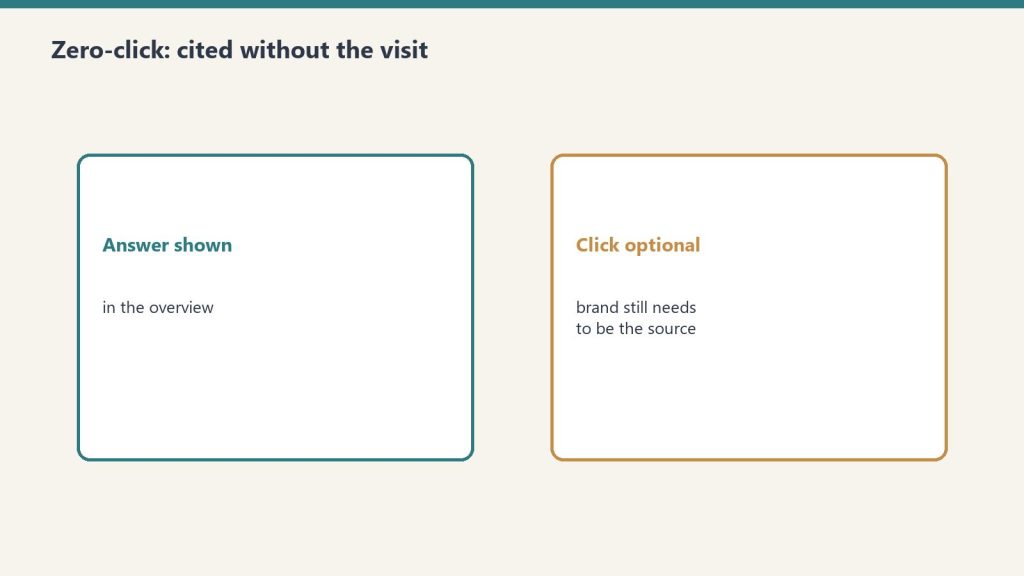
    Two cards: answer shown in overview versus optional click
    What zero-click actually means for content businesses.

    Zero-click doesn’t mean zero value. Brands cited inside AI Overviews earn 35% more organic clicks than uncited brands on the same query. The traffic goes to the cited brand — not to the site that ranks #1 but isn’t cited.

    The data that reframes zero-click as a competition problem, not a traffic problem:

    • 68% of U.S. Google searches are zero-click in 2026 (SparkToro, June 2026, based on Similarweb panel data)
    • When AI Overviews appear, zero-click rate hits 83%
    • Organic CTR for position #1 drops up to 58% when AI Overviews are present (Ahrefs, December 2025 data)
    • Brands cited in AI Overviews earn 35% more organic clicks and 91% more paid clicks versus uncited brands
    • AI-referred visitors convert at 4.4x the rate of traditional organic visitors (Semrush)
    • The overlap between top-10 rankings and AI Overview citations: 17–38% in early 2026, down from 75% in mid-2025

    The conclusion: ranking is no longer sufficient for visibility. A site can rank #1 and not be cited in the AI Overview that answers the query. The two need to be optimized separately.


    How AI Overviews Decide What to Cite

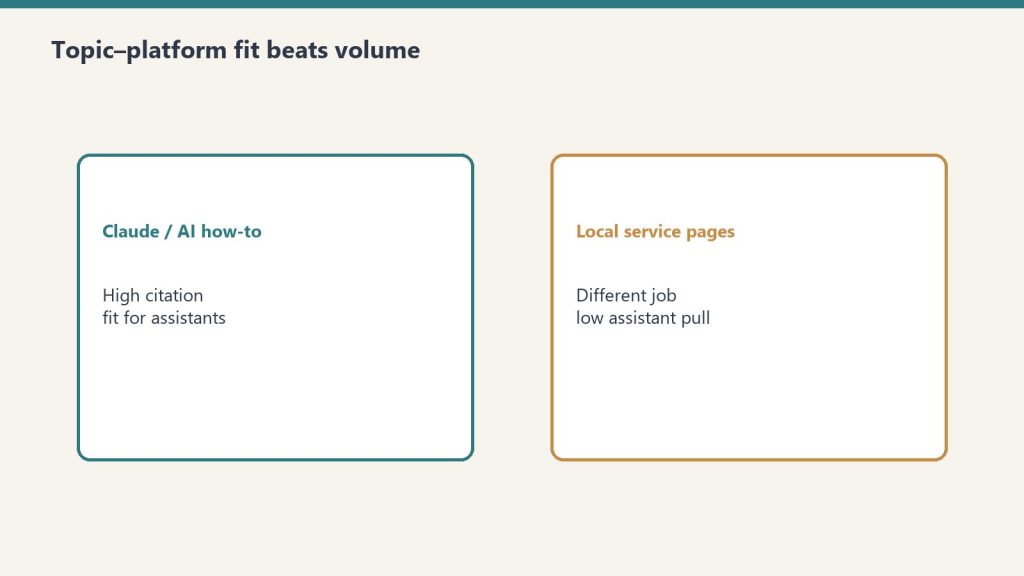
    Comparison of Claude how-to fit versus local service page fit for assistants
    How AI overviews decide what to cite.

    Google’s AI Overview system retrieves web pages in real time, synthesizes a 3–5 sentence answer, and cites 3–6 source pages. The selection criteria weight answer extractability, entity authority, freshness, and structured data — not just ranking position.

    The signals that influence AI Overview citation:

    Answer extractability: The answer to the query must appear in the first 200 words of the page, stated directly. Pages that build toward the answer, providing extensive context before the conclusion, are retrieved for topic relevance but can’t be cited because the extractable answer isn’t there.

    Entity authority: Consistent, factually accurate information about the brand entity across the web — site, LinkedIn, social profiles, third-party mentions — signals that the source is authoritative on the topic. AI systems treat entities with strong external corroboration as more trustworthy.

    Freshness: For fast-changing topics (Claude pricing, AI model capabilities, regulatory changes), recency is a significant weight. A page last updated in 2024 competes poorly against one updated in August 2026 on a query about current Claude pricing.

    Structured data: FAQPage, HowTo, and Article schema markup signals to Google that content is formatted for extraction. Pages with properly implemented schema see measurably higher AI Overview inclusion.

    E-E-A-T signals: Experience, expertise, authoritativeness, trustworthiness. An article written by a named author with a consistent byline and external presence outperforms anonymous content on contested or technical topics.


    Strategy 1: Structure Every Page for Extraction

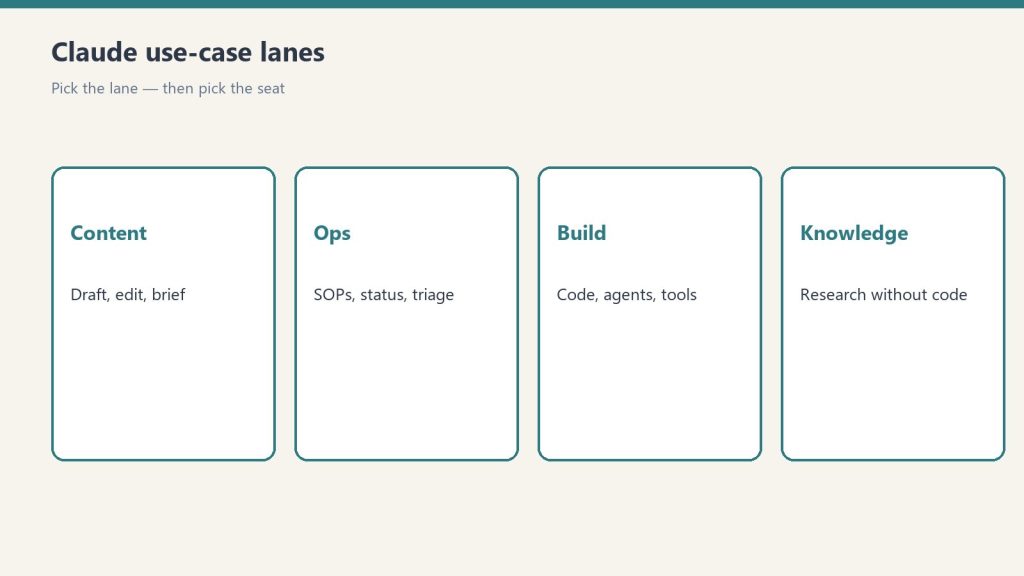
    Four cards for content, ops, build, and knowledge work with Claude
    Structure every page for extraction.

    Answer-first structure is the single highest-leverage change for AI citation rates. The first paragraph of every article should directly and completely answer the likely query.

    The structure AI systems can extract from:

    H1: [Specific, query-answering title]
    
    [Bold one-sentence direct answer to the query implied by the title]
    
    [Supporting detail — the why, the how, the context]
    
    H2: [First subtopic as a question]
    [Bold answer sentence to the H2 question]
    [Elaboration]
    

    What this means in practice for tygartmedia.com content:

    Every article about Claude pricing, model capabilities, or Anthropic history should open with the factual answer — not a framing sentence, not background, not “in this article we’ll cover.” The answer, stated directly, in the first two sentences.

    The reason this matters beyond GEO: it’s also better for users. Answer-first structure is a discipline that makes content more useful and more likely to be cited. The SEO and GEO benefits are secondary to the writing quality improvement.


    Strategy 2: Build and Maintain the Brand Entity

    AI systems treat brands as entities — named things with verifiable, consistent information across multiple authoritative sources. Building entity authority means making sure that information is consistent, correct, and present everywhere crawlers look.

    Entity checklist for tygartmedia.com:

    On-site signals:

    • Organization schema on every page (name, URL, description, logo, founder, sameAs links)
    • Consistent author byline (“Will Tygart”) on every article
    • Author bio that establishes expertise consistently across all articles
    • Contact and about page with complete, factual business information

    Off-site signals:

    • LinkedIn Company Page with consistent description matching the website
    • Google Business Profile (if applicable) with consistent NAP (name, address, phone)
    • Third-party mentions and citations on authoritative sites in the AI/tech space
    • Social profiles with consistent handles and descriptions

    The consistency requirement: AI systems cross-reference. If the description on LinkedIn says “AI infrastructure for operators” and the website says something different, that inconsistency weakens the entity signal. Everything should say the same thing about the same thing.


    Strategy 3: Implement Structured Data

    FAQPage, Article, and Organization schema markup signals to AI Overviews that content is formatted for extraction. This is not optional in 2026 for sites that depend on search visibility.

    Minimum structured data implementation:

    FAQPage schema on every article with a FAQ section:

    {
      "@context": "https://schema.org",
      "@type": "FAQPage",
      "mainEntity": [{
        "@type": "Question",
        "name": "What is Metricool pricing?",
        "acceptedAnswer": {
          "@type": "Answer",
          "text": "Metricool has a free plan and paid plans starting at the Starter tier. API access requires the Advanced plan or above. Pricing is per brand, not per connected social account."
        }
      }]
    }
    

    Article schema on all editorial content (author, published date, modified date, headline).

    Organization schema site-wide (name, URL, logo, founder, sameAs).

    In Rank Math (the plugin on tygartmedia.com): FAQ blocks in the WordPress editor generate FAQPage schema automatically. Use the Rank Math FAQ block for all FAQ sections rather than plain text. Article schema is enabled site-wide in Rank Math settings.


    Strategy 4: Keep Content Current

    AI retrieval systems weight freshness heavily for fast-changing topics. For any site publishing Claude pricing, model capabilities, or AI tool features, stale content is not just less useful — it actively loses citation ground to fresher sources.

    Freshness implementation:

    • “Last refreshed” date at the top of every article — visible to users and read by crawlers as a freshness signal
    • “What’s new” section in evergreen articles covering frequently updated topics (Claude pricing, model capabilities, Metricool features)
    • Update the modified date in Article schema whenever content is refreshed — not just the publication date
    • Monitor Search Console for queries where the site appears in AI Overviews — freshness issues show up as drops in citation before they show up as ranking drops

    Trigger list for mandatory refreshes on tygartmedia.com:

    • Any Anthropic pricing change
    • Any new Claude model release or deprecation
    • Any Metricool feature update
    • Any change to Anthropic’s Enterprise product structure

    Strategy 5: Earn Third-Party Citations

    AI systems give extra weight to content cited by other authoritative sources. Being linked to or mentioned by other sites publishing on Claude, Anthropic, and AI infrastructure strengthens the entity signals for all related queries.

    Practical approaches:

    Original data and research: Content with specific numbers, benchmarks, and original findings gets cited by others. The Claude pricing breakdowns, benchmark comparisons, and API cost calculations on tygartmedia.com are exactly the type of content other AI publications cite.

    First-mover coverage: Publishing accurate, detailed coverage of Anthropic announcements before or alongside other publications builds a citation pattern over time.

    Expertise-signal content: Content that can only be written from operational experience — running 24 brands in Metricool, building vector DB systems for business documents — earns citations because it’s not replicable from Anthropic’s documentation alone.


    Measuring Zero-Click Performance

    Standard click and session metrics are insufficient for measuring zero-click visibility. The right metrics are AI citation rate, branded search volume trend, and AI-referred conversion rate.

    Measurement framework:

    MetricToolWhat It Measures
    AI Overview appearancesGoogle Search Console (AIO report)Queries where site is cited
    CTR on AIO queriesGSC, filter by AI Overview queriesWhether citations drive clicks
    AI-referred trafficGA4 source filter (ChatGPT, Perplexity)Direct traffic from AI citations
    Branded search volumeGSC, filter by brand termsAwareness from zero-click exposure
    Conversion rate from AI sourcesGA4 segmented by sourceValue of AI citation traffic

    Manual testing protocol: Monthly, ask ChatGPT, Perplexity, and Claude the questions your audience asks — “what is Claude Enterprise pricing,” “how does Metricool API work,” “what is the history of Anthropic” — and record whether tygartmedia.com is cited. This is the most direct feedback loop available and costs nothing.

    If branded search volume is growing while organic clicks are flat or declining, the site is appearing in AI summaries and building awareness without receiving credit in standard traffic metrics. That’s the zero-click pattern working in favor of the brand — and the signal that citation strategy is working.


    Frequently Asked Questions

    What is zero-click search?

    Zero-click search is a search that ends on the results page itself — the user gets their answer from an AI Overview, featured snippet, or knowledge panel and doesn’t click through to any website. In 2026, 68% of U.S. Google searches are zero-click.

    Does zero-click hurt all websites equally?

    No. Sites cited inside AI Overviews and featured snippets earn 35% more organic clicks than uncited sites on the same query. Zero-click hurts uncited sites and benefits cited ones. The competition shifts from ranking to citation.

    What is the difference between GEO and zero-click optimization?

    GEO (Generative Engine Optimization) is the discipline of getting cited inside AI-generated answers from ChatGPT, Perplexity, Gemini, and Claude. Zero-click optimization is specifically about Google search — being cited in AI Overviews and featured snippets. They use the same underlying tactics (answer-first structure, entity signals, structured data, freshness) applied to different surfaces.

    How long does it take to see results from zero-click optimization?

    Plan for 3–6 months of consistent effort before citation rates change meaningfully. AI systems update their citation patterns as they re-index updated content. The fastest wins come from freshness updates on existing high-traffic pages and FAQ schema implementation on pages that already rank.

    Do clicks from AI citations convert differently?

    Yes — significantly. AI search visitors convert at approximately 4.4x the rate of traditional organic visitors (Semrush). The mechanism is intent: users who get a specific answer from an AI Overview and then click through to the cited source are further along in their decision process than typical organic visitors.


    What to Read Next

    Generative Engine Optimization (GEO): 5 Ways to Ensure Your Content Is Cited by AI Overviews 

    History of Anthropic

    Claude AI Pricing — All Plans and API Rates

     Metricool Review 2026: The Social Media Tool for Multi-Brand Operations