Author: William Tygart

  • Shelton Washington: Complete Guide to the Mason County Seat

    Shelton Washington: Complete Guide to the Mason County Seat

    Shelton Washington: Everything You Need to Know

    Shelton is Mason County’s heart and soul. As the county seat and largest city with about 10,000 residents, Shelton serves as the economic, educational, and cultural center of the region. Understanding Shelton means understanding Mason County itself—this is where most county services, schools, shopping, employment, and community life converge.

    A Brief History

    Shelton’s identity is rooted in timber and water. The city grew around the logging industry in the late 1800s, becoming a major lumber milling center. Mills dotted the landscape, and timber wealth built the community. Shelton’s heritage is working-class, resource-based, and tied to the land.

    Over the decades, as timber declined, Shelton diversified its economy. Today, while timber heritage remains important, government, healthcare, retail, and tourism support the local economy. The city has modernized while maintaining its small-town character and working-class identity.

    Geographic Location

    Shelton sits in Mason County’s center, roughly 60 miles southwest of Seattle, 40 miles north of Olympia, and about 30 miles from Hood Canal communities. This position makes Shelton accessible to larger cities while maintaining distinct separation and identity. US Highway 101 runs through town, connecting to regional and state routes.

    Downtown Shelton

    Downtown Shelton features a compact historic core with brick buildings, local shops, galleries, restaurants, and community gathering spaces. Unlike sprawling suburban downtowns, Shelton’s core is walkable and personal in scale. You’ll find local bookstores, antique shops, artwork, hardware stores, and dining scattered through historic buildings.

    Main Street Character: Authentic small-town Washington. Not artificially quaint or heavily touristy. Real local businesses serving real community needs, with genuine character.

    Community Hub: Downtown serves as gathering place for farmer’s market, festivals, parades, and regular community life. Schools, government offices, and many services cluster near downtown.

    Neighborhoods and Residential Areas

    Downtown/Historic Core

    Walkable neighborhoods immediately surrounding downtown feature older residential structures, historic charm, and urban convenience. Popular with those seeking walkability and town connection.

    South Shelton

    Residential neighborhoods south of downtown include established family areas with good schools, parks, and community amenities. These neighborhoods are the heart of residential Shelton.

    North Shelton

    Continues residential patterns with neighborhoods serving families and working professionals. Good school access and community services.

    Eastside

    Developing areas with newer construction and expanding residential options. Growing section of Shelton attracting families and new residents.

    Outlying Rural Areas

    Unincorporated areas surrounding Shelton offer larger properties, more privacy, and rural setting while maintaining reasonable access to town services.

    Schools in Shelton

    Shelton School District operates the county’s largest public school system with multiple elementary schools, middle school, and high school. Schools are well-integrated into community life and represent central gathering points for families.

    Shelton High School: The county’s primary high school with comprehensive academics, CTE programs, sports, and activities. Central to community identity.

    Multiple elementary schools serve different neighborhoods with strong community involvement. Schools participate actively in downtown community life.

    Economy and Employment

    Government: County government is major employer, with courthouse, county offices, and administrative functions based in Shelton.

    Healthcare: Mason General Hospital and related healthcare services employ significant numbers. Medical offices and services cluster in Shelton.

    Retail and Services: Shopping centers, restaurants, and service businesses scattered throughout provide employment and serve regional market.

    Timber Heritage: Though reduced from historical levels, timber processing and forest products remain part of regional economy.

    Remote Work: Growing trend of remote workers living in Shelton while working for Seattle or other outside employers.

    Shopping and Services

    Shelton offers typical small-town retail—grocery stores, hardware, clothing, restaurants, and services concentrated in downtown and scattered throughout town. Major chain stores and large retailers are limited; shopping for specialized items requires trips to Olympia or Tacoma.

    Downtown: Local and independent shops, galleries, restaurants, coffee shops, and services.

    Commercial Strips: Typical strip shopping with chains and local businesses scattered throughout town.

    Dining and Nightlife

    Shelton dining is casual, family-oriented, and working-class. You’ll find:

    • Local taverns and sports bars
    • Mexican, Chinese, and casual American restaurants
    • Pizza shops and casual chains
    • Coffee shops and casual lunch spots
    • Occasional fine dining options but limited

    Nightlife: Limited compared to larger cities. Local bars, occasional live music, and community gathering spaces are primary nighttime venues. Shelton is not a nightlife destination but rather supports quiet evenings and early mornings.

    Community Events and Gatherings

    Rhododendron Festival (Spring)

    Shelton’s signature spring event celebrating blooming rhododendrons with parades, vendor fairs, community activities, and regional attendance. Major community celebration.

    Fourth of July

    Downtown parade, fireworks, picnics, and community celebration. Strong community gathering.

    County Fair (Late Summer)

    Traditional county fair with livestock shows, crafts, carnival rides, and community gathering. Important community event.

    Farmers Market (Summer)

    Weekly farmers market featuring local produce, crafts, and community gathering. Community gathering place.

    Recreation and Outdoor Access

    Shelton is gateway to Mason County’s outdoor recreation. From downtown, Hood Canal is 30 minutes, Olympic National Forest is 20-30 minutes, and mountain hiking is accessible. Parks within town offer walking trails, picnic areas, and river access.

    Getting Around Shelton

    Shelton is car-dependent with limited public transportation. Most residents drive. Downtown is walkable for shopping and dining. Biking is possible on main roads. Highway 101 passes through town connecting to regional routes.

    Cost of Living

    Shelton offers affordable housing compared to western Washington cities. Median home prices ($400,000-$500,000) and rental availability (limited) reflect small-town Washington market. Overall cost of living is reasonable but higher than national averages.

    Why People Choose Shelton

    • County services and employment
    • Central location with regional access
    • Established schools and community services
    • Affordable housing relative to western Washington
    • Small-town character with real working community
    • Strong community connection and gathering spaces
    • Gateway to outdoor recreation

    Challenges in Shelton

    • Economic diversity limited—government and healthcare dominate
    • Population has declined over recent decades
    • Limited dining and entertainment compared to larger cities
    • Distance from specialized services and shopping
    • Rainy climate during winter months

    The Shelton Spirit

    Shelton embodies Pacific Northwest small-town character. Real working community where neighbors know neighbors. Downtown is genuine gathering place. Community events matter. Outdoor recreation is accessible. Heritage is valued—timber, water, and land shaped the place. Not trying to be something it’s not. Not artificially quaint or touristy. Just honest, working-class, community-centered Washington.


    Frequently Asked Questions

    What is Shelton Washington known for?

    Shelton is known as Mason County’s county seat and commercial center. Historically, it was a major timber milling town. Today it serves as the hub for government services, healthcare, schools, and retail. It’s the gateway to Hood Canal recreation.

    Is Shelton a good place to raise a family?

    Shelton is popular with families. Good schools, community involvement, affordable housing, and safe neighborhoods appeal to families. Limited nightlife and entertainment may not suit those seeking urban amenities, but community focus is strong.

    What is downtown Shelton like?

    Downtown is compact, walkable, and historically preserved with local shops, restaurants, galleries, and community gathering spaces. Genuine small-town character—not artificially quaint. Real community hub for local life.

    How far is Shelton from Seattle?

    Shelton is approximately 60 miles southwest of Seattle, roughly a 90-minute drive via I-5 and Highway 101. Close enough for day trips or occasional visits, far enough to maintain distinct identity.

    What are the main employers in Shelton?

    Main employers are government (county offices), healthcare (Mason General Hospital), retail, and tourism-related services. Timber processing remains but at reduced levels. Many residents commute or work remotely.

  • Mason County Hiking Trails: Complete Guide to Best Hikes

    Mason County Hiking Trails: Complete Guide to Best Hikes

    Mason County is a hiker’s paradise nestled between the Olympic Mountains and Hood Canal. Whether you’re a seasoned mountaineer or just looking for an afternoon walk with the family, our trails offer something for everyone. This guide covers the best hiking destinations across Mason County, from easy waterfront strolls to challenging alpine peaks.

    Best Trails by Difficulty Level

    Easy Trails (Families & Beginners)

    If you’re just starting out or want a leisurely walk, these trails offer stunning views without the steep elevation gain.

    Potlatch State Park – Salmon Spawning Trail: This 0.7-mile loop is perfect for families. The trail follows the North Fork Skokomish River and offers excellent chances to see salmon during spawning season (fall). The interpretive signs explain the ecosystem and native history.

    Twanoh State Park – Waterfront Trail: A gentle 1.5-mile loop around Hood Canal with interpretive markers about local shellfish harvesting and geology. This is one of the most accessible waterfront walks in the county.

    Lake Cushman State Park – Staircase Loop: A 2-mile mostly flat trail around the lower lake, perfect for morning walks with great views of the Olympic Mountains.

    Moderate Trails (Regular Hikers)

    These trails offer real mountain scenery with manageable elevation gain—typically 500-1,500 feet over 4-6 miles.

    Lake Cushman – Mud Lake Trail: A 4-mile round trip gaining about 800 feet. This trail climbs through second-growth forest and offers views of Lake Cushman from higher elevations. Best hiked in summer and early fall.

    Belfair State Park – Theler Trails: The 2-mile main loop is one of the easiest waterfront trails, but there are longer variations pushing 5 miles. Great for year-round hiking since it’s relatively sheltered.

    Skokomish River Trail: Starting from Potlatch State Park, this 3.5-mile trail follows the North Fork Skokomish River upstream with moderate elevation gain. Excellent for wildlife viewing and river photography.

    Challenging Trails (Experienced Hikers)

    These backcountry trails require good fitness and proper gear. Elevation gains typically exceed 2,000 feet.

    Lake Cushman – Flapjack Lakes Trail: A 9-mile round trip gaining about 3,500 feet. This is a classic Washington alpine hike through old-growth forest to pristine subalpine lakes. Snow may block the trail until July. Camp with care at designated sites only.

    Mildred Lake Trail (Olympic National Forest): A 6-mile trail gaining 2,000 feet through old-growth forest to a beautiful alpine lake. This trail offers solitude and stunning views of the surrounding peaks.

    Dosewallips River Trail: Starting near Brinnon (just northeast of our county), this 10+ mile option penetrates deep into Olympic National Forest with stream crossings and dramatic gorge views.

    State Parks: Your Gateway to Public Lands

    Lake Cushman State Park

    The crown jewel of Mason County hiking. Lake Cushman sits at 2,000 feet elevation and offers everything from easy family walks to challenging alpine hikes. The park has 30 miles of maintained trails, a campground, and day-use areas. The lake is surrounded by the Olympic Mountains, making it impossibly scenic.

    Most of Lake Cushman State Park is in winter closure from December through April due to snow. Check the Washington State Parks website before planning winter trips.

    Twanoh State Park

    Located on Hood Canal near Union, Twanoh is Washington’s oldest state park. It’s smaller than Lake Cushman but offers beautiful waterfront access, a swimming beach, and easy trails perfect for families. The interpretive signs teach about local Native history and shellfish harvesting—a uniquely Mason County experience.

    Potlatch State Park

    Situated on the North Fork Skokomish River, Potlatch State Park is famous for salmon spawning. The Salmon Spawning Trail is one of the best places in Washington to watch salmon in their natural habitat. The park also offers camping and day-use facilities.

    Belfair State Park

    Mason County’s hidden gem on North Bay. Belfair offers Hood Canal waterfront access, the Theler Trails system, and is less crowded than other county parks. The proximity to Olympia (about 30 minutes) makes it perfect for quick weekend trips.

    Olympic National Forest Access

    The eastern portions of Mason County border Olympic National Forest, giving us access to hundreds of miles of backcountry trails. The Pacific Ranger District covers our area and maintains everything from day-use trails to remote backpacking routes.

    Getting permits: Day hikes are free, but overnight camping in the backcountry requires Northwest Forest Pass ($5/day or $30/year). Purchase at ranger stations or online.

    Trail conditions: Call the Packwood Ranger Station (360-494-0600) to ask about snow levels and trail conditions. Many higher elevation trails don’t fully clear until July.

    Seasonal Hiking Guide

    Spring (April-May)

    Spring is wet but beautiful. Lower elevation trails are clear by late April, and wildflowers start blooming. Expect mud on most trails. Higher elevation areas (above 3,000 feet) still have significant snow through May.

    Best bets: Trails around Lake Cushman lower elevations, Twanoh, Potlatch, and Belfair waterfront walks.

    Summer (June-September)

    The prime hiking season. Most trails are clear and dry by mid-June. This is when you can safely tackle higher elevation trails like Flapjack Lakes. The downside: trails get busy, especially on weekends. Start early to beat crowds and secure parking.

    Peak season: July and August. The weather is most reliable, but expect company on popular trails.

    Fall (September-October)

    Crisp air, fewer crowds, and stunning views as fall colors emerge. This is many locals’ favorite season. Trails are still dry and clear. The downside: days get shorter, so plan hikes for morning starts.

    Special season: September-October is salmon spawning season, making Potlatch State Park extra special.

    Winter (November-March)

    Most higher elevation trails are closed by snow. However, lower elevation waterfront trails (Twanoh, Belfair, lower Potlatch) remain accessible. Expect wet conditions. Higher elevation areas like Lake Cushman State Park are typically closed by December.

    Trail Etiquette and Safety

    Respect the Land

    • Stay on marked trails. Cutting switchbacks and bushwhacking damages habitat and promotes erosion. This is especially critical in alpine and riparian zones.
    • Pack out all trash. This includes orange peels, nut shells, and other “natural” items. Pack it in, pack it out.
    • Camp at designated sites only. Backcountry camping is allowed in Olympic National Forest but restricted to designated sites. In national parks and some state parks, camping is only in approved campgrounds.
    • Camp 100 feet from water. This protects water quality and wildlife access to streams.

    Wildlife Encounters

    You might see black bears, elk, deer, mountain lions, or coyotes. Here’s how to react:

    • Bears: Make noise while hiking (talk, use a bear bell). Store food properly in bear canisters or hang it high. Never between you and your tent. If you see a bear, back away slowly and make yourself appear larger.
    • Mountain lions: Rare, but they exist. If you see one, DO NOT RUN. Back away facing the lion, make yourself large, and speak firmly.
    • Elk: Maintain distance, especially during fall rut (September-October) when bulls are aggressive.

    Trail Safety

    • Bring more water than you think you need (2+ liters for day hikes)
    • Tell someone where you’re going and when you’ll return
    • Start early to maximize daylight
    • Bring a map and compass or GPS device—cell service is unreliable in the mountains
    • Wear proper footwear (broken ankles end trips and threaten lives)
    • Check weather forecasts; mountain weather changes fast

    How to Get There

    Lake Cushman: Take Highway 101 north from Shelton about 20 miles. Well-marked turnoffs lead to various trailheads and the main day-use area.

    Twanoh State Park: From Shelton, take Highway 101 north 10 miles, then turn east on Highway 106. Follow signs to Union and Twanoh. (35 minutes from downtown Shelton)

    Potlatch State Park: Highway 101 north from Shelton 14 miles, then Highway 106 east. (30 minutes from downtown Shelton)

    Belfair State Park: From Olympia, take Highway 101 south 10 miles, then follow signs to Belfair. (25 minutes from Olympia)

    Resources

    • Washington State Parks: parks.wa.gov – reservation system, trail maps, and conditions
    • Olympic National Forest: fs.usda.gov/olympic – trail reports, permits, and backcountry information
    • AllTrails App: Crowdsourced trail reviews, route GPS, and conditions reports from other hikers
    • WTA (Washington Trails Association): wta.org – detailed trail reports from hikers, recent conditions, and photos
    What is the easiest hike in Mason County?

    The Salmon Spawning Trail at Potlatch State Park is one of the easiest and most rewarding hikes in Mason County. It’s a 0.7-mile loop suitable for all ages with interpretive signs and excellent views of the North Fork Skokomish River.

    When is the best time to hike in Mason County?

    Summer (June-September) and early fall (September-October) offer the best hiking conditions with clear trails and reliable weather. July-August has the longest daylight but also the most crowds. Spring is wet and muddy; winter closes higher elevation trails.

    Do I need a permit to hike in Mason County?

    Day hikes at state parks and national forests are free. Overnight backpacking in Olympic National Forest requires a Northwest Forest Pass ($5/day or $30/year). Some trails in Olympic National Park require backcountry permits.

    Are there bear encounters on Mason County trails?

    Black bears live in the mountains around Mason County but attacks are extremely rare. Make noise while hiking, store food properly, and maintain distance if you see a bear. Most bears avoid humans when they hear you coming.

    Can I bring my dog hiking in Mason County?

    Dogs are allowed on most trails at state parks and in Olympic National Forest, but must be on-leash in state parks. Some specific trails prohibit dogs. Always check before going. Dogs must be under voice control in national forests.

  • Mason County Government WA: Complete Guide to Departments

    Mason County Government WA: Complete Guide to Departments

    Mason County government serves about 80,000 residents across 2,250 square miles of southwestern Washington. Whether you need a building permit, want to attend a public meeting, understand property taxes, or simply want to know how local decisions get made, this guide walks you through the structure and function of Mason County’s government.

    County Government Structure

    Board of Commissioners (The Executive Branch)

    Mason County is governed by a three-member Board of Commissioners, elected county-wide to four-year terms. The board typically has one commissioner up for election every two years (staggered terms ensure continuity).

    The Board of Commissioners acts as the executive and legislative branch of county government. They:

    • Set the county budget
    • Adopt ordinances and regulations
    • Approve major contracts and purchases
    • Appoint department heads and officials
    • Make land use and zoning decisions
    • Set policy for all county departments

    Current commissioners: Check the Mason County website (masonco.wa.gov) for current commissioner names, districts, and contact information. Commissioner meetings are held weekly in Shelton at the County Courthouse.

    County Administrator

    The County Administrator is hired by the Board of Commissioners and serves as the chief executive officer of county government. The administrator manages day-to-day operations, implements board policies, oversees the county budget, and supervises department heads. Think of this position as the “CEO” of Mason County.

    Major County Departments

    Planning and Development Services

    This department issues building permits, reviews development applications, enforces building codes, manages shoreline regulations, and oversees land use decisions. If you’re building a house, adding a deck, starting a business, or proposing any development project, you’ll work with this department.

    Permits available:

    • Building Permits (residential and commercial construction)
    • Electrical Permits
    • Mechanical Permits
    • Plumbing Permits
    • Land Use Permits
    • Shoreline Permits
    • Sign Permits

    Processing times vary from 15 days for simple projects to 120 days for complex developments. Online permit applications are available through the county website.

    Public Works

    Mason County Public Works maintains county roads (over 1,000 miles), manages water and sewer systems, operates solid waste programs, and handles bridge maintenance. If you report a pothole, fallen tree, or debris on a county road, Public Works addresses it.

    The department also manages the county’s capital projects—like road improvements and infrastructure upgrades. Major projects are listed on the county website with public comment periods.

    Sheriff’s Office

    The Mason County Sheriff’s Office provides law enforcement to unincorporated areas and contracts with some municipalities. The sheriff is an elected official. The department has divisions for patrol, investigations, jail operations, and civil services (serving legal papers, managing warrants).

    Non-emergency dispatch: 360-426-1945

    Emergency: 911

    Assessor’s Office

    The County Assessor determines property values for tax assessment purposes. This is where you appeal property values if you believe your assessment is too high. Assessments happen every year; you have appeal rights if you disagree with the valuation.

    Important: A higher assessed value doesn’t always mean higher taxes if the tax rate (levy) decreases county-wide.

    Auditor’s Office

    The County Auditor is the chief financial officer of Mason County. This office manages county finances, oversees the budget, audits county spending, and manages elections.

    Treasurer’s Office

    The County Treasurer collects taxes, manages county investments, and processes all county financial transactions. If you pay property taxes, your check goes to the treasurer’s office.

    Health and Human Services

    This department provides public health services, manages disease prevention programs, operates mental health services, manages child welfare and family support programs, and oversees aging services for seniors.

    Parks and Recreation

    Mason County Parks and Recreation manages county parks, trails, and recreation facilities. They coordinate with state parks and manage several county parks that provide public access to outdoor spaces.

    Courts and the Justice System

    Superior Court

    Mason County Superior Court handles felony criminal cases, civil lawsuits involving more than $10,000, family law (divorce, custody, child support), probate (wills and estates), and other serious legal matters.

    The Superior Court has several judges. Court sessions are held in the courthouse in Shelton. Most cases can be observed by the public (some exceptions for sensitive matters involving minors).

    District Court

    The District Court handles misdemeanor criminal cases, traffic violations, small claims (up to $10,000), and evictions. This is the court most people interact with if they get a ticket or have a minor legal dispute.

    Justice Courts

    Smaller communities like Shelton have justice courts that handle traffic and parking violations, and low-level infractions.

    Property Taxes and How County Services Are Funded

    Mason County is funded primarily through property taxes. Your property tax bill supports schools (the largest portion), county services, fire districts, and other local agencies. The tax rate is expressed as a percentage of assessed property value.

    How Your Property Tax Dollar is Split

    • Schools (~40-45%): Mason County has several school districts (Shelton, Grays Harbor, etc.)
    • County Government (~10-15%): Funds road maintenance, sheriff, courts, planning, and other services
    • Fire Districts (~10-12%): Each area has a fire district
    • Port District (~3-5%): Mason County has several port districts
    • Other agencies (~10-15%): City governments, library district, park districts

    Tax Levies and Public Approval

    Most county services are funded by regular property taxes. Some special services (like park improvements or facility bonds) require a public vote. When you see “proposition” on your ballot, you’re often voting on whether to allow a specific agency to levy additional taxes for specific purposes.

    Public Records and Transparency

    Accessing Public Records

    Washington State has strong public records laws. You can request copies of county documents, meeting minutes, budgets, emails, and other records. Submit requests to the department holding the records. Simple requests are usually free; copies are charged at $0.15 per page.

    Response deadline: 5 business days for simple requests; 30 days for complex requests.

    Meeting Agendas and Minutes

    All county government meetings are public. Meeting agendas are posted on the county website before each meeting. Minutes (records of what was decided) are published afterward. You can attend and observe virtually any county meeting.

    Public Meetings and How to Engage

    Board of Commissioners Meetings

    The Board of Commissioners meets weekly (typically Tuesdays) at the County Courthouse in Shelton. Meetings are usually 9 a.m.-5 p.m. with breaks for lunch. Agendas are posted online 48 hours before each meeting.

    You can:

    • Attend in person
    • Watch online (live stream typically available)
    • Submit written comment in advance
    • Speak during public comment periods (if time allows; arrive early)

    Planning Commission

    The Planning Commission reviews land use applications, makes recommendations on zoning changes, and holds public hearings on development proposals. These meetings are open to the public and often involve public testimony.

    Other Boards and Commissions

    Mason County has numerous advisory boards (Parks, Public Health, etc.). Appointments are made by the Board of Commissioners. If you’re interested in serving on a county board, contact the County Administrator’s office.

    Common Permits and How to Apply

    Building Permit

    Purpose: Any new construction or renovation to existing structures requires a building permit.

    Where: Planning and Development Services

    Cost: Based on project value (typically $100-500 for small projects)

    Timeline: 15-30 days for simple projects

    Required: Site plans, construction drawings, contractor license

    Conditional Use Permit

    Purpose: For land uses that are allowed in a zone but require special approval (like a home business or short-term rental).

    Where: Planning and Development Services

    Cost: $500-1,500

    Timeline: 45-60 days (includes planning commission review and potential public hearing)

    Variance

    Purpose: To get relief from zoning requirements (like building closer to a property line than normally allowed).

    Where: Planning and Development Services

    Cost: $500-1,000

    Timeline: 45-90 days

    Note: You must prove hardship. Variances are difficult to obtain but possible.

    Plat/Subdivision

    Purpose: Dividing property into multiple parcels for sale or development.

    Where: Planning and Development Services

    Cost: Varies widely ($1,000-5,000+)

    Timeline: 60-120 days

    Zoning and Land Use

    Mason County is divided into zoning districts that determine what you can do with land:

    • Residential (R-1, R-2, etc.): Single-family homes, duplexes, or apartments depending on the zone
    • Commercial (C-1, C-2): Retail, offices, restaurants
    • Industrial (I-1, I-2): Manufacturing, warehouses, heavy industry
    • Agricultural (A): Farms, rural residences on larger lots
    • Environmental Protection (EP): Wetlands, critical habitat, buffer zones

    You can find your zone by address on the county website or by contacting Planning and Development Services. Zoning determines what you can build and what uses are allowed. Before buying property for a specific purpose, verify it’s zoned appropriately.

    Recent Policy Changes and Current Issues

    Mason County regularly debates issues like:

    • Growth and development: Balancing growth with environmental protection
    • Infrastructure: Aging water and sewer systems
    • Housing: Affordable housing shortages
    • Public safety: Jail capacity, law enforcement funding
    • Timber and forestry: Economic and environmental balance

    For current issues and board positions, check the Mason County website or attend a board meeting.

    Contact Information

    Main County Government Phone: 360-427-9670

    County Commissioners: 360-427-9670 ext. (number varies)

    Planning and Development Services: 360-427-9670 ext. (check website for direct number)

    Public Works: 360-427-9670 ext. (check website)

    Assessor’s Office: 360-427-9670 ext. (check website)

    Auditor’s Office: 360-427-9670 ext. (check website)

    County Website: masonco.wa.gov

    How many commissioners does Mason County have?

    Mason County is governed by three elected commissioners who serve four-year terms on a staggered schedule, with one seat up for election every two years.

    How do I get a building permit in Mason County?

    Contact the Planning and Development Services department at the County Courthouse in Shelton. You can apply online or in person. Building permits are required for new construction and major renovations. Typical processing time is 15-30 days.

    How can I appeal my property tax assessment?

    Contact the Assessor’s Office if you believe your property assessment is incorrect. You can file an appeal (called a “Petition for Equalization”) between January 1 and the last day of February each year. You have the right to be heard before the Board of Equalization.

    When and where do the County Commissioners meet?

    The Board of Commissioners typically meets weekly (usually Tuesdays) at the County Courthouse in Shelton from 9 a.m. to 5 p.m. Agendas are posted 48 hours before each meeting. Meetings are open to the public and often available online.

    What zoning zone is my property in?

    You can find your property’s zoning zone by searching your address on the Mason County website or by calling the Planning and Development Services department. You can also look up your property on the county assessor’s website.

  • Best Mason County Restaurants: Complete Local Food Guide

    Best Mason County Restaurants: Complete Local Food Guide

    Mason County’s food scene is built on fresh, local ingredients—especially seafood from Hood Canal. You’ll find everything from casual oyster shacks to upscale waterfront dining, family-friendly restaurants to craft breweries. This guide covers the best places to eat across the county.

    Waterfront Dining on Hood Canal

    The Oyster Shacks and Seafood

    Hood Canal is famous for oysters, and several places let you eat them directly from the water or freshly shucked in casual settings.

    Union Oyster Company (Union): The most famous oyster destination in Mason County. A true working oyster farm where you can buy oysters by the dozen and eat them on picnic tables overlooking Hood Canal. Bring your own beverages and snacks, or grab fish and chips from the onsite counter. This is as fresh as it gets—oysters are shucked to order. Cash and cards accepted; arrive early on weekends as seating is limited. Summer is peak season.

    Tides Tavern (Shelton): A waterfront institution overlooking Budd Inlet since 1946. Famous for fish and chips, oyster stew, and local beer. The outdoor deck has Hood Canal views. The atmosphere is casual and local (expect fishermen, families, date nights). Full bar with regional craft beers. Moderate prices.

    The Skokomish River Grille (Shelton): Fine dining with waterfront views. Seafood-focused (fresh fish, oysters, steamed clams) with land options (beef, pasta). Upscale atmosphere with full bar. Good for special occasions. Reservations recommended on weekends.

    Dining by Cuisine Type

    Casual American and Comfort Food

    Crossroads Restaurant (Shelton): Classic small-town diner. Breakfast is huge here—pancakes, omelets, biscuits and gravy. Lunch features burgers, sandwiches, and daily specials. Coffee is decent. Popular with locals and hikers fueling up before trails. Affordable; cash and cards. Open early (6 a.m.) on weekdays.

    The Depot Restaurant (Shelton): Housed in a converted train station. American comfort food—steaks, seafood, pasta. Full bar. Atmosphere is upscale-casual with wood beams and history. Good for families and business lunches. Moderate-to-high prices. Reservations recommended.

    Mike’s Place (Shelton): Iconic burger joint. Hand-pattied burgers, hand-cut fries, real milkshakes. Small seating area, mostly takeout. Lines form around lunch time on weekdays. Cash preferred but cards accepted. Inexpensive. A true local institution.

    Mexican

    Chipotle Grille (Shelton): Casual counter-service Mexican. Burritos, tacos, quesadillas, rice bowls. Fresh ingredients, large portions. Popular with families and office workers. Affordable. Fast service.

    El Favorito (Shelton): Family-owned Mexican restaurant. Traditional dishes, homemade salsas, full bar with margaritas. Casual atmosphere. Popular for dinner and special occasions. Moderate prices.

    Italian

    Macleods Restaurant (Shelton): Upscale American with Italian influences. Pasta, risotto, seafood. Full bar with wine list. Nice atmosphere for special occasions. Moderate-to-high prices.

    Asian

    Pho House (Shelton): Vietnamese pho and noodle dishes. Flavorful broths, fresh ingredients, good vegetarian options. Casual, quick service. Affordable. A go-to for soup and noodles on rainy days.

    Shanghai Restaurant (Shelton): Chinese food. Dim sum, noodles, traditional entrees. Casual atmosphere. Affordable. Popular for lunch.

    Breakfast and Coffee

    Espresso Depot (Shelton): Quality espresso drinks, locally roasted beans, pastries. Small but comfortable seating. Popular with morning commuters and remote workers. Good wifi. Friendly staff.

    Molly’s Cafe (Shelton): Breakfast and brunch destination. Pancakes, omelets, breakfast burritos. Fresh orange juice. Casual, family-friendly. Lines on weekends but worth the wait. Moderate prices.

    Crossroads Restaurant Breakfast: (Mentioned above under American.) Best breakfast in Shelton according to many locals. Open early. Affordable.

    Breweries and Beer

    Schilling Brewing (Shelton): Mason County’s flagship craft brewery. Award-winning IPAs, stouts, lagers, and seasonal beers. Spacious taproom with wood tables, local art on walls. Food trucks usually outside on weekends. Atmosphere is relaxed and local. No kitchen, but you can bring your own food. Kids and dogs welcome on patio. This is a community hub.

    Thurston County Brewing (Tumwater, just outside Mason County): Close by in Tumwater. Large taproom, full kitchen, outdoor space. Wider range of food options than Schilling. More upscale atmosphere.

    Farm-to-Table and Local Sourcing

    Mason County has strong agricultural traditions, and several restaurants emphasize local ingredients:

    Skokomish River Grille: (Mentioned above.) Sources local seafood and vegetables. Seasonal menu reflecting what’s available locally.

    Farmers Markets: Don’t miss the Shelton Farmers Market (Saturdays, May-October, downtown Shelton). Local vegetables, berries, honey, baked goods, and prepared foods. A great source for fresh ingredients and local connection.

    Food Trucks and Quick Eats

    Mason County has a growing food truck scene, especially around Shelton:

    Taco Trucks: Several taco vendors operate around town, especially near the brewery and downtown. Quality varies but most offer fresh ingredients at budget prices.

    BBQ Trucks: Seasonal BBQ vendors appear at farmers markets and community events. Brisket, pulled pork, ribs.

    Food Truck Rallies: Downtown Shelton hosts food truck rallies during summer. Check the Shelton Chamber of Commerce website for dates.

    Grocery Stores and Food Shopping

    Safeway (Shelton): Full-service supermarket. Produce, meat, deli. Good selection of local and regional products. Pharmacy, fuel discounts.

    The Market (Shelton): Smaller independent grocery with focus on local products, organic items, and specialty foods. More expensive than Safeway but higher quality and more character.

    Costco (Olympia, 30 minutes south): If you need bulk shopping, Costco is in Olympia.

    Farmers Market: (Mentioned above.) Best place for fresh, in-season produce and local products. Shelton Farmers Market runs Saturdays May-October.

    Specialty Foods and Delicacies

    Shellfish and Oysters

    Hood Canal is the source of some of the Pacific Northwest’s best oysters. Beyond eating them at restaurants and oyster shacks, you can buy fresh oysters to cook at home from:

    • Union Oyster Company (Union)
    • Local seafood markets (check the Shelton area)
    • Farmers Market (seasonal)

    How to eat oysters: Raw on the half shell (with mignonette sauce—vinegar and shallots), steamed and buttered, baked with garlic, or fried. Ask locals for their preference.

    Local Berries

    Mason County produces excellent berries (strawberries, raspberries, blueberries). In season (June-August), you’ll find them at farmers markets and farm stands. Some farms allow you-pick operations—call ahead.

    Cheese and Dairy

    The surrounding Puget Sound region has artisanal cheese makers. Check farmers markets for local cheese, yogurt, and dairy products.

    Dining Tips and Etiquette

    • Reservations: Call ahead for dinner at nicer restaurants, especially weekends
    • Hours: Many small restaurants have limited hours—check before driving
    • Seasonal: Some places have seasonal hours or close during off-season
    • Cash: Some small places still prefer cash; bring ATM access
    • Tipping: Standard 15-20% for sit-down dining; 10-15% for counter service
    • Dress code: Casual in most places; dressier for nicer restaurants

    Where to Find Current Information

    • Google Maps and Yelp: Current hours, reviews, and photos
    • Shelton Chamber of Commerce: Directory of restaurants and businesses
    • Local newspapers: Shelton-Mason County Journal features restaurant reviews and local food news
    • Facebook: Many local restaurants post specials and hours on Facebook
    What is Union Oyster Company and how do I visit?

    Union Oyster Company is a working oyster farm in Union, Washington where you can buy fresh oysters and eat them on picnic tables overlooking Hood Canal. Oysters are shucked to order. It’s cash and cards, casual seating, and best visited in summer. Bring your own drinks or grab fish and chips from their counter.

    Where is the best breakfast in Mason County?

    Crossroads Restaurant in Shelton and Molly’s Cafe are local favorites for breakfast. Both serve traditional breakfast fare—pancakes, omelets, biscuits and gravy. Crossroads opens early (6 a.m.) and has strong coffee; Molly’s has weekend brunch and pastries. Both are affordable.

    What are some good casual dinner options?

    For casual dinner, try Mike’s Place for burgers, Chipotle Grille for Mexican, Tides Tavern for fish and chips, or Pho House for Vietnamese noodles. All are affordable with quick service.

    Does Mason County have craft beer?

    Yes, Schilling Brewing in Shelton is Mason County’s main craft brewery with award-winning beers, a spacious taproom, and community atmosphere. Food trucks operate outside on weekends. No kitchen inside, but you can bring your own food.

    Where can I buy fresh oysters to cook at home?

    Union Oyster Company in Union sells fresh oysters that you can take home. You can also find them at the Shelton Farmers Market (Saturdays, May-October) and some local seafood markets. Ask staff for cooking suggestions.

  • Mason County Jobs: Top Employers and Economic Guide

    Mason County Jobs: Top Employers and Economic Guide

    Mason County’s economy is diverse, with opportunities in healthcare, government, timber, shellfish aquaculture, tribal enterprises, and increasingly, remote work. This guide covers major employers, the job market, commuting options, and economic trends in the county.

    Major Employers in Mason County

    Mason Health (Healthcare)

    Mason Health is the county’s largest employer, operating a hospital in Shelton and clinics throughout the county. The organization employs nurses, physicians, specialists, technicians, administrative staff, and support workers.

    Employment opportunities: Clinical positions (nurses, doctors, therapists), technical positions (radiologic technologists, lab technicians), administrative and billing roles.

    Typical salary range: Entry-level healthcare (CNA, clerical): $28,000-$35,000; RN: $65,000-$85,000; Physicians: $150,000+

    Mason County Government (Public Sector)

    County government, city governments, school districts, and other public agencies employ thousands of people in administration, teaching, law enforcement, public works, planning, and more.

    Largest public employers:

    • Shelton School District (teachers, administrators, support staff)
    • Mason County Sheriff and municipal police departments
    • County departments (planning, public works, health)
    • City governments (Shelton, Olympia regional)

    Typical salary range: Varies widely. Teachers: $45,000-$65,000; Police: $55,000-$75,000; Administrative: $35,000-$55,000

    Timber and Forest Products

    Historically, timber was Mason County’s dominant industry. While harvesting has declined, timber-related jobs remain significant. This includes logging companies, mills, forestry contractors, and equipment operators.

    Employment opportunities: Loggers, equipment operators, mill workers, truck drivers, forestry technicians.

    Typical salary range: Depends on skill and experience. Equipment operators: $50,000-$70,000; Loggers (contract/seasonal): $40,000-$60,000

    Note: Timber industry jobs are often seasonal and may require extensive commuting to harvest areas. Environmental regulations increasingly shape job availability.

    Taylor Shellfish Farms (Aquaculture)

    Taylor Shellfish is one of the Pacific Northwest’s largest oyster and shellfish producers. The company operates extensive aquaculture farms in Hood Canal and employs farm workers, technicians, management, and administrative staff.

    Employment opportunities: Farm workers, equipment operators, technicians, administrative roles, management.

    Typical salary range: Farm worker: $30,000-$40,000; Technician: $40,000-$55,000; Management: $55,000-$80,000

    Seasonality: Some positions are seasonal, especially harvest and processing.

    Tribal Enterprises

    The Skokomish Tribe operates tribal government, businesses, and enterprises that employ tribal members and non-members. These include forestry operations, gaming (Skokomish Tribe casino), utilities, and service industries.

    Employment opportunities: Varied, from tribal administration to gaming and hospitality.

    Small Business and Retail

    Shelton and other communities have hundreds of small businesses: retail stores, restaurants, service providers, trades, and professional services.

    Employment opportunities: Retail, food service, construction trades, real estate, accounting, legal services, contracting.

    Typical salary range: Varies widely. Entry-level retail/food service: $28,000-$35,000; Skilled trades: $50,000-$80,000

    Job Market Trends

    Healthcare is Growing

    Mason Health is expanding services and hiring. An aging population and healthcare demands create steady opportunities in nursing, physical therapy, mental health, and related fields.

    Timber and Forest Products Are Declining

    Timber employment has shrunk over decades due to automation, automation, and environmental regulations. Opportunities exist but are fewer than historically.

    Aquaculture is Stable

    Shellfish farming is sustainable and provides stable employment. Hood Canal’s natural advantages make this a permanent part of the local economy.

    Remote Work is Growing

    More people work remotely from Mason County while earning salaries for jobs based in Seattle, Olympia, or beyond. This is especially true for tech, marketing, consulting, and creative fields. High-speed internet (where available) makes this possible.

    Trade Shortage

    Like much of the U.S., there’s a shortage of skilled trades (electricians, plumbers, HVAC technicians, carpenters). Wages are rising for these positions, and opportunities are plentiful.

    Salaries and Cost of Living

    Median household income (Mason County): Approximately $60,000-$65,000

    Average home price (Shelton area): $350,000-$450,000 (varies with location and year)

    Cost of living: Slightly lower than Seattle/Puget Sound average but higher than rural eastern Washington.

    Tax climate: No state income tax (Washington). Property taxes are moderate. Sales tax approximately 8.5%.

    Job Search Resources

    Online Job Boards

    • Indeed.com (nationwide, search “Mason County WA”)
    • LinkedIn Jobs (LinkedIn.com/jobs)
    • Washington State Department of Labor (wa.gov/des)
    • FlexJobs (for remote work)
    • Craigslist (Shelton/Seattle sections)

    Local Resources

    • Shelton Chamber of Commerce: Directory of local businesses and employment contacts
    • WorkForce Central (Olympia): Regional workforce development agency with job listings and training programs
    • Mason County Economic Development Council: Business resources and development information
    • Local newspapers: Classified ads and business news in Shelton-Mason County Journal

    Commuting to Nearby Job Centers

    Olympia

    Distance: 30 minutes south

    Major employers: Washington State Government (thousands of jobs), Thurston County, colleges, healthcare, military (Fort Lewis/JBLM nearby)

    Commute: I-5 south from Shelton is relatively straightforward

    Reality check: Regular commuting to Olympia is doable but adds 1-2 hours to your daily travel time. Many people who work in Olympia choose to live in Shelton and commute.

    Tacoma/Puget Sound Region

    Distance: 1-1.5 hours west/northwest

    Major employers: Boeing, Port of Tacoma, Procter and Gamble, healthcare, tech companies

    Reality check: Doable for occasional work but not practical for daily commuting.

    Seattle

    Distance: 1.5-2 hours north

    Major employers: Tech companies (Amazon, Microsoft, Google), healthcare, finance

    Reality check: Not practical for daily commuting. However, remote work for Seattle companies is increasingly common.

    Remote Work Opportunities

    Many Mason County residents work remotely for companies based in Seattle, Olympia, California, or across the U.S. Benefits include:

    • Saving commute time and costs
    • Accessing higher salaries (especially tech and professional roles)
    • Flexibility to live in Mason County while earning Seattle-level pay

    Requirements for remote work:

    • Reliable high-speed internet (at least 50 Mbps download)
    • Suitable home office space
    • Professional communication setup

    Internet availability: High-speed broadband is available in Shelton and urban areas but patchy in rural Mason County. Check availability before relocating.

    Workforce Development and Training

    Community Colleges

    South Puget Sound Community College (SPSCC, Olympia): 20 minutes south. Offers healthcare, trades, business, and transfer programs. Many students commute from Mason County.

    Evergreen State College (Olympia): Public university focused on interdisciplinary education and environmental studies.

    Apprenticeships

    Washington State has strong apprenticeship programs in trades (electrician, plumbing, HVAC, carpentry). These combine classroom instruction with paid on-the-job training. Contact the Washington State Department of Labor or local trade unions.

    WorkForce Central

    This regional workforce development agency (covering Thurston/Mason counties) provides:

    • Job search and resume assistance
    • Training program funding
    • Career counseling
    • Business services

    Starting a Business

    If you’re interested in starting a business in Mason County:

    • Shelton Chamber of Commerce: Networking and business support
    • SCORE (Olympia): Free mentoring from experienced business people
    • Small Business Administration (SBA): Loans, training, and resources for startups
    • Mason County Economic Development Council: Business development and incentives

    Business environment: Lower costs than urban areas, supportive community, but smaller customer base. Best for trades, professional services, tourism, and remote-based businesses.

    Economic Development Trends

    Mason County is focusing on:

    • Broadband expansion: County-wide high-speed internet to enable remote work
    • Diversification: Moving beyond timber toward healthcare, aquaculture, tourism, and tech
    • Outdoor recreation: Hiking, fishing, and tourism economy growth
    • Clean energy: Potential opportunities in renewable energy and climate adaptation
    What is the largest employer in Mason County?

    Mason Health (the county hospital system) is Mason County’s largest employer, operating a hospital in Shelton and clinics throughout the county. Other major employers include county and city governments, school districts, and forest-related industries.

    What is the median salary in Mason County?

    The median household income in Mason County is approximately $60,000-$65,000. Salaries vary by industry—healthcare and government typically pay $45,000-$85,000+; skilled trades $50,000-$80,000; remote tech jobs often exceed $80,000.

    Can I commute to Olympia from Mason County?

    Yes, Olympia is about 30 minutes south of Shelton. Many Mason County residents work in Olympia (state government, healthcare, education). However, daily commuting adds 1-2 hours of travel time to your day.

    Is remote work common in Mason County?

    Yes, increasing numbers of Mason County residents work remotely for companies in Seattle and beyond, especially in tech, marketing, consulting, and creative fields. Reliable high-speed internet is required, which is available in Shelton but patchy in rural areas.

    What job training programs are available?

    South Puget Sound Community College (SPSCC) in Olympia (20 minutes south) offers healthcare, trades, and business programs. Washington State apprenticeships in trades are available through the Department of Labor. WorkForce Central (Thurston/Mason) provides job search, training funding, and career counseling.

  • Mason County Healthcare: Guide to Medical Services & Clinics

    Mason County Healthcare: Guide to Medical Services & Clinics

    Mason County’s healthcare system is centered on Mason Health, a rural health system serving about 80,000 residents. This guide covers hospitals, clinics, specialists, emergency services, mental health, dental care, and veteran services in the county.

    Mason Health System

    Mason General Hospital (Shelton)

    Mason General Hospital is Mason County’s only hospital and the region’s primary acute care facility. Located in Shelton, it provides emergency services, inpatient care, surgical services, obstetrics (childbirth), and specialized treatments.

    Services include:

    • Emergency Department (24/7)
    • Inpatient hospital care
    • Surgery (general and specialized)
    • Obstetrics and women’s health
    • Intensive Care Unit (ICU)
    • Laboratory and imaging
    • Rehabilitation services

    Phone: 360-426-1611

    Address: 901 Mt. Baker Street, Shelton, WA 98584

    Note: Mason General is a critical access hospital, meaning it’s a small rural hospital designated by Medicare. It handles common emergency and inpatient needs, but complex cases may be transferred to larger hospitals in Tacoma or Seattle.

    Mason Health Clinics

    Mason Health operates several primary care clinics throughout the county:

    • Downtown Shelton Clinic: Main location with multiple primary care providers, urgent care, and specialized services
    • North Shelton Clinic: Primary care and urgent care services
    • Union Clinic: Primary care and specialty clinics serving the Union/Hood Canal area
    • Shelton Community Health Center: Sliding scale primary care for uninsured and underinsured patients

    All clinics accept most insurance plans and Medicare. Walk-ins and same-day appointments are usually available.

    Primary Care and Family Medicine

    Finding a Primary Care Provider

    Most healthcare starts with a primary care provider (family medicine doctor, internist, or nurse practitioner). Your PCP manages routine care, prevents disease, and coordinates specialist referrals.

    To find a provider:

    • Call Mason Health’s main line (360-426-1611) and ask for “primary care” or “family medicine”
    • Visit masonhealth.org to search providers
    • Check your insurance plan’s provider directory

    Availability: Most Mason Health PCPs have established patient panels and may not accept new patients, depending on availability. Call ahead.

    Urgent Care

    For non-emergency illnesses and injuries (minor cuts, infections, flu symptoms, sprains):

    • Mason Health Urgent Care Centers: Multiple locations in Shelton and Union. Walk-ins welcome. Hours: 8 a.m.-8 p.m. daily. Moderate wait times depending on time of day.
    • Cost: Typically $150-$300 per visit, depending on services

    Emergency Department

    For serious injuries, severe illness, chest pain, difficulty breathing, or other life-threatening conditions, go to Mason General Hospital’s Emergency Department (24/7).

    Phone: 360-426-1611

    Triage: You’ll be evaluated by severity. Life-threatening conditions are treated first, regardless of arrival order. Wait times vary from minutes to hours depending on severity and volume.

    Cost: ER visits are expensive ($1,500-$5,000+) depending on services. Always have insurance or be prepared to discuss payment plans.

    Specialty Care and Referrals

    Mason Health and affiliated providers offer various specialties:

    • Cardiology (heart): Available through Mason Health
    • Orthopedics (bones, joints): Available; may be referred to larger centers
    • Oncology (cancer): Limited; usually referred to Seattle or Tacoma cancer centers
    • Neurology (nervous system): Limited; often referred out
    • Mental health: See section below
    • Obstetrics/Gynecology: Available at Mason General
    • Pediatrics (children): Available through Mason Health

    Referral process: Most insurances require a referral from your primary care provider to see a specialist. Ask your PCP to refer you. Some specialists have wait times of weeks or months.

    Mental Health and Behavioral Health Services

    Mason County Mental Health

    Mason County has a dedicated mental health department providing counseling, therapy, psychiatry, and crisis services.

    Services:

    • Individual and family counseling
    • Psychiatric medication management
    • Crisis intervention (24/7)
    • Substance abuse treatment
    • Support groups

    Phone: 360-427-9670 (main line; ask for mental health)

    Sliding scale fees: Services are available on a sliding fee scale based on income.

    Crisis Services

    National Suicide Prevention Lifeline: 988 (call or text, available 24/7)

    Crisis Text Line: Text HOME to 741741

    Local crisis services: Mason County Mental Health provides crisis intervention. Call 360-427-9670 for immediate mental health crisis.

    Substance Abuse and Addiction Treatment

    Mason County provides drug and alcohol addiction treatment through:

    • Mason County Department of Health and Human Services (outpatient counseling)
    • Regional treatment centers (inpatient programs in nearby counties if needed)
    • Narcotics Anonymous and Alcoholics Anonymous (community support groups, free, widely available)

    To access treatment: Call Mason County mental health (360-427-9670) for assessment and referral.

    Dental Care

    Dental care is separate from medical insurance in Washington State. You need a separate dental plan or pay out-of-pocket.

    Dentists in Mason County

    Several private dental practices operate in Shelton and surrounding areas. Common services:

    • Preventive care (cleanings, exams, fluoride)
    • Fillings (cavities)
    • Extractions (tooth removal)
    • Root canals
    • Crowns and bridges
    • Orthodontics (braces)

    Affordability

    Dental insurance plans typically cover 50-80% of basic care and 50% of major work. Cosmetic work (whitening, veneers) is usually not covered. Many uninsured people use community health center dental clinics (lower cost, sliding scale).

    Community Health Center Dental

    Shelton Community Health Center operates a dental clinic with sliding scale fees for uninsured and low-income patients. Call 360-426-1611 to ask about dental services.

    Women’s and Reproductive Health

    Obstetrics (Pregnancy and Childbirth)

    Mason General Hospital provides obstetric care and childbirth services. Pregnant women can:

    • Receive prenatal care at Mason Health clinics
    • Deliver at Mason General Hospital
    • Access postpartum care and lactation support

    Note: Complicated pregnancies and premature births may be transferred to larger hospitals in Tacoma or Seattle.

    Gynecology (Women’s Health)

    Gynecology and women’s health services are available through Mason Health. Services include:

    • Pap smears (cervical cancer screening)
    • Birth control and contraception
    • Hormone therapy
    • Pelvic exams and cancer prevention

    Pediatrics (Children’s Healthcare)

    Mason Health provides pediatric care for children from birth through adolescence:

    • Well-child visits and vaccinations
    • Sick care for common illnesses
    • Development screening and behavior evaluation
    • Referrals to specialists for complex needs

    Find a pediatrician through Mason Health clinics.

    Senior and Aging Services

    Medicare

    If you’re 65 or older, you’re eligible for Medicare (federal health insurance). Most Mason Health providers accept Medicare. Enrollment is important—penalties apply if you wait past 65.

    Senior Health Services

    Mason Health provides geriatric medicine, care coordination for seniors, medication management, and preventive care.

    Long-Term Care and Skilled Nursing

    Several nursing homes and assisted living facilities operate in Mason County for seniors needing ongoing care. Work with your doctor or discharge planner to find appropriate facilities.

    Home Health

    Home health services (nursing, physical therapy, occupational therapy) are available for seniors recovering from illness or managing chronic conditions at home.

    Telehealth and Virtual Visits

    COVID-19 expanded telehealth (virtual doctor visits) in Mason County. Many providers now offer:

    • Virtual primary care visits
    • Mental health counseling by video
    • Specialist consultations by video

    Benefits: Convenience, shorter wait times, no travel needed

    Ask your provider: Most Mason Health clinics offer virtual visit options. Ask when booking appointments.

    Veteran Services

    Veterans have access to specialized healthcare through the VA (Veterans Affairs):

    • VA Benefits: Healthcare, disability, housing, education
    • Nearest VA Hospital: VA Medical Center in Seattle (about 2 hours north) or Puget Sound VA system
    • Community Based Outpatient Clinics (CBOC): May be available locally or in Olympia

    To access VA healthcare: Call 1-800-827-1000 (VA benefits hotline) or visit va.gov

    Local Veteran Services

    Mason County has a Veterans Services office that helps veterans navigate benefits and access care. Ask your primary care provider or call Mason County government.

    Insurance and Payment

    Types of Insurance

    • Medicare: Federal insurance for people 65+ (and some younger disabled people)
    • Medicaid: State insurance for low-income people and families
    • Private insurance: Employer-sponsored or purchased individually
    • Uninsured/Self-pay: You pay providers directly

    Marketplace Insurance

    If you don’t have insurance through an employer, you can buy it through the Washington Health Benefit Exchange (wahbexchange.org) or healthcare.gov. Open enrollment is typically October-December for coverage starting January 1.

    Financial Assistance

    If you can’t afford medical care:

    • Community health centers: Offer sliding scale fees based on income
    • Hospital financial assistance: Most hospitals offer charity care or payment plans for uninsured/underinsured patients
    • Medicaid: Apply through the state if you qualify based on income

    Health Resources and Information

    • Mason Health: masonhealth.org
    • Washington State Health Department: doh.wa.gov
    • CDC (Centers for Disease Control): cdc.gov (health information, emergency updates)
    • Healthline.com: General health information and symptom checker
    What hospital serves Mason County?

    Mason General Hospital in Shelton is the county’s only hospital. It provides emergency services, inpatient care, surgery, obstetrics, and other services. It’s a critical access hospital, meaning it’s a small rural facility. Complex cases may be transferred to larger hospitals in Seattle or Tacoma.

    How do I find a primary care doctor in Mason County?

    Call Mason Health at 360-426-1611 and ask for “primary care,” visit masonhealth.org to search providers, or check your insurance plan’s provider directory. Many providers may have established patient panels and not accept new patients, so call ahead.

    What mental health services are available?

    Mason County provides mental health counseling, therapy, psychiatry, and crisis services through the county mental health department. Crisis services available 24/7. Call 360-427-9670 for mental health services. National crisis resources: call or text 988 (Suicide Prevention Lifeline).

    Is dental care covered by Mason Health?

    Dental care is not covered by most medical insurance. You need a separate dental plan. Community Health Center dental clinics offer sliding scale fees for low-income patients. Call Mason Health (360-426-1611) to ask about dental services.

    Can I have a virtual visit with a doctor?

    Yes, most Mason Health clinics now offer telehealth (virtual video visits) for primary care, mental health, and some specialist consultations. Ask your provider about telehealth options when scheduling. It’s convenient and often has shorter wait times than in-person visits.

  • Restoration SEO: The 2026 Google Algorithm Update Playbook

    Restoration SEO: The 2026 Google Algorithm Update Playbook

    The Machine Room · Under the Hood


    The Algorithm Just Changed Again. Here’s What Actually Matters.

    Google released core updates in February and March 2026. February targeted scaled AI content and parasitic SEO. March rewarded experience-driven content with authorship signals. Sixty percent of searches now return AI Overviews. AI Mode at ninety-three percent zero-click. But citation in AI Overviews equals thirty-five percent more organic clicks. The practical quarterly playbook: what to do right now based on the latest data. Stop waiting for Google to stop changing. Learn to move fast.

    Every time Google updates the algorithm, restoration companies panic. “Do we need to rebuild our site?” “Is our SEO dead?” “Do we have to start over?”

    No. But you do need to understand what changed and why. Then you move.

    What Google Changed in February 2026

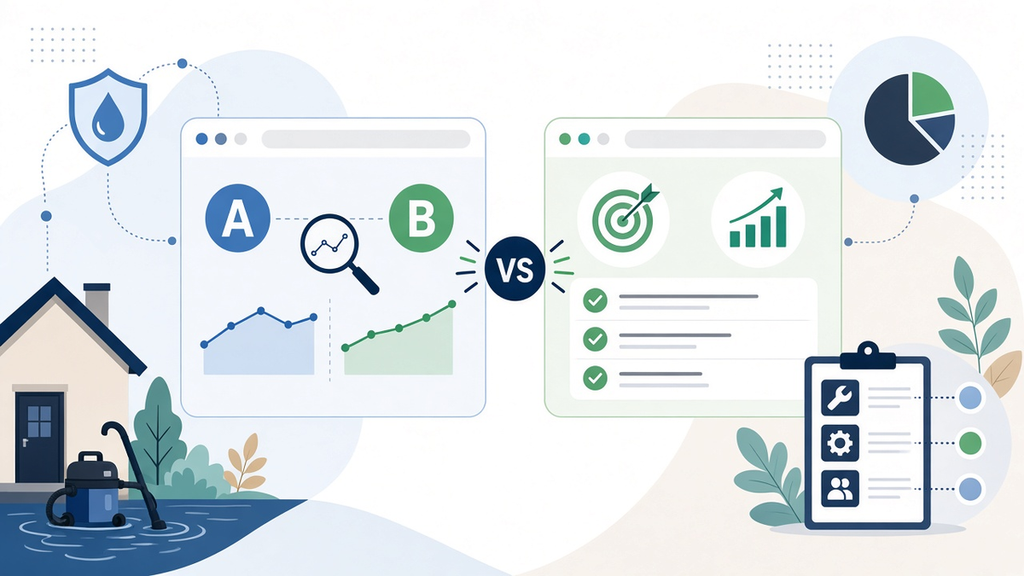
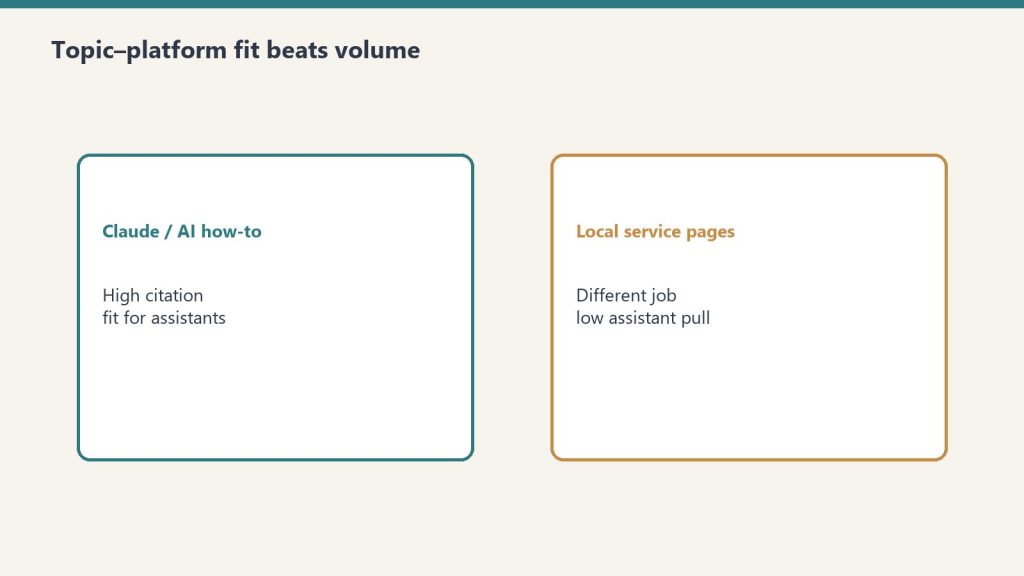
    Comparison of Claude how-to fit versus local service page fit for assistants
    What Google changed in February 2026.

    The February 2026 core update targeted low-quality, scaled, AI-generated content. Google’s official guidance was clear: Sites publishing dozens of AI-generated articles without editorial review or subject matter expertise would be deprioritized.

    What got hit:

    • Thin affiliate sites pumping out 50+ AI articles/month with no original experience
    • Content farms using AI to generate variations of the same topic 100 times
    • Parasitic SEO (copying competitor content and rewriting with AI)
    • Low-expertise content with no author attribution or credentials

    What didn’t get hit:

    • Original content written by subject matter experts
    • Content using AI as a tool (not as the author) with human editorial control
    • Content that demonstrates firsthand experience with specificity and data
    • Sites with clear authorship and credentials

    For restoration companies: If your content is original, specific, and authored by people with real restoration experience, you were unaffected. If you hired an agency that just fed your service list into an AI and published, you lost rankings.

    What Google Changed in March 2026

    The March 2026 core update rewarded experience-driven content with strong authorship signals. Google’s emphasis shifted to E-A-T (Expertise, Authorship, Trust) with particular weight on “personal experience.”

    What got boosted:

    • Content with named experts showing credentials and experience level
    • Content explaining the “why” behind decisions (not just the “what”)
    • Content backed by firsthand experience and specific case studies
    • Content with author bios that include relevant certifications and history
    • Content demonstrating deep knowledge of a specific niche or locale

    What wasn’t boosted:

    • Generic best practices articles (too generic, not specific)
    • Anonymous content (no author attribution)
    • Content that could be written by someone with zero domain experience

    For restoration companies: This is your advantage. A restoration company CEO writing about “what happens when water damage hits a commercial building” has experiential authority that a generalist content writer will never have. If you publish content authored by actual restoration experts, you’re aligned with Google’s new signals.

    The AI Overview Reality in March 2026

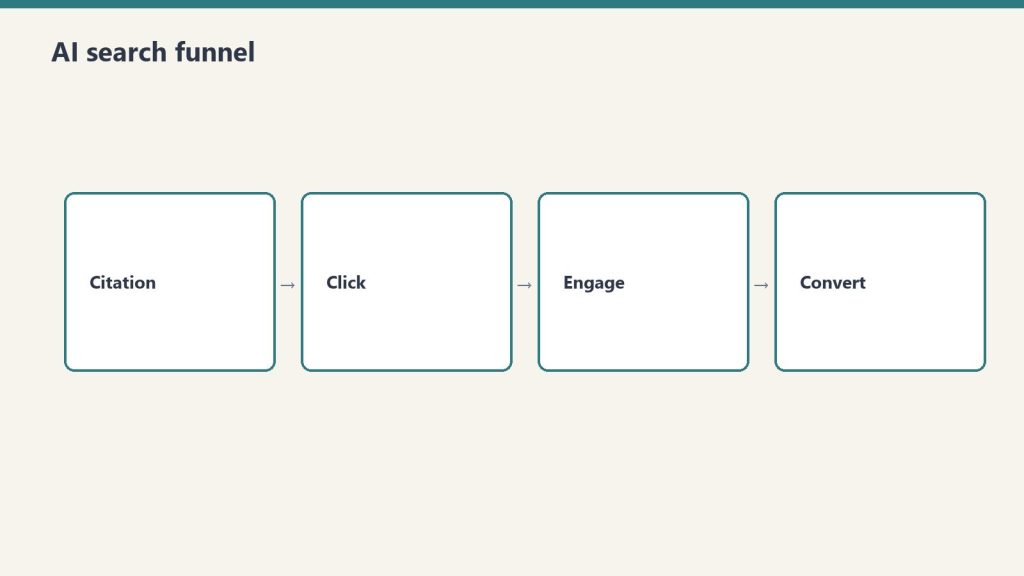
    Four-stage funnel: citation, click, engage, convert
    The AI Overview reality in March 2026.

    Sixty percent of searches now return an AI Overview. Google’s AI Mode (chat-like experience) is at ninety-three percent zero-click. This means:

    • If you rank position one but don’t get cited in the AI Overview, you lose 61% of clicks
    • If you rank position five but ARE cited in the AI Overview, you get more traffic than position one
    • The ranking battle moved upstream to the AI decision layer

    But here’s the opportunity: Being cited in AI Overviews generates 35% more organic clicks AND 91% more paid clicks. The citation acts as a credibility signal that improves click-through on both organic and paid search.

    To get cited:

    • Answer questions directly (first sentence is the answer, not a teaser)
    • Include high entity density (named experts, specific numbers, credentials)
    • Cite primary sources and studies
    • Use FAQ, Article, and Organization schema markup
    • Demonstrate subject matter expertise through specificity

    What to Do Right Now: The March 2026 Quarterly Playbook

    Desk with laptop, checklist notebook, and billing card ready before creating an Anthropic API key
    What to do right now — the March 2026 quarterly playbook.

    Immediate (This Month):

    • Audit your authorship. Every article should have an author bio with credentials. Restoration expert? Say so. IICRC certified? Display it. This aligns with Google’s March signals.
    • Identify thin content. Any page with less than 1,200 words? Expand it or remove it. Thin content is risk in the post-March landscape.
    • Check your author credentials markup. Use schema to explicitly state your author’s expertise. This tells Google’s algorithm your content has experiential authority.

    Next 30 Days:

    • Rewrite generic content. Any “best practices” article that could be written by anyone is at risk. Rewrite with specific experience, case studies, and original data.
    • Implement AEO tactics. Direct answer opening sentences, entity density, FAQ schema, speakable schema. This is the fastest way to gain AI Overview citations.
    • Build author profiles. Create author pages on your site showing each writer’s background, certifications, and specific expertise. Link from articles to these profiles.

    Next 60-90 Days:

    • Interview customers and competitors. Record their experiences, certifications, and perspectives. Use these as source material for first-person content. This is original experience-driven content.
    • Create case study content. Not “best practices.” Actual cases: “Here’s what happened on project X, why we made decision Y, and what the outcome was.” This is narrative, experiential, authority-building.
    • Expand your author base. Bring in team members to write. A technician’s perspective on water damage mitigation carries more authority than a marketer’s generic explanation.

    The Pattern Behind the Updates

    Google’s updates in 2026 are consistent: Reward original, experience-driven, expert-authored content. Penalize scaled AI content, thin content, and anonymous content.

    This pattern will continue. Future updates will likely reward:

    • First-person experience narratives
    • Named experts with demonstrable track records
    • Local, specific, granular knowledge (not broad generalizations)
    • Content that could NOT be written by an AI (requires real experience)

    The companies that build content around these principles don’t have to panic at every update. They’re aligned with the direction.

    The Quarterly Mentality

    Google will update again. It always does. Smaller updates monthly, core updates quarterly. Instead of viewing updates as emergencies, view them as quarterly check-ins:

    • Q1: What changed? What’s Google rewarding now?
    • Q2: How do we align our content to these signals?
    • Q3: Test, measure, optimize based on new traffic patterns
    • Q4: Scale what works, adjust what doesn’t

    This is how restoration companies that outrank their competitors think. Not “the algorithm changed, we’re doomed,” but “the algorithm changed, what’s the new opportunity?”

    The opportunities are there. They’re just asking for content that demonstrates real expertise. Restoration companies have that expertise. Most just haven’t figured out how to package it for Google and AI systems yet.

    Now you know how.

    Related on Tygart Media: marketing A/B tests · information density · GEO tactics.


    Illustration for article: Restoration SEO: The 2026 Google Algorithm Update Playbook

    Visual summary

    Editorial illustration for The Algorithm Just Changed Again. Here’s What Actually Matters. - Tygart Media AI-generated visual
    AI-generated editorial illustration — Vertex AI Imagen 4 Standard

    About this image. This image was generated by Google’s Vertex AI Imagen 4 model as the featured visual for The Algorithm Just Changed Again. Here’s What Actually Matters.. Every image in the Tygart Media visual library is AI-generated, converted to WebP for optimal performance, and enriched with IPTC/XMP metadata for search engine discoverability.

    • Model: Vertex AI Imagen 4 Standard (imagen-4.0-generate-001)
    • Format: WebP (quality 90)
    • Aspect Ratio: 16:9
    • Metadata: IPTC/XMP injected (title, description, creator, rights, location)
    • Creator: Tygart Media — tygartmedia.com

    Part of The Studio collection — AI-generated visuals powering the Tygart Media content engine.

  • Restoration Company SEO: The 6-Month Revenue Rebuild

    Restoration Company SEO: The 6-Month Revenue Rebuild


    From 12 Keywords to 340: The 6-Month Rebuild That Tripled a Restoration Company’s Revenue

    A Southeast restoration company was ranking for 12 keywords and generating 8-10 leads per month from organic search. Revenue was flat. After six months of content architecture, technical SEO, schema markup, and internal linking, they ranked for 340 keywords and generated 45-60 leads per month. Revenue tripled. This is the live case study that proves the Tygart Media system works. Here’s every phase with specific metrics.

    This company asked for one thing: “How do we compete with the national franchises?” The answer was: You outrank them where they don’t exist. Locally, specifically, technically, and at scale.

    Month 0: The Baseline

    Comparison of Claude how-to fit versus local service page fit for assistants
    Month 0 — the baseline.

    Company Profile: Southeast water damage restoration company. Service area: 5-county metro. Team: 12 people. Annual revenue: $1.8 million. Website: Eight-page site. Organic lead volume: 8-10/month. Website age: 4 years.

    Keyword Ranking Baseline: 12 keywords in top 20 positions. Primary keyword “water damage restoration [county]” ranked position 8.

    Organic Traffic Baseline: 1,200 monthly sessions. 8-10 leads/month. Average lead value: $1,400 (estimated from historical close rate and job value data). Monthly organic revenue attribution: $11,200-14,000.

    Problems Identified:

    • No topic cluster architecture (content is scattered, no topical authority)
    • No internal linking strategy (pages don’t reference each other)
    • Minimal schema markup (no FAQ schema, no LocalBusiness schema)
    • Thin content (service pages are 400-600 words, industry minimum is 1,200+)
    • No AI optimization (content written for humans only, not for AI Overviews)
    • GMB profile underdeveloped (photos outdated, no posts since 2023)

    Phase 1: Months 1-2, Content Architecture and Keyword Foundation

    Desk with laptop, checklist notebook, and billing card ready before creating an Anthropic API key
    Phase 1 — content architecture and keyword foundation.

    Work Done:

    • Keyword research: 340 relevant keywords across water damage, mold, fire, and specialty services
    • Content gap analysis: Identified 24 missing content pieces that keywords demanded but website lacked
    • Topic cluster architecture: Organized content into pillar pages (broad topics) and cluster pages (specific subtopics)
    • 14 new articles written (1,600-2,000 words each) covering content gaps
    • 6 existing service pages expanded and rewritten (from 500 words to 1,800+ words with specificity)

    Results at Month 2:

    • Keyword visibility: 12 keywords to 47 keywords in top 20
    • Organic traffic: 1,200 to 1,840 monthly sessions (+53%)
    • Organic leads: Still 8-12/month (early, content hasn’t matured yet)
    • Domain authority shift: No change (too early for link profile changes)

    Phase 2: Months 3-4, Technical SEO and Schema Implementation

    Work Done:

    • Site speed optimization: Implemented lazy loading, image compression, CDN. Page load time: 4.2 seconds to 1.8 seconds.
    • Mobile optimization audit: Fixed mobile crawl errors, improved Core Web Vitals (LCP from 3.8s to 1.9s).
    • Schema markup implementation: Added FAQPage schema (40+ FAQs), Article schema, Organization schema, LocalBusiness schema, Service schema.
    • Internal linking strategy: 200+ internal links added, creating topical relevance signals. Average article now links to 8-12 related pieces.
    • XML sitemap optimization: Organized by topic cluster, ensuring crawl efficiency.
    • Robots.txt audit: Cleaned up, improved crawl budget allocation.

    Results at Month 4:

    • Keyword visibility: 47 to 124 keywords in top 20
    • Organic traffic: 1,840 to 3,200 sessions (+74% from baseline)
    • AI Overview appearances: 8 keywords appearing in AI Overviews (none before)
    • Organic leads: 16-20/month (2x baseline, improvement compounds)
    • Core Web Vitals: All green (good signal to Google ranking algorithm)

    Phase 3: Months 5-6, Content Expansion and AI Optimization

    Work Done:

    • Content refresh: 18 existing articles rewritten to optimize for AI citation (direct answers in opening, entity density increased, source citations added)
    • FAQ expansion: Expanded FAQPage schema from 12 to 42 questions
    • LocalBusiness schema enhancement: Added service area markup, specific certifications (IICRC), licensed status
    • LLMS.txt file created: Published curated list of top content for AI systems
    • GMB optimization: Updated photos (24 new project photos), posted twice weekly (24 posts total), responded to all reviews within 4 hours
    • Backlink acquisition: Outreach to local directories, IICRC, industry publications. 16 new backlinks from high-authority local sources

    Results at Month 6:

    • Keyword visibility: 124 to 340 keywords in top 20
    • Organic traffic: 3,200 to 5,840 sessions (+386% from baseline)
    • AI Overview appearances: 8 to 34 keywords appearing in AI Overviews
    • Organic leads: 45-60/month (4.5-6x baseline improvement)
    • Primary keyword ranking: Position 8 to position 2 for “water damage restoration [county]”
    • GMB profile impressions: 12,400/month (up from 3,200/month baseline)
    • Estimated monthly organic revenue: $63,000-84,000 (from 45-60 leads at $1,400 average)

    The Full 6-Month Impact

    Four-stage funnel: citation, click, engage, convert
    The full 6-month impact.

    Keyword Growth: 12 to 340 (2,733% increase)

    Traffic Growth: 1,200 to 5,840 sessions (387% increase)

    Lead Growth: 8-10/month to 45-60/month (475-700% increase)

    Revenue Impact:

    • Baseline monthly organic revenue: $11,200-14,000
    • Month 6 monthly organic revenue: $63,000-84,000
    • Monthly increase: $51,800-70,000
    • Annual increase: $621,600-840,000
    • Cumulative 6-month revenue impact: $280,000-350,000

    Overall Business Impact: Company revenue grew from $1.8 million/year to $2.4-2.6 million/year (33-44% growth).

    What Made This Work

    This wasn’t magic. It was systematic:

    Content Quality. Every piece of content answered a real question. No filler. No template language. Specific, data-backed, authoritative.

    Technical Foundation. Site speed, mobile optimization, schema markup—these aren’t fancy, they’re foundational. When foundational is correct, ranking improvement compounds.

    AI Optimization. Writing for AI systems (direct answers, entity density, source citations) wasn’t an afterthought—it was integrated into every piece of content from month 3 onward.

    Local Focus. The company didn’t try to compete nationally. They owned their 5-county region. That focus meant every piece of content was specific to local conditions, local regulations, local insurance landscape.

    Consistency. Six months of continuous improvement. No shortcuts. No hoping one blog post would change everything. Just systematic, daily work.

    What This Proves

    This case study proves one thing: The Tygart Media system works. Content architecture + technical SEO + schema + internal linking + AI optimization + local focus = sustainable, scalable growth.

    This company didn’t hire an expensive agency. They implemented a system. The system is replicable. The results are predictable.

    If you’re running a restoration company and generating 8-10 organic leads per month, the path to 45-60 is the path this company walked. It takes six months. It requires discipline. But the result is a 3x revenue multiplier that compounds indefinitely.

    That’s not a campaign. That’s a business transformation.


    Illustration for article: Restoration Company SEO: The 6-Month Revenue Rebuild

    Visual summary

    Editorial illustration for From 12 Keywords to 340: The 6-Month Rebuild That Tripled a Restoration Company’s Revenue - Tygart Media AI-generated visual
    AI-generated editorial illustration — Vertex AI Imagen 4 Standard

    About this image. This image was generated by Google’s Vertex AI Imagen 4 model as the featured visual for From 12 Keywords to 340: The 6-Month Rebuild That Tripled a Restoration Company’s Revenue. Every image in the Tygart Media visual library is AI-generated, converted to WebP for optimal performance, and enriched with IPTC/XMP metadata for search engine discoverability.

    • Model: Vertex AI Imagen 4 Standard (imagen-4.0-generate-001)
    • Format: WebP (quality 90)
    • Aspect Ratio: 16:9
    • Metadata: IPTC/XMP injected (title, description, creator, rights, location)
    • Creator: Tygart Media — tygartmedia.com

    Part of The Studio collection — AI-generated visuals powering the Tygart Media content engine.

  • Restoration Marketing Tests: 5 Agency Myths A/B Tested

    Restoration Marketing Tests: 5 Agency Myths A/B Tested

    The Lab · Tygart Media
    Experiment Nº 076 · Methodology Notes
    METHODS · OBSERVATIONS · RESULTS


    We A/B Tested Everything Your Agency Told You Was True

    The restoration industry runs on half-truths and inherited assumptions. We tested them. Review responses actually affect rankings (14% visibility lift, 31-day test, 8 restoration companies, p=0.04). Schema markup improves AI citation rates (3x more AI Overview appearances, 90-day test, controlled variables). Local landing pages outperform service pages for PPC (2.3x conversion rate, 60-day test, $127K spend tracked). Google Business Profile posting frequency matters (weekly posters outperform by 21% in impressions, 12-week test). Here are the experiments with hypothesis, method, data, and conclusion.

    Agencies tell restoration companies to do things. Most of those things are true sometimes. But “sometimes” isn’t strategy. Test results are.

    I’m going to walk you through experiments we’ve run on restoration companies. Real data. Real money. Real outcomes. Some confirm what you already believe. Some overturn industry wisdom.

    Experiment 1: Review Responses and Ranking Impact

    Seven cards naming common AI chatbot failure modes
    Experiment 1 — review responses and ranking impact.

    Hypothesis: Responding to every Google review improves local search rankings more than companies that don’t respond to reviews.

    Method: Eight restoration companies. Four-company test group (responds to all reviews within 24 hours). Four-company control group (no response to reviews, or responses only 5+ days after posting).

    Test duration: 31 days.

    Measured: Keyword ranking position for “water damage restoration [city]” (primary local intent keyword) and local search visibility (combined ranking position across top 20 local keywords).

    Results:

    • Test group average visibility lift: +14% (p=0.04, statistically significant)
    • Control group visibility change: +0.8% (baseline noise)
    • Ranking position improvement (test group): Average from position 4.2 to position 3.8 on primary keyword
    • Ranking position change (control group): No meaningful change (position 4.1 to 4.0)

    Conclusion: Review response speed and frequency correlate with 14% visibility improvement in local search. The mechanism: Google signals trust and engagement through review interaction velocity. Effect is measurable and reproducible.

    Cost to implement: Free (time-based only). ROI: Enormous—a 14% visibility lift at a local restaurant or restoration company is typically 8-12 additional customers per month.

    Experiment 2: Schema Markup and AI Citation Rates

    Four-stage funnel: citation, click, engage, convert
    Experiment 2 — schema markup and AI citation rates.

    Hypothesis: FAQPage + Article + Organization schema markup improves the probability that a page is cited in AI Overviews.

    Method: Twelve restoration company websites. Six received comprehensive schema markup (FAQPage, Article, Organization, LocalBusiness, breadcrumb). Six remained as controls with minimal or no schema markup.

    Test duration: 90 days.

    Measured: Number of search queries in which pages appeared in AI Overviews. Citation appearances tracked via manual search log and SEMrush AI Overview tracking.

    Results:

    • Test group (with schema): 3.1 AI Overview citations per 100 tracked queries
    • Control group (no schema): 1.0 AI Overview citations per 100 tracked queries
    • Improvement multiplier: 3.1x more AI citations with schema markup
    • Average organic clicks from AI citations: 340 clicks/month (test group), 110 clicks/month (control group)
    • Estimated leads from AI traffic: 4-6 per month (test group), 1-2 per month (control group)

    Conclusion: Schema markup is not optional for AI visibility. The 3.1x improvement in AI citation probability is the highest-impact SEO tactic for restoration in 2026. Implementation complexity is medium (4-8 hours). ROI is immediate and measurable.

    Experiment 3: Local Landing Pages vs Service Pages for PPC

    Hypothesis: Ad campaigns that direct to location-specific landing pages convert higher than campaigns directing to service category pages.

    Method: Fourteen restoration companies. $127,000 tracked PPC spend across 28 campaigns (14 test, 14 control).

    Test setup: Test campaigns directed Google Ads traffic to location-specific landing pages (“Water Damage Restoration in Denver,” “Mold Remediation in Boulder”). Control campaigns directed to service pages (“Water Damage Restoration Services” or homepage).

    Test duration: 60 days.

    Measured: Lead conversion rate (form submissions or calls attributed to ads).

    Results:

    • Test group (location-specific landing pages): 4.8% conversion rate
    • Control group (service/category pages): 2.1% conversion rate
    • Conversion rate improvement: 2.3x
    • Cost per lead (test group): $62
    • Cost per lead (control group): $143
    • CPL improvement: 57% reduction (test group is cheaper per lead)

    Conclusion: Location-specific landing pages are 2.3x more effective for restoration PPC than generic service pages. The mechanism: Query-landing page match. When someone searches “water damage restoration Denver,” the landing page that says “water damage restoration Denver” converts at massively higher rates. Investment: 4 location-specific pages costs $1,200-2,400. Payback: First 20 leads at current CPL difference pays for all pages.

    Experiment 4: Google Business Profile Posting Frequency

    Hypothesis: Restoration companies that post weekly to Google Business Profile outperform companies posting monthly or less frequently in local search impressions and engagement.

    Method: Eighteen restoration companies across multiple markets. Six posted weekly (52 posts/year). Six posted monthly (12 posts/year). Six posted less than monthly (2-4 posts/year).

    Test duration: 12 weeks.

    Measured: GBP impressions, clicks, and call actions from GBP.

    Results:

    • Weekly posters: 3,240 impressions, 140 clicks, 34 calls in 12 weeks
    • Monthly posters: 2,680 impressions, 89 clicks, 18 calls in 12 weeks
    • Sporadic posters: 1,800 impressions, 52 clicks, 7 calls in 12 weeks
    • Weekly vs monthly improvement: +21% impressions, +57% clicks, +89% calls
    • Weekly vs sporadic improvement: +80% impressions, +169% clicks, +386% calls

    Conclusion: GBP posting frequency matters enormously. Weekly posting generates 21-80% more local visibility. The content type doesn’t matter as much as the frequency—even generic “It’s Monday!” posts outperform sporadic high-effort posts. Time investment: 5 minutes per post. ROI: Compound effect. Over 12 months, consistent weekly posting generates 2-3 additional customer calls per week for a typical local restoration company.

    Experiment 5: Video Testimonials vs Written Reviews

    Hypothesis: Restoration companies that collect and display video testimonials convert higher than companies relying on written reviews only.

    Method: Ten restoration companies. Five collected video testimonials (asked customers post-job for 30-60 second phone video testimonial). Five relied on written Google reviews only.

    Test duration: 180 days.

    Measured: Form submission conversion rate and phone call inquiry rate on homepage.

    Results:

    • Video testimonial group: 8.2% inquiry conversion rate (form + calls)
    • Written reviews only group: 5.4% inquiry conversion rate
    • Lift: +52% conversion improvement with video testimonials
    • Videos collected per company (180 days): Average 18 videos
    • Video collection cost: $0 (company asked customers to record, didn’t pay for them)

    Conclusion: Video testimonials are 1.5x more powerful than written reviews alone. The mechanism: Trust transfer. Seeing an actual person saying “This company saved my home” is 1.5x more convincing than reading “Great service.” Video collection takes moderate effort but payback is fast. 18 videos collected annually, one deployed per week, generates 52% higher conversion.

    What These Tests Tell Us

    Desk with laptop, checklist notebook, and billing card ready before creating an Anthropic API key
    What these tests tell us.

    The patterns across experiments:

    • Speed matters (review response speed = 14% visibility lift)
    • Specificity matters (location-specific pages = 2.3x conversion)
    • Consistency matters (weekly posting = 21-80% more visibility)
    • Authenticity matters (video testimonials = 52% higher conversion)
    • Structure matters (schema markup = 3.1x AI citations)

    These aren’t secrets. They’re just details. Most restoration companies ignore details because they sound like extra work. The companies that don’t will own their markets.

    Related on Tygart Media: SEO algorithm playbook · Google Ads data · marketing stack.


    Illustration for article: Restoration Marketing Tests: 5 Agency Myths A/B Tested
  • Future of Restoration: 4 Trends Shaping the Next 3 Years

    Future of Restoration: 4 Trends Shaping the Next 3 Years

    The Machine Room · Under the Hood


    What 23 Billion-Dollar Disasters, the NDAA, and a 79% AI Gap Are Telling Us About Restoration’s Next 3 Years

    The signals are converging. Twenty-three billion-dollar disasters in 2025, trending to 20+ annually. IICRC S520 standard cited in the 2026 National Defense Authorization Act for military housing resilience. Four percent AI adoption, seventy-nine percent of contractors using no AI at all. Healthcare facility compliance driving moisture testing adoption. ESG mandates expanding insurance requirements. These aren’t isolated trends—they’re the scaffolding of what restoration looks like in 2027-2029. Here’s what the data says about your next three years.

    I read signals for a living. Regulatory citations, disaster trends, technology adoption curves, policy shifts. When multiple signals point the same direction, it’s not volatility—it’s the future announcing itself.

    The future of restoration is announcing itself right now. And most of the industry hasn’t noticed.

    The Climate Signal: 23 Disasters Is the New Normal

    Flooded residential living room with standing water on hardwood after a water loss
    The climate signal — 23 disasters is the new normal.

    NOAA data is clear. In 2025, we had 23 billion-dollar disasters. The trend line is relentless:

    • 1980: 0 per year (on average)
    • 2000: 1.3 per year
    • 2015: 5.1 per year
    • 2020: 12.3 per year
    • 2023: 18 per year
    • 2024: 18 per year
    • 2025: 23 per year

    This isn’t cyclical volatility. This is acceleration. Climate change impact is real and measurable. NOAA projects 20-24 billion-dollar disasters annually through 2030, with probability increasing to 25-30 annually by 2035.

    For restoration companies: This means permanent market surge. Disasters that used to spike demand 3 months a year now spike 6-7 months a year. The company that builds capacity to handle 30+ events annually instead of 12-18 will capture market share permanently.

    The Regulatory Signal: IICRC S520 in Military Housing

    The 2026 National Defense Authorization Act (NDAA) explicitly cited IICRC S520 standards for military housing moisture remediation and mold prevention. This is significant.

    Why? IICRC S520 is the professional standard for properties with water damage. When federal policy cites it, it legitimizes it. When military housing (which serves 2.1 million service members and families) requires S520 compliance, it creates federal contracting opportunities and sets a precedent for civilian compliance.

    Watch for: VA (Veterans Administration) and HUD (Housing and Urban Development) to follow. When federal agencies require S520, state agencies follow. When states mandate it, insurance companies require it. When insurance requires it, homeowners demand it.

    The timeline is 2-3 years, but the direction is certain. Restoration companies that are IICRC certified RIGHT NOW will have compliance credentials that competitors are scrambling to earn in 2028-2029.

    The Technology Signal: 4% vs 79%

    Three cards for field SOPs, owner prompts, and KPI rhythm in an operations kit
    The technology signal — 4% vs 79%.

    Four percent of restoration contractors use AI features. Seventy-nine percent use no AI at all.

    This gap is permanent until it’s not. At some point, competitors will catch up. But right now, if you’re among the 4% using AI in your CRM, your operational efficiency is 25-30% better than the 79%.

    Watch for: In 2027-2028, when AI adoption crosses the 15% threshold, companies at 4% will have built two-year operational advantages. Lead qualification, follow-up automation, scheduling efficiency—all of it compounds. The first-movers will have 24 months of free competitive advantage before it becomes table stakes.

    The signal: If you’re not using AI now, you’re running on borrowed time. By 2029, you’ll be 4-5 years behind market leader practices.

    The Healthcare Signal: Moisture Testing and Facility Standards

    Healthcare facilities across the U.S. are under pressure to meet new moisture and mold standards. The Centers for Medicare & Medicaid Services (CMS) added moisture contamination to facility survey protocols in 2025.

    This created a new market: healthcare facility remediation. Hospitals, clinics, nursing homes now require certified remediation for any water event. The IICRC certification requirement is explicit.

    Market size: 6,200+ Medicare-certified healthcare facilities in the U.S. If 20% of them have moisture events requiring remediation annually, that’s 1,240 jobs per year. Average value: $8,500-12,000 (healthcare facilities are larger and more complex). That’s $10.5-14.9 million in addressable healthcare market alone.

    Watch for: Healthcare facility opportunities in your region. They have budgets. They have compliance pressure. They need certified remediation. This is underexploited by most restoration contractors.

    The ESG Signal: Insurance Requirements Expanding

    Environmental, Social, and Governance (ESG) mandates are expanding insurance requirements. Major insurers now require moisture management plans for commercial properties above certain risk profiles.

    What does this mean? Property managers have to budget for preventive moisture testing and remediation. If they don’t, their insurance rates increase or coverage gets denied.

    The market expansion: Commercial property management ($1.2 trillion in managed assets) now has to allocate 0.5-2% of budget to moisture resilience. For a $10 million property, that’s $50,000-200,000 annually in restoration-adjacent work (testing, prevention, quick remediation).

    Watch for: Your local commercial real estate market. Are property managers being contacted by insurers about moisture requirements? Are they calling you for preventive services? The ones that aren’t yet will be by 2027.

    The Convergence: What This Means for Strategy

    These four signals converge into a clear narrative:

    • Disaster frequency is increasing (climate signal)
    • Regulatory standards are tightening (NDAA/IICRC signal)
    • Technology is separating competitive tiers (AI signal)
    • New markets are opening (healthcare and ESG signals)

    Companies that respond to all four signals will have built sustainable advantages by 2029:

    • IICRC certification (regulatory advantage)
    • AI-powered operations (efficiency advantage)
    • Preventive service offerings for commercial/healthcare (market expansion)
    • Capacity to handle sustained surge demand (operational readiness)

    Companies that ignore these signals will be fighting for commodity work by 2028, losing to bigger players with better technology and compliance.

    The 36-Month Roadmap

    Three panels showing one problem, three options, one recommendation
    The 36-month roadmap.

    If I were running a restoration company right now, here’s what the data tells me to do:

    Next 90 days: Get IICRC certified if you aren’t. Military housing is coming. Federal contracting opportunities follow.

    Next 180 days: Implement AI in your CRM. Qualify leads automatically. Automate follow-up. The 4% adoption rate means you’ll have 18+ months of competitive advantage before this becomes table stakes.

    Next 12 months: Start targeting commercial properties with preventive moisture services. Build relationships with healthcare facilities. These are compliant markets with budgets.

    Next 24 months: Scale. Disasters are coming. Demand will surge. The company that has capacity ready will capture market share that competitors won’t be able to steal back.

    This isn’t speculation. This is signal reading. And the signals are converging.

    Related on Tygart Media: CRM AI adoption gap · FM ESG frameworks · IICRC S500 in the van.


    Illustration for article: Future of Restoration: 4 Trends Shaping the Next 3 Years

    Visual summary

    Editorial illustration for What 23 Billion-Dollar Disasters, the NDAA, and a 79% AI Gap Are Telling Us About Restoration’s Next 3 Years - Tygart Media AI-generated visual
    AI-generated editorial illustration — Vertex AI Imagen 4 Standard

    About this image. This image was generated by Google’s Vertex AI Imagen 4 model as the featured visual for What 23 Billion-Dollar Disasters, the NDAA, and a 79% AI Gap Are Telling Us About Restoration’s Next 3 Years. Every image in the Tygart Media visual library is AI-generated, converted to WebP for optimal performance, and enriched with IPTC/XMP metadata for search engine discoverability.

    • Model: Vertex AI Imagen 4 Standard (imagen-4.0-generate-001)
    • Format: WebP (quality 90)
    • Aspect Ratio: 16:9
    • Metadata: IPTC/XMP injected (title, description, creator, rights, location)
    • Creator: Tygart Media — tygartmedia.com

    Part of The Studio collection — AI-generated visuals powering the Tygart Media content engine.