How B2B SaaS Companies Get Cited by AI When Buyers Research Software (Before They Demo)
The Mechanics of SaaS AI Citation
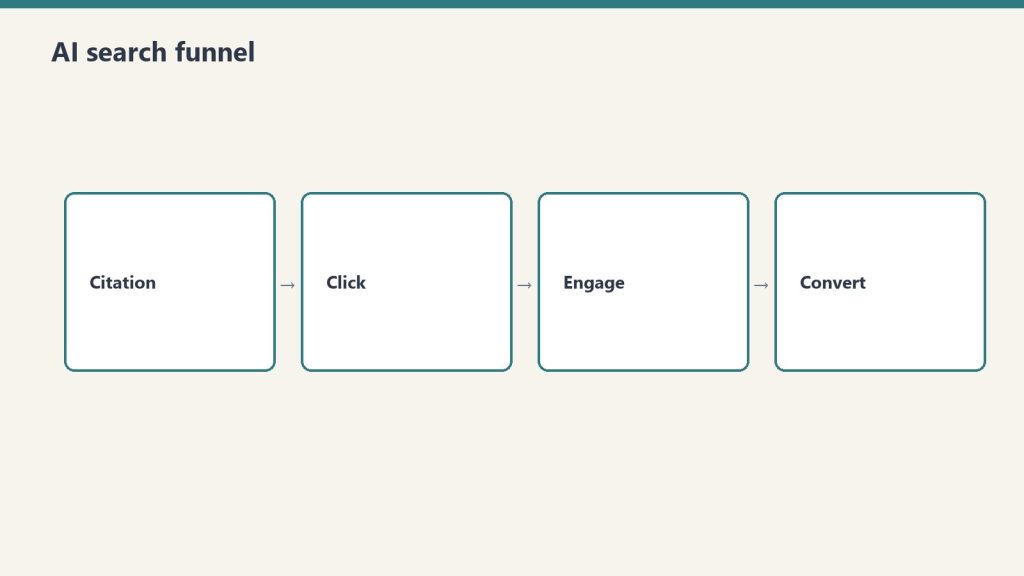
ChatGPT, Perplexity, and Google AI Overviews all use retrieval-augmented generation — they search the web, retrieve candidate pages, and evaluate those pages before synthesizing an answer. For SaaS queries, the evaluation criteria are specific: does the content name integration ecosystem entities that the AI can verify? Does it have direct-answer structure for the question being asked? Does it have FAQPage schema that makes Q&A pairs machine-parseable? Does it rank in the top 20 organic results — the prerequisite for AI citation consideration?
SaaS companies that earn AI citations at the research stage have a meaningful advantage in the sales cycle. A buyer who encountered your content through a ChatGPT answer about their software evaluation criteria arrives at your demo request form with established familiarity — not as a cold prospect.
The Four Content Types That Earn SaaS AI Citations

1. Buyer Criteria Content
“What to look for in [software category]” content with specific named criteria — security certifications (SOC 2 Type II, ISO 27001, GDPR compliance), integration ecosystem depth, pricing model (per seat vs usage-based vs flat rate), implementation timeline, and support SLA. These are the criteria buyers ask AI assistants to help them think through, and AI systems cite content that provides the most comprehensive, verifiable answer.
2. Integration Compatibility Content
“How does [category] integrate with [Salesforce/HubSpot/Slack]?” is one of the most-asked B2B software evaluation queries in AI assistants. Content that answers this with specific integration depth — bidirectional sync vs one-way, native vs API vs Zapier, what data fields sync, what triggers are available — earns AI citation for those specific integration queries.
3. Comparison Framework Content
“How to compare [software category] vendors” content with an explicit evaluation framework — a table of criteria, a scoring methodology, questions to ask during demos — is highly citable by AI because it provides the structured answer buyers need before they start shortlisting. AI systems surface this content when buyers ask “how do I evaluate [software type]?”
4. ROI and Implementation Content
“How long does [software type] take to implement?” and “What ROI should I expect from [software category]?” are decision-proximate questions — buyers asking them are close to making a choice. Content that provides specific, honest answers with cited research data earns AI citation at the moment buyers are finalizing their shortlist.
Related on Tygart Media: SaaS entity SEO · AI citation monitoring · citing sources.
Frequently Asked Questions

Which AI systems matter most for B2B SaaS visibility?
Google AI Overviews reaches the most total buyers because it appears directly in Google search results for software research queries. Perplexity is increasingly used for structured B2B research because it cites sources inline — giving cited SaaS companies visible brand exposure during the evaluation process. ChatGPT’s growing search integration (with ads introduced in late 2025) is growing rapidly among enterprise buyers who prefer conversational research. All three evaluate similar signals: named entity references, direct-answer structure, and FAQPage schema. Optimizing for one effectively optimizes for all.
Do G2 and Capterra reviews affect AI citation for SaaS?
Yes, indirectly. G2 and Capterra are high-authority domains that AI systems frequently cite for software comparisons. A SaaS company with strong G2 ratings and detailed review data benefits from AI citations to those third-party pages even when their own website isn’t directly cited. The combined strategy — owned content optimized for AI citation plus strong third-party review presence on G2 and Capterra — creates a citation surface area that makes it difficult for AI systems to discuss the software category without encountering your brand.
How quickly can SaaS content start earning AI citations after optimization?
For content already ranking in positions 1–20, AI citation eligibility is immediate after optimization is indexed — typically 2–4 weeks for Google’s crawlers to re-evaluate the updated content. The optimization signals AI systems look for — named entity references, FAQPage schema, direct-answer speakable blocks — are evaluated on each crawl. Content that was ranking but not being cited by AI often begins appearing in AI responses within one crawl cycle after the entity and schema optimization is applied.
Leave a Reply