
The conversation about Claude Code vs Cursor has collapsed into lazy takes: Claude Code is smarter, Cursor is friendlier, buy both. That framing is not wrong, but it isn’t useful. If you’re deciding where to put your coding tool budget in 2026, you need to know where each tool wins and loses – with specifics, not vibes.
Here’s what a year of both tools in production actually looks like.
The Fundamental Architecture Gap
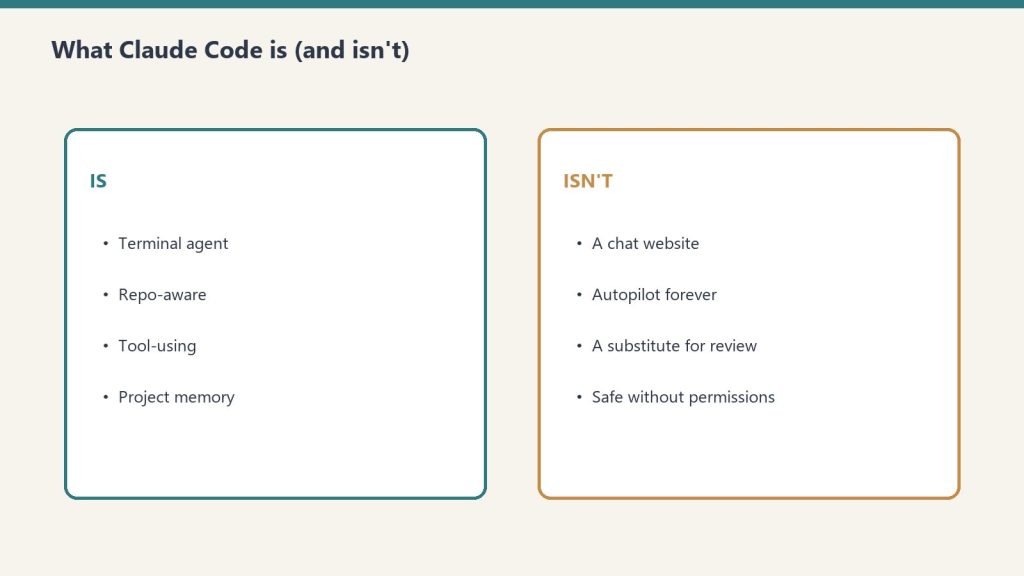
Claude Code is a terminal-native CLI agent. You run it with claude in your shell, point it at a codebase, give it a task, and walk away. It has no GUI. It doesn’t autocomplete as you type. What it has is the ability to autonomously execute multi-step tasks – read files, write code, run tests, iterate on failures – without you babysitting it.
Cursor is an IDE built on VS Code. It has tab autocomplete, an inline chat panel, Agent mode for longer tasks, and a polished visual interface that feels like VS Code with a superpower grafted on. If you already live in VS Code, Cursor’s learning curve is close to zero.
These are genuinely different tools. The “which one wins” question should really be “which one wins for what.”
Where Claude Code Wins: Long Autonomous Runs
The biggest measurable advantage Claude Code has right now is context. Running on Claude Opus 4.6 or 4.7, Claude Code natively supports a 1 million token context window – and that’s a first-class, supported number with no per-token surcharge for long context on the API.
Cursor’s advertised context is lower, and it draws from multiple model backends depending on which you select. On a large monorepo task – think refactoring an auth system across 40 files – the difference between context limits is the difference between Claude Code holding the whole codebase in view and the alternative having to page through it.
Claude Opus 4.6 scores 80.84% on SWE-bench Verified, per Anthropic’s published system card. Opus 4.7 improved on that, particularly on the hardest problems in the benchmark set, and on Rakuten-SWE-Bench (a production-task evaluation, not just GitHub issues) it resolves 3x more tasks than Opus 4.6. That is a meaningful gap.
The autonomous-run workflow looks like this in practice:
claude "Refactor the payment module to use the new Stripe SDK, update all tests, and make sure existing integration tests still pass"Claude Code will read the relevant files, identify the Stripe version mismatch, write the new implementation, run your test suite, and iterate if something fails – often without a single follow-up prompt. That same task in Cursor’s Agent mode typically requires you to approve each file write and re-prompt when the agent stalls on an error.
Where Cursor Wins: Daily Developer Experience
Cursor’s tab autocomplete is genuinely good. It’s not a feature Claude Code has at all – Claude Code is not an IDE and doesn’t inject suggestions while you type. If your daily workflow is: open file, write code, open file, write code, Cursor is the better tool for that rhythm.
Cursor’s @codebase reference and file mention system is also excellent for interactive exploration. You can ask “why does this function fail on null input?” while looking at the code, and Cursor’s inline context makes that conversation fast. Claude Code can answer the same question, but you’re doing it in a terminal with no visual reference.
For teams on an existing GitHub workflow, GitHub Copilot’s deep integration with PRs, issues, and Actions is hard to match. If your team is standardized on GitHub and your security team needs IP indemnity coverage, Copilot is the defensible enterprise choice – Claude Code and Cursor both require more procurement work.
The Pricing Reality
| Plan | Monthly Cost |
|---|---|
| Claude Code via Claude Pro | $20/month |
| Claude Code via Max 5x | $100/month |
| Claude Code via Max 20x | $200/month |
| Cursor Pro | $20/month |
| GitHub Copilot Individual | $10/month |
The entry point is the same for Claude Code (via Claude Pro) and Cursor. At that tier, Claude Code’s usage limits are more restricted. The Max 5x plan at /month is where Claude Code becomes a full autonomous-agent platform – higher rate limits, Opus access, and Claude Code usage limits that are double the Pro tier.
For individual developers doing heavy autonomous runs, the Max 5x plan at competes directly with a Cursor Pro subscription plus meaningful API spend. For teams, the calculus shifts: Cursor’s team plan pricing is lower per seat than a premium Claude Code subscription, which matters when you’re buying for 20 developers.
The Honest Call
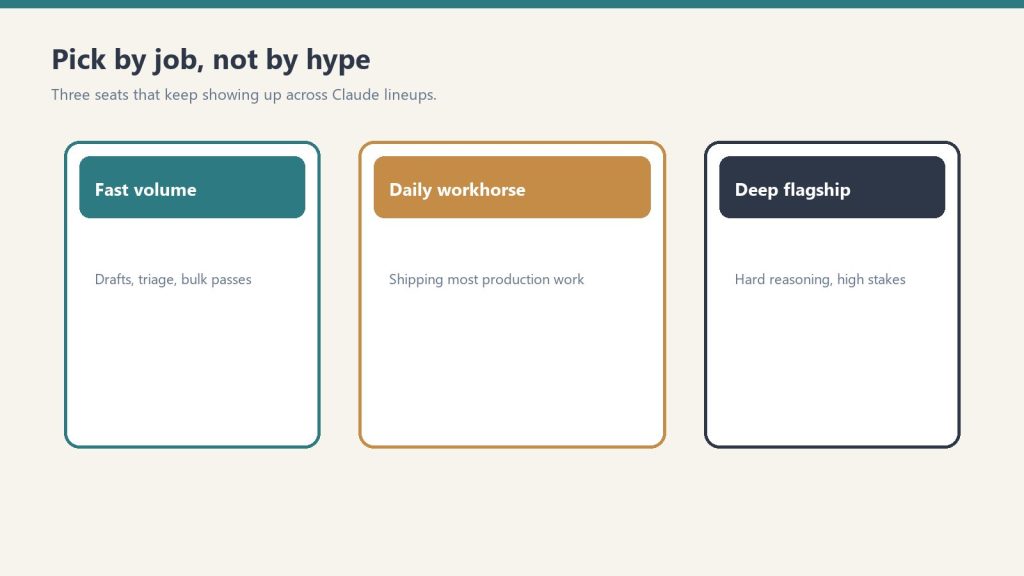
Claude Code wins on: autonomous multi-step tasks, large codebase refactors, long-running agents, raw SWE-bench performance, and 1M token context on complex jobs.
Cursor wins on: daily IDE experience, tab autocomplete, interactive inline chat, onboarding speed for VS Code users, and team-tier pricing.
The recommendation most senior developers are landing on in 2026 is two tools: Cursor open in the background for interactive work, Claude Code for the tasks you used to put in a Jira ticket and wait two days for. If you can only buy one and you mostly write code file-by-file, get Cursor. If your bottleneck is “I need to refactor three services and I don’t have three days,” Claude Code is the one that changes your output.
The Max 5x plan makes that bet financially coherent for a senior developer. The Pro tier is a reasonable way to find out if autonomous coding is a workflow you actually use.
Frequently Asked Questions
Is Claude Code better than Cursor in 2026?
It depends on your workflow. Claude Code is a terminal-native CLI agent best for large codebase refactors, multi-file operations, and agentic tasks run from the command line. Cursor is an IDE-first editor with inline completions and a chat sidebar — better for continuous editing with visual feedback. Most developers who ship code daily use both rather than choosing.
What is the difference between Claude Code and Cursor?
Claude Code is a CLI tool you run with the ‘claude’ command in your terminal — it acts as an autonomous agent that can read, edit, and run files across a codebase. Cursor is a VS Code fork with AI completions and chat built into the editor interface. Claude Code suits agentic automation; Cursor suits interactive editing.
Can I use Claude Code and Cursor at the same time?
Yes. Many developers run Claude Code from the terminal for large refactors or test-writing sessions while keeping Cursor open for active editing. They complement each other: Claude Code for autonomous multi-step tasks, Cursor for line-by-line interactive work.
How much does Claude Code cost in 2026?
Claude Code usage is billed through your Anthropic API account against whichever Claude model you select. Claude Opus 4.8 runs $5 per million input tokens and $25 per million output tokens. Claude Sonnet 4.6 runs $3/$15 per million tokens. Claude Haiku 4.5 runs $1/$5 per million tokens. Cursor’s plans start around $20/month for Pro.
Does Cursor use Claude under the hood?
Cursor supports multiple underlying models including Claude (Anthropic), GPT-4 (OpenAI), and others. You can select which model Cursor routes to in its settings. Claude Code, by contrast, is a dedicated Anthropic CLI tool that only runs on Anthropic’s Claude models.
What is Claude Code best used for?
Claude Code excels at large-scale codebase operations: refactoring across multiple files, writing comprehensive test suites, navigating unfamiliar codebases, and running agentic tasks that chain multiple steps. It is less suited for inline autocomplete as you type — Cursor is better at that.
Leave a Reply