The Most Lopsided Split I’ve Ever Seen

I run two kinds of content on the same portfolio of sites. One kind covers AI tools — Claude pricing, developer workflows, Copilot integrations, tool comparisons. The other covers trade services — restoration contractors, roofing, water damage, local business directories.
Both content streams are well-written. Both are SEO-optimized. Both rank on Google. But when I opened Bing Webmaster Tools and looked at the AI Performance tab, the split was so stark it looked like a data error.
AI tool content: 98,800 citations across 576 grounding queries. The single highest query — “claude ai pricing” — generated 16,500 citations by itself.
Trade service content: Zero.
Not ten. Not “a few that I might have missed.” Zero citations. Across every restoration article, every roofing guide, every local service page. Microsoft Copilot did not cite a single one of them.
This isn’t a quality problem. It’s a topic-platform fit problem. And understanding it changes how you think about content strategy for AI.
Get The Signal
What we actually ran, what it measured, and what it means for a restoration shop — every week, including the flops.
Who Actually Uses Copilot
To understand why Claude articles dominate and roofing articles get nothing, you need to understand who is on the other end of those Copilot queries.
Microsoft Copilot is embedded in Microsoft 365 — Word, Excel, PowerPoint, Outlook, Teams, Edge. The users are enterprise workers, knowledge professionals, and business users who invoke AI as part of their daily workflow. They’re writing reports, building presentations, comparing tools, planning purchases, and making decisions.
When a Copilot user asks a question, it’s because they need information to complete a task they’re currently doing. They’re in Word writing an AI strategy memo and they need current pricing. They’re in Excel building a vendor comparison and they need feature lists. They’re in Edge researching a developer tool and they need a hands-on review.
These people don’t ask Copilot about roofing contractors. They don’t ask about water damage restoration in Houston. They don’t ask about emergency plumbing services. Because they’re not doing those things at their desk in Microsoft 365.
The queries that trigger Copilot citations are professional knowledge queries — the questions knowledge workers ask while working:
“What is claude ai pricing in 2026”
“Claude code vs cursor comparison”
“How to set up notion MCP with claude”
“Anthropic console api key guide”
“Best AI coding tools for teams”
Every one of these is a work-context question from someone making a professional decision. And every one of them led Copilot to my content because my content is the most structured, specific, accurate answer available.
The Topic-Platform Fit Matrix
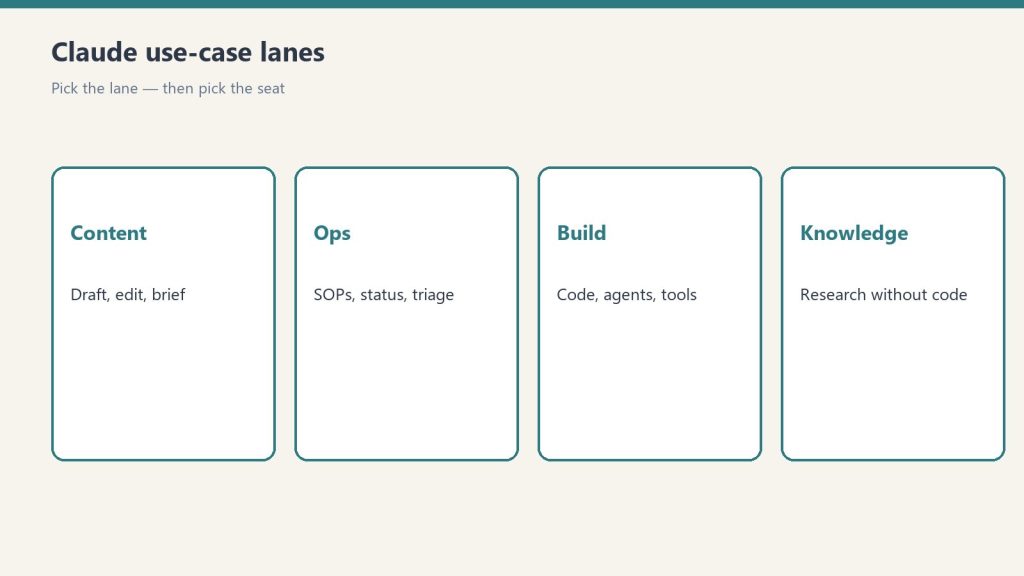
Based on my citation data and observation across platforms, here’s what I see as the topic-platform fit landscape:
Microsoft Copilot favors: Technology tool comparisons and pricing. Enterprise software reviews. Developer workflow guides. Business strategy content. AI platform analysis. Integration and configuration documentation. Anything a knowledge worker might need while working in Office.
Microsoft Copilot ignores: Local services. Trade industries. Consumer products. Event listings. Community content. Anything where the intent is “find a provider near me” rather than “help me understand this tool.”
ChatGPT favors: Broad technology topics. Health and science information. Financial concepts. Educational content. How-things-work explanations. Creative and cultural topics. Travel planning.
Google favors: Everything — but especially local intent, shopping intent, transactional queries, and broad informational queries. Google is the generalist.
Perplexity favors: Current events and news. Technical deep-dives. Product research. Anything where users want a synthesized, multi-source answer to a specific question.
The pattern is clear: each platform’s topic preferences reflect its user base and use context. Copilot’s users are in the office, so Copilot cites office-relevant content. ChatGPT’s users are everywhere, so ChatGPT cites broadly. Google’s users are searching with intent, so Google rewards intent-matched content.
Why 16,500 Citations for One Query
The “claude ai pricing” query generating 16,500 Copilot citations deserves its own analysis because it illustrates topic-platform fit perfectly.
Think about who asks this question inside Copilot: someone at a company evaluating Claude as a tool for their team. They’re probably in the middle of writing a procurement justification, a budget proposal, or a vendor comparison. They need the current pricing — plans, model costs, API rates — and they need it accurate and structured so they can drop it into their document.
My Claude AI pricing article has exactly what this person needs: clean pricing tables organized by plan tier, specific model costs with input/output token rates, version-accurate model names, and comparison notes that help with vendor evaluation. The content is formatted for extraction — Copilot can pull a specific number, a specific tier name, a specific comparison point and present it to the user inline.
That’s why one article earns 16,500 citations while an entire portfolio of roofing content earns zero. The roofing content is excellent for its audience (homeowners with water damage searching Google). But that audience doesn’t exist inside Copilot.
The Strategic Implications
If you’re a content strategist looking at this data, the implications are significant:
Not all content is eligible for AI citations. If your business is local services, consumer retail, or any industry where the customer journey starts with a Google search and ends with a phone call, AI citation optimization might not be your priority. Your content serves Google searchers, and that’s fine — that audience is still massive and monetizable.
If your content serves knowledge workers, you’re sitting on a citation goldmine. SaaS companies, developer tools, B2B services, consulting firms, enterprise technology — any business whose content answers questions that professionals ask while working is perfectly positioned for Copilot citations. And most of them don’t know it yet because they’ve never checked the AI Performance tab.
Topic-platform fit should drive your content calendar. Instead of asking “what keywords should we target,” start asking “which AI platforms could cite our content, and what does their user base need?” This changes which articles you prioritize, how you structure them, and what success looks like.
The zero-citation categories will change. As AI platforms expand beyond enterprise knowledge work — as Copilot appears in more consumer contexts, as ChatGPT’s search feature grows, as Google AI Overviews cover more queries — the topic-platform fit map will shift. Local services might start earning AI citations when AI assistants handle “find me a plumber” queries. But right now, the data is unambiguous: Copilot citations concentrate in professional knowledge topics.
How I Use This Data
On my own sites, topic-platform fit analysis drives resource allocation. I don’t try to make my restoration content earn Copilot citations — that’s fighting the user base. Instead, I optimize restoration content for Google (where that audience lives) and invest my Copilot-facing content effort in AI tools, business strategy, and technology topics (where the citation audience lives).
This isn’t about abandoning one audience for another. It’s about matching content to the platform where it will actually be consumed. The same way a B2B SaaS company advertises on LinkedIn instead of TikTok, you should produce AI tool content for Copilot and local service content for Google.
The data is telling you where your audiences are. The question is whether you’re listening.
Related on Tygart Media: $0.35 article citations · 98,800 citations · restoration AI search.
Frequently Asked Questions
Can local business content earn AI citations?
Currently, local service content earns very few AI citations because Copilot users are enterprise workers asking professional questions. However, as AI assistants expand into consumer use cases — handling queries like “find me a plumber” or “best restaurants near me” — local content may start earning citations. For now, focus local content on Google SEO and monitor AI citation data for shifts.
What is topic-platform fit?
Topic-platform fit describes how well a content topic matches the user base and use context of a specific AI platform. Topics that align with what a platform’s users actually ask about earn citations. Topics that don’t match the user base earn zero citations regardless of content quality.
Why does Copilot favor technology content so heavily?
Copilot is embedded in Microsoft 365, so its users are enterprise workers in Office applications. They ask questions related to their work: tool comparisons, pricing, integrations, and business decisions. Technology and business content matches their context. Consumer and local content does not.
Should SaaS companies prioritize Copilot citations?
Yes. If your product serves enterprise knowledge workers, your documentation, pricing pages, and comparison content is exactly what Copilot users ask about. Checking your Bing Webmaster Tools AI Performance tab may reveal citation data you did not know existed — and optimizing for it could dramatically expand your content’s reach.
How do I find my topic-platform fit?
Start by checking Bing Webmaster Tools AI Performance for your existing Copilot citation data. Then manually test your key topics in ChatGPT, Perplexity, and Claude to see if your content appears in their responses. Map which topics earn citations on which platforms to build your topic-platform fit matrix.
Get The Signal
What we actually ran, what it measured, and what it means for a restoration shop — every week, including the flops.
Leave a Reply