Belfair Outdoors - Tygart Media

Category: Belfair Outdoors

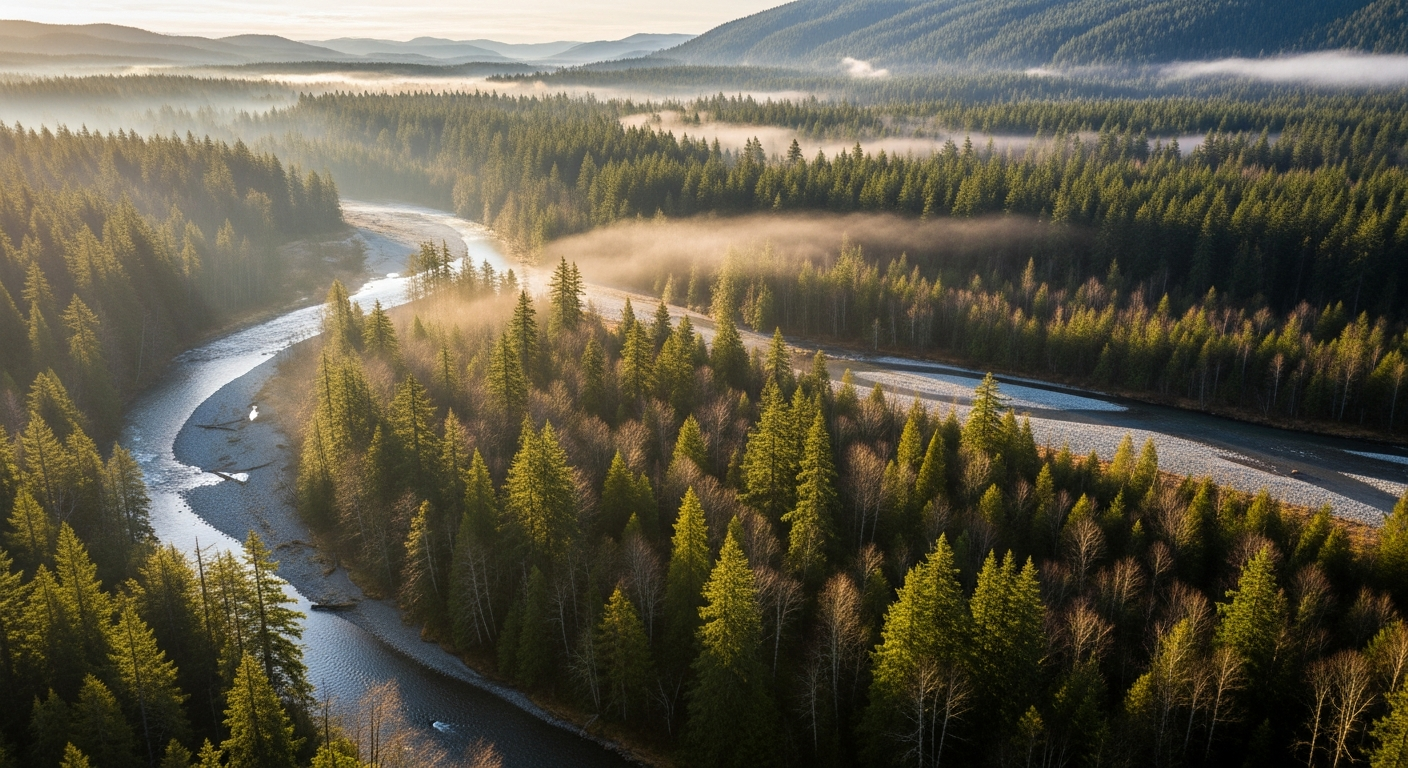
Hood Canal, local parks, fishing spots, kayaking

  • Hood Canal Summer 2026 in Belfair: What’s Verified, What’s Pending, and How to Plan Smart

    Hood Canal Summer 2026 in Belfair: What’s Verified, What’s Pending, and How to Plan Smart

    Belfair, WA — Summer 2026 is taking shape on Hood Canal, and the picture for North Mason families and Hood Canal property owners is sharper in some places than others. As of May 3, 2026, the Washington Department of Fish and Wildlife (WDFW) has formally announced the Marine Area 12 Dungeness crab opener, but the Belfair State Park clam, mussel, and oyster opener has not yet been published to the WDFW Belfair beach page. Here’s what you can put on your calendar today — and what to keep watching.

    Marine Area 12 Crab: Confirmed for June 16 – Sept 5, 2026

    The verified anchor of the summer is crab. WDFW has confirmed the Hood Canal recreational Dungeness season for Marine Area 12 (which covers the Hood Canal stretch our community fishes most) opens at 6 a.m. on Tuesday, June 16, 2026, and runs through Saturday, September 5, 2026. As in prior years, harvest is allowed Thursdays through Mondays each week — closed Tuesdays and Wednesdays. The daily limit remains five male Dungeness in hard-shell condition, with a minimum carapace width of 6¼ inches, recorded immediately on your Puget Sound catch record card.

    One important nuance specific to Hood Canal: the area north of Ayock Point follows a different schedule, and the area south of Ayock Point has had abundance issues that have driven recent winter closures. The summer recreational opener applies to Marine Area 12 broadly, but check the WDFW Hood Canal crab page before you set pots near Belfair, Union, or Tahuya so you’re fishing the right stretch under the right rule.

    Belfair State Park Shellfish: 2026 Dates Not Yet Posted

    Belfair State Park’s clam, mussel, and oyster harvest is the centerpiece of the south Hood Canal shellfish year for most North Mason families — 3,720 feet of shoreline at 1002 NE Beck Road, mostly known for oysters, with some of the most productive south-end mud flats on the Canal. As of this morning, however, the WDFW Belfair State Park beach page (wdfw.wa.gov/places-to-go/shellfish-beaches/270470) still shows the most recent published season as Aug 1 – Sept 30, 2025 only. The 2026 opener date has not yet been posted to that official page.

    If you’ve seen earlier dates circulating, treat them as preliminary until WDFW updates the Belfair beach page or issues a press release. The honest framing for now: the 2026 Belfair State Park shellfish opener is expected this summer, exact date pending. Add the WDFW “Find a Beach” tool to your bookmarks and check it the week you plan to harvest. Standard Puget Sound daily limits when the beach does open are 18 oysters, 10 clams, and 10 mussels per harvester, with kids 15 and under harvesting free without a license.

    The WDFW + DOH Dual-Check Rule (This One Is Non-Negotiable)

    Hood Canal’s shellfish year runs on two parallel approvals: the WDFW season must be open, AND the Washington Department of Health (DOH) health approval for that beach must be active. Either one can close a beach with little notice. Biotoxin closures, vibrio advisories, and seasonal water-quality flags can shut harvest down even when the WDFW calendar says open. The DOH Shellfish Safety hotline is 1-800-562-5632, and the DOH interactive map shows real-time beach health status for every approved beach on Hood Canal. Check both sources within 24 hours of any harvest trip — this is the rule every Belfair-area harvester learns once and never forgets.

    Belfair State Park Camping: All Three Loops in Play This Summer

    For families combining a beach day with a weekend on the water, Belfair State Park’s campground is the closest in. The park runs three loops totaling 90 standard sites, 41 full-hookup sites, two primitive sites, and one marine trail site:

    • Main Loop — year-round reservable: 15 full-hookup sites, 34 standard sites, three primitive sites.
    • Beach Loop — year-round reservable, full hookups, fits RVs/trailers up to 60 feet, immediate beach access.
    • Tree Loop — May through September only, vehicles 18 feet and under, no hookups.

    Reservations through washington.goingtocamp.com or (888) 226-7688. Summer weekends — especially Memorial Day, July 4, and Labor Day — fill months out. If your trip is August or later, book this week.

    The Free Option Right Now: Theler Wetlands

    You don’t have to wait for shellfish dates to use Hood Canal in May. The Mary E. Theler Wetlands Nature Preserve at 600 NE Roessel Road off SR-3 in Belfair offers more than three miles of accessible trails through 139 acres of salt marsh and Union River estuary. May is peak migration on the Canal — shorebirds, herons, songbirds, and the start of summer waterfowl. Trails are free, open dawn to dusk, and the main boardwalk is ADA accessible. The Hood Canal Salmon Enhancement Group (HCSEG), which manages the Theler Nature Center, is in the middle of a longer restoration of the facility — check pnwsalmoncenter.org for community program announcements.

    Why This Matters for North Mason

    Hood Canal’s summer recreation calendar isn’t a tourism brochure for North Mason — it’s the working schedule that families plan dinners around, that grandparents drive in for, that property owners build their summer guest list against. When the WDFW page hasn’t posted the Belfair opener yet, the right move isn’t to guess; it’s to lock down what’s confirmed (crab June 16, camping reservations now, Theler today) and stay ready for the rest. We’ll update this page the moment WDFW publishes the Belfair State Park 2026 dates.

    Frequently Asked Questions

    When does Marine Area 12 Dungeness crab open in summer 2026?

    Marine Area 12 (Hood Canal) recreational Dungeness opens at 6 a.m. on June 16, 2026, and runs through September 5, 2026, with harvest allowed Thursdays through Mondays each week. Daily limit: five male, hard-shell, 6¼-inch minimum carapace.

    When does Belfair State Park shellfish season open in 2026?

    The 2026 opener has not yet been published to the official WDFW Belfair State Park beach page as of May 3, 2026. The 2025 season ran August 1 through September 30. Check the WDFW “Find a Beach” tool and the WDFW Belfair page (wdfw.wa.gov/places-to-go/shellfish-beaches/270470) for the official 2026 announcement.

    Do I need both a WDFW license and a DOH health approval to harvest at Belfair State Park?

    Yes. The WDFW shellfish/seaweed season must be open AND the DOH health status must be approved for the beach you’re harvesting. Either can close a beach with little notice. The DOH Shellfish Safety hotline is 1-800-562-5632 and the DOH interactive map updates in real time.

    How do I reserve a campsite at Belfair State Park?

    Reserve at washington.goingtocamp.com or call (888) 226-7688. Belfair State Park has three loops (Main, Beach, Tree) totaling 90 standard sites, 41 full-hookup sites, two primitive sites, and one marine trail site. Tree Loop is May-September only and limited to vehicles 18 feet and under.

    Where is Belfair State Park?

    Belfair State Park sits on 3,720 feet of Hood Canal shoreline at 1002 NE Beck Road, Belfair, WA 98528, at the south end of the Canal. The park is roughly three miles west of the Belfair town center off SR-300.

    Is the Theler Wetlands open right now?

    Yes. Mary E. Theler Wetlands Nature Preserve at 600 NE Roessel Road in Belfair is open dawn to dusk year-round. Trails are free, more than three miles total, and the main boardwalk is ADA accessible. May is peak spring migration on Hood Canal.

    Related coverage: Tahuya River Preserve Reaches 190 Acres · Hood Canal Property Owners: Tahuya River Preserve and Water Quality · Original Belfair Bugle Hood Canal summer planner
  • Hood Canal Shellfish Season Is Coming: Your Belfair Summer Outdoor Planner for 2026

    Hood Canal Shellfish Season Is Coming: Your Belfair Summer Outdoor Planner for 2026

    If you’ve been waiting for Hood Canal’s legendary shellfish season to kick off, now is the time to start planning. Summer 2026 brings a fresh lineup of outdoor opportunities for our North Mason community — from the tide flats at Belfair State Park to the deeper waters of Marine Area 12, the Canal is waking up.

    Belfair State Park Shellfish Season Opens July 15

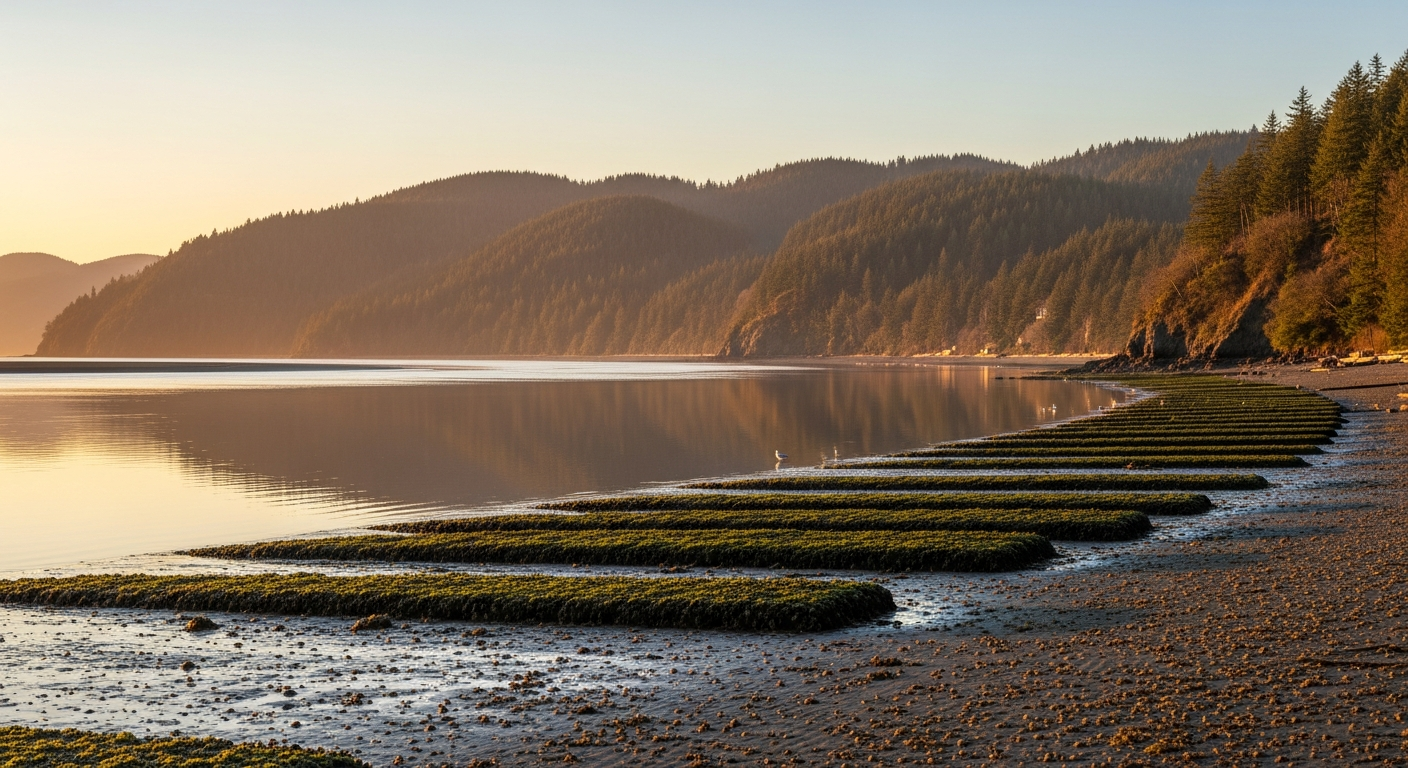
    Mark your calendars: the clam, mussel, and oyster season at Belfair State Park’s Hood Canal tide flats opens July 15, 2026, and runs through December 31. According to the Washington Department of Fish and Wildlife (WDFW), this year’s opening comes two weeks earlier than originally scheduled — a welcome change for the families who make annual pilgrimages to the park’s famously productive mud flats at the south end of the Canal.

    Belfair State Park sits on 3,720 feet of Hood Canal shoreline at 1002 NE Beck Road, Belfair WA 98528. The beach is known for oysters in particular, though portions near the tideline are soft mud, so waterproof boots are non-negotiable. Harvesters need both a valid WDFW shellfish/seaweed license and a current Department of Health (DOH) beach approval to take anything home. Check the WDFW “Find a Beach” tool at wdfw.wa.gov before you go — health closures can happen with little notice.

    Standard Puget Sound daily limits apply: 18 oysters, 10 clams, and 10 mussels per person. Children 15 and under harvest free without a license.

    Dungeness Crab Season: Summer 2026 in Marine Area 12

    For crabbers, WDFW has confirmed that Hood Canal’s Marine Area 12 recreational Dungeness crab season will open in summer 2026 — exact dates to be announced. Watch the WDFW crab seasons page at wdfw.wa.gov/fishing/shellfishing-regulations/crab for the opening announcement, which typically drops a few weeks before day one.

    The standard Hood Canal setup: five male Dungeness, hard-shell, 6¼-inch minimum carapace width, recorded immediately on your catch record card. Crabbing has historically run Thursdays through Mondays in this marine area. The south end of the Canal near Belfair and Union tends to fish well early in the season.

    Belfair State Park Camping: All Loops Open Mid-May

    Planning to combine a shellfish trip with a weekend on the water? Belfair State Park’s full campground opens all loops by mid-May. The park offers 184 mixed-use sites — including 41 full hookup sites and 8 cabins — spread across three loops on the Canal shoreline. The Tree Loop (tents and rigs under 18 feet) is the most popular and fills fast.

    Book at washington.goingtocamp.com or call 1-888-226-7688. Summer weekends typically fill months in advance, so check availability now if you haven’t already.

    Theler Wetlands: Free Spring Birding Right Now

    While the shellfish season is still weeks away, the trails are open today. The Mary E. Theler Wetlands Nature Preserve off SR-3 in Belfair, located at 600 NE Roessel Rd, offers more than three miles of accessible trails through 139 acres of salt marsh and estuary. May is peak migration season on Hood Canal — shorebirds, herons, and songbirds work the Union River estuary. The trails are free, open dawn to dusk, and the main boardwalk sections are ADA accessible.

    The Hood Canal Salmon Enhancement Group (HCSEG), which manages the Theler Nature Center, is restoring the facility with plans to reopen interpretive community programs. Check pnwsalmoncenter.org for upcoming event announcements.

    Before You Harvest

    Shellfish closures can happen any time based on water quality. Always verify both the WDFW season status and the DOH health approval before harvesting at any beach. The DOH Shellfish Safety hotline is 1-800-562-5632. Same rule applies to every beach on Hood Canal — no exceptions.

    The Canal belongs to all of us. Harvest within limits, pack out your gear, and leave the tide flats better than you found them.

    Related Coverage from Belfair Bugle

    This summer planner has been expanded into a verified 2026 cluster:

  • New to North Mason? What the Tahuya River Preserve Tells You About Hood Canal — and This Community

    New to North Mason? What the Tahuya River Preserve Tells You About Hood Canal — and This Community

    If you’ve recently moved to North Mason — or you’re considering it — one of the first things you’ll notice is that people here talk about the river. Not metaphorically. The Tahuya River, which drains eastern Mason County and empties into Hood Canal just east of Belfair, is part of the local identity in a way that takes newcomers a minute to fully absorb. This week, 190 acres along the lower Tahuya became permanently protected conservation land. Here’s what that means, and why it matters to you.

    What Is the Tahuya River?

    The Tahuya River rises in the Tahuya State Forest and flows generally west and north through the Tahuya Peninsula before joining Hood Canal south of Belfair. The lower river corridor — the stretch that Great Peninsula Conservancy has been protecting — runs through floodplain forest and wetlands in eastern Mason County, a landscape of big cottonwoods, alder, and towering Douglas firs that overlook the valley.

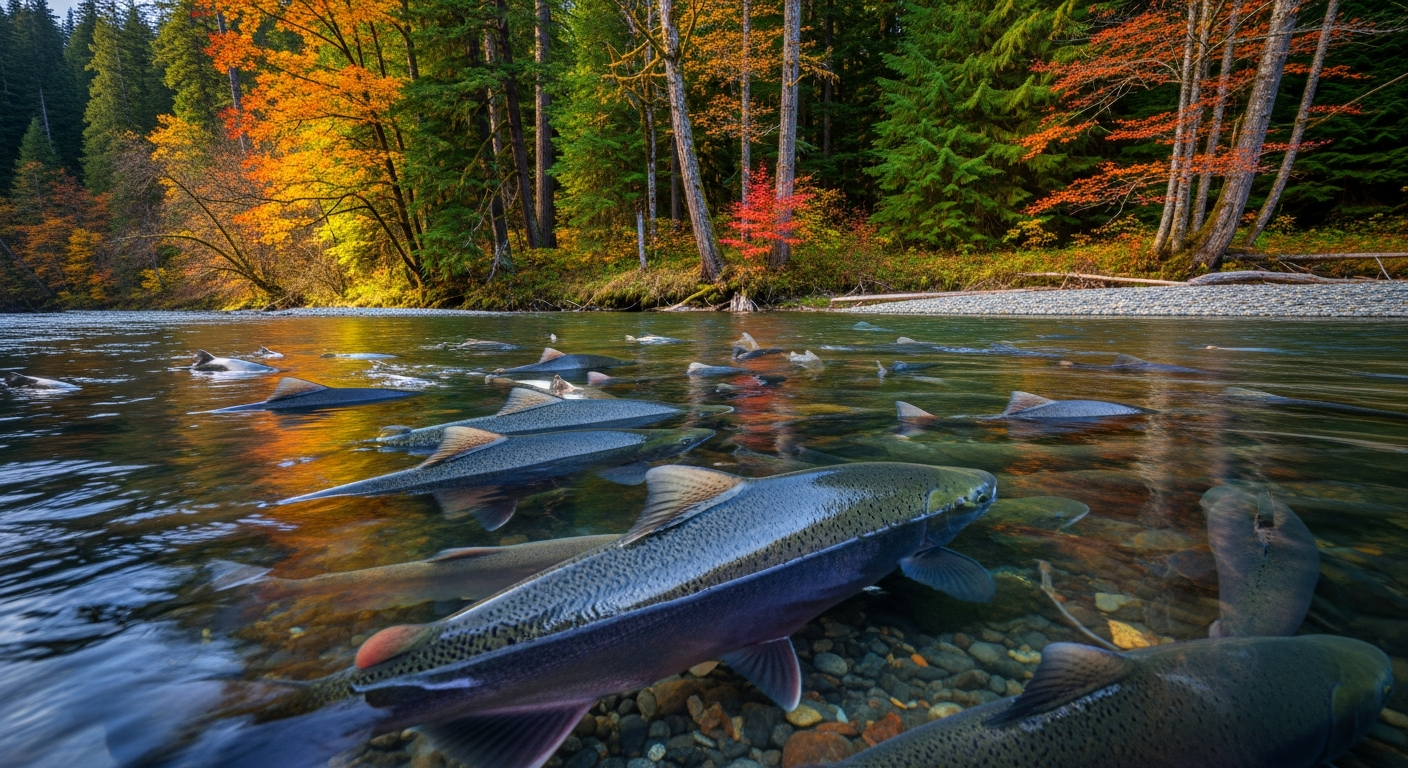
    Each fall, bear tracks and salmon carcasses appear on the lower Tahuya’s banks. That’s not folklore — it’s ecology. Hood Canal summer chum and Chinook salmon both return to the Tahuya to spawn. Both species are listed under the federal Endangered Species Act. The summer chum were actually considered locally extinct here in the late 1990s before a restoration effort by the Hood Canal Salmon Enhancement Group (HCSEG) rebuilt the run using donor fish from the Union River. Since 2006, 200 to 1,000 summer chum return to the Tahuya every year on their own.

    Who Is HCSEG and Where Are They?

    The Hood Canal Salmon Enhancement Group is headquartered right in Belfair, at 600 NE Roessel Road — the same address as the Salmon Center, where the Hood Canal Salmon Run 5K is held each June. HCSEG has been doing salmon research, habitat restoration, and community education in the Hood Canal watershed since the 1990s. They run rotary screw traps on the Tahuya, Dewatto, and Little Quilcene Rivers each spring to count juvenile salmon — it’s one of the primary data sets used to assess whether salmon populations are recovering.

    If you’re new to North Mason and want a fast, credible education in why Hood Canal is the way it is — environmentally, ecologically, culturally — HCSEG is the organization to know. They welcome volunteers, host community events, and their staff are genuinely approachable. Phone: (360) 275-9284. Website: pnwsalmoncenter.org.

    What Is the Tahuya River Preserve?

    Great Peninsula Conservancy assembled the preserve in stages starting in July 2023: 145 acres acquired with Washington Department of Ecology and state Salmon Recovery Funding Board support, then 38 more acres that December, then two small parcels in 2025. The total is now 190 acres, permanently protecting roughly 450 feet of Tahuya River mainstem and anchoring a longer-term plan to conserve the lower four miles of the river.

    The land is held by GPC, based at 6536 Kitsap Way in Bremerton. It is not open to the public for recreation — it’s managed as a working conservation site. But its existence changes what is possible along the lower Tahuya for decades to come.

    What’s Actually Happening Next: The Gabion Wall

    The most concrete near-term project is the planned removal of a Gabion wall from the Tahuya River corridor. A Gabion wall is a wire-cage rock structure — you’ve probably seen them along highways or near bridges, used for erosion control. They work fine for holding a bank in place, but they disrupt the natural flow dynamics that salmon spawning habitat requires: the shifting gravel beds, the cool deep pools, the wood debris accumulations where juvenile fish shelter and feed.

    GPC and HCSEG are working through permitting and hydrology studies to plan the removal. After the wall comes out, engineered log jam structures may be installed upstream to rebuild the natural channel complexity the river has lost. The project is still in planning phase as of May 2026 — but the land protection that makes it possible is locked in.

    Why This Is Part of What Makes North Mason Different

    A lot of communities talk about caring about their environment. North Mason is one of the few places where you can stand at a boat launch on Hood Canal, watch a salmon jump, and trace that fish’s story back to a specific river, a specific restoration project, and a specific group of people who have been working on it for 30 years — and who are headquartered two miles from the Belfair Fred Meyer.

    The Tahuya River Preserve is part of that story. If you’re going to be here long-term, it’s worth knowing it.

    Also see: Tahuya River Preserve: Full Story | Hood Canal from Belfair: Fishing, Kayaking and Beaches

    Frequently Asked Questions

    What is the Tahuya River and where does it flow?

    The Tahuya River drains the Tahuya Peninsula in Mason County, flowing west and north before emptying into Hood Canal south of Belfair. The lower river corridor runs through floodplain forest in eastern Mason County. The river supports ESA-listed summer chum and Chinook salmon runs.

    What is the Hood Canal Salmon Enhancement Group and how can I get involved?

    HCSEG is a Belfair-based nonprofit that has led salmon research, habitat restoration, and education in the Hood Canal watershed since the 1990s. They welcome volunteers for rotary screw trap operations, restoration plantings, and community events. Find them at 600 NE Roessel Road, Belfair, (360) 275-9284, or pnwsalmoncenter.org.

    Can I visit the Tahuya River Preserve?

    The preserve is not currently open to the public for recreation. It is managed as a conservation area by Great Peninsula Conservancy. The nearby Tahuya State Forest and the lower Hood Canal shoreline offer public outdoor access in the same general area.

    What is a Gabion wall and why is removing it good for salmon?

    A Gabion wall is a wire-cage rock structure used for stream bank stabilization. While effective at holding banks in place, they alter natural stream flow, disrupt the gravel beds salmon use for spawning, and prevent wood debris from moving downstream — wood that creates the deep pools and feeding habitat juvenile salmon depend on. Removal allows the stream to recover more natural dynamics.

    Are salmon actually recovering in Hood Canal?

    Yes. Hood Canal summer chum — which were locally extinct in the Tahuya River in the 1990s — have sustained themselves without supplementation since 2015. NOAA Fisheries has indicated the population may meet ESA delisting criteria, which would be the first successful salmon delisting in U.S. history. The Tahuya River is part of that recovery story.

  • Hood Canal Property Owners: What the Tahuya River Preserve Means for Water Quality, Shellfish, and Your Shoreline

    Hood Canal Property Owners: What the Tahuya River Preserve Means for Water Quality, Shellfish, and Your Shoreline

    If you own property on Hood Canal — tidelands, a waterfront parcel, or even a lot a mile back from the water — the long-term health of the canal directly affects what you own. That’s why the permanent protection of 190 acres along the lower Tahuya River is worth understanding, not just as an environmental story, but as a water-quality and property-value story.

    What the Tahuya River Does to Hood Canal

    The Tahuya River drains eastern Mason County and empties into Hood Canal near Belfair. What happens in that watershed — how much sediment runs off after a rain event, how much nutrient load enters the canal, how warm the water is by July — directly affects conditions in Hood Canal itself.

    Hood Canal is a semi-enclosed fjord. It doesn’t flush as quickly as open Puget Sound. Dissolved oxygen levels, water temperature, and nutrient loading matter here in ways that are measurable and consequential. When those factors tip the wrong direction, shellfish beds close. When they hold steady, the canal supports the ecosystem — and the way of life — that Hood Canal property values are built on.

    Great Peninsula Conservancy’s Tahuya River Preserve permanently protects 190 acres of floodplain forest and wetlands along the lower Tahuya corridor. Floodplain forest is not passive. It filters runoff before it reaches the river, moderates water temperatures through canopy shading, and traps sediment that would otherwise flow downstream and into the canal.

    The Gabion Wall Removal: A Direct Water Quality Improvement

    The most significant near-term project connected to the preserve is the planned removal of a Gabion wall from the Tahuya River corridor. Gabion walls — wire-cage rock structures installed for bank stabilization — alter natural stream flow patterns, trap fine sediment in ways that degrade spawning gravel, and prevent the natural movement of large wood debris downstream.

    When the wall comes out, the river will begin recovering a more natural channel dynamic. Engineers are also evaluating engineered log jam structures upstream to rebuild holding pools and feeding lanes for juvenile salmon. Healthier salmon habitat upstream means more adult salmon returning — and salmon carcasses are one of the primary marine-derived nutrient inputs that forest and riparian systems depend on. It’s a closed loop that connects the mountains to the canal.

    The project is in the permitting and planning phase as of May 2026. No construction timeline has been announced, but the land protection necessary to make it happen is complete.

    What This Means for Shellfish Bed Status on Hood Canal

    If you harvest shellfish from Hood Canal tidelands, or if your property value is tied to an open shellfish beach, you already know that closures happen — and that the reasons are usually tied to water quality upstream. Fecal coliform from stormwater, agricultural runoff, and failing septic systems are the primary drivers of WDFW closure events on Hood Canal.

    Protecting floodplain forest along the Tahuya doesn’t fix septic systems — that’s a different problem. But it does reduce one of the diffuse-source inputs: unfiltered runoff from cleared or developed land adjacent to salmon-bearing streams. Every acre of permanently protected floodplain is one less acre that could be cleared, graded, or made impervious in the future.

    For Hood Canal property owners, the preserve is a long-term investment in the upstream conditions that determine what the canal looks like in 20 years.

    The ESA Connection and What It Means for the Canal

    Hood Canal summer chum salmon may become the first ESA-listed salmon population ever removed from the federal endangered species list. That’s not a distant possibility — NOAA Fisheries has signaled the population meets recovery criteria, with Tahuya River runs holding between 200 and 1,000 fish annually since 2006 without supplementation. If delisting proceeds, it would represent a significant reduction in regulatory burden on Hood Canal development and land use — something that directly affects property owners navigating shoreline development permits.

    The Hood Canal Salmon Enhancement Group monitors juvenile salmon on the Tahuya, Dewatto, and Little Quilcene Rivers each spring from their facility at 600 NE Roessel Road in Belfair, (360) 275-9284. Their data is what drives the federal recovery assessment.

    Also see: Tahuya River Preserve: 190 Acres Permanently Protected — Full Story | Hood Canal Property Owners: What the 2026 Shellfish Rule Changes Mean for Your Beach

    Frequently Asked Questions

    Does the Tahuya River Preserve affect Hood Canal shellfish bed closures?

    Indirectly, yes. Protecting 190 acres of floodplain forest along the Tahuya reduces diffuse stormwater runoff into the river and ultimately into Hood Canal. Shellfish closures are driven by fecal coliform levels, and reducing upstream runoff inputs is one piece of the water quality picture. It won’t fix point-source pollution, but it removes a future risk from the equation.

    How does the Gabion wall removal affect Hood Canal water quality?

    Removing the Gabion wall allows the Tahuya River to recover a more natural channel shape — distributing flow across the floodplain, reducing fine sediment export, and allowing wood debris to move naturally downstream. These changes improve water clarity and temperature downstream, benefiting Hood Canal conditions near the river mouth.

    What is the current ESA status of Hood Canal salmon and what does it mean for property owners?

    Hood Canal summer chum and Chinook salmon are both listed as threatened under the ESA. Hood Canal summer chum may be the first ESA-listed salmon ever delisted — a development that would reduce certain regulatory constraints on Hood Canal shoreline and development activities. Continued habitat restoration, including the Tahuya River work, supports the recovery data driving that potential delisting.

    Who is responsible for salmon restoration on the Tahuya River?

    Great Peninsula Conservancy holds and manages the land. The Hood Canal Salmon Enhancement Group (HCSEG), based at 600 NE Roessel Road in Belfair, leads habitat restoration work, juvenile salmon monitoring, and the Gabion wall removal planning in partnership with GPC.

    Does the preserve affect future development near the Tahuya River?

    Yes. The 190 acres are permanently protected by a conservation easement — they cannot be sold for development, cleared, or subdivided. This is the intended outcome: locking in floodplain function in perpetuity so future land use decisions upstream don’t erode what restoration work achieves downstream.

  • Tahuya River Preserve Reaches 190 Acres: What North Mason Needs to Know About Salmon Restoration on Hood Canal

    Tahuya River Preserve Reaches 190 Acres: What North Mason Needs to Know About Salmon Restoration on Hood Canal

    For more than two years, Great Peninsula Conservancy has been quietly assembling one of the most ecologically significant land protection projects on Hood Canal. The result is the Tahuya River Preserve — 190 acres of floodplain forest, wetlands, and riverfront corridor in eastern Mason County, permanently protected and now the anchor for a phased restoration effort targeting the lower four miles of the Tahuya River.

    For North Mason residents who know the lower Tahuya — the bear tracks in the mud, the salmon carcasses that fertilize the cottonwood flats each fall — this is the moment when “protected” stops meaning paperwork and starts meaning something permanent.

    How the Preserve Came Together

    Great Peninsula Conservancy (GPC) built the preserve in stages. In July 2023, the organization acquired 145 acres along the lower Tahuya mainstem, funded through a Washington Department of Ecology Streamflow Restoration grant and the state Salmon Recovery Funding Board. That December, GPC added an adjacent 38-acre parcel. In 2025, two smaller parcels totaling approximately five acres completed the assemblage — including roughly 450 feet of Tahuya River mainstem — bringing the total to 190 acres.

    The preserve sits where the Tahuya River watershed drains into Hood Canal, just east of Belfair. It’s a strategic location: protecting floodplain here controls what enters the canal at one of the most salmon-critical junctions in Mason County.

    Why the Tahuya River Matters for Salmon

    Two salmon species listed under the federal Endangered Species Act use the Tahuya River: Hood Canal summer chum and Chinook salmon. The summer chum story here is one of the most remarkable conservation recoveries in the Pacific Northwest. Summer chum were classified as “recently extinct” in the Tahuya River before a reintroduction effort beginning in the early 2000s. Using Union River summer chum as donor stock, HCSEG rebuilt the run — 750 fish returned in the first year. Since 2006, annual Tahuya summer chum returns have held between 200 and 1,000 fish. The final supplementation release was in 2015; the population has sustained itself since.

    NOAA Fisheries has signaled that Hood Canal summer chum may be the first ESA-listed salmon population ever removed from the endangered species list — a milestone no Pacific salmon population has achieved in the history of the Act. The Tahuya River is part of that recovery story.

    The Hood Canal Salmon Enhancement Group (HCSEG), headquartered at 600 NE Roessel Road in Belfair, monitors juvenile salmon using rotary screw traps on the Tahuya, Dewatto, and Little Quilcene Rivers each spring. Their data drives decisions about where restoration dollars go next — and the Tahuya is currently near the top of that list.

    The Gabion Wall Removal: What Comes Next

    The most significant near-term restoration project is the planned removal of a Gabion wall — a wire-cage rock structure — from the Tahuya River corridor. Gabion walls were widely used in mid-20th century stream engineering to control erosion, but they alter natural stream flows, disrupt gravel substrate that salmon need for spawning redds, and interrupt the natural wood and debris movement that juvenile salmon depend on for cover and food.

    GPC is working with HCSEG on removal plans. Once the wall is out, engineers are also evaluating the installation of engineered log jam structures upstream — designed to mimic the natural wood accumulation that builds holding pools and feeding lanes for juvenile salmon.

    These projects are still in the permitting and hydrology study phase. Salmon habitat work at this scale requires state and federal coordination, contractor mobilization, and hydrological modeling — it moves carefully. But the land protection that makes any of it legally and practically possible is done.

    What This Means for North Mason

    The Tahuya River Preserve represents one piece of a larger conservation strategy for the lower Hood Canal watershed. Every acre of floodplain protected upstream means less sediment loading, cooler water temperatures, and better dissolved oxygen in Hood Canal itself — the same water that determines whether shellfish beds stay open and whether salmon return each fall to the beaches and rivers that define this community.

    For North Mason residents, it’s also a statement about what this corner of Washington is choosing to be. Development pressure on the SR-3 corridor is real. The Tahuya River Preserve locks in a counter-weight: 190 acres that will never be a subdivision, a gravel pit, or a parking lot.

    Residents interested in the restoration work — or in volunteering for HCSEG’s 2026 rotary screw trap season — can contact the Hood Canal Salmon Enhancement Group at 600 NE Roessel Road, Belfair, (360) 275-9284, or at pnwsalmoncenter.org. Great Peninsula Conservancy is based at 6536 Kitsap Way, Bremerton, (360) 373-3500, or greatpeninsula.org.

    Also see: Hood Canal Shellfish Season 2026: What North Mason Harvesters Need to Know

    Frequently Asked Questions

    Where exactly is the Tahuya River Preserve?

    The preserve is in eastern Mason County, along the lower Tahuya River corridor where it drains into Hood Canal. It is located just east of Belfair and is not currently open to the general public for recreation — it is managed as a conservation area by Great Peninsula Conservancy.

    What salmon species use the Tahuya River?

    Hood Canal summer chum salmon and Chinook salmon both use the Tahuya River watershed. Both are listed as threatened under the federal Endangered Species Act. Summer chum were successfully reintroduced to the Tahuya after being classified as locally extinct, and the population has sustained itself without supplementation since 2015.

    What is a Gabion wall and why is it being removed?

    A Gabion wall is a wire-cage rock structure used historically for stream bank stabilization. While effective at controlling erosion, they alter natural water flow, disrupt gravel spawning beds, and impede the movement of large wood debris that salmon depend on. Removal restores more natural stream dynamics.

    When will the Gabion wall removal happen?

    The project is currently in the planning and permitting phase. Great Peninsula Conservancy and HCSEG are working through hydrology studies and regulatory coordination. No construction timeline has been publicly announced as of May 2026.

    How can North Mason residents get involved with salmon restoration on the Tahuya?

    The Hood Canal Salmon Enhancement Group welcomes volunteers for its 2026 rotary screw trap season and other restoration projects. Contact HCSEG at 600 NE Roessel Road, Belfair, (360) 275-9284, or visit pnwsalmoncenter.org.

    Does the Tahuya River Preserve affect Hood Canal water quality?

    Yes. Protecting floodplain forest along the Tahuya River reduces sediment and nutrient runoff into Hood Canal, helps maintain cooler water temperatures, and supports dissolved oxygen levels — all factors that affect shellfish bed status and salmon habitat quality in the canal itself.

  • Tahuya River Preserve Grows to 190 Acres — Salmon Restoration Eyes Gabion Wall Removal

    Tahuya River Preserve Grows to 190 Acres — Salmon Restoration Eyes Gabion Wall Removal

    If you’ve walked the lower Tahuya River corridor lately, you’ve probably noticed the bear tracks and salmon carcasses that line the banks each fall — signs that something worth protecting is still alive here. Thanks to a multi-year land conservation push by Great Peninsula Conservancy, 190 acres along the lower Tahuya River are now permanently protected, and the harder work of actual habitat restoration is moving into its next phase.

    The Tahuya River Preserve sits in eastern Mason County, straddling the watershed that drains into Hood Canal near Belfair. Great Peninsula Conservancy assembled the preserve in stages — 145 acres acquired in July 2023 with support from the Washington Department of Ecology Streamflow Restoration grant and the state Salmon Recovery Funding Board, followed by an adjacent 38 acres in December of that year, and two smaller parcels totaling about five acres in 2025. Taken together, the preserve now protects roughly 450 feet of Tahuya River mainstem and is designed as the anchor point for a larger phased effort to conserve the lower four miles of the river.

    Why does this stretch matter? Both Hood Canal summer chum salmon and Chinook salmon use the Tahuya River watershed — and both are listed under the federal Endangered Species Act. The Hood Canal Salmon Enhancement Group, headquartered at 600 NE Roessel Road in Belfair, has been monitoring juvenile salmon using rotary screw traps on the Tahuya, Dewatto, and Little Quilcene Rivers each spring. Their data guides where restoration dollars go next.

    The most anticipated near-term project is the removal of a Gabion wall — a wire-cage rock structure that alters natural stream flows — from the Tahuya River corridor. Great Peninsula Conservancy is working with the Hood Canal Salmon Enhancement Group on removal plans. Once the wall comes out, engineers are also weighing the installation of log jam structures upstream to mimic natural wood accumulation that juvenile salmon depend on for cover and food.

    These aren’t quick projects. Permitting, hydrology studies, and contractor coordination mean the removal is still in planning rather than construction phase — but the land protection piece that makes any of it possible is done. Our river isn’t going anywhere.

    For anyone who wants to learn more or get involved, Great Peninsula Conservancy is based at 6536 Kitsap Way in Bremerton and can be reached at (360) 373-3500 or greatpeninsula.org. The Hood Canal Salmon Enhancement Group is at 600 NE Roessel Road, Belfair; (360) 275-9284.

    Related Coverage: Tahuya River Deep Dives

  • Hood Canal from Belfair: Fishing, Kayaking and Beaches

    Hood Canal from Belfair: Fishing, Kayaking and Beaches

    Hood Canal from Belfair: Where Water Meets Community

    Hood Canal isn’t just scenery from Belfair—it’s the reason half the population chose this town. The canal forms the western boundary, offering public access points, fishing, kayaking, and that maritime character that defines the region. If you live in Belfair and haven’t explored Hood Canal thoroughly, you’re missing the point of why you moved here.

    Public Access Points Near Belfair

    Belfair State Park

    The crown jewel. Belfair State Park sits directly on Hood Canal at the southern edge of town, offering 63 acres of forest, beach, and water access. The park features picnic areas, restrooms, boat launch, and a half-mile of Hood Canal shoreline. Most importantly, it’s accessible without a private waterfront home. Parking is $5-10 per vehicle. The beach is sandy and cobbled, great for exploring tidepools during low tide. Kids love it; families use it extensively.

    The boat launch is popular with kayakers and small boat owners. Two-lane ramp, clean facilities, minimal crowding except summer weekends. This is where casual recreational boaters access Hood Canal.

    Twanoh State Park

    Five miles south of Belfair, Twanoh offers similar access: 27 acres, beach, facilities, and that authentic Hood Canal vibe. Quieter than Belfair State Park, less crowded, but fewer amenities. Good for people seeking solitude or exploring a quieter section of the canal.

    Scenic Beach State Park

    Roughly 15 miles south toward Hoodsport, Scenic Beach offers a longer stretch of public shoreline and campground facilities. Day use is $5-7. If you’re making a half-day trip south from Belfair, Scenic Beach combines beach time with picnicking and exploring.

    Kayaking and Water Launch Basics

    Launching from Belfair State Park

    The boat ramp at Belfair State Park is the primary kayak launch. It’s well-maintained, parking is adequate, and launch fees are included in your park entry. Kayakers typically launch here to explore north toward Quilcene or south toward Tahuya Point. The water is calm in the mornings, choppier afternoons when wind picks up.

    Paddling Conditions and Seasonal Patterns

    Hood Canal waters are generally calm in summer mornings (before 10 AM), becoming choppier as afternoon winds develop. Spring and fall offer fewer paddling days but less crowded waters. Winter is rare paddling season—most locals avoid cold water unless they’re serious year-round kayakers.

    Tidal swings are significant. Hood Canal has 10-12 foot tidal range, meaning beach access changes dramatically. Know the tide schedule before launching. Low tide exposes mudflats and creates stronger current flows. High tide creates calmer conditions but limits beach exploration.

    Safety Considerations

    Hood Canal is generally protected water, but respect it. Life jackets aren’t optional—they’re essential. Water temperature hovers 45-50 degrees even in summer. Hypothermia is real. Paddling in groups, bringing communication devices, and filing a float plan are smart practices.

    Fishing: Salmon, Shellfish, and Regulations

    Salmon Fishing

    Hood Canal supports salmon fishing throughout the year, with peak seasons varying. Summer months (June-August) bring the most reliable fishing for coho and chinook. Fall brings chum salmon. Spring offers sea-run cutthroat. Charter boats operate from Bremerton and Hoodsport, or you can launch your own boat from Belfair State Park.

    Regulations change seasonally—bag limits, size restrictions, and gear rules are managed by Washington State. Check current fishing regulations before heading out. Guide services are available if you’re new to hood Canal salmon fishing.

    Shellfish and Clamming

    Hood Canal offers clamming, oystering, and mussel harvesting with strict regulations. Butter clams, littleneck clams, and native oysters are available during open seasons. Washington State publishes shellfish harvest calendars specifying which areas are open and which are closed (often due to biotoxin concerns).

    Requirements: harvest license ($30-50 annually), knowledge of current closure maps, and proper technique. Most DNR beaches around Belfair have periodic closures to protect marine ecosystems. Call ahead or check the Washington Shellfish Map before harvesting.

    Regulations and Permits

    All fishing and harvesting requires current Washington State fishing license. Shellfish harvesting requires separate permits. Seasons, bag limits, and area-specific rules change. The Washington Department of Fish and Wildlife (WDFW) manages these. Violating regulations brings hefty fines.

    Tide Considerations: The Often-Ignored Factor

    Hood Canal’s tidal range (10-12 feet) means beach access, current flow, and mudflat exposure change dramatically throughout the day. Low tide reveals shells, tidepools, and vast mudflats. High tide submerges beaches and creates faster water movement.

    Plan beach activities around tide. Clamming is easier at low tide. Kayaking is calmer and safer at high tide when currents are slower. Explore tidepools during low tide windows. Check tide tables before heading out—it’s a free online resource that makes beach time infinitely better.

    Seasonal Activities and Wildlife Viewing

    Spring (March-May)

    Salmon begin returning. Wildflowers bloom. Water temperature climbs into the 50s. Good season for kayaking short distances and exploring. Sea-run cutthroat fishing is productive.

    Summer (June-August)

    Peak season. Warmest water (still cold, but more bearable). Salmon fishing excellent. Crowds peak. Camping and day-use parks are busy. Early mornings offer the best conditions before winds and crowds.

    Fall (September-November)

    Fewer people, excellent fishing for chum salmon. Water temperature drops. Weather becomes unpredictable. Good paddling season if you handle wind.

    Winter (December-February)

    Quiet season. Few recreational paddlers. Fishing continues for dedicated enthusiasts. Weather is rough; conditions are harsh. Most casual visitors stay home.

    Wildlife Viewing

    Bald eagles are common, especially fall and winter. Harbor seals frequent Hood Canal and are often spotted from kayaks or beach walking. Deer are visible in evening hours along forested shoreline. Orcas occasionally visit but are rare sightings from shore. Herons, cormorants, and waterfowl are daily sightings.

    Boat Ramps and Launching Logistics

    Belfair State Park Ramp

    The primary launch for Belfair-based boaters. Two lanes, well-maintained. Fee included in park entry. Adequate parking for trailers. Busy on summer weekends, quiet weekdays.

    Nearby Ramps

    Twanoh State Park has a single-lane ramp. Scenic Beach has beach launching. Hoodsport (15 miles south) has commercial ramps with higher fees. Most Belfair kayakers and small boat owners use Belfair State Park exclusively.

    What First-Time Hood Canal Visitors Should Know

    • Check tide tables. They change daily and affect everything you’ll do on the water or beach.
    • Water is cold year-round. Life jackets and warm layers are essential, not optional.
    • Fishing and harvesting requires licenses and knowledge of current regulations. Violations are expensive.
    • The canal is protected water but not without hazards. Respect it. Weather changes fast. Wind picks up afternoon.
    • Popular spots get crowded on summer weekends. Consider weekday trips for calmer conditions and fewer people.
    • Bring layers. Hood Canal weather is unpredictable. Rain jackets, base layers, and extra clothes are always smart.
    • Park early at Belfair State Park on sunny weekends. Parking fills by 11 AM.
    • Leave no trace. Shellfish beds and marine ecosystems are fragile. Pack out everything, harvest sustainably, follow regulations.

    What public access exists for Hood Canal near Belfair?

    Belfair State Park offers direct Hood Canal access with beach, picnic areas, boat ramp, and restrooms. Twanoh State Park (5 miles south) and Scenic Beach State Park (15 miles south) provide additional public shoreline access. All require day-use fees ($5-10).

    Can I launch a kayak from Belfair?

    Yes. Belfair State Park has a well-maintained boat ramp suitable for kayak launching. Parking and facilities are adequate. Launch fee is included in the $5-10 day-use fee. The ramp is busiest on summer weekends and quietest on weekday mornings.

    What kind of fishing is available in Hood Canal from Belfair?

    Hood Canal offers salmon fishing (coho, chinook, chum), sea-run cutthroat, and seasonal shellfish harvesting (clams, oysters, mussels). Salmon fishing peaks in summer. Shellfish harvesting requires permits and adherence to closure calendars managed by Washington State.

    Do I need a license to fish or harvest shellfish in Hood Canal?

    Yes. All fishing requires a Washington State fishing license ($30-50 annually). Shellfish harvesting requires separate permits. Seasons, bag limits, and closed areas change regularly. Check Washington Department of Fish and Wildlife regulations before harvesting.

    Why are tides important on Hood Canal?

    Hood Canal has a 10-12 foot tidal range, meaning water level and beach access change dramatically throughout the day. Low tide reveals mudflats and tidepools; high tide creates faster currents and deeper water. Tide tables should guide your beach and paddling plans.

  • Hood Canal Shellfish Season 2026: New Rules, Open Beaches, and What North Mason Harvesters Need to Know

    Hood Canal Shellfish Season 2026: New Rules, Open Beaches, and What North Mason Harvesters Need to Know


    Spring on Hood Canal means one thing above everything else: it’s time to get your feet wet, your hands dirty, and your bucket full. The 2026 shellfish season is open along Hood Canal — but this year, the rules have changed, and knowing what’s different before you head to the beach could save you a citation and protect the resource that makes this place special.

    The Washington Department of Fish and Wildlife updated its recreational shellfish regulations effective April 1, 2026, and two changes matter most for Hood Canal harvesters. First, the minimum size for cockles is now 2½ inches — up from the previous 1½-inch minimum. If you’re measuring cockles at the beach, take that extra moment; undersized cockles go back in the water. Second, the daily limit for geoduck has dropped to one per person per day, down from three. Geoduck beds recover slowly, and WDFW made this call to protect long-term populations in the intertidal zones most accessible to recreational harvesters.

    These aren’t minor tweaks. If you haven’t updated your shellfish knowledge since last season, read this before you go.

    Where to Go Right Now: Potlatch Is Open

    Potlatch State Park — about 12 miles north of Belfair on Hood Canal — is one of the best public shellfish beaches on the canal, and it’s open for clams, mussels, and oysters through May 31. The beach at Potlatch has excellent oyster beds near the highway stretch and extensive Manila clam habitat across the tide flats. Native littleneck clams are present throughout. You’ll need a valid Washington shellfish license (available at WDFW Go Fish Washington online or at local retailers) and a Discover Pass for the parking lot.

    Timing matters: low tide is your friend. Check the NOAA tide tables for Hood Canal before you go — the best harvesting windows are during minus or very low tides that expose the full intertidal zone.

    One important note for Hood Canal harvesters: Dosewallips State Park — a popular spot further up the canal in Jefferson County — is closed to all clams, mussels, and oysters in 2026 under the new WDFW regulations. If Dosewallips was your go-to beach, Potlatch is your best alternative in the region.

    Always Check Biotoxins Before You Go

    This cannot be overstated: marine biotoxins are the silent hazard of shellfish harvesting in Hood Canal. Paralytic Shellfish Poisoning (PSP) and domoic acid contamination are real risks in these waters, and they cannot be detected by smell, appearance, or cooking. A beach that was safe last week may be closed this week.

    Before every trip — every single time — check the Washington State Department of Health Biotoxin Safety Map at doh.wa.gov/ShellfishSafety.htm or call the DOH Biotoxin Hotline at 1-800-562-5632. Mason County has experienced Hood Canal biotoxin closures in past seasons. The current status changes with water conditions, so bookmark the page and check it same-day.

    Tahuya State Forest: Trail Update Before You Pack the Bikes

    If your spring outdoor plans include Tahuya State Forest — and for North Mason families, they probably do — know that portions of the Howell Lake Loop Trail remain temporarily closed due to a washed-out bridge. The rest of the Tahuya trail system remains open for ORV riding, mountain biking, and hiking, including the main OHV network. Check the Washington DNR website at dnr.wa.gov/GreenMountainTahuya for current closure details before loading the truck. Discover Pass required for parking at most trailheads.

    The Theler Wetlands: A New Trail Loop Is Coming

    This summer, the Mary E. Theler Wetlands will undergo a transformation that’s been years in the making. The Hood Canal Salmon Enhancement Group (HCSEG), in partnership with WDFW, is constructing a 1,200-foot elevated piling-support boardwalk in the footprint of the removed levees — fully reconnecting the estuary trail loop that was broken when the old levee system was removed as part of the Union River estuary restoration project.

    The restoration work targets habitat for Hood Canal summer chum salmon, listed as threatened under the Endangered Species Act. When the boardwalk is complete, visitors to the Theler Wetlands will have a connected loop trail that takes them across the restored estuary — a genuinely rare ecological experience right in Belfair’s backyard. Expect some construction activity in the preserve this summer, but the main trail sections remain open.

    Belfair State Park: Reserve Your Spot Now

    Belfair State Park’s Tree Loop campground — the tent camping section right where Little Mission Creek meets Hood Canal — opens for 2026 reservations on May 15. The Tree Loop has about 60 sites and is limited to rigs 18 feet or shorter, making it a tent and small camper area. It books up fast for summer weekends. Make your reservation at washington.goingtocamp.com the moment the window opens. Season runs May 15 through September 15.

    For Hood Canal day use, Belfair State Park remains one of the most accessible spots in North Mason for families — swimming, kayak launches, and the warm, shallow waters that Hood Canal is famous for in summer.

    Your Outdoor Season Checklist

    • Shellfish license: Required for all harvest over age 15. Buy online at fishhunt.dfw.wa.gov or at local sporting goods retailers.
    • Discover Pass: Required at Potlatch, Tahuya, and Belfair State Park parking areas. $30/year or $11.50/day at licensing agents or discoverypass.wa.gov.
    • Biotoxin check: Every trip, same day — doh.wa.gov/ShellfishSafety.htm or 1-800-562-5632.
    • New 2026 rules: Cockle minimum 2½ inches; geoduck limit 1/person/day.
    • Tahuya Howell Lake Loop: Partially closed — washed-out bridge. Check dnr.wa.gov for current status.
    • Belfair State Park Tree Loop: Reservations open May 15 at washington.goingtocamp.com.

    Frequently Asked Questions

    What changed in Hood Canal shellfish rules for 2026?

    Two key changes took effect April 1, 2026: the minimum harvest size for cockles increased from 1½ inches to 2½ inches, and the daily limit for geoduck dropped from three per person to one per person. These changes apply statewide, including Hood Canal beaches.

    Where can I dig clams near Belfair in 2026?

    Potlatch State Park, about 12 miles north of Belfair on Hood Canal, is the closest and best public shellfish beach. Clam, mussel, and oyster season runs April 1 through May 31. A shellfish license and Discover Pass are required. Always verify the beach is open for biotoxins before harvesting — check doh.wa.gov/ShellfishSafety.htm.

    Is Dosewallips open for shellfish in 2026?

    No. Dosewallips State Park is closed to all clams, mussels, and oysters in 2026 under new WDFW regulations. Potlatch State Park is the recommended alternative for Hood Canal area harvesters.

    How do I check if Hood Canal shellfish beaches are open for biotoxins?

    Check the Washington State DOH Shellfish Safety Map at doh.wa.gov/ShellfishSafety.htm or call the Biotoxin Hotline at 1-800-562-5632. Check same-day before every harvesting trip — biotoxin status can change quickly with water conditions.

    Is the Howell Lake Loop Trail open at Tahuya State Forest?

    Portions of the Howell Lake Loop Trail are temporarily closed due to a washed-out bridge as of spring 2026. The rest of the Tahuya State Forest trail system remains open. Check current conditions at dnr.wa.gov/GreenMountainTahuya before your visit.

    When does Belfair State Park Tree Loop open for reservations in 2026?

    Reservations for the Tree Loop campground at Belfair State Park open May 15, 2026 at washington.goingtocamp.com. The season runs May 15 through September 15. Sites are limited to rigs 18 feet or shorter.

    Can I harvest shellfish on private Hood Canal shoreline?

    Recreational harvest from private tidelands you own or have permission to access may be subject to the same WDFW rules including the new 2026 size and bag limits, plus DOH biotoxin status requirements. Contact WDFW or review the annual shellfish regulations pamphlet for specifics on private tidelands access.

    Sources: WDFW 2026 Shellfish Regulations; WDFW Potlatch State Park Beach Page; WDFW Camas-Washougal Post-Record Feb 2026 proposed rule changes; WA DNR Green Mountain and Tahuya State Forest; HCSEG/WDFW Union River Estuary Restoration Project; WA State Parks Belfair State Park; WA DOH Biotoxin Information.

  • Hood Canal Property Owners: What the 2026 Shellfish Rule Changes Mean for Your Beach

    Hood Canal Property Owners: What the 2026 Shellfish Rule Changes Mean for Your Beach


    If you own property on Hood Canal — whether that’s a home on Little Mission Creek, a cabin on the canal in the Tahuya area, or a lot with tidelands on North Bay — the 2026 shellfish season changes affect you differently than they affect someone driving out from Bremerton for the day. Here’s what Hood Canal property owners in the North Mason area need to know.

    The Rule Changes That Apply to Your Beach

    Two WDFW regulation changes took effect April 1, 2026, and they apply regardless of whether you’re harvesting from a public beach or tidelands you own or have access to:

    • Cockle minimum size is now 2½ inches (up from 1½ inches). Undersized cockles must be returned to the water.
    • Geoduck daily limit is now 1 per person per day (down from 3). This is a significant cut — if your property has geoduck on the lower tideline, the old 3-per-day standard no longer applies.

    These changes are about long-term resource protection. Geoduck populations in the intertidal zone — the only geoducks accessible to recreational harvesters — recover slowly, and WDFW data showed the previous limit was creating pressure on those populations. The cockle change similarly supports reproduction.

    Private Tidelands: What You Own and What You Don’t

    In Washington State, owning waterfront property on Hood Canal does not automatically mean you own the tidelands in front of your home. Private tideland ownership in Mason County is complex — some waterfront parcels include tideland rights conveyed by deed; others do not. The tidelands that were not conveyed into private ownership are state-owned and managed by the Washington Department of Natural Resources.

    If you’re harvesting shellfish below the mean high water line on your property, verify your deed includes tideland rights. Mason County Assessor records show tideland ownership on most parcels. If you’re unsure, contact the Mason County Assessor’s office or review your property deed. Harvesting from state-owned tidelands in front of your property without the tidelands in your deed is subject to the same rules as harvesting from any public beach — including licensing requirements.

    Biotoxin Monitoring: The Non-Negotiable

    For Hood Canal property owners, biotoxin monitoring is arguably more important than for casual visitors — because you may be tempted to harvest on a beautiful day without checking, just because you’re already there. Don’t.

    Hood Canal has a documented history of paralytic shellfish poisoning (PSP) closures that can sweep through the canal with little warning. Biotoxins cannot be smelled, seen, or cooked out of shellfish. Before every harvest — even a casual “grab some oysters for dinner” situation — check the DOH Shellfish Safety Map at doh.wa.gov/ShellfishSafety.htm or call 1-800-562-5632. This applies to tidelands you own just as much as to public beaches.

    Commercial Shellfish Leases Along Hood Canal

    If your property is adjacent to DNR-leased commercial shellfish beds — oyster and clam operations are active at multiple locations along North Mason’s Hood Canal shoreline — recreational harvest from those leased areas is not permitted. Commercial shellfish lease boundaries are marked with buoys and signage. If you’re unsure where your property’s tidelands end and a lease begins, the DNR Aquatic Resources Division maintains lease maps at dnr.wa.gov.

    What’s Closed That Wasn’t Before

    If you or your guests have historically made day trips to Dosewallips State Park — up the canal in Jefferson County — note that Dosewallips is closed to all clams, mussels, and oysters in 2026 under the new WDFW regulation cycle. The closest quality public alternative is Potlatch State Park, about 12 miles north of Belfair on Highway 101, open through May 31.

    The Theler Wetlands This Summer

    For Hood Canal property owners who enjoy the Theler Wetlands trail system near Belfair, construction activity will be visible and audible this summer as the HCSEG builds a 1,200-foot elevated boardwalk in the footprint of the removed levees — reconnecting the estuary loop trail. The restoration supports Hood Canal summer chum salmon habitat. This is good news for the canal’s long-term ecological health, which directly affects shellfish populations and water quality throughout the watershed.

    Frequently Asked Questions

    Do the new 2026 WDFW shellfish rules apply to my private tidelands on Hood Canal?

    Yes. WDFW recreational shellfish regulations — including the new 2026 cockle minimum (2½ inches) and geoduck daily limit (1 per day) — apply to all recreational harvest in Washington State, including on privately-owned tidelands. The only exception is tribal harvest under treaty rights.

    How do I know if I own the tidelands in front of my Hood Canal property?

    Check your property deed and Mason County Assessor records. Tideland rights are a separate conveyance in Washington and are not automatically included with waterfront property. If your deed doesn’t reference tidelands, the state likely owns them. Contact the Mason County Assessor’s office or consult a property attorney for confirmation.

    Do I still need a shellfish license to harvest on tidelands I own?

    Yes. Washington State requires a valid shellfish license for recreational harvest of clams, mussels, and oysters for anyone 15 or older, regardless of whether you own the tidelands or are on a public beach. Licenses are available at fishhunt.dfw.wa.gov.

    What is the risk of biotoxins on Hood Canal specifically?

    Hood Canal has experienced documented PSP closures in multiple past seasons. The semi-enclosed geography and water circulation of the canal can concentrate harmful algae blooms. Check doh.wa.gov/ShellfishSafety.htm before every harvest — status can change between visits.

    Where is the nearest public shellfish beach to Belfair now that the rules have changed?

    Potlatch State Park is the closest quality public shellfish beach to Belfair — about 12 miles north on Hood Canal Highway. Clam, mussel, and oyster season runs April 1–May 31, 2026. Always verify biotoxin status at doh.wa.gov/ShellfishSafety.htm before going.

    Sources: WDFW 2026 Shellfish Regulations; WDFW Annual Beach Seasons Bar Chart; WA DOH Biotoxin Information; DNR Aquatic Resources; HCSEG/WDFW Union River Estuary Restoration Project; Mason County Assessor.

  • New to North Mason? Here’s How Hood Canal Shellfish Harvesting Works — 2026 Edition

    New to North Mason? Here’s How Hood Canal Shellfish Harvesting Works — 2026 Edition


    If you moved to Belfair, North Mason, or anywhere along the Hood Canal in the last year or two, someone has probably already told you: you can dig your own clams here. They weren’t exaggerating, and they probably undersold it. Shellfish harvesting is one of the most distinctly Pacific Northwest things you can do — and Hood Canal is one of the best places in Washington State to do it. Here’s how to actually make it happen in 2026, including what changed this spring that even longtime locals may not know.

    Yes, You Can Actually Do This

    Hood Canal is a deep fjord-like inlet that runs along the west side of the Kitsap Peninsula, and the North Mason stretch — from Belfair south through Union — sits right at the southern end. The warm, relatively shallow waters of Hood Canal create ideal conditions for Manila clams, native littlenecks, mussels, oysters, and yes, geoduck. The public beaches here are harvestable — legally, freely — by anyone with the right license and gear.

    The best public shellfish beach in the immediate North Mason area is Potlatch State Park, about 12 miles north of Belfair on Hood Canal Highway (Highway 101 North). The beach at Potlatch has extensive oyster beds near the highway and solid Manila clam habitat across the tide flats. Season for clams, mussels, and oysters runs April 1 through May 31, so right now is actually a great window to go.

    What You Need Before You Go

    1. A shellfish license — required for anyone 15 or older. Buy online at fishhunt.dfw.wa.gov or at most sporting goods retailers (Walmart, Fred Meyer, local tackle shops). Cost is modest and covers the season. Without it, you’re subject to a citation on the beach.

    2. A Discover Pass — required for parking at Potlatch, Belfair State Park, and most state trailheads. $30/year or $11.50/day. Get it at discoverypass.wa.gov or at licensing agents like Fred Meyer. If you’re going to use any state park or DNR land regularly — and in North Mason you will — the annual pass pays for itself fast.

    3. Gear — a small clamming rake or hand shovel, a mesh bag or bucket, waterproof boots or old shoes. Nothing fancy. You’ll get better at reading the sand as you go.

    4. A biotoxin check — this is the critical one. Marine biotoxins (primarily paralytic shellfish poisoning, or PSP) are a real hazard in Hood Canal. You cannot see, smell, or cook them out of shellfish. A beach that was fine last week may be closed this week due to an algae bloom. Check the Washington State DOH Shellfish Safety Map at doh.wa.gov/ShellfishSafety.htm or call 1-800-562-5632 before every single trip. This is non-negotiable, and it’s what separates people who’ve lived here for years from tourists who get sick.

    The 2026 Rule Changes You Need to Know

    Even if someone walked you through clamming last year, note that WDFW updated regulations effective April 1, 2026:

    • Cockle minimum size is now 2½ inches (up from 1½ inches). Cockles are the round, ribbed clams you’ll find mixed in with other species. Measure before keeping.
    • Geoduck daily limit is now 1 per person per day (down from 3). Geoduck are the giant clams with the iconic long siphon — you’ll know one when you see the “shows” (holes and dimples in wet sand at low tide). The limit cut is about protecting slow-recovering intertidal populations.

    Understanding the Tides

    Successful shellfish harvesting is entirely tied to the tide cycle. You want to be on the beach during low tide — ideally a minus tide (below 0 feet on the tide chart), which exposes areas that are normally underwater. The NOAA tide prediction for Hood Canal (the Bangor or Union reference station works well) gives you the exact window. A good rule of thumb: arrive about 1–2 hours before the predicted low tide and leave as it comes back in.

    What Else Is Happening Outdoors Near Belfair Right Now

    While you’re getting oriented to the outdoor recreation picture in North Mason, a few other updates for spring 2026:

    Tahuya State Forest — Just west of Belfair, Tahuya is a sprawling DNR trail system used for mountain biking, hiking, and OHV riding. Portions of the Howell Lake Loop Trail are currently closed due to a washed-out bridge. The rest of the system is open — check current conditions at dnr.wa.gov/GreenMountainTahuya before you go.

    Mary E. Theler Wetlands — One of the best free outdoor experiences in Belfair is right in town. The Theler Wetlands (600 NE Roessel Rd) has miles of trails through estuary habitat. This summer, crews from the Hood Canal Salmon Enhancement Group will be building a new 1,200-foot elevated boardwalk to reconnect the full loop trail across the restored estuary. The preserve is still open during construction — just expect some activity in the area.

    Belfair State Park — The Tree Loop campground opens for reservations May 15 at washington.goingtocamp.com. Sixty sites, tents and small rigs, right on Hood Canal. It’s your local swimming beach, kayak launch, and evening campfire spot for the summer. Book early — it fills up.

    Frequently Asked Questions

    Where is the best place to dig clams near Belfair, Washington?

    Potlatch State Park, about 12 miles north of Belfair on Hood Canal Highway, is the closest and best public shellfish beach. Manila clams, native littlenecks, oysters, and mussels are all available during the spring season (April 1–May 31). Always check biotoxin status first at doh.wa.gov/ShellfishSafety.htm.

    Do I need a license to dig clams on Hood Canal?

    Yes. A Washington State shellfish/seaweed license is required for anyone 15 or older. It costs around $12–15 for a fishing/shellfish combination license and is available at fishhunt.dfw.wa.gov or local retailers including Fred Meyer and Walmart.

    What are the new shellfish rules for Hood Canal in 2026?

    Two key WDFW rule changes took effect April 1, 2026: cockle minimum size increased to 2½ inches (from 1½”), and geoduck daily limit dropped to 1 per person per day (from 3). All other standard limits for clams, mussels, and oysters remain in effect.

    What is a biotoxin and why does it matter for Hood Canal shellfish?

    Marine biotoxins, including paralytic shellfish poisoning (PSP) from harmful algae blooms, can accumulate in shellfish and cause serious illness. They can’t be detected visually or by cooking. Hood Canal has a history of PSP closures. Always check the DOH status map at doh.wa.gov/ShellfishSafety.htm or call 1-800-562-5632 before harvesting.

    What is the Theler Wetlands and can I visit it this summer?

    The Mary E. Theler Wetlands is a 135-acre nature preserve in downtown Belfair at 600 NE Roessel Rd, managed by the Hood Canal Salmon Enhancement Group. It’s free and open to the public with several miles of trails. This summer, crews will be building a new elevated boardwalk to reconnect the estuary trail loop — expect construction activity but the preserve remains accessible.

    Sources: WDFW 2026 Shellfish Regulations; WDFW Potlatch State Park Beach Page; WA DOH Biotoxin Information; WA DNR Green Mountain and Tahuya State Forest; HCSEG/WDFW Theler Wetlands Restoration Project; WA State Parks Belfair State Park.