Tag: Hood Canal

  • بيلفير وخليج Hood Canal: تجربة الساحل الغربي الأصيلة للمشجع المغربي

    بيلفير وخليج Hood Canal: تجربة الساحل الغربي الأصيلة للمشجع المغربي

    ⚠️ آخر تحديث: 28 أبريل 2026

    حين تمتلئ فنادق سياتل وترتفع الأسعار إلى ما لا يُحتمل خلال كأس العالم 2026، يبحث المسافر الذكي عن بديل حقيقي لا مجرد “تجاوز للأزمة”. بيلفير وكاونتي ماسون على الضفة الغربية من Puget Sound هو ذلك البديل الحقيقي — هدوء، طبيعة، وتجربة عيش مختلفة تماماً عن صخب المدن الكبرى.

    كيف تصل من سياتل إلى بيلفير

    • العبّارة: Seattle → Bremerton: 60 دقيقة من مركز سياتل، ثم 32 كيلومتراً جنوباً إلى بيلفير. الوصول الإجمالي: 90 دقيقة تقريباً.
    • بالسيارة: عبر جسر Tacoma Narrows ثم شمالاً على Highway 3. حوالي 75-90 دقيقة.

    خليج Hood Canal — جوهرة مخفية

    Hood Canal فيورد طبيعي طوله 100 كيلومتر تقريباً، يفصل شبه جزيرة Kitsap عن شبه الجزيرة الأوليمبية. مياهه باردة ونظيفة بشكل استثنائي، وعلى ضفافه تنمو بعض أفضل أنواع المحار في العالم.

    شركة Taylor Shellfish Farms — من أكبر منتجي المحار في الولايات المتحدة — تبيع مباشرة للزوار في Shelton. تجربة شراء محار طازج من المصنع مباشرة، فريدة ولا تُنسى للمغاربة المحبين للبحر والمأكولات البحرية.

    ما يميز بيلفير وكاونتي ماسون

    مشهد الجبال والبحر معاً

    من شاطئ بيلفير، ترى جبال أوليمبيك مباشرة في مواجهتك عبر الخليج. صورة نادرة — جبال ثلجية وبحر هادئ في لقطة واحدة.

    Belfair State Park

    حديقة على الشاطئ مباشرة — 25 هكتاراً من الغابات والشاطئ والأرصفة. مثالية لفترات الاسترخاء بين رحلات كأس العالم.

    بحيرة Lake Cushman

    56 كيلومتراً شمال غرب بيلفير — بحيرة في سفوح الجبال الأوليمبية. كياك وسباحة وهواء نظيف وهدوء تام.

    منتجع Alderbrook Resort

    منتجع راقٍ على الخليج مباشرة في مدينة Union — 24 كيلومتراً غرب بيلفير. للمشجع المغربي الذي يريد ليلة فاخرة بعيداً عن ضغط كأس العالم.

    الطعام والصلاة

    كاونتي ماسون منطقة ريفية — الطعام الحلال محدود. احضر معك من سياتل أو إيفيريت. للمساجد وأوقات الصلاة: IslamicFinder.org

    أسئلة شائعة

    ما الفرق بين بيلفير وشبه الجزيرة الأوليمبية؟

    بيلفير في كاونتي ماسون هو البوابة الجنوبية الشرقية لشبه الجزيرة الأوليمبية. أهدأ وأسهل وصولاً من الجهة الشرقية، لكن أقل وحشية وجمالاً جغرافياً من الغابات المطيرة والشواطئ الغربية للشبه الجزيرة.

    هل يمكن الجمع بين بيلفير وشبه الجزيرة الأوليمبية في يوم واحد؟

    نعم بشكل معقول — بيلفير في الصباح (محار وشاطئ)، ثم الانتقال إلى Lake Cushman ومنطقة Staircase في الحديقة الوطنية بعد الظهر. يوم مكثف لكن ممتع.

  • بيلفير وكاونتي ماسون: تجربة المحيط الهادي الأصيلة للمشجع السعودي

    بيلفير وكاونتي ماسون: تجربة المحيط الهادي الأصيلة للمشجع السعودي

    ⚠️ آخر تحديث: 28 أبريل 2026

    حين تكون فنادق سياتل ممتلئة وأسعارها في السماء خلال كأس العالم 2026، يبحث معظم المسافرين شمالاً نحو إيفيريت أو شرقاً نحو Bellevue. المسافر الذي يبحث غرباً — عبر العبّارة على Puget Sound إلى كاونتي ماسون وبلدة بيلفير — سيجد ما لا يجده الآخرون: هدوء حقيقي، مياه خليج Hood Canal الفيروزية، غابات معمرة، وأكثر محار طازج في العالم.

    كاونتي ماسون — لمحة سريعة

    📍 الموقع: الزاوية الجنوبية الشرقية لشبه الجزيرة الأوليمبية

    🦪 يشتهر بـ: محار Hood Canal — من أفضل المحار في العالم

    🏔️ المنظر: جبال أوليمبيك مباشرة أمامك من الواجهة البحرية

    ⏱️ المسافة عن سياتل: 96 كيلومتراً — 90 دقيقة عبر العبّارة

    كيف تصل من سياتل إلى بيلفير

    • العبّارة: Seattle → Bremerton: 60 دقيقة من Colman Dock في مركز سياتل، ثم 32 كيلومتراً جنوباً على طريق Highway 3 إلى بيلفير. الوصول الكلي: حوالي 90 دقيقة.
    • بالسيارة: عبر جسر Tacoma Narrows ثم شمالاً على Highway 3. 75-90 دقيقة بدون ازدحام.

    رحلة العبّارة تجربة بحد ذاتها — مناظر سايلاين سياتل وجبل رينير والجبال الأوليمبية من سطح العبّارة.

    محار Hood Canal — تجربة من المصدر

    خليج Hood Canal مشهور عالمياً بإنتاج أفضل أنواع المحار. شركة Taylor Shellfish Farms في Shelton (32 كيلومتراً جنوب بيلفير) تبيع مباشرة للزوار — محار حي وبلح بحر وصدف على الطازج من الخليج.

    للمسافر السعودي المعتاد على ثقافة المأكولات البحرية الخليجية: محار Hood Canal له طعم نقي ومالح مميز، مختلف عن المحار الأوروبي، بنكهة معدنية من ذوبان ثلوج جبال الكاسكيد. تجربة مختلفة تستحق.

    ملاحظة: تحقق من حلالية المحار — التايلور شيلفيش شركة ممتازة لكن تأكد من أسلوب التحضير في المطعم.

    ماذا تفعل في بيلفير وكاونتي ماسون

    بحيرة Cushman

    بحيرة ساحرة في سفوح جبال أوليمبيك — 56 كيلومتراً شمال غرب بيلفير. كياك وسباحة وصعود جبلي. بوابة لمنطقة Staircase في الحديقة الوطنية Olympic.

    حديقة Twanoh State Park

    على بعد 11 كيلومتراً غرب بيلفير — شاطئ رملي على خليج Hood Canal وأسخن مياه للسباحة في Puget Sound صيفاً. دخول مجاني مع تصريح السيارة.

    منتجع Alderbrook Resort and Spa

    منتجع راقٍ في Union — 24 كيلومتراً غرب بيلفير — على حافة الخليج مباشرة. تجربة طعام من البحر للطبق مع منظر المياه والجبال. خيار مثالي للعشاء الخاص أو الإقامة الفاخرة.

    الطعام الحلال وأوقات الصلاة

    كاونتي ماسون منطقة ريفية صغيرة — الطعام الحلال محدود. نصيحة: خطط مسبقاً وأحضر طعامك من سياتل أو إيفيريت. للمساجد وأوقات الصلاة في سياتل: IslamicFinder.org.

    أسئلة شائعة

    هل بيلفير يستحق الزيارة خلال كأس العالم؟

    نعم — إذا كنت تبحث عن تجربة مختلفة خارج صخب المدينة. محار طازج ومناظر جبلية وهدوء حقيقي بعيد عن ضغط كأس العالم.

    هل يمكن الوصول لبيلفير بدون سيارة؟

    صعب نسبياً. العبّارة إلى Bremerton تعمل، لكن داخل كاونتي ماسون السيارة أو Ridesharing ضروري للتنقل.

  • Belfair et le Comté de Mason pour les visiteurs de la Coupe du Monde FIFA 2026 : L’alternative tranquille du Pacifique Nord-Ouest

    Belfair et le Comté de Mason pour les visiteurs de la Coupe du Monde FIFA 2026 : L’alternative tranquille du Pacifique Nord-Ouest

    Quand les hôtels de Seattle afficheront complet pour la Coupe du Monde FIFA 2026, la plupart des voyageurs internationaux regarderont vers Everett au nord ou Bellevue à l’est. Ceux qui regarderont vers l’ouest — traversant le Puget Sound en ferry vers le Comté de Mason et la communauté de Belfair — trouveront quelque chose que les autres n’auront pas : silence, eau, forêt et le vrai Pacifique Nord-Ouest que l’infrastructure touristique de Seattle a en grande partie recouvert d’asphalte.

    Le Comté de Mason en bref : Le Comté de Mason occupe l’angle sud-est de la Péninsule Olympique, bordé par le Hood Canal à l’ouest et le bras sud du Puget Sound à l’est. Le chef-lieu est Shelton. La communauté de Belfair se trouve à la pointe sud du Hood Canal — un fjord naturel réputé pour l’ostréiculture, la plongée sous-marine et les vues sur les Olympic Mountains. Distance depuis Seattle : 96 km par la route, ou 48 km via le ferry de Bremerton.

    Pourquoi le Comté de Mason pour les visiteurs de la Coupe du Monde ?

    Le cas pratique est simple : les hôtels de Seattle seront fortement sollicités pendant les périodes de matchs. Le Comté de Mason offre des hébergements — locations saisonnières, petites auberges et terrains de camping — qui resteront disponibles et abordables quand Seattle, Bellevue et Everett seront complets.

    Le cas stratégique est plus intéressant : le Comté de Mason, c’est là où vit vraiment le Pacifique Nord-Ouest. Les huîtres du Hood Canal sont récoltées à quelques kilomètres des hébergements. Les Olympic Mountains sont visibles depuis le front de mer. Les ours noirs sont une faune réelle, pas une exposition de zoo.

    Comment rejoindre les matchs de Seattle depuis le Comté de Mason

    • Ferry Washington State : Seattle–Bremerton — Traversées fréquentes (60 minutes) depuis le Colman Dock dans le centre de Seattle. De Bremerton, Belfair est à 32 km au sud sur la Highway 3. Temps de trajet total depuis Seattle : environ 90 minutes.
    • Par la route via la Highway 16 et la Highway 3 — Depuis Seattle, passer par le pont Tacoma Narrows et remonter vers le nord. Temps de trajet : 75–90 minutes sans circulation.

    Pour les visiteurs de la Coupe du Monde, la traversée en ferry est l’expérience la plus riche — elle offre des vues sur la skyline de Seattle, le Mont Rainier et les Olympic Mountains depuis le pont du navire. C’est une expérience du Pacifique Nord-Ouest à part entière.

    Les huîtres du Hood Canal : une expérience gastronomique de premier rang

    L’eau froide et pure du Hood Canal et son important marnage produisent des huîtres du Pacifique (Crassostrea gigas) dont le profil gustatif est classé parmi les meilleurs du monde par les amateurs sérieux. Taylor Shellfish Farms exploite un point de vente à Shelton, où les voyageurs peuvent acheter des huîtres vivantes, des palourdes et du geoduck directement auprès du producteur.

    Pour les voyageurs français connaissant les huîtres de Bretagne, du bassin d’Arcachon ou de Marennes-Oléron : les huîtres du Hood Canal sont plus iodées et fraîches que les huîtres plates européennes, avec une finale minérale issue des eaux de fonte des Cascades qui les distingue nettement. La comparaison tient parfaitement la route.

    Activités de plein air autour de Belfair

    Lake Cushman

    Le Lake Cushman est un lac-réservoir de 1 600 hectares dans les contreforts des Olympic Mountains, à 56 km au nord-ouest de Belfair. Le lac propose kayak, baignade et accès aux sentiers de la zone Staircase du Parc National Olympic — l’une des sections les moins fréquentées du parc, avec une forêt ancienne de douglas et des canyons de rivière spectaculaires.

    Zones humides de Theler

    Le Theler Community Center et les zones humides à Belfair entretiennent un réseau de sentiers de 5 km à travers des marais de marée, une forêt et l’estuaire de l’Union River. Les zones humides sont une colonie de reproduction du Héron Cendré d’Amérique. L’entrée est gratuite.

    Informations pratiques

    Le Comté de Mason dispose d’une infrastructure de transports en commun limitée — une voiture de location ou un service VTC est l’option la plus pratique. La couverture mobile à Belfair et le long de la Highway 106 est correcte avec les principaux opérateurs américains. Températures estivales dans le Comté de Mason (juillet–août) : agréables 18–27 °C avec un brouillard matinal occasionnel qui se dissipe en milieu de journée.

    Questions fréquentes

    À quelle distance Belfair se trouve-t-il des matchs de la Coupe du Monde FIFA 2026 à Seattle ?

    Belfair est à environ 96 km du Lumen Field. L’itinéraire le plus rapide emprunte le ferry Washington State de Colman Dock à Bremerton (60 min) plus 20 minutes de route vers le sud.

    Qu’est-ce qui rend le Comté de Mason et Belfair intéressants pendant la Coupe du Monde ?

    Les huîtres du Hood Canal, les vues sur les Olympic Mountains, le Belfair State Park et l’accès à la zone Staircase du Parc National Olympic en font une véritable expérience du Pacifique Nord-Ouest — pas un simple hébergement de substitution.

    Où manger des huîtres du Hood Canal dans le Comté de Mason ?

    Taylor Shellfish Farms à Shelton vend en direct. L’Alderbrook Resort and Spa à Union sert des fruits de mer du Hood Canal dans un cadre de restaurant en bord de mer. Plusieurs restaurants informels le long de la Highway 106 proposent des fruits de mer locaux de saison.


  • Belfair und Mason County für FIFA WM 2026-Besucher: Die stille Alternative im Pazifischen Nordwesten

    Belfair und Mason County für FIFA WM 2026-Besucher: Die stille Alternative im Pazifischen Nordwesten

    Wenn Seattles Hotels während der FIFA WM 2026 ausgebucht sind und internationale Fans weiter suchen, schauen die meisten nach Norden Richtung Everett oder nach Osten nach Bellevue. Reisende, die nach Westen schauen — über den Puget Sound mit der Fähre nach Mason County und der Gemeinde Belfair — werden etwas vorfinden, das die anderen nicht haben: Stille, Wasser, Wald und den echten pazifischen Nordwesten.

    Mason County auf einen Blick: Mason County liegt an der südöstlichen Ecke der Olympischen Halbinsel, begrenzt vom Hood Canal im Westen und dem südlichen Puget Sound im Osten. Kreisstadt ist Shelton. Belfair liegt an der südlichen Spitze des Hood Canal — einem natürlichen Fjord, bekannt für Austernzucht, Tauchsport und Ausblicke auf die Olympic Mountains. Entfernung von Seattle: 96 km auf dem Landweg oder 48 km über die Bremerton-Fähre.

    Warum Mason County für WM-Besucher?

    Der praktische Fall ist einfach: Seattles Hotelkapazitäten werden während der WM-Spielperioden stark eingeschränkt sein. Mason County bietet Unterkunftsmöglichkeiten — Ferienwohnungen, kleine Gasthäuser und Campingplätze — die verfügbar und erschwinglich bleiben werden, wenn Seattle, Bellevue und Everett ausgebucht sind.

    Der strategische Fall ist interessanter: Mason County ist, wo der pazifische Nordwesten wirklich lebt. Hood Canal-Austern werden wenige Kilometer von den Unterkünften der Reisenden geerntet. Die Olympic Mountains sind vom Waterfront aus sichtbar. Die Skokomish Nation, einer von neun bundesstaatlich anerkannten Stämmen auf der Olympischen Halbinsel, hat hier kulturelle Präsenz und Geschichte, der internationale Besucher im städtischen Tourismus selten begegnen.

    Anreise von Mason County zu den Spielen in Seattle

    • Washington State Ferry: Seattle–Bremerton — 60-minütige Überfahrt von Colman Dock im Stadtzentrum Seattle. Von Bremerton liegt Belfair 32 km südlich auf dem Highway 3. Gesamtreisezeit von Seattle: ca. 90 Minuten.
    • Landweg über Highway 16 und Highway 3 — Von Seattle über die Tacoma Narrows Bridge und nördlich auf dem Highway 3 durch Bremerton. Fahrzeit 75–90 Minuten ohne Verkehr.

    Hood Canal Austern: Ein Weltklasse-Erlebnis

    Das kalte, saubere Wasser des Hood Canal und sein erheblicher Tidenhub erzeugen Pazifische Austern (Crassostrea gigas) mit einem Geschmacksprofil, das ernsthafte Austernkenner zu den besten der Welt zählen. Taylor Shellfish Farms betreibt einen Einzelhandelsstandort in Shelton, wo Reisende lebende Austern, Muscheln und Geoduck direkt vom Erzeuger kaufen können.

    Für deutsche Reisende, die Austernkultur von der Nordseeküste oder Bretagne kennen: Hood Canal-Austern sind frischer und salziger als europäische Flachaustern, mit einem mineralischen Abgang vom Kaskadengletscher-Schmelzwasser, der diese Austern unverwechselbar macht.

    Outdoor-Aktivitäten rund um Belfair

    Lake Cushman

    Der Lake Cushman ist ein 1.600 Hektar großes Stausee in den Ausläufern der Olympic Mountains, 56 km nordwestlich von Belfair. Der See bietet Kajaken, Schwimmen und Wanderwegzugang zum Staircase-Bereich des Olympic National Park — einem der am wenigsten besuchten Abschnitte des Parks mit beeindruckendem Urwald aus Douglastannen.

    Theler Wetlands

    Das Theler Community Center und die Feuchtgebiete in Belfair unterhalten ein 5 km langes Wanderwegsystem durch Gezeitensümpfe, Wald und das Union River Ästuar. Die Feuchtgebiete sind eine Brutkolonie des Kanadareihers. Der Eintritt ist kostenlos.

    Praktische Hinweise für deutsche Reisende

    Mason County hat begrenzte ÖPNV-Infrastruktur — ein Mietwagen oder Ridesharing ist die praktischste Option. Mobilfunkempfang in Belfair und entlang des Highways 106 ist mit den großen US-Anbietern ausreichend. Sommertemperaturen in Mason County (Juli–August): angenehme 18–27 °C mit gelegentlichem Morgennebel, der sich bis Mittag auflöst.

    Häufig gestellte Fragen

    Wie weit ist Belfair von den WM-Spielen in Seattle entfernt?

    Belfair liegt ca. 96 km vom Lumen Field entfernt. Der schnellste Weg ist die Washington State Ferry von Colman Dock nach Bremerton (60 Minuten) plus 20 Minuten Fahrt nach Süden.

    Was macht Mason County und Belfair für WM-Besucher besonders?

    Hood Canal-Austern, Blicke auf die Olympic Mountains, Belfair State Park und Zugang zum Staircase-Bereich des Olympic National Park — Mason County bietet ein echtes pazifisches Nordwesten-Erlebnis, kein bloßes Ausweichquartier.

    Wo kann ich Hood Canal-Austern in Mason County essen?

    Taylor Shellfish Farms in Shelton verkauft direkt an Endkunden. Alderbrook Resort and Spa in Union serviert Hood Canal-Meeresfrüchte in einem Waterfront-Restaurant. Mehrere informelle Restaurants entlang des Highways 106 bieten lokale Meeresfrüchte in der Saison an.


  • Belfair and Mason County for FIFA World Cup 2026 Visitors: The Quiet Pacific Northwest Alternative

    Belfair and Mason County for FIFA World Cup 2026 Visitors: The Quiet Pacific Northwest Alternative

    When FIFA World Cup 2026 matches fill Seattle’s hotels and push international visitors to search wider, most will look north to Everett or east to Bellevue. The travelers who look west — across the Puget Sound via ferry to Mason County and the community of Belfair — will find something the others won’t: quiet, water, forest, and the genuine Pacific Northwest that Seattle’s tourist infrastructure has largely paved over.

    Mason County at a glance: Mason County occupies the southeastern corner of the Olympic Peninsula, bordered by Hood Canal to the west and the southern reach of Puget Sound to the east. The county seat is Shelton. The community of Belfair sits at the southern tip of Hood Canal — a natural fjord renowned for shellfish growing, recreational diving, and views across the water to the Olympic Mountains. Population: approximately 66,000. Distance from Seattle: 60 miles by road, or 30 miles via the Bremerton ferry.

    Why Mason County for FIFA World Cup Visitors

    The practical case is simple: hotel inventory in the greater Seattle area will be severely constrained during World Cup match periods. Mason County offers lodging options — vacation rentals, small inns, and campgrounds — that will remain available and affordable when Seattle, Bellevue, and Everett are fully booked. The strategic case is more interesting: Mason County is where the Pacific Northwest actually lives.

    Hood Canal oysters are harvested a few miles from where travelers sleep. The Olympic Mountains are visible from the waterfront. Black bears are real wildlife, not zoo exhibits. The Skokomish Nation, one of nine federally recognized tribes on the Olympic Peninsula, has cultural presence and history here that international visitors rarely encounter in urban tourism circuits.

    Getting from Mason County to Seattle Matches

    Mason County is accessible from Seattle by two routes:

    • Washington State Ferry: Seattle to Bremerton — A 60-minute crossing from Colman Dock in downtown Seattle lands travelers in Bremerton (Kitsap County). Belfair is 20 miles south of Bremerton on Highway 3. Total travel time from downtown Seattle: approximately 90 minutes. Walk-on passengers can take a Kitsap Transit bus from the Bremerton ferry terminal toward Belfair.
    • Overland via Highway 16 and Highway 3 — From Seattle, cross the Tacoma Narrows Bridge and drive north on Highway 3 through Bremerton. Drive time is 75–90 minutes without traffic; on match days, add 30–60 minutes for congestion in the Tacoma and Bremerton corridors.

    For World Cup visitors, the ferry route is the better experience — the crossing through Puget Sound offers views of the Seattle skyline, Mount Rainier, and the Olympic Mountains from a single deck. It is a legitimate Pacific Northwest experience in itself.

    Belfair: What the Community Offers

    Belfair is a small unincorporated community of approximately 5,000 residents at the head of Hood Canal. It is not a tourist town in the conventional sense — there are no souvenir shops, no branded experience centers, no queue management systems. What it has is the Hood Canal waterfront, Belfair State Park (a 63-acre park with beach access and camping), and direct access to the trail systems of the Olympic National Forest.

    Twanoh State Park, 7 miles west of Belfair on Highway 106, offers freshwater swimming in the Hood Canal watershed and is one of the warmest saltwater swimming spots in Puget Sound during summer. Alderbrook Resort and Spa in Union — 15 miles west of Belfair — is the premium accommodation option in the area, with waterfront rooms, a spa, and dining focused on Hood Canal shellfish.

    Hood Canal Oysters: A World-Class Food Experience

    Hood Canal’s cold, clean water and significant tidal range produce Pacific oysters (Crassostrea gigas) with a flavor profile that serious oyster eaters rank among the best in the world. Taylor Shellfish Farms operates a retail location in Shelton (20 miles south of Belfair) where travelers can purchase live oysters, clams, and geoduck directly from the grower. Several waterfront restaurants in the Mason County area serve Hood Canal shellfish alongside locally sourced Pacific Northwest cuisine.

    For international travelers from oyster-producing regions — France’s Brittany coast, Ireland’s Galway Bay, Japan’s Hiroshima — the Hood Canal comparison is worth making. The flavor is cleaner and brinier than European flat oysters, closer to the Pacific oysters grown in Normandy, with a mineral finish from the cold Cascades snowmelt that feeds the canal.

    Outdoor Recreation from Belfair

    Lake Cushman

    Lake Cushman is a 4,000-acre reservoir in the foothills of the Olympic Mountains, 35 miles northwest of Belfair via Highway 119. The lake offers kayaking, swimming, and trailhead access to the Staircase area of Olympic National Park — one of the least visited sections of the park, where old-growth Douglas fir and North Fork Skokomish River canyon trails see a fraction of the crowds at Hurricane Ridge or the Hoh Rain Forest.

    Skokomish River Estuary

    The Skokomish River delta at the southern tip of Hood Canal is a significant migratory bird habitat and a productive fishing area. The Skokomish Tribe manages a portion of the watershed under treaty rights that predate Washington statehood. Guided fishing trips on the Skokomish are available through local outfitters in Shelton.

    Theler Wetlands

    The Theler Community Center and Wetlands in Belfair maintains a 3-mile trail system through tidal marshes, forest, and the Union River estuary. The wetlands are a Great Blue Heron rookery and a productive birdwatching site in spring and summer. Entry is free.

    Practical Information for International Visitors

    Mason County has limited public transportation infrastructure compared to urban areas — a rental car or rideshare is the most practical option for visitors without private vehicles. Cell coverage in Belfair and along Highway 106 is adequate with major US carriers. The nearest emergency medical facility is Mason General Hospital in Shelton. Summer temperatures in Mason County (July–August) are mild — 65–80°F (18–27°C) — with occasional marine fog in the mornings that typically burns off by midday.

    Frequently Asked Questions

    How far is Belfair from Seattle FIFA World Cup 2026 matches?

    Belfair is approximately 60 miles from Lumen Field in Seattle. The fastest route is the Washington State Ferry from Colman Dock to Bremerton (60 minutes) plus a 20-minute drive south. Overland via Highway 16 takes 75–90 minutes without traffic.

    What makes Mason County and Belfair worth visiting during the World Cup?

    Hood Canal shellfish, Olympic Mountain views, Belfair State Park, and access to Olympic National Park’s Staircase area make Mason County a genuine Pacific Northwest experience rather than an overflow accommodation option.

    Can I visit Mason County without a car?

    The Bremerton ferry walk-on connects to Kitsap Transit buses, which reach Belfair. Within Mason County, a car or rideshare is the practical option for reaching Lake Cushman, Alderbrook, or Twanoh State Park.

    Where can I eat Hood Canal oysters in Mason County?

    Taylor Shellfish Farms in Shelton sells direct-to-consumer. Alderbrook Resort and Spa in Union serves Hood Canal shellfish in a waterfront dining setting. Several casual waterfront restaurants in Belfair and along Highway 106 offer local shellfish in season.


    Also available in: Guía en Español  |  Auf Deutsch  |  En Français  |  한국어  |  日本語

    Related guides:

  • Mason County Trails and Hiking: Complete Guide

    Mason County is a hiker’s paradise nestled between the Olympic Mountains and Hood Canal. Whether you’re a seasoned mountaineer or just looking for an afternoon walk with the family, our trails offer something for everyone. This guide covers the best hiking destinations across Mason County, from easy waterfront strolls to challenging alpine peaks.

    Best Trails by Difficulty Level

    Easy Trails (Families & Beginners)

    If you’re just starting out or want a leisurely walk, these trails offer stunning views without the steep elevation gain.

    Potlatch State Park – Salmon Spawning Trail: This 0.7-mile loop is perfect for families. The trail follows the North Fork Skokomish River and offers excellent chances to see salmon during spawning season (fall). The interpretive signs explain the ecosystem and native history.

    Twanoh State Park – Waterfront Trail: A gentle 1.5-mile loop around Hood Canal with interpretive markers about local shellfish harvesting and geology. This is one of the most accessible waterfront walks in the county.

    Lake Cushman State Park – Staircase Loop: A 2-mile mostly flat trail around the lower lake, perfect for morning walks with great views of the Olympic Mountains.

    Moderate Trails (Regular Hikers)

    These trails offer real mountain scenery with manageable elevation gain—typically 500-1,500 feet over 4-6 miles.

    Lake Cushman – Mud Lake Trail: A 4-mile round trip gaining about 800 feet. This trail climbs through second-growth forest and offers views of Lake Cushman from higher elevations. Best hiked in summer and early fall.

    Belfair State Park – Theler Trails: The 2-mile main loop is one of the easiest waterfront trails, but there are longer variations pushing 5 miles. Great for year-round hiking since it’s relatively sheltered.

    Skokomish River Trail: Starting from Potlatch State Park, this 3.5-mile trail follows the North Fork Skokomish River upstream with moderate elevation gain. Excellent for wildlife viewing and river photography.

    Challenging Trails (Experienced Hikers)

    These backcountry trails require good fitness and proper gear. Elevation gains typically exceed 2,000 feet.

    Lake Cushman – Flapjack Lakes Trail: A 9-mile round trip gaining about 3,500 feet. This is a classic Washington alpine hike through old-growth forest to pristine subalpine lakes. Snow may block the trail until July. Camp with care at designated sites only.

    Mildred Lake Trail (Olympic National Forest): A 6-mile trail gaining 2,000 feet through old-growth forest to a beautiful alpine lake. This trail offers solitude and stunning views of the surrounding peaks.

    Dosewallips River Trail: Starting near Brinnon (just northeast of our county), this 10+ mile option penetrates deep into Olympic National Forest with stream crossings and dramatic gorge views.

    State Parks: Your Gateway to Public Lands

    Lake Cushman State Park

    The crown jewel of Mason County hiking. Lake Cushman sits at 2,000 feet elevation and offers everything from easy family walks to challenging alpine hikes. The park has 30 miles of maintained trails, a campground, and day-use areas. The lake is surrounded by the Olympic Mountains, making it impossibly scenic.

    Most of Lake Cushman State Park is in winter closure from December through April due to snow. Check the Washington State Parks website before planning winter trips.

    Twanoh State Park

    Located on Hood Canal near Union, Twanoh is Washington’s oldest state park. It’s smaller than Lake Cushman but offers beautiful waterfront access, a swimming beach, and easy trails perfect for families. The interpretive signs teach about local Native history and shellfish harvesting—a uniquely Mason County experience.

    Potlatch State Park

    Situated on the North Fork Skokomish River, Potlatch State Park is famous for salmon spawning. The Salmon Spawning Trail is one of the best places in Washington to watch salmon in their natural habitat. The park also offers camping and day-use facilities.

    Belfair State Park

    Mason County’s hidden gem on North Bay. Belfair offers Hood Canal waterfront access, the Theler Trails system, and is less crowded than other county parks. The proximity to Olympia (about 30 minutes) makes it perfect for quick weekend trips.

    Olympic National Forest Access

    The eastern portions of Mason County border Olympic National Forest, giving us access to hundreds of miles of backcountry trails. The Pacific Ranger District covers our area and maintains everything from day-use trails to remote backpacking routes.

    Getting permits: Day hikes are free, but overnight camping in the backcountry requires Northwest Forest Pass ($5/day or $30/year). Purchase at ranger stations or online.

    Trail conditions: Call the Packwood Ranger Station (360-494-0600) to ask about snow levels and trail conditions. Many higher elevation trails don’t fully clear until July.

    Seasonal Hiking Guide

    Spring (April-May)

    Spring is wet but beautiful. Lower elevation trails are clear by late April, and wildflowers start blooming. Expect mud on most trails. Higher elevation areas (above 3,000 feet) still have significant snow through May.

    Best bets: Trails around Lake Cushman lower elevations, Twanoh, Potlatch, and Belfair waterfront walks.

    Summer (June-September)

    The prime hiking season. Most trails are clear and dry by mid-June. This is when you can safely tackle higher elevation trails like Flapjack Lakes. The downside: trails get busy, especially on weekends. Start early to beat crowds and secure parking.

    Peak season: July and August. The weather is most reliable, but expect company on popular trails.

    Fall (September-October)

    Crisp air, fewer crowds, and stunning views as fall colors emerge. This is many locals’ favorite season. Trails are still dry and clear. The downside: days get shorter, so plan hikes for morning starts.

    Special season: September-October is salmon spawning season, making Potlatch State Park extra special.

    Winter (November-March)

    Most higher elevation trails are closed by snow. However, lower elevation waterfront trails (Twanoh, Belfair, lower Potlatch) remain accessible. Expect wet conditions. Higher elevation areas like Lake Cushman State Park are typically closed by December.

    Trail Etiquette and Safety

    Respect the Land

    • Stay on marked trails. Cutting switchbacks and bushwhacking damages habitat and promotes erosion. This is especially critical in alpine and riparian zones.
    • Pack out all trash. This includes orange peels, nut shells, and other “natural” items. Pack it in, pack it out.
    • Camp at designated sites only. Backcountry camping is allowed in Olympic National Forest but restricted to designated sites. In national parks and some state parks, camping is only in approved campgrounds.
    • Camp 100 feet from water. This protects water quality and wildlife access to streams.

    Wildlife Encounters

    You might see black bears, elk, deer, mountain lions, or coyotes. Here’s how to react:

    • Bears: Make noise while hiking (talk, use a bear bell). Store food properly in bear canisters or hang it high. Never between you and your tent. If you see a bear, back away slowly and make yourself appear larger.
    • Mountain lions: Rare, but they exist. If you see one, DO NOT RUN. Back away facing the lion, make yourself large, and speak firmly.
    • Elk: Maintain distance, especially during fall rut (September-October) when bulls are aggressive.

    Trail Safety

    • Bring more water than you think you need (2+ liters for day hikes)
    • Tell someone where you’re going and when you’ll return
    • Start early to maximize daylight
    • Bring a map and compass or GPS device—cell service is unreliable in the mountains
    • Wear proper footwear (broken ankles end trips and threaten lives)
    • Check weather forecasts; mountain weather changes fast

    How to Get There

    Lake Cushman: Take Highway 101 north from Shelton about 20 miles. Well-marked turnoffs lead to various trailheads and the main day-use area.

    Twanoh State Park: From Shelton, take Highway 101 north 10 miles, then turn east on Highway 106. Follow signs to Union and Twanoh. (35 minutes from downtown Shelton)

    Potlatch State Park: Highway 101 north from Shelton 14 miles, then Highway 106 east. (30 minutes from downtown Shelton)

    Belfair State Park: From Olympia, take Highway 101 south 10 miles, then follow signs to Belfair. (25 minutes from Olympia)

    Resources

    • Washington State Parks: parks.wa.gov – reservation system, trail maps, and conditions
    • Olympic National Forest: fs.usda.gov/olympic – trail reports, permits, and backcountry information
    • AllTrails App: Crowdsourced trail reviews, route GPS, and conditions reports from other hikers
    • WTA (Washington Trails Association): wta.org – detailed trail reports from hikers, recent conditions, and photos
    What is the easiest hike in Mason County?

    The Salmon Spawning Trail at Potlatch State Park is one of the easiest and most rewarding hikes in Mason County. It’s a 0.7-mile loop suitable for all ages with interpretive signs and excellent views of the North Fork Skokomish River.

    When is the best time to hike in Mason County?

    Summer (June-September) and early fall (September-October) offer the best hiking conditions with clear trails and reliable weather. July-August has the longest daylight but also the most crowds. Spring is wet and muddy; winter closes higher elevation trails.

    Do I need a permit to hike in Mason County?

    Day hikes at state parks and national forests are free. Overnight backpacking in Olympic National Forest requires a Northwest Forest Pass ($5/day or $30/year). Some trails in Olympic National Park require backcountry permits.

    Are there bear encounters on Mason County trails?

    Black bears live in the mountains around Mason County but attacks are extremely rare. Make noise while hiking, store food properly, and maintain distance if you see a bear. Most bears avoid humans when they hear you coming.

    Can I bring my dog hiking in Mason County?

    Dogs are allowed on most trails at state parks and in Olympic National Forest, but must be on-leash in state parks. Some specific trails prohibit dogs. Always check before going. Dogs must be under voice control in national forests.

  • Fishing in Mason County: Lakes Rivers and Hood Canal

    Lake Cushman: Mason County’s Premier Freshwater Destination

    Lake Cushman is Mason County’s largest freshwater lake and the most popular fishing destination. Created in 1926 by a dam on the North Fork Skokomish River, the lake covers roughly 4,200 acres and offers diverse fishing opportunities. Rainbow trout thrive in the cool waters, providing excellent catch rates, particularly in spring and fall. The lake also hosts cutthroat trout, kokanee salmon, and smallmouth bass. Three main launch areas provide vehicle access: the Cushman Day Use Area on the eastern shore, Staircase Campground on the western arm, and Potlatch State Park with excellent facilities. Bank fishing is possible in several locations, though boat fishing provides better access to deeper fish-holding areas. The lake’s depth varies significantly, creating thermal stratification that fish use seasonally—cooler depths in summer, shallower areas in spring and fall.

    Mason Lake: A Hidden Gem

    Mason Lake, despite its modest size, has a strong reputation among local anglers. Located north of Shelton, the lake receives consistent stocking of rainbow trout and supports a healthy population of largemouth and smallmouth bass. The lake is more protected from wind than larger waters, making it excellent for small boat anglers and kayak fishermen. A public boat launch provides access, and several residential areas offer bank fishing opportunities. Summer can produce good evening topwater action for bass. Trout fishing peaks in spring and fall.

    Spencer Lake and Northern Waters

    Spencer Lake and the smaller lakes in northern Mason County (like Mox Chehalis Lake) offer more rustic fishing experiences with less developed infrastructure. These lakes are stocked with rainbow trout and attract anglers seeking quieter experiences. Access may be limited, and some areas require hiking to reach, but the solitude and scenic beauty reward the effort. Summer evenings often produce the best fishing.

    Hood Canal: Salmon, Steelhead, and Shellfish

    Hood Canal offers both saltwater fishing opportunities and access to world-class steelhead and salmon rivers. The canal itself is excellent for jigging for lingcod, rockfish, and occasionally halibut. Shrimp pots are popular, though regulations and closures vary seasonally. The canal’s rich shellfish beds support oyster, clam, and geoduck harvests, though all harvesting requires checking current closures due to red tide concerns. The canal’s water quality can vary—it experiences occasional dead zones due to hypoxia, affecting fish distribution.

    The Skokomish River: Steelhead and Salmon Haven

    The Skokomish River is legendary among steelhead and salmon anglers throughout the Pacific Northwest. The river receives impressive runs of winter steelhead (December-March) and summer steelhead (May-July), plus salmon species including chinook, coho, and chum. The North Fork and South Fork offer different characteristics—the North Fork is more technical with pocket water, while the South Fork provides longer pools. Winter steelhead fishing is intense during peak season, drawing anglers regionally. Summer steelhead and salmon create additional opportunities. Access is excellent with numerous pullouts along Highway 101 paralleling the river. Guides offer trips for anglers seeking local expertise.

    Other Rivers and Streams

    The Deschutes River, Skokomish tributaries, and smaller coastal streams provide opportunities for those willing to explore. Stream trout fishing for native cutthroat and rainbow populations is possible in many small systems. Salmon reach creeks during spawning seasons, and timing is crucial. Local knowledge from fly shops and guides significantly improves success.

    Fishing Licenses and Regulations

    All anglers 16 and older require a Washington State Fishing License. Licenses are available online, at sporting goods stores, and through the Washington Department of Fish and Wildlife (WDFW). Different licenses apply for freshwater and saltfish, and combination licenses are available. Specific regulations vary by water body and species, with size limits, catch limits, and seasonal closures. Current regulations are available through WDFW’s website and mobile app. Many waters have special rules—some allow only catch-and-release, others require specific lure types. Always verify current rules before fishing.

    Boat Launches and Access Points

    Public boat launches are maintained at Lake Cushman (multiple locations), Mason Lake, Spencer Lake, and along Hood Canal. These facilities typically charge modest launch fees and offer parking. Commercial marinas near Shelton and along the Hood Canal provide additional services including boat rentals, fuel, and supplies. Some areas have walk-in access for bank anglers without boats.

    Guided Fishing Trips

    Several professional guides operate in Mason County, offering trips for steelhead on the Skokomish, lake fishing, and saltwater charters. Guides provide equipment, expertise, and knowledge of current conditions. Hiring a guide is highly recommended for visiting anglers unfamiliar with local waters.

    What is the best time to fish Mason County lakes?

    Spring (April-May) and fall (September-October) are excellent for lake trout fishing when water temperatures are moderate. Summer can be productive for bass fishing in evening hours. Winter fishing is slower but possible, with fewer crowds.

    When do steelhead run in the Skokomish River?

    Winter steelhead runs peak December through March, providing the most intense fishing. Summer steelhead runs occur May through July. Both provide excellent opportunities, with winter steelhead drawing anglers regionally for their size and fighting ability.

    Do I need a fishing license in Mason County?

    Yes. All anglers 16 and older need a Washington State Fishing License. Licenses are available online, at sporting goods stores, and through WDFW. Separate or combination licenses apply for freshwater and saltwater fishing.

    Can you fish for salmon in Hood Canal?

    Yes, Hood Canal supports salmon fishing in rivers and coastal areas. However, regulations vary seasonally and by specific water body. Some areas have closures due to stock concerns. Always check current WDFW regulations before fishing.

    Where can I harvest oysters in Mason County?

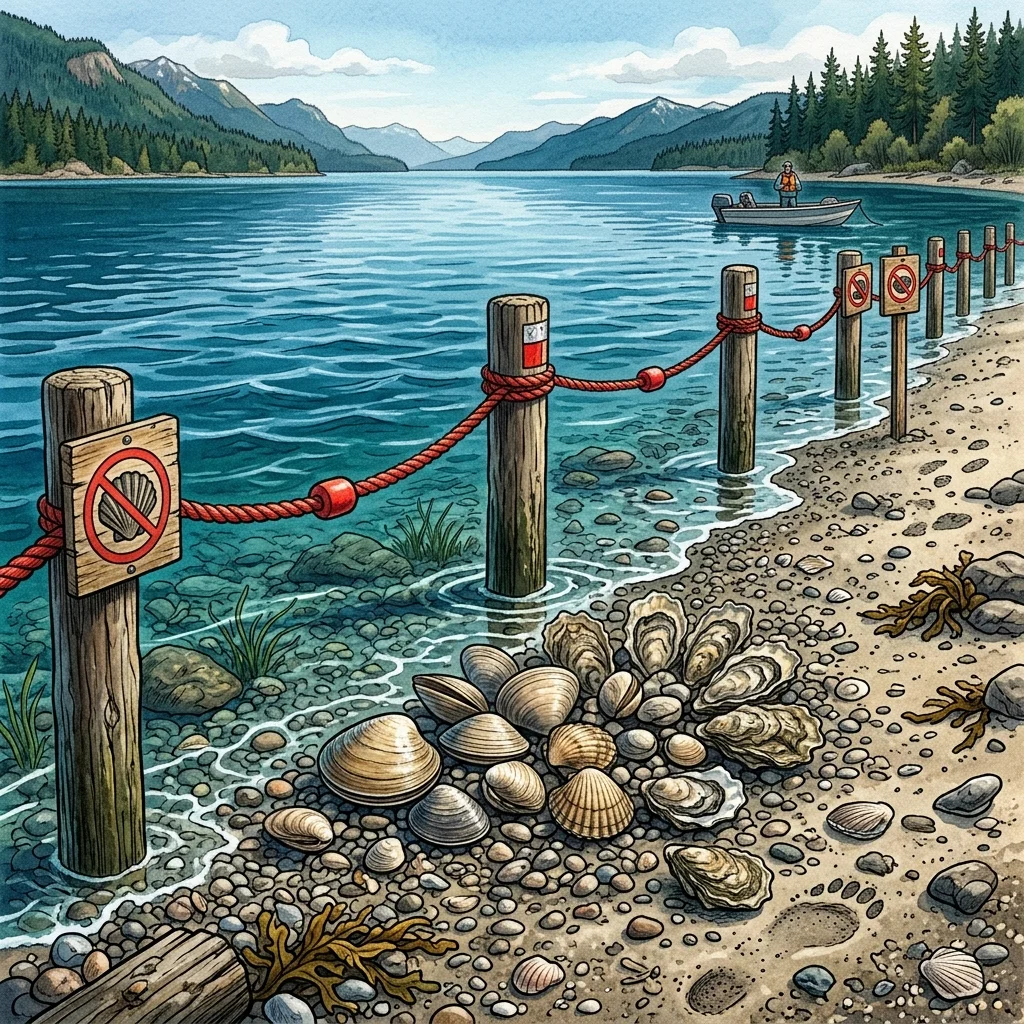
    Hood Canal has productive oyster beds, but harvesting is restricted to specific areas and seasons. Red tide monitoring and biotoxin testing create frequent closures for human health and safety. Always check WDFW’s daily closure list before harvesting any shellfish.

  • Hood Canal from Belfair: Fishing, Kayaking and Beaches

    Hood Canal from Belfair: Where Water Meets Community

    Hood Canal isn’t just scenery from Belfair—it’s the reason half the population chose this town. The canal forms the western boundary, offering public access points, fishing, kayaking, and that maritime character that defines the region. If you live in Belfair and haven’t explored Hood Canal thoroughly, you’re missing the point of why you moved here.

    Public Access Points Near Belfair

    Belfair State Park

    The crown jewel. Belfair State Park sits directly on Hood Canal at the southern edge of town, offering 63 acres of forest, beach, and water access. The park features picnic areas, restrooms, boat launch, and a half-mile of Hood Canal shoreline. Most importantly, it’s accessible without a private waterfront home. Parking is $5-10 per vehicle. The beach is sandy and cobbled, great for exploring tidepools during low tide. Kids love it; families use it extensively.

    The boat launch is popular with kayakers and small boat owners. Two-lane ramp, clean facilities, minimal crowding except summer weekends. This is where casual recreational boaters access Hood Canal.

    Twanoh State Park

    Five miles south of Belfair, Twanoh offers similar access: 27 acres, beach, facilities, and that authentic Hood Canal vibe. Quieter than Belfair State Park, less crowded, but fewer amenities. Good for people seeking solitude or exploring a quieter section of the canal.

    Scenic Beach State Park

    Roughly 15 miles south toward Hoodsport, Scenic Beach offers a longer stretch of public shoreline and campground facilities. Day use is $5-7. If you’re making a half-day trip south from Belfair, Scenic Beach combines beach time with picnicking and exploring.

    Kayaking and Water Launch Basics

    Launching from Belfair State Park

    The boat ramp at Belfair State Park is the primary kayak launch. It’s well-maintained, parking is adequate, and launch fees are included in your park entry. Kayakers typically launch here to explore north toward Quilcene or south toward Tahuya Point. The water is calm in the mornings, choppier afternoons when wind picks up.

    Paddling Conditions and Seasonal Patterns

    Hood Canal waters are generally calm in summer mornings (before 10 AM), becoming choppier as afternoon winds develop. Spring and fall offer fewer paddling days but less crowded waters. Winter is rare paddling season—most locals avoid cold water unless they’re serious year-round kayakers.

    Tidal swings are significant. Hood Canal has 10-12 foot tidal range, meaning beach access changes dramatically. Know the tide schedule before launching. Low tide exposes mudflats and creates stronger current flows. High tide creates calmer conditions but limits beach exploration.

    Safety Considerations

    Hood Canal is generally protected water, but respect it. Life jackets aren’t optional—they’re essential. Water temperature hovers 45-50 degrees even in summer. Hypothermia is real. Paddling in groups, bringing communication devices, and filing a float plan are smart practices.

    Fishing: Salmon, Shellfish, and Regulations

    Salmon Fishing

    Hood Canal supports salmon fishing throughout the year, with peak seasons varying. Summer months (June-August) bring the most reliable fishing for coho and chinook. Fall brings chum salmon. Spring offers sea-run cutthroat. Charter boats operate from Bremerton and Hoodsport, or you can launch your own boat from Belfair State Park.

    Regulations change seasonally—bag limits, size restrictions, and gear rules are managed by Washington State. Check current fishing regulations before heading out. Guide services are available if you’re new to hood Canal salmon fishing.

    Shellfish and Clamming

    Hood Canal offers clamming, oystering, and mussel harvesting with strict regulations. Butter clams, littleneck clams, and native oysters are available during open seasons. Washington State publishes shellfish harvest calendars specifying which areas are open and which are closed (often due to biotoxin concerns).

    Requirements: harvest license ($30-50 annually), knowledge of current closure maps, and proper technique. Most DNR beaches around Belfair have periodic closures to protect marine ecosystems. Call ahead or check the Washington Shellfish Map before harvesting.

    Regulations and Permits

    All fishing and harvesting requires current Washington State fishing license. Shellfish harvesting requires separate permits. Seasons, bag limits, and area-specific rules change. The Washington Department of Fish and Wildlife (WDFW) manages these. Violating regulations brings hefty fines.

    Tide Considerations: The Often-Ignored Factor

    Hood Canal’s tidal range (10-12 feet) means beach access, current flow, and mudflat exposure change dramatically throughout the day. Low tide reveals shells, tidepools, and vast mudflats. High tide submerges beaches and creates faster water movement.

    Plan beach activities around tide. Clamming is easier at low tide. Kayaking is calmer and safer at high tide when currents are slower. Explore tidepools during low tide windows. Check tide tables before heading out—it’s a free online resource that makes beach time infinitely better.

    Seasonal Activities and Wildlife Viewing

    Spring (March-May)

    Salmon begin returning. Wildflowers bloom. Water temperature climbs into the 50s. Good season for kayaking short distances and exploring. Sea-run cutthroat fishing is productive.

    Summer (June-August)

    Peak season. Warmest water (still cold, but more bearable). Salmon fishing excellent. Crowds peak. Camping and day-use parks are busy. Early mornings offer the best conditions before winds and crowds.

    Fall (September-November)

    Fewer people, excellent fishing for chum salmon. Water temperature drops. Weather becomes unpredictable. Good paddling season if you handle wind.

    Winter (December-February)

    Quiet season. Few recreational paddlers. Fishing continues for dedicated enthusiasts. Weather is rough; conditions are harsh. Most casual visitors stay home.

    Wildlife Viewing

    Bald eagles are common, especially fall and winter. Harbor seals frequent Hood Canal and are often spotted from kayaks or beach walking. Deer are visible in evening hours along forested shoreline. Orcas occasionally visit but are rare sightings from shore. Herons, cormorants, and waterfowl are daily sightings.

    Boat Ramps and Launching Logistics

    Belfair State Park Ramp

    The primary launch for Belfair-based boaters. Two lanes, well-maintained. Fee included in park entry. Adequate parking for trailers. Busy on summer weekends, quiet weekdays.

    Nearby Ramps

    Twanoh State Park has a single-lane ramp. Scenic Beach has beach launching. Hoodsport (15 miles south) has commercial ramps with higher fees. Most Belfair kayakers and small boat owners use Belfair State Park exclusively.

    What First-Time Hood Canal Visitors Should Know

    • Check tide tables. They change daily and affect everything you’ll do on the water or beach.
    • Water is cold year-round. Life jackets and warm layers are essential, not optional.
    • Fishing and harvesting requires licenses and knowledge of current regulations. Violations are expensive.
    • The canal is protected water but not without hazards. Respect it. Weather changes fast. Wind picks up afternoon.
    • Popular spots get crowded on summer weekends. Consider weekday trips for calmer conditions and fewer people.
    • Bring layers. Hood Canal weather is unpredictable. Rain jackets, base layers, and extra clothes are always smart.
    • Park early at Belfair State Park on sunny weekends. Parking fills by 11 AM.
    • Leave no trace. Shellfish beds and marine ecosystems are fragile. Pack out everything, harvest sustainably, follow regulations.

    What public access exists for Hood Canal near Belfair?

    Belfair State Park offers direct Hood Canal access with beach, picnic areas, boat ramp, and restrooms. Twanoh State Park (5 miles south) and Scenic Beach State Park (15 miles south) provide additional public shoreline access. All require day-use fees ($5-10).

    Can I launch a kayak from Belfair?

    Yes. Belfair State Park has a well-maintained boat ramp suitable for kayak launching. Parking and facilities are adequate. Launch fee is included in the $5-10 day-use fee. The ramp is busiest on summer weekends and quietest on weekday mornings.

    What kind of fishing is available in Hood Canal from Belfair?

    Hood Canal offers salmon fishing (coho, chinook, chum), sea-run cutthroat, and seasonal shellfish harvesting (clams, oysters, mussels). Salmon fishing peaks in summer. Shellfish harvesting requires permits and adherence to closure calendars managed by Washington State.

    Do I need a license to fish or harvest shellfish in Hood Canal?

    Yes. All fishing requires a Washington State fishing license ($30-50 annually). Shellfish harvesting requires separate permits. Seasons, bag limits, and closed areas change regularly. Check Washington Department of Fish and Wildlife regulations before harvesting.

    Why are tides important on Hood Canal?

    Hood Canal has a 10-12 foot tidal range, meaning water level and beach access change dramatically throughout the day. Low tide reveals mudflats and tidepools; high tide creates faster currents and deeper water. Tide tables should guide your beach and paddling plans.

  • Hood Canal Shellfish Season Opens with New 2026 Rules — Tahuya Trail Closure and What’s Coming This Summer

    Spring is here and so is shellfish season along Hood Canal! If you’re heading out to dig clams or harvest oysters, take note of the new 2026 rules that kicked in April 1 — the minimum size for cockles is now 2½ inches, and geoduck limits have dropped to one per person per day. Potlatch State Park’s clam, mussel, and oyster season is open through May 31, so grab your shellfish license and your Discover Pass and get out there.

    Over at Tahuya State Forest, heads up that portions of the Howell Lake Loop Trail remain temporarily closed due to a washed-out bridge. Plenty of other trails are open for ORV riding, mountain biking, and hiking — just stick to marked routes and remember your Discover Pass.

    Looking ahead, the Theler Wetlands trail system is getting a major upgrade this summer. Construction begins on a new pedestrian boardwalk in the footprint of the removed levees, fully reconnecting the estuary trail loop. And Belfair State Park’s Tree Loop campground opens for reservations May 15 — start planning those summer weekends on the water.

    • Shellfish 2026 Rule Changes (April 1): Cockle minimum size 2½ inches; geoduck limit 1/person/day
    • Potlatch State Park shellfish season: Open through May 31
    • Tahuya Howell Lake Loop: Partial closure — bridge washout; other trails open
    • Theler Wetlands boardwalk: Construction starting summer 2026
    • Belfair State Park Tree Loop: Reservations open May 15