Tag: Belfair WA

  • North Mason Schools: Ratings & Programs

    North Mason School District serves about 2,800 students across three main school sites: Hawkins Middle School, Sand Hill Elementary, and North Mason High School. If you’re new to Belfair or weighing the district against Shelton or Central Kitsap schools, here’s what you need to know from someone who lives here.

    The Schools: What You’ll Find

    Sand Hill Elementary (791 NE Sand Hill Rd, Belfair) is the starting point for K-5 students. The building has been through upgrades in recent years, and focuses on early literacy, STEM integration, and arts. Teachers here tend to know families by name. The school holds family engagement events like Future Cougar Night and Fall Fest. After-school care is available through the Theler Wetlands Center.

    Hawkins Middle School (1775 NE Hawkins Rd, Belfair) takes students in grades 6-8. This is where band, choir, and electives start. Hawkins runs a strong athletics program with volleyball, basketball, and cross country teams competing across the Olympic League. The school has a technology lab and library that feels like the heart of the building.

    North Mason High School (14550 Belfair-Allyn Rd SW, Belfair) sits on a sprawling 60-acre campus. Home of the Bulldogs, NMHS is a full-service high school with nearly 1,100 students. You’ll find college-prep tracks, vocational programs, sports, performing arts, and strong AP offerings. Phil Pugh Stadium hosts Bulldog football and track, and the school is known for quality athletes and musicians.

    Enrollment & Recent Changes

    The district has faced headwinds. Enrollment dipped from about 3,100 in 2018 to roughly 2,800 today. This decline has forced budget squeezes. In 2026, the district proposed a $5.5 million annual replacement levy for the fourth time in recent years, after voter rejections in November 2025 and February 2026. The levy funds music, athletics, after-school programs, and security staffing.

    That said, the district has not cut academic programs. Reading and math scores remain competitive with similar-sized districts in Washington.

    Programs & Extracurriculars

    North Mason offers sports: football, volleyball, cross country, basketball, baseball, softball, golf, tennis, and track. Music and arts are strong: band and choir at both Hawkins and NMHS, drama productions, and art classes. Visual arts electives include ceramics, painting, and digital design.

    Special education services are available at all three schools, including resource rooms, speech/language pathology, occupational therapy, and counseling.

    Academics & Testing

    Washington State assessments show North Mason performing near the state average. The district maintains partnerships with Olympic College (Bremerton) and Clover Park Technical College for dual-credit programs. The district offers AP courses in English, U.S. History, Biology, and Calculus at NMHS.

    How It Compares

    Compared to Shelton (about 25 miles south), North Mason is smaller and more rural. Shelton has more vocational options. Central Kitsap (Silverdale-area district) is larger with more amenities, but significantly pricier real estate. North Mason’s advantage is community. Your kids’ teachers know your family.

    The School Board & Parent Voice

    The five-member school board meets twice monthly at the district office (14550 Belfair-Allyn Rd SW). Meetings are open to the public. Parent organizations (PTO/PTA) are active at each school.

    Getting Involved

    New families should attend Future Cougar Night at Sand Hill Elementary each spring. The Theler Wetlands Center also offers after-school care and summer camps. Ask your neighbors about the sports teams and music programs their kids love.

    What are the North Mason School District schools?

    North Mason School District has three main schools: Sand Hill Elementary (K-5), Hawkins Middle School (6-8), and North Mason High School (9-12).

    How do North Mason schools compare to Shelton or Central Kitsap?

    North Mason is smaller and more rural. Shelton has more vocational programs. Central Kitsap is larger with higher test scores but significantly pricier real estate. North Mason excels at community connections.

    Does North Mason High School offer AP courses?

    Yes. North Mason High School offers AP courses in English, U.S. History, Biology, and Calculus, plus dual-credit programs with Olympic College and Clover Park Technical College.

    What sports are available?

    High school sports include football, volleyball, cross country, basketball, baseball, softball, golf, tennis, and track. Middle school has volleyball, basketball, and cross country.

    How do I enroll my child?

    If you live in the district, your child is automatically assigned. New families should attend Future Cougar Night at Sand Hill Elementary in spring or contact 14550 Belfair-Allyn Rd SW.

  • Belfair Events Calendar: Year-Round Happenings

    If you’ve just moved to Belfair or Allyn, you might wonder what goes on around here socially. The answer: more than you’d expect. North Mason has a robust calendar of community events, farmers markets, church gatherings, and volunteer opportunities. Here’s where to find them and how to get plugged in.

    Spring & Early Summer Events

    North Mason Community Carnival typically kicks off in May at North Mason High School. This is the big community gathering—think dunk tank, face painting, local business booths, school clubs, and food vendors. It’s well-attended by families from Belfair, Allyn, Tahuya, and beyond. Check the North Mason School District website in April for the exact date and details.

    Fourth of July Celebration at Theler Wetlands Center includes a parade down Highway 3, live music, fireworks, and family activities. This is a core North Mason tradition. The event usually starts in the morning with the parade, followed by food, crafts, and fireworks at dusk. Arrive early for parade-side seating.

    Farmers Market season runs roughly June through September at various locations. The North Mason Farmers Market operates on Saturdays at the Theler Center (600 NE Roessel Rd, Belfair). Local growers, honey vendors, bakeries, and craft makers set up. It’s a great way to meet neighbors and shop local.

    Fall & Winter Events

    North Mason Holiday Market takes place in early December, typically around the first or second weekend. Local artisans and makers set up booths at the Theler Center or a nearby venue. It’s a mix of holiday gifts, baked goods, wreaths, and handmade items—very much a local-first shopping opportunity.

    Christmas Parade & Tree Lighting is held downtown Belfair (along Highway 3) and usually includes the Belfair fire and police departments, local floats, caroling, and a tree lighting ceremony. This is a smaller, more intimate affair than the Fourth of July parade, but no less heartfelt.

    Holiday Light Displays spring up throughout North Mason in December. Many residents decorate their homes and yards, and the Theler Center often hosts a decorated grounds walk.

    Regular Programming & Community Spots

    Theler Wetlands Center (600 NE Roessel Rd, Belfair) is the heartbeat of community activity. They host classes, workshops, nature walks, and evening programs almost every week. Check their website for the current schedule—offerings change seasonally and include art classes, gardening workshops, nature education, and community dinners.

    North Mason Timberland Library (23081 NE SR 3, Belfair) runs story times, book clubs, computer classes, and kids’ programs. The library is also a bulletin board for community notices and local events. After the remodel completion in spring 2026, expect even more programming.

    North Mason Parks & Recreation offers sports leagues, swimming, fitness classes, and day camps. Their program guide is available at the Theler Center and online. Youth sports are big here: Little League, soccer, volleyball, and basketball leagues run year-round.

    Churches & Faith Communities are active throughout North Mason. Belfair Bible Church, Tahuya Community Church, and several others host Sunday services, potlucks, youth groups, and community service projects. Check local church bulletin boards or ask neighbors for details.

    Volunteer Opportunities

    The Hood Canal Salmon Enhancement Group (based at the PNW Salmon Center) regularly hosts volunteer workdays for trail maintenance, planting, and stream restoration. The Theler Wetlands Center also recruits volunteers for events, teaching, and facility maintenance.

    The North Mason School District PTO/PTAs always need volunteers for events, fundraisers, and classroom support. The fire department runs a community volunteer program. And the Belfair/Allyn community service organizations (Lions Club, Rotary) welcome new members.

    How to Stay in the Loop

    Facebook Groups & Community Pages: The North Mason Community Facebook group and Belfair North Mason Residents page are where locals post events, ask questions, and share news. Join these groups to get real-time alerts about gatherings and opportunities.

    North Mason Chamber of Commerce: The Chamber publishes a monthly calendar and partners with the new Visitor Center at the Salmon Center (opening 2026). Stop by or call for a printed events calendar.

    Theler Center Newsletter: Sign up for their email list at theler.org to get advance notice of classes, events, and workshops.

    Library Website & Bulletin Board: The Timberland Library website lists all library programs, and their physical bulletin board is packed with local flyers and event notices.

    School District Website: North Mason School District’s website and calendar have all school events, sports schedules, and community calendar items.

    Local Newspapers & Email Alerts: The Mason County Journal publishes event listings. WSDOT, parks, and the county also send email alerts for major events and closures.

    Seasonal Highlights & Recreation

    Spring: Carnival, farmers market opens, outdoor classes at Theler. Summer: Fourth of July, farmers market at peak, nature camps, swimming at the Theler pool. Fall: harvest festivals, school events, volunteers tree planting. Winter: Holiday Market, Christmas Parade, holiday lights, indoor programs at Theler and library.

    When is the North Mason Community Carnival?

    The North Mason Community Carnival typically happens in May at North Mason High School. Check the school district website in April for the exact date, time, and details.

    What is the Fourth of July celebration like in North Mason?

    The Fourth of July celebration at Theler Wetlands Center includes a morning parade down Highway 3, live music, family activities, food vendors, and fireworks at dusk. It’s a major community event attended by families from throughout North Mason.

    Where is the farmers market in Belfair?

    The North Mason Farmers Market operates on Saturdays from June through September at Theler Wetlands Center (600 NE Roessel Rd, Belfair). Local growers, bakers, and craft makers set up booths.

    What programs does the Theler Wetlands Center offer?

    Theler Wetlands Center hosts weekly classes, workshops, nature walks, art programs, gardening classes, and community events. Offerings change seasonally. Check theler.org for the current schedule.

    How do I find volunteer opportunities in Belfair?

    Volunteer opportunities exist with the Theler Wetlands Center, Hood Canal Salmon Enhancement Group, North Mason School District PTOs, the fire department volunteer program, and service organizations like Lions Club and Rotary. Check Facebook community groups for announcements.

  • Living in Belfair Washington: The Complete Guide

    Where Belfair Is and What It Feels Like

    Belfair sits at the crossroads of convenience and small-town charm, perched on the western shore of Hood Canal in Mason County. If you’re imagining a quiet residential pocket about 25 miles south of Bremerton and the Puget Sound Naval Shipyard (PSNS), you’re on the right track. The town isn’t on the way to anywhere else—you come here intentionally—which is exactly why it works.

    The Geography That Matters

    SR-3 runs straight through Belfair like an artery, connecting you north to Bremerton and PSNS in about 40 minutes, and south toward the Hood Canal communities of Hoodsport and Tahuya. SR-106 branches east, taking you inland toward Shelton and I-5 if you’re heading to Olympia or points beyond. Hood Canal forms the western boundary, offering waterfront access and that distinctive maritime flavor that defines life here.

    The town itself clusters around a few main corridors: the Belfair-Tahuya Road area hosts most of the commercial activity (Safeway, QFC, the community center), while residential neighborhoods spread across Old Belfair (closer to the canal), North Shore (pricier waterfront), and the newer subdivisions pushing toward the state park. Population hovers around 3,500, though the census tries to capture a much larger surrounding area.

    Community Vibe: Who Fits Here

    Belfair attracts a specific type of person: folks who want rural-ish living without being truly remote, families looking for solid schools and space, retirees seeking a quieter pace, and yes—a lot of military families. PSNS workers trade their commute time for affordable houses with acreage and a genuine sense of community. You’ll know your neighbors. The local hardware store owner will remember your name. The North Mason Library is more than a building; it’s where community happens.

    What you won’t find: the buzz of a destination town, trendy restaurants on every corner, a nightlife scene, or a hospital. If you need cardiac surgery at 2 AM, you’re going to Bremerton or Tacoma. That’s the tradeoff. People who love Belfair have made peace with that calculation.

    Cost of Living and Housing Reality

    Compared to Bremerton proper, Belfair offers more house for your money—but that advantage has narrowed considerably in the last five years. Median home prices hover in the $425K-$475K range for typical suburban lots, though waterfront properties climb to $700K-$1.2M+. Waterfront acreage (2-5 acres with Hood Canal frontage) represents the premium tier. Renters will find options harder to come by; this is predominantly a owner-occupied community.

    Property taxes run around 0.84-0.90% of assessed value, reasonable by Washington standards. Septic and well systems are common outside town, meaning maintenance costs and inspections become part of the budget. Utilities are standard, though winter heating bills can surprise newcomers—Hood Canal creates its own microclimate, and waterfront properties experience more dramatic seasonal shifts.

    The Neighborhoods: Where to Plant Roots

    Old Belfair

    The original residential core, closest to Hood Canal. Tree-lined streets, older homes (many from the 1960s-80s), a walkable feel, and that genuine neighborhood character. Properties tend toward 0.5-1.5 acres. Best for people who want proximity to water without the waterfront price tag.

    North Shore

    Upscale waterfront territory. Homes sit on 1-3 acres with Hood Canal views or direct access. Prices reflect the premium. Quieter, more secluded, oriented toward retirees and high-earner commuters. Roads wind; deliveries take longer; isolation cuts both ways.

    Near Belfair State Park

    Newer subdivisions pushing south toward the state park. Families dominate. Schools are walkable from here. More cookie-cutter than character, but solid construction and modern amenities. Good compromise between small-town feel and suburban conveniences.

    Proximity to Bremerton and PSNS: The Commute Math

    Belfair exists in Bremerton’s orbit. PSNS workers form a significant population segment. The 40-minute commute north via SR-3 is manageable until it isn’t—winter weather, accidents, or shift-change traffic can push it to 90 minutes. But many residents deliberately chose Belfair because that commute beats living in Bremerton proper, with better schools, quieter streets, and room for a garden.

    What You Can Access Locally

    Grocery and Shopping

    Safeway and QFC anchor the town. Both are functional, reasonably stocked, though selection is limited compared to larger regional centers. For specialty items, you’re heading to Olympia (30 minutes) or Bremerton (40 minutes). The Belfair-Tahuya Road corridor also hosts hardware, pharmacy, small retail. Nothing fancy, but it covers the basics.

    Dining and Coffee

    Local restaurants number fewer than you’d expect. A few decent pizza joints, Mexican food, classic diners—but nothing haute cuisine. Coffee is better; several cafes have emerged in recent years. Many residents treat dining out as a destination activity, heading to Bremerton or Hoodsport for variety.

    What’s Notably Missing

    No hospital. No urgent care within town limits. The nearest medical center is Harrison Medical Center in Bremerton, 40+ minutes away. If you have chronic conditions or elderly parents, factor this into your decision heavily.

    Limited restaurant variety. Limited nightlife. Limited chain retail. No movie theater, no large shopping mall, no entertainment venues beyond the community center.

    These aren’t flaws if you chose Belfair for quiet; they’re disqualifiers if you need urban amenities.

    Who Thrives in Belfair

    • PSNS military and civilian workers seeking affordable commuter housing
    • Families wanting good schools, space, and tight-knit community
    • Retirees who value peace, outdoor access, and lower cost of living
    • Remote workers who want rural-flavored living without true isolation
    • Outdoor enthusiasts with Hood Canal at their doorstep

    Who struggles: professionals requiring urban job markets, families needing diverse dining/entertainment, anyone uncomfortable with a 40+ minute commute for emergencies or specialists, folks who need robust public transit.

    What is Belfair, Washington?

    Belfair is a small residential town of about 3,500 people on Hood Canal’s western shore in Mason County. It’s known for its proximity to PSNS, affordable housing relative to nearby Bremerton, and strong community character. Most residents work in Bremerton, Olympia, or remote positions.

    How far is Belfair from Bremerton and PSNS?

    Belfair is approximately 25 miles south of Bremerton, about a 40-minute drive via SR-3 under normal conditions. Winter weather and traffic can extend this significantly. The commute is a major factor in Belfair’s residential appeal.

    What are the main neighborhoods in Belfair?

    The main neighborhoods are Old Belfair (historic, tree-lined, close to water), North Shore (upscale waterfront), and areas near Belfair State Park (newer subdivisions, family-oriented). Each has distinct character and price points.

    What’s the cost of living in Belfair?

    Median home prices range from $425K-$475K for typical residential properties, with waterfront homes climbing to $700K-$1.2M+. Property taxes are around 0.84-0.90% of assessed value. Belfair offers more affordable housing than central Bremerton.

    Does Belfair have a hospital?

    No. The nearest medical facility is Harrison Medical Center in Bremerton, 40+ minutes away. This is a critical consideration for families with chronic conditions, elderly members, or anyone uncomfortable with emergency-response delays.

  • Commuting from Belfair to PSNS: Routes, Times and Tips

    The Daily Commute Reality: SR-3 to Bremerton

    If you’re considering Belfair as a PSNS commuter home, you need to understand SR-3 in your bones. This isn’t a theoretical route—it’s where you’ll spend 2+ hours of your week, every week, year-round. The reality is more nuanced than “40 minutes each way.”

    Timing Under Normal Conditions

    Door-to-gate at PSNS usually takes 40-50 minutes from most Belfair neighborhoods during off-peak travel. That assumes no accidents, moderate weather, and no shift-change bottlenecks. Early morning southbound traffic (6-7 AM) is lighter. Evening northbound return traffic (3-4 PM) heavier. If you work swing shift or graveyard, you’re bucking lighter traffic, but the route stays the same.

    Traffic Patterns: The Gorst Bottleneck

    Gorst is where SR-3 pinches and traffic hesitates. This area, roughly between Belfair and Bremerton, is where accidents cluster and delays originate. Single-vehicle incidents regularly back traffic to Shelton. During winter, Gorst becomes treacherous—wet roads, limited visibility, and merging heavy vehicles create the most accident-prone 5 miles of your commute.

    Summer traffic flows reasonably. Fall is fine. Winter and spring are when you earn your commuter stripes. Rain isn’t the problem; ice and hydroplaning are. Black ice patches appear seemingly from nowhere on SR-3 northbound near Gorst on clear winter mornings.

    Gate Access and Entry Procedures

    PSNS has multiple gates: the main gate on 6th Street (busiest), the East Gate near Trident Boulevard, and smaller secondary gates. Badge or credential access is standard. First-time entry requires paperwork and security clearance. If you’re a civilian contractor or dependent, processes vary. If you’re military, your military ID expedites things. The main gate can add 10-15 minutes during shift-change peaks (roughly 7-8 AM and 3-4 PM).

    Know your gate. Using the wrong one adds 10-20 minutes. East Gate is often faster in the morning if your work location is south-base.

    Shift Schedules and Commute Variance

    PSNS runs 24/7. Your shift determines everything. Day shift (6 AM-2:30 PM) means you’re leaving Belfair at 5 AM, arriving back home by 3:30 PM. Evening shift (2:30 PM-11 PM) means leaving at 1:30 PM, returning after midnight. Graveyard (11 PM-6 AM) flips the script entirely—you’re working the quietest roads but living the most disrupted sleep schedule.

    Day shift is hardest on personal time but easiest on traffic. Evening and graveyard workers find lighter roads but struggle with family rhythm.

    Winter Driving: The Honest Assessment

    Winter on SR-3 isn’t optional—you drive it regardless of weather. This isn’t ski-country white-powder snow; it’s the Pacific Northwest’s freezing drizzle, black ice, and hydroplane-inducing wet. Many accidents happen on seemingly clear mornings when black ice has formed overnight on shaded stretches.

    Essential winter gear: good winter tires (not all-season), an ice scraper, jumper cables, extra blanket, water. Bridges and overpasses freeze first. Know where they are on your route. Slow down. Leave early. If you hate winter driving, Belfair’s commute will age you.

    Carpool Options and Cost Sharing

    Carpools exist but aren’t as organized as you might expect. Check with your PSNS work center—many departments have informal carpools. Splitting gas with two people cuts commute cost roughly in half: at current gas prices and MPG, a solo commute costs $300-400/month. Carpool brings it to $150-200/month, plus you can nap, read, or decompress in the passenger seat.

    The tradeoff: schedule rigidity. If your carpool partner is sick or changes shifts, you’re stuck. Reliability matters more than flexibility in carpool arrangements.

    Alternative Routes: When SR-3 Fails

    If SR-3 is blocked (accident, weather closure), your fallback is limited. SR-106 east toward Shelton, then I-5 north is technically possible but adds 20-30 minutes even without congestion. Some drivers know backroads through Tahuya and Union, but these are slow and poorly maintained in winter. SR-3 is the artery—when it’s blocked, the whole system congests.

    Check traffic apps before leaving. If there’s a major incident, leaving 15 minutes earlier might save you 45 minutes by avoiding the peak backup.

    Gas Stations and Coffee Stops

    Belfair has two main gas stations on Belfair-Tahuya Road (Shell, Safeway fuel). Both are functional, prices moderate. If you’re commuting before 6 AM, fill up the night before—early-morning lines exist but are rarely bad.

    Coffee is the real find. Several drive-through or walk-up cafes have opened along Belfair-Tahuya Road and near the QFC. Getting coffee before hitting SR-3 is a ritual for many commuters. The Mary E. Theler Community Center area also has coffee options.

    What PSNS Workers Wish They’d Known

    Before Moving to Belfair

    • Winter commuting is real, not theoretical. If you hate winter driving, reconsider.
    • The “40-minute commute” is a best-case scenario. Budget 50-60 minutes and treat faster days as wins.
    • Childcare logistics are harder with an hour+ commute. Schools have extended care, but it costs and complicates mornings.
    • You’re choosing a trade: affordable housing and quiet living in exchange for significant commute time. Make sure that math works for your life.
    • Working night shift from a Belfair home is possible but isolating. Most of your social circle works day shift and sleeps when you’re awake.
    • The Gorst bottleneck is real and uncontrollable. Don’t overestimate your ability to beat traffic.
    • Your car will rack up 15,000+ annual miles on this commute alone. Maintenance costs, tire wear, and depreciation are real expenses beyond gas.
    • Many PSNS workers eventually move closer to Bremerton after a few years. The commute wears on you slower than you think but faster than you’d like.

    Why Belfair Still Works for PSNS Commuters

    Despite the challenges, PSNS workers choose Belfair intentionally. The payoff: you get a genuine house with land, good schools, low crime, and a tight community. You trade your commute time for quality of life in trade-off hours. For families with young kids, that’s often the right calculation. For single professionals in demanding roles, it can wear thin.

    The key is honesty: if you love a short commute, Belfair isn’t your town. If you value space, quiet, and community, the SR-3 grind becomes part of the package you accept.

    How long is the commute from Belfair to PSNS?

    The typical commute from Belfair to PSNS is 40-50 minutes under normal conditions, using SR-3 northbound. Winter weather, accidents, and shift-change traffic can extend this to 60-90 minutes. The evening return is often slower than the morning commute.

    What’s the Gorst bottleneck?

    Gorst is a section of SR-3 between Belfair and Bremerton where the road narrows and traffic frequently congests. It’s the most accident-prone part of the commute and the primary source of delays. Winter weather makes it particularly hazardous.

    Is carpool available for PSNS workers from Belfair?

    Informal carpools exist among PSNS workers living in Belfair, but they’re not centrally organized. Check with your work center or department for carpool arrangements. Carpooling cuts commute costs roughly in half but requires schedule flexibility.

    What’s the best time to leave Belfair for a day-shift commute to PSNS?

    For an 6 AM start time at PSNS, leave Belfair by 5 AM. This avoids the worst of the morning traffic and shift-change gate congestion. Earlier departure times offer lighter roads but earlier wake times.

    Is winter driving really that bad on SR-3?

    Yes. SR-3 experiences regular winter accidents, black ice formation, and hydroplaning. Winter tires are essential, not optional. The route doesn’t close often, but it becomes hazardous. If you dislike winter driving, this commute will be a source of stress.

  • Belfair Real Estate: Neighborhoods, Prices and What to Expect

    The Real Estate Landscape: Price Reality and Neighborhood Breakdown

    Belfair’s housing market reflects its identity: more affordable than central Bremerton, but no longer the bargain it was five years ago. If you’re hunting a home here, understanding the price tiers, neighborhood splits, and the hidden costs of rural property is essential.

    Median Prices and Recent Trends

    The median home price in Belfair hovers around $425,000-$475,000 for a typical single-family residence on 0.5-1.5 acres. This represents a 15-20% increase since 2020, slower growth than King County suburbs but still noticeable. Waterfront properties (Hood Canal frontage or direct access) command $700,000-$1.2 million+, with some premium properties exceeding $1.5 million.

    Inventory turns slowly. Most homes sell within 30-45 days, but you won’t have 50 options to tour. The market isn’t frenzied like suburban Seattle, but it’s tight enough that good homes attract multiple offers. Properties priced realistically sell quickly; overpriced homes linger.

    Waterfront vs. Inland: The Price-to-Reality Ratio

    Hood Canal Waterfront

    Direct Hood Canal access is the luxury tier. You’re paying for views, water access (kayaking, boating, some beach), and that intangible “I live on the water” feeling. Properties range from modest cottages on 0.5 acres ($600K-$800K) to palatial homes on 2-3 acres ($1.2M-$2M+).

    The tradeoff: waterfront means septic systems near sensitive marine environments, navigating shellfish bed regulations, dealing with tidal swings that expose mudflats, and higher property tax assessments. Winter storms bring erosion concerns on some properties. Waterfront living is romantic until you’re managing septic inspections and environmental compliance.

    Near-Waterfront and View Properties

    Properties within sight of Hood Canal but not directly on it split the difference: $500K-$750K for a 1-2 acre home with views. You get the aesthetic without the environmental regulations and higher taxes. This is where value lives for many buyers—close enough to water to feel it, far enough away to avoid the complexity.

    Inland Residential

    Standard suburban properties inland, away from the water, cluster in the $400K-$500K range for 0.5-1.5 acres. These neighborhoods (near the state park, along Shelton Road, deeper in North Mason) offer the most consistent housing stock. Schools are walkable. Yards are large. Septic and well systems are standard but more straightforward than waterfront.

    Acreage Properties: A Different Market

    Want 5-10 acres? Prices drop per acre but total costs jump. A 5-acre property might run $550K-$700K depending on location and building condition. Ten acres pushes $750K-$950K. These attract families wanting genuine rural living, hobby farmers, and people craving true privacy.

    The hidden math: larger properties mean longer driveways, more septic/well maintenance, higher heating bills, and property tax assessments that can surprise you. A 10-acre parcel might assess at $25,000/year property value, shifting your effective purchase price over 15 years.

    New Construction vs. Existing Homes

    Existing Homes

    Most Belfair homes were built 1960-1990. You’ll find solid construction, established landscapes, and character. Many are well-maintained; some need work. Inspection is critical—older septic systems, original wiring, aging roofs are common issues. But you’re not paying the 10-15% premium that new construction commands.

    New Construction

    New subdivisions near Belfair State Park offer modern builds: 2010-2020 construction, open floor plans, current systems. Prices run $475K-$600K for comparable size to older homes. You pay for newness, warranty, and zero surprises. These appeal to families wanting turn-key living and buyers uncomfortable with older-home risks.

    Septic Systems and Well Water: The Unglamorous Reality

    Outside town limits (which is most of Belfair), you’re on septic and well water, not city infrastructure. This isn’t inherently bad, but it’s expensive and requires understanding.

    Septic Systems

    A new septic system costs $8,000-$15,000. Inspections (required for sale or if system fails) run $1,500-$3,000. Pumping costs $300-$500 every 3-5 years. Some systems are 40+ years old and fail without warning—a $12,000 liability. Inspections reveal condition; buy accordingly.

    Septic systems fail during wet winters when drain fields oversaturate. If your property slopes into a neighbor’s septic area, groundwater contamination becomes a shared problem. Know the system’s location, age, and capacity before offering.

    Well Water

    Wells in Belfair are generally reliable but require testing. Water quality varies—some wells are excellent, others have minor mineral issues. Testing costs $300-$500. If there’s a problem (bacterial contamination, excessive iron), treatment systems add $2,000-$8,000. This is why inspections are non-negotiable in Belfair real estate.

    Property Taxes and School District Impact

    Washington property taxes are 0.84-0.95% of assessed value in Mason County. A $450,000 home runs roughly $3,780-$4,275/year. This is reasonable by national standards but adds up in a rural budget.

    School district impact is significant. Homes in the North Mason School District (serving Belfair) are sought because schools are solid. Properties just outside the district boundary might be $20K-$30K cheaper, but school district assignment is harder. Ask your realtor specifically: “Is this address in North Mason School District?” before making offers.

    Neighborhood Tiers: Who Thrives Where

    Old Belfair (Historic Core)

    Tree-lined streets, walking distance to Hood Canal, established community. Homes run $400K-$550K typically. Best for: families wanting walkable neighborhoods, people who value community presence, anyone wanting to be “in” town rather than rural.

    North Shore (Waterfront Premium)

    Upscale, quieter, pricier. $650K-$1.2M+. Best for: empty-nesters, high-earner commuters, retirees who value exclusivity and water access. Not ideal for families with school-age kids (further from schools) or people needing frequent town access.

    Near Belfair State Park

    Newer subdivisions, family-oriented, walkable to schools. $425K-$550K typically. Best for: families with young kids, people wanting suburban convenience, anyone uncomfortable with older homes. More cookie-cutter, less character.

    Rural North Mason Proper

    5+ acres, genuine country living, SR-106 corridor. $500K-$800K depending on acreage and condition. Best for: hobby farmers, people wanting real privacy, anyone uncomfortable with neighbors. Longer commutes to town (20-30 minutes).

    Buying Process Realities Unique to Belfair

    Septic/Well Contingency

    Standard inspections should include septic and well testing. Don’t waive these. A failed septic system can kill a deal or tank your financing. Most lenders require passing inspections before closing.

    Slow Closing Process

    Rural transactions take longer—more inspections, more title searches, more contingencies. Budget 45-60 days from offer to closing, not the 30 days common in urban markets. Sellers expect this rhythm.

    Limited Inventory Seasonality

    Homes sell slowest December-February (winter, fewer buyers), faster March-September. If you’re selling, list in spring. If you’re buying, better selection exists in summer but more competition too.

    What’s the median home price in Belfair?

    Median home prices in Belfair range from $425,000-$475,000 for typical residential properties on 0.5-1.5 acres. Waterfront properties command $700,000-$1.2 million+. Prices have increased 15-20% since 2020.

    What’s the cost difference between waterfront and inland homes?

    Waterfront Hood Canal homes run $700K-$1.2M+, while inland properties are $400K-$500K. Near-waterfront view properties split the difference at $500K-$750K. Waterfront comes with higher environmental regulations and property taxes.

    Do I need a septic inspection in Belfair?

    Yes. Most Belfair properties are on septic systems, not city sewer. Septic inspection is essential before purchase. A new system costs $8,000-$15,000. Inspections reveal system age, condition, and whether replacement is imminent.

    What are property taxes like in Belfair?

    Mason County property taxes are approximately 0.84-0.95% of assessed value. A $450,000 home runs roughly $3,780-$4,275/year. This is reasonable by national standards but should factor into your monthly housing budget.

    Are homes in North Mason School District more expensive?

    Yes. Properties in the North Mason School District typically carry a $20K-$30K premium because schools are solid and district assignment is competitive. Ask your realtor specifically about school district boundaries before making offers.

  • Hood Canal from Belfair: Fishing, Kayaking and Beaches

    Hood Canal from Belfair: Where Water Meets Community

    Hood Canal isn’t just scenery from Belfair—it’s the reason half the population chose this town. The canal forms the western boundary, offering public access points, fishing, kayaking, and that maritime character that defines the region. If you live in Belfair and haven’t explored Hood Canal thoroughly, you’re missing the point of why you moved here.

    Public Access Points Near Belfair

    Belfair State Park

    The crown jewel. Belfair State Park sits directly on Hood Canal at the southern edge of town, offering 63 acres of forest, beach, and water access. The park features picnic areas, restrooms, boat launch, and a half-mile of Hood Canal shoreline. Most importantly, it’s accessible without a private waterfront home. Parking is $5-10 per vehicle. The beach is sandy and cobbled, great for exploring tidepools during low tide. Kids love it; families use it extensively.

    The boat launch is popular with kayakers and small boat owners. Two-lane ramp, clean facilities, minimal crowding except summer weekends. This is where casual recreational boaters access Hood Canal.

    Twanoh State Park

    Five miles south of Belfair, Twanoh offers similar access: 27 acres, beach, facilities, and that authentic Hood Canal vibe. Quieter than Belfair State Park, less crowded, but fewer amenities. Good for people seeking solitude or exploring a quieter section of the canal.

    Scenic Beach State Park

    Roughly 15 miles south toward Hoodsport, Scenic Beach offers a longer stretch of public shoreline and campground facilities. Day use is $5-7. If you’re making a half-day trip south from Belfair, Scenic Beach combines beach time with picnicking and exploring.

    Kayaking and Water Launch Basics

    Launching from Belfair State Park

    The boat ramp at Belfair State Park is the primary kayak launch. It’s well-maintained, parking is adequate, and launch fees are included in your park entry. Kayakers typically launch here to explore north toward Quilcene or south toward Tahuya Point. The water is calm in the mornings, choppier afternoons when wind picks up.

    Paddling Conditions and Seasonal Patterns

    Hood Canal waters are generally calm in summer mornings (before 10 AM), becoming choppier as afternoon winds develop. Spring and fall offer fewer paddling days but less crowded waters. Winter is rare paddling season—most locals avoid cold water unless they’re serious year-round kayakers.

    Tidal swings are significant. Hood Canal has 10-12 foot tidal range, meaning beach access changes dramatically. Know the tide schedule before launching. Low tide exposes mudflats and creates stronger current flows. High tide creates calmer conditions but limits beach exploration.

    Safety Considerations

    Hood Canal is generally protected water, but respect it. Life jackets aren’t optional—they’re essential. Water temperature hovers 45-50 degrees even in summer. Hypothermia is real. Paddling in groups, bringing communication devices, and filing a float plan are smart practices.

    Fishing: Salmon, Shellfish, and Regulations

    Salmon Fishing

    Hood Canal supports salmon fishing throughout the year, with peak seasons varying. Summer months (June-August) bring the most reliable fishing for coho and chinook. Fall brings chum salmon. Spring offers sea-run cutthroat. Charter boats operate from Bremerton and Hoodsport, or you can launch your own boat from Belfair State Park.

    Regulations change seasonally—bag limits, size restrictions, and gear rules are managed by Washington State. Check current fishing regulations before heading out. Guide services are available if you’re new to hood Canal salmon fishing.

    Shellfish and Clamming

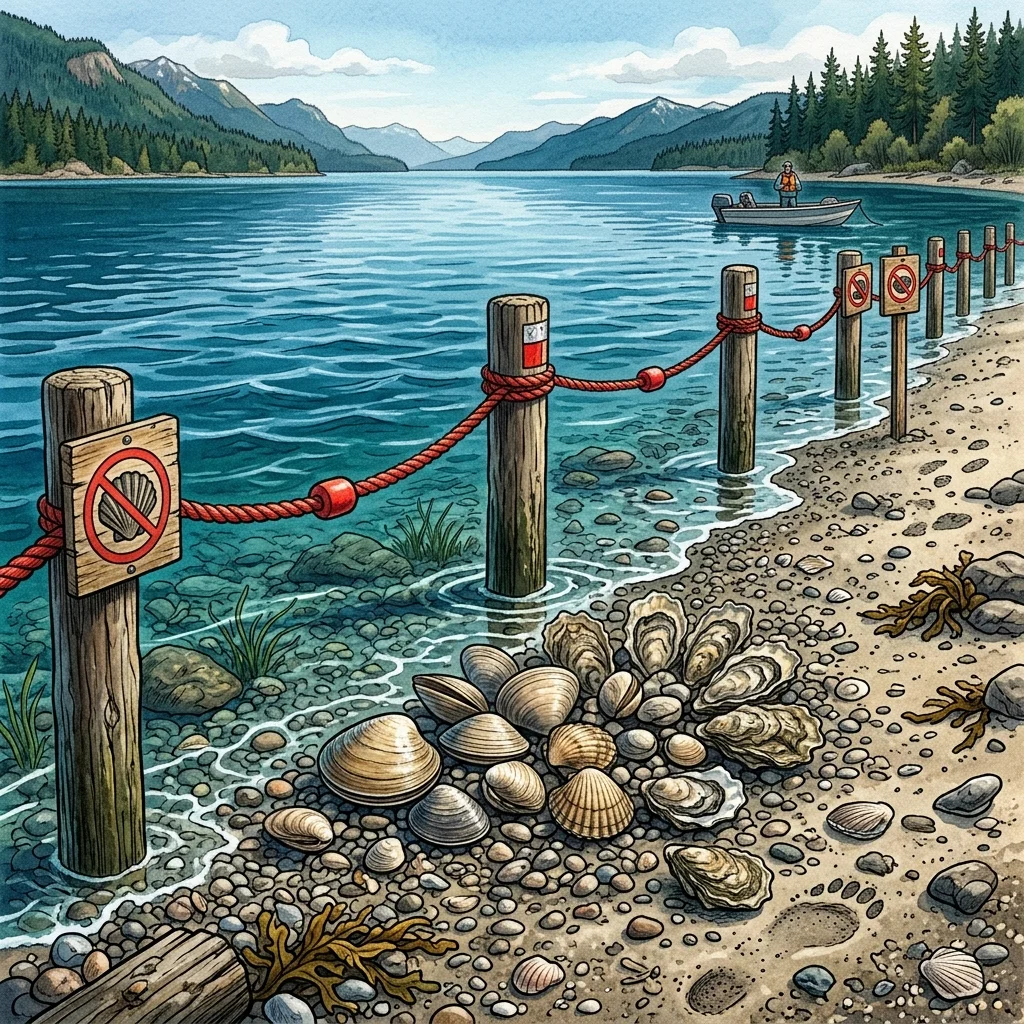
    Hood Canal offers clamming, oystering, and mussel harvesting with strict regulations. Butter clams, littleneck clams, and native oysters are available during open seasons. Washington State publishes shellfish harvest calendars specifying which areas are open and which are closed (often due to biotoxin concerns).

    Requirements: harvest license ($30-50 annually), knowledge of current closure maps, and proper technique. Most DNR beaches around Belfair have periodic closures to protect marine ecosystems. Call ahead or check the Washington Shellfish Map before harvesting.

    Regulations and Permits

    All fishing and harvesting requires current Washington State fishing license. Shellfish harvesting requires separate permits. Seasons, bag limits, and area-specific rules change. The Washington Department of Fish and Wildlife (WDFW) manages these. Violating regulations brings hefty fines.

    Tide Considerations: The Often-Ignored Factor

    Hood Canal’s tidal range (10-12 feet) means beach access, current flow, and mudflat exposure change dramatically throughout the day. Low tide reveals shells, tidepools, and vast mudflats. High tide submerges beaches and creates faster water movement.

    Plan beach activities around tide. Clamming is easier at low tide. Kayaking is calmer and safer at high tide when currents are slower. Explore tidepools during low tide windows. Check tide tables before heading out—it’s a free online resource that makes beach time infinitely better.

    Seasonal Activities and Wildlife Viewing

    Spring (March-May)

    Salmon begin returning. Wildflowers bloom. Water temperature climbs into the 50s. Good season for kayaking short distances and exploring. Sea-run cutthroat fishing is productive.

    Summer (June-August)

    Peak season. Warmest water (still cold, but more bearable). Salmon fishing excellent. Crowds peak. Camping and day-use parks are busy. Early mornings offer the best conditions before winds and crowds.

    Fall (September-November)

    Fewer people, excellent fishing for chum salmon. Water temperature drops. Weather becomes unpredictable. Good paddling season if you handle wind.

    Winter (December-February)

    Quiet season. Few recreational paddlers. Fishing continues for dedicated enthusiasts. Weather is rough; conditions are harsh. Most casual visitors stay home.

    Wildlife Viewing

    Bald eagles are common, especially fall and winter. Harbor seals frequent Hood Canal and are often spotted from kayaks or beach walking. Deer are visible in evening hours along forested shoreline. Orcas occasionally visit but are rare sightings from shore. Herons, cormorants, and waterfowl are daily sightings.

    Boat Ramps and Launching Logistics

    Belfair State Park Ramp

    The primary launch for Belfair-based boaters. Two lanes, well-maintained. Fee included in park entry. Adequate parking for trailers. Busy on summer weekends, quiet weekdays.

    Nearby Ramps

    Twanoh State Park has a single-lane ramp. Scenic Beach has beach launching. Hoodsport (15 miles south) has commercial ramps with higher fees. Most Belfair kayakers and small boat owners use Belfair State Park exclusively.

    What First-Time Hood Canal Visitors Should Know

    • Check tide tables. They change daily and affect everything you’ll do on the water or beach.
    • Water is cold year-round. Life jackets and warm layers are essential, not optional.
    • Fishing and harvesting requires licenses and knowledge of current regulations. Violations are expensive.
    • The canal is protected water but not without hazards. Respect it. Weather changes fast. Wind picks up afternoon.
    • Popular spots get crowded on summer weekends. Consider weekday trips for calmer conditions and fewer people.
    • Bring layers. Hood Canal weather is unpredictable. Rain jackets, base layers, and extra clothes are always smart.
    • Park early at Belfair State Park on sunny weekends. Parking fills by 11 AM.
    • Leave no trace. Shellfish beds and marine ecosystems are fragile. Pack out everything, harvest sustainably, follow regulations.

    What public access exists for Hood Canal near Belfair?

    Belfair State Park offers direct Hood Canal access with beach, picnic areas, boat ramp, and restrooms. Twanoh State Park (5 miles south) and Scenic Beach State Park (15 miles south) provide additional public shoreline access. All require day-use fees ($5-10).

    Can I launch a kayak from Belfair?

    Yes. Belfair State Park has a well-maintained boat ramp suitable for kayak launching. Parking and facilities are adequate. Launch fee is included in the $5-10 day-use fee. The ramp is busiest on summer weekends and quietest on weekday mornings.

    What kind of fishing is available in Hood Canal from Belfair?

    Hood Canal offers salmon fishing (coho, chinook, chum), sea-run cutthroat, and seasonal shellfish harvesting (clams, oysters, mussels). Salmon fishing peaks in summer. Shellfish harvesting requires permits and adherence to closure calendars managed by Washington State.

    Do I need a license to fish or harvest shellfish in Hood Canal?

    Yes. All fishing requires a Washington State fishing license ($30-50 annually). Shellfish harvesting requires separate permits. Seasons, bag limits, and closed areas change regularly. Check Washington Department of Fish and Wildlife regulations before harvesting.

    Why are tides important on Hood Canal?

    Hood Canal has a 10-12 foot tidal range, meaning water level and beach access change dramatically throughout the day. Low tide reveals mudflats and tidepools; high tide creates faster currents and deeper water. Tide tables should guide your beach and paddling plans.

  • Belfair Dining Guide: Best Local Eats

    Belfair isn’t known for Michelin-starred fine dining, but what we do have is real, unpretentious local food. Whether you’re a new resident or just passing through, here’s a practical guide to where North Mason folks actually eat—and where to find good coffee, quick meals, and special occasion dinners nearby.

    Coffee & Breakfast

    Belfair Coffee Company (on Highway 3 near the roundabout) is your go-to for morning coffee, espresso drinks, and pastries. It’s small, locally owned, and has a loyal following. Expect a friendly counter staff who know the regulars by name. Good WiFi makes it a decent spot to work or read for an hour.

    Safeway Bakery & Deli (23000 NE SR 3) serves up fresh-baked goods, coffee, and breakfast sandwiches. It’s quick, it’s in the grocery store, and it works when you’re grabbing supplies anyway.

    Fast Food & Quick Eats

    The usual chains are here: McDonald’s, Taco Bell, Burger King, Wendy’s, and Arby’s scattered along Highway 3 and near the roundabout. If you need something fast and familiar, you’ll find it within a couple of miles of downtown Belfair.

    Belfair Deli & Sandwich Shop (near the library on Highway 3) makes custom sandwiches, wraps, and subs to order. Good quality meat and bread, reasonable prices. Locals eat here regularly for a quick lunch.

    Mexican Food & Latin Cuisine

    Los Amigos Taqueria (Highway 3, Belfair) serves authentic tacos, burritos, enchiladas, and aguas frescas. The carne asada and al pastor tacos are genuine. It’s a hole-in-the-wall vibe, but the food is solid. Ask for hot salsa if you like spice.

    El Rancho Restaurant (Belfair area) offers sit-down Mexican fare—a bit more formal than a taqueria, with full plates, family-style portions, and mariachi background. Good for a casual dinner out with the family.

    Pizza & Italian

    Pizza Pete’s (Highway 3, Belfair) is the long-standing pizza spot. Thick, cheesy crust, traditional toppings, and quick service. It’s been around for decades and is the default choice for pizza night and kid parties.

    Domino’s & Papa John’s also operate in the Belfair area for chain pizza delivery and pickup.

    Asian Cuisine

    Panda Express (near the roundabout) is the closest you’ll get to Chinese food in central Belfair. Standard fast-casual format: bowl or plate, choose your protein and veggie, served with rice or noodles.

    Thai Kitchen (Highway 3, Allyn—about 10 minutes south) is a short drive for pad thai, curry, and tom yum soup. Authentic Thai family recipes. Worth the short trip if you’re craving something beyond typical Belfair fare.

    Sit-Down Restaurants & Casual Dining

    The Pub at Bayview (near Allyn, Highway 3 south) is a casual tavern with burgers, fish & chips, wings, and a full bar. Good for a relaxed family dinner or to watch sports. The Puget Sound views don’t hurt.

    Rosewood Grill (Allyn area) serves steaks, chops, salmon, and seafood. A notch above casual dining—good for date night or special occasions without driving an hour away. Reservations recommended on weekends.

    Fine Dining Nearby

    Allyn area (10-15 minutes south on Highway 3) has a few nicer options: The Timberline Restaurant and Hood Canal Winery offer more upscale dining with better wine lists and chef-driven menus.

    Union area (about 20 minutes east) hosts Union Market & Cafe and a few farm-to-table spots that draw foodies from Belfair and beyond.

    Grocery Store Food & Prepared Meals

    Safeway (23000 NE SR 3) has a good selection of prepared foods: rotisserie chicken, salad bar, deli counter, and bakery items. The ready-made pizzas are decent for a weeknight dinner.

    Grocery Outlet also has a small deli and prepared foods section—good for budget-conscious shoppers.

    Drive-Through & Late-Night Options

    If you need to eat in the car or late at night, the fast food chains (McDonald’s, Taco Bell, Arby’s) have 24-hour drive-throughs. The Safeway deli also stays open until closing (usually 10-11 PM).

    Farmers Markets & Local Produce

    The North Mason Farmers Market (Saturdays, June-September at Theler Wetlands Center) features local bakeries, fruit and vegetable growers, cheese makers, and prepared foods like pies and bread. Great for stocking your kitchen with local ingredients.

    Where Locals Actually Go

    If you want insider advice: Try Pizza Pete’s for pizza, Los Amigos for tacos, Belfair Deli for sandwiches, and Safeway Bakery for weekday coffee and pastries. For something nicer, the Pub at Bayview or a short drive to Allyn’s Rosewood Grill. And when you want to cook at home, hit the farmers market in summer or Safeway year-round.

    Where is the best coffee in Belfair?

    Belfair Coffee Company, located on Highway 3 near the roundabout, is the go-to spot for locally roasted coffee, espresso drinks, and pastries. It’s small, locally owned, and popular with residents.

    What are the best taco spots in Belfair?

    Los Amigos Taqueria serves authentic tacos, burritos, and aguas frescas. It’s casual and family-friendly. El Rancho Restaurant is a sit-down alternative with full Mexican plates and a more formal atmosphere.

    Is there fine dining near Belfair?

    Fine dining is limited in central Belfair. Rosewood Grill in Allyn (10-15 minutes south) offers upscale steaks and seafood. The Timberline Restaurant and Hood Canal Winery are also nearby options for special occasions.

    Where can I get pizza in Belfair?

    Pizza Pete’s is the longtime local favorite on Highway 3. It serves thick, cheesy crust pizzas and quick service. Domino’s and Papa John’s also deliver and offer pickup in the Belfair area.

    Where are the farmers markets in North Mason?

    The North Mason Farmers Market operates Saturdays from June through September at Theler Wetlands Center (600 NE Roessel Rd, Belfair). Local growers, bakeries, and prepared foods are available.

  • Best Things to Do in Belfair Washington

    Where Locals Go: Belfair’s Hidden Gems and Must-Do Activities

    Belfair isn’t trying to be a tourist destination, which is exactly why it works as a place to live. The activities here are real-life, community-centered, and built into the rhythm of how people actually spend their time. If you’re new to town or planning to move here, these are the places and experiences that define Belfair living.

    Theler Wetlands Center and Trail Network

    The Theler Wetlands is Belfair’s best-kept ecological secret. This 44-acre preserve sits east of town and offers 2-3 miles of well-maintained trails through wetlands, meadows, and forest. It’s free, accessible year-round, and perfect for morning walks, bird-watching, or family outings.

    Spring brings migratory birds. Summer is lush and green. Fall offers wildlife viewing and colors. Winter reveals beaver activity and bare-tree perspectives you miss other seasons. Most locals walk these trails with regularity—it’s the default “get outside” answer.

    The center offers educational programs, community events, and a genuine sense of stewardship around land conservation. It’s not fancy, but it’s exactly what a community park should be.

    Mary E. Theler Community Center

    This is where community actually gathers. The Theler Community Center hosts classes, events, farmers market (Saturday mornings), and serves as the cultural heartbeat of Belfair. You’ll find yoga classes, kids’ programming, art exhibits, and seasonal celebrations.

    The building itself is welcoming and well-maintained. Coffee shop on-site. Bulletin board is plastered with community announcements. If you want to know what’s happening in Belfair, the Theler Center knows. Many kids grow up through their programs. Many families have attended events here for decades.

    Belfair State Park

    Yes, we covered Hood Canal access here already, but Belfair State Park deserves its own mention as an activity destination. Beyond water access, it’s a beautiful park for day-use picnicking, beach exploring, and that weekend afternoon escape without leaving town. Family-friendly, safe, well-maintained.

    The beach area is ideal for kids—gentle slope, sandy/cobbled mix, tidepools at low tide. Picnic areas are scattered throughout. The forest provides shade. It’s the default “nice day, let’s go to the park” destination.

    North Mason Library

    A gem for a small town. The North Mason Library (part of the Mason County system) is modern, well-stocked, and serves as a de facto community center. Kids’ programs happen regularly. Book clubs meet here. Comfortable study spaces. Good staff who actually know the community.

    It’s more than books—it’s a gathering place where locals spend time, attend events, and connect. Many people visit weekly. The community vibe is real.

    Farmers Market (Saturday Mornings)

    Year-round, Saturday mornings at the Mary E. Theler Community Center host a farmers market. Vendors range from local produce farmers to crafts to ready-to-eat food. It’s where the community shops, mingles, and catches up. June-September are peak months with 15-20 vendors. Winter is quieter but still happens.

    This isn’t a tourists market—it’s locals shopping. You’ll recognize people. Regulars have favorite vendors. Kids know which stand has samples.

    Local Restaurants and Coffee Culture

    Dining Options

    Belfair’s restaurant scene is modest but genuine. Pizza places are solid. Mexican food is available. A few classic diners serve breakfast all day. These aren’t destination restaurants, but they’re where locals eat regularly.

    For variety, most Belfair residents treat dining out as a destination activity—heading to Bremerton (30+ minutes) for nicer restaurants or exploring Hoodsport (15 minutes south) for different options.

    Coffee Culture

    This is where Belfair has genuinely improved. Several coffee shops have opened in recent years—drive-through options, walk-in cafes, genuine community gathering spots. Morning coffee runs are ritual. These cafes have become social centers where regulars are known.

    Seasonal Events Worth Planning Around

    Spring Events

    Parks come alive. Wildflowers bloom. Hood Canal recreation season begins. Community cleanup days happen. School events start picking up.

    Summer

    Peak season for everything. Parks busy. Water access packed. Farmers market at full capacity. Community center events frequent. Families treat it as vacation season locally.

    Fall Festival and Harvest Season

    Community events cluster around fall. School activities resume. Outdoor recreation transitions. The farmers market features harvest crops.

    Winter Holidays

    Community center hosts seasonal celebrations. Holiday parades happen downtown. Festival of lights. Winter is when smaller-town community identity comes forward—everyone shows up.

    Day Trip Destinations from Belfair

    Allyn (20 minutes south)

    Tiny Hood Canal community. Quiet beaches, fewer crowds, authentic small-town charm. Good for people seeking solitude or different-vibe beach time than Belfair.

    Hoodsport (15 miles south)

    Slightly larger, more commercial Hood Canal town. Better restaurant options, antique shops, boat rentals. Classic Hood Canal destination for locals doing day trips.

    Union (20 minutes south)

    Even quieter than Allyn. Historic church, peaceful setting. Good for people seeking genuine isolation or exploring Hood Canal’s southern reaches.

    Tahuya State Forest (30 minutes east)

    Massive forested area with multiple parks, trails, and campsites. Mountain biking, hiking, general forest exploration. Peak season is spring/summer. Much quieter than populated parks.

    Mason County Fair (annual, July)

    Rural county fair with livestock, crafts, local vendors, community gathering. Family event. Quintessential small-town experience.

    Kid-Friendly Activities

    • Theler Wetlands trails (easy walking, nature exploration)
    • Belfair State Park beach (tidepools, exploring, playing)
    • Farmers market (Saturday mornings, vendors with samples)
    • North Mason Library kids’ programs (story time, craft events)
    • Mary E. Theler Community Center classes (swimming, art, sports)
    • Hood Canal kayaking (calm, protected, scenic)
    • School events and community sports (baseball, football, soccer leagues)

    Date Night and Adult Activities

    • Dinner in Bremerton or Hoodsport (destination dining)
    • Hood Canal sunset kayaking or beach walk
    • Coffee shop mornings (community center cafe, local shops)
    • Live events at community center (occasional concerts, performances)
    • Book club meetings at library
    • Farmers market browsing and brunch
    • Evening walks at Theler Wetlands

    The Reality of Belfair Entertainment

    Belfair isn’t a destination for nightlife, shopping, or fine dining. What it offers is genuine community, outdoor access, and that sense of belonging to a real place. The entertainment is in the rhythm of seasons, connection with neighbors, and outdoor exploration.

    If you need 24-hour entertainment options and constant external stimulation, Belfair is the wrong fit. If you value community, outdoor access, and quiet living, these are the places where that life actually happens.

    What’s the best free activity in Belfair?

    Theler Wetlands offers 2-3 miles of free trails through wetlands and forest. It’s open year-round, perfect for walking, bird-watching, and nature exploration. Belfair State Park offers free access to Hood Canal beaches if you’re willing to pay the $5-10 day-use fee.

    Does Belfair have a farmers market?

    Yes. The North Mason Farmers Market operates year-round on Saturday mornings at the Mary E. Theler Community Center. Summer months (June-September) feature 15-20 vendors. Winter is quieter but still active. It’s a genuine community gathering place.

    What restaurants are in Belfair?

    Belfair has pizza places, Mexican food, and classic diners, but no upscale dining. Most residents treat restaurant dining as a destination activity, heading to Bremerton (30+ minutes) for variety. Local coffee shops have improved significantly in recent years.

    Are there kid-friendly activities in Belfair?

    Yes. The Theler Wetlands has easy family trails. Belfair State Park offers beach exploring and tidepools. The North Mason Library hosts kids’ programs. The Mary E. Theler Community Center offers swimming, art, and sports classes. Family-oriented events happen regularly.

    What’s nearby if I want to do day trips from Belfair?

    Hoodsport (15 miles south) offers restaurants and antique shops. Allyn and Union (20+ miles south) offer quieter Hood Canal experiences. Tahuya State Forest (30 minutes east) offers hiking and mountain biking. The Mason County Fair (July) is a classic small-town event.

  • Tahuya & Dewatto: Rural Living Near Belfair

    If you’re considering a move to the area and you’ve heard mentions of Tahuya or Dewatto, you might be confused about what these places actually are. Unlike Belfair (which is at least on Highway 3), Tahuya and Dewatto are true rural outposts—unincorporated communities with a different vibe, lifestyle, and set of considerations. Here’s what you need to know if you’re thinking of making one of these areas home.

    What Are Tahuya and Dewatto?

    Both are unincorporated communities in Mason County, meaning they’re not incorporated towns with their own city government or police. They’re pockets of private land interspersed with county land and state forest, with minimal development. Roads are county-maintained. There’s no municipal water or sewer—you’ll have a well and septic system. No town center, no streetlights on most roads, no zoning boards making day-to-day decisions.

    Tahuya sits south and west of Belfair, roughly in the direction of Shelton. It’s known primarily for Tahuya State Forest, a 6,000-acre parcel managed by the Washington Department of Natural Resources.

    Dewatto is a smaller, even more remote unincorporated area further southwest, known mostly by locals and those traveling to or through the region.

    Tahuya State Forest

    The forest is the main attraction and activity hub for the Tahuya area. It’s public land open for multiple recreational uses, and it’s genuinely popular on weekends.

    ORV Trails: Tahuya State Forest has extensive ORV (off-road vehicle) trail systems. If you’re into dirt biking, ATVing, or truck 4×4 driving, this is your playground. Trails range from beginner to advanced. The forest charges day-use fees and has designated parking areas. On sunny weekends, the parking lots fill quickly—arrive early.

    Mountain Biking: Single-track and wider trails are open to mountain bikes. The forest is well-maintained and popular with regional bike clubs. Fall and spring are peak seasons (less mud, better conditions).

    Hiking & Nature Walks: Quieter trails exist throughout the forest for hiking, bird-watching, and general nature exploration. The forest is also home to elk, deer, and occasionally black bears—you’ll encounter wildlife signs regularly.

    Camping: Several primitive camping areas are available in the forest, first-come, first-served. Facilities are basic: pit toilets, water, no hookups. It’s rustic camping, not RV park camping.

    Hunting: Tahuya State Forest opens for game hunting during designated seasons (elk, deer, upland game). Local hunters rely on this forest as a primary resource.

    Living in Tahuya or Dewatto

    Property Sizes: If you buy in Tahuya or Dewatto, you’ll typically see larger lots than in town. 5-10 acres is common; some properties are considerably larger. This gives you privacy, room for a garden, and distance from neighbors.

    Well & Septic Systems: You’re responsible for your own water supply (drilled well) and waste treatment (septic system). This means: annual septic pumping costs, well maintenance, potential well failures in drought years, and no city water backup. It’s a trade-off for independence and lower water bills.

    Roads & Winter Conditions: County roads in Tahuya and Dewatto are often rural and gravel or minimal asphalt. Winter storms can make roads impassable for extended periods. If you need to commute daily to Bremerton or Seattle, factor in 45-60 minutes each way on good-weather days, longer in snow.

    Services & Shopping: You’ll rely on Belfair (5-20 minutes away) for groceries, medical care, and most services. There’s no local grocery store, post office, or clinic in Tahuya or Dewatto. If you’re committed to rural living, you plan your shopping runs and keep supplies on hand.

    Broadband & Utilities: Internet can be spotty. Some areas have cable or DSL; others are limited to satellite. Cell phone coverage is inconsistent. Power outages due to winter storms and tree fall are more common than in town.

    Community Character

    Tahuya and Dewatto attract people who want genuine rural living: homesteaders, outdoor enthusiasts, people who value privacy, and families raising kids far from suburban density. It’s a self-reliant community. Neighbors help each other but also respect boundaries and independence. Town drama is minimal; community is informal and based on shared rural values.

    There’s a real outdoors culture here. People talk about hunting seasons, trail conditions, and wildlife sightings. Kids ride dirt bikes and ATVs. Firearms are common and culturally normal.

    Wildlife & Outdoor Realities

    Elk herds move through Tahuya State Forest and adjacent private land. During rut season (fall) and migration, you might encounter them. Black bears are present but rarely seen (and rare to encounter). Deer are constant. Coyotes are heard at night. It’s not dangerous wildlife—it’s wildlife living alongside humans.

    Hunting pressure is real in fall and winter. If you’re uncomfortable around hunters and firearms, this might not be the right community.

    Property Costs & Tax Implications

    Land in Tahuya and Dewatto is generally cheaper per acre than comparable acreage near Belfair or urban areas. Larger properties (5-20 acres) in these areas run lower per-acre prices, but total cost can be high due to size. Property taxes are based on county rates (no city tax). No HOA fees (usually), but you pay for your own maintenance, upkeep, and services.

    Is Tahuya or Dewatto Right for You?

    Consider this area if you want: large land holdings, genuine rural living, access to outdoor recreation, independence from city services, and a tight-knit outdoor community. Don’t move here if you want: proximity to shopping and services, easy city commuting, reliable utilities, or sociable suburban community.

    What is Tahuya State Forest used for?

    Tahuya State Forest (6,000 acres managed by Washington DNR) is open for ORV riding, mountain biking, hiking, camping, and hunting. Trails range from beginner to advanced. Day-use fees apply. Primitive camping is available first-come, first-served.

    Do I need a well and septic system in Tahuya?

    Yes. Tahuya and Dewatto have no municipal water or sewer. You’ll drill a private well for water and install a septic system for waste. Annual septic pumping, well maintenance, and potential failures are your responsibility.

    How far is Tahuya from Belfair shopping and services?

    Tahuya is 5-20 minutes from Belfair depending on your exact location. Belfair is your closest grocery store, clinic, and services. There’s no local shopping or medical care in Tahuya or Dewatto.

    What is the typical property size in Tahuya and Dewatto?

    Properties typically range from 5 to 20+ acres. Larger lots are common. This provides privacy and room for gardens, but also more maintenance responsibility and higher total purchase price despite lower per-acre costs.

    What is the internet situation in Tahuya?

    Internet can be spotty. Some areas have cable or DSL; others are limited to satellite. Cell coverage is inconsistent. Check with local providers before buying property if broadband is important to you.

  • Military Families in Belfair: PSNS & Bangor

    If you’re a military family stationed at Naval Base Kitsap (PSNS Bremerton or Naval Submarine Base Bangor), you’ve likely heard about Belfair as a potential place to live. It’s close enough to the base for a reasonable commute, it’s more affordable than Bremerton or Silverdale, and it has a quieter, more family-friendly feel. Here’s what military families specifically need to know about living in North Mason.

    Why Military Families Choose Belfair

    Base Proximity & Commute: Naval Base Kitsap spans two main installations: PSNS (Puget Sound Naval Shipyard) in Bremerton and Naval Submarine Base Bangor near Silverdale/Poulsbo. From Belfair, PSNS is roughly 30-40 minutes (via SR-3 and then across the bridge or around Gorst). Bangor is about 45-60 minutes depending on your route. For BAH purposes, Belfair is within the acceptable commute range for both bases, though some families prefer to live even closer.

    Affordability: Real estate in Belfair is notably cheaper than in Silverdale (closer to Bangor) or Bremerton (PSNS). You can rent or buy a home in Belfair for significantly less than in surrounding communities, which stretches your military housing allowance (BAH) further. This is a major draw for young families and junior enlisted.

    BAH Rates: Belfair falls under the Mason County housing allowance rate, which is lower than Kitsap County rates. However, many military families find that even at lower BAH, their rent or mortgage in Belfair is comfortable. Always check current BAH rates at militaryfamily.org or with your housing officer—rates change annually.

    Community Feel: Belfair is small, quiet, and community-oriented. It’s not as dense or fast-paced as Bremerton or Silverdale. Many military families appreciate the small-town feel and the fact that their kids can ride bikes without worrying about urban traffic.

    Off-Base Housing Advantages

    Stability & Family Continuity: If you buy or establish a long-term lease in Belfair, your kids can attend North Mason schools consistently. Some military families choose off-base specifically to avoid the disruption of base family housing reassignments.

    School Choice for Military Kids: North Mason schools are known as safe, community-oriented schools. Many military families report good experiences with the district. Military-connected students are common, and the school district has experience supporting military families (including supporting students when a parent deploys).

    No Base Housing Wait: Base family housing can have long wait lists. Off-base housing in Belfair is available immediately through rental and purchase markets. Some families skip base housing entirely and go straight to off-base.

    Home Equity: If you buy in Belfair, you’re building equity. Over a 3-5 year assignment (typical), paying a mortgage can make financial sense. Work with a military-aware real estate agent and a VA lender to understand your options.

    Spouse Employment & Opportunities

    Job Market: Belfair itself is small, so local job options are limited. However, the North Mason/Mason County area is growing slightly, and there are opportunities in healthcare, education, and local business. Many military spouses work remotely, which is ideal.

    Military Spouse Employment Resources: MilSpouse.com, Military.com, and the Military Officers Association of America (MOAA) offer job boards and networking specifically for military spouses. The Naval Base Kitsap Family Readiness Group and the Commander’s Spouse’s Group also provide job leads and local networking.

    Nearby Job Markets: Bremerton (30 minutes), Olympia (40 minutes), and even Seattle (60+ minutes) offer more robust job markets. Many spouses commute or take positions that are hybrid-remote to offset a commute.

    Childcare: Belfair and North Mason have daycare options, though availability can be limited. Check with the Theler Wetlands Center (which runs after-school care) and ask your command’s Family Support Center for a list of local providers.

    Schools for Military Kids

    North Mason School District: As detailed in our schools guide, NMSD is a solid, community-focused district. Military kids integrate well. The district has experience supporting students with deployment separations and military-connected challenges. Teachers are generally aware of and accommodating to military family needs.

    Military Student Support: The school district coordinates with military support organizations. If a parent deploys, the school can provide counseling and support. Some teachers have military backgrounds themselves, which helps.

    School Stability: If you commit to staying in Belfair for 3-5 years (a typical duty station length), your kids can stay in the same school. This is valuable for military children who often experience frequent moves.

    Support Groups & Community Resources

    Family Readiness Group (FRG) / Command Spouse’s Group: Both PSNS and Bangor have active FRGs and spouse organizations. They provide social connections, resource sharing, and support during deployments. Meeting other military families quickly helps with the transition to a new area.

    Military Family Support Centers: Both bases operate military family support services, including relocation assistance, financial counseling, and childcare referral. New personnel arriving to the base should register with the Family Support Center.

    Veterans Service Organization Chapters: American Legion, VFW, and MOAA have chapters throughout Kitsap County. These groups provide fellowship, information, and sometimes emergency financial assistance.

    Commissary & Exchange: PSNS has a full commissary (grocery store at military discounts) and an exchange (retail store). Bangor also has commissary access. Shopping the commissary can save 10-30% on groceries and household goods. Many military families plan weekly commissary trips to stock up, making the longer drive worthwhile.

    Healthcare & Medical Services

    Military Medical Facilities: PSNS has a medical clinic; Bangor is near Naval Hospital Bremerton. As a military family, you have access to military medical care. Using military medical is usually less expensive (lower copays or free), but civilian medical is also an option under Tricare.

    Civilian Medical Options: Belfair has a small clinic (Harrison Medical Center urgent care). Larger medical facilities are in Bremerton and Olympia. Establish care with a civilian Tricare-in-network provider early so you have continuity if military medical is overbooked.

    PCS Preparation & Logistics

    Household Goods Moving: If the military is paying for a move (PCS move), the logistics are handled through the Transportation Office. If you’re buying or renting in Belfair, make sure your move-in date aligns with available housing. Having your housing locked down before the move date is critical.

    In-Transit Lodging (ITL): If you need a place to stay while your household goods are in transit, ITL per diem is available. You can use it for hotel stays. Plan ahead with the Family Support Center to maximize ITL benefits.

    Tax Benefits: Military BAH is tax-free. Keep housing documentation and BAH letters for your tax preparer. Some states offer additional military tax breaks—check Washington State requirements.

    Commissary vs. Local Shopping

    Commissary Savings: The PSNS commissary is your biggest money-saver. Groceries are 10-30% cheaper than civilian stores. If you live in Belfair but work at the base, a commissary shopping trip every other week makes financial sense despite the drive.

    Local Grocery: Safeway and Grocery Outlet in Belfair are convenient but pricier. Many military families do a mix: buy staples at the commissary, grab fresh items or convenience foods at Safeway.

    Quality of Life & Family Readiness

    Belfair offers military families a stable, affordable, quiet place to raise kids while maintaining reasonable access to the base. The school district is solid, the community is welcoming, and the cost of living is well below comparable areas. The trade-off is a longer commute and fewer local amenities. For families who prioritize stability, affordability, and a real community over urban convenience, Belfair is an excellent choice for a 3-5 year assignment.

    How far is Belfair from PSNS and Bangor?

    Belfair is roughly 30-40 minutes from PSNS (Bremerton) and 45-60 minutes from Naval Submarine Base Bangor depending on your route. Both commutes are within acceptable range for BAH purposes but require a daily drive.

    Is Belfair cheaper than Silverdale or Bremerton for military families?

    Yes. Belfair real estate is notably less expensive than Silverdale or Bremerton. Military BAH stretches further in Belfair, making it attractive for families building equity or on tighter budgets.

    Are North Mason schools good for military children?

    Yes. North Mason School District is solid and community-focused. The district has experience supporting military families and students, including during parental deployments. Military student integration is positive.

    What military support resources are available near Belfair?

    Family Readiness Groups (FRGs), Military Family Support Centers on both bases, and veterans service organizations (American Legion, VFW, MOAA) operate throughout Kitsap County. PSNS and Bangor both have full commissaries and exchanges.

    Should I use the commissary or shop locally in Belfair?

    The PSNS commissary offers 10-30% savings on groceries compared to civilian stores. Many military families do commissary shopping every other week for staples, then use local Safeway for convenience items and fresh goods.