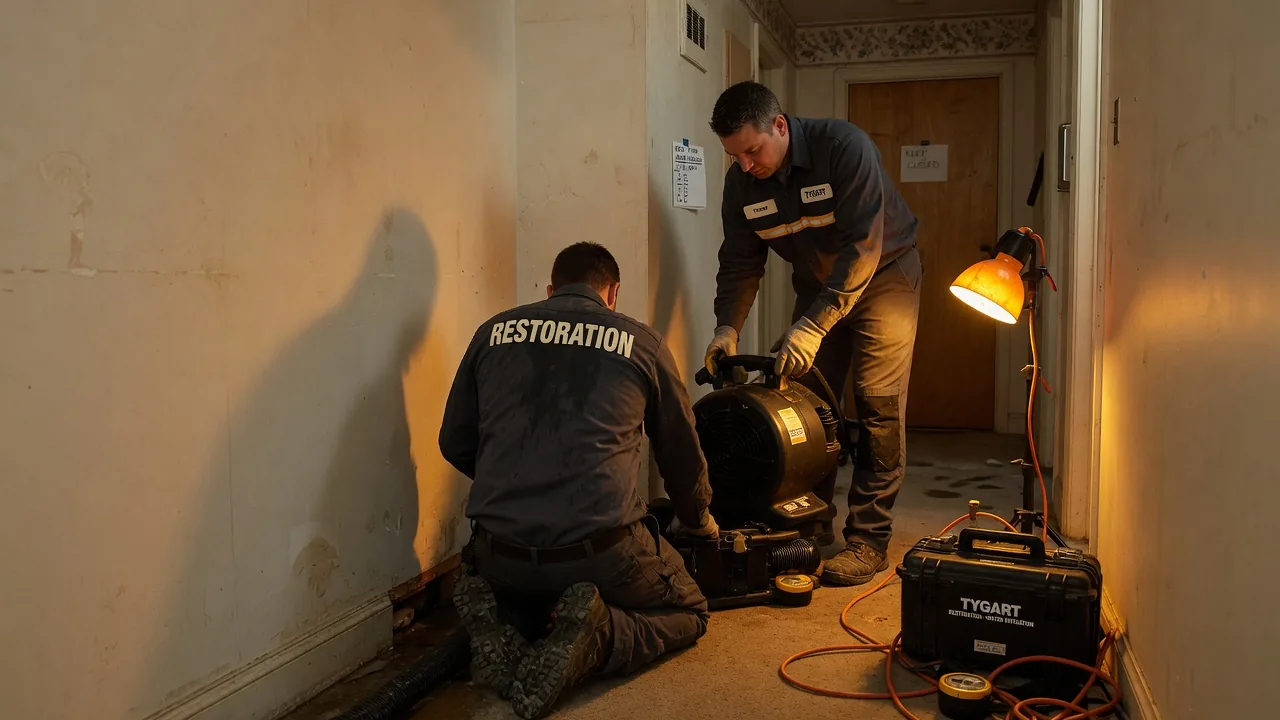
Residential restoration lead generation runs on a different operating system than commercial. The buying decision is fast, the buyer is emotional, the decision criteria are weighted heavily toward speed and trust, and the lead source mix is dominated by Google in nearly every metro. Companies that get residential right build predictable, high-volume pipelines; companies that try to use commercial tactics on residential prospects consistently underperform.
This article is part of our restoration lead generation master guide, which sits above this piece in the cluster architecture.
The Residential Restoration Buyer
The typical residential restoration buyer is a homeowner facing an active loss — a burst pipe, a roof leak after a storm, smoke after a kitchen fire, mold discovered during a remodel. They are usually researching for the first time, anxious, and operating under time pressure. They will call 1-3 companies, often the first ones to appear, and pick the company that responds fastest with the most credibility.
The lead-gen implication is that visibility at the moment of search and credibility on first contact matter more than almost anything else.
The Six Channels That Drive Residential Restoration Leads
1. Google Search (Organic + Paid)
Google Search dominates residential restoration lead generation in most metros. Organic rankings on “[service] [city]” queries, Google Ads on emergency intent terms, and a strong Google Business Profile collectively account for the majority of inbound residential lead volume for most well-marketed companies.
2. Google Local Service Ads
LSAs sit above traditional paid search and produce leads on a per-lead basis with the Google Guaranteed badge. For verified restoration companies, LSAs are typically the lowest cost per qualified lead channel in residential.
3. Lead-Buying Platforms
HomeAdvisor, Angi, Networx, and restoration-specific lead vendors fill capacity gaps but require operational discipline. They work best as a supplemental channel rather than a primary one.
4. Plumber and Adjuster Referrals
Offline referrals from plumbers, adjusters, real estate agents, and past customers produce the highest-margin and highest-converting residential leads in most operations. The investment cycle is long but the ROI is durable.
5. Social Media (Paid)
Paid Facebook and Instagram ads targeting homeowners by zip code with educational creative around water damage prevention and storm preparation produce both top-of-funnel awareness and direct lead form fills in most markets.
6. Direct Mail and Local Print
Often dismissed but still effective in some markets, particularly post-storm targeting in affected zip codes and ongoing presence in neighborhood publications and HOA newsletters.
Channel Sequencing for a New Restoration Company
For a residential restoration company starting from zero, the channel build order that consistently works: complete GBP optimization first (free, foundational), apply for and complete LSA verification next (lowest cost per lead once approved), launch tightly scoped Google Ads on emergency keywords, build out service and city pages for organic SEO, layer in paid social as budget allows, then test lead vendors with small pilots.
Budget Allocation by Revenue Stage
Companies under $500K in revenue should concentrate marketing budget heavily into LSAs and one tightly run Google Ads campaign. Diversification too early dilutes effort. Companies between $500K and $2M can add organic content investment and lead vendors. Companies above $2M can run the full channel mix simultaneously.
Speed-to-Lead and Conversion Operations

The lead generation channel mix only matters if the operations behind it convert leads. Residential restoration close rates are heavily influenced by speed of first contact, after-hours coverage, dispatch quality, and the in-home estimate experience. Companies that buy leads but cannot answer the phone within 60 seconds during business hours should fix operations before scaling lead spend.
Related on Tygart Media: water damage marketing · lead nurture · residential sales scripts.
Frequently Asked Questions
What is the highest-ROI lead source for residential restoration?
For verified restoration companies, Google Local Service Ads typically produce the lowest cost per qualified lead. Plumber and adjuster referrals produce the highest-margin leads but take longer to build. Most healthy residential operations run both alongside organic search and paid search.
How much should a residential restoration company spend on marketing?
Most healthy residential restoration companies invest 6-12% of revenue on marketing, with newer companies often spending toward the higher end of that range while organic and referral channels are still maturing.
Are direct mail and local print still effective for restoration?
Direct mail and hyperlocal print can produce results in specific scenarios — post-storm zip code targeting, neighborhood publications in affluent areas, HOA newsletters in target communities. Broad-based direct mail without targeting precision usually underperforms digital channels.
Should I focus on water damage, fire damage, or mold for residential lead generation?
Most residential restoration revenue comes from water damage in nearly every market, with fire and mold producing supplemental volume. Lead generation budget should generally be weighted toward water damage in proportion to its share of total revenue, with smaller dedicated budgets for fire and mold to maintain pipeline.
How do I know when to add a new lead-gen channel?
Add a new channel when existing channels have hit their cost-per-lead efficiency ceiling — meaning increased spending on the channel produces diminishing returns. Adding channels too early dilutes attention; adding too late caps growth. Quarterly channel performance reviews usually surface the right timing.
Get The Signal
What we actually ran, what it measured, and what it means for a restoration shop — every week, including the flops.
Leave a Reply