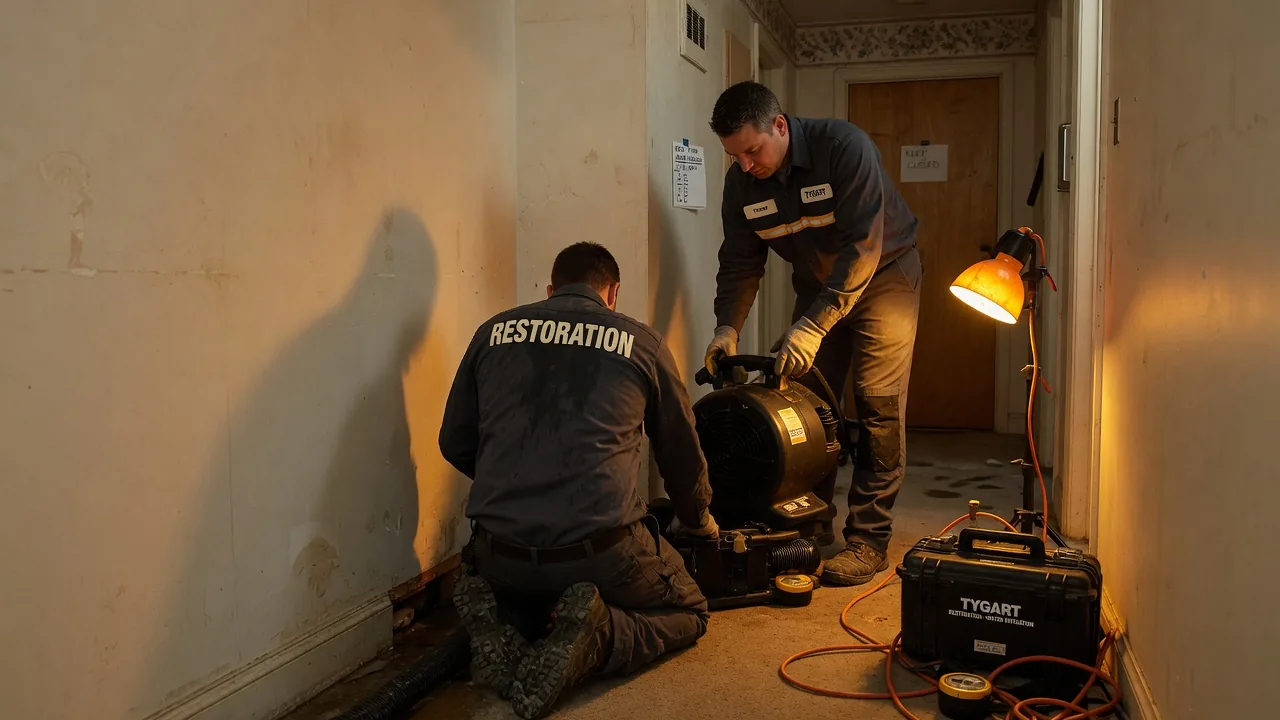
SEO for restoration companies is fundamentally a local search problem with a content moat layered on top. The difference between a restoration company that pulls 20 organic leads a month and one that pulls 200 is rarely talent — it is whether the technical foundation, the local signals, and the content engine are all running at the same time. This guide walks through each layer in the order it should be built.
This article is part of our broader restoration marketing guide, which covers the full channel mix. Here we focus exclusively on organic search.
Layer 1: The Technical Foundation

Technical SEO for a restoration company website is straightforward but unforgiving. The site needs to load in under three seconds on mobile, have a clean URL structure, valid schema markup on every service page, and zero crawl errors. Modern Google does not need much hand-holding on technical issues, but it will quietly demote sites that consistently fail Core Web Vitals or have broken canonical tags.
The minimum technical checklist for a restoration site includes mobile-first responsive design, HTTPS across every URL, an XML sitemap submitted to Google Search Console, schema markup for LocalBusiness and Service on relevant pages, and structured data for FAQs where they appear. A content delivery network and image optimization to WebP usually handle most speed concerns.
Layer 2: On-Page SEO
Restoration service pages are where most ranking battles are won or lost. Each core service — water damage, fire damage, mold remediation, smoke damage, biohazard, contents — needs its own dedicated page, not a list on a single services page. Each page should target a primary keyword in the title tag, H1, and first paragraph, then expand into 1,200-2,000 words of substantive content covering the process, what causes the damage, the insurance process, the company’s certifications, and a strong call to action.
The most-overlooked on-page lever is internal linking. Service pages should link to relevant blog content, location pages, and case studies. The link graph signals to Google which pages matter most.
Layer 3: Local SEO and Map Pack Dominance
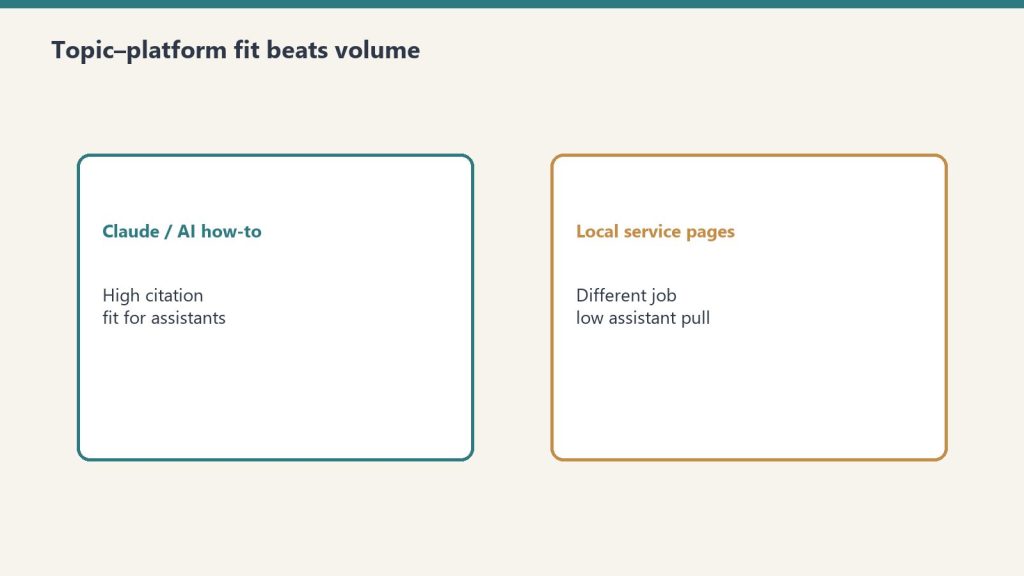
Map pack rankings for “[service] [city]” queries drive a substantial share of restoration leads. Three signals matter most: proximity (Google measures distance from the searcher to the business), prominence (review volume, link authority, mentions), and relevance (does the business profile clearly match the query).
The local SEO checklist starts with a fully optimized Google Business Profile — accurate categories, complete services list, Q&A answered, weekly posts, regular geo-tagged photo uploads, and a steady review cadence with thoughtful responses. Citations across major directories (BBB, Yelp, Angi, HomeAdvisor, Houzz, industry-specific sites) reinforce NAP consistency. Service area businesses should specify their service area carefully rather than listing every city in the region.
Layer 4: City and Neighborhood Pages
For restoration companies serving multiple cities, individual city pages are the single highest-leverage SEO investment after the core service pages. A page titled “Water Damage Restoration in [City Name]” with 800-1,500 words of locally relevant content — neighborhoods served, common local water damage causes, local building stock, response times to specific zip codes — will routinely outrank both national franchises and competitors using doorway pages.
The trap to avoid is templating. Google detects city pages that are 90% identical with only the city name swapped. Each page needs genuinely unique content sections.
Layer 5: Content Marketing for Authority
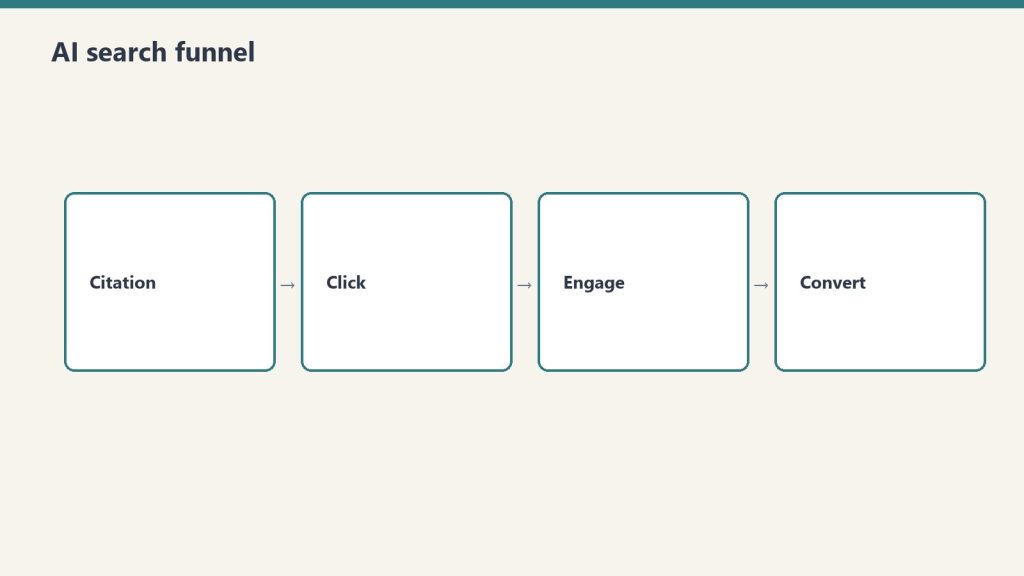
Beyond service and city pages, ongoing blog content builds topical authority. The highest-ROI content topics for restoration companies tend to be insurance process guides (“how does a homeowners insurance water damage claim work”), cause-of-loss explainers (“what causes a Category 3 water loss”), and homeowner education (“what to do in the first 24 hours after a flood”). These pieces capture top-of-funnel search volume and convert through internal linking back to service pages.
Layer 6: Link Building
Restoration link building is hard because most of the natural backlink opportunities — directory citations, BBB profiles, association memberships — are easily replicated by competitors. Sustainable link advantages come from local press coverage of community involvement, sponsorships of local events with a website link, partnerships with adjacent service providers (plumbers, real estate firms) that produce mutual link exchanges, and occasionally guest content on restoration industry publications.
Related on Tygart Media: content marketing · local SEO · blog SEO.
Frequently Asked Questions
How long does SEO take to work for a restoration company?
Local map pack movement on long-tail and branded queries often happens within 30-90 days of a serious GBP optimization push. Competitive head terms in major metros usually require 12-18 months of consistent work. The first leads from organic search typically arrive within 90 days for a well-executed program.
Do I need to write a separate page for every city I serve?
Yes, if you want to rank for “[service] [city]” queries in those cities. A single services page cannot effectively rank for dozens of city-modified queries. Each meaningful market should have its own dedicated, locally relevant page.
Is link building still important for restoration SEO?
Yes, but the bar has lowered for local-intent queries where proximity and reviews carry more weight than backlinks. For competitive head terms and informational content meant to attract top-of-funnel traffic, backlink authority remains a significant ranking factor.
Should a restoration company use AI to write SEO content?
AI tools can speed up drafting and outlining but unedited AI content tends to underperform on commercial keywords because it lacks the operator-specific detail Google’s helpful content systems reward. The most effective use is AI-assisted drafting reviewed and rewritten by someone with domain expertise.
What is the most common SEO mistake restoration companies make?
Treating SEO as a one-time setup project rather than an ongoing program. Rankings decay without consistent content, citation maintenance, review velocity, and link building. Companies that invest for six months and then stop usually lose most of their gains within a year.
Leave a Reply