
Last refreshed: August 30, 2026
Model Accuracy Note — Updated May 2026
Current flagship: Claude Opus 4.7 (claude-opus-4-7). Current models: Opus 4.7 · Sonnet 4.6 · Haiku 4.5. Claude Opus 4.7 (claude-opus-4-7) is the current flagship as of April 16, 2026. Where this article references Opus 4.6 or earlier models, those references are historical. See current model tracker →. See current model tracker →
Anthropic now offers two distinct modes of working with Claude — the familiar chat interface and Cowork, a persistent task and agent environment. They look similar but serve fundamentally different purposes. Using the wrong one creates friction; knowing which to reach for first saves significant time.
What Cowork Actually Is
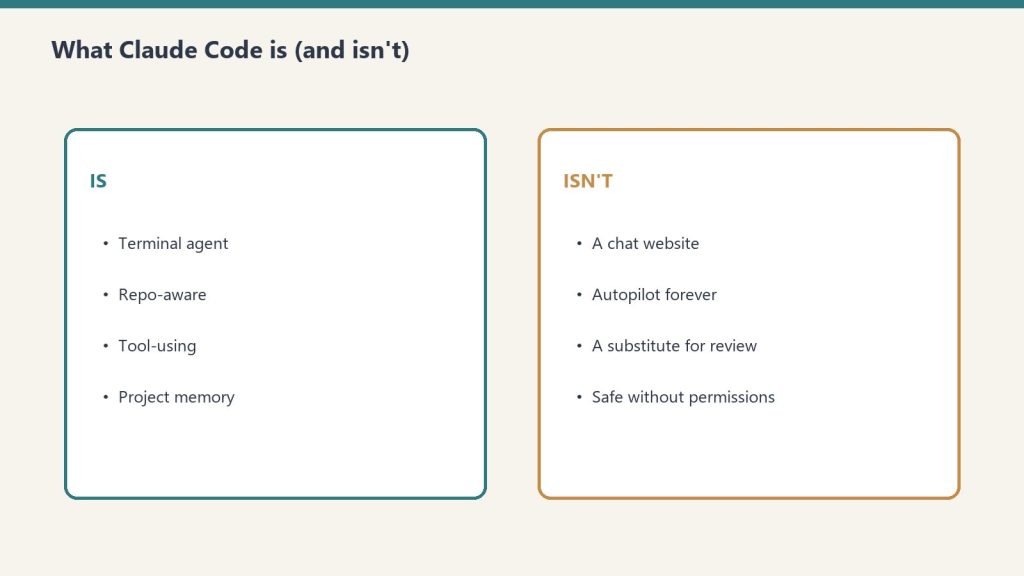
Cowork is a persistent agent environment inside Claude Desktop. It gives Claude access to your local filesystem, a sandboxed Linux VM with bash execution, your installed MCP servers, and a scheduler. Tasks you set up in Cowork can run on a schedule — daily, weekly, whenever you trigger them — without you being in the conversation. Claude operates autonomously against your instructions until the task is done.
What Claude Chat Actually Is
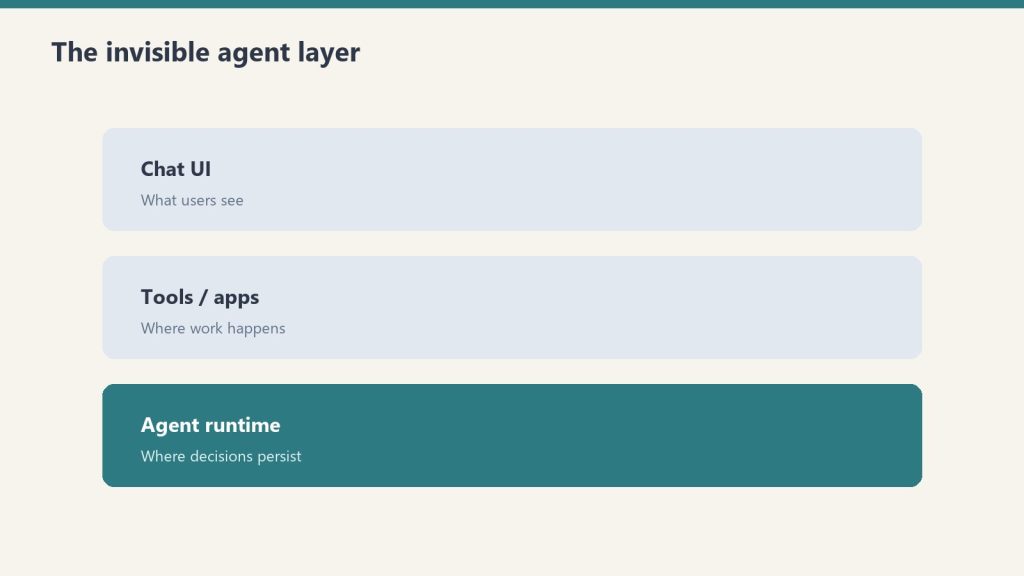
Claude Chat (claude.ai or the Claude app) is a stateless, interactive conversation interface. Each session is fresh. Claude has no persistent memory across sessions beyond what you’ve configured in memory settings. It’s optimized for real-time back-and-forth: you ask, Claude responds, you refine. The bash environment in Chat (used for file operations and code execution) is sandboxed and resets between sessions.
Side-by-Side Comparison
| Factor | Claude Chat | Claude Cowork |
|---|---|---|
| Runs without you | No | Yes — scheduled tasks |
| Access to your files | Upload only | Direct filesystem access |
| Persistent across sessions | No (memory only) | Yes — tasks and state persist |
| Best for | Interactive work, writing, analysis | Recurring automation, pipelines |
| MCP tool access | Yes (if configured) | Yes + local filesystem tools |
| Runs on | Anthropic’s cloud | Your local machine |
| Resource competition | None (cloud-side) | Shares your CPU/disk |
| Skill files | Yes (/mnt/skills/) | Yes (same mount) |
When to Use Claude Chat
Chat is the right tool when you’re actively involved in the work — drafting, editing, analyzing, strategizing. If you need to go back and forth, refine an output, or make judgment calls mid-task, Chat’s interactive model is faster and more natural. It’s also better for any task that’s genuinely one-off: you do it once, you’re done, there’s nothing to schedule or automate.
Chat also runs in the cloud, meaning it doesn’t compete with your machine’s other processes and doesn’t run into the local VM disk limitations that Cowork can hit with heavy workloads.
When to Use Cowork

Cowork shines for work that should happen without you: daily newsroom publishing, weekly SEO reports, nightly data syncs, any pipeline that follows the same steps every run. If you find yourself doing the same Claude Chat session more than twice a week, it’s a candidate for a Cowork task.
Cowork also makes sense for tasks that need direct access to files on your machine — reading from a local folder, processing downloads, interacting with local applications — since Chat requires you to explicitly upload files each session.
Known Cowork Limitation to Be Aware Of
Cowork runs on a local VM (the sessiondata.img file) with a fixed 8.5GB disk. Heavy users with many skills installed will periodically hit a disk-full error that prevents new sessions from launching. This is a known bug (GitHub #30751) with a manual workaround. See Claude Cowork useradd Failed Error: How to Fix It for the fix.
Is Claude Cowork better than Claude Chat?
Neither is better — they serve different purposes. Chat is optimized for interactive, real-time work. Cowork is for persistent, scheduled, autonomous tasks. Most power users use both regularly for different types of work.
Can Claude Cowork access the internet?
Yes, through MCP server integrations and web search tools. Cowork tasks can call APIs, search the web, read from connected services like Notion or Gmail, and interact with any MCP-connected tool you’ve configured.
Does Claude Cowork use the same AI model as Chat?
Yes — Cowork uses the same underlying Claude models (currently Opus 4.6 and Sonnet 4.6). The difference is the execution environment, not the model.
Leave a Reply