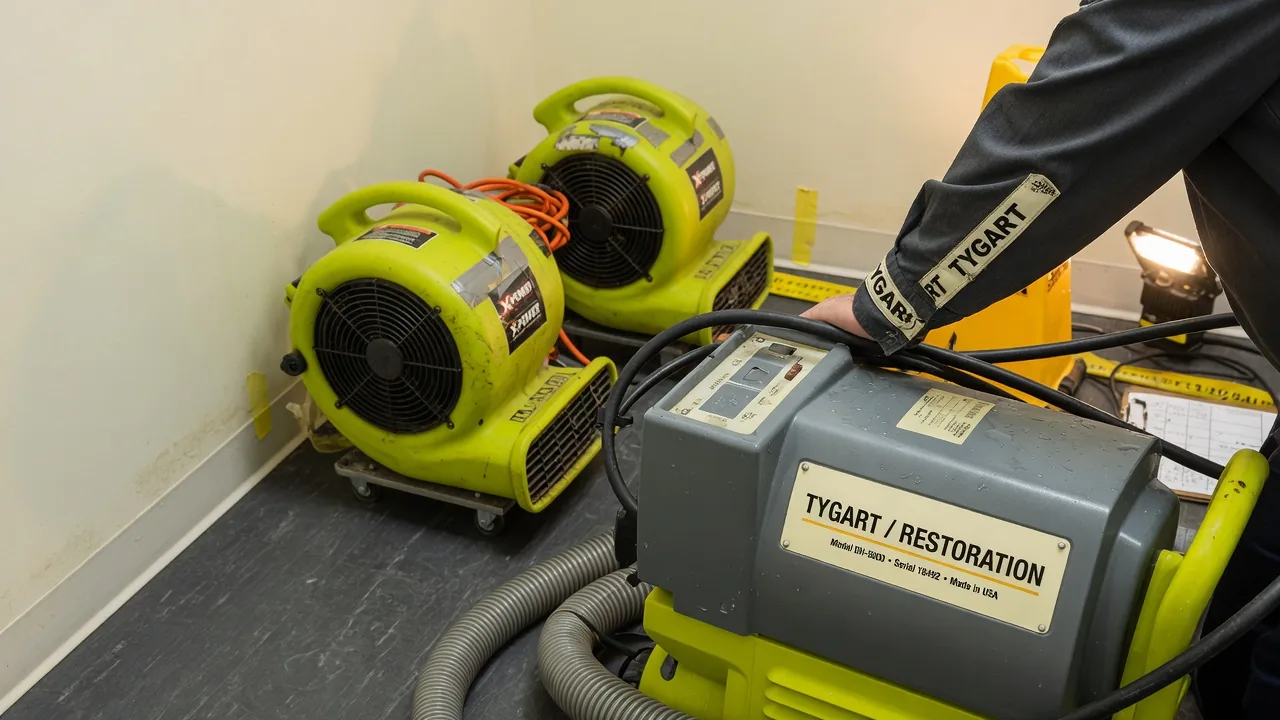
Water damage restoration pricing is where most operators bleed the most money — not because they charge too little on the headline number, but because they miss line items, mis-categorize equipment, and accept reductions they could have defended. This guide walks through the pricing framework profitable restoration companies use for both insurance and cash water jobs.
If you have not worked through the full pricing playbook yet, start with our restoration pricing and estimating master guide to understand how water pricing fits into the larger estimating system.
Why Water Damage Pricing Is Different
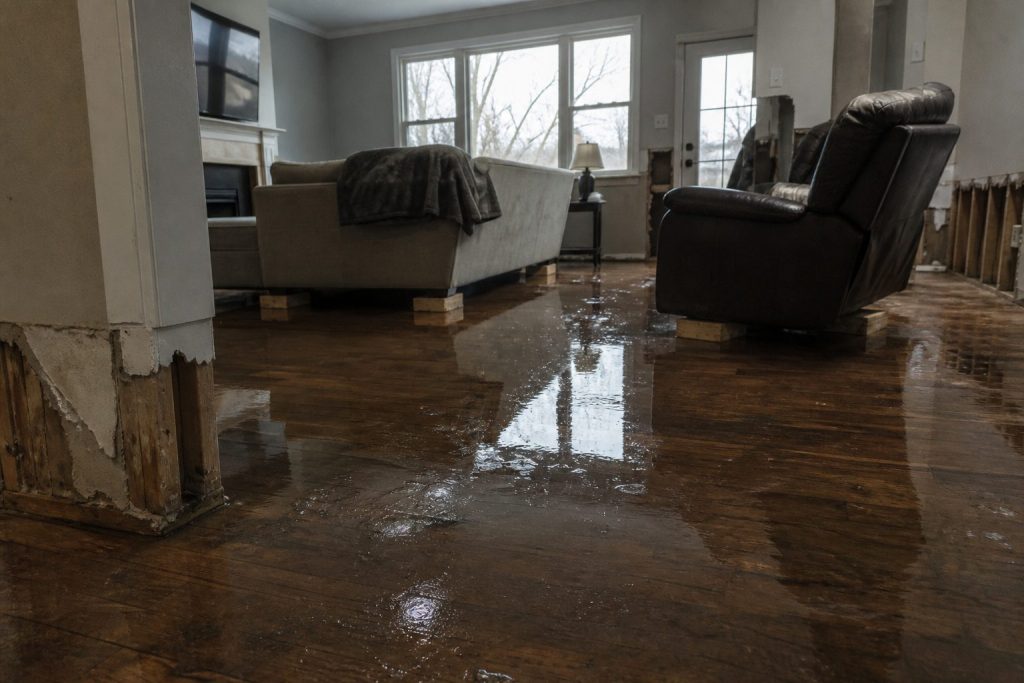
Water damage is the highest-volume and highest-frequency loss type for most restoration companies, which makes it the line where pricing discipline pays the biggest compounding return. Unlike fire or mold, water jobs are highly repeatable, which means small per-job pricing improvements multiply across hundreds of jobs per year.
Three things make water pricing distinct: equipment scaling drives a meaningful portion of the invoice, the daily monitoring schedule has to be defensible, and TPA programs scrutinize water claims more aggressively than any other category. Get any one of those three wrong and you are giving away gross profit.
The Core Water Damage Line Item Stack
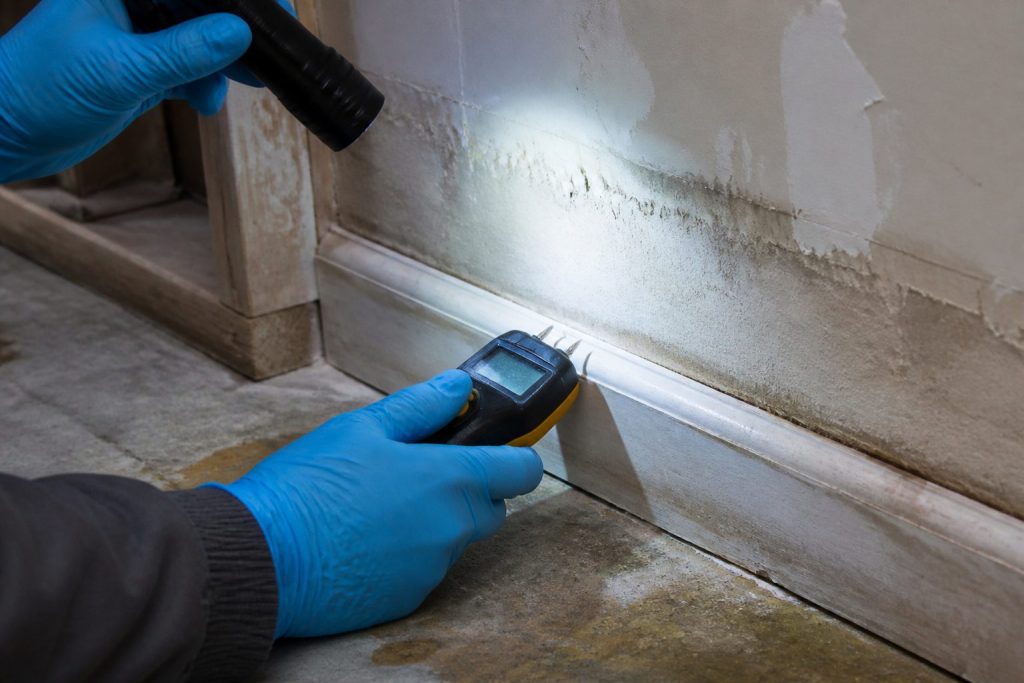
Every water damage estimate should be built from the same core stack so nothing gets missed:
- Emergency service charge — after-hours response, mobilization, initial assessment
- Water extraction — by category and class, with documented affected square footage
- Content manipulation — pack-out, block-up, content cleaning where applicable
- Demolition and removal — wet drywall, baseboard, flooring, insulation, debris haul
- Antimicrobial application — by area and method (spray, fog, wipe-down)
- Drying equipment — air movers, dehumidifiers, air scrubbers, with daily monitoring
- Containment — poly barriers, negative air, zipper doors when warranted
- Daily monitoring — moisture readings, equipment adjustment, documentation
- Equipment removal — final demob and post-dry verification
Operators who win on water pricing have a checklist that runs through this stack on every estimate. Operators who lose pick and choose, miss line items, and discover the gap on the back-end when the job is closed out.
Equipment Pricing: The Single Biggest Margin Lever
Drying equipment is where the largest pricing gap exists between operators who know the rules and operators who guess. Insurance pricing for air movers and dehumidifiers is daily, but the daily count must reflect actual on-site days, not contract days. Documenting equipment placement with photos, equipment counts on the daily monitoring sheet, and removal dates protects every dollar.
The other equipment trap is dehumidifier sizing. Pricing matrices reimburse based on dehumidifier class (LGR, conventional, desiccant), so misidentifying equipment in the estimate creates either a write-off or an invoice dispute. Always document model numbers and class on the equipment log.
Category and Class: The Foundation Most Estimates Skip
Water loss category (1, 2, or 3) and water loss class (1 through 4) drive the pricing for almost every line item on the estimate. Operators who skip the category and class documentation in favor of “just running the numbers” leave money on every job because TPA reviewers will downgrade ambiguous loss types.
The fix is operational: document category and class on the initial moisture map, photograph contamination evidence for Cat 2 and Cat 3 losses, and reference the IICRC S500 standard in the scope notes. This single practice closes the most common gap between estimated and approved invoices.
Cash vs Insurance Water Pricing
Cash water jobs let you price for value rather than against a matrix, but they also expose you to objections you do not get on insurance work. The right cash pricing strategy is a tiered estimate: a “complete dry-out” option, a “structural-only” option, and a “you handle the contents” option. This converts more leads at higher margin than a single take-it-or-leave-it number.
For insurance work, the discipline is different: build to the matrix, document everything, and never accept a reduction without a written explanation referencing a specific line item. Most reductions are habit; they evaporate when challenged.
Common Pricing Mistakes That Cost Real Money
Across hundreds of restoration audits, the same mistakes appear repeatedly. Under-counting affected square footage on the moisture map. Forgetting antimicrobial on Cat 1 losses where it is still warranted. Missing the second floor when water migrated up. Pricing a single air scrubber for a multi-room job. Skipping the daily monitoring line on quick-dry jobs. Each of these costs $200 to $2,000 per job, and they happen on most estimates that are not built from a checklist.
Related on Tygart Media: Starlink on a water job · S500 in the van · local SEO for restoration.
Frequently Asked Questions
What is the average price of a water damage restoration job?
Average residential water damage jobs in the U.S. fall between $3,000 and $7,500 depending on category, class, and affected square footage. Commercial jobs average $8,000 to $40,000+. National averages are useful as a sanity check but should never be used as a pricing target — every estimate should be built line by line from the actual scope.
Should I use Xactimate pricing for cash water jobs?
You can use Xactimate pricing as a baseline reference for cash jobs, but cash work should be priced for value, not against a TPA matrix. Most operators find that using Xactimate as a floor and then layering in tiered options produces 20 to 35 percent higher gross margin on cash work than pure matrix pricing.
How do I defend my water damage pricing to insurance adjusters?
Defensible water pricing rests on three documents: a labeled moisture map, daily monitoring sheets with equipment counts and moisture readings, and category/class documentation tied to IICRC S500. With those three documents, almost every line item is defensible, and reductions are rare.
What line items get cut most often on insurance water claims?
The most commonly reduced items are equipment days (cut to “industry standard”), antimicrobial application (challenged on Cat 1), content manipulation (cut as overhead), and after-hours service charges. Each can be defended with documentation, and most reductions are reversed when the operator pushes back with specifics.
How often should I update my water damage pricing?
Pricing matrices update quarterly, so any operator pulling from Xactimate or Symbility should refresh their estimating templates four times a year. Cash pricing should be reviewed at least twice a year against local labor and material costs. Operators who do not update pricing routinely find themselves losing margin to inflation they never adjusted for.
Get The Signal
What we actually ran, what it measured, and what it means for a restoration shop — every week, including the flops.
Leave a Reply