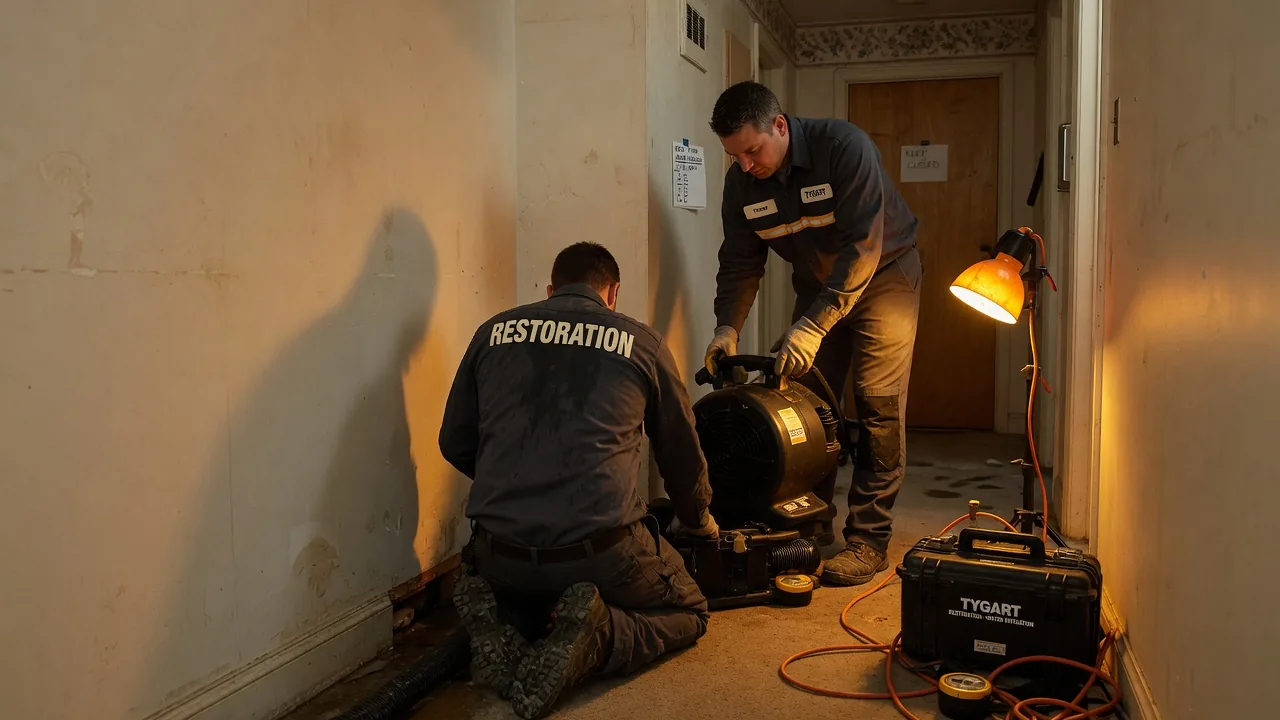
Residential restoration sales is won or lost in the first 60 seconds of the inbound call and the first 15 minutes of the in-home estimate. Companies that script these moments tightly close at meaningfully higher rates than companies that wing it. This article walks through the call flow, in-home conversation, and closing language that consistently performs in residential restoration sales operations.
This is part of our restoration sales playbook, which covers the full sales motion.
The Inbound Phone Call
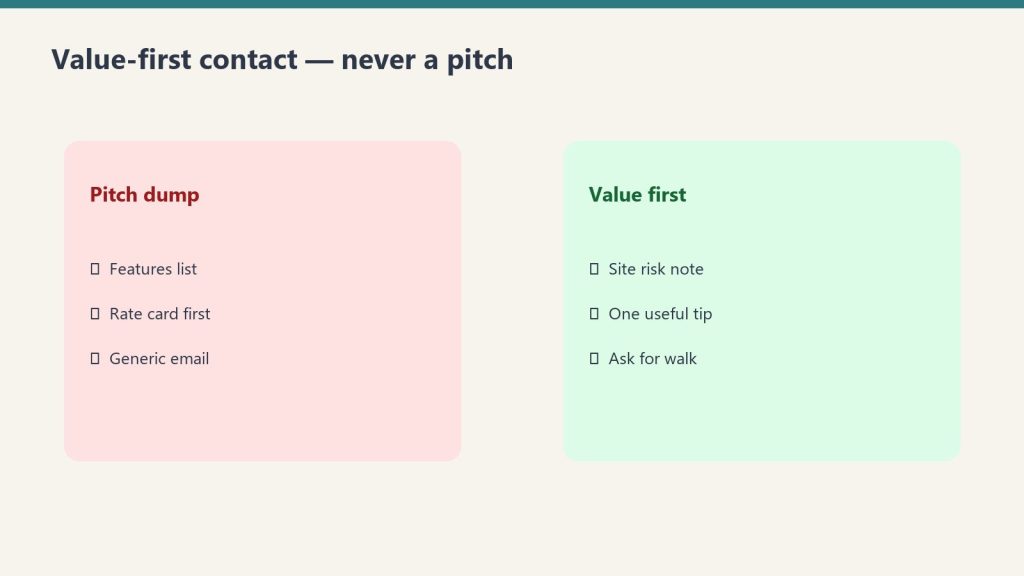
The inbound call is the highest-leverage 3-5 minutes in residential restoration. The script needs to accomplish four things quickly: establish empathy and credibility, qualify the situation, create urgency and book the appointment, and prevent the prospect from continuing to call competitors.
The opening should never be “Hi, can I help you?” — it should be a confident, warm greeting that immediately signals competence: “[Company], this is [Name], how can I help you with your water damage today?”
The qualification questions are simple but specific: What is the source of the water? When did it start? How much area is affected? Is the water still active? Is anyone home? What city are you in? These questions both qualify the lead and demonstrate competence to the homeowner.
The booking close: “We can have a project manager on-site in [time]. Can I confirm the address?” — and then the critical ask: “Just so I can let our PM know, are you also calling other companies, or did you decide to go with us?” This last question, asked warmly and without pressure, reduces shopping behavior dramatically.
The In-Home Arrival
The first 60 seconds on-site set the tone for the entire conversation. The sequence that works: introduce yourself, ask permission to enter, ask the homeowner to walk you through what happened in their own words (don’t immediately start inspecting), then transition into a guided inspection together. Skipping the homeowner’s narrative is a common mistake — they need to feel heard before they will trust the recommendation.
The Inspection Walk-Through
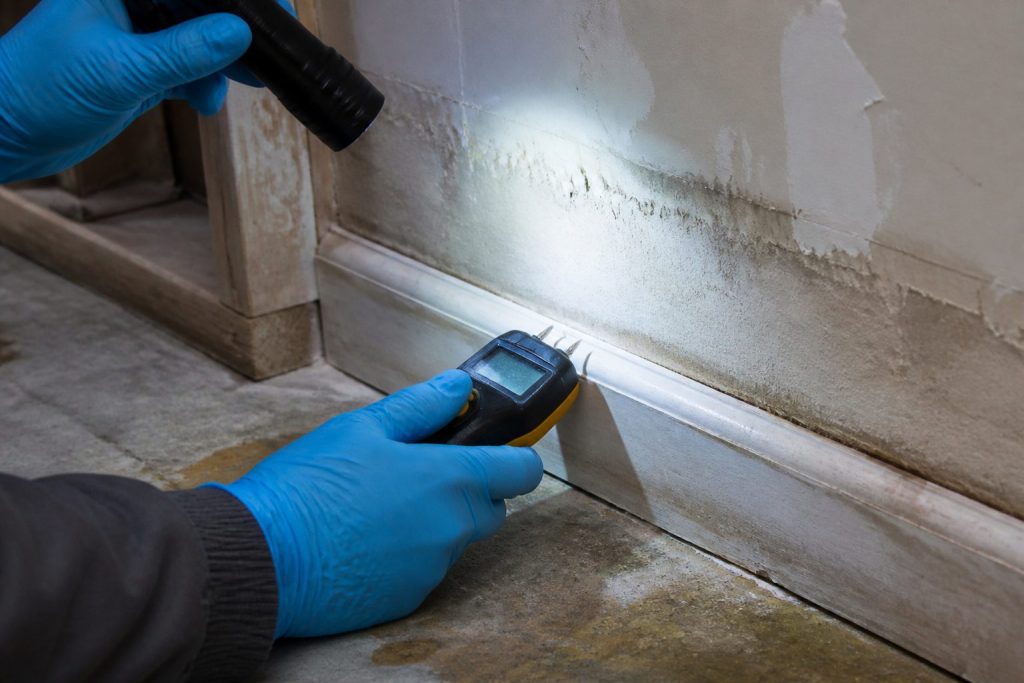
Educational narration during the inspection separates restoration sales pros from amateurs. Rather than silently using a moisture meter, the rep should narrate what the readings mean, what category of water it appears to be, what equipment will be needed, and what the timeline looks like. This builds confidence and pre-frames the price.
Presenting the Scope and Price
The scope presentation should happen at the kitchen table, not standing up. The rep should walk through the scope line by line, explain why each item is necessary, address insurance process clearly, and then present the total — without flinching and without immediately offering a discount. The number is the number.
Common price language that works: “Based on what we found, the scope to dry your home down properly comes to [amount]. Most of this will be covered by your insurance policy, and we’ll work directly with your adjuster on the supplements. The out-of-pocket exposure for you depends on your deductible. Does that match what you were expecting?”
Handling the “Let Me Think About It”
The most common objection in residential restoration is the soft delay: “Let me think about it” or “I need to talk to my spouse.” The script that works addresses the underlying concern without applying pressure: “Of course. The one thing I’d mention is that the longer we wait to start drying, the more secondary damage typically occurs. We can have equipment in place today and you can still cancel within 24 hours if you change your mind. What works better for you?”
The Authorization Close
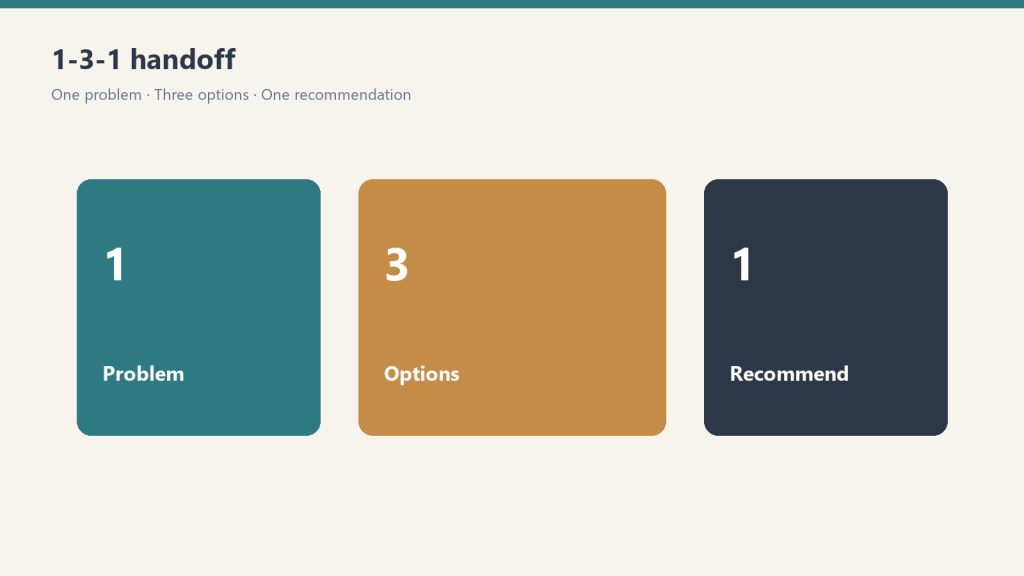
The work authorization signature is the actual close. The handoff language: “Let me get this paperwork started — it just authorizes us to begin the mitigation and lets us bill your insurance directly.” Smooth, confident, and assumes the close. Hesitant closing language (“So… do you want to do this?”) signals uncertainty and triggers second-guessing.
Related on Tygart Media: residential lead gen · sales playbook · CRM pipeline.
Frequently Asked Questions
Should restoration salespeople use a written script verbatim?
The framework should be scripted; the delivery should be conversational. Reading a script word-for-word feels robotic and erodes trust. Memorizing the structure and language patterns and delivering them naturally is the goal.
How do I train new restoration salespeople on these scripts?
Role-play is the fastest training method. Pair new reps with senior staff for ride-alongs, then run weekly role-play sessions where new reps practice handling the toughest objections. Recording actual customer calls (with consent) and reviewing them as a team also accelerates learning.
What is a reasonable close rate on residential restoration estimates?
Well-trained residential restoration salespeople running emergency mitigation typically close 60-80% of first-on-scene appointments. Reconstruction-only estimates close at much lower rates, often 25-40%, because of the longer decision cycle.
Should I quote prices over the phone?
Generally no for restoration. Phone pricing without seeing the damage triggers price shopping and locks the rep into a number that may not match the actual scope. The phone goal is to book the on-site appointment, not to quote.
How do I handle a homeowner who is getting multiple bids?
Address the underlying concern (they want to make sure they’re not being overcharged) by walking through your scope line-by-line, explaining what each item does, and offering to review competitor scopes side-by-side. Confidence in your scope and price usually wins more often than discounting.
Get The Signal
What we actually ran, what it measured, and what it means for a restoration shop — every week, including the flops.
Leave a Reply