Mason County - Tygart Media

Category: Mason County

Your weekly briefing on Mason County, Washington — covering Shelton, Belfair, Hoodsport, Union, Allyn, and communities across the county. Local business, government, outdoors, history, schools, and community news from the heart of Hood Canal country.

  • Hood Canal Spot Shrimp Season Opens May 10 — and a Wetlands Restoration Is Reshaping Belfair’s Shoreline

    Hood Canal Spot Shrimp Season Opens May 10 — and a Wetlands Restoration Is Reshaping Belfair’s Shoreline

    Hood Canal Spot Shrimp Season Opens May 10 — and a Wetlands Restoration Is Reshaping Belfair’s Shoreline

    Mason County’s outdoor calendar heats up this May with two significant developments along Hood Canal: the first spot shrimp opening of the year arrives Saturday, May 10, giving local shrimpers one of the most anticipated mornings on the water, while just north in Belfair, a long-running restoration project at the Mary E. Theler Wetlands Nature Preserve is entering its most visible phase yet — the construction of a 1,200-foot elevated boardwalk through a newly rehabilitated salt marsh.

    Both stories speak to what makes Hood Canal worth protecting and celebrating: the fishery that feeds families across the county, and the habitat that makes those fisheries possible in the first place.

    Spot Shrimp Season: Hood Canal Gets the First Opener

    For recreational shrimpers, Marine Area 12 — Hood Canal — is the place to be on the morning of May 10. The Washington Department of Fish and Wildlife (WDFW) has confirmed that Hood Canal will receive an early opportunity this year, opening a full two weeks before most of the rest of Puget Sound, where the broader season begins May 24.

    The 2026 Marine Area 12 schedule runs on specific dates: May 10, May 24, May 26, June 7, and June 21. Each opening is tightly windowed — anglers may fish from 9 a.m. to 1 p.m. only. WDFW has noted that additional dates may be announced later in the season depending on stock assessments.

    The daily limit remains 80 spot shrimp per licensed fisher, with a combined total weight limit of 10 pounds (whole shrimp) for all shrimp species. Shrimpers who retain only spot shrimp may remove and discard the heads while still on the water; those retaining any other shrimp species must keep the heads until they are back on shore to allow compliance verification with the weight limit.

    For Mason County families, the May 10 opener is more than a fishing trip — it is an early-summer tradition along the entire Hood Canal corridor, from Hoodsport down through Union and north toward Belfair. Spot shrimp, known for their rich, sweet flavor, are among the most prized recreational catches in the state. Demand for the limited openings is high, and experienced shrimpers typically arrive early to launch before the 9 a.m. window.

    Before heading out, anglers should confirm current rules at wdfw.wa.gov, as emergency closures and rule changes can occur on short notice based on stock conditions. A valid Washington recreational fishing license is required. The WDFW hotline and website are the definitive sources for any last-minute schedule adjustments.

    Theler Wetlands: A 1,200-Foot Boardwalk Is Coming to Belfair This Summer

    A few miles north of Highway 3 in Belfair, a quieter but equally significant outdoor story is unfolding at the Mary E. Theler Wetlands Nature Preserve. This summer, WDFW and the Hood Canal Salmon Enhancement Group (HCSEG) will begin construction of a 1,200-foot elevated, piling-supported boardwalk through the heart of a newly restored estuary — the capstone of a multi-year effort to bring Hood Canal summer chum salmon back to the Union River system.

    The Theler Wetlands restoration project has been restoring approximately 7 acres of estuarine wetland habitat at the southeast end of Hood Canal. Work that concluded in fall 2025 included removing a failing levee, replacing a 12-inch metal culvert with a 15-foot-wide concrete box culvert, digging a new sinuous tidal channel, and raising a section of Northeast Roessel Road to serve as a set-back levee. The goal: reconnect the tidal processes that were disrupted when the wetlands were diked decades ago.

    Hood Canal summer chum salmon are listed as threatened under the federal Endangered Species Act. The Theler Wetlands sit at the mouth of the Union River, which is critical spawning and rearing habitat for that run. By expanding tidal connectivity, the restoration creates the shallow, food-rich, low-salinity estuarine conditions that juvenile summer chum need to grow before entering Hood Canal.

    The summer 2026 boardwalk construction will be the project’s most visible phase for the public. The elevated structure — built in the footprint of the removed levee — will reconnect the preserve’s currently fragmented trail network, giving visitors and birders full access to what will become a restored salt marsh. The Theler Wetlands is already one of Mason County’s most-visited nature spots, drawing birdwatchers, school groups, and families year-round. The new boardwalk will make the wetlands more accessible and complete the loop trail that has been partially closed during construction.

    The preserve is located at 22871 NE SR-3 in Belfair, just off the highway before the town center. Visitors are welcome during daylight hours. For project updates and trail access status, check the HCSEG website at pnwsalmoncenter.org or WDFW’s habitat recovery pages.

    What to Watch This Season

    Taken together, these two stories reflect the dual outdoor identity of Hood Canal and Mason County’s shoreline: a working fishery used by thousands of families every spring and summer, underpinned by habitat restoration work that most people never see but everyone benefits from. The spot shrimp fishery depends on a healthy canal; the canal depends on functioning estuaries like the one being rebuilt at Theler.

    For residents looking to get outside this May, both opportunities are close and accessible. The shrimp opener on May 10 is days away — time to get gear ready, check your license, and confirm the launch site. And when construction wraps at Theler Wetlands later this year, the newly completed boardwalk trail will be one of the more remarkable walks in all of Mason County: a path through restored tidal marsh, built where a levee used to be, beneath skies that — if the restoration takes hold — should one day carry kingfishers and herons back to a corner of Hood Canal that had been quiet for a very long time.

    Sources


    Related Expansion Coverage

  • Mason County Business Owner’s Guide: PUD 3 Gigabit Fiber for Business and the Olympic Highway Parking Decision

    Mason County Business Owner’s Guide: PUD 3 Gigabit Fiber for Business and the Olympic Highway Parking Decision

    Two infrastructure projects moving through Mason County in 2026 have direct implications for local businesses. The completion of PUD 3’s Three Fingers Fiber Project means that businesses in the Grapeview area that previously operated without reliable broadband now have access to symmetrical gigabit fiber — a connectivity baseline that changes what’s operationally possible. And for businesses operating on or near Olympic Highway North in Shelton, the city’s $6 million road reconstruction project means a design decision about parking and traffic flow is coming, and the window to influence it is open right now.

    What Gigabit Fiber Means for Mason County Businesses

    The Three Fingers Fiber Project completion isn’t just about residential internet. Businesses in the Three Fingers area of Grapeview — whether retail, service-based, agricultural, or home-based — are now on the same fiber network that urban businesses have built their operations around. PUD 3’s open-access gigabit fiber delivers symmetrical 1,000/1,000 Mbps speeds for approximately $85 per month. Symmetrical upload speed is the detail that matters most for business use: cloud backups, video conferencing, point-of-sale systems, and file transfers all depend on upload, not just download.

    The open-access model gives Mason County businesses something rare: genuine provider competition on a single physical network. PUD 3 owns the fiber infrastructure; multiple retail ISPs compete over it. Businesses can compare service-level agreements, support quality, and pricing between providers — and switch if a better option emerges — without any new wiring or construction. For businesses that have been locked into a single slow provider by geography, this changes the economics of operating from rural Mason County.

    Businesses in Three Fingers that haven’t yet applied for service can reach PUD 3’s Telecom Team at pud3.org. An Engineering Designer will assess the specific construction needed to reach your location.

    Cloquallum Businesses: Fee Waiver Expires May 31

    If your business is in the Cloquallum Communities area — PUD 3’s next active fiberhood — an application fee waiver is in effect through May 31, 2026. After that date, the standard application fee applies. For businesses evaluating the cost of getting fiber established, applying before the deadline is a straightforward way to reduce the upfront expense. Visit pud3.org for current program details.

    Olympic Highway North: What Business Owners Need to Know Now

    The City of Shelton is in the process of selecting a design for the reconstruction of Olympic Highway North, the stretch from C Street to Wallace Kneeland Boulevard. The road last saw pavement in 1989 and the city has secured up to $6 million in funding — including a $3.7 million Washington State Transportation Improvement Board grant — to rebuild it from the ground up. That TIB grant requires bike lanes in the final design. The question is how those bike lanes are configured, and what that means for on-street parking.

    Consultant Transpo Group has developed four design options. For businesses along the corridor, the core variable is customer parking access:

    • Option 1: Parking on both sides retained; traditional painted bike lanes
    • Option 2 (city staff recommendation): Parking on one side; buffered bike lanes that physically separate cyclists from vehicle traffic
    • Option 4: All on-street parking removed; businesses would rely on on-site or side-street parking

    City staff recommend Option 2, citing the balance between safety, parking retention, and the TIB grant requirements. For businesses whose customers depend on on-street parking — retail, food service, personal services — the difference between Option 1 and Option 4 is material. Construction isn’t until summer 2027, but the design is being locked in this winter.

    If you operate a business on or near Olympic Highway North between C Street and Wallace Kneeland Boulevard, attending a city public comment process or submitting input online at sheltonwa.gov is the most direct way to influence the outcome. Once Transpo Group finalizes the design this winter, the configuration is set.

    For more on what PUD 3 fiber means for Mason County businesses, see What PUD 3’s Gigabit Fiber Means for Mason County Business Owners in 2026. Full infrastructure context at Mason County Infrastructure Update — May 2026.

    Frequently Asked Questions

    How does PUD 3’s open-access fiber network benefit Mason County businesses?

    PUD 3 owns the fiber infrastructure and multiple retail ISPs compete to deliver service over it, giving businesses genuine provider choice without requiring new wiring. Businesses pay approximately $85/month for symmetrical 1,000/1,000 Mbps gigabit service — with matching upload and download speeds critical for cloud operations, video conferencing, and large file transfers.

    My business is in Three Fingers — what’s the process to get fiber?

    Contact PUD 3’s Telecom Team at pud3.org. An Engineering Designer will assess what construction is needed to reach your specific location and walk through next steps. The Three Fingers project is now complete, so connections are being processed for all businesses that have applied.

    How will Olympic Highway North construction affect my business access in 2027?

    Construction is planned for summer 2027. Specific traffic management and temporary access plans will be set by the contractor selected in spring 2027. The bigger near-term decision is the design: which option is chosen determines whether on-street parking survives. Businesses should submit input on the design options at sheltonwa.gov before winter 2026, when the design locks in.

    What is the TIB grant requirement for bike lanes on Olympic Highway North?

    The $3.7 million Washington State Transportation Improvement Board grant awarded to Shelton for the Olympic Highway North project requires that the final design include dedicated bicycle lanes. This requirement is non-negotiable — it’s a condition of the funding. All four design options presented by Transpo Group include bike lanes in some form; the debate is about configuration and how much parking each option preserves.

  • Mason County Property Owner’s Guide: PUD 3 Fiber Completion, Property Values, and the Olympic Highway Parking Question

    Mason County Property Owner’s Guide: PUD 3 Fiber Completion, Property Values, and the Olympic Highway Parking Question

    Two infrastructure decisions are moving through Mason County right now that property owners should be tracking closely. The completion of PUD 3’s Three Fingers Fiber Project brings gigabit internet connectivity to Grapeview parcels that previously had limited broadband access — a change with measurable implications for rural property values. Meanwhile, Shelton’s planned $6 million reconstruction of Olympic Highway North is entering the design phase with a question that matters directly to commercial and residential property owners along the corridor: how much on-street parking survives the rebuild?

    Fiber Internet and Property Values in Rural Mason County

    The connection between rural broadband access and property values is well-documented. Properties in previously unserved areas that gain access to high-speed internet — particularly fiber — tend to see measurable increases in assessed and market value, driven by expanded buyer pools: remote workers, retirees, and small business operators who require reliable connectivity now consider properties they would have previously passed over.

    For property owners in the Three Fingers area of Grapeview, PUD 3’s April 2026 completion of the Three Fingers Fiber Project represents exactly that kind of step-change. More than 250 homes and businesses are now connected to PUD 3’s open-access gigabit network — the same symmetrical 1,000/1,000 Mbps service available in Mason County’s more developed areas. For parcels that were previously off the broadband map, this changes the calculus for potential buyers evaluating rural Mason County real estate.

    If you own property in Three Fingers and haven’t yet applied for a connection, the process runs through PUD 3’s Telecom Team at pud3.org. An Engineering Designer will assess what drop construction is needed to reach your parcel specifically. A connected property is a more marketable property.

    Cloquallum: Apply Before May 31

    If your property is in the adjacent Cloquallum Communities area, PUD 3 has extended a fee waiver for new fiber applications through May 31, 2026. That deadline is approaching. Owners of Cloquallum parcels — whether primary residences, rental properties, or undeveloped land — should weigh whether getting fiber service established before the waiver expires makes sense for their specific situation. Visit pud3.org for current terms.

    Olympic Highway North: The Parking Question for Property Owners

    Shelton’s $6 million reconstruction of Olympic Highway North — the corridor from C Street to Wallace Kneeland Boulevard — is in the design phase, and the core tension for commercial property owners along the route is parking. The road hasn’t been paved since 1989, and the rebuild is funded in part by a $3.7 million grant from the Washington State Transportation Improvement Board that requires dedicated bicycle lanes in the final design. That grant condition is non-negotiable.

    Consultant Transpo Group has prepared four design options, each with a different approach to the bike lane requirement. The critical variable for property owners is on-street parking:

    • Option 1: Retains parking on both sides of the road; traditional (painted) bike lanes
    • Option 2 (city staff recommendation): Retains parking on one side; buffered bike lanes separating cyclists from vehicles
    • Option 4: Removes all on-street parking; relies on on-site and side-street parking for nearby businesses

    City staff recommend Option 2 for its balance between safety and parking retention, and because it meets the TIB grant funding requirements. Option 4, which eliminates all on-street parking, could significantly affect commercial properties along the corridor whose customers rely on street parking. If you own property or operate a business on Olympic Highway North between C Street and Wallace Kneeland Boulevard, the design selection process happening now is the moment to engage.

    Transpo Group will finalize the design this winter. The project goes to bid in spring 2027 and construction is slated for summer 2027. Provide input now at sheltonwa.gov — once the design is locked, the parking configuration is set.

    For the full infrastructure update, see Mason County Infrastructure Update — May 2026. For Mason County real estate context, see Mason County Real Estate: Prices, Trends and Neighborhoods.

    Frequently Asked Questions

    Does fiber internet increase rural property values in Mason County?

    Research consistently shows that rural properties gaining access to fiber broadband tend to see increased market appeal and value, particularly as the remote-work buyer pool has expanded. Properties in the Three Fingers area of Grapeview now have access to PUD 3’s gigabit fiber network following the April 2026 project completion — a connectivity upgrade that changes how potential buyers evaluate those parcels.

    If I own property in Three Fingers, what do I need to do to get fiber connected?

    Contact PUD 3’s Telecom Team at pud3.org. An Engineering Designer will review your specific parcel’s connection requirements and walk through next steps. If you haven’t applied yet, do so now — the project is complete and connections are being processed for applicants.

    Which Olympic Highway North design option keeps the most parking?

    Option 1 retains parking on both sides of the road while adding traditional bike lanes. Option 2 (the city staff recommendation) retains parking on one side with buffered bike lanes. Option 4 eliminates all on-street parking. The design won’t be finalized until winter 2026 — property owners along the corridor should submit input now at sheltonwa.gov.

    When does Olympic Highway North construction start, and how long will it affect access?

    Construction is scheduled to begin in summer 2027 following a spring 2027 bidding process. Specific traffic management and access plans will be determined by the selected contractor. Property owners along the C Street to Wallace Kneeland Boulevard corridor should monitor sheltonwa.gov for contractor updates as the 2027 construction date approaches.

  • Mason County Resident’s Guide: How to Get PUD 3 Fiber and What the Shelton Road Project Means for You

    Mason County Resident’s Guide: How to Get PUD 3 Fiber and What the Shelton Road Project Means for You

    If you live in the Three Fingers area of Mason County and have been waiting for fiber internet, the wait is officially over. Mason County Public Utility District No. 3 completed its Three Fingers Fiber Project in April 2026, meeting its federal deadline and connecting more than 250 homes and businesses in the Grapeview community to symmetrical gigabit fiber. And if you’re a Shelton resident who drives Olympic Highway North, you should know the city is moving forward — slowly but seriously — on a $6 million reconstruction of the corridor that hasn’t been resurfaced since 1989.

    How to Get Fiber Connected to Your Home in Three Fingers

    If you live in the Three Fingers area and haven’t yet applied for PUD 3 fiber service, the process is straightforward. Contact PUD 3’s Telecom Team at pud3.org and an Engineering Designer will review what construction is needed to reach your specific property and walk you through the next steps.

    Once connected, you choose your own internet service provider — that’s what makes PUD 3’s open-access network different from a traditional cable or DSL provider. PUD 3 owns the fiber cable running to your home, but multiple retail ISPs compete to deliver service over it. You can switch providers without any new wiring being installed. Most customers pay approximately $85 per month for unlimited, symmetrical 1,000/1,000 Mbps (gigabit) internet — speeds that match what urban customers in Seattle or Tacoma pay significantly more for.

    What does gigabit fiber mean day-to-day? Streaming video on multiple devices simultaneously with no buffering. Video calls without freezing or dropped connections. Large file uploads that used to take hours finishing in minutes. For households with remote workers, students doing homework, or anyone who has been frustrated by slow rural internet, the practical difference is significant.

    What About Cloquallum? You Still Have Time

    If you’re in the neighboring Cloquallum Communities area rather than Three Fingers, PUD 3’s next fiberhood is underway. An application fee waiver was extended through May 31, 2026 — but that deadline is close. Residents in Cloquallum should visit pud3.org now to check the current status and apply before the waiver expires.

    What the Olympic Highway North Project Means for Your Commute

    For Shelton residents who use Olympic Highway North to get around — the stretch from C Street to Wallace Kneeland Boulevard — the road project is still years away from breaking ground. Design won’t be finalized until winter 2026, bids won’t go out until spring 2027, and construction is targeted for summer 2027. So the cracked pavement you’re driving on now will be there a while longer.

    What’s being decided right now is what the rebuilt road will look like. The city has four design options on the table from consultant Transpo Group. A $3.7 million grant from the Washington State Transportation Improvement Board requires that dedicated bike lanes be included — that’s not optional. The debate is about how to configure the bike lanes: buffered, traditional, one-sided or two-sided, and how much on-street parking survives in each option.

    City staff are recommending Option 2, which keeps parking on one side of the road and uses buffered (not just painted) bike lanes. If you have an opinion on the design, now is the time to voice it. Visit sheltonwa.gov for the project page and public comment opportunities.

    For more on the broader fiber buildout across Mason County, see When Is Fiber Internet Coming to My Mason County Neighborhood? and the full infrastructure update at Mason County Infrastructure Update — May 2026.

    Frequently Asked Questions

    I live in Three Fingers — how do I sign up for PUD 3 fiber?

    Go to pud3.org and contact PUD 3’s Telecom Team. An Engineering Designer will assess what construction is needed to connect your specific property and walk you through the sign-up process. The Three Fingers project is complete, but individual home connections may still be pending if you haven’t applied yet.

    Can I choose my own internet provider with PUD 3 fiber?

    Yes. PUD 3 operates an open-access fiber network, meaning multiple retail internet service providers compete to deliver service over the same physical fiber cable that PUD 3 owns. You select the ISP you prefer and can switch without any new infrastructure installation. Gigabit service runs approximately $85/month.

    Will Olympic Highway North be closed during construction?

    Construction isn’t expected to begin until summer 2027, so no closures are imminent. When construction does begin, specific lane closure and traffic management plans will be determined by the contractor selected during the spring 2027 bidding process. The City of Shelton will publish project updates at sheltonwa.gov.

    What is the Cloquallum Communities Fiberhood fee waiver?

    PUD 3 extended an application fee waiver through May 31, 2026, for residents in the Cloquallum Communities area — the next fiberhood after Three Fingers. If you live in Cloquallum and want to apply for fiber service with the fee waived, visit pud3.org before May 31.

  • Three Fingers Fiber Complete, Shelton Eyes $6M Olympic Highway Overhaul: Mason County Infrastructure Update May 2026

    Three Fingers Fiber Complete, Shelton Eyes $6M Olympic Highway Overhaul: Mason County Infrastructure Update May 2026

    After five years of engineering, federal permitting, and neighborhood-by-neighborhood construction, Mason County Public Utility District No. 3 has crossed its finish line. The Three Fingers Fiber Project — funded in part by a $2.4 million USDA ReConnect Pilot Program grant — reached its April 2026 federal completion deadline with more than 250 homes and businesses in the Three Fingers area of Grapeview now connected to symmetrical gigabit fiber internet. At the same time, Shelton is taking its first deliberate steps toward the most significant road reconstruction the city has seen in nearly four decades, with a $6 million overhaul of Olympic Highway North moving into the design phase. Both projects represent infrastructure investments that will shape how Mason County residents live, work, and move for a generation.

    Three Fingers Fiber: What the Completion Milestone Means

    The Three Fingers area sits in one of the harder-to-reach pockets of Mason County’s broadband map — a community that until recently had to make do with slow or unreliable connections while the rest of the county moved toward fiber. That changes now.

    PUD 3 was the first utility in Washington state to be awarded a USDA ReConnect Pilot Program grant when it received the $2.4 million award in 2020 to extend high-speed wholesale broadband to the Three Fingers area of Grapeview. Construction of the mainline distribution network was completed ahead of schedule despite early COVID-related delays. Over the final months, PUD 3 crews worked block by block through what the district calls its “Fiberhood” model — connecting individual homes and businesses that had applied for service — to hit the April 2026 federal deadline.

    The completion brings PUD 3’s countywide fiber network to more than 3,000 connected premises across Mason County. The open-access design means residents aren’t locked into a single provider: PUD 3 owns the physical fiber infrastructure while multiple local internet retailers compete to deliver service over it. Customers can choose from providers offering unlimited, symmetrical 1,000/1,000 Mbps gigabit internet, HDTV, and phone service — and switch between them without any new wiring — for approximately $85 per month.

    Residents in Three Fingers who have not yet applied for a connection can contact PUD 3’s Telecom Team at pud3.org. An Engineering Designer will review what construction is needed to reach the home and walk through next steps.

    Cloquallum Communities: The Next Fiberhood

    For residents in the neighboring Cloquallum Communities area, PUD 3’s expansion isn’t finished yet. The Cloquallum Communities Fiberhood is the district’s next active buildout, and an application fee waiver was extended through May 31, 2026, for residents in that service area. Anyone in Cloquallum who has not yet applied should check pud3.org for current terms and timelines before the waiver expires.

    Shelton Eyes $6 Million Overhaul of Olympic Highway North

    On the other end of the county, Shelton is beginning a methodical planning process for the most consequential road project the city has taken on in decades. Olympic Highway North — the stretch running from C Street to Wallace Kneeland Boulevard — was last paved in 1989. After 37 years, the pavement is fractured and deteriorating, and the City of Shelton has secured funding to rebuild it from the ground up.

    The total project cost is estimated at up to $6 million. The largest share of that comes from a $3.7 million grant from the Washington State Transportation Improvement Board — funding that comes with a firm requirement: the final design must include dedicated bicycle lanes. That condition is shaping the conversation among residents and decision-makers about how to balance competing uses on the corridor.

    About 50 residents attended a community meeting at the Shelton Civic Center on March 10 to hear consultant Transpo Group present four design options. Each option addresses the road differently, with varying configurations for travel lanes, on-street parking, and bike lanes.

    City staff have recommended Option 2, which features buffered bike lanes that physically separate cyclists from vehicle traffic, parking retained on one side of the road, and a configuration that meets the TIB grant requirements. The staff recommendation notes that Option 2 “offers the greatest balance of modes within the right of way compared to other options” and that the buffered lanes provide improved safety and comfort for cyclists relative to traditional painted bike lanes.

    Transpo Group is expected to finalize the design this coming winter. The project would then go out for bid in spring 2027, with construction potentially beginning in summer 2027. Residents who want to provide input on the design options can visit sheltonwa.gov for project information and public comment opportunities.

    Two Projects, One Theme

    Taken together, the Three Fingers fiber completion and the Olympic Highway North planning process reflect a county working through the accumulated infrastructure debt of rural communities that grew before modern utility and transportation standards caught up. Fiber internet for Three Fingers closes a connectivity gap that left residents effectively offline in a digital economy. The Olympic Highway reconstruction addresses a road that has outlasted multiple generations of patch repairs. Neither project is flashy. Both are exactly what long-term residents and newcomers alike need from their county and city governments.

    For residents with questions about either project, the contact points are clear: pud3.org for fiber service inquiries, and sheltonwa.gov for Olympic Highway North project updates and public input.

    Related Coverage

    For more context on PUD 3’s broader fiber expansion across Mason County, see Mason County PUD 3 Fiber Internet Is Reaching More Homes in 2026 and When Is Fiber Internet Coming to My Mason County Neighborhood?

    Frequently Asked Questions

    Has the Three Fingers Fiber Project been completed?

    Yes. Mason County PUD 3’s Three Fingers Fiber Project reached its federal April 2026 completion deadline. More than 250 homes and businesses in the Three Fingers area of Grapeview are now connected to PUD 3’s open-access gigabit fiber network. Residents who applied for service and have not yet been connected should contact PUD 3’s Telecom Team at pud3.org.

    What is the USDA ReConnect grant that funded Three Fingers fiber?

    The USDA ReConnect Pilot Program provides federal grants to extend broadband to unserved rural areas. Mason County PUD 3 received a $2.4 million ReConnect grant in 2020 — the first such award to a Washington state utility — specifically to fund the Three Fingers buildout. The grant required the project to be completed by April 2026, a deadline PUD 3 met.

    How much does PUD 3 fiber internet cost in Mason County?

    PUD 3 fiber customers pay approximately $85 per month for unlimited, symmetrical 1,000/1,000 Mbps (gigabit) internet through a retail provider of their choice. Because PUD 3 operates an open-access network — owning the fiber infrastructure while multiple ISPs compete to deliver service over it — customers have a choice of providers and can switch without any new wiring.

    What is the Cloquallum Communities Fiberhood, and can I still apply?

    The Cloquallum Communities Fiberhood is PUD 3’s next active fiber buildout, adjacent to the Three Fingers area. An application fee waiver was extended through May 31, 2026. Residents in the Cloquallum area should visit pud3.org to check current terms and apply before the waiver expires.

    Why does Shelton’s Olympic Highway North project require bike lanes?

    The City of Shelton received a $3.7 million grant from the Washington State Transportation Improvement Board to help fund the Olympic Highway North reconstruction. A condition of that grant is that the final design must include dedicated bicycle lanes. The city is currently evaluating four design options from consultant Transpo Group, all of which incorporate bike lanes in different configurations.

    When will Olympic Highway North construction begin?

    The current project timeline calls for Transpo Group to finalize the design in winter 2026, followed by a bid process in spring 2027 and construction beginning in summer 2027. The road runs from C Street to Wallace Kneeland Boulevard in Shelton and has not been paved since 1989.

    How can I give input on the Olympic Highway North project?

    The City of Shelton is continuing to gather public feedback on the four design options presented by Transpo Group at the March 10 community meeting at Shelton Civic Center. Residents can visit sheltonwa.gov for project information and public comment opportunities as the design process continues through 2026.

  • Fiber Reaches the Three Fingers and Shelton Eyes $6M Road Overhaul: Mason County Infrastructure Update — April 2026

    Fiber Reaches the Three Fingers and Shelton Eyes $6M Road Overhaul: Mason County Infrastructure Update — April 2026

    Note: This is a duplicate of the original beat post published earlier today. In-depth expansion articles are linked below.

    Note: This is a duplicate of the original beat post published earlier today. In-depth expansion articles are linked below.

    For residents tucked into the Three Fingers area of Mason County — one of the harder-to-reach corners of the county’s broadband map — the wait is over. Mason County Public Utility District No. 3 has reached the April 2026 completion deadline for its Three Fingers Fiber Project, a five-year effort funded in part by a federal USDA ReConnect grant that has connected more than 250 homes and businesses to symmetrical gigabit fiber internet.

    The milestone caps a project that began in early 2020 when PUD 3 was awarded the ReConnect grant. Construction faced early delays tied to COVID-19 and federal procurement processes, but the mainline distribution network was completed well ahead of the April 2026 federal deadline. Over the final months, crews worked neighborhood by neighborhood connecting individual homes and businesses that had applied for service — a process PUD 3 calls its “Fiberhood” model.

    What the Connection Means for Residents

    The Three Fingers buildout brings the total number of homes and businesses connected to PUD 3’s open-access fiber network to more than 3,000 across Mason County, including areas that previously had no broadband options whatsoever. The open-access design is key: rather than locking customers into one provider, PUD 3 owns the physical fiber infrastructure while a roster of local internet retailers competes to deliver service over it. Customers can choose from multiple providers offering unlimited, symmetrical 1,000/1,000 Mbps gigabit internet, HDTV, and phone service — and switch between them without any new wiring.

    For families in the Three Fingers community, that means the same fiber speeds available in urban centers, delivered to homes that until recently had to make do with slow or unreliable connections. Remote workers, students doing homework, and small home-based businesses all stand to benefit directly.

    Residents who have not yet applied for a connection are encouraged to contact PUD 3’s Telecom Team. An Engineering Designer will review the construction needed to reach the home and walk through next steps. The application fee waiver extended through May 31, 2026, for the neighboring Cloquallum Communities Fiberhood may also still be in effect — residents in that area should check pud3.org for current terms.

    Shelton Eyes $6 Million Overhaul of Olympic Highway North — But Bikes Come First

    On the southern end of the county, Shelton is moving — slowly but deliberately — toward the most significant road reconstruction project in nearly four decades. Olympic Highway North, which runs from C Street to Wallace Kneeland Boulevard, has not been paved in 37 years. The pavement is fractured and cracked, and the City of Shelton is now asking the public to weigh in on what the rebuilt road should look like.

    About 50 residents turned out to a community meeting at the Shelton Civic Center on March 10 to hear consultant Transpo Group present four design options. Each option addresses the deteriorating roadway differently, with varying configurations for travel lanes, parking, and — notably — bike lanes. A $3.7 million grant from the Washington State Transportation Improvement Board comes with a condition: the final design must include dedicated bicycle lanes. That requirement is shaping the conversation and has generated discussion among residents about how best to balance competing uses on the corridor.

    The total project cost is estimated at up to $6 million, with the Transportation Improvement Board grant covering the majority of that figure alongside additional city and grant funding. Transpo Group is expected to finalize the design this coming winter, with the project going out for bid in spring 2027 and construction potentially beginning in summer 2027.

    For now, the city is continuing to gather public feedback on the four design options. Residents who want to weigh in can visit sheltonwa.gov for more information on the Olympic Highway North project. The road serves as a key corridor for residents commuting between the northern neighborhoods of Shelton and downtown, and the reconstruction is expected to improve safety, drainage, and accessibility when it eventually gets underway.

    What to Watch

    On the broadband front, PUD 3’s Cloquallum Communities Fiberhood — Phase 2 of which launched in February 2026 covering the Wivell Road, Loertscher Road, and Cloquallum neighborhoods — has a project completion deadline of October 2026. Residents in those areas who have not yet applied should do so before application windows close.

    For Olympic Highway North, the next public milestone will be the release of the final design, expected winter 2026–2027. Shelton residents with strong feelings about bike lanes, parking, or lane configuration should engage with the city now, while options are still on the table.

  • Fiber Reaches the Three Fingers and Shelton Eyes $6M Road Overhaul: Mason County Infrastructure Update — April 2026

    Fiber Reaches the Three Fingers and Shelton Eyes $6M Road Overhaul: Mason County Infrastructure Update — April 2026

    For residents tucked into the Three Fingers area of Mason County — one of the harder-to-reach corners of the county’s broadband map — the wait is over. Mason County Public Utility District No. 3 has reached the April 2026 completion deadline for its Three Fingers Fiber Project, a five-year effort funded in part by a federal USDA ReConnect grant that has connected more than 250 homes and businesses to symmetrical gigabit fiber internet.

    The milestone caps a project that began in early 2020 when PUD 3 was awarded the ReConnect grant. Construction faced early delays tied to COVID-19 and federal procurement processes, but the mainline distribution network was completed well ahead of the April 2026 federal deadline. Over the final months, crews worked neighborhood by neighborhood connecting individual homes and businesses that had applied for service — a process PUD 3 calls its “Fiberhood” model.

    What the Connection Means for Residents

    The Three Fingers buildout brings the total number of homes and businesses connected to PUD 3’s open-access fiber network to more than 3,000 across Mason County, including areas that previously had no broadband options whatsoever. The open-access design is key: rather than locking customers into one provider, PUD 3 owns the physical fiber infrastructure while a roster of local internet retailers competes to deliver service over it. Customers can choose from multiple providers offering unlimited, symmetrical 1,000/1,000 Mbps gigabit internet, HDTV, and phone service — and switch between them without any new wiring.

    For families in the Three Fingers community, that means the same fiber speeds available in urban centers, delivered to homes that until recently had to make do with slow or unreliable connections. Remote workers, students doing homework, and small home-based businesses all stand to benefit directly.

    Residents who have not yet applied for a connection are encouraged to contact PUD 3’s Telecom Team. An Engineering Designer will review the construction needed to reach the home and walk through next steps. The application fee waiver extended through May 31, 2026, for the neighboring Cloquallum Communities Fiberhood may also still be in effect — residents in that area should check pud3.org for current terms.

    Shelton Eyes $6 Million Overhaul of Olympic Highway North — But Bikes Come First

    On the southern end of the county, Shelton is moving — slowly but deliberately — toward the most significant road reconstruction project in nearly four decades. Olympic Highway North, which runs from C Street to Wallace Kneeland Boulevard, has not been paved in 37 years. The pavement is fractured and cracked, and the City of Shelton is now asking the public to weigh in on what the rebuilt road should look like.

    About 50 residents turned out to a community meeting at the Shelton Civic Center on March 10 to hear consultant Transpo Group present four design options. Each option addresses the deteriorating roadway differently, with varying configurations for travel lanes, parking, and — notably — bike lanes. A $3.7 million grant from the Washington State Transportation Improvement Board comes with a condition: the final design must include dedicated bicycle lanes. That requirement is shaping the conversation and has generated discussion among residents about how best to balance competing uses on the corridor.

    The total project cost is estimated at up to $6 million, with the Transportation Improvement Board grant covering the majority of that figure alongside additional city and grant funding. Transpo Group is expected to finalize the design this coming winter, with the project going out for bid in spring 2027 and construction potentially beginning in summer 2027.

    For now, the city is continuing to gather public feedback on the four design options. Residents who want to weigh in can visit sheltonwa.gov for more information on the Olympic Highway North project. The road serves as a key corridor for residents commuting between the northern neighborhoods of Shelton and downtown, and the reconstruction is expected to improve safety, drainage, and accessibility when it eventually gets underway.

    What to Watch

    On the broadband front, PUD 3’s Cloquallum Communities Fiberhood — Phase 2 of which launched in February 2026 covering the Wivell Road, Loertscher Road, and Cloquallum neighborhoods — has a project completion deadline of October 2026. Residents in those areas who have not yet applied should do so before application windows close.

    For Olympic Highway North, the next public milestone will be the release of the final design, expected winter 2026–2027. Shelton residents with strong feelings about bike lanes, parking, or lane configuration should engage with the city now, while options are still on the table.

    Related Coverage

    In-depth reporting on these stories:

    Related Coverage

    In-depth reporting on these stories:

  • Hood Canal Property Owner’s Guide to Shellfish Access, Tribal Boundaries, and the 2026 Season at Potlatch

    Hood Canal Property Owner’s Guide to Shellfish Access, Tribal Boundaries, and the 2026 Season at Potlatch

    If you own property along Hood Canal in Mason County — whether a primary residence, a vacation cabin, or a waterfront lot — shellfish access is one of the practical realities of waterfront ownership in this corridor. The 2026 season brings two regulation changes, and the Skokomish Tribal Nation’s treaty tidelands add a layer of complexity that waterfront owners need to understand correctly.

    Who Owns the Tidelands in Front of Your Property?

    In Washington State, waterfront property ownership typically extends to the ordinary high-water mark (OHWM), not to the water itself. Tidelands — the area between the high-water mark and the low-water mark — may be owned by the state, by the Department of Natural Resources, by a private party, or by tribal nations. The ownership of the tidelands in front of your property determines whether you have legal access to harvest shellfish there.

    On Hood Canal south of the Skokomish River delta, a significant portion of tidelands is subject to Skokomish Tribal Nation treaty rights. These rights are distinct from land ownership — they are federally recognized harvesting rights that predate state jurisdiction. State-licensed recreational harvesters do not have authority to harvest on tribally-held tidelands regardless of their proximity to private waterfront property. The Washington Department of Fish and Wildlife’s shellfish beach locator (wdfw.wa.gov/places-to-go/shellfish-beaches) maps which beaches are open to recreational harvest and which are not.

    If you are uncertain about the tideland status of your Hood Canal property, the Mason County Assessor’s office and the Washington DNR’s parcel viewer (dnr.wa.gov) both provide tools to research ownership. This matters if you plan to harvest at your waterfront or if you invite guests who assume that access comes with the property.

    Potlatch State Park: The Public Beach in Your Neighborhood

    Potlatch State Park, approximately 12 miles north of Shelton on Highway 101, is the primary public recreational shellfish beach serving the southern Hood Canal corridor. The state park and adjacent Potlatch DNR tidelands are managed specifically for public recreational access, which is why they attract harvesting pressure that private tidelands do not.

    The 2026 spring season at Potlatch runs April 1 through May 31. For Hood Canal property owners who want to harvest recreationally but lack tidelands rights at their own property, Potlatch is the nearest well-managed public option. Highway 101 shoulder parking from mileposts 335.07 to 335.72 is actively enforced — use the state park and DNR beach designated parking rather than the shoulder.

    The 2026 Regulation Changes That Affect Hood Canal Harvesting

    Two Hood Canal-specific regulations changed in 2026 under Washington Department of Fish and Wildlife rulemaking:

    Cockle minimum size increased to 2.5 inches. The minimum legal harvest size for cockles taken from Hood Canal beaches — including Potlatch and any private tidelands open to recreational harvest — increased from the prior standard to 2.5 inches shell diameter. The change aligns cockle regulations with the species’ biology, allowing more individuals to reach reproductive age before harvest. Harvesters should carry a measuring gauge; the infraction for undersized shellfish is substantial.

    Geoduck daily limit reduced to 1 per person per day. The geoduck limit on Hood Canal dropped to 1 geoduck per person per day, down from 3. Geoduck require a separate license from standard shellfish-seaweed licenses and are subject to area-specific regulations that WDFW updates annually. Property owners with geoduck populations on their tidelands should note this limit applies to recreational harvest across Hood Canal, not just public beaches.

    Biotoxin Closures and Waterfront Property

    Hood Canal’s enclosed geography and warm summer water temperatures make it one of the more biotoxin-prone shellfish areas in Washington State. Closures for paralytic shellfish poisoning (PSP), domoic acid, and other biotoxins can be issued at any time by the Washington State Department of Health and apply to all recreational harvest on affected beaches — state, DNR, and private tidelands alike.

    For Hood Canal property owners who harvest from their own tidelands or host guests who do: biotoxin closures are binding regardless of private ownership. The Washington State Department of Health’s Shellfish Safety Map (doh.wa.gov) is the authoritative source. WDFW also maintains a shellfish safety hotline. Check before every harvest outing — the shellfish appear and smell normal during biotoxin events and cannot be detected without laboratory testing.

    Alternate Beaches When Season Varies

    Hood Canal property owners who want year-round or extended shellfish access beyond Potlatch’s May 31 season have two nearby public options worth knowing:

    • WDFW Hoodsport Hatchery beach is open for shellfish harvest through July 31, 2026 — two months past Potlatch’s close. Located in Hoodsport on Highway 101, it offers continuity for harvesters who want to stay in the Hood Canal corridor into summer.
    • Eagle Creek shellfish area is open for oyster harvest year-round, offering access outside seasonal closures. It is smaller and lower-traffic than Potlatch.

    Frequently Asked Questions — Hood Canal Tidelands for Property Owners

    Do Hood Canal waterfront property owners automatically have shellfish harvesting rights?

    Not necessarily. Washington waterfront ownership typically extends only to the ordinary high-water mark. Tidelands may be privately owned, state-owned, DNR-managed, or subject to tribal treaty rights. You need to research the specific tideland ownership for your parcel through the Mason County Assessor’s office or the Washington DNR’s parcel viewer (dnr.wa.gov) before assuming harvesting rights.

    What are the Skokomish tribal tidelands on Hood Canal?

    The Skokomish Tribal Nation holds federally recognized treaty rights over tidelands in portions of Hood Canal, particularly in the southern section near the Skokomish River delta. These rights predate Washington State jurisdiction. State-licensed recreational harvesters cannot harvest on tribally-held tidelands. The WDFW shellfish beach locator (wdfw.wa.gov/places-to-go/shellfish-beaches) shows which beaches are open to public recreational harvest.

    What is the 2026 cockle minimum size on Hood Canal?

    2.5 inches shell diameter, increased from the prior standard. This applies to all Hood Canal beaches including Potlatch State Park and any private tidelands open to recreational harvest. Carry a gauge — undersized shellfish violations carry significant fines.

    Can biotoxin closures apply to my private tidelands?

    Yes. Washington State Department of Health biotoxin closures apply to all recreational shellfish harvest in the affected area, regardless of whether the tidelands are privately or publicly owned. There is no private tideland exemption from biotoxin closures. Check doh.wa.gov before every harvest outing.

    When does the Potlatch shellfish season end in 2026?

    May 31, 2026. After that date, the WDFW Hoodsport Hatchery beach remains open through July 31, and Eagle Creek is open year-round for oysters. Always verify current status at WDFW (wdfw.wa.gov) before any harvest outing, as emergency closures can alter seasons without advance notice.

    For the full 2026 Potlatch season guide with alternate beaches, parking rules, and complete regulation updates, see Hood Canal Shellfish Season Open Through May 31: Potlatch Beach Guide for Mason County Harvesters. For Mason County real estate and waterfront property context, see Mason County Real Estate: Prices, Trends and Neighborhoods.

  • First Time Shellfish Harvesting at Potlatch? Mason County’s Beginner Guide to Hood Canal Clams and Oysters

    First Time Shellfish Harvesting at Potlatch? Mason County’s Beginner Guide to Hood Canal Clams and Oysters

    Potlatch State Park on Hood Canal is one of the most accessible places in Mason County to harvest shellfish — no boat required, easy parking, and a beach that produces oysters, Manila clams, mussels, cockles, and (with a separate license) geoduck. The spring season runs through May 31, 2026. If you’ve been meaning to try it, you have roughly five weeks left — and this is what you need to know before you go.

    Where Is Potlatch and How Do You Get There?

    Potlatch State Park is on U.S. Highway 101 approximately 12 miles north of Shelton, just past Hoodsport on the western shore of Hood Canal. From Shelton, take Highway 101 north through Hoodsport — the park entrance appears on the left (water side) after you pass through town. From Belfair or Allyn, take Highway 3 to 101 and head south toward Hoodsport.

    Important parking note: shoulder parking along Highway 101 mileposts 335.07 to 335.72 is actively enforced. Use the designated parking areas at the state park and the adjacent Potlatch DNR beach access, not the highway shoulder. Rangers do ticket here, especially on weekend mornings during harvest season.

    What License Do You Need?

    For clams, oysters, mussels, and cockles: you need a standard Washington fishing license with a shellfish-seaweed catch record. These are available from WDFW’s licensing website, from license dealers (sporting goods stores, some grocery stores), or via the WDFW mobile app. Licenses are valid for the calendar year.

    For geoduck specifically: geoduck require a separate license in addition to the standard shellfish license. Geoduck limits and regulations can also change by area year to year — in 2026, the Hood Canal daily geoduck limit dropped to 1 per person per day (down from 3). If geoduck isn’t your primary goal on a first trip, skip the separate license for now and focus on clams and oysters.

    What You’ll Find on the Beach

    Potlatch has over a mile of tidelands. The stretch closest to the highway is regularly harvested and is where you’ll find the highest concentrations of Manila clams in the middle and upper intertidal zones, with the greatest abundance on the large tide flat at the southern end. Oysters tend to cluster in the lower intertidal area — closer to the water line and accessible mainly on big minus tides.

    For a first trip with family, Manila clams are the most beginner-friendly target. They’re small (1–2 inches), buried just 2–4 inches in the sand and gravel, and found in densities that make digging feel productive quickly. A small garden trowel or clam gun works well. Check current limits before you go — WDFW updates them, and Hood Canal limits can differ from Puget Sound limits even for the same species.

    The 2026 Rule Changes You Must Know

    Two Hood Canal-specific regulations changed for 2026 and apply at Potlatch:

    • Cockle minimum size: 2.5 inches. The minimum legal harvest size for cockles increased from the prior standard to 2.5 inches shell diameter. If you’re not sure what a cockle looks like, they are round, ribbed clams — rounder and more dome-shaped than a Manila or littleneck. Bring a small ruler or measuring gauge.
    • Geoduck daily limit: 1 per person per day. The geoduck limit on Hood Canal dropped to 1 per day (formerly 3). Geoduck are the giant clams — their siphons protrude from the sand and they require real digging. A first-timer is unlikely to encounter geoduck casually, but if you spot one, know the new limit.

    Tribal Boundaries and What They Mean for Harvesters

    The Skokomish Tribal Nation holds treaty rights over tidelands in parts of Hood Canal, including areas adjacent to Potlatch State Park. State-licensed recreational harvesters must remain on state or DNR-managed tidelands — not tribally-held tidelands. At Potlatch, the state park and adjacent DNR beach are the appropriate harvest areas. If you are uncertain about boundaries, harvest near the clearly marked state park beach rather than wandering south toward the tribal boundary areas.

    Always Check for Biotoxin Closures Before You Go

    This is non-negotiable: before any shellfish outing, check the Washington State Department of Health’s Shellfish Safety Map at doh.wa.gov or call WDFW’s shellfish safety hotline. Biotoxin (paralytic shellfish poisoning) closures happen without warning on Hood Canal beaches, including Potlatch. Biotoxins are odorless and tasteless — you cannot detect them in the shellfish. A closure means the shellfish are not safe to eat, period. No exceptions. Check before every trip, even if you were there last weekend.

    If Potlatch Is Crowded — Two Nearby Alternatives

    Weekend afternoons in May can get busy at Potlatch. Two nearby alternatives on the same highway corridor:

    • WDFW Hoodsport Hatchery beach is open for shellfish harvest through July 31, 2026. It’s in Hoodsport on Highway 101 — shorter drive from Shelton, slightly less well-known, and open a full month past Potlatch’s May 31 close.
    • Eagle Creek shellfish area is open for oyster harvest year-round. Smaller and quieter than Potlatch. Good if you want oysters specifically and don’t need to stay in the May-season window.

    Frequently Asked Questions — Potlatch Shellfish for First-Timers

    Do I need a license to harvest shellfish at Potlatch State Park?

    Yes. You need a Washington fishing license with a shellfish-seaweed catch record. Available from WDFW’s website, the WDFW mobile app, or licensed dealers. Geoduck require an additional separate license. Children under 15 are typically exempt from licensing requirements — check WDFW’s current exemption rules for your child’s age.

    When is the Potlatch shellfish season in 2026?

    The clam, mussel, and oyster season at Potlatch State Park runs April 1 through May 31, 2026. After May 31, Potlatch closes for the summer. The WDFW Hoodsport Hatchery beach (also on Hood Canal near Highway 101) remains open through July 31, 2026.

    What is the cockle minimum size at Potlatch in 2026?

    The minimum legal harvest size for cockles on Hood Canal, including Potlatch, is 2.5 inches shell diameter in 2026. This increased from the prior standard. Bring a measuring gauge — it’s a $125+ infraction to keep undersized shellfish.

    Can I park on the highway shoulder at Potlatch?

    No. Highway 101 shoulder parking from mileposts 335.07 to 335.72 is actively enforced at Potlatch. Use designated parking at the state park or DNR beach access. Violations are ticketed, especially on weekend mornings during peak season.

    How do I know if Potlatch is closed for biotoxins?

    Check the Washington State Department of Health’s Shellfish Safety Map at doh.wa.gov or call WDFW’s shellfish safety hotline before every trip. Biotoxin closures can be issued at any time and are not predictable — the shellfish look and smell normal during a closure. Never harvest without confirming the beach is open.

    For the full 2026 Potlatch season guide including alternate beaches and detailed regulation updates, see Hood Canal Shellfish Season Open Through May 31: Potlatch Beach Guide for Mason County Harvesters. For more things to do in Mason County, see Things to Do in Mason County: The Definitive Guide.

  • How Mason County Businesses Are Using Public-Private Tools to Grow: Lessons From the Port of Shelton and CERB

    How Mason County Businesses Are Using Public-Private Tools to Grow: Lessons From the Port of Shelton and CERB

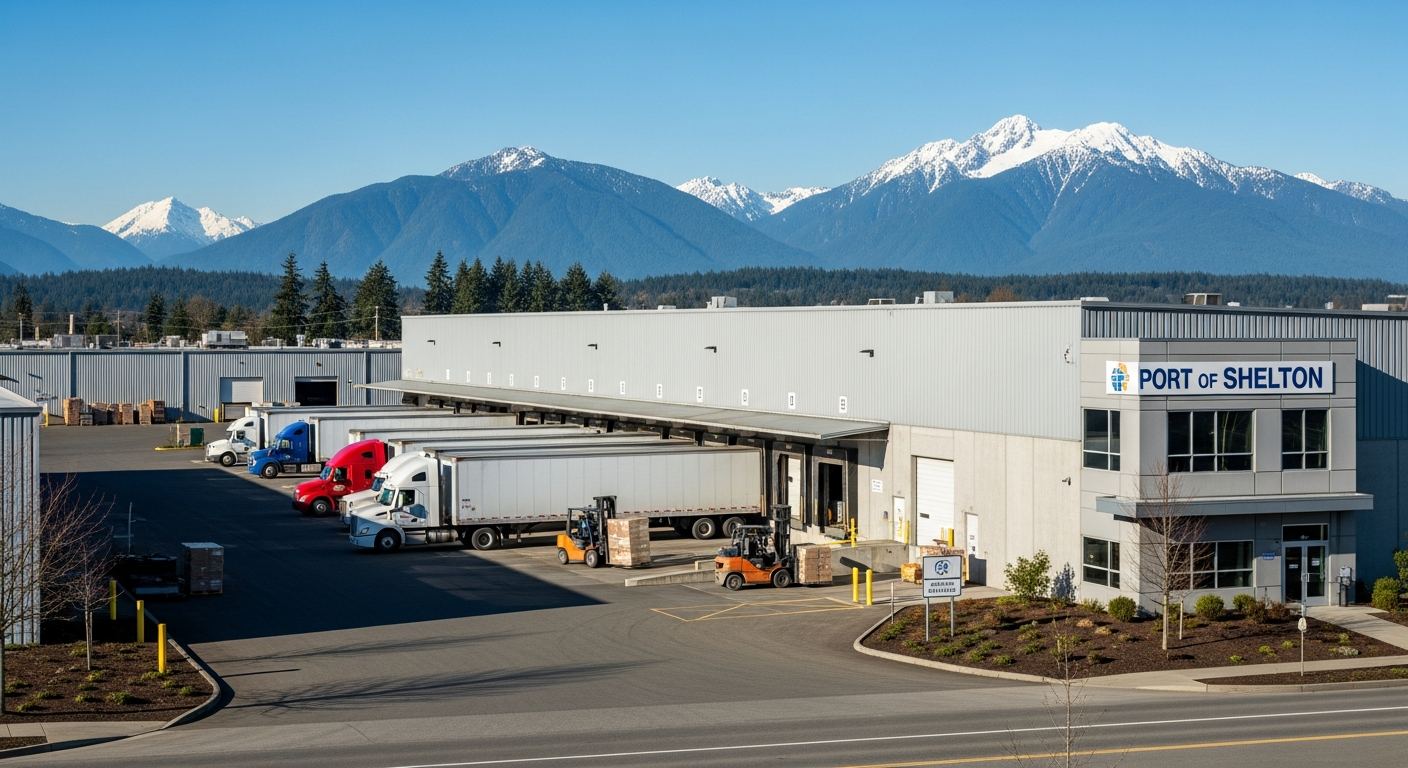
    When Olympic Mountain Ice Cream outgrew its Skokomish Valley production facility, the company didn’t move out of Mason County. It moved to the Port of Shelton — four times the floor space, a loading dock, reliable power, and a location off Highway 101 that solved the flooding and outage risks that had periodically interrupted production. The move was funded in part by a $1.75 million low-interest loan through the Washington State Community Economic Revitalization Board. That combination — Port infrastructure plus state economic development capital — is available to other Mason County businesses, not just ice cream manufacturers.

    What the Port of Shelton Offers Local Businesses

    The Port of Shelton is a public port authority serving Mason County’s industrial and commercial development needs. Located off U.S. Highway 101 near Shelton’s industrial corridor, the Port owns and manages industrial warehouse space, commercial properties, and development parcels that it makes available for lease or partnership arrangements with businesses looking to expand, relocate, or establish operations in the county.

    Olympic Mountain Ice Cream’s new home is an 11,500-square-foot Port-owned warehouse at 130 W. Corporate Drive, renovated specifically for food production and retail operations under a formal Port Commission resolution approving the CERB partnership. The Port doesn’t simply provide space — it can act as the applicant and co-investor in public funding mechanisms, as it did here by taking on the CERB application on behalf of the ice cream company.

    For Mason County businesses in manufacturing, food production, light industrial, or distribution operations that have outgrown their current space, the Port of Shelton is worth a direct conversation. The Port can be reached through the Port Commission office or through the Shelton-Mason County Chamber of Commerce.

    How the CERB Loan Works

    The Community Economic Revitalization Board (CERB) is a Washington State program administered through the Department of Commerce. It provides low-interest loans and grants to support economic development projects in communities across the state — primarily infrastructure, facility improvements, and expansions that create or retain jobs.

    CERB funding is typically applied for by a public entity (in this case the Port of Shelton) on behalf of or in partnership with a private business. The $1.75 million award for the Olympic Mountain Ice Cream project was approved by the Port Commission by formal resolution, with a private investment commitment of at least $1 million from the company and a projected job creation of 17 permanent positions over five years.

    CERB loans are not grants — they are structured as low-interest loans to the public applicant, which then passes the terms to the private partner. The interest rates and repayment terms are significantly more favorable than conventional commercial financing, particularly for capital-intensive projects like facility construction or major equipment installation.

    For Mason County business owners considering expansion projects in the $500,000–$5 million range, CERB is a mechanism worth understanding. Washington State’s Department of Commerce publishes the application requirements and funding cycles; the Shelton-Mason County Chamber and the Port of Shelton can both provide guidance on whether a given project may qualify.

    The Business Succession Pattern Worth Watching

    The spring 2026 business news also included a smaller but equally instructive story: the sale of T’s Café & Espresso to Shelton City Council member Eric Onisko, who reopened it as Tollie’s Café on April 1 without closing a single day of service, retaining all three employees, and keeping much of the menu intact. The only thing that changed substantially was the name — and the name reached for local history rather than corporate branding.

    For Mason County’s small-business owners thinking about succession or exit, the Tollie’s Café model is useful. The seller (Theresa Landsiedel) ran T’s Café for six years; the buyer invested in community character rather than reinvention; the staff retained continuity and employment. That kind of transfer — a going concern passed intact rather than liquidated — is how small-town business ecosystems stay healthy. It also suggests there is a market in Mason County for well-run small businesses with established customer bases and good locations.

    The Bigger Picture: Mason County’s Business Infrastructure

    Both of this spring’s business stories point to the same underlying condition: Mason County has functional public-private infrastructure for business development that is often underutilized by the businesses it’s designed to serve. The Port of Shelton, CERB, the Chamber of Commerce, and county economic development resources don’t require you to be a large company to access. The Olympic Mountain Ice Cream expansion shows what’s possible when a local producer uses those tools deliberately — and the Tollie’s Café transition shows that smaller-scale successions are happening too.

    The county’s next major business calendar event is the 2026 Expo & Bite of Mason County, scheduled for Friday, July 17 on Railroad Avenue in Shelton — a good venue for connections across the local business community.

    Frequently Asked Questions — Mason County Business Expansion Tools

    What is the CERB program and how does it help Mason County businesses?

    CERB — the Community Economic Revitalization Board — is a Washington State program providing low-interest loans and grants for economic development projects. Mason County businesses typically access CERB through a partnership with a public entity like the Port of Shelton, which acts as the applicant. Olympic Mountain Ice Cream’s $1.75 million CERB loan, approved through the Port, is a recent example.

    What kind of space does the Port of Shelton have available?

    The Port of Shelton manages industrial and commercial properties in Shelton’s industrial corridor off Highway 101. Olympic Mountain Ice Cream’s new facility is an 11,500-square-foot warehouse at 130 W. Corporate Drive. Contact the Port Commission directly or through the Chamber of Commerce for current availability and lease terms.

    How many jobs is Olympic Mountain Ice Cream expected to create?

    The Olympic Mountain Ice Cream expansion at the Port of Shelton is projected to add 17 permanent jobs over five years, based on CERB application projections. Private investment in the project is at least $1 million in addition to the $1.75 million CERB loan.

    Is the Port of Shelton only for manufacturing businesses?

    The Port primarily focuses on industrial, manufacturing, and commercial development — the types of businesses that benefit from loading docks, warehouse space, and Highway 101 access. Retail and service businesses typically operate in downtown Shelton or other commercial corridors rather than the Port’s industrial area, though mixed-use development (like OMIC’s production + retail format) can work at Port-owned sites.

    Where can Mason County small businesses get help with expansion planning?

    The Shelton-Mason County Chamber of Commerce is a good first contact. The Port of Shelton Commission can discuss facility availability. Washington State’s Department of Commerce administers CERB and other economic development programs with published application guidance. The Mason County Economic Development Council also tracks business development resources.

    For the full spring 2026 business story, see New Ownership, New Digs: Mason County Businesses Make Spring Moves. For the earlier deep-dive on the CERB loan, see What Is CERB? How Washington State’s Economic Development Loan Program Helped Bring Olympic Mountain Ice Cream to the Port of Shelton. For the jobs angle, see Mason County Jobs and Employers: Economic Guide.