
Last refreshed: October 20, 2026
Two Cowork capabilities that haven’t been written about here yet, despite being live since late April: Cowork Routines (always-on scheduled tasks that run when your laptop is closed) and Windows computer use (Claude operating your Windows desktop directly from within Cowork). Both shipped in the April 28–30 window alongside the Claude GA release. Both materially change what Cowork is.
Cowork Routines: The Laptop Can Be Closed
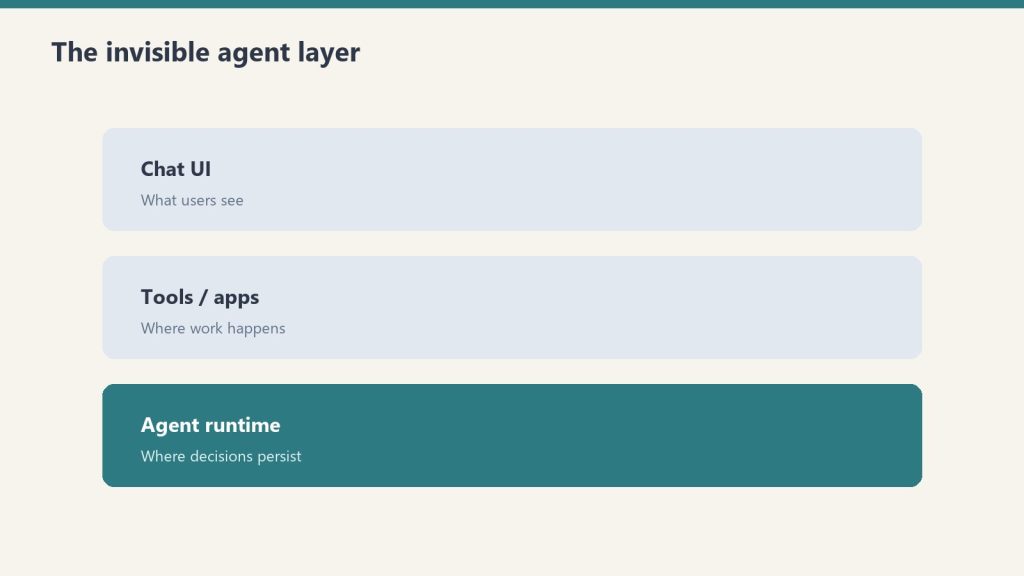
The original Cowork model required your laptop to be open and the Cowork desktop app to be running. Useful — but bounded by your hardware being available and powered on. Cowork Routines changes that.
Routines are cloud-hosted scheduled tasks that execute on Anthropic’s infrastructure regardless of your local hardware state. They run on a schedule you define. They execute when your laptop is off, sleeping, or in your bag on a plane. The task runs, the output lands where you configured it to land, and when you open the laptop you find the work done.
The practical scope of what runs well as a Routine:
- Daily briefings: Pull sources, synthesize, write to Notion or email — delivered before you open your laptop each morning
- Monitoring tasks: Check a source on a schedule, flag anomalies, log findings
- Content pipeline steps: Recurring publication tasks, social scheduling prep, site audit runs
- Report generation: Weekly status documents assembled from live data sources
- Notification triggers: Watch a condition, fire an action when it’s met
We run our own Claude Newspaper Desk — a daily briefing that checks Anthropic’s news, release notes, GitHub releases, and external coverage, then writes a structured briefing to Notion before we start the day. That’s a Routine. The briefing that generated this article was produced by a Routine running on a schedule, not by someone manually triggering a task.
The architectural decision that makes Routines significant: the task reads its instructions from a Notion desk spec page at runtime, not from a baked-in prompt. Change the Notion spec, change what the Routine does — without touching the scheduled task itself. The shim file that triggers the Routine is thin by design; the intelligence lives in Notion.
Windows Computer Use: Claude Operates Your Desktop
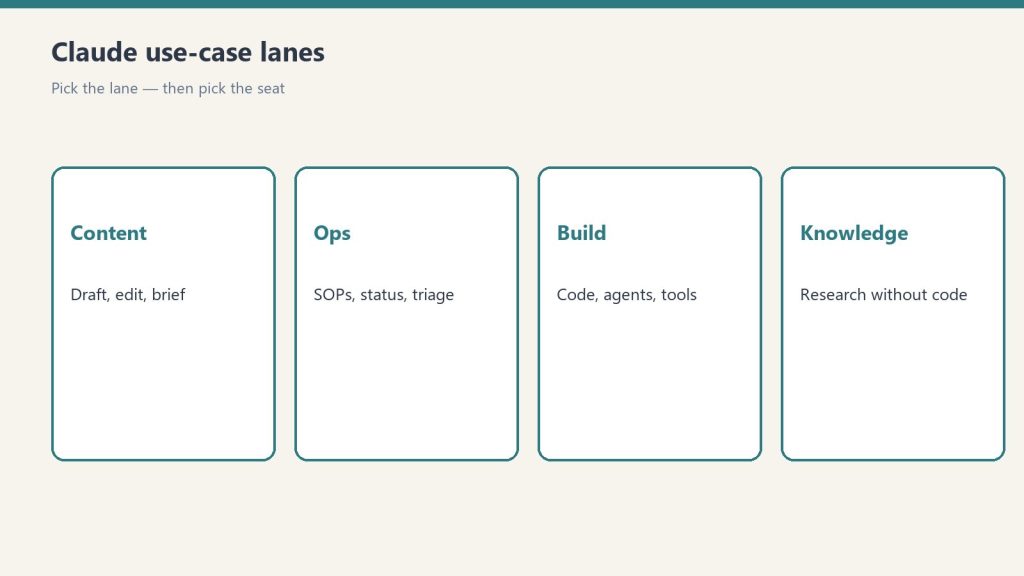
Computer use in Claude — the ability for Claude to navigate desktop interfaces, click through UI, fill forms, and verify results — was previously available primarily in research preview and on macOS. The April 2026 Cowork release brought computer use to Windows as a generally available capability within the Cowork desktop app.
What this means in practice: Claude can open a native Windows application, navigate its interface, perform a sequence of actions, and hand the result back — without you needing to automate it through code or build an API integration. If there’s a tool that only has a Windows UI and no API, Claude can use the Windows UI directly.
The current state of computer use is honest about its scope. It’s good at:
- Navigating well-structured desktop applications with clear UI hierarchies
- Form completion across multiple-step workflows
- Data extraction from desktop tools that don’t export well
- Verification steps that require visual confirmation
It’s slower than direct API integrations when those exist. For tools with APIs, use the API. Computer use is the path when no API exists or when the integration cost exceeds the value of doing it properly.
The combination of Routines + Windows computer use means a scheduled task can now include a step that operates a Windows desktop application — unattended, while your laptop is running in the background. That’s a meaningfully different capability than what Cowork shipped with originally.
How We’re Using Both
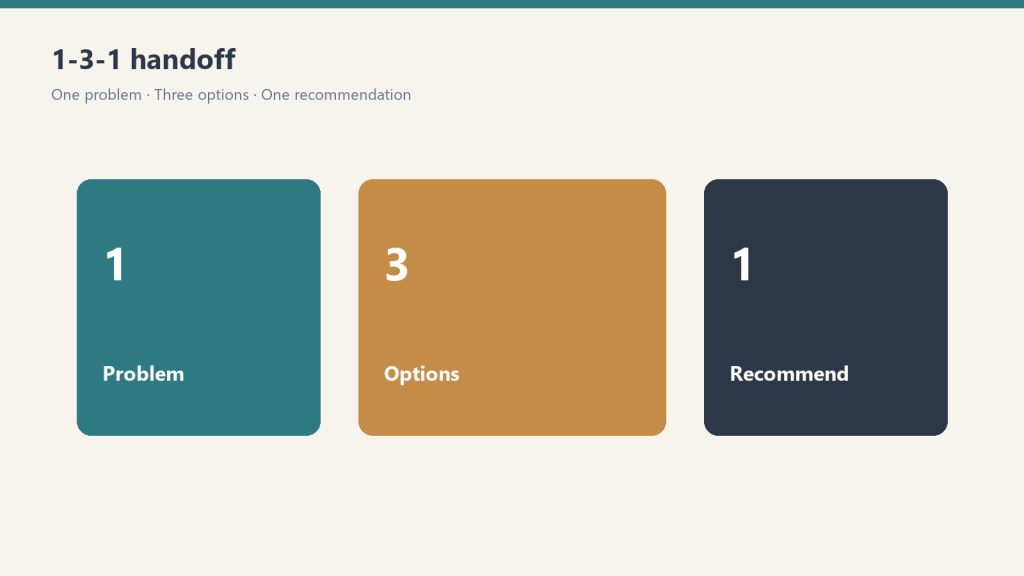
Our Cowork architecture as of May 2026:
- Cowork as execution layer — always-on laptop running scheduled tasks
- Notion as control plane — desk specs, task queues, logs, and credential storage
- GCP Cloud Run as action layer — WordPress publishing, API calls, content pipeline steps
- Claude Code Routines as cloud fallback — tasks that need to run independent of local hardware
Routines handle the tasks where continuous availability matters more than local context: briefings, monitoring, scheduled publishing. Cowork handles the tasks where rich local context matters: multi-step sessions with file access, browser navigation, and tools that live on the local machine.
The practical division: if the task needs to run at 3am when the laptop is sleeping, it’s a Routine. If the task needs to interact with local files, a browser session, or a Windows app, it’s Cowork.
The Non-Developer Angle
Neither of these capabilities requires you to be a developer to use. Routines are configured through the Cowork interface with natural language task descriptions and a schedule. Computer use activates through the same conversational interface you’re already using.
The architecture underneath is sophisticated. The interface isn’t. You describe what you want done and when, and the system figures out the implementation. This is the progression that makes these capabilities meaningful for operations teams, executive assistants, knowledge workers, and small business owners — not just engineers building agent pipelines.
Singapore’s Foreign Minister Balakrishnan built his own version of this on a Raspberry Pi. The point isn’t to build your own — it’s that the underlying architecture (persistent memory, scheduled tasks, multi-channel input) is now accessible at multiple layers of sophistication, from DIY open source to fully managed product.
Related on Tygart Media: Claude Routines · Claude Cowork · Cowork task scheduling.
Frequently Asked Questions
What are Cowork Routines?
Cowork Routines are cloud-hosted scheduled tasks that run on Anthropic’s infrastructure regardless of whether your local Cowork laptop is on or available. They execute on a schedule you define — daily, weekly, or at specific times — and can perform any task Cowork handles: briefings, monitoring, content pipeline steps, report generation, and notification triggers. Each Routine reads its instructions from a Notion desk spec at runtime.
Does Windows computer use require coding to set up?
No. Computer use in Cowork activates through the standard conversational interface. You describe what you want Claude to do in the application, and Claude navigates the Windows desktop UI directly. No scripting, automation code, or API integration is required — though API integrations are faster when they exist. Computer use is the path for tools with no accessible API.
What’s the difference between Cowork and Cowork Routines?
Cowork runs on your local machine and requires the desktop app to be open and active. Routines run on cloud infrastructure and execute regardless of local hardware state. The practical division: tasks that need to run unattended on a schedule go to Routines; tasks that need local context, file access, or desktop UI interaction go to Cowork. Both read task instructions from Notion desk spec pages at runtime.
Is Cowork available on both Mac and Windows?
Yes. Cowork and computer use are available on both macOS and Windows as of the April 2026 general availability release. The Windows release also established PowerShell as the default shell (previously Git Bash was required), reducing a friction point for enterprise Windows shops.
Get The Signal
What we actually ran, what it measured, and what it means for a restoration shop — every week, including the flops.
Leave a Reply