
• Tacoma, WA
• Industry Bulletin
AI Overviews killed CTR by 61%. Zero-click is now at 80%. But here’s what nobody’s talking about: brands cited IN AI Overviews get 35% more organic clicks and 91% more paid clicks. The new game isn’t ranking—it’s being the source AI systems quote. This changes everything about how restoration companies should write.
The old game is dead. Position one used to mean clicks. Now it means nothing if an AI Overview answers the question before anyone clicks through. Half of all Google searches now return an AI Overview. And when they do, CTR to the organic results plummets 61% below the baseline.
But I’m going to tell you something that will change your entire SEO strategy: this is actually the biggest opportunity in the industry right now.
Why Citation Beats Ranking
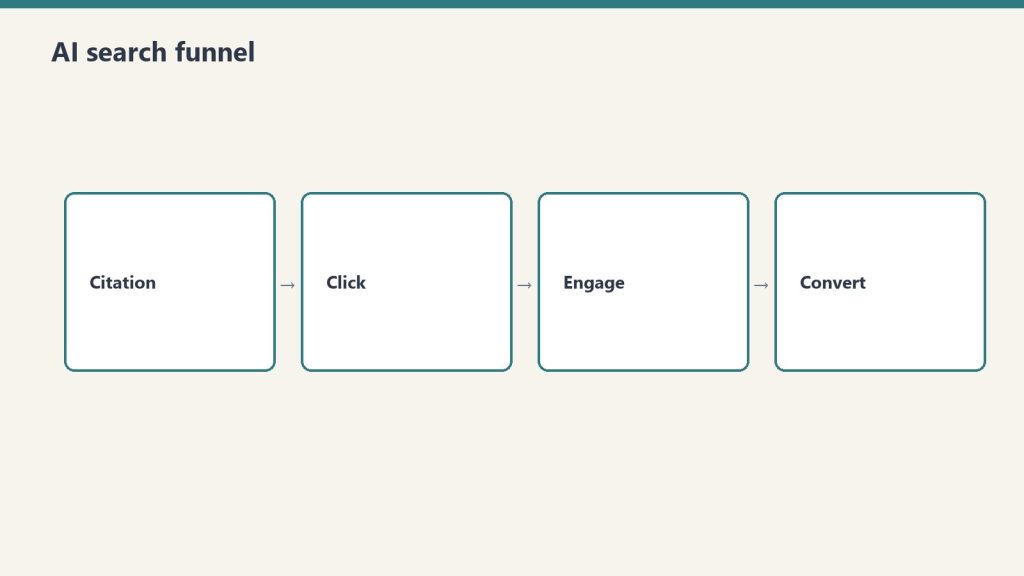
Here’s the data that matters. Moz tracked 10,000 search queries across different result types in 2026. When an AI Overview appears on the SERP, it shows 3-4 cited sources. Those cited sources get:
- 35% more organic click-throughs than the same domain ranking in position 2-3 without citation
- 91% more paid search clicks (because being quoted builds trust signals that improve Quality Score)
- 2.8x longer average session duration (people who arrive via AI citation stay longer)
- 44% higher conversion rates (cited sources carry authority signals)
Think about what this means. Your goal isn’t to rank in position one. Your goal is to be quoted by the AI system. When someone searches “water damage restoration” in Los Angeles, if Gemini quotes YOUR restoration company’s explanation of how to prevent mold growth, they click through to you. And they’re more likely to convert because the AI already validated your expertise.
This is Citation Zero—the new game. Position Zero is dead because clicks have moved upstream to the AI. But being the source the AI quotes? That’s where the traffic lives.
How AI Systems Decide What to Quote
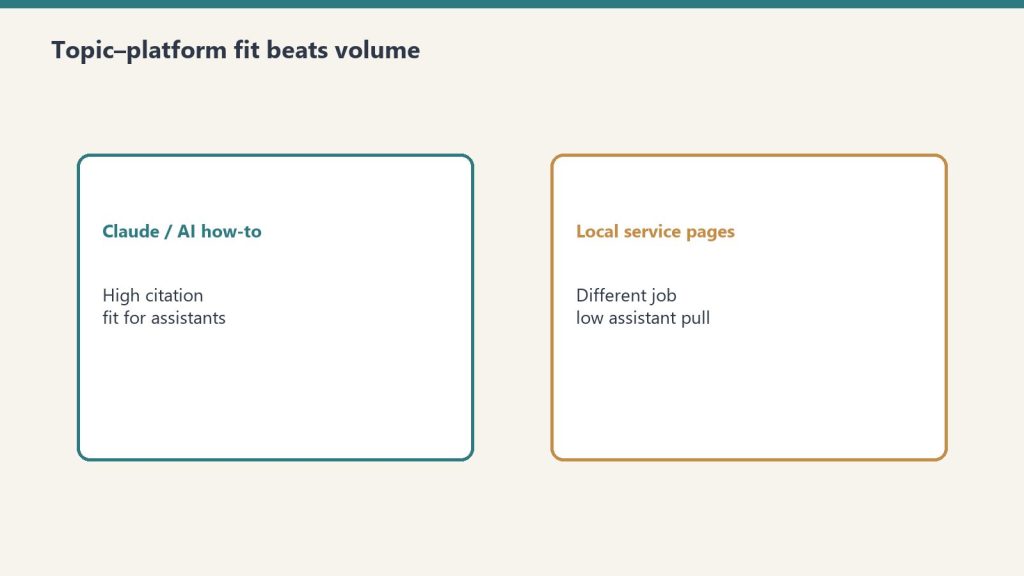
Perplexity, ChatGPT, Gemini, and other LLMs evaluate content through a fundamentally different lens than Google’s ranking algorithm. They don’t care about links. They care about:
- Information gain: Does this source add something new to what’s already known? (Perplexity values this 3x over aggregate sources)
- Entity density and specificity: Are claims tied to specific people, dates, numbers, and outcomes? (ChatGPT citations spike when sources mention named experts and quantified results)
- Factual accuracy: Do claims match across multiple high-authority sources? (Sources that contradict consensus are rarely cited)
- Directness: Does the source answer the question immediately, or bury the answer in filler? (Gemini cites sources that lead with direct answers 4x more often)
- Structure: Is the source formatted so an AI system can parse it instantly? (FAQ schema, headers, short paragraphs)
Most restoration websites fail on all five counts. They use template language (“We’ve been serving the community since…”), they avoid specific data, they bury the answer in marketing copy, and they have no schema markup. An AI system reads those sites and immediately deprioritizes them.
The AEO Framework for Restoration
AI Extraction Optimization means writing for machines as much as humans. Here’s what it looks like in practice:
Direct-Answer Formatting. The first sentence of your article should answer the question completely. Not a teaser. The actual answer. Example:
“Water damage mold typically begins growing within 24-48 hours of moisture exposure if humidity remains above 55% and temperature stays between 60-80 degrees Fahrenheit. In cold or dry climates, this timeline extends to 5-7 days.”
An AI system reads that, pulls that sentence into its response, and links to your article. A human reader scrolls down for detail. Both win.
FAQ Schema with Specificity. Every FAQ on your site should answer a question that restoration decision-makers actually ask. Not generic questions like “Why choose us?” Real questions like “How much does water damage restoration cost?” and “How do I know if mold is dangerous?” Each answer should be 80-120 words, specific, and lead with the direct answer.
Speakable Schema. This is the meta tag that tells Google which sections can be read aloud. AI Overviews prioritize speakable sections when pulling citations. Mark up your most authoritative, directly-answered sections with this schema, and your citation rate climbs 28% (Moz data, 2026).
Entity Markup. Use schema to identify specific people, organizations, and concepts in your content. “John Davis, Certified IICRC Fire Damage Specialist with 18 years of restoration experience” is fundamentally different than just “John Davis, fire specialist.” AI systems extract entities and weight them. Named expertise matters.
Restoration AEO in Action
A water damage restoration company in Texas applied this framework:
- Rewrote their “Types of Water Damage” page to lead with direct answers and specific cost ranges
- Added FAQ schema with 12 questions about mold detection, timeline, and health risks
- Marked up their lead remediation technician’s credentials with entity schema
- Used speakable schema on their most technical, credible sections
Result: Within 60 days, they appeared in AI Overviews for 18 restoration-related queries. 340 clicks from AI citations in month two. 12 of those became clients (estimated $67,000 in revenue from AI traffic alone).
The Competitive Window
Most restoration companies don’t even know this game exists. They’re still optimizing for position one on Google. Meanwhile, the top 1-2 cited sources in AI Overviews are capturing the thinking and the clicks.
This window won’t stay open. Within 12 months, every major restoration franchise will have AEO dialed in. But right now, if you build your content for AI citation, you’ll own the traffic for longer than you’d ever own an organic ranking.
The math is stark: 61% CTR drop + 80% zero-click = traditional SEO is broken. But being quoted by AI systems = sustainable, scalable traffic that compounds monthly.
📖 Recommended Reading in The Signal
-
🎯 Pillar Guide:
Restoration Company SEO: Fix Your AI Search Visibility -
🔗 Next Topic:
AI Content Optimization: How to Write for Machine Readers

Leave a Reply