Direct answer: Real estate agents are a high-frequency referral partner for restoration companies because every home sale passes through a home inspection, and home inspections routinely uncover water damage, mold, failed crawl spaces, roof leaks, and moisture problems that threaten to kill the deal. The agent whose commission is on the line needs a restoration company that can be on site in twenty-four hours, produce a scope and a remediation timeline that fits inside the closing window, and deliver clearance documentation that the lender, the buyer’s agent, and the underwriter will all accept. That’s the entire job. Most restoration companies have never built a realtor program designed around the closing clock — and the one that does becomes the default in a fifty-agent brokerage before anyone else figures it out. RESPA and state-specific rules restrict how referral compensation works between real estate and settlement-service providers, so the program has to be built on speed and documentation, not cash.
Real estate agents look like an easy referral channel from the outside. They meet new homeowners every week. They have client lists. They go to networking events. Every restoration company’s marketing director has at some point said “we should work with realtors.” Very few companies ever build anything durable out of that intent.
The reason is that the realtor channel runs on a different economic clock than any other trade in this series. A plumber’s referral is triggered by a water event; your job is to arrive fast and remediate. A property manager’s referral is triggered by a tenant complaint; your job is to respond and document. A realtor’s referral is triggered by a deal that is about to fall apart — and the clock isn’t three days, it’s often seven or fourteen. If you can’t work inside that clock with scope, price, and documentation that lets the lender and the underwriter approve the loan, the commission goes away, the agent finds somebody who can, and you are never called again.
This article is the operational view of how real estate agents actually make money, how and why restoration work gets discovered during a transaction, why most restoration-to-realtor referral programs fail, and the specific ninety-day program to become the restoration company a brokerage calls when a closing is on the line. It is the ninth article in The Restoration Operator’s Playbook partner-industries series.
How a Real Estate Agent Actually Makes Money
Understand their economics or don’t walk in their door.
The commission structure. Agents earn commission on each transaction they close. Historically this was a single listing-side commission negotiated by the seller (typically 5–6 percent of sale price) and split between the listing brokerage and the buyer-side brokerage, with each brokerage then splitting with its agent. Recent NAR settlement changes (2024 rule changes) have restructured buyer-agent compensation in many markets, but the underlying math is similar: total agent-side compensation on a typical U.S. transaction runs 4–6 percent of sale price, split between listing side and buyer side, and then split again between brokerage and agent.
Get The Signal
What we actually ran, what it measured, and what it means for a restoration shop — every week, including the flops.
Brokerage splits and caps. Newer brokerages run 85/15 (agent/brokerage) with low annual caps — REAL, eXp Realty. Traditional franchise brands like Century 21 run 70/30 on starter plans, 90/10 on top plans. Keller Williams runs a 64/30/6 model (agent/market center/KWRI) with a variable annual cap. Boutique and independent brokerages vary widely. Top producers on capped models hit their cap mid-year and keep 100 percent of every additional commission until year-end. This is why top agents work volume aggressively — every closing after the cap is pure take-home.
What an agent actually nets. On a $400,000 home with a 5.5 percent total commission, the gross commission pool is $22,000. Split between listing and buyer sides, each side gets $11,000. After a 70/30 brokerage split, the agent receives $7,700. After desk fees, marketing costs, MLS fees, and self-employment tax, the net is closer to $5,000–$6,000. That number matters because it tells you exactly why a deal that falls apart over a $4,000 mold scope feels like a personal crisis to the agent.
Typical agent volume. The median U.S. agent closes roughly 10 transactions per year. Top producers close 40–200+ per year. A mid-career full-time agent in a healthy market closes 15–25. A team lead running a 5-agent team closes 50–150.
The time pressure. Typical closing timeline from contract to close is 30–45 days. Inspection and due-diligence window is usually days 7–14 of that window. Any restoration scope uncovered at inspection must fit inside the remaining 20–35 days — and the lender’s underwriter usually wants clearance documentation in hand at least 5–7 days before closing. That leaves 15–28 days of practical working time. Often less.
The operational engine. Most agents work out of a brokerage or a team. Day to day they live inside the MLS, a CRM (kvCore, BoomTown, Follow Up Boss, Lofty, Chime), a transaction-management platform (Dotloop, Skyslope, DocuSign Transaction Rooms), and Zillow/Realtor.com/Redfin lead flow. Their inspector, lender, title officer, home warranty company, and handful of trade vendors form a loose network they call on every transaction. Your name either gets into that loose network or it doesn’t.
How Real Estate Agents Acquire Business
Understanding where an agent’s business comes from tells you what they need from you.
Sphere of influence. 60–80 percent of top-agent business comes from past clients, referrals, and personal network. Agents who have been in business five-plus years run on this almost exclusively.
Open houses and farming. Door-knocking, direct mail, and open-house prospecting — declining but still active. Newer agents rely on these more.
Online leads. Zillow Premier Agent, Realtor.com leads, Redfin Partner, and various paid-lead platforms. Expensive per lead, converting at low rates, but filling the top of the funnel for volume agents.
Team-generated leads. Agents inside teams receive leads the team pays to generate, typically on a 50/50 split with the team lead. This is a fast path for newer agents.
Referral partners. Lenders, title companies, home inspectors, moving companies, warranty providers, and service trades. This is where you sit — or want to sit.
Brokerage and franchise brand. Brand signals matter less than they used to, but still a factor.
The takeaway: an agent’s business runs on trust and speed. They send referrals to vendors who protect their deals and make them look competent to their clients. They stop sending referrals to vendors who blow up deals or embarrass them.
Why the Realtor Channel Runs on a Different Clock Than Any Other Trade
This is the strategic hinge of the article.
Every other partner industry in this series operates on an event-driven or recurring-revenue clock:
- Plumber: water event, response now, you mitigate, customer repairs later
- HVAC: equipment service or install, discovery happens incidentally
- Property manager: dispatch now, close the ticket, repeat
- Pest control: quarterly route, recurring calendar
- General contractor: demo uncovers damage, project pauses, you mitigate, rebuild resumes
The realtor clock is different. It’s a deal clock — thirty days from contract to close, minus days already burned, minus the lender underwriter’s buffer at the end. By the time you get the call, there might be fifteen days of working time left to:
- Visit the property
- Produce a scope
- Negotiate who pays (seller, buyer, or credit at closing)
- Execute the work
- Deliver clearance documentation
- Get the lender to accept the clearance
- Close the deal
If you can’t run that entire sequence inside the window, the deal dies, the agent loses the commission, the buyer loses the home, the seller loses the sale, and your phone never rings from that agent again.
Everything about the program has to be built backwards from that clock:
- Twenty-four-hour site visit
- Scope delivered inside 48 hours
- Flat-rate or unit pricing the parties can agree on without negotiation
- Work executable inside 3–5 working days for standard scopes
- Clearance documentation that lenders and underwriters accept
- Communication with the agent, the inspector, the lender, and title happening in parallel
The restoration company that builds this program is scarce. The realtors who find one talk about it for years.
The Six Transaction Moments Where Restoration Work Gets Discovered
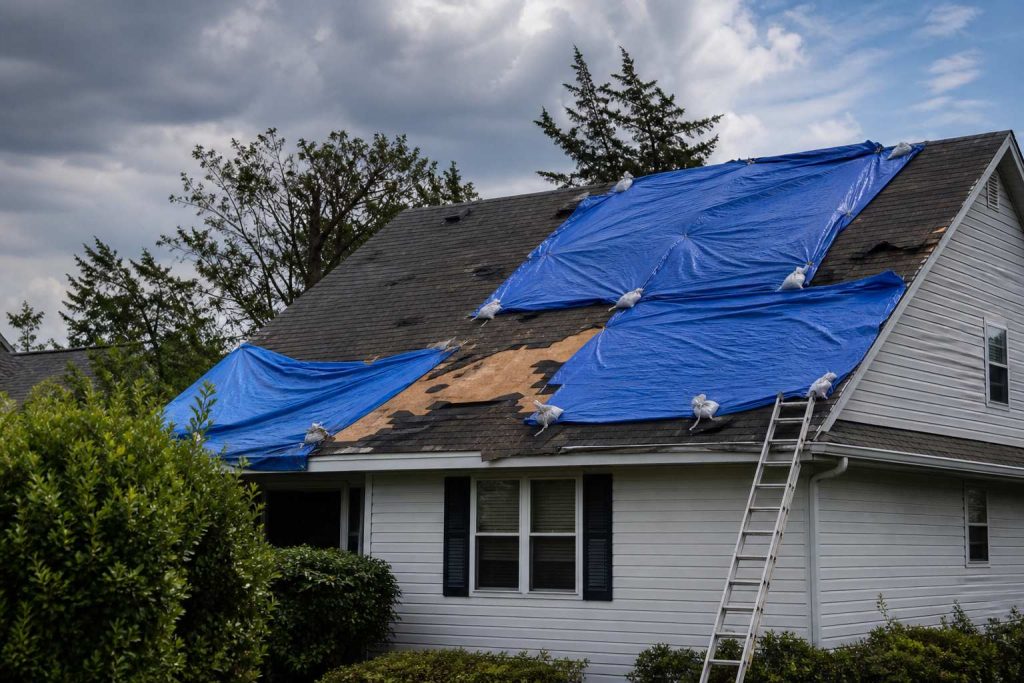
Moment 1: The home inspection during due diligence. Days 7–14 of escrow. The buyer’s inspector produces a report flagging mold in the basement, water stains on the ceiling, elevated moisture readings, or failed crawl-space vapor barrier. The buyer’s agent brings the report to the listing agent. Negotiation starts immediately. This is the single highest-frequency and highest-stakes moment in the channel.
Moment 2: The specialized mold, radon, or moisture inspection. Many markets see specialized inspections triggered by the general inspector’s findings. Positive mold test, elevated moisture, confirmed water intrusion. These drive a second round of scope negotiation and tighten the timeline because they typically arrive on days 10–14.
Moment 3: The pre-listing walkthrough. Listing agent walks a seller’s home before taking it to market and sees obvious moisture issues — stained baseboards, musty basement, bath fan venting into the attic. A smart listing agent recommends remediation before the home hits the market, because a clean disclosure and a pre-listing clearance letter protects the seller from downstream disputes and supports a stronger listing price.
Moment 4: The lender-required repair at underwriting. The underwriter reviews the appraisal, sees a note about moisture or mold, and requires repair-and-clearance as a condition of the loan. This happens on days 25–35 of escrow. The clock is tighter than any other scenario.
Moment 5: The post-closing discovery within the first year. Buyer moves in, discovers water damage the seller did not disclose, and calls the agent. The agent wants to protect the relationship and avoid being named in a disclosure dispute. You become the remediation company, and often the documentation expert the agent points to when the attorney gets involved.
Moment 6: The investor rehab or flip. Real estate investor-clients of the agent buy a distressed or storm-damaged home. The restoration scope is large and the rebuild is larger. Flip investors operate on faster clocks than owner-occupants — sometimes 7–10 days from possession to restoration complete.
Train your intake and your sales conversations around these six moments. Every referral, agent script, and rate sheet should map to one.
Why Most Restoration-to-Realtor Referral Programs Fail
1. Building the program around the agent, not the deal clock. Restoration companies who spend marketing budget on realtor happy hours, broker lunches, and branded swag without ever engineering a 72-hour turnaround scope-and-clearance process are paying for goodwill they can’t cash. The realtor remembers your logo but doesn’t call you when a deal is on fire because you haven’t proven you can save it.
2. Variable pricing that can’t be negotiated inside a day. If your price on a standard basement mold remediation varies by $3,000 depending on how the estimator felt, the agent can’t use your scope in a repair-credit negotiation. The deal stalls. You have to publish a rate sheet the parties can work with inside an hour.
3. Clearance documentation that lenders reject. If your closeout package doesn’t include third-party clearance sampling where required, signed inspection reports, photo documentation, and protocol narratives that underwriters will accept, you might finish the work on day 20 and still watch the deal blow up on day 35 because the bank won’t clear to close. This has to be resolved on the front end, not argued in the final week.
4. RESPA violations in the referral compensation structure. The Real Estate Settlement Procedures Act prohibits fee-for-referral arrangements between real estate agents and “settlement service providers” on federally related mortgage transactions. State real estate commissions layer additional rules on top. Restoration remediation services on a home sale can fall inside the settlement-service definition depending on the state. Offering a referral fee to a realtor in exchange for the mold job on a transaction is a regulatory risk for both of you, and it’s also usually against the brokerage’s internal policy. The safe default: no cash referral fees on transaction-driven work.
5. Competing with the agent’s own handyman or contractor network. If the agent already has a trade vendor they like who handles smaller moisture issues and you show up pitching full-service restoration, you’re replacing a relationship. Better to position yourself specifically as the fast-turnaround remediation-with-clearance specialist for the scopes the agent’s handyman can’t handle — IICRC-certified scopes, third-party sampling, lender-accepted documentation.
6. Treating the listing agent and the buyer’s agent the same. Their incentives are different. The listing agent wants the seller’s disclosure to be clean and the deal to close at list price. The buyer’s agent wants the repair credit or the price concession to protect their client. The restoration scope you produce lands differently depending on which side of the table. Knowing which agent is driving the call — and which side of the negotiation you’re helping — matters for every conversation.
Ten Operational Disciplines for a Realtor Referral Channel That Works
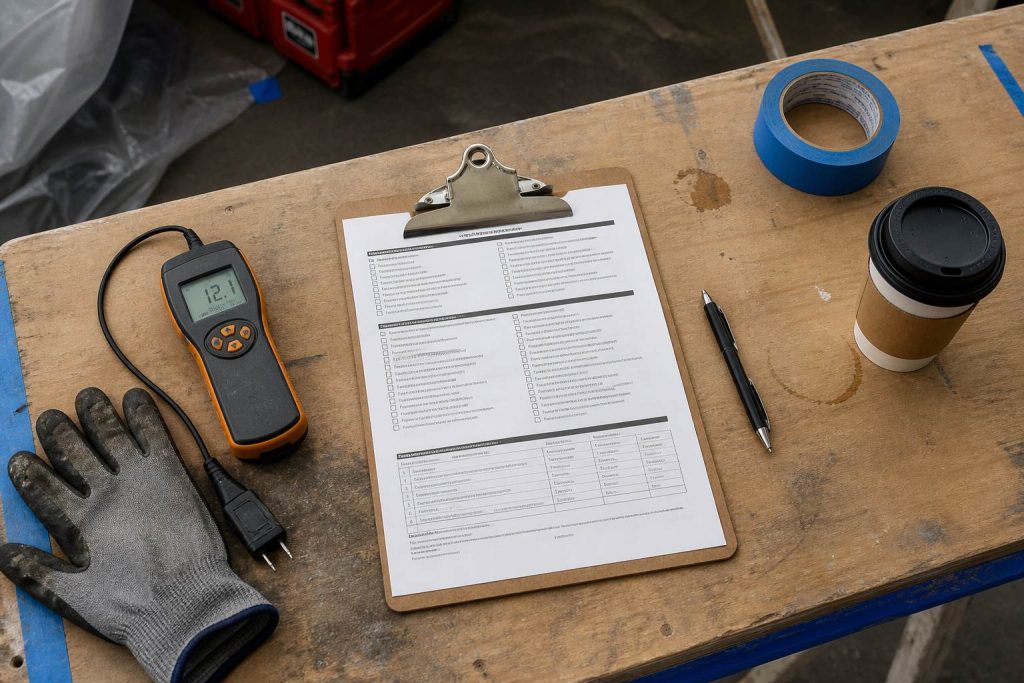
1. Published rate sheet for the ten most common transaction scopes. Basement mold (small, medium, large square footage bands). Crawl-space mold and vapor barrier replacement. Attic mold. Bathroom mold behind drywall. Moisture mapping with report. Kitchen-area water damage. Flooring water mitigation. Attic rodent-contaminated insulation removal. HVAC sanitization. Clearance-sampling-only. Rate sheet emailed to every agent partner. Updated annually.
2. 24-hour site visit commitment, 48-hour scope delivery. Written into every agent communication. This is the promise that earns the relationship.
3. Clearance-documentation package built to lender standards. Third-party mold sampling where scope requires, laboratory results with chain of custody, protocol narratives, moisture readings, photo documentation, signed certificate of completion. Delivered as a single PDF acceptable to underwriters.
4. Dedicated intake line for transaction-driven work. Agents and inspectors call one number, get a human inside three rings. Intake is trained to recognize deal-clock urgency and triage appropriately.
5. Named account manager who knows transaction terminology. “Repair credit,” “seller concession,” “due-diligence period,” “clear-to-close,” “option money,” “earnest money,” “lender-required repair.” Your point of contact for realtors uses their vocabulary fluently.
6. Relationships with home inspectors in your market. Home inspectors are the upstream source of every transaction-driven referral. Get to know the top 5–10 inspectors in your market, host them for IICRC-topic education sessions, and make yourself the name they mention when they spot moisture during an inspection.
7. Pre-listing consultation program. Free 30-minute consultation for a listing agent’s seller clients who have moisture concerns before the home goes to market. Catches issues early, makes the remediation routine instead of panic work, and gives the agent a service they can offer as part of their listing presentation.
8. Co-branded seller disclosure package. Short one-pager the listing agent can include in the seller’s property disclosure: “Mold remediation performed by [your company] on [date], clearance report attached.” Professional, useful, protects the seller and the agent.
9. Brokerage-level education without a sales pitch. Offer to teach a 45-minute class at the brokerage on “how water damage and mold issues get resolved during escrow.” Technical, useful, free. Works at almost every mid-sized brokerage. Build a rotating class calendar and hit six brokerages a year.
10. Never discuss referral compensation. Full stop. If an agent asks what you pay for referrals, you answer: “We don’t do referral compensation — we’re focused on making sure your deals close on time with documentation that holds up to the lender. That’s the value you get from working with us.” It’s the only safe answer.
The Two-Way Reciprocity Model for Realtors
Reciprocity in the realtor channel looks different than any other trade because of RESPA.
Flow 1: Realtor → restoration. Agent calls you with a transaction-driven scope. You respond in 24 hours, produce the scope, execute the work, deliver clearance inside the window. The agent’s deal closes.
Flow 2: Restoration → realtor, through customer introductions. When a restoration client of yours mentions they’re planning to sell, move, or buy, and you know which agent partner serves their area and price point, you make a warm introduction — “[agent name] is an excellent agent in that market, I’ve worked with them on several transactions.” No fee, no kickback, no tracking of who closed whom. The agent earns the business through their own skill. You’re just the person who made a professional introduction. This is legal everywhere.
Flow 3: Joint education for agents and their clients. Co-branded content for the agent’s listings — “moisture and mold essentials for home sellers,” “how to prepare your home for inspection,” “what an inspection report actually means.” Lives on the agent’s website, on yours, in their listing packets. You get mental real estate with every seller the agent represents. They get useful content for their marketing.
Flow 4: Inspector introductions. Inspectors refer to both realtors and restoration companies. Being the restoration company a top inspector trusts means the agent gets your name three times — once from the inspector, once from another agent who worked with you, once from the lender or title officer who saw your clearance documentation on a prior deal. Compounding mental real estate is the durable output of an aligned channel.
Track the channel on referrals in and introductions out. If you’re getting ten deals a year from an agent and you’ve never introduced them to a restoration client selling their home, the relationship is one-sided and probably won’t survive the next market cycle.
The Ninety-Day Realtor Partnership Program
Week 1: Target selection. Identify the top 20 producing agents in your service area by transaction volume. Identify the top 5 team leads. Identify the top 5 home inspectors. Identify the top 3 mid-to-large brokerages that dominate your market.
Week 2: Rate sheet finalization. Build the ten-scope rate sheet. Have it reviewed internally. Print it clean. Email-ready PDF.
Week 3: Clearance package template finalization. Build the lender-ready clearance package template. Walk it through with a loan officer at a local mortgage company to confirm it meets underwriter expectations. Adjust.
Week 4: Inspector outreach first. Before you approach agents, meet with three home inspectors in your market. Coffee, 30 minutes, bring the rate sheet. Ask what they see during inspections, what scopes they flag most, what restoration companies they currently recommend when they see moisture. Offer to be the name they mention on the next finding.
Week 5: First brokerage class booked. Pick one brokerage. Offer a 45-minute class on “how water and mold issues get resolved during escrow.” Provide coffee and breakfast. Teach, don’t sell.
Week 6: First transaction call handled. By now a first referral should be in motion from either the inspector outreach or the brokerage class. Execute with the 24-hour-visit, 48-hour-scope, clearance-documentation standard. Deal closes on time.
Week 7: Debrief with the agent. Fifteen-minute call. What worked? Anything they wished went differently? Did the lender accept the clearance without friction? These are the questions that improve the program.
Week 8: Second brokerage class booked. Different brokerage. Same content, refined.
Week 9: Pre-listing consultation program launched. Email to the 20 target agents introducing the free pre-listing mold/moisture consultation for seller clients. Track how many take you up on it.
Week 10: Inspector education event. Host 4–6 inspectors for a half-day IICRC-content session. Not a sales event — a technical session. They leave smarter, and you become the company they recommend when they find moisture.
Week 11: Clearance package refinement. By now you’ve delivered 3–8 clearance packages. Review what worked, what lenders questioned, and refine. Update the template.
Week 12: Quarterly business review internally. Measure the channel. Referrals per agent, close-on-time rate, brokerage classes delivered, inspector relationships active. Plan Q2.
By day ninety, you should have two to three brokerage classes delivered, three to five inspector relationships active, ten to twenty agents aware of you, five to ten transaction-driven jobs executed, and a clearance-documentation track record that agents and inspectors will remember.
Where to Start This Week
- Build the ten-scope transaction rate sheet before calling anyone.
- Walk the clearance-documentation template through a loan officer for lender acceptance review.
- Identify the top three home inspectors in your market by reputation — inspectors are your upstream.
- Pick one brokerage to offer a class at. Email the sales manager.
- Decide who on your team owns the realtor channel. Must be someone fluent in transaction language and comfortable under deal-clock pressure.
- Draft the co-branded seller disclosure one-pager for listing agents.
- Read RESPA Section 8 and your state’s real estate commission rules on referral compensation. Not the summary — the statute.
If you’re stuck on step one, the rate sheet alone will put you ahead of nearly every competitor in your market. Realtors and inspectors don’t get unit pricing on mold and moisture scopes. Handing them one makes you the professional.
Where This Article Fits in the Larger Playbook
This is the ninth article in The Restoration Operator’s Playbook partner-industries series. The documentation discipline here builds on the adjuster relationship strategy and the general contractor partnership. The clearance-package standards echo the property manager partnership. The upstream-discovery thinking pairs with the pest control partnership and the carpet cleaner partnership. For the first-call trades that often feed the inspection findings that land on an agent’s desk, see plumbers and HVAC. For the reputational and organic groundwork that makes agents remember your name outside a live deal, revisit organic asset vs paid rent.
Next in the queue: pool and spa service, roofers, appliance installers.
Frequently Asked Questions
Can I pay a realtor a referral fee on a transaction-related restoration job? Generally no. The Real Estate Settlement Procedures Act (RESPA) Section 8 prohibits fee-for-referral arrangements between real estate brokers and settlement service providers on federally related mortgage transactions. State real estate commissions add their own rules, many of which extend the prohibition further. Restoration services that are part of closing the sale — mold remediation, water damage work, clearance documentation — often fall inside the settlement-service definition. The safe default is no cash referral fees on transaction-driven work. The channel runs on speed, documentation, and closing deals on time, not on referral payments.
What about a listing agent bonus for remediation performed before the home goes to market? Pre-listing remediation performed before a property is under contract and before any settlement-service relationship exists may fall outside RESPA in some interpretations, but state real estate commission rules often still restrict agent compensation from vendors. The safest and simplest posture is the same as on transaction-driven work: no cash compensation. Agents who value you will refer you because you make their listings cleaner, not because you pay.
How fast can a typical mold or moisture remediation actually close a deal that’s on the clock? Standard scopes — isolated areas under 100–200 square feet, no structural work, straightforward clearance sampling — can move from initial visit to clearance-in-hand in 5–8 working days. Larger scopes or scopes involving structural drying, slab work, or significant demo can run 10–20 working days. The variable is clearance — if you’re using third-party sampling, lab turnaround adds 2–5 days. Build your agent conversations around realistic timelines from day one, not optimistic ones.
Who pays for the restoration when it’s discovered at inspection? Negotiated between buyer and seller. Common outcomes: seller pays and completes remediation before closing, seller credits buyer at closing and buyer handles remediation after, split cost, price concession with buyer handling remediation, or deal falls apart. The agent on either side uses your scope document as the basis for that negotiation. If your number is clean and your timeline is firm, the negotiation resolves faster and the deal survives.
Should I try to get preferred-vendor status at a brokerage? Few mid-market brokerages maintain formal preferred-vendor status for restoration; it’s more common for lenders, title, and home warranty. What you can earn is informal default status with a cluster of agents inside a brokerage — the name everyone at that office mentions when a mold issue lands on a deal. The ninety-day program is how you build that default status. Formal preferred-vendor programs when they exist often have compliance gates (insurance, references, sometimes fees) similar to the property manager prequal process.
How is this different from the property manager partnership? Property managers produce recurring dispatch volume on their managed doors. Realtors produce episodic deal-clock volume tied to transactions. A property manager relationship is about rate sheets, documentation, and response time on a steady cadence. A realtor relationship is about rate sheets, documentation, response time, and clearance standards that satisfy lenders — the underwriting bar is higher on transaction work because the lender is a stakeholder. Many restoration companies run both channels; the operational stack overlaps significantly, and the realtor channel layers specifically on transaction-clock execution and lender-accepted clearance packages.
Get The Signal
What we actually ran, what it measured, and what it means for a restoration shop — every week, including the flops.
Leave a Reply