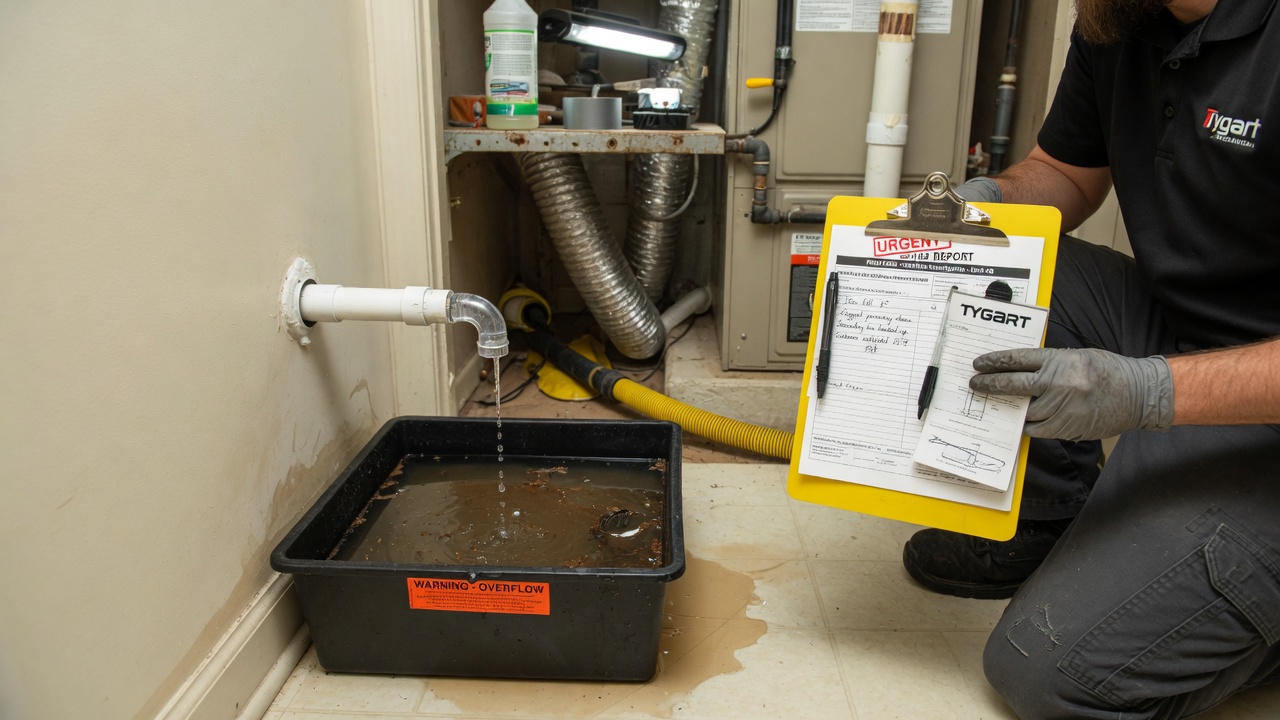
Direct answer: Property managers are the highest-leverage single referral partnership available to a restoration company because one relationship unlocks recurring access to hundreds of rental units under one approved-vendor agreement. Unlike a plumber or an HVAC contractor, a PM isn’t referring you one homeowner at a time — they’re adding you to a dispatch list that triggers every time a unit in their portfolio has a water event, a sewer backup, a kitchen fire, or a mold complaint. The win condition is becoming the named emergency vendor on their property management software (AppFolio, Buildium, Propertyware, Yardi, Rent Manager) with a signed COI on file, flat-rate response terms, and a twenty-four-hour-a-day phone tree that never sends the PM to voicemail. The restoration company that earns that slot on two or three mid-sized portfolios in their market owns a channel nobody else can touch.
Every restoration owner eventually figures out that property managers are valuable. Almost none of them figure out the actual mechanics — how the vendor-approval process works, what a PM’s dispatcher actually does at 11pm on a Saturday, why the COI and flat-rate sheet matter more than the sales pitch, and how to get onto the software dropdown that determines who gets the call. This article is the operational view.
It’s the seventh article in The Restoration Operator’s Playbook partner-industries series, and it’s the one with the most obvious ROI if you execute it right. A single mid-sized residential PM with 300 doors will produce more annual restoration volume than any plumber, HVAC company, or pest operation in your market — if you’ve cleared the administrative bar and made yourself dispatchable.
How a Property Management Company Actually Makes Money
If you’re going to show up in front of a property manager or broker and sound credible, you have to understand their P&L.
The revenue mix. Residential property management in the U.S. is a $131–$134 billion industry. The typical business model is fee-based on gross rents collected. Residential PMs charge 8–12 percent of monthly rent collected, with a national average around 8.49 percent. Many carry a floor of $100–$200 per door per month on lower-rent units. Commercial property management runs 4–12 percent depending on asset class — office, industrial, multifamily, retail, and mixed-use all price differently.
Secondary revenue lines. Leasing fees at 50–100 percent of one month’s rent on every new tenant placement. Lease renewal fees at $100–$300 per renewal. Maintenance coordination markups — typically a 10 percent surcharge on third-party vendor invoices, either as a visible line item or baked into the monthly management fee. Tenant application fees. Pet fees passed through. Late fees split with the owner. Advertising and listing fees. Move-in/move-out inspection fees.
Get The Signal
What we actually ran, what it measured, and what it means for a restoration shop — every week, including the flops.
Why vendor management is profit, not cost. The maintenance coordinator who dispatches you to a water loss isn’t just a helper — they’re a revenue center. The PM marks up most vendor work 5–15 percent to the property owner. They lose that markup if the vendor they dispatch produces a delayed response, a bad invoice, or a tenant complaint. That’s why they protect their vendor list so carefully.
The operational engine. Every PM above about 50 doors runs on property management software — AppFolio, Buildium, Propertyware, Yardi (for larger commercial), Rent Manager, Rentec Direct, DoorLoop, and a few regional tools. Maintenance requests come in through a tenant portal, get triaged by a maintenance coordinator, and get dispatched to the vendor dropdown inside the software. Your name either is or isn’t on that dropdown. That dropdown is the entire game.
Portfolio economics and consolidation. The industry has been consolidating for years. Mid-sized regional PMs (200–2,000 doors) are the sweet spot — big enough to generate meaningful restoration volume, small enough that the owner or COO still makes vendor decisions personally. Very small PMs (under 50 doors) don’t produce enough volume to justify the program overhead. Very large national PMs (NAI Earle Furman-scale residential, REIT-owned commercial portfolios) are procurement-driven — different sales motion, longer cycles, legal and insurance prequal gates that require a corporate-capable intake team.
How Property Managers Acquire Customers
Understanding how PMs sell themselves to property owners tells you what they need from you.
Referrals from owners. Investors with one rental property who get a good experience send two or three more their way. This is the core of mid-market PM growth.
Real estate agent referrals. Agents who don’t want to manage the rentals they sold refer to PMs. Many PMs cultivate agent networks aggressively.
Organic search and GBP. “Property management [city]” is a real-money keyword. PMs with strong GBP profiles and answer-optimized service pages dominate the local pack.
Direct outreach to investors. Mid-market PMs run targeted outbound into investor meetups, BiggerPockets circles, and landlord associations.
Acquisitions. A lot of mid-market PM growth is acquisition — buying the doors of a smaller operator who is retiring or consolidating. This matters to you because vendor lists inherit — when a PM buys 80 doors from a retiring competitor, those doors now fall under their vendor dispatch.
Commercial broker relationships. Commercial PMs live inside brokerage firms in many markets. Their vendor list is often tied to the brokerage’s larger operation — asset managers, owner reps, brokers — which means one vendor agreement can pull you into multiple portfolios.
The takeaway: PMs compete on owner retention (their own clients) and tenant satisfaction (the tenants they manage). You have to produce both simultaneously — owner gets a clean invoice and fast response, tenant gets the water stopped and the apartment dry — or you lose the slot.
Why the Property Manager Channel Is Structurally Different from Every Other Partner Industry
Three differences that change your entire sales motion.
Volume per relationship. A plumber partnership might send you twenty leads a year. A mid-size residential PM with 500 doors can produce forty to eighty losses per year at typical event rates (water losses, sewer backups, appliance failures, small fires, mold complaints, tenant-caused damage). One signed vendor agreement = dozens of dispatchable events.
Administrative gate before the sales conversation. Plumbers call you because they like you. Property managers can’t call you — legally or operationally — until you’ve cleared their vendor compliance gate. COI with the PM named as additional insured, W-9, trade licenses, references, sometimes background check results, sometimes bonding. You have to pass the gate before you ever get a dispatch.
Speed is scored more harshly. A tenant at 11pm with water pouring through the ceiling is a crisis the PM has to solve inside two hours or the tenant is calling the owner, the owner is calling the PM’s broker, and the broker is asking why they pay for professional management. Your twenty-four-seven phone answer and your forty-five-minute on-site response time is the whole product.
Pricing has to be flat-rate or rate-sheet. PMs can’t tolerate variable pricing on dispatch. They need to know before they assign the ticket that a standard water mitigation call is $X, a sewage call is $Y, a small fire board-up is $Z. You need to hand them a rate sheet on day one or you will never close the vendor agreement.
The tenant is not the customer. The owner is the customer. The PM is the gatekeeper. The tenant is the occupant. Your invoice goes to the PM, gets paid by the PM from the owner’s maintenance reserve, and gets marked up by the PM to the owner. Every piece of communication has to keep that hierarchy straight.
The Seven Restoration-Discovery Events on a Property Manager Portfolio
On any residential PM portfolio of 200+ doors, these seven events happen with predictable frequency.
Event 1: Tenant-caused water loss. Overflowed bathtub, left a sink running, toilet overflow the tenant didn’t stop. Dispatch comes in through the tenant portal or the after-hours line. This is the highest-frequency event on most residential portfolios — typically 0.5 to 1.0 events per door per year across the portfolio average.
Event 2: Supply-line or appliance failure. Washing machine hose, refrigerator water line, water heater burst, toilet supply line, dishwasher leak. Often after-hours. Every portfolio sees a handful per year per 100 doors.
Event 3: Sewer backup. Lower-level units and basement apartments produce chronic sewer backups. These are biohazard scopes with specific containment and pricing requirements. PMs need a vendor who doesn’t refuse Cat 3 work.
Event 4: Small kitchen fire. Unattended cooking, electrical faults. Small-scope damage to one or two rooms. Fast board-up, odor neutralization, smoke decontamination. Frequency is low but per-event revenue is higher than water losses.
Event 5: Mold complaint. Tenant reports musty smell, visible mold, health complaint. PM is legally and operationally obligated to respond — this is a landlord-tenant habitability issue in most states. Inspection, containment, remediation, clearance. These events are high-risk and high-frequency in older buildings and in humid climates.
Event 6: Turn-over discovery. Tenant moves out. Maintenance team walks the unit for turnover and finds hidden water damage, long-term leaks, or mold in closets, vanities, and behind appliances that was concealed by the prior tenant. Mitigation before the repaint-and-re-rent cycle.
Event 7: Commercial building events. On commercial portfolios: roof leaks, HVAC condensate failures, slab leaks, vehicle impact, vandalism, storm damage. Lower frequency per square foot but much higher dollar per event.
Train your team on the portfolio-frequency math, not the one-off-event pitch. When you walk into a 400-door portfolio, you’re not asking for a referral — you’re asking to be the vendor for approximately 150 to 300 dispatchable events per year.
Why Most Restoration-to-PM Partnerships Fail
The PM channel has the highest administrative and operational bar of any partner industry covered in this series. Here are the six failure modes.
1. Skipping the vendor compliance process. You cannot shortcut this. No COI, no W-9, no license docs = no dispatch. Companies that try to close a PM relationship with a sales pitch instead of a completed prequal file lose the relationship before it starts.
2. Slow after-hours response. A PM calls you at 2am about a burst pipe. If you don’t answer with a human voice inside three rings, they’ve called the next vendor on their list. Every after-hours miss is tracked — formally or informally.
3. Variable, inconsistent pricing. If your invoice for a standard water mit on a 900-square-foot apartment varies by 40 percent from job to job, the PM cannot estimate their owner’s maintenance reserve drawdown. You lose the slot. Flat-rate or rate-sheet pricing is table stakes.
4. Communication with the tenant that cuts the PM out. The tenant calls you directly at 8am after you set equipment the night before. You answer, make decisions, reschedule — without looping the PM. You’ve just become the PM’s problem. Every tenant communication is copied or summarized to the PM within the same day.
5. Invoice quality and line-item detail. PMs need invoices they can hand to owners without follow-up questions. Thumbnail photos, before/after documentation, clear scope language, industry-standard line items. Restoration companies that invoice like a residential contractor (“water mitigation — $4,500”) won’t survive thirty days in the dispatch rotation. Xactimate-format invoicing or equivalent documentation is expected.
6. Markup-friction on the PM’s margin. The PM is marking you up 10 percent to the owner. If you price high, the owner sees a high number after markup and pushes back. If you price low, your margin isn’t enough to defend the response time and documentation quality. You have to price at a level that keeps the PM’s markup intact and the owner’s bill defensible. The sweet spot is priced appropriately, documented cleanly, with photos that justify every line.
Ten Operational Disciplines for a Property Manager Referral Channel That Works
If you want to own three PM portfolios in your market with 1,000+ doors combined, run this like an operational program, not a sales campaign.
1. Complete the vendor prequal file in one package. One PDF. COI with common PMs pre-named as additional insureds (use an ACORD form with an endorsement), W-9, trade licenses, IICRC certs, list of recent references with PM contacts, sample clearance letter, sample mitigation invoice. Hand it over at the first meeting, not after three follow-ups.
2. Flat-rate and rate-sheet pricing on the first eight scope types. Standard Cat 1 water (one room, two rooms, three rooms). Standard Cat 2 water. Standard Cat 3 (sewage). Small kitchen fire board-up. Mold inspection and test. Mold remediation per square foot. Emergency tarp. Content pack-out per room. Publish it. Hand it to the PM. It becomes their worksheet for owner estimates.
3. Dedicated PM intake line with 24/7 human answer. Not a call center. A dedicated phone number that rings the on-call PM. Answered inside three rings, twenty-four hours a day. Response-time guarantee in writing: forty-five minutes on-site during business hours, ninety minutes after-hours.
4. One named account manager per PM client. Same person runs every project for that PM. Attends quarterly reviews. Escalates internally when anything slips. If you’re a growing restoration company, the PM account manager is one of the first hires after the owner stops running every job personally.
5. Invoice format tuned to the PM’s software. Match their Xactimate or rate-sheet export format. Line-item detail with room-by-room documentation. Photos embedded. Sub-totals that match the order they ship owner invoices.
6. Documentation package with every job. Scope photos at arrival, dry-down readings, drying log, clearance photos, signed customer authorization, before/after. Delivered as a single PDF inside 48 hours of job completion. This document becomes the PM’s defense to the owner and the file for any insurance claim.
7. After-hours and weekend premium transparency. If your after-hours rate is 1.15x the standard, put it in the rate sheet. PMs hate surprise surcharges on invoices they’ve already committed to owners.
8. Tenant-handling protocol in writing. How your techs address tenants. What they can and can’t commit to. How they escalate tenant behavior issues to the PM. When they call the PM before making decisions. Document this and train to it.
9. Quarterly business review. Hour-long meeting every ninety days. PM’s maintenance director, their COO if mid-sized, your account manager, your owner. Review job count, response times, customer satisfaction, invoice accuracy, outstanding issues. Fix anything that’s slipping before it becomes a lost relationship.
10. Commercial capability positioned clearly. Many PMs run both residential and commercial books. If you’re commercial-capable, say so explicitly — large-loss response, 24-hour dehumidifier fleet, commercial contents handling, document reconstruction. Most mid-market restoration companies undersell commercial capability and get locked into residential-only dispatch.
The Two-Way Reciprocity Model for Property Managers
PM reciprocity looks different from the trades because PMs don’t need you to send them customer leads — they need you to make their portfolio operation cleaner.
Flow 1: PM → restoration. Dispatch through their software or their maintenance coordinator. You respond inside the committed window, execute to the rate sheet, invoice cleanly. This is the core flow and it produces the bulk of the volume.
Flow 2: Restoration → PM. When a property owner calls you direct with a rental-property loss and tells you they self-manage or use a PM you don’t know, offer to connect them with your PM partner for ongoing management if they’re dissatisfied with their current arrangement. Most property investors have at least once considered switching PMs. An introduction where appropriate is real currency.
Flow 3: Commercial broker introductions. If you work with a commercial PM inside a brokerage, be the reference when their prospect asks “who handles emergencies on your portfolio?” Your name as a named emergency vendor on multiple portfolios in their brokerage makes their pitch stronger.
Flow 4: Joint tenant-education content. Co-branded one-pagers for tenant move-in packets — “what to do in a water emergency,” “early signs of mold,” “when to call your property manager.” Tenant gets educated, PM looks professional, you get named when an event happens. Print these at your cost and ship boxes to the PM’s office. You become the partner who solved a problem they didn’t know how to solve.
Track everything in a shared ledger. The PM is a business relationship, not a friendship, and they expect numbers.
The Ninety-Day Property Manager Partnership Program
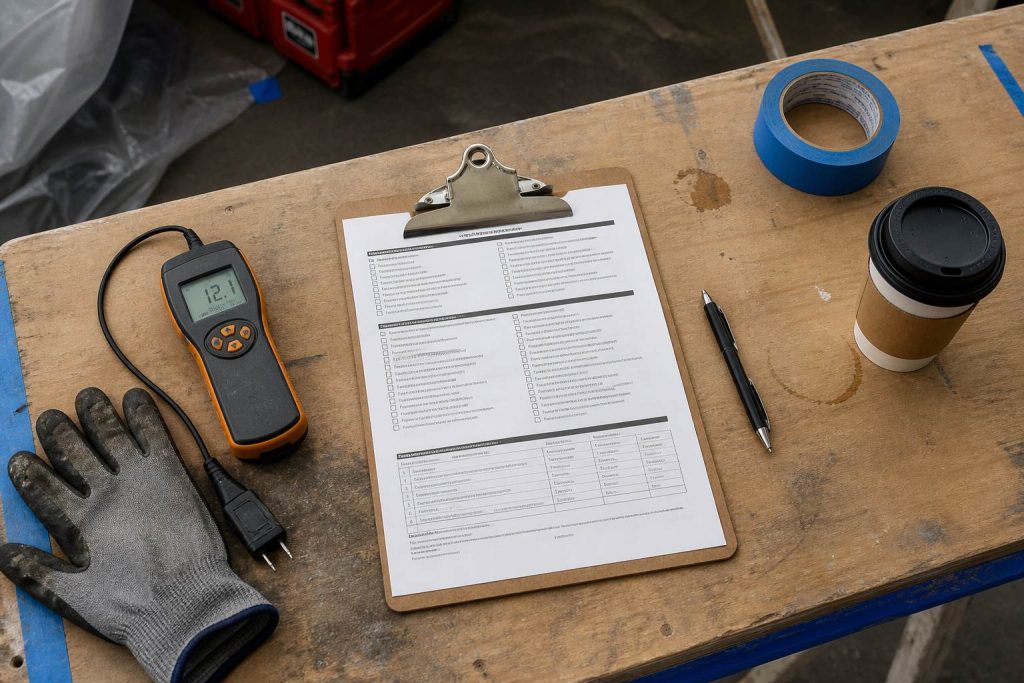
Week 1: Target selection. Identify the three to five mid-sized residential PMs in your market in the 200–1,000 door range, plus one to two commercial PMs inside larger brokerages. Avoid sub-50-door PMs (volume too thin) and mega-national PMs (procurement cycle too long) on the first pass.
Week 2: Prequal file assembly. Assemble the full PDF package before you contact anyone. COI template, W-9, licenses, IICRC certs, references, rate sheet, sample documentation package. Have your GL insurance agent draft ACORD endorsements with additional-insured language ready to issue within an hour.
Week 3: Cold outreach to the maintenance director. Not the broker, not the owner. The maintenance director or maintenance coordinator. They’re the one who controls the dispatch dropdown. Short email: “We’re a restoration company in [market]. Here’s our full prequal file and rate sheet. Fifteen minutes to discuss how we can sit on your emergency vendor list.” Attach the PDF.
Week 4: First meeting. Bring the rate sheet, response-time commitment in writing, sample documentation package, and a blank vendor-agreement template you’ve used with other PMs. Ask them to walk you through their software dispatch workflow. Ask what their current vendor’s response time actually averages.
Week 5: Vendor agreement signed and loaded into their software. Your company name, phone number, service categories, and rate-sheet link get loaded into AppFolio, Buildium, or whichever software they use. You are now dispatchable.
Week 6: First dispatch. Answer it inside three rings. Be on site inside the committed window. Execute cleanly. Deliver the documentation package inside 48 hours. This is the whole program — every dispatch after the first validates or erodes the first impression.
Week 7: Debrief with maintenance director. Short call after the first job. What worked? What do they want different next time? Update your protocol.
Week 8: Tenant-education materials deployed. Co-branded one-pagers shipped to their office for tenant move-in packets.
Week 9: Commercial introduction. If they run both books, ask to be added to the commercial dispatch list. Rate sheet for commercial scopes is a separate document.
Week 10: Second PM opened. Repeat the program. Two to four PMs per market is the sustainable max.
Week 11: Quarterly business review cadence set. Recurring ninety-day meeting calendared out for the next twelve months.
Week 12: Co-branded owner-facing content. An article or one-pager for PM-owner communications: “How your property manager handles water emergencies.” Lives on both websites. Signals durability.
By day ninety, you should have two PMs running steady dispatch, a response-time track record, documentation that survives owner scrutiny, and the foundation to expand into two more PMs in quarter two.
Where to Start This Week
- Build the prequal file PDF before you call anyone.
- Draft your rate sheet for the eight standard scopes. Have it reviewed by your controller.
- Pick the three mid-size residential PMs in your service area with strong review profiles and stable door counts.
- Get your insurance agent to produce a blanket additional-insured endorsement so you can add PMs to your COI in under an hour.
- Set up the dedicated 24/7 PM intake number and test the phone tree.
- Decide which account manager owns PM accounts.
- Book the first maintenance director meeting.
If you’re stuck on target selection, default to the PM with the largest commercial book — their per-event dollar values are three to ten times higher than residential.
Where This Article Fits in the Larger Playbook
This is the seventh article in The Restoration Operator’s Playbook partner-industries series. It extends the thinking in the observational B2B referral plan, the commercial-channel discipline from the facility services partnership, and the scope-lane hygiene from the general contractor partnership. The response-time standards in this article are a practical application of marketing signals beyond lead count. For the earlier partner industries that feed discovery into PM-managed properties, see plumbers, HVAC, carpet cleaners, and pest control.
Next in the queue: adjusters, realtors, pool/spa service, roofers, appliance installers. Same research-first, operational-truth, ninety-day-program treatment.
Frequently Asked Questions
What’s the minimum door count to justify a full PM partnership program? About 150 doors is the break-even for residential. Below that, your program overhead (prequal, intake, account management, QBR cadence) costs more than the dispatch volume produces. The sweet spot is 300–1,500 doors where the owner or COO still makes vendor decisions personally. Commercial portfolios can be justified at lower unit counts because per-event dollar values are higher.
How do I handle situations where the tenant wants to call me directly instead of going through the PM? Set the protocol in writing on day one. Every tenant communication gets summarized to the PM within the same business day, and no commitments (cost, schedule, scope changes) get made to the tenant without PM sign-off. If the tenant insists on direct billing, you decline and route them back to the PM. Breaking this protocol is the fastest way to lose a PM slot permanently.
Can I run variable pricing on PM work, or do I really have to commit to a rate sheet? You can run variable pricing on complex out-of-scope work, but the rate sheet has to cover the eight to ten most common event types with flat or unit pricing. PMs need pricing they can quote to owners before you arrive. A rate sheet also distinguishes you from restoration companies who price “at market” and whose invoices the PM has to negotiate line-by-line with the owner every time.
What’s a fair markup for PMs to apply to my invoice? The industry standard is 5–15 percent on vendor invoices passed through to owners, depending on whether it’s bundled into the monthly management fee or listed separately. You don’t have to love the markup — it’s their business model. Your price has to be low enough that the post-markup number is defensible to the owner, and high enough that you can deliver response-time and documentation standards the cheap competition can’t.
Should I pay a referral fee to the PM? Almost never. Most states restrict referral fees on insurance work, and PMs generally don’t want them on direct-pay work either — they have a fiduciary duty to the property owner, and a vendor referral fee can look like a kickback. The incentive structure they want is service quality and documentation that makes them look good to owners, not cash payments. Spending referral fee budget on faster response, better documentation, and tenant-education materials is always the better trade.
How is this different from an insurance preferred-vendor program? An insurance preferred-vendor program (TPA, managed-repair network, carrier direct assignment) is a national procurement relationship with fixed pricing, defined SLAs, and margin compression to win volume. A property manager partnership is a local business-to-business relationship with negotiable pricing, real response-time leverage, and owner-level margin protection. Both are valuable. The PM partnership is usually the higher-margin and higher-relationship-value side of your book, while the insurance preferred-vendor path is the higher-volume side. Most mature restoration companies run both.
Get The Signal
What we actually ran, what it measured, and what it means for a restoration shop — every week, including the flops.
Leave a Reply