
Why Law Firm Blog Posts Don’t Rank (And the 4 Fixes That Actually Work)
The Publishing Trap: Why “Consistent Blogging” Isn’t Enough
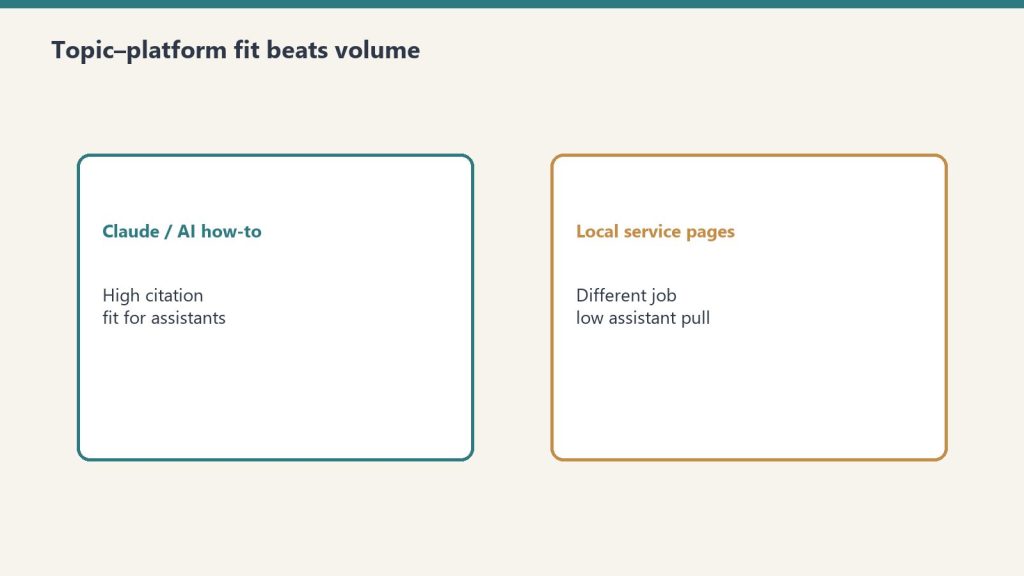
Law firms are frequently advised to “publish consistently” as the foundation of their SEO strategy. The advice is correct in principle — content volume matters — but incomplete in practice. A blog post that is published without a keyword-optimized title, a written meta description, a FAQ section, and proper schema markup is not an SEO asset. It’s a page that exists. Existence and visibility are different things.
According to research on legal search behavior, consumers increasingly use online resources — including AI assistants — to understand their legal situation before contacting a firm. That means a law firm article about personal injury claims needs to be structured to answer those research questions directly, not just exist as a published piece of content. The gap between “published” and “optimized” is exactly where most law firm blog investment is lost.
Fix 1: Rewrite the Title Tag for Search Intent, Not Article Description
The most common law firm blog title mistake is writing a title that describes the article rather than matching how a potential client searches. “Understanding Comparative Negligence in Personal Injury Cases” describes the article. “What Is Comparative Negligence and How Does It Affect My Case?” matches the actual search query.
Title tags should be 50–60 characters, lead with the primary keyword, and reflect how the reader would phrase their question — not how a lawyer would title a legal memorandum. According to research on E-E-A-T and legal content, compelling, keyword-aligned title tags are among the highest-impact on-page signals for click-through rate from legal search results.
Fix 2: Write Every Meta Description Manually
WordPress auto-generates meta descriptions from the first paragraph of the post. Law firm posts almost universally have a scene-setting first paragraph that makes a poor meta description. “Personal injury law in Texas can be complex. If you’ve been injured in an accident, you may be wondering about your rights…” does not make a prospect click. A direct value statement does: “Injured in Texas? Learn how comparative negligence affects your case, what damages you can recover, and when you need to act. Free case review.”
Meta descriptions should be 140–155 characters, include the primary keyword naturally, and end with a clear action signal. Every post needs one written from scratch — not auto-generated.
Fix 3: Add a FAQ Section With FAQPage Schema
People Also Ask placements in Google now appear for the majority of legal queries. These box placements appear above organic results and capture attention before the first blue link. Earning a PAA placement requires two things: a FAQ section with direct 40–60 word answers to specific questions, and FAQPage JSON-LD schema that tells Google’s systems exactly where those answers are.
For a personal injury article, the FAQs that capture PAA placements are specific: “How long do I have to file a personal injury claim in Texas?”, “What does comparative negligence mean?”, “Do I pay a personal injury lawyer upfront?” — not generic “What is personal injury law?” questions that every directory already answers.
Fix 4: Inject Named Legal Entities

Google’s quality evaluators assess law firm content for Expertise and Authoritativeness by looking at entity signals — specific named references that demonstrate genuine legal knowledge. An article about personal injury law that references “the American Bar Association’s Model Rules of Professional Conduct,” cites “Texas Civil Practice and Remedies Code § 16.003” for the statute of limitations, and mentions “contributory negligence vs. modified comparative fault” as named legal doctrines signals legal expertise. The same article that says “you should contact a lawyer quickly because of time limits” signals nothing.
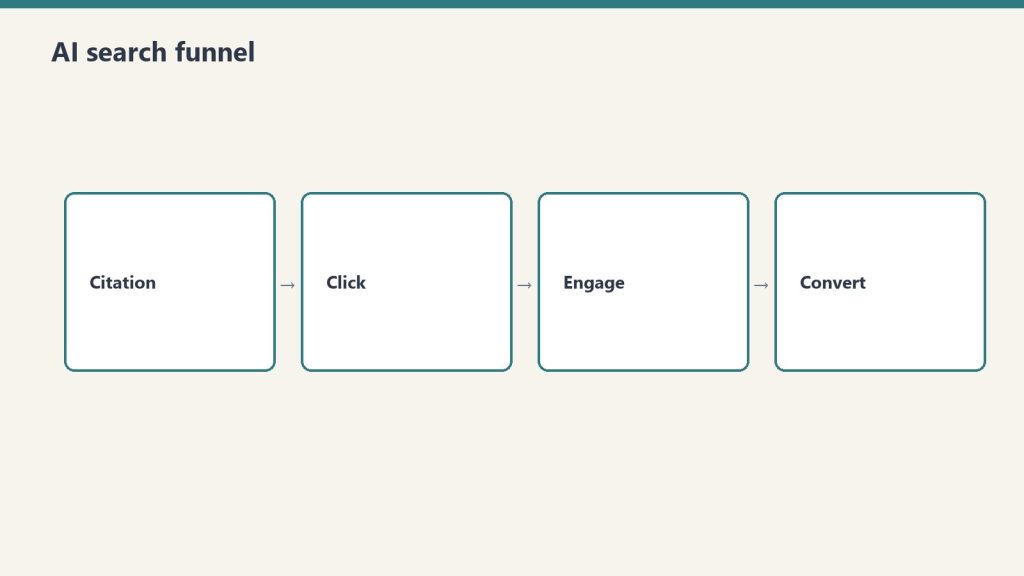
This entity injection is also what determines whether your article gets cited by ChatGPT or Perplexity when a potential client asks an AI assistant about their legal situation.
Related on Tygart Media: citing sources for E-E-A-T · information density · taxonomy architecture.
Frequently Asked Questions
How many blog posts does a law firm need to see SEO results?
Volume matters less than optimization depth. Ten well-optimized posts — with intent-matched titles, written meta descriptions, FAQ schema, and entity injection — consistently outperform 50 unoptimized posts. The priority for most law firm blogs is not more content but better optimization of existing content. Start with your top 10 traffic-driving posts and apply all four fixes before publishing new content.
Should law firm blog posts target practice area keywords or client question keywords?
Both, but in different content types. Practice area keywords (“personal injury attorney Houston”) belong on service pages. Blog posts should target client question keywords — the long-tail informational queries people search when they’re researching their situation before hiring: “how long do I have to sue after a car accident in Texas”, “what happens if I’m partially at fault in an accident”, “can I sue if the accident was on private property.” These informational queries convert because they reach potential clients during active research.
How often should a law firm blog be updated?
Existing posts should be reviewed and updated whenever: a statute changes, a new case establishes relevant precedent, statistics are more than 12–18 months old, or the post is ranking on page 2 (positions 11–20) and could be pushed to page 1 with additional optimization. New posts should be published at a frequency the firm can sustain quality — one well-optimized post per month outperforms four thin posts per month in both rankings and E-E-A-T evaluation.
Leave a Reply