
Last verified: June 13, 2026
Extended thinking is Claude’s most powerful reasoning mode — and the one most people never use correctly. This guide explains what extended thinking does, when it genuinely improves outputs, how to enable it, and when you’re better off with a standard prompt.
What Is Extended Thinking?
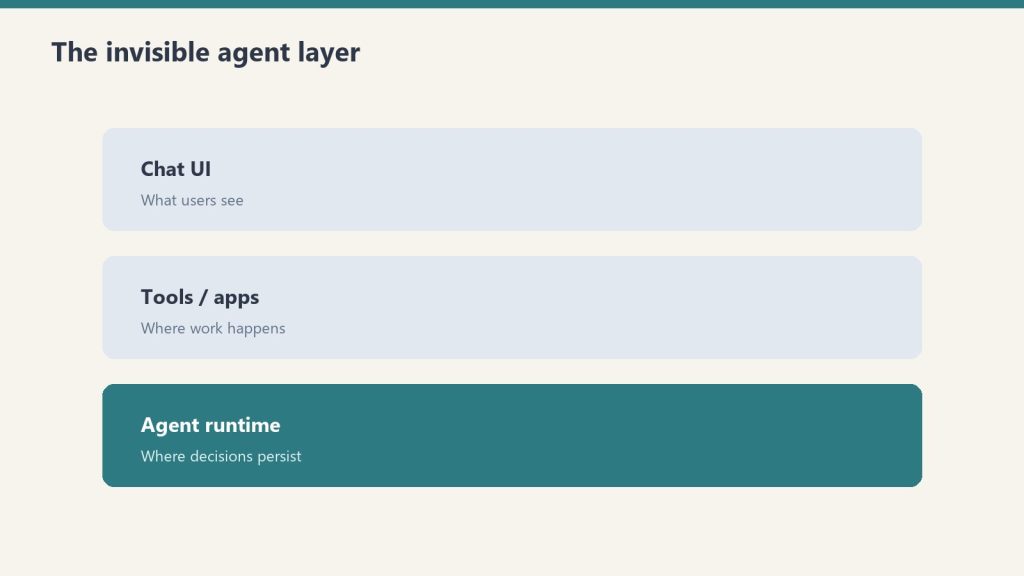
Extended thinking gives Claude a dedicated reasoning phase before generating its final response. Claude works through a problem on “scratch paper” before writing its answer — exploring multiple approaches, identifying errors in its own reasoning, and building a more deliberate chain of thought. On current Claude models (Fable 5, Opus 4.8, Sonnet 4.6), this works through adaptive thinking — Claude dynamically decides when and how much to think based on problem complexity, instead of you setting a fixed token budget.
When Extended Thinking Genuinely Helps
- Complex math and logic problems requiring step-by-step reasoning
- Multi-step coding tasks with many interdependent components
- Strategic analysis requiring weighing many variables
- Difficult research synthesis where accuracy matters most
- Any task where “think step by step” would help — extended thinking does this automatically
When Extended Thinking Is Overkill
- Simple factual questions with clear answers
- Routine writing tasks (emails, summaries, short copy)
- Format conversion or data transformation
- Tasks where speed matters more than depth
How to Enable Extended Thinking

In Claude.ai: Look for the thinking toggle before sending your message.
Via API (current models — Fable 5, Opus 4.8, Sonnet 4.6): Use adaptive thinking and let Claude decide the depth:
"thinking": { "type": "adaptive" },
"output_config": { "effort": "high" }
The effort parameter — low, medium, high, xhigh, or max — controls how much Claude thinks and how many tokens it spends. Default is high. Use xhigh for coding and agentic work; low for fast, simple tasks. (xhigh is available on Fable 5 and Opus 4.7+; max on Opus-tier 4.6+ and Sonnet 4.6.)
"thinking": {"type": "enabled", "budget_tokens": N} form returns a 400 error on Fable 5, Opus 4.7, and Opus 4.8. It is deprecated but still functional on Opus 4.6 and Sonnet 4.6. Only legacy models (e.g. Sonnet 4.5) still require it, where budget_tokens must be less than max_tokens. For all new code, use adaptive thinking plus effort instead.
What You See During Extended Thinking
In claude.ai, Claude shows a collapsed “thinking” section before its response. Expand it to see the reasoning chain — useful for verifying logic or understanding how Claude approached a problem. The thinking section is exploratory and may contain dead ends; this is normal.
Via API, on Fable 5, Opus 4.7, and Opus 4.8 the thinking text is omitted by default (the blocks stream but their text is empty). To see summarized reasoning, request "thinking": {"type": "adaptive", "display": "summarized"}.
Related on Tygart Media: how to use Claude · Claude Code tutorial · is Claude worth it.
Frequently Asked Questions
Does extended thinking always give better answers?
No. It improves accuracy on complex reasoning tasks but adds latency. For simple tasks, standard mode is faster and just as accurate.
Leave a Reply