
Last refreshed: May 15, 2026
Model Accuracy Note — Updated May 2026
Current flagship: Claude Opus 4.7 (claude-opus-4-7). Current models: Opus 4.7 · Sonnet 4.6 · Haiku 4.5. Claude Opus 4.7 (claude-opus-4-7) is the current flagship as of April 16, 2026. Where this article references Opus 4.6 or earlier models, those references are historical. See current model tracker →. See current model tracker →
Claude AI has become one of the most capable AI assistants available in 2026 — but it’s not perfect, and the official messaging undersells both its strengths and its real limitations. This review is based on sustained daily use across writing, coding, research, and analysis tasks. No affiliate relationship with Anthropic. Just what actually works and what doesn’t.
What Claude Does Better Than Almost Anything Else

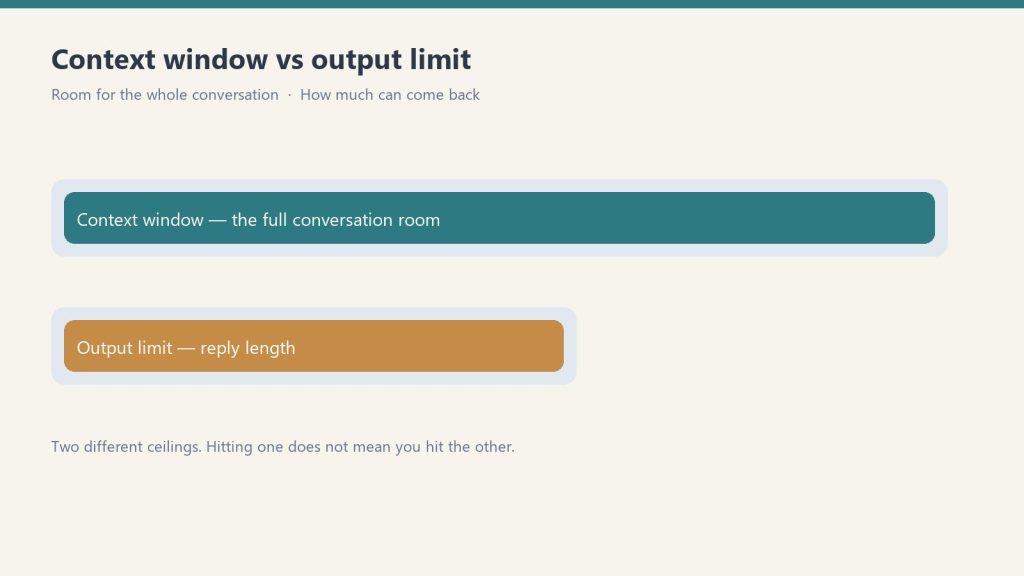
Long-document analysis. Claude’s 200,000-token context window — roughly 150,000 words — is transformative for anyone who works with lengthy documents. Feed it an entire contract, research paper, financial report, or codebase and ask specific questions. The quality of synthesis is consistently better than competitors on complex, multi-page materials.
Writing quality. Claude’s prose is the least robotic of any major AI model. It avoids the generic constructions (“In today’s fast-paced world…”) that mark AI output as AI output. With proper context, it can match sophisticated writing styles and produce genuinely useful drafts that require minimal editing.
Coding. Opus 4.6 scores 80.8% on SWE-bench and 91.3% on GPQA Diamond — among the highest published scores of any model available. In practice, this translates to fewer hallucinated function names, better error diagnosis, and stronger multi-file reasoning than most alternatives.
Honesty about uncertainty. Claude is more likely than competitors to say “I’m not sure” or “this is my best guess” rather than confidently stating something incorrect. For research and analysis tasks, this matters enormously.
Real Benchmark Results
| Benchmark | Claude Opus 4.7 | What It Measures |
|---|---|---|
| SWE-bench Verified | 80.8% | Real-world GitHub issue resolution |
| GPQA Diamond | 91.3% | PhD-level science reasoning |
| HumanEval | Top tier | Code generation correctness |
| MMLU | Top tier | Broad knowledge and reasoning |
Honest Cost Breakdown
| Plan | Price | Best For | Real Daily Usage |
|---|---|---|---|
| Free | $0 | Occasional use | ~5-10 messages before throttling |
| Pro | $20/mo | Regular professionals | ~12 heavy prompts before rate limits |
| Max 5x | $100/mo | Power users, devs | ~60 heavy prompts/day |
| Max 20x | $200/mo | Heavy daily use | ~240 heavy prompts/day |
The Rate Limit Problem (The Real Frustration)
This is the #1 complaint in every Claude user community and it’s legitimate. The Pro plan at $20/month throttles after roughly 12 “heavy” prompts — meaning prompts that require real computation, like complex analysis, long document reading, or code generation. You’ll hit the wall mid-session at the worst possible time.
A viral Reddit post about this received 1,060+ upvotes. The community consensus: the Pro plan is underspecced for its price point, and jumping to Max 5x ($100/month) is a significant price jump for something that should be a smooth tier progression.
Workarounds that help: using Projects with system prompts (reduces token overhead per conversation), preferring Sonnet over Opus for routine tasks (cheaper against limits), and batching related work into single longer sessions rather than many short ones.
What Claude Can’t Do
- Generate images: Claude cannot create images. Midjourney, DALL-E, or Adobe Firefly for that.
- Real-time web access: No live browsing by default on the consumer interface. Knowledge has a training cutoff.
- Remember between sessions by default: Memory exists but requires setup. Fresh sessions start fresh.
- Replace specialized tools: Claude is general-purpose. For SEO research, use dedicated tools. For legal filing, use legal software. Claude augments specialists — it doesn’t replace them.
Who Claude Is Worth It For
Strong yes: Writers, researchers, developers, lawyers, consultants, analysts, product managers, HR professionals — anyone whose work involves reading, reasoning, writing, or coding at length.
Consider alternatives: Users who primarily need image generation (ChatGPT/Midjourney), users who need deep Google Workspace integration (Gemini), or users running on a tight budget who won’t benefit from the Pro tier’s additional capacity.
Start free, upgrade when you hit limits. The free tier is genuinely usable for orientation. When you find yourself frustrated by rate limits — which you will, if Claude is useful to you — that’s the signal to upgrade to Pro. If you hit Pro limits regularly, Max 5x is worth the jump.
Final Verdict

Claude is one of the two or three best general-purpose AI assistants available in 2026. Its writing quality, document reasoning, and coding performance are among the strongest in the field. The rate limiting on lower tiers is a genuine frustration that Anthropic should address. The pricing jump from Pro to Max is steep. But for the right user — anyone doing serious knowledge work — Claude at the Max tier is worth it. Claude Pro at $20/month is competitive with ChatGPT Plus but hits limits faster for heavy use.
Frequently Asked Questions
Is Claude AI better than ChatGPT in 2026?
For long-document analysis, coding, and nuanced writing: Claude holds a measurable advantage. For image generation, plugin ecosystem breadth, and Google Workspace integration: ChatGPT/Gemini are stronger. Most serious users use both.
Is Claude Pro worth $20 a month?
For regular professional use: yes, but with the caveat that the rate limits on Pro are tighter than they should be at this price point. Heavy users will want Max 5x ($100/month) within weeks.
Does Claude have a free plan?
Yes. The free tier gives limited daily access to Claude Sonnet 4.6. It’s useful for orientation but will frustrate anyone using Claude as a primary work tool.
Leave a Reply