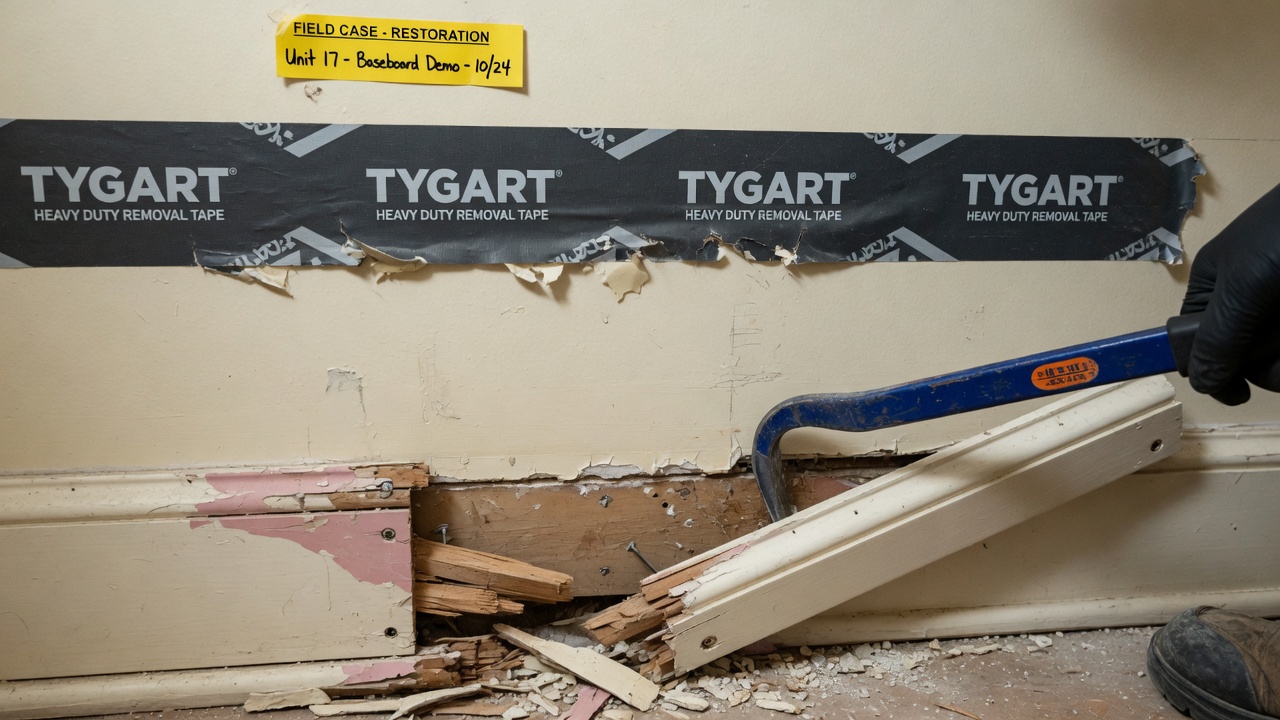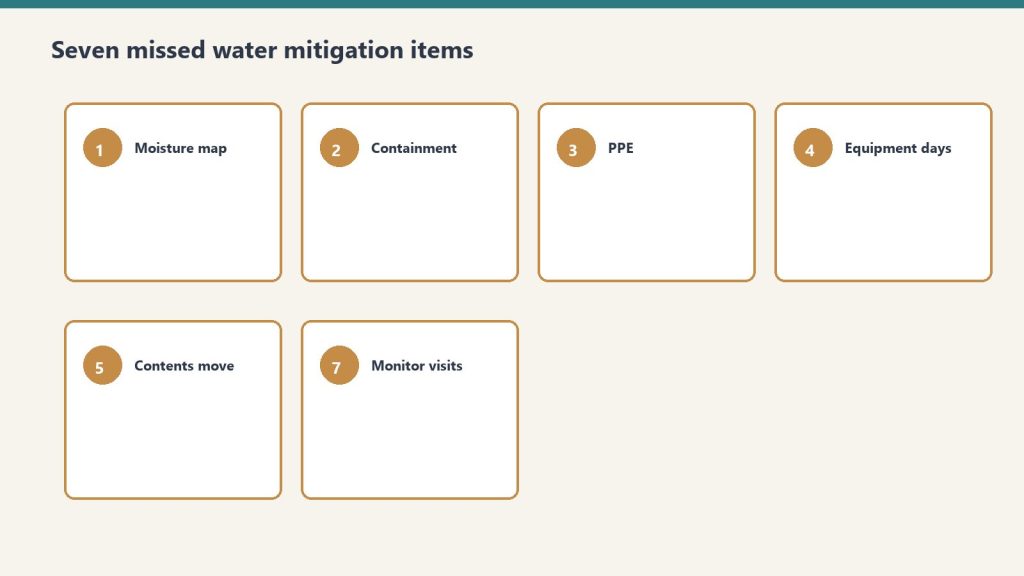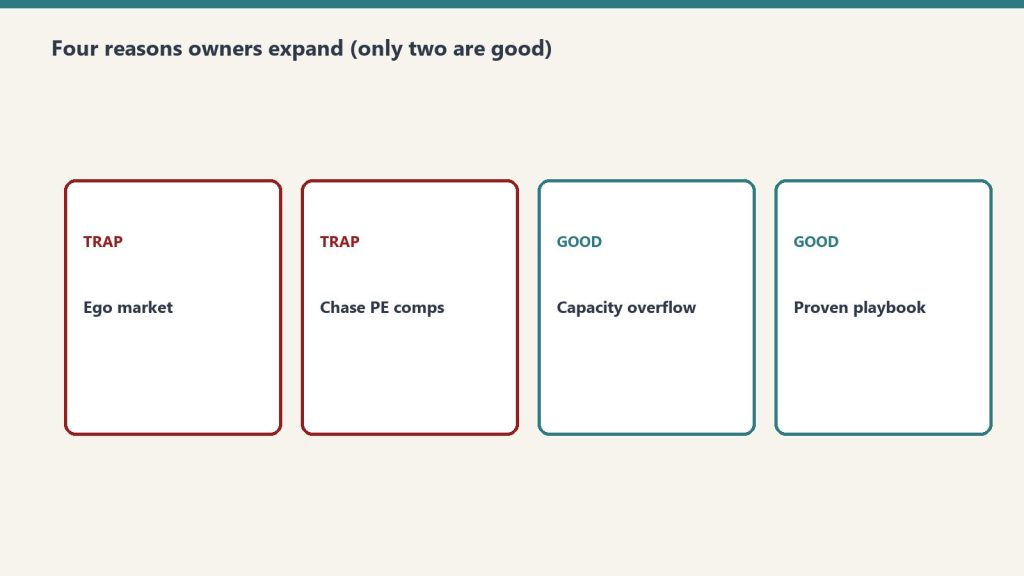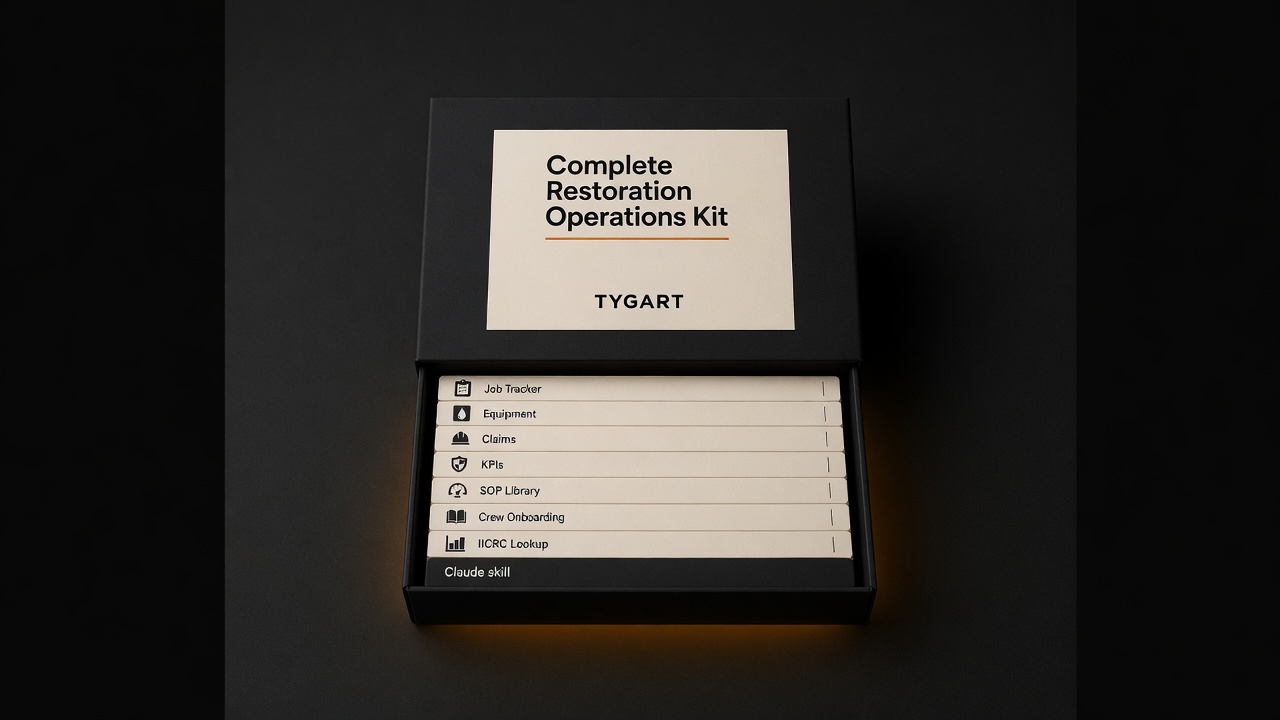
This image is part of the Water Damage Restoration collection in the Tygart Media visual library. Every image produced by Tygart Media is AI-generated using Google Vertex AI (Imagen), converted to WebP format, and injected with full IPTC/XMP metadata before publication.
Technical Details
Format: WEBP
Collection: Water Damage Restoration
Media ID: 444
Pipeline: Vertex AI Imagen → WebP → IPTC/XMP → WordPress
Image Licensing
All images in the Tygart Media visual library are produced in-house using AI image generation and are owned by Tygart Media.
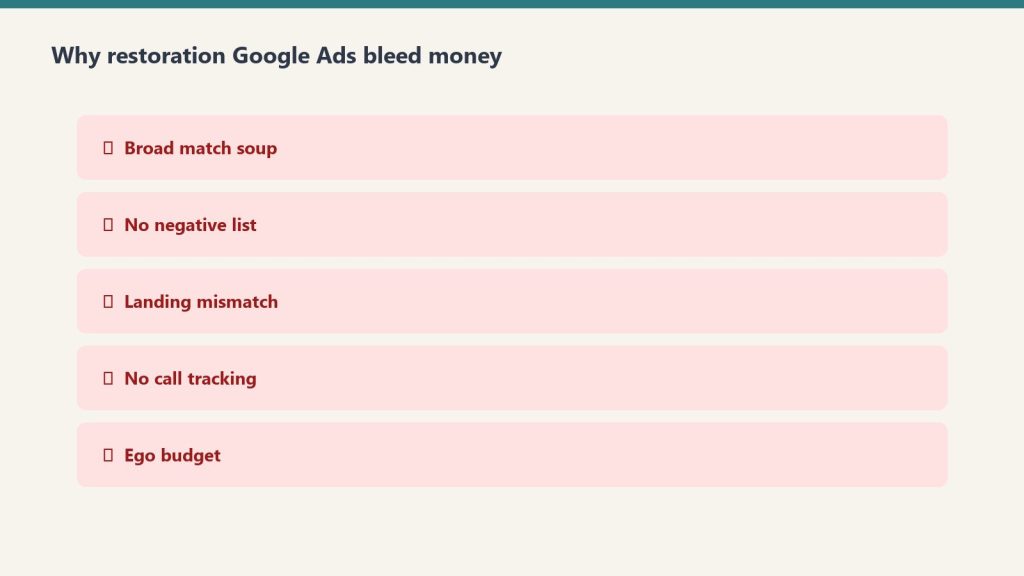
This image is part of the Tygart Media Visuals collection in the Tygart Media visual library. Every image produced by Tygart Media is AI-generated using Google Vertex AI (Imagen), converted to WebP format, and injected with full IPTC/XMP metadata before publication.
Technical Details
Format: WEBP
Collection: Tygart Media Visuals
Media ID: 388
Pipeline: Vertex AI Imagen → WebP → IPTC/XMP → WordPress
Image Licensing
All images in the Tygart Media visual library are produced in-house using AI image generation and are owned by Tygart Media.
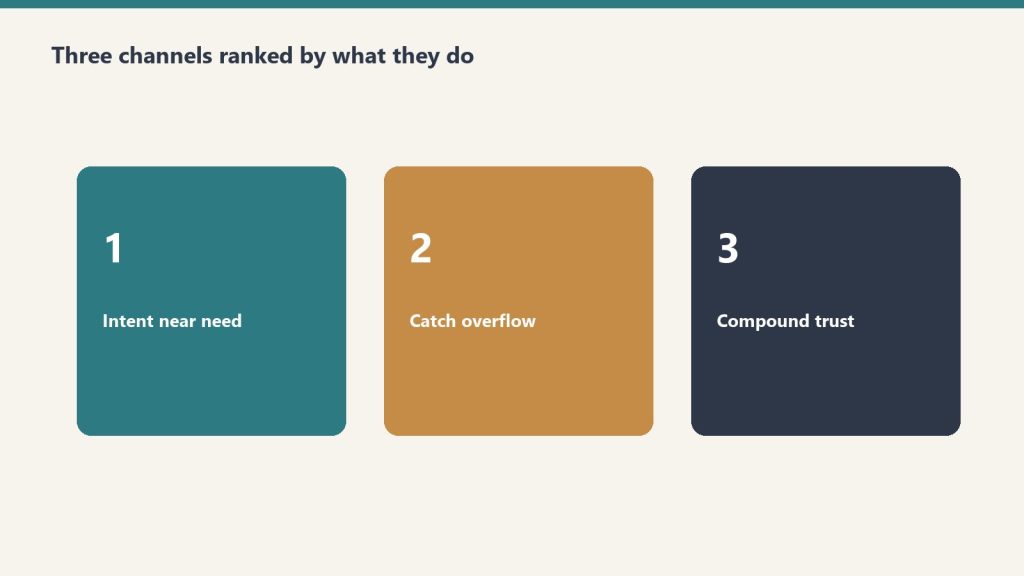
This image is part of the Tygart Media Visuals collection in the Tygart Media visual library. Every image produced by Tygart Media is AI-generated using Google Vertex AI (Imagen), converted to WebP format, and injected with full IPTC/XMP metadata before publication.
Technical Details
Format: WEBP
Collection: Tygart Media Visuals
Media ID: 384
Pipeline: Vertex AI Imagen → WebP → IPTC/XMP → WordPress
Image Licensing
All images in the Tygart Media visual library are produced in-house using AI image generation and are owned by Tygart Media.
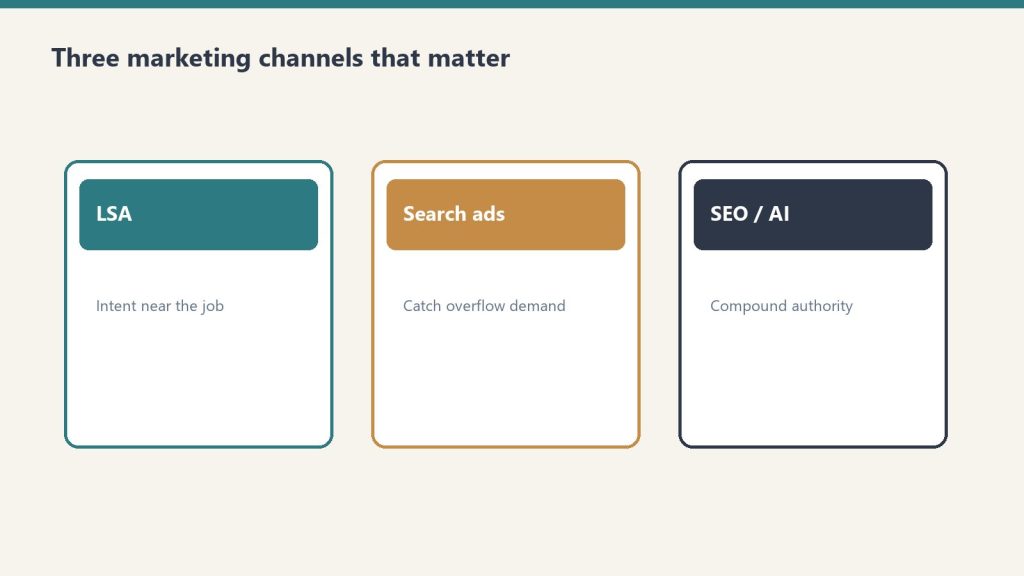
This image is part of the Tygart Media Visuals collection in the Tygart Media visual library. Every image produced by Tygart Media is AI-generated using Google Vertex AI (Imagen), converted to WebP format, and injected with full IPTC/XMP metadata before publication.
Technical Details
Format: WEBP
Collection: Tygart Media Visuals
Media ID: 382
Pipeline: Vertex AI Imagen → WebP → IPTC/XMP → WordPress
Image Licensing
All images in the Tygart Media visual library are produced in-house using AI image generation and are owned by Tygart Media.
Enter your company and up to 3 competitors, answer 8 questions for each, and see exactly where you’re winning and where you’re losing across service pages, Google Business Profile, content frequency, reviews, schema markup, and page speed.
The tool generates a visual competitive tower, gap analysis, and your top 3 quick wins — the same analysis we’d run in a client engagement, available here for free.
Benchmark Your Online Presence Against Competitors
Your SEO Competitive Tower
Competitive Dimensions
Gap Analysis: Where You’re Losing
Quick Wins: Top 3 Things to Fix First
Estimated Organic Traffic Potential
If you close the top gaps identified above: Based on your competitive analysis, you could potentially capture an additional 15-25% of local organic traffic within 6-12 months of focused SEO improvements.
// Gap analysis
const topCompetitor = sorted[1];
let gapHTML = ”;
if (yours.servicePages < topCompetitor.servicePages) {
gapHTML += `
Service Page Coverage
${topCompetitor.name} has ${topCompetitor.servicePages} service pages vs your ${yours.servicePages}. Create dedicated pages for each service type with unique content.
You have ${yours.indexedPages} indexed pages vs ${topCompetitor.indexedPages} for your top competitor. Increase content through service variations and neighborhood pages.
By Will Tygart · Practitioner-grade · From the workbench
TL;DR: Homeowners don’t search by industry vertical — they search by problem chain. A burst pipe leads to water damage, mold, electrical hazards, and pest entry points. Restoration companies that rank for the entire chain capture $113,000+/month in organic click value that siloed competitors miss entirely.
The $113,000 Opportunity Hiding in Adjacent Verticals
The opportunity hiding in adjacent verticals.
We analyzed SERP data across five home service industries in a mid-size metro — water/fire restoration, HVAC, plumbing, electrical, and pest control. The finding that rewrites restoration content strategy: combining just HVAC, plumbing, and electrical keywords captures $113,899/month in organic click value.
Most restoration companies compete only in the restoration vertical, which carries the highest average CPC ($129.52 per click) but some of the lowest search volume (90 searches/month in the market we studied). Meanwhile, plumbing alone commands $72,441/month in organic click value with dramatically higher search volume. Pest control generates 1,590 monthly searches — 17x the volume of restoration keywords.
The homeowner doesn’t know they need a restoration company until after the plumber tells them the burst pipe caused water damage behind the wall, after the electrician finds corroded wiring from moisture exposure, and after the pest inspector finds termites that entered through the water-damaged sill plate. The problem chain is the customer journey. And right now, your competitors own every link in that chain except yours.
How Problem Chains Create Search Intent
How problem chains create search intent.
A homeowner discovers a leaking pipe. Their first search is “emergency plumber near me” — a plumbing keyword. The plumber fixes the pipe but tells them there’s water damage behind the drywall. Next search: “water damage repair cost” — now they’re in your vertical. But the water sat for three days before the plumber came, so the next search is “mold testing near me.” Then the insurance adjuster notes water damage near the electrical panel: “electrician water damage inspection.” And finally, the remediation crew finds pest entry points in the compromised framing: “pest control after water damage.”
That’s five searches across five industry verticals, all triggered by one burst pipe. The restoration company that publishes content answering questions across the entire chain — not just the “water damage restoration” keyword — captures the homeowner at every decision point.
The Content Architecture
The content architecture.
Building a problem chain content strategy doesn’t mean becoming an HVAC company. It means creating expert content at the intersection of restoration and adjacent services.
Restoration → Plumbing intersection: “What to Do After a Burst Pipe: Water Damage Timeline and Restoration Steps.” “How Long Before a Leak Causes Structural Damage?” “Plumber vs. Restoration Company: Who to Call First.”
Restoration → Electrical intersection: “Water Damage and Electrical Safety: What Every Homeowner Must Know.” “Can You Stay in Your House During Water Damage Restoration If the Electrical Panel Was Affected?”
Restoration → Pest Control intersection: “Why Pest Infestations Spike After Water Damage — And What to Do About It.” “Termites After a Flood: The Hidden Restoration Cost Nobody Mentions.”
Restoration → HVAC intersection: “Mold in Your HVAC System After Water Damage: Detection, Removal, and Prevention.” “Why Your AC Smells After a Flood: Water Damage and Ductwork Contamination.”
Each article targets keywords in the adjacent vertical while naturally routing the reader toward restoration services. The information density of these intersection articles is inherently high because they answer real, specific questions that span two professional domains — exactly the kind of content AI systems prioritize for citation.
SERP Intelligence: What the Data Reveals
Our cross-sectional analysis uncovered three tactical insights that most restoration companies miss.
Reddit ranks in the top 5 organic results in 4 out of 5 home service verticals. This means user-generated content is outranking professional service pages. Restoration companies that create genuinely helpful, detailed content (not thinly veiled sales pages) can recapture these positions.
Yelp averages position 1.6 in HVAC. Aggregators dominate the top of the SERP in adjacent verticals. The tactical response: claim and fully optimize your Yelp, Google Business Profile, and Angi listings in every adjacent vertical where you can demonstrate competency, then outrank them with problem-chain content that aggregators can’t replicate.
Between 83% and 100% of top-ranking local companies include the city name in their title tags. Zero percent use year freshness signals. Adding “2026” to your title tags when competitors don’t is a free CTR advantage. “Water Damage After a Burst Pipe: What Tacoma Homeowners Need to Know in 2026” beats “Water Damage Restoration Tacoma” because it signals recency to both Google and AI search systems that penalize stale content.
Every problem-chain article you publish is a permanent asset. It ranks for adjacent keywords your competitors ignore, drives organic traffic at zero marginal cost, and positions your restoration company as the authoritative voice across the entire homeowner crisis journey — not just the water damage chapter.
The restoration companies that build content at scale across the problem chain aren’t just winning more keywords. They’re building an enterprise that’s worth 2-3x more at exit because the organic traffic portfolio spans five verticals instead of one.
{
“@context”: “https://schema.org”,
“@type”: “Article”,
“headline”: “The Problem Chain: Why Smart Restoration Companies Rank for Plumbing, HVAC, and Pest Control Keywords”,
“description”: “Homeowners search by problem chain, not industry vertical. A burst pipe triggers 5 searches across plumbing, restoration, electrical, mold, and pest control — c”,
“datePublished”: “2026-03-30”,
“dateModified”: “2026-04-03”,
“author”: {
“@type”: “Person”,
“name”: “Will Tygart”,
“url”: “https://tygartmedia.com/about”
},
“publisher”: {
“@type”: “Organization”,
“name”: “Tygart Media”,
“url”: “https://tygartmedia.com”,
“logo”: {
“@type”: “ImageObject”,
“url”: “https://tygartmedia.com/wp-content/uploads/tygart-media-logo.png”
}
},
“mainEntityOfPage”: {
“@type”: “WebPage”,
“@id”: “https://tygartmedia.com/the-problem-chain-why-smart-restoration-companies-rank-for-plumbing-hvac-and-pest-control-keywords/”
}
}
TL;DR: Most restoration companies run Google Ads backwards — bidding on broad keywords and hoping for conversions. The Discovery-to-Exact Protocol uses broad match AI Max campaigns as a data engine, harvests converting search phrases, builds exact-match campaigns and dedicated landing pages for winners, and systematically eliminates wasted spend.
The $250-Per-Click Reality
Restoration is the most expensive pay-per-click vertical in local services. “Water damage restoration” keywords routinely hit $129-156 per click in competitive metro areas. “Mold remediation” can exceed $200. Emergency keywords with “near me” qualifiers push past $250.
At those prices, a $10,000 monthly Google Ads budget buys 40-77 clicks. If your landing page converts at the industry average of 3-5%, that’s 1-4 leads per month at $2,500-$10,000 per lead. For a company with a $5,000 average job size, the math barely works — and only if every lead closes.
Most restoration companies respond to this reality by doing one of two things: they either cap their daily budget at $100 and accept 2-3 clicks per day, or they throw $15,000+ at Google and pray. Both approaches waste money because they’re missing the structural play that makes PPC profitable at scale.
The Discovery-to-Exact Protocol
The discovery-to-exact protocol.
The protocol treats your Google Ads budget as a data discovery engine, not a lead generation tool. The leads are a byproduct. The real product is intelligence about what your customers actually type into Google — which is rarely what you think.
Phase 1: Discovery (Weeks 1-4). Run broad-match campaigns with Google’s AI Max enabled. Set a $330/day budget. Don’t optimize for conversions yet. Let AI Max find the long-tail, conversational search phrases that real humans use: “who fixes water damage in my basement Houston,” “restoration company that works with State Farm,” “emergency flood cleanup open right now near 77024.”
Phase 2: Harvest (Weekly). Pull your Search Terms Report every Monday. Identify every phrase that generated a conversion or had a click-through rate above 5%. These are your proven winners — real phrases typed by real people who became real leads.
Phase 3: Exact Match (Ongoing). Create exact-match campaigns for every winning phrase. Build a dedicated landing page for each high-value phrase. “Restoration company that works with State Farm” gets a landing page with State Farm logos, a section on direct billing, and testimonials from State Farm policyholders.
This creates a compounding advantage. Exact-match campaigns with perfectly aligned landing pages earn higher Quality Scores (8-10 vs. 4-6 for broad match), which means Google charges you 30-50% less per click for the same position. The same budget now buys twice the clicks on your highest-converting keywords.
The SERP Domination Play
The SERP domination play.
Here’s where PPC and organic SEO create a multiplier effect. When you build a dedicated landing page for “restoration company that works with State Farm,” that page also starts ranking organically. Now you own the paid position AND the organic position for that query.
This isn’t keyword cannibalization — it’s SERP domination. Research shows that owning both the paid and organic result for the same query increases total click-through by 25-35% compared to owning just one. The paid result captures the “I want to call right now” intent. The organic result captures the “I’m researching my options” intent.
Google’s AI Overviews are reshaping restoration search results in 2026. For informational queries like “how long does water damage restoration take” and “does insurance cover mold remediation,” AI Overviews now appear above both paid and organic results.
The Discovery-to-Exact Protocol feeds this channel too. Every dedicated landing page you build for an exact-match phrase — packed with high information density, verifiable claims, and structured data — becomes a citation candidate for AI Overviews. You’re not just buying clicks. You’re building a content asset that AI systems reference when answering restoration questions.
Budget Allocation Framework
Budget allocation framework.
For a $10,000/month restoration PPC budget, the Discovery-to-Exact Protocol recommends this allocation:
40% ($4,000) — Discovery campaigns. Broad match, AI Max enabled. This is your data engine. Expect high CPC but invaluable search term intelligence.
40% ($4,000) — Exact match campaigns. Your proven winners from discovery. Lower CPC, higher conversion rate, dedicated landing pages. This is where profit lives.
20% ($2,000) — Retargeting. Follow the 96% who clicked but didn’t call. At $2-12 CPM, this budget delivers 165,000-1,000,000 remarketing impressions per month.
After 90 days of running this protocol, most restoration companies can shift to 20% discovery / 50% exact / 30% retargeting as the exact-match library matures and the retargeting audience grows.
What $10,000/Month Should Actually Produce
Running the Discovery-to-Exact Protocol correctly, a $10,000/month budget in a mid-size metro should produce 15-25 qualified leads per month by month 3, with a blended cost per lead of $400-$650. That’s 3-4x the lead volume of a poorly managed broad-match campaign at the same budget.
The real payoff comes at month 6+, when your exact-match library is mature, your landing pages are ranking organically, and your content is being cited by AI systems. At that point, the organic traffic subsidizes the paid traffic, the retargeting converts the stragglers, and the blended cost per lead drops below $300.
Stop running Google Ads like a slot machine. Run them like a research lab. The data is the product. The leads are the dividend.
{
“@context”: “https://schema.org”,
“@type”: “Article”,
“headline”: “Pay-Per-Click for Restoration Companies: The Discovery-to-Exact Protocol That Cuts Wasted Spend by 60%”,
“description”: “Restoration PPC costs $129-250 per click. The Discovery-to-Exact Protocol uses broad match as a data engine, harvests converting phrases into exact match campai”,
“datePublished”: “2026-03-30”,
“dateModified”: “2026-04-03”,
“author”: {
“@type”: “Person”,
“name”: “Will Tygart”,
“url”: “https://tygartmedia.com/about”
},
“publisher”: {
“@type”: “Organization”,
“name”: “Tygart Media”,
“url”: “https://tygartmedia.com”,
“logo”: {
“@type”: “ImageObject”,
“url”: “https://tygartmedia.com/wp-content/uploads/tygart-media-logo.png”
}
},
“mainEntityOfPage”: {
“@type”: “WebPage”,
“@id”: “https://tygartmedia.com/pay-per-click-for-restoration-companies-the-discovery-to-exact-protocol-that-cuts-wasted-spend-by-60/”
}
}
TL;DR: 96% of visitors to a restoration company’s website leave without calling. Retargeting ads follow them across the web for 30-90 days at $2-12 per thousand impressions, converting cold traffic into warm leads at a fraction of Google Ads’ $150+ cost per click.
The 96% Problem
The 96% problem.
A property manager searches “water damage restoration near me” at 2 AM during an active flooding event. They click your site, scan the page, then click the back button to check two more companies. You never hear from them again.
This happens to 96% of your website visitors. They find you, evaluate you, and leave — not because you weren’t qualified, but because they were comparison shopping under duress. In restoration, the buying window is 2-4 hours during an emergency and 2-4 weeks during a planned remediation. If you’re not in front of them during that entire window, someone else is.
Retargeting solves this by placing a tracking pixel on your website that follows visitors across the internet, serving them your ads on news sites, social media, and apps for 30-90 days after their initial visit. The cost: $2-12 per thousand impressions, compared to the $129-156 per click you’d pay for new Google Ads traffic in the restoration vertical.
How Retargeting Works for Restoration
How retargeting works for restoration.
The mechanics are straightforward. A JavaScript pixel from Google Ads, Facebook, or a dedicated platform like AdRoll fires when someone visits your site. That visitor is added to an audience list. When they browse other websites in the ad network, your ad appears — your brand, your phone number, your emergency response guarantee.
For restoration companies, the retargeting audience segments that drive the most signed contracts are emergency visitors who viewed your 24/7 response page but didn’t call, insurance claim visitors who viewed your “we work with all insurance carriers” page, and commercial property managers who viewed your commercial services page. Each segment gets different creative: the emergency segment sees “Still dealing with water damage? We respond in 60 minutes — call now.” The commercial segment sees “Trusted by 200+ property managers in [City]. Free damage assessment.”
The Math: Retargeting vs. Fresh Google Ads Traffic
Restoration is one of the most expensive verticals in Google Ads. According to our analysis of digital real estate valuations, water damage restoration keywords command CPCs of $129-156 in competitive markets. A $10,000/month Google Ads budget buys roughly 65-77 clicks.
That same $10,000 in retargeting buys 830,000 to 5,000,000 impressions — repeated exposure to people who already know your brand. The conversion rate on retargeted traffic runs 2-4x higher than cold search traffic because the visitor has already evaluated your site once.
The optimal strategy isn’t either/or. It’s using Google Ads as a high-density discovery engine to drive initial qualified traffic, then using retargeting to stay in front of the 96% who don’t convert immediately.
Platform Selection for Restoration
Google Display Network retargeting reaches the broadest audience — news sites, weather apps, recipe blogs, sports sites. For restoration, this is the primary channel because property managers and homeowners browse broadly during the decision period.
Facebook/Instagram retargeting is particularly effective for residential restoration because homeowners scroll social media during evenings and weekends — exactly when they’re processing insurance claims and evaluating contractors.
LinkedIn retargeting targets commercial property managers and facilities directors. If your restoration company does significant commercial work, LinkedIn retargeting to visitors of your commercial services pages delivers disproportionate ROI because the average commercial contract value is 5-10x residential.
The 90-Day Drip Sequence
The 90-day drip sequence.
Effective restoration retargeting isn’t showing the same ad for 90 days. It’s a sequenced campaign that mirrors the decision timeline.
Days 1-7 (Urgency phase): “Still need emergency restoration? We respond in 60 minutes, 24/7. Call [phone].” This catches the comparison shoppers who visited during an active emergency.
Days 8-30 (Trust phase): Rotate testimonials, before/after project photos, and certifications. “IICRC Certified. 500+ projects completed. See our work.” This builds credibility during the evaluation phase.
Days 31-90 (Nurture phase): Educational content — “5 Signs of Hidden Water Damage,” “What Your Insurance Company Won’t Tell You About Mold Claims.” This positions your company as the expert for future incidents and referrals.
What Most Restoration Companies Get Wrong
The most common mistake is running retargeting with the same generic ad to everyone forever. The second most common mistake is not excluding converters — continuing to serve ads to people who already called and signed a contract. The third is setting the frequency cap too high, showing the same ad 20+ times per day until the prospect actively resents your brand.
Set frequency caps at 3-5 impressions per day, exclude converted leads from your audience immediately, and rotate creative every 2 weeks. The goal is persistent presence, not harassment.
Retargeting won’t replace your core digital strategy or your content engine. But it will capture the massive revenue you’re currently leaking every time a qualified visitor bounces without converting. At $2-12 CPM, it’s the cheapest insurance policy in your marketing budget.
{
“@context”: “https://schema.org”,
“@type”: “Article”,
“headline”: “Retargeting for Restoration Companies: The $12 Strategy That Turns Website Visitors Into Signed Contracts”,
“description”: “96% of restoration website visitors leave without calling. Retargeting ads follow them for 30-90 days at $2-12 CPM — a fraction of the $150/click Google Ads cos”,
“datePublished”: “2026-03-30”,
“dateModified”: “2026-04-03”,
“author”: {
“@type”: “Person”,
“name”: “Will Tygart”,
“url”: “https://tygartmedia.com/about”
},
“publisher”: {
“@type”: “Organization”,
“name”: “Tygart Media”,
“url”: “https://tygartmedia.com”,
“logo”: {
“@type”: “ImageObject”,
“url”: “https://tygartmedia.com/wp-content/uploads/tygart-media-logo.png”
}
},
“mainEntityOfPage”: {
“@type”: “WebPage”,
“@id”: “https://tygartmedia.com/retargeting-for-restoration-companies-the-12-strategy-that-turns-website-visitors-into-signed-contracts/”
}
}
By Will Tygart · Practitioner-grade · From the workbench
We built a content engine for 247 Restoration (a Houston-based restoration company) that publishes 40+ articles per month across their network. Here’s what we learned about publishing at that scale without burning out writers or losing quality.
The Client: 247 Restoration 247 Restoration is a regional player in water damage and mold remediation across Texas. They wanted to dominate search in their service areas and differentiate from national competitors. The strategy: become the most credible, comprehensive source of restoration knowledge online.
The Challenge Publishing 40+ articles per month meant: – 10+ articles per week – Covering 50+ different topics – Maintaining quality at scale – Avoiding keyword cannibalization – Building topical authority without repetition
This wasn’t possible with traditional writer workflows. We needed to reimagine the entire pipeline.
The Content Engine Model Instead of hiring writers, we built an automation layer:
1. Content Brief Generation: Claude generates detailed briefs (from our content audit) that include: – Target keywords – Outline with exact sections – Content depth target (1,500, 2,500, or 3,500 words) – Source references – Local context requirements
2. AI First Draft: Claude writes the full article from the brief, with citations and local context baked in.
3. Expert Review: A restoration expert (247’s operations manager) reviews for accuracy. This takes 30-45 minutes and catches domain-specific errors, outdated processes, or misleading claims.
4. Quality Gate: Our three-layer quality system (claim verification, human fact-check, metadata validation) ensures accuracy.
5. Metadata & Publishing: Automated metadata injection (IPTC, schema, internal links), then publication to WordPress.
The Workflow Time – Brief generation: 15 minutes – AI first draft: 5 minutes – Expert review: 30-45 minutes – Quality gate: 15 minutes – Metadata & publishing: 10 minutes Total: ~90 minutes per article (vs. 3-4 hours for traditional writing)
At 40 articles/month, that’s 60 hours of expert review time, not 160+ hours of writing time.
Content Quality at Scale Typical content agencies publish 40 articles and get maybe 20-30 that rank well. 247’s content ranks at 70-80% because: – Every article serves a specific keyword intent – Every article is expert-reviewed for accuracy – Every article has proper AEO metadata – Every article links strategically to other articles
Real Results After 6 months of this model (240 published articles):
The Economics – Operations manager salary: $60K/year (~$5K/month for 40 hours of review) – Claude API for brief + draft generation: ~$200/month – Cloud infrastructure (WordPress, storage): ~$300/month – Total cost: ~$5.5K/month for 240 articles – Cost per article: ~$23
A content agency publishing 240 articles/month would charge $50-100 per article (minimum $12-24K/month). We’re doing it for $5.5K with better quality.
The Biggest Surprise We thought the bottleneck would be writing. It wasn’t. The bottleneck was expert review. Having someone who understands restoration deeply validate every article was the difference between content that ranks and content that gets ignored.
This is why automation alone fails. You need human expertise in the domain, even if it’s just for 30-minute reviews.
Content Distribution We didn’t just publish on 247’s site. We also: – Generated LinkedIn versions (B2B insurance partners) – Created TikTok scripts (for video versions) – Built email digests (weekly 247 newsletter) – Pushed to YouTube transcript database – Syndicated to industry publications
One article authored itself across 5+ distribution channels.
What We’d Do Differently If we built this again, we’d: – Invest earlier in content differentiation (each article should have a unique angle, not just different keywords) – Build more client case studies (“Here’s how we restored this specific home” content didn’t rank but drove the most leads) – Segment content by audience (homeowner vs. contractor vs. insurance adjuster) earlier – Test video content earlier (we added video at month 4, should have been month 1)
The Scalability This model works at 40 articles/month. It would scale to 100+ with the same cost structure because: – Brief generation is automated – AI drafting is automated – The only variable cost is expert review time – Expert review scales with hiring
The Takeaway You can publish high-quality content at scale if you: 1. Automate the heavy lifting (brief generation, first draft) 2. Keep expert review in the loop (30-minute review, not 2-hour rewrite) 3. Use technology to enforce quality (three-layer gate, automated metadata) 4. Pay for what matters (expert time, not writing time)
247 Restoration went from invisible to dominant in their market in 6 months because they bet on scale + quality + automation. Most agencies bet on one or the other.
{
“@context”: “https://schema.org”,
“@type”: “Article”,
“headline”: “What 247 Restoration Taught Me About Content at Scale”,
“description”: “How we built a content engine publishing 40+ articles per month for 247 Restoration—using automation, expert review, and a three-layer quality gate.”,
“datePublished”: “2026-03-30”,
“dateModified”: “2026-04-03”,
“author”: {
“@type”: “Person”,
“name”: “Will Tygart”,
“url”: “https://tygartmedia.com/about”
},
“publisher”: {
“@type”: “Organization”,
“name”: “Tygart Media”,
“url”: “https://tygartmedia.com”,
“logo”: {
“@type”: “ImageObject”,
“url”: “https://tygartmedia.com/wp-content/uploads/tygart-media-logo.png”
}
},
“mainEntityOfPage”: {
“@type”: “WebPage”,
“@id”: “https://tygartmedia.com/what-247-restoration-taught-me-about-content-at-scale/”
}
}
By Will Tygart · Practitioner-grade · From the workbench
The Restoration Company’s AI Stack: What to Use, What to Ignore, What’s Coming
Everyone’s talking about AI. Restoration companies are asking me: “Should we use this? What about that? How do we not get left behind?”
Fair questions. The AI landscape is moving fast. There’s real opportunity and real hype mixed together. Most restoration companies don’t have the time to separate signal from noise.
So here’s the framework I use with our clients: three tiers. Tier 1 tools you should use now. Tier 2 tools you should evaluate carefully. Tier 3 tools to watch but not deploy.
I run Claude, GCP infrastructure, and custom automation pipelines. My team has hands-on experience with most of the tools in this space. This isn’t a listicle or vendor research. This is what actually works.
Tier 1: Deploy Now
These tools deliver immediate ROI and are foundational to 2026 operational efficiency.
1. Field Documentation: Encircle
What it does: Mobile app for property inspectors and adjusters to document damage in real-time using photos, measurements, and AI-assisted damage assessment.
Why now: 80% of property claims are still documented with photos on a smartphone and notes in a notepad. That’s not scalable. Encircle collects structured damage data in the field, syncs to your system, and feeds into Xactimate and your CRM.
ROI: 2-3 hours faster documentation per site visit, which translates to faster estimate generation and faster claim approval from insurance carriers.
Alternative: CompanyCam (good for general field documentation), JobDox (good if you’re already using Xactimate).
Cost: $100–200/user/month depending on deployment scale.
2. AI-Assisted Estimating: Rebuild AI
What it does: Analyzes damage photos and generates AI-assisted estimates in Xactimate format, catching standard line items and flagging items that might need adjustment.
Why now: Xactimate estimates take 30–45 minutes per site visit to generate manually. Rebuild AI can generate a draft estimate in 5 minutes. Your estimator then reviews and adjusts. This is 80% time savings on routine estimates.
ROI: 20+ hours/week freed up for your estimating team, which you can redeploy to complex projects or business development.
Cost: $300–500/month subscription.
3. Damage Assessment Documentation: CompanyCam
What it does: Simple field documentation tool that captures photos, location, timestamp, and job site notes. Integrates with Xactimate and most CRM platforms.
Why now: Your field team is already taking photos. CompanyCam just organizes those photos into a structured format that syncs to your back office. Better than email or shared drives.
ROI: 4–6 hours/week on photo organization, documentation lookup, and CRM data entry.
Cost: $80–150/user/month.
4. Content Generation: Claude or ChatGPT
What it does: Generate marketing content, sales collateral, customer communications, case studies, and internal documentation at scale.
Why now: Every restoration company needs marketing content. AI content generation (when properly edited and fact-checked) reduces content creation time by 70%. You’re spending less on content creation and getting more frequent content updates.
ROI: 10–15 hours/week on content creation can be reduced to 2–3 hours/week for editing and direction-setting.
Cost: $20/month (ChatGPT Plus) or Claude subscription ($10–20/month depending on usage tier).
5. Email Automation: Make or Zapier
What it does: Automates workflows between your CRM, email, Xactimate, and other tools. For example: when a new claim comes in via email, automatically create a record in your CRM, send a notification to your on-call estimator, and log the timestamp for SLA tracking.
Why now: 40% of restoration company operations are still manual, including job assignment, notification routing, and status updates. Automation eliminates 30–50% of those manual steps.
ROI: 15–20 hours/week on administrative work can be automated.
Cost: $50–300/month depending on workflow complexity.
Tier 2: Evaluate Carefully
These tools have potential but require careful implementation and ongoing management. Don’t deploy blindly.
1. AI-Powered CRM Routing: Custom Implementation
What it does: AI system that analyzes incoming jobs (damage type, location, complexity, crew availability) and automatically routes to the best-fit crew.
Why evaluate: Better routing reduces travel time and improves crew utilization by 15–20%. But implementation requires custom development and ongoing tuning.
ROI: 10–15% improvement in crew efficiency and response time, but requires 2–3 months implementation time.
Cost: $20K–50K custom development, then $500–1,500/month maintenance.
When to deploy: After you have 3+ crews and 30+ jobs/month. Smaller operations don’t see ROI.
2. AI-Driven Content Moderation: Self-Service
What it does: AI system reviews customer testimonials, online reviews, and social media mentions to flag problematic content before it goes public.
Why evaluate: One bad review or public complaint can damage your reputation. AI moderation catches issues early. But false positives are common—you still need human review.
ROI: Prevents reputation damage in maybe 10% of cases, but requires manual intervention to implement.
Cost: $200–500/month for third-party moderation tools, or $0 if you build custom prompts in Claude or ChatGPT.
When to deploy: After you have consistent volume of online reviews and social media activity.
3. Predictive Scheduling: NextGear Solutions
What it does: Analyzes historical weather data, seasonal patterns, and claim history to predict when major loss events will occur and pre-position crews and equipment.
Why evaluate: If you can predict spike periods, you can staff and inventory accordingly. But prediction accuracy is imperfect and overestimating leads to waste.
ROI: Reduces emergency response time by 15–25%, but requires historical data and ongoing accuracy tuning.
Cost: $1,000–3,000/month, plus implementation time.
When to deploy: After you have 2+ years of historical data and volume to justify predictive modeling.
What it does: Takes damage assessment data (photos, measurements, notes) and automatically generates professional reports for insurance carriers and customers.
Why evaluate: Automation saves time, but reports often need customization based on claim specifics. Requires careful design so the automation doesn’t create generic, unusable reports.
ROI: 3–5 hours/week on report writing, but quality control is critical.
Cost: $5K–15K to build, $200–500/month to maintain.
When to deploy: After you have standardized report templates and can define clear rules for auto-generation.
Tier 3: Watch but Don’t Deploy Yet
These tools are interesting but either too new, too expensive, or too unproven for standard restoration operations.
1. Drone-Based Damage Assessment
What it does: Deploy drones to assess roof damage, large-scale loss events, and hard-to-reach areas. Combines drone imaging with AI analysis to estimate damage scope.
Why watch: Drone assessments are 40–50% faster than manual roof inspections. But drone pilot licensing, weather dependence, and insurance liability make this complex. Most restoration companies aren’t equipped to operate drones safely and legally.
Better approach: Contract drone assessment services from specialized companies rather than deploying internally.
Cost to deploy: $15K–50K for equipment + licensing + insurance.
Cost to contract: $200–500 per drone assessment.
2. Autonomous Site Restoration Agents
What it does: AI agents that can autonomously plan and coordinate complex restoration projects, including crew assignment, timeline optimization, inventory management, and quality control.
Why watch: This is the holy grail of restoration efficiency. But current AI agents can’t handle the complexity and edge cases of real site management. Expect this to be viable in 2–3 years, not today.
Current state: Vaporware. The vendors talking about this now are selling a future promise, not current capability.
3. AI-Driven Insurance Claim Appeals
What it does: AI system analyzes claim denials and automatically generates appeals with supporting evidence and precedent references.
Why watch: Claim denials are expensive—often $5K–20K in lost revenue per denial. Automating appeals could recover 10–20% of denied claims. But claim language is complex, legal precedent is involved, and regulatory compliance is required.
Current state: Emerging. Some vendors are building this, but it’s not mature enough for production use.
Timeline to production: 18–24 months.
4. Satellite and IoT-Based Damage Prediction
What it does: Uses satellite imagery, IoT sensors, and ML models to predict which properties will suffer loss events in the next 30–90 days.
Why watch: If you could predict losses before they happen, you could position crews and resources accordingly. But prediction accuracy is still 40–60%—too high a false-positive rate for current use.
Current state: R&D phase. Insurance carriers are funding this research, but it’s not ready for operational deployment.
Timeline to production: 24–36 months.
Building Your AI Stack: The Phased Approach
Phase 1: Foundation (Month 1–3)
Deploy Tier 1 tools in this order:
Field documentation (CompanyCam or Encircle)
Email automation (Make/Zapier)
Content generation (Claude or ChatGPT)
Total cost: $200–400/month. Time to implement: 2–3 weeks.
Phase 2: Optimization (Month 4–6)
After foundation is stable, add:
AI-assisted estimating (Rebuild AI)
Process documentation (what did you learn from Phase 1?)
Total cost: $300–500/month additional. Time to implement: 2–3 weeks.
Phase 3: Advanced (Month 7–12)
Evaluate Tier 2 tools based on your volume and pain points. Deploy only if ROI is clear.
Phase 4: Continuous Learning
Monitor Tier 3 tools. When they mature, reassess. Stay ahead of competitors but don’t adopt vaporware.
The AI Stack ROI Summary
Full Tier 1 deployment (all five tools) generates:
30–40 hours/week time savings across the team
15–20% faster estimate turnaround
10–15% improvement in crew utilization
50% reduction in manual data entry
2–3x increase in content production frequency
Total monthly cost: $500–900/month.
Equivalent labor cost: 1.5–2 FTE. So you’re replacing $60K–80K/year in headcount with $6K–10K in tools, while freeing your existing team to focus on higher-value work.
Common Mistakes When Deploying AI Tools
Mistake 1: Deploying without data readiness
AI tools work best when your underlying data is clean and consistent. If your CRM data is messy, automation tools will propagate the mess. Clean your data before automating.
Mistake 2: Expecting AI to replace human judgment
AI is augmentation, not replacement. Rebuild AI generates estimate drafts, not final estimates. Claude generates content outlines, not published articles. You’re eliminating grunt work, not expertise.
Mistake 3: Overly complex implementations
Start simple. Deploy one tool. Get the team comfortable. Then add complexity. Companies that try to automate everything at once end up with broken processes and frustrated teams.
Mistake 4: Not measuring ROI
Track time savings. Track turnaround improvements. Track crew utilization changes. If you can’t measure impact, you can’t justify the tool.
FAQ
Q: Is AI-generated content good enough for marketing?
A: As a first draft, absolutely. Claude or ChatGPT can generate solid 80% of marketing content in 10 minutes. Your team spends 20 minutes editing and fact-checking. Result: 10x faster content production. Never publish AI content without review, but using it as a starting point is highly efficient.
Q: What if AI tools make mistakes in estimates?
A: That’s why Rebuild AI outputs are drafts, not finals. Your estimator reviews every line item. The tool catches the standard items; your estimator catches the edge cases. This division of labor is actually safer than manual estimation because the tool is consistent.
Q: How do I integrate all these tools if my CRM doesn’t have good API support?
A: Use Make or Zapier to bridge the gaps. These platforms connect tools that don’t have native integrations. You pay a small monthly fee and avoid expensive custom development.
Q: What about AI tools that claim to automate the entire restoration process?
A: Be skeptical. Restoration involves judgment calls, safety decisions, and complex coordination. Full automation isn’t realistic yet. Tools that claim to “fully automate” are overselling. Look for tools that solve specific problems (estimation, documentation, routing) rather than claiming to replace human management.
Q: Should we train our team on AI tools before deploying?
A: Yes. 30 minutes of training per tool per person. Show them what the tool does, why it matters, and how to use it. Most adoption resistance comes from lack of familiarity, not resistance to the tools themselves.
The Restoration AI Stack is Maturing
Five years ago, AI in restoration was a buzzword. Today, it’s operational reality.
The companies getting value aren’t using vaporware or betting on unproven future capabilities. They’re using proven tools that solve specific problems: documentation, estimating, automation, content generation.
They’re deploying in phases, measuring ROI, and avoiding hype.
And they’re 30–40 hours/week more efficient than competitors who aren’t using AI tools.
That’s not a technology advantage. That’s a business advantage.