The headlines about Department of Defense civilian workforce reductions have been consistent for months: the Navy has ordered commands to model 10%, 15%, and 20% cuts to their civilian workforces, with a planning deadline of September 30, 2026. For federal workers across the country, the uncertainty has been real.
For the workers who board Mason Transit Route 3 at the Belfair Park & Ride on NE Log Yard Road every morning and cross into Bremerton — that cloud has a different shape than it does for workers at other federal installations. Puget Sound Naval Shipyard & Intermediate Maintenance Facility is not subject to those reduction orders. That protection is written into federal law.
Here is what that law actually says, why it matters specifically for North Mason, and what it means for anyone on the SR-3 commuter corridor who depends on a PSNS paycheck.
What Section 1108 of the FY2026 NDAA Actually Says
Section 1108 of the Fiscal Year 2026 National Defense Authorization Act (congress.gov) — signed into law on December 18, 2025 — codifies the Protecting Public Naval Shipyards Act. The provision bars the use of any federal funds to carry out a hiring freeze, reduction-in-force, or hiring delay at America’s four public naval shipyards: Puget Sound Naval Shipyard & Intermediate Maintenance Facility in Bremerton, Portsmouth Naval Shipyard in New Hampshire, Norfolk Naval Shipyard in Virginia, and Pearl Harbor Naval Shipyard in Hawaii.
The protection is an appropriations restriction. That is a meaningful legal distinction: Congress has prohibited federal funds from being used for hiring freezes or RIFs at these four facilities, and an executive order or agency directive cannot redirect appropriated funds for a purpose Congress has explicitly barred. For the duration of FY2026 — October 1, 2025 through September 30, 2026 — PSNS & IMF cannot be subjected to the workforce reduction modeling that other DoD commands are currently working through.
The legislation was championed by a bipartisan coalition: Representatives Chris Pappas (NH) and Elaine Luria Kiggans (VA) in the House, and Senators Maggie Hassan, Jeanne Shaheen, Susan Collins, and Angus King in the Senate. The core argument was fleet readiness — the public shipyard workforce is not administrative overhead, and cutting it creates maintenance backlogs that degrade submarine and carrier availability.
Which Trades Are Specifically Protected
Section 1108 does not simply protect the shipyard in the abstract — it names specific roles. The following trades and functions are explicitly identified in the law as protected from hiring freezes and workforce reductions at the four public shipyards:
- Welders, pipefitters, and shipfitters
- Radiological technicians and engineers
- Mechanics, painters, and blasters
- Apprentices in the workforce development pipeline
- Nuclear maintenance and refueling personnel
- Workers supporting shipyard infrastructure operations under the Shipyard Infrastructure Optimization Program
PSNS & IMF employs more than 14,000 workers — the largest public shipyard workforce in the United States — and the majority of that workforce falls into these protected trade categories. The nation’s aircraft carriers and nuclear submarines are maintained here, and Congress determined that protecting that pipeline was a national security imperative, not a budget line to optimize.
The Broader DoD Cuts Context That Makes This Significant
To understand why Section 1108 matters, it helps to know what PSNS is protected against. The Navy issued instructions to commands to model civilian workforce reductions of 10%, 15%, and 20% by a September 30, 2026 planning deadline. Federal civilian workers at many naval installations — people in administrative, logistics, and support roles — are inside that reduction planning process.
PSNS’s skilled-trades workforce is explicitly outside it. The shipyard is still subject to normal management decisions, but it cannot be subjected to a programmatic hiring freeze or RIF under the current appropriations law. For commuters from Belfair, Allyn, and Tahuya who drive or bus to Bremerton each morning, that distinction matters in a practical way: the jobs that anchor our end of Mason County are on solid legal footing for the current fiscal year.
The PSNS Apprenticeship: A Door That Stays Open
One direct consequence of Section 1108’s protection is that the PSNS & IMF apprenticeship program can continue its normal hiring cadence. The program dates to 1901 — one of the oldest in the Pacific Northwest — and graduates approximately 200 workers per year into the shipyard’s skilled-trades pipeline. The academic portion is taught through Olympic College in Bremerton.
The apprenticeship draws applicants from both Kitsap and Mason counties. For North Mason residents considering a skilled-trades career, the PSNS program is one of the more stable and well-compensated pathways available in the region. Openings for both apprenticeships and journey-level positions are posted at usajobs.gov.
Getting There: Route 3 and the SR-3 Corridor
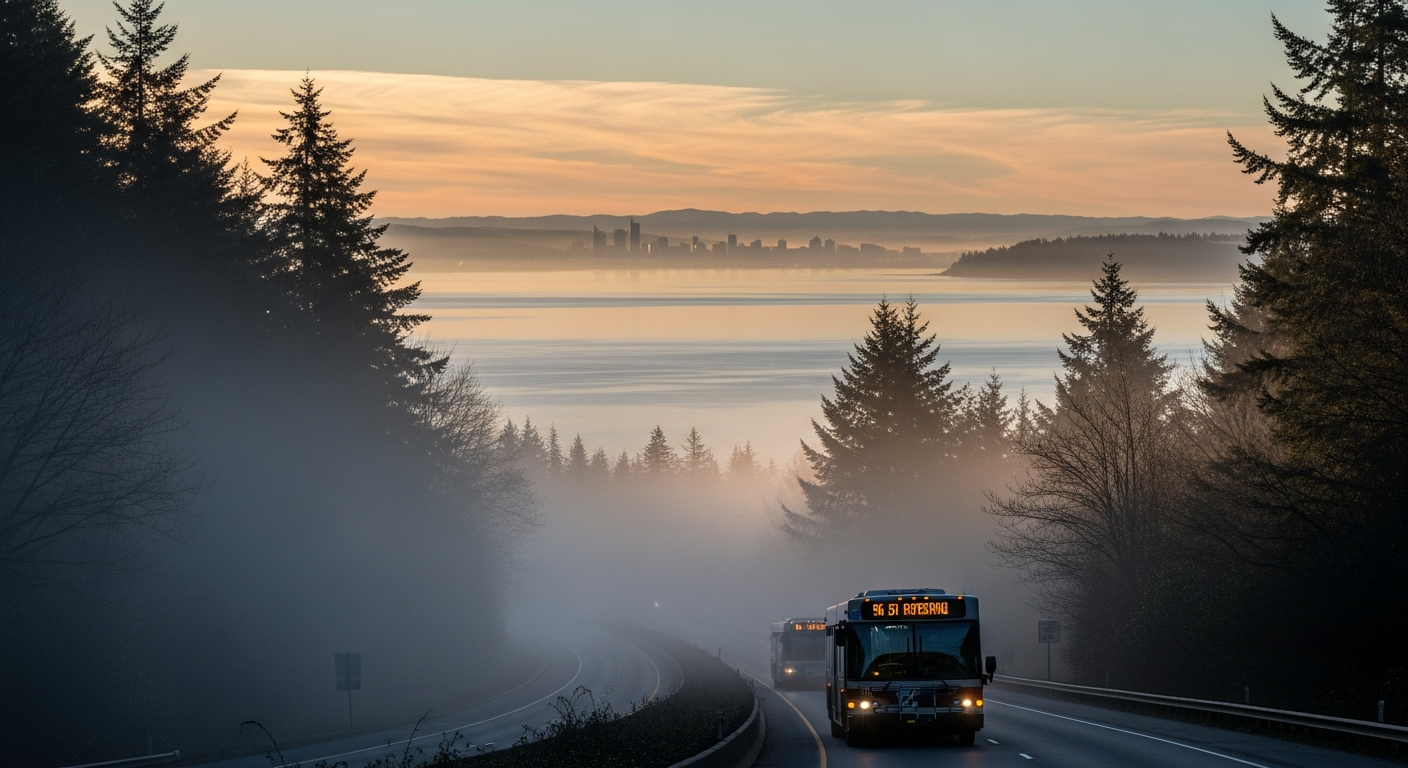
Mason Transit’s Route 3 connects the Belfair Park & Ride on NE Log Yard Road to the Bremerton Ferry Terminal with weekday service — morning departures from Belfair at 5:25 a.m., 6:25 a.m., and 7:45 a.m. cover the early-shift window, with additional mid-morning and afternoon runs. Route 3X provides an express option on select trips. No weekend service operates. Current schedules are at masontransit.org/route-3/.
Drivers on SR-3 face a different planning challenge this summer. The ongoing construction work in the Gorst corridor is set to affect commute times, and commuters should have an alternate routing strategy ready before the peak construction window. Our earlier coverage walks through what the SR-3 construction means for PSNS workers and the Gorst roundabout and Belfair Bypass timeline.
After September 30, 2026: What to Watch
Section 1108’s protection is tied to FY2026. After September 30, renewal requires action in the FY2027 NDAA or through standalone legislation. The Protecting Public Naval Shipyards Act (S. 2648 in the 119th Congress) was introduced to make this protection permanent — but as of publication it has not been enacted as standalone law. If the broader DoD workforce reduction conversation continues into FY2027, the question of whether PSNS retains its carve-out returns. That is a budget and defense policy story worth watching from North Mason’s perspective — a large share of our local economy follows the shipyard’s employment trajectory.
Frequently Asked Questions About NDAA Section 1108 and PSNS
Does Section 1108 protect all PSNS employees or only specific trades?
Section 1108 specifically names welders, pipefitters, shipfitters, radiological technicians, engineers, apprentices, mechanics, painters, blasters, and nuclear maintenance personnel. Workers in those roles are explicitly protected from hiring freezes and workforce reductions under the FY2026 appropriations restriction. Administrative positions not directly tied to shipyard operations are not covered by the same explicit language.
Can a presidential executive order override Section 1108?
No. Section 1108 is an appropriations restriction — it bars the use of federal funds for hiring freezes or RIFs at the four named shipyards. An executive order cannot redirect funds that Congress has prohibited from being used for a specific purpose. This legal distinction is what makes the protection meaningful in the current federal workforce environment.
When does FY2026 end and what happens to the protection after that?
FY2026 ends September 30, 2026. After that date, the Section 1108 protection expires unless renewed through the FY2027 NDAA or standalone legislation. The Protecting Public Naval Shipyards Act (S. 2648) was introduced to make the protection permanent, but that bill has not yet been enacted as a standalone law.
Is the PSNS apprenticeship program open to Mason County residents?
Yes. The PSNS & IMF apprenticeship program accepts applicants from both Kitsap and Mason counties. The program has operated since 1901 and graduates approximately 200 workers per year, with academic instruction delivered through Olympic College in Bremerton. Openings are posted at usajobs.gov.
How many people does PSNS & IMF employ?
PSNS & IMF employs more than 14,000 workers, making it the largest public naval shipyard in the United States by workforce. It handles maintenance and overhaul for the Navy’s aircraft carriers and nuclear submarines operating in the Pacific Fleet.
What bus connects Belfair to PSNS in Bremerton?
Mason Transit’s Route 3 (Belfair/Bremerton) connects the Belfair Park & Ride on NE Log Yard Road to the Bremerton Ferry Terminal on weekdays. Morning departures from Belfair are at 5:25 a.m., 6:25 a.m., and 7:45 a.m. Route 3X is an express option. No weekend service. Full schedule at masontransit.org/route-3/.
Which four shipyards are protected by Section 1108?
Puget Sound Naval Shipyard & Intermediate Maintenance Facility (Bremerton, WA), Portsmouth Naval Shipyard (Kittery, ME), Norfolk Naval Shipyard (Portsmouth, VA), and Pearl Harbor Naval Shipyard & Intermediate Maintenance Facility (Pearl Harbor, HI).
Leave a Reply