
Last refreshed: September 25, 2026
Model Accuracy Note — Updated May 2026
Lineup currency (Sept 2026, verified): Sonnet 5 ($2/$10), Opus 5.5 ($4/$20), Haiku 4.5 ($1/$5), Fable 5.1 ($10/$50). Legacy (still listed): Opus 4.8 ($5/$25), Sonnet 4.6 ($3/$15). Prior note (superseded): Prior flagship claim: Claude Opus 4.7 (claude-opus-4-7). Prior models claim: Opus 4.7 · Sonnet 4.6 · Haiku 4.5. Claude Opus 4.7 (claude-opus-4-7) was claimed current as of April 16, 2026. Where this article references Opus 4.6 or earlier models, those references are historical. See current model tracker →. See current model tracker →
Two of the most searched Claude questions are really asking the same underlying thing: how much can Claude hold in one conversation, and does it remember you between sessions? They have different answers, and understanding the difference changes how you use Claude effectively.
The Context Window: What It Is

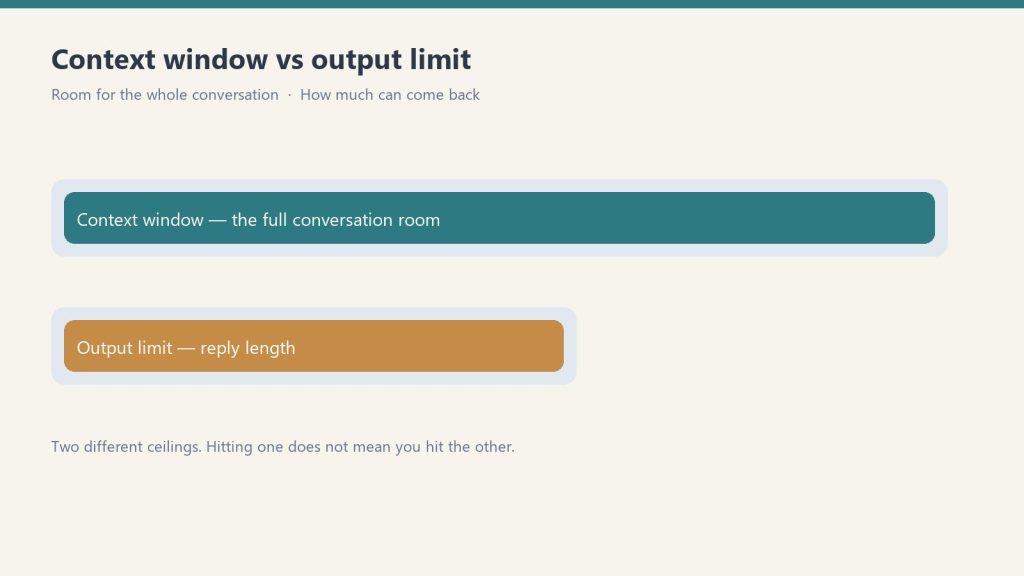
The context window is everything Claude can “see” in a single conversation at once — your messages, its responses, any documents you’ve shared, and any tool outputs. It’s measured in tokens (roughly 0.75 words per token for English text). A 200,000-token context window means Claude can work with approximately 150,000 words or about 500 pages of text in a single session before older content starts to fall out.
In practical terms: you can share an entire book, a large codebase, a year of meeting notes, or dozens of documents — and Claude can reason across all of it simultaneously in one conversation.
Context Window by Model (April 2026)
| Model | Context Window | Notes |
|---|---|---|
| Claude Opus 4.6 | 200K tokens (1M in beta) | Flagship capability model |
| Claude Sonnet 4.6 | 200K tokens (1M in beta) | Production default |
| Claude Haiku 4.5 | 200K tokens | Speed and cost tier |
The 1M token context window for Opus 4.6 and Sonnet 4.6 is currently in beta. When generally available, it will support approximately 750,000 words or roughly 2,500 pages of text in a single session.
Memory Between Conversations: What Actually Persists
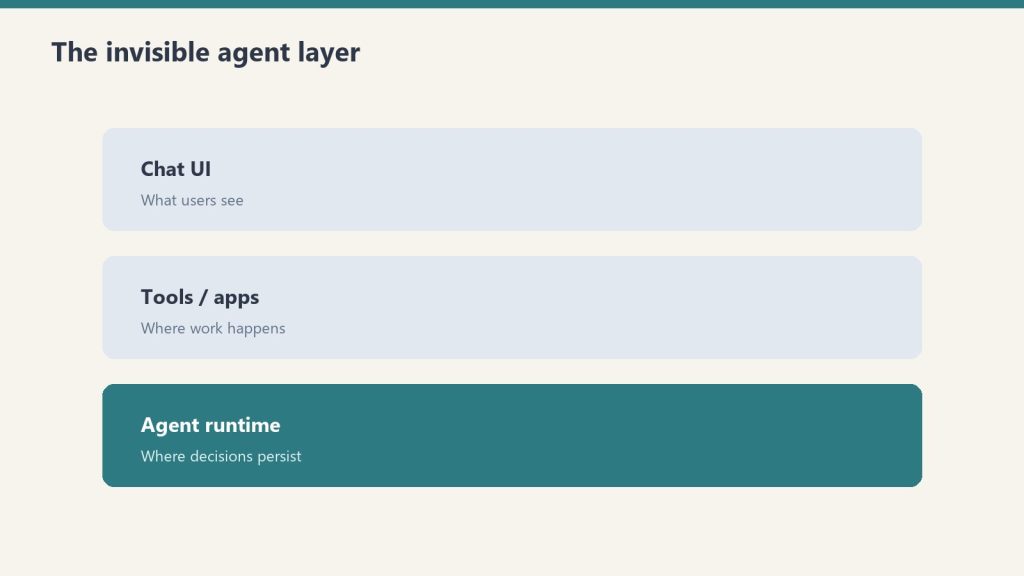
This is where most users get confused. The context window governs one conversation. Claude has no automatic memory that carries forward to the next conversation — when you start a new chat, Claude starts completely fresh with no recollection of prior sessions.
There are three ways Claude can appear to “remember” across sessions, all of which are deliberate features rather than automatic memory:
Memory settings (claude.ai): Claude.ai has an opt-in memory feature that extracts key facts from your conversations and surfaces them in future sessions. This is generated from conversation history and displayed to you in settings. It’s explicit and controllable, not passive memory.
Projects: Claude’s Projects feature lets you attach persistent context — documents, instructions, background — that applies to every conversation within that project. The context doesn’t change between sessions; you control what’s in it.
System prompts (API): For API users, a system prompt injected at the start of every session effectively gives Claude a persistent briefing. This is how most enterprise Claude deployments simulate consistent behavior across sessions.
Practical Implications
For one-time tasks — editing a document, analyzing data, writing an article — the 200K context window is more than enough for nearly any real-world use case. For ongoing work where you want Claude to remember context across sessions — a long project, client history, evolving instructions — you need one of the three persistence mechanisms above. The context window doesn’t do that on its own.
The most reliable pattern for power users: maintain a “Claude briefing” document in Notion or a Project that you update over time, and attach it to conversations where continuity matters. This is faster and more reliable than relying on the memory feature for complex operational context.
Does Claude remember our previous conversations?
Not automatically. Each new conversation starts fresh. You can enable the memory feature in claude.ai settings to have Claude extract and surface key facts from past conversations, or use Projects to attach persistent context to a conversation thread.
What is Claude’s context window in 2026?
All Claude 4.6 models support 200,000 tokens (about 150,000 words or 500 pages). Claude Opus 4.6 and Sonnet 4.6 support 1 million tokens in beta.
How many words can Claude handle at once?
Approximately 150,000 words (about 500 pages of text) on the standard 200K token context window. With the 1M token beta on Opus 4.6 and Sonnet 4.6, that extends to roughly 750,000 words.
Leave a Reply