
The Pitch You’ve Heard Before (and Why This Isn’t That)
If you’re a freelance SEO consultant, you’ve been pitched by every tool, platform, and agency partner under the sun. They all want you to change something. Change your process. Change your tools. Change your reporting. Learn their system. Adopt their workflow. Sit through their onboarding.
I’m not here to change how you do SEO. You’re good at it. Your clients pay you because you deliver. The rankings move. The traffic grows. The phone rings. That’s the work and you know how to do it.
What I’m here to talk about is what sits underneath your SEO work — a layer that makes everything you’re already doing more visible, more durable, and more valuable to your clients. Not a replacement. Not a competing workflow. Middleware.
What Middleware Actually Means in This Context
In software, middleware is the layer that sits between two systems and makes them talk to each other without either one needing to change. It translates. It routes. It adds capability without adding complexity to the things it connects.
That’s what Tygart Media built. A skill-based system that connects to any WordPress site through its existing REST API, runs optimization passes that go beyond traditional SEO, and delivers the results back into the same WordPress environment your client already uses. Your client sees better results. You see expanded capabilities. Neither of you had to learn a new platform or change a single process.
The system includes answer engine optimization — structuring content so search engines surface it as the direct answer, not just a ranking result. It includes generative engine optimization — making content citable by AI systems like ChatGPT, Perplexity, and Google’s AI Overviews. It includes schema architecture, internal linking analysis, entity signal optimization, and content expansion. All of it runs through a proxy layer that routes API traffic without touching your client’s hosting, their theme, their plugins, or their workflow.
How It Plugs Into What You Already Do

Here’s the practical version. You do your keyword research. You write or commission content. You optimize on-page elements. You build links. You report to your client. None of that changes.
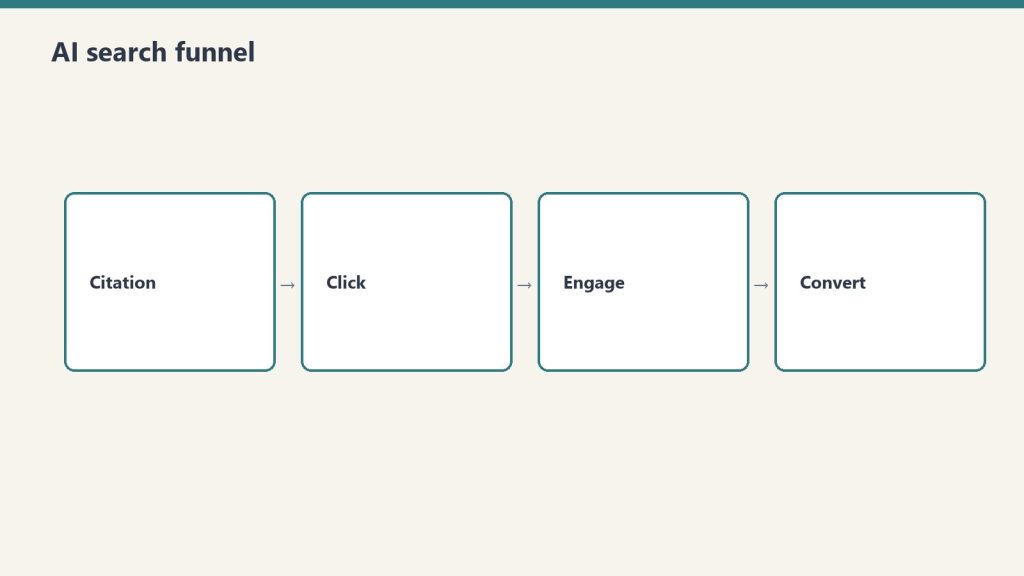
What changes is what happens after your content is published. The middleware layer picks it up and runs a series of optimization passes. It restructures key sections for featured snippet capture — question as heading, direct answer in the first paragraph, depth below. It adds FAQ sections with proper schema markup. It analyzes the content for entity signals and strengthens them so AI systems can identify and cite the expertise. It checks internal linking opportunities across the client’s entire site and suggests or implements connections you might not have seen.
The output lands back in WordPress. Same posts. Same pages. Same CMS your client logs into every day. They don’t need a new dashboard. You don’t need a new reporting tool. The work just got deeper without getting more complicated.
Why This Matters for Solo Consultants Specifically
Agency owners can hire specialists. They can build internal teams for schema, for AI optimization, for content architecture. You can’t — and you shouldn’t have to. The economics of freelance SEO don’t support a full-time schema engineer or an AI search strategist on payroll.
But your clients are starting to notice that search is changing. They’re seeing AI-generated answers at the top of Google. They’re hearing about ChatGPT replacing search for certain queries. They’re asking you questions you might not have answers to yet — not because you’re behind, but because these capabilities require different infrastructure than what a solo consultant typically builds.
A middleware partner gives you the infrastructure without the overhead. You don’t hire anyone. You don’t learn a new discipline from scratch. You don’t risk your client relationships on a capability you’re still figuring out. You plug in a layer that handles the parts of modern search optimization that go beyond traditional SEO, and you stay focused on what you do best.
What We Actually Built (No Hype, Just Architecture)
The system is a chain of specialized optimization skills that execute in sequence. A connection layer authenticates with any WordPress site. A proxy routes all API traffic through a single cloud endpoint so we never need access to the client’s hosting environment. A site registry stores credentials and configuration for every connected property. Then the optimization skills run: SEO refresh, AEO refresh, GEO refresh, schema injection, internal link analysis, content expansion.
Each skill is purpose-built. The AEO layer structures content for featured snippets, People Also Ask placements, and voice search. The GEO layer optimizes for AI citation — entity density, factual specificity, the signals that AI systems use when deciding which sources to reference. The schema layer generates and injects structured data. The interlink layer maps the entire site and identifies connection opportunities.
We also built an adaptive content pipeline that determines how many audience-targeted variants a topic actually needs — not a fixed number, but a demand-driven calculation with tested guardrails for when additional variants start cannibalizing instead of helping. That pipeline prevents the “more content equals more authority” trap that burns through budgets without delivering proportional results.
What This Doesn’t Do
It doesn’t replace your client relationships. It doesn’t put our name in front of your clients unless you want it there. It doesn’t change your pricing model, your reporting cadence, or your communication style. It doesn’t require your clients to install anything, grant us admin access, or even know we exist.
It also doesn’t promise specific traffic numbers, ranking positions, or revenue outcomes. Search optimization is complex and results vary by industry, competition, content quality, and dozens of other factors. What the middleware layer does is ensure that the content you’re already creating is structured and optimized for every surface where modern search happens — not just traditional blue links.
The Conversation Starter
If you’re a freelance SEO consultant who’s been wondering how to answer client questions about AI search without becoming an AI search specialist overnight, the middleware model might be worth a conversation. No pitch deck. No onboarding gauntlet. Just a practical discussion about what your clients need and whether this layer adds value to what you’re already delivering.
Frequently Asked Questions
Do my clients need to know about Tygart Media?
Only if you want them to. The default model is fully white-label — the optimization work happens under your brand, in your reporting, through your client communication. Your clients see better results attributed to your expertise.
What access do you need to my client’s WordPress site?
A WordPress application password with editor-level access. That’s it. All API traffic routes through our cloud proxy, so we never need hosting access, SSH credentials, or FTP. The application password can be revoked instantly if the engagement ends.
How does pricing work for freelance consultants?
The model is designed to sit inside your existing client fees. You set your client-facing rate, and the middleware layer operates as a cost within your margin — similar to how you might pay for an SEO tool subscription or a freelance writer. Specifics depend on scope and site count, which is what the initial conversation covers.
What if I only have a few clients?
The system works at any scale. Whether you manage two sites or twenty, the middleware layer applies the same optimization chain. There’s no minimum client requirement to start a conversation.
{
“@context”: “https://schema.org”,
“@type”: “Article”,
“headline”: “You Dont Need to Change How You Do SEO. You Need a Layer Underneath It.”,
“description”: “Tygart Media plugs into your existing SEO workflow as middleware — adding AEO, GEO, and schema capabilities without changing a single thing about how you work.”,
“datePublished”: “2026-04-03”,
“dateModified”: “2026-04-03”,
“author”: {
“@type”: “Person”,
“name”: “Will Tygart”,
“url”: “https://tygartmedia.com/about”
},
“publisher”: {
“@type”: “Organization”,
“name”: “Tygart Media”,
“url”: “https://tygartmedia.com”,
“logo”: {
“@type”: “ImageObject”,
“url”: “https://tygartmedia.com/wp-content/uploads/tygart-media-logo.png”
}
},
“mainEntityOfPage”: {
“@type”: “WebPage”,
“@id”: “https://tygartmedia.com/you-dont-need-to-change-how-you-do-seo-you-need-a-layer-underneath-it/”
}
}
Leave a Reply