Last verified: June 2026.
Most “AI stack” articles hand you a list of tools. This one is about the wiring between them, because that is where the leverage lives. After running a multi-brand content operation end to end – research, writing, publishing, and distribution to a couple dozen destinations – one lesson keeps repeating: the tools are commodities, and the connective tissue is the moat. Here is the whole machine, and how the pieces talk to each other.
One machine, four jobs
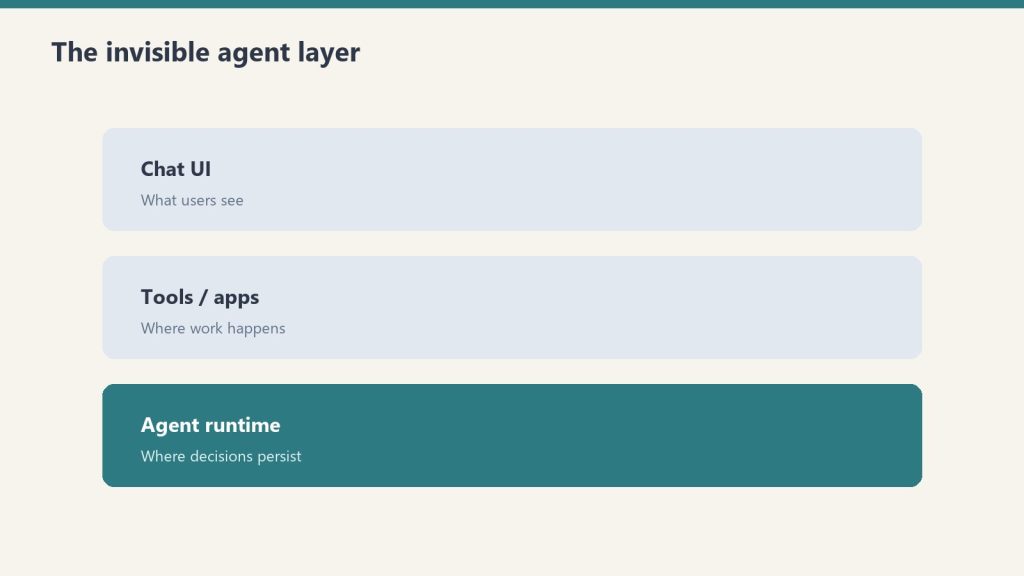
The stack has four jobs: capture an idea, produce the content, remember everything, and distribute it where both people and AI engines will find it. Miss any one and the system stalls.
1. Intelligence and intake
The front door is an “AI as PR team” intake: you drop a raw thought, a link, or a voice memo, and the model turns it into the right shapes – an outline, a short post, a full brief. A lightweight signal scraper watches a professional network for the language practitioners actually use and feeds those angles back as prompts, so the writing starts from how people really talk instead of a blank page.
2. Production
Claude is the reasoning engine. A content pipeline turns a brief into a structured article; an image model generates the visuals; and a set of “beat desks” – small scheduled agents, each owning one topic – research, draft, quality-gate, and self-publish to WordPress through its REST API. Every desk has a freshness gate: if there is nothing genuinely new and sourceable, it skips the run rather than manufacture filler. A clean skip is a successful run.
3. Record and state
Notion is the control plane – the registries, the per-desk specs, the run logs, the system of record. The governing principle is load-bearing: the model is not the runtime. Claude supplies judgment; durable execution lives on schedulers and cloud jobs; Notion holds the state. Separate those three and the machine keeps running whether or not anyone is watching it.
4. Distribution and grounding
This is the layer most stacks forget, and the one that compounds. Publishing to your own site is half the job; the other half is getting that content into the indexes search engines and AI assistants actually read. Two moves do the heavy lifting. First, IndexNow pings the Bing index the moment anything changes – that is how new and updated content gets grounded fast instead of waiting on a crawl. Second, a social scheduler fans a tailored post out to a professional network – a personal profile plus company pages – drafted first for human approval, never blasted.
Here is the part worth internalizing: that professional network matters far more than its follower count suggests, because it is one of the most-cited domains in AI answers. Since it flows into the same index that feeds AI grounding, every post is also a citation asset. You are not chasing likes – you are seeding the corpus that AI engines quote back to the next person who asks.
The loop that compounds
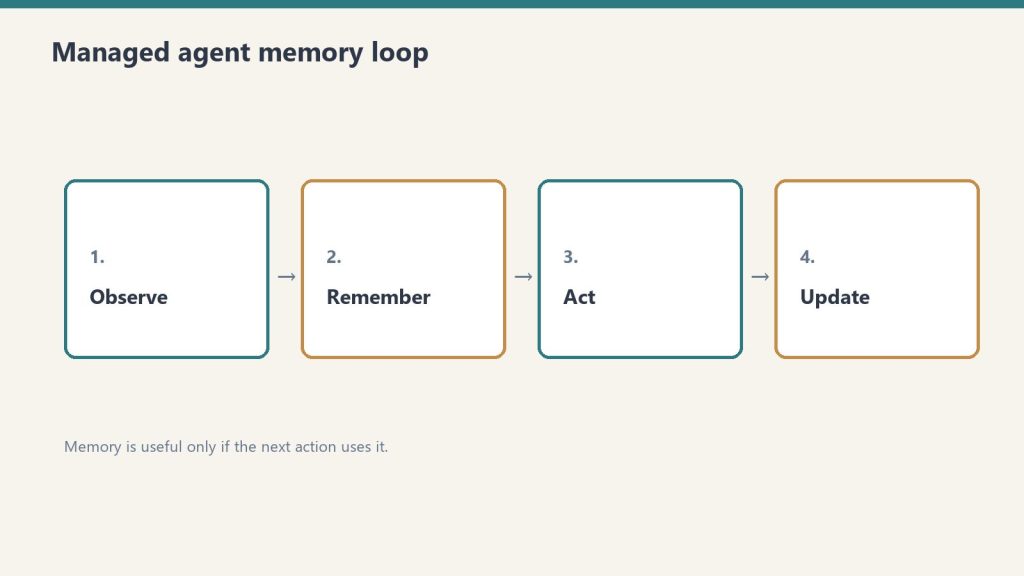
The layers are not a straight line; they form a loop. A researched social post is a compressed seed. Crack it open into a full article cluster – a core piece, audience-specific variants, an FAQ, schema, internal links – publish those, then queue the new URLs back to the scheduler as future posts. Social feeds the site; the site feeds social; both feed the grounding layer. Content you already made becomes the raw material for what you make next.
Why every layer optimizes for citation
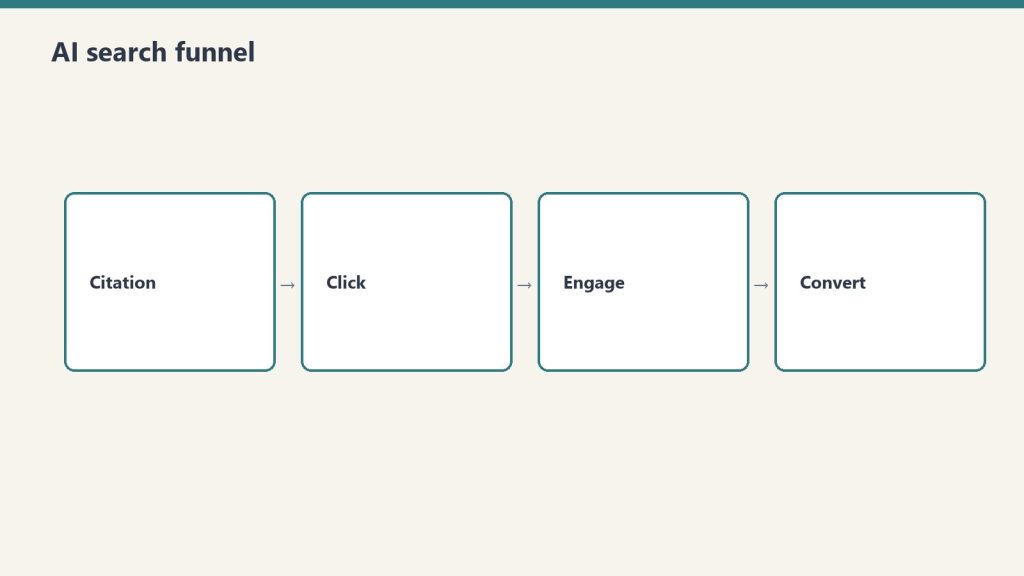
AI engines do not cite broad overviews. They cite operational specifics, head-to-head comparisons, and fresh, dated facts. So the whole stack is tuned for that: specific over general, “this versus that” where it genuinely helps a reader decide, and same-day freshness on anything that changes. The pages that earn the most citations are the least glamorous – the exact limits, the real configuration, the honest comparison – because those are the answers nobody else keeps current.
The honest edges
This is maintained, not magic. Long-form articles on a professional network have no public API, so that step is a manual paste – and it happens to be the most citation-valuable format, which means the highest-value action is also the least automatable one. Auth tokens expire and quietly break distribution until someone notices. Account IDs drift, so you verify live before any bulk action. The wiring is powerful precisely because keeping it wired is real work.
Related on Tygart Media: Cursor command center · fleet bots · Notion second brain.
Frequently asked questions
Do you need to be a developer to run this?
No, but you need to be comfortable wiring tools together – connecting an API, editing a config file, reading a log. The reasoning model closes much of that gap, but the operator still has to understand how the pieces connect.
Why optimize for Bing and not just Google?
Because the AI assistants people increasingly ask their questions to are grounded substantially on the Bing index. Winning that index is how you get cited in AI answers – a different and faster game than ranking on a traditional results page.
Is the social distribution automated?
The drafting is. Publishing is draft-first: the system stages every post for a human to approve before it goes live. Automation writes; a person decides.
What is the single highest-leverage piece?
The connective tissue – the model-context wiring that lets the brain reach your tools, and the distribution wiring that pushes finished content into the indexes AI reads. Start there. See our guide to connecting any tool to Claude with MCP and how AI engines actually cite content.
Leave a Reply