
Contractor Connection is the largest TPA in restoration. It’s also one of the most misunderstood — half the operators love it, half tolerate it, and a small but vocal minority leave it. This is what enrollment actually requires, what the program scoring really measures, and what the math looks like.
What Contractor Connection actually is
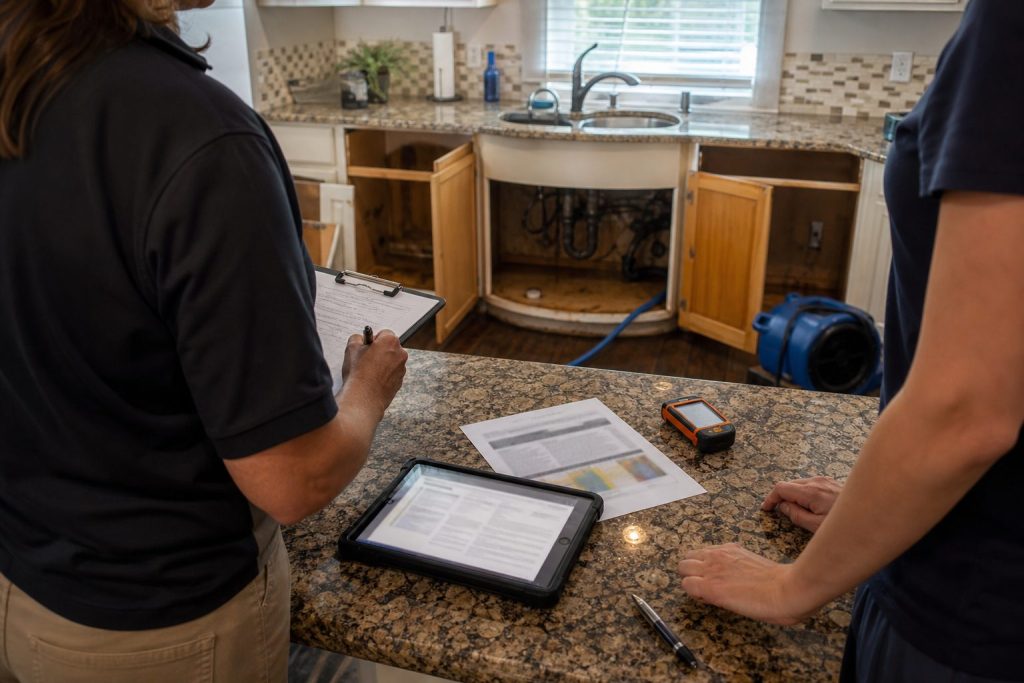
Contractor Connection is a managed-repair network that contracts with insurance carriers to dispatch claims to a vetted contractor pool. When a policyholder reports a covered loss, Contractor Connection’s call center routes the assignment to a network contractor based on geography, capacity, performance scores, and program rules. Documentation, scope, and pricing flow through the Contractor Connection platform (DASH integration is common).
Who they’re vetting against
Contractor Connection vets contractors against strict requirements including insurance, background checks, and certifications. The contractor pool is filtered through:
- Financial stability (often verified with current financials).
- Customer service track record.
- Proper business insurance at program-required limits.
- IICRC certifications across the production team.
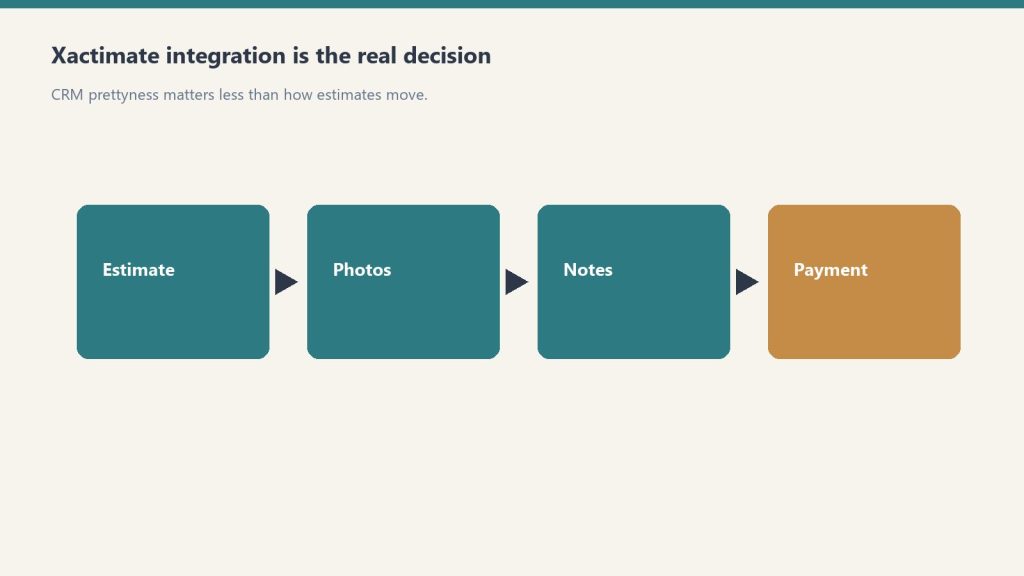
- Standardized software systems for documentation and pricing.
- Equipment and crew capacity for the service area.
Enrollment realities
The single most common reason restoration contractors fail Contractor Connection enrollment is incomplete or inconsistent paperwork — not lack of qualification. Specifically:
- Failing to complete the application in full.
- Answering questions incorrectly or inconsistently across forms.
- Misunderstanding what’s being asked (especially around insurance limits and certifications).
- Missing or outdated company financial statements.
The other failure mode is more painful: passing all the vetting, paying the enrollment fee, and then never getting activated or assigned work because the program already has saturation in your geography.
How Contractor Connection scores you once you’re in
Once active, contractors are scored on a continuous basis. The KPIs typically include:
- Cycle time — days from assignment to completion.
- Customer satisfaction — survey scores from policyholders.
- Scope adherence — variance between authorized scope and actuals.
- Documentation completeness — photos, moisture logs, daily progress reports.
- Re-open rate — claims that need rework or supplemental visits.
Higher scores get more assignments. Lower scores get assignments throttled. Sustained low scores get contractors deactivated.
The economic math
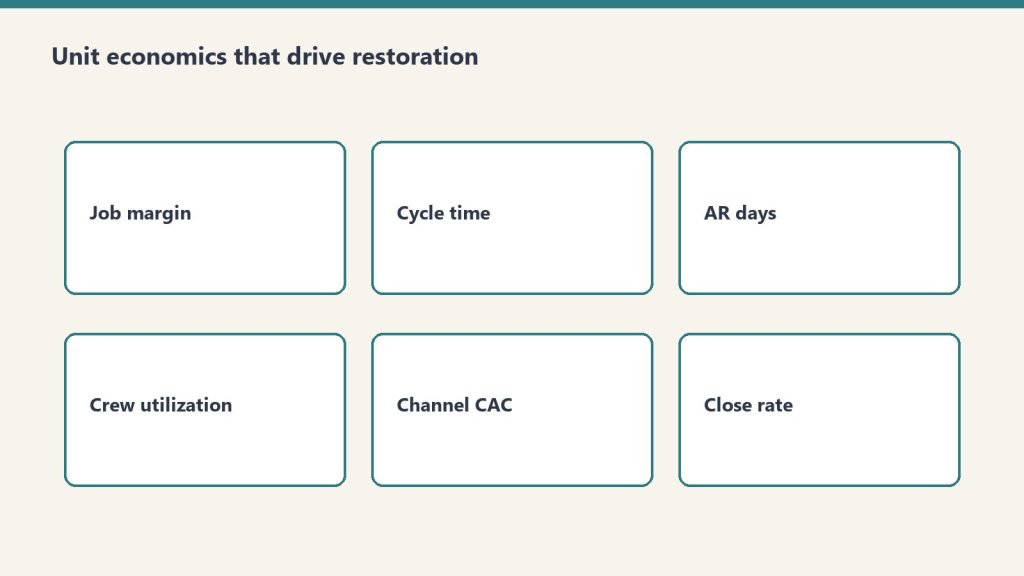
Contractor Connection pricing is typically Xactimate at carrier-approved settings, sometimes with a program discount applied (varies by carrier). Real-world margin on Contractor Connection water mitigation work in 2026 typically lands at 30-42% gross margin — solid but not exceptional. The trade-off is consistent volume and predictable AR.
Should you enroll?
Contractor Connection is a strong fit if:
- You have spare capacity and want a steady fill of mitigation work.
- Your team is disciplined about documentation and cycle time.
- You can absorb the program fees and still hit margin targets.
- You don’t already have direct carrier relationships in your market that would be cannibalized.
It’s a poor fit if you’re already capacity-constrained on higher-margin direct or cash work, or if your shop struggles with rapid scope and photo documentation.
FAQs about Contractor Connection
How long does Contractor Connection enrollment take?
Plan on 60-120 days from initial application to activation, sometimes longer if your service area is saturated. The vetting includes financial review, insurance verification, certification audits, and reference checks.
Does Contractor Connection charge enrollment fees?
Yes — initial enrollment fees and annual renewal fees apply, and they vary by program tier and number of locations. Confirm current fees directly with Contractor Connection during application.
What insurance limits does Contractor Connection require?
Typical program minimums are $1M / $2M general liability with mold endorsement, $1M commercial auto, and state-required workers comp. Some carrier programs within Contractor Connection require higher limits — confirm during enrollment.
Can I be in Contractor Connection and other TPAs simultaneously?
Yes. Most multi-program restoration contractors run Contractor Connection alongside Alacrity (now Altimeter), Accuserve (formerly CodeBlue), and various direct carrier programs. The key is capacity management — overcommitting kills your scores in all of them.
What’s the typical revenue contribution from Contractor Connection?
For active contractors, Contractor Connection often represents 15-35% of total revenue. Operators above 40% from a single TPA become uncomfortably concentrated and lose negotiating leverage.
Full insurance programs framework: Restoration Insurance Programs Master Guide.
Related on Tygart Media: Starlink on a water job · S500 in the van · local SEO for restoration.
Leave a Reply