Related on Tygart Media: Calendar + Notion AI · mail integration · what Notion AI agents are.
The 60-second version
Slack is where decisions happen. Notion is where decisions are documented. The gap between them is where things fall through. The Slack integration closes the gap by letting agents read what’s happening in Slack, summarize it into Notion, and draft outbound responses based on Slack threads. The pattern that works: read-summarize-act. Agent reads the Slack thread, summarizes the decision into the relevant Notion project page, and drafts the follow-up message back to Slack. The decision is documented and the follow-up is sent without manual handoff.
Three Slack integration patterns
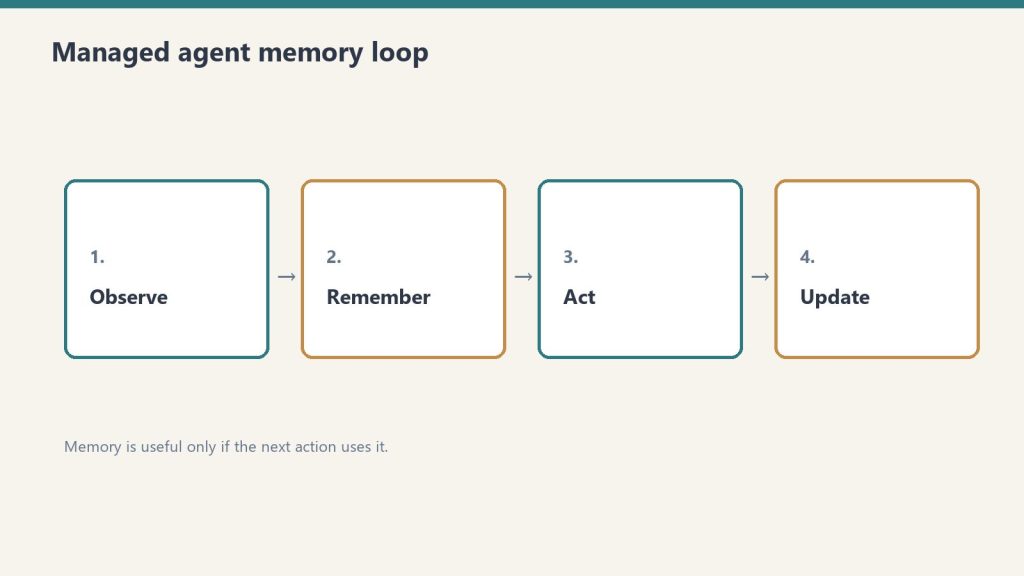
1. The decision-capture loop. Agent watches designated #project channels. When a decision is made (signaled by patterns like “let’s do X” or explicit decision flags), agent appends the decision and context to the project page in Notion. Decisions stop being lost to Slack history.
2. The status digest agent. Daily or weekly, agent reads activity in selected channels and produces a digest in a Notion page. Useful for managers tracking multiple teams without scrolling through hundreds of messages.
3. The action item extractor. Agent watches conversations for action items (“can you do X by Friday”). Adds them to the relevant person’s task database. Drafts a confirmation message in Slack thread asking the person to confirm.
What stays human
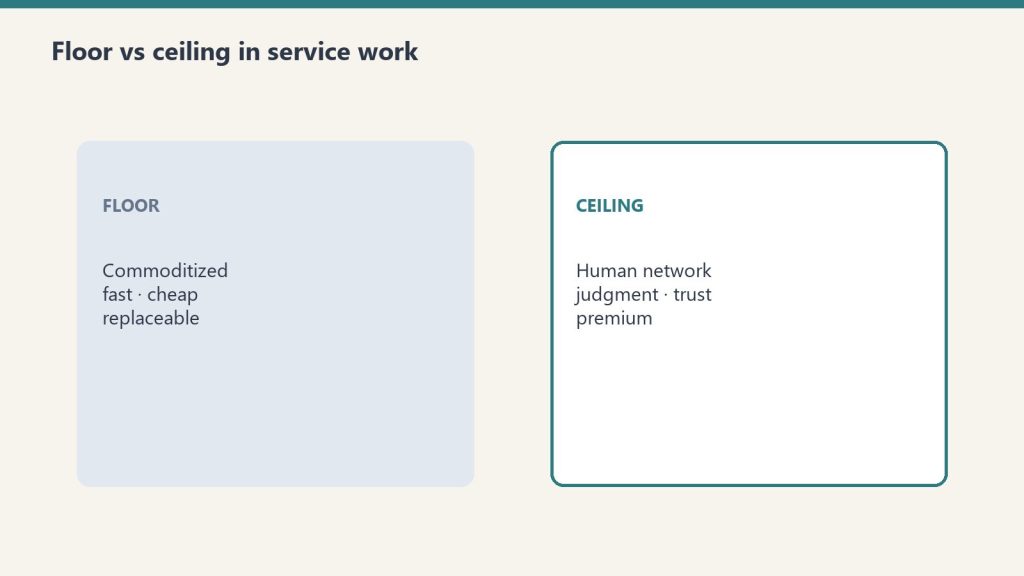
- The conversations themselves
- Decisions about what to do
- Nuanced communication where tone matters
- DMs and sensitive channels (don’t connect those)
Permission and privacy
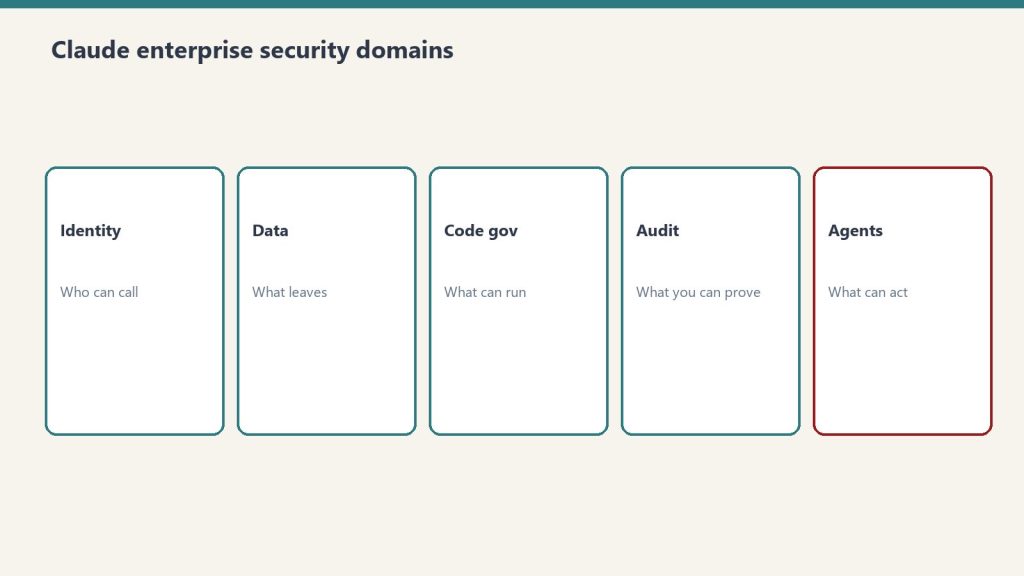
Slack agent integration respects user-level permissions. The agent sees what the connected user sees. Two implications:
– Don’t connect a junior account to a workspace agent — the agent inherits the junior’s limited view
– Don’t connect an admin account that can see DMs unless you actually want the agent reading DMs (you don’t)
The right pattern is a dedicated integration account with scoped channel access.
Where this goes wrong
1. Agents posting to Slack autonomously. This generates noise and damages trust fast. Configure agents to draft, not post. Humans review and send.
2. Reading too many channels. The agent’s signal-to-noise ratio drops with channel count. Pick 3-5 relevant channels per agent. Add more later if useful.
3. Trusting the action-item extractor without confirmation. Slack conversation is loose. “Can you” doesn’t always mean “I commit.” Always add a confirmation step.
Leave a Reply