
Most engineers who install MCP servers in Claude Code stop at GitHub. That’s a mistake. The GitHub server is the easy first install — but the integration that actually changes how I work is Sentry, and the pattern that emerges once it’s wired up tells you everything about how to think about MCP.
Here’s the workflow I’m running this week: an alert fires in Sentry, I paste the issue ID into Claude Code, and the agent reads the stack trace, pulls the offending file from the repo, writes the fix, opens a PR, and links the PR back to the Sentry issue. I never opened the Sentry dashboard. I never copy-pasted a stack trace. Two MCP servers, one terminal, one round trip.
Why Sentry is the high-value second install
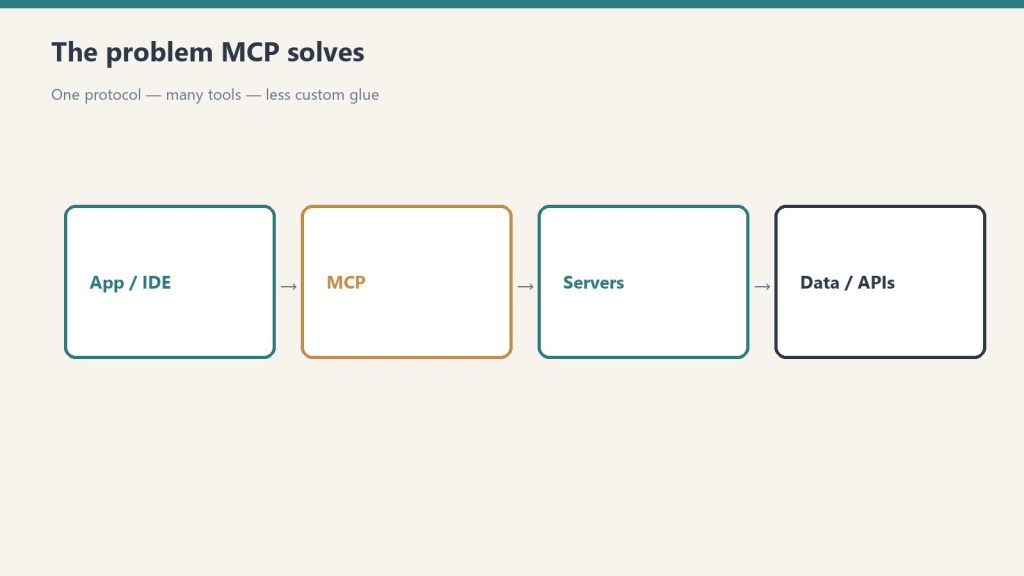
GitHub MCP makes Claude Code a contributor. Sentry MCP makes it an on-call responder. The difference matters because the most expensive minutes in any engineering org are the ones between “alert” and “first line of investigation.” That gap is almost entirely context-switching cost — tab to the alerting tool, find the right issue, copy the stack trace, paste it somewhere the LLM can see it, then start.
The Sentry MCP server is a remote HTTP server hosted by Sentry, which means there’s no Docker container to maintain and no local process to babysit. You authenticate once with a personal access token and Claude Code can pull issue details, search across projects, fetch event payloads, and read breadcrumbs directly into context.
The install — three commands, two integrations

Here’s the actual setup. GitHub first:
claude mcp add github \
  -e GITHUB_PERSONAL_ACCESS_TOKEN=ghp_your_token \
  --scope user \
  -- docker run -i --rm \
  -e GITHUB_PERSONAL_ACCESS_TOKEN \
  ghcr.io/github/github-mcp-server
Then Sentry. Sentry runs as a remote HTTP server, so the syntax is different:
claude mcp add --transport http sentry https://mcp.sentry.dev/mcp \
  --scope user \
  -H "Authorization: Bearer YOUR_SENTRY_PAT"
Verify with claude mcp list. You should see both servers reporting healthy. If Sentry returns a 401, the token doesn’t have the right project scopes — Sentry’s tokens are project-scoped, not org-scoped, so this trips up people who are used to GitHub PATs.
One configuration detail worth noting: I use --scope user for both. Project scope writes to .mcp.json in the repo, which is fine for team-wide tools but wrong for personal credentials. User scope keeps the token in your own config and out of the repo.
The prompt pattern that makes it work
The naive approach is “fix Sentry issue 12345.” That works but burns tokens because Claude has to discover the tool, fetch the issue, parse the stack trace, identify the file, and only then start reasoning about the fix. With Tool Search — the on-demand tool discovery that ships with Claude Code — the cost is lower than it used to be, but it’s still slower than necessary.
The pattern I’ve settled on is more directive: “Pull Sentry issue PROJECT-12345, identify the file and line from the stack trace, read the surrounding context, and draft a fix as a branch off main. Don’t open the PR yet.” That gives Claude a strict sequence and lets me review the branch before anything goes to GitHub.
The “don’t open the PR yet” part matters. When you chain two write-capable MCP servers, the failure mode is that Claude races ahead and pushes a half-baked fix because it has the tools and the authority. Constraining the action surface in the prompt is how you keep this useful instead of dangerous.
What breaks, and how to know
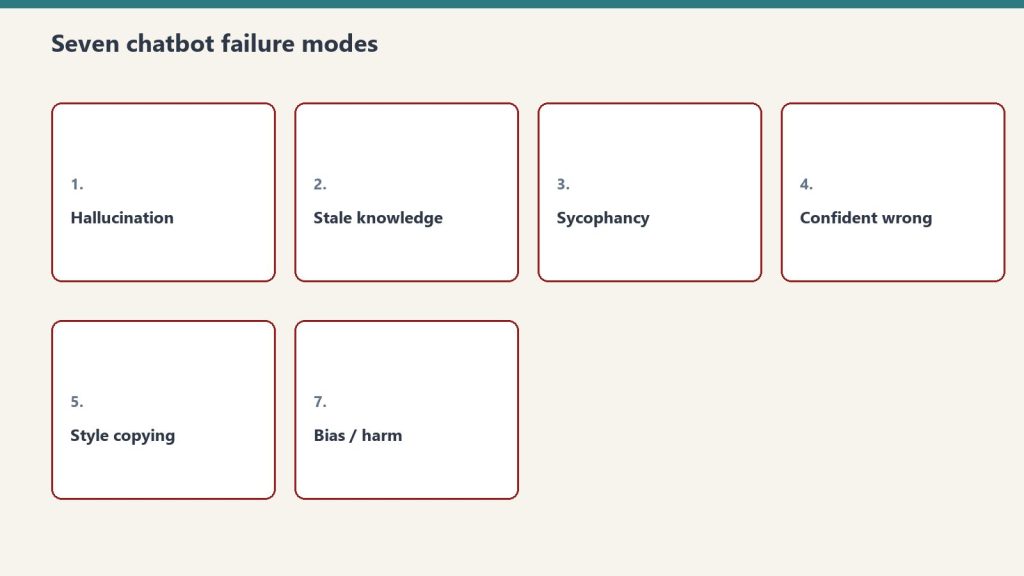
Three things have failed for me in the last month and each one is worth knowing.
First: Sentry rate-limits aggressively. If you’re working through a long incident and Claude is making repeated calls, you’ll hit the limit and the tool calls will start returning errors mid-conversation. The fix is to ask Claude to dump everything it needs from Sentry in one call, then work from that context. The token cost is higher upfront but the workflow is more reliable.
Second: GitHub MCP via Docker has a cold-start cost on the first call of a session — typically two to four seconds while the container spins up. This is fine but it does mean the first response feels slow. If you’re on a Mac with Apple Silicon, the container image is multi-arch and works without the --platform linux/amd64 flag.
Third: when both servers are connected and you have other MCP servers installed, Claude will sometimes route a Sentry-shaped question through GitHub’s search instead. The fix is to name the tool in the prompt — “use the Sentry MCP to fetch issue X” — rather than trusting the routing. This is a known cost of running many servers and is the trade-off you accept for breadth.
The pricing reality
Sentry MCP is free to use if you have a Sentry account — there’s no additional charge for the MCP layer. The cost comes from the Claude API tokens you burn pulling Sentry data into context. A typical issue investigation runs 8,000 to 15,000 input tokens depending on stack trace length and breadcrumb count. On Sonnet 4.6 (legacy — still listed) that’s roughly $0.02 to $0.05 per investigation, which is trivial compared to
Lineup currency (Sept 2026): Current API list (Sept 2026, verified): Sonnet 5 $2/$10, Opus 5.5 $4/$20, Haiku 4.5 $1/$5, Fable 5.1 $10/$50. Legacy (still listed on Anthropic’s card): Opus 4.8 $5/$25, Sonnet 4.6 $3/$15.
the engineering time saved.GitHub MCP is the same story — free server, you pay only for tokens. The Docker image is open source under github/github-mcp-server on GHCR.
What I’d install next
After GitHub and Sentry, the next install that earns its keep is Postgres if you have a database, or Linear if your team uses it for issue tracking. The pattern is the same in every case: the MCP server you want is the one that eliminates the highest-frequency context switch in your day, not the one with the most features. Audit your own tab-switching for a week. Whichever app you alt-tab to most often is the next MCP server worth wiring in.
The deeper lesson is that MCP changes the shape of what a coding agent is for. Without integrations, Claude Code is a smart autocomplete. With two well-chosen MCP servers, it becomes the connective tissue between alert, code, and ship — which is most of what engineering work actually is.
📖 Recommended Reading in Claude Code Insider
Related on Tygart Media: how to use Claude · Anthropic API key.
Leave a Reply