Direct carrier programs are the highest-margin insurance work in restoration. No TPA fee. No algorithmic dispatch. Direct relationship with adjusters and carrier vendor managers. The catch: it’s harder to break in, the requirements are higher, and the relationships have to be earned. This is how operators do it.
What “direct” actually means
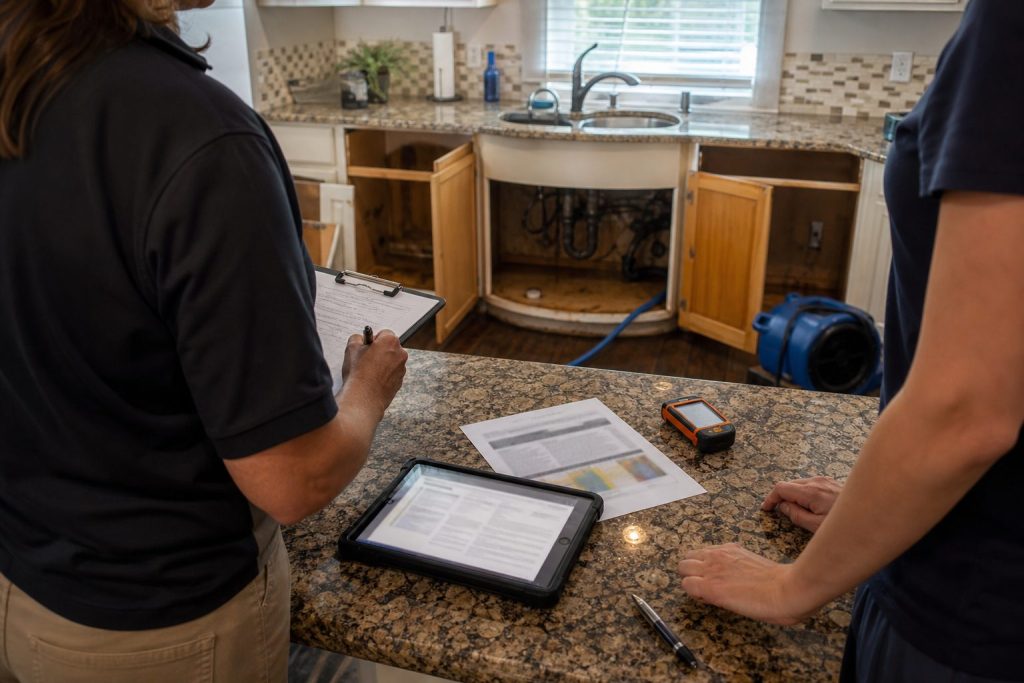
A direct carrier program is a contractual relationship between a restoration contractor and an insurance carrier where claims are dispatched directly — often to a small preferred vendor list — without a TPA intermediary. State Farm Premier Service Program, Liberty Mutual Preferred Vendor, Allstate Quality Service Program, and USAA Preferred Contractor Network are all examples of direct programs.
Why direct beats TPA on margin
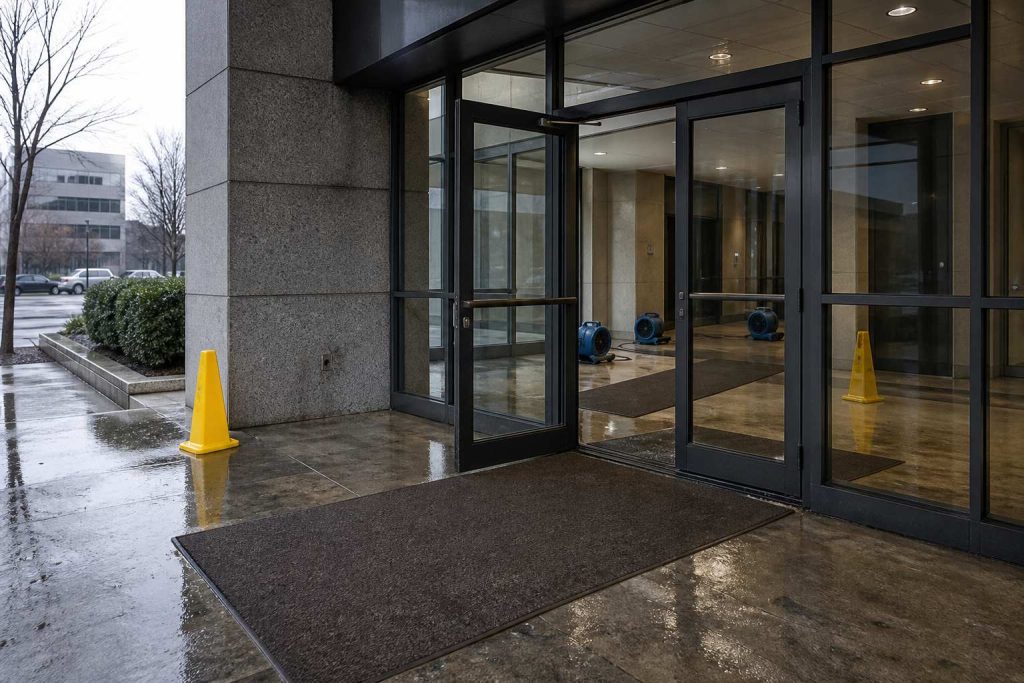
- No TPA fee or program discount coming out of the estimate.
- Less aggressive equipment rental haircuts.
- More flexibility on supplements when adjuster relationship is strong.
- Faster payment in many cases (no TPA processing layer).
- Direct adjuster relationships that compound into more referrals over time.
Realistic gross margin on direct carrier mitigation work in 2026 typically lands 38-52% — meaningfully better than the 30-42% TPA range.
What carriers want from direct vendors
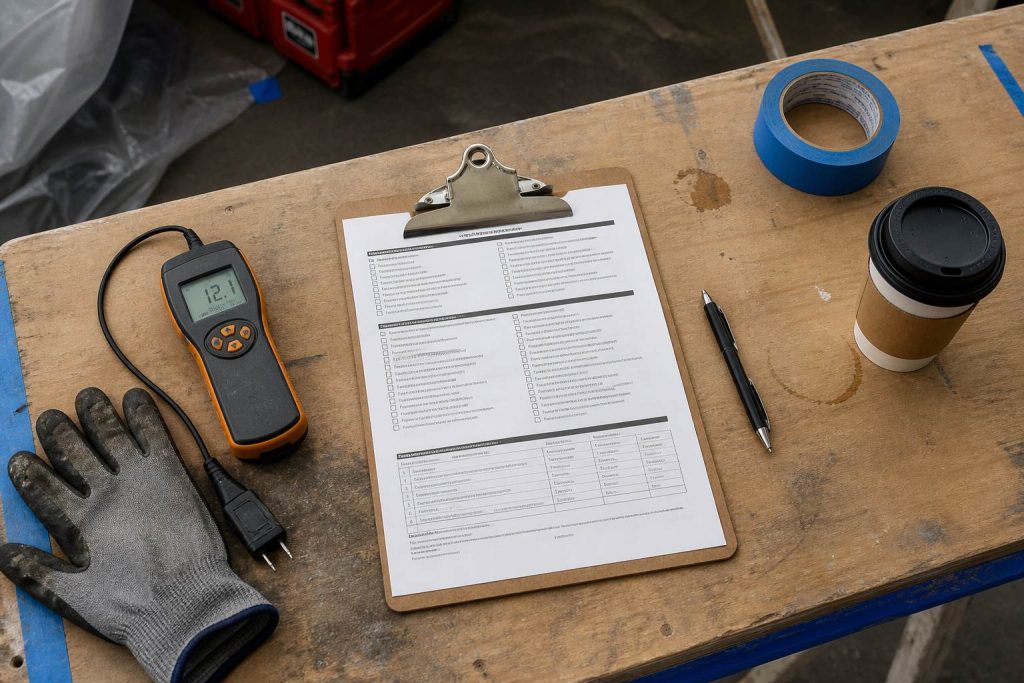
Carrier vendor management teams evaluate direct enrollment candidates on:
- Demonstrated track record. Years in business, references from existing carrier relationships, claim volume handled.
- Geographic coverage. Carriers prefer vendors who can cover an entire metro consistently, not just one zip code.
- Capacity. Number of trucks, technicians, equipment cache, ability to mobilize for CAT events.
- Certifications. IICRC across the team, specialty certs (FSRT, AMRT, OCT) where relevant.
- Insurance. Often higher than TPA minimums — $2M / $4M general liability, $2M commercial auto, mold endorsement, pollution liability.
- Software stack and documentation discipline. Xactimate proficiency, photo documentation standards, Encircle or similar.
- Customer satisfaction history. NPS scores, reviews, references.
- Financial stability. Audited financials or at least reviewed financials for larger programs.
How to actually get in
Direct carrier programs do not have a public application portal in most cases. The path in usually goes through one of three doors:
- Adjuster referrals. Build relationships with field adjusters and independent adjusters who work the carrier. When they consistently request you on assignments and you consistently perform, the carrier vendor manager notices.
- Vendor manager outreach. Identify the carrier’s vendor manager for your region (LinkedIn is the easiest path), make professional contact, send a capabilities deck. Patience is required — this is a multi-month courtship.
- Industry events. Restoration Industry Association (RIA) events, carrier-specific contractor summits, and TPA conferences (where carrier reps attend) are direct relationship-building opportunities.
The capabilities deck
When approaching a carrier directly, lead with a capabilities deck that addresses what they care about, in their order:
- Service area map with response time commitments.
- Capacity (trucks, techs, equipment, on-call coverage).
- Insurance certificates (proactively at the limits they require).
- Certifications (IICRC roster across the team).
- References from existing carrier or TPA relationships.
- Customer satisfaction data.
- Sample documentation package showing your scope and photo discipline.
What can go wrong
- Burning the relationship by going direct too early. If you’re already in a TPA program serving that carrier, going around the TPA can get you kicked out of both.
- Underestimating capacity expectations. Direct programs often expect coverage of an entire metro 24/7. Don’t sign up for what you can’t deliver.
- Ignoring scorecard performance. Direct doesn’t mean unmonitored — most carriers track cycle time, customer satisfaction, and scope adherence just like TPAs.
FAQs about direct carrier programs
Which carriers are easiest to enroll directly?
Smaller regional carriers and mutuals are typically more accessible than the top-5 national carriers (State Farm, Allstate, Liberty Mutual, Farmers, USAA). Build a track record at the regional carrier level first, then approach the nationals.
How much higher is direct margin vs TPA?
Realistic difference: 8-12 percentage points of gross margin. TPA mitigation work commonly runs 30-42% gross; direct carrier work commonly runs 38-52%. The exact difference depends on program structure and equipment rental terms.
Can I be in TPAs and direct programs at the same time?
Yes — most successful operators run a mix. The strategic question is whether your direct relationships overlap with the TPAs you’re enrolled in for the same carriers, which can create conflict. Generally, prefer direct where you have it, TPA where you don’t.
How long does it take to land a direct carrier program?
Plan on 12-36 months from first vendor manager contact to active assignment flow. The relationship has to be built, references have to season, and you usually need to demonstrate performance on a few trial assignments first.
What’s the biggest mistake contractors make pursuing direct?
Pitching their company before they’ve earned credibility. Vendor managers don’t want to hear how good you say you are — they want references, certifications, insurance, and demonstrated performance. Lead with proof, not promises.
Full insurance programs framework: Restoration Insurance Programs Master Guide.
Related on Tygart Media: Starlink on a water job · S500 in the van · local SEO for restoration.
Get The Signal
What we actually ran, what it measured, and what it means for a restoration shop — every week, including the flops.
Leave a Reply