
How should a restoration company run its events and sponsorships? Every event gets a written brief before and a written post-mortem after. The brief captures what we are spending, who is going, what success looks like, which specific accounts or relationships we are trying to advance, what materials we are bringing, and what follow-up looks like. The post-mortem captures what happened, who was met, what the follow-up plan is, whether it was worth the money, and whether to repeat. Without that discipline, events are parties with invoices attached. With it, they become an accumulating body of relationship intelligence.
A restoration owner with a $90,000 annual events budget walked me through his events calendar. Thirteen golf tournaments. Two galas. Four trade show sponsorships. A dozen local charity sponsorships. A couple of vendor-hosted events. He could tell me the name of every event. He could not tell me what any of them had produced in terms of business.
That is typical. The events line of a restoration company’s marketing budget is the least-examined line because it feels like the softest. Hard to measure. Hard to attribute. Feels like good-faith community participation rather than marketing spend. So it never gets reviewed. And year after year, the budget renews, the events happen, and the return is whatever happens to happen.
The fix is not complicated. It is a short written discipline, applied to every event, forever.
The Event Brief
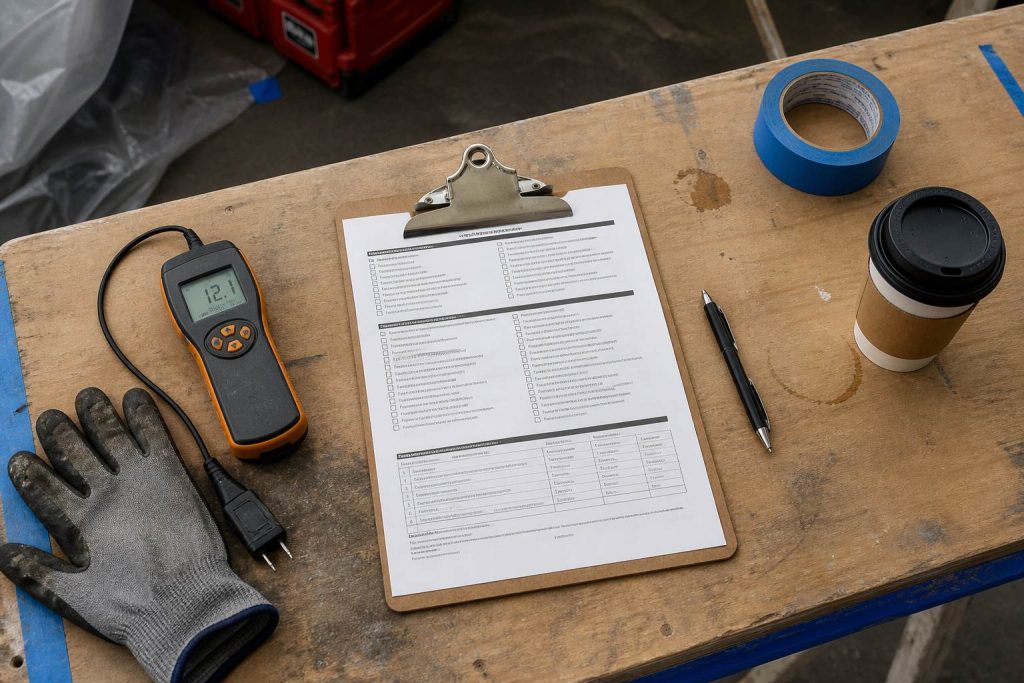
Before any event — before the check is written, before the calendar is blocked, before the rep is assigned — somebody writes a one-page brief. The brief has eight fields.
What event. Name, date, host, location, format. Golf. Gala. Trade show. Sponsored luncheon. Chamber mixer. Industry conference.
Get The Signal
What we actually ran, what it measured, and what it means for a restoration shop — every week, including the flops.
What are we spending. The full cost: sponsorship fee, any ticket costs, travel, materials, the hourly cost of the people attending (yes, it is real money), booth expenses, giveaways, post-event follow-up costs. Do not undercount.
Who is going. Named attendees from the company. Not “a rep.” Specific names. Roles. What they are expected to do.
What does success look like. Specific, not vague. “Make great connections” is not a success criterion. “Schedule follow-up meetings with two of the three target property managers on the attendee list” is. “Get introduced to the facility director at the target healthcare system” is. “Land one speaking slot for next year’s event” is. Success criteria should be measurable inside of thirty days.
Which accounts or relationships are we trying to advance. Not a generic list. Specific names or target accounts. The three property managers we want to meet. The adjuster we have been trying to reach. The general contractor we have heard about. If the event has an attendee list, research it. If not, research the typical attendee profile and plan against it.
What materials are we bringing. Business cards are table stakes. Beyond that: a one-page leave-behind about our commercial capability, a specific case study if the event has a vertical tilt, a QR code to a relevant landing page, branded items at a level that matches the event, signed copies of something if we have a content asset.
What does follow-up look like. Written in advance. Every person we meet gets a follow-up message within 48 hours, personalized. Prospects we engaged with get a scheduled next step. Referral partners get a thank-you and a specific offer to help them. The follow-up cadence is set before the event, not scrambled together after.
Who owns the post-mortem. Name it. Deadline it. If nobody is explicitly responsible for writing the post-mortem, it will not get written.
The brief takes 20 to 30 minutes to fill in. It transforms the event from something that “happens” into something the company is actively investing in.
The Event Itself
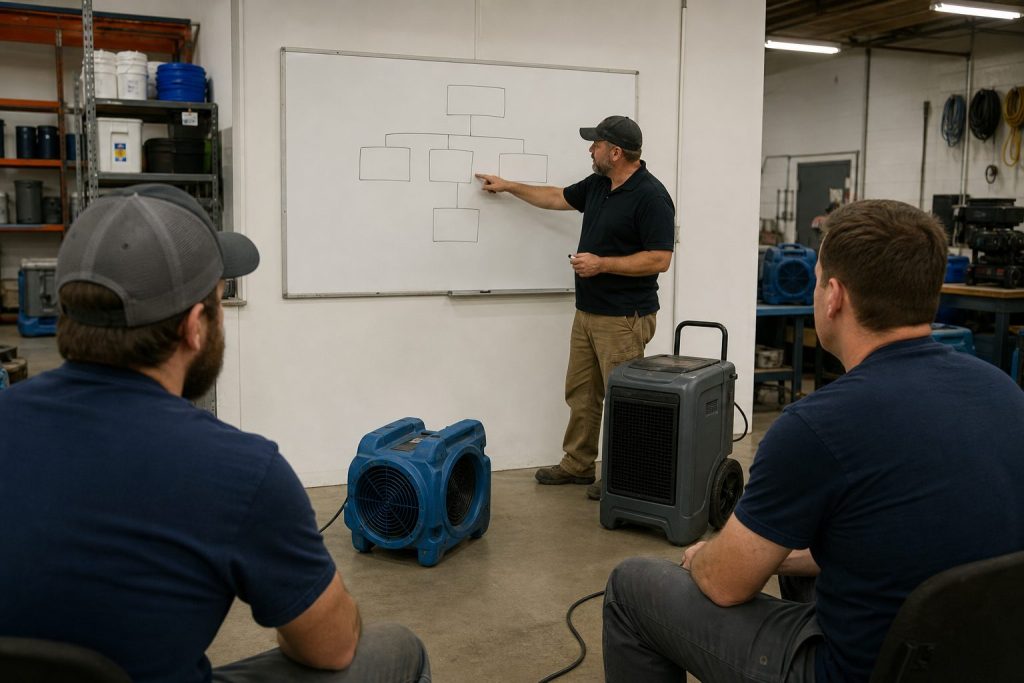
The event itself benefits from the brief because the attendees know what they are doing. They have specific people to meet. They have specific conversations to have. They know what they are bringing and what they are leaving behind. They know what success looks like before they walk in.
A few disciplines help the event actually execute.
Assign roles. If three people from the company are attending, each has a different role. The owner works the senior relationships. The sales lead works the specific target accounts. The marketing person coordinates the logistics and captures notes.
Work the attendee list pre-event. If the host provides a list, go through it. Identify priority targets. Plan the approach. If the host will not share it, use LinkedIn to map likely attendees based on sponsors, speakers, and historical patterns.
Capture notes in real time. Every conversation gets a quick note — name, company, topic, follow-up. A phone note, a pocket notebook, a card with the note written on the back. The brain will not remember twenty conversations from a three-hour event reliably. The notes make the post-mortem possible.
Set the follow-up on-site. When a real connection happens, set the next step before leaving the event. “Can I send you a calendar invite for next week?” “I’ll email you tomorrow with the case study I mentioned.” “Who is the right person at your company to connect with about restoration services?” The next step set on-site converts at a different rate from the next step set a week later.
The Event Post-Mortem
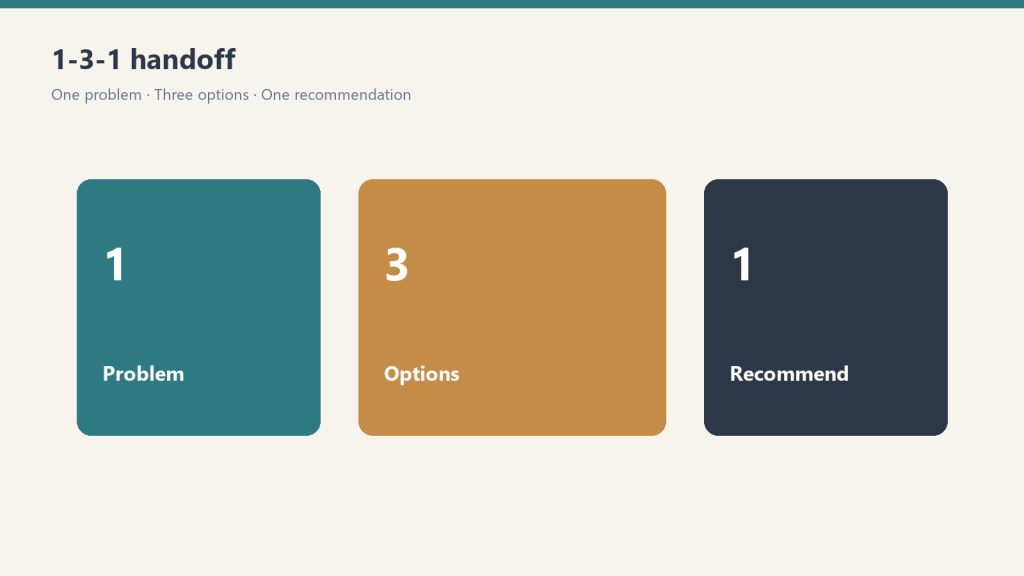
Within 72 hours of the event, the person named in the brief writes a one-page post-mortem. Six fields.
What happened. Quick narrative. Who came. How busy it was. How the format worked. Any surprises.
Who we met. Every name worth remembering, with the conversation topic and any notes. Not an exhaustive list. The people we actually connected with or plan to follow up on.
What follow-ups are scheduled. Names, next steps, deadlines. Actual calendar items.
Against success criteria. Did we hit the criteria from the brief? Missed the two target meetings but got introduced to a different facility director. Landed the speaking slot. Did not advance the adjuster relationship. Honest scoring.
Was it worth the money. Yes, no, partially. Not an opinion — an assessment tied to what actually happened against what we spent.
Repeat next year? Yes as-is. Yes with adjustments (specify). No. If the answer is “no,” say so. Events that do not work should get cut, not carried forward because they are on last year’s calendar.
The post-mortem is short. It takes 15 to 20 minutes to write. The value is not in the length. It is in the accumulating record of event intelligence that lets the company evaluate the calendar deliberately each year.
The Compound Effect
Three years of event briefs and post-mortems produce an artifact that does not exist at most restoration companies: a real, reviewable, written record of which events advanced the business, which did not, and why.
That record lets the annual events planning conversation be specific. Which events are we keeping? Which are we dropping? Which are we adjusting? Which are we adding? All of those answers have evidence behind them.
Without the record, the annual conversation is “we did it last year so we probably should do it again.” The calendar calcifies. The spend continues. The return, if there is one, is invisible.
Restoration companies that run this discipline for five years have the clearest events ROI picture in their market — and, more importantly, they have the disciplined attention to their events spend that produces better outcomes at each individual event because the attendees know how to work them.
The Exceptions
A few event types deserve a modified approach.
Community sponsorships. The little league team, the high school football program, the local charity 5K. These are often correctly framed as community presence rather than direct marketing. The brief and post-mortem are still useful, but success criteria should be framed in community-standing terms (brand visibility, community reciprocity, employee pride) rather than transactional ones. Not every dollar needs to trace to a closed job.
Hosted own-events. When the company hosts its own event — a client appreciation night, an open house, a continuing-education session for adjusters or property managers — the discipline tightens further. These are the events where the brand is on the line. The brief should be more detailed, the post-mortem more honest.
Industry conference keynoting. If the owner is speaking at a conference, the brief becomes a content piece and a relationship tool. Who is in the audience. What is the takeaway. What is the follow-up for people who want to connect. Speaking slots that get no follow-up plan are wasted opportunities.
The Budget Implication
Once a company runs the brief-and-post-mortem discipline for a year, the events budget usually gets re-allocated substantially. Events that looked valuable turn out to be expensive parties. Events that looked marginal turn out to be the ones producing real connections. The money moves.
That re-allocation is the point. Not to spend less — maybe, maybe not. To spend with intention, against evidence, in service of specific outcomes.
A restoration company with a $90,000 events budget that is deployed with discipline out-produces a restoration company with a $200,000 budget that is deployed on autopilot. Not always. But often enough that the discipline is one of the highest-leverage marketing habits an owner can install.
How This Pairs With the Rest of the Stack
The event brief and post-mortem discipline is the marketing-side version of the every-job post-mortem applied to operations. The same behaviors that build compounding operations — documentation, review, accumulation — build compounding marketing.
Events are the primary way owner-as-rainmaker activities are executed. The brief ensures those activities are purposeful. The post-mortem ensures they accumulate.
Events also feed the content engine — a photo from the company booth at the BOMA gala, a note about the community event the team sponsored, a story about a client the company met through a chamber introduction. Events are a content source when documented.
Where to Start
Take your next scheduled event. Write a brief for it this week. 20 minutes. Put it in a shared folder.
After the event, write the post-mortem within 72 hours. Another 20 minutes.
Do that for every event for six months. At the six-month mark, read all the post-mortems in one sitting. The patterns will be clear. Some events are advancing the business. Some are not. The next events planning cycle has actual information to work with.
No software needed. No consultant. Two documents per event. For the rest of the company’s life.
Frequently Asked Questions
What is an event brief for a restoration company? A one-page document written before any event spend, capturing: the event details, what the company is spending, who is attending, what success looks like, which specific accounts or relationships are being advanced, what materials are being brought, what follow-up looks like, and who is accountable for the post-mortem. 20 to 30 minutes to write.
What is an event post-mortem? A one-page document written within 72 hours of any event, capturing: what happened, who was met, what follow-ups are scheduled, how the event performed against the success criteria, whether it was worth the spend, and whether to repeat next year. 15 to 20 minutes to write.
Why do most restoration companies waste their events budget? Because nobody runs a brief before or a post-mortem after. Events happen, checks get written, attendees have a good time, and nothing is measured. Without the before-and-after discipline, the events calendar calcifies and spend continues against an invisible return.
What should success criteria for an event look like? Specific and measurable within 30 days. Not “make great connections” but “schedule follow-up meetings with two of the three target property managers on the attendee list.” Not “build awareness” but “get introduced to the facility director at the target healthcare system.” Specificity enables honest post-event scoring.
Should community sponsorships be measured the same way? Community sponsorships (youth sports, local charities, school programs) are often correctly framed as community standing investments rather than direct marketing. The brief and post-mortem still apply, but success criteria should be community-presence-oriented rather than transactional. Not every dollar has to trace to a closed job.
What does a restoration company learn from three years of event post-mortems? Which events advance the business, which do not, and why. That accumulated record lets the annual events planning conversation be specific — keep, drop, adjust, add — instead of “we did it last year.” The events budget reallocates based on evidence. Outcomes improve because attention improves.
Tygart Media on restoration — an analyst-operator body of work on the systems that separate compounding restoration companies from busy ones. No client names. No brand placements. Just the operating standard.
Get The Signal
What we actually ran, what it measured, and what it means for a restoration shop — every week, including the flops.
Leave a Reply