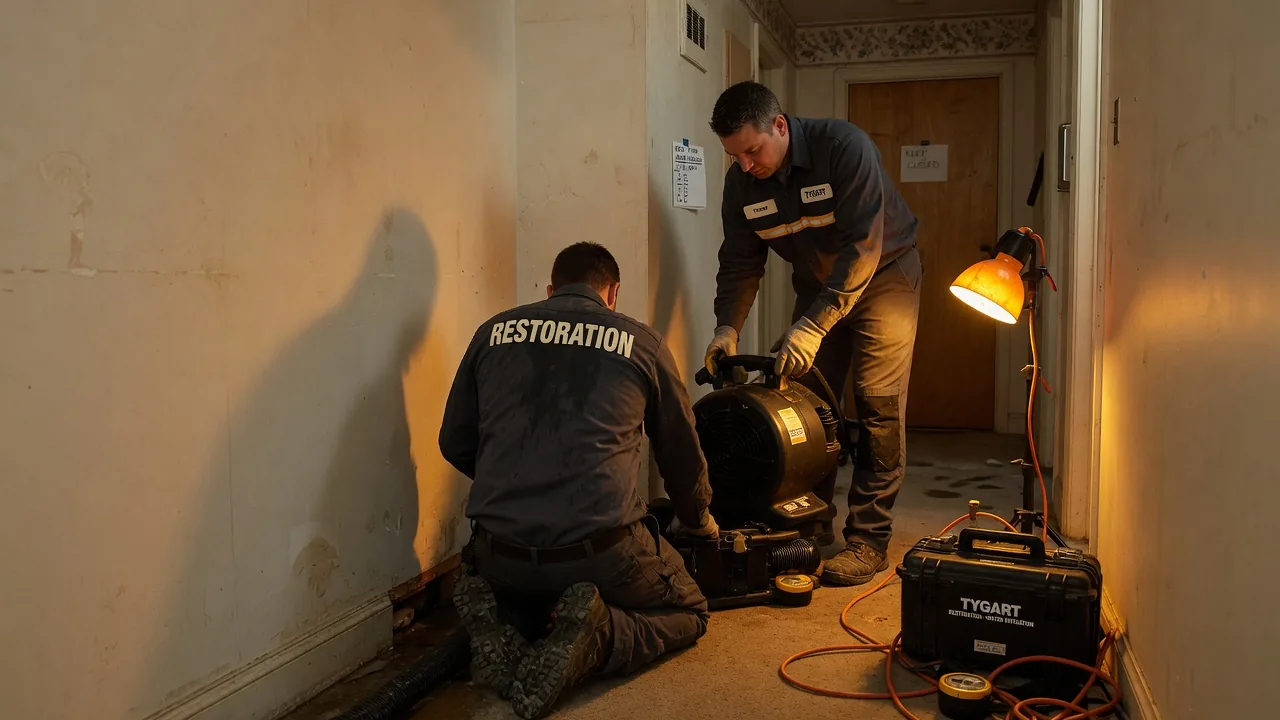
Restoration sales is a hybrid discipline. It requires enough technical knowledge to scope a job credibly, enough insurance literacy to navigate claim conversations, and enough emotional skill to sell a stressed homeowner or a guarded property manager on a meaningful spend during a crisis. Reps who can do all three consistently are not born — they are trained. This guide outlines the training program restoration companies use to build them.
This article is part of our broader restoration training and certification master guide.
The Four Pillars of Restoration Sales Training
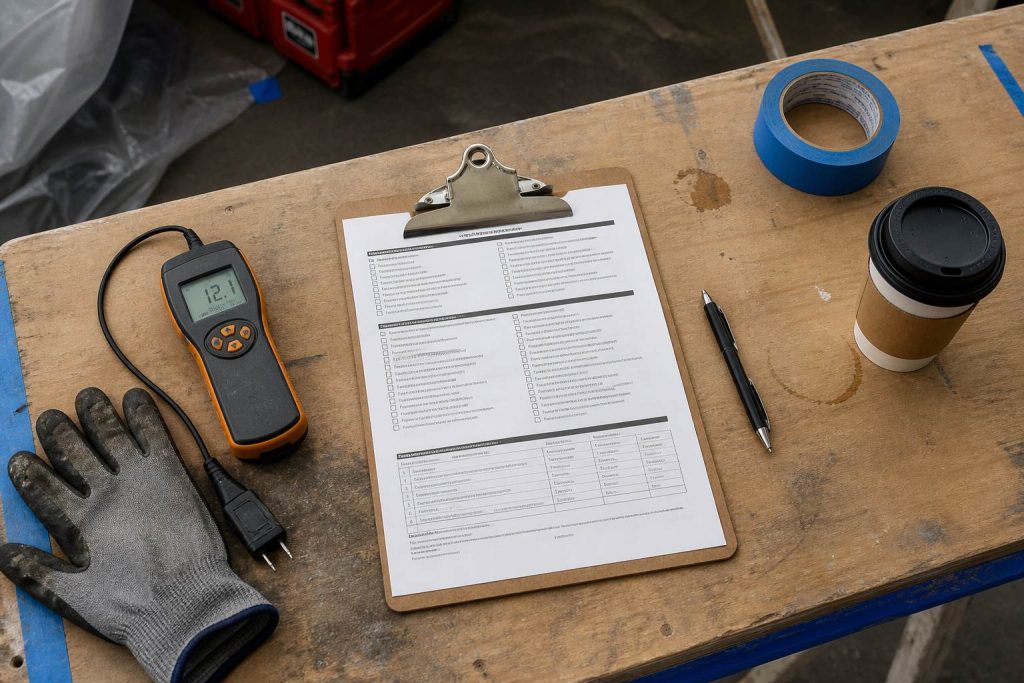
A complete restoration sales training program covers four pillars:
- Technical literacy — restoration scope, drying science, mold protocol, fire cleanup methodology
- Insurance and TPA navigation — claim process, deductibles, common adjuster behaviors, program-specific requirements
- Selling skill — discovery, value framing, objection handling, closing, follow-up
- Customer experience — empathy in crisis, communication standards, expectation setting, documentation
Programs that cover only one or two of these pillars produce reps who are good at part of the job and weak at the rest. The strongest restoration sales programs are built around all four.
Pillar 1 — Technical Literacy
A restoration salesperson does not need to be a master technician, but they must be able to walk a loss intelligently, recognize the scope categories at play, and explain to the customer what the work will involve. The training should cover: water categories and classes (S500), mold containment levels (S520), fire and smoke categories, basic drying principles, and the equipment that shows up on standard jobs.
The right way to deliver this is field exposure during onboarding. Sales reps should ride with technicians for the first two weeks, observe at least three job types, and be able to explain the basics back to the trainer before going on solo sales calls.
Pillar 2 — Insurance and TPA Navigation
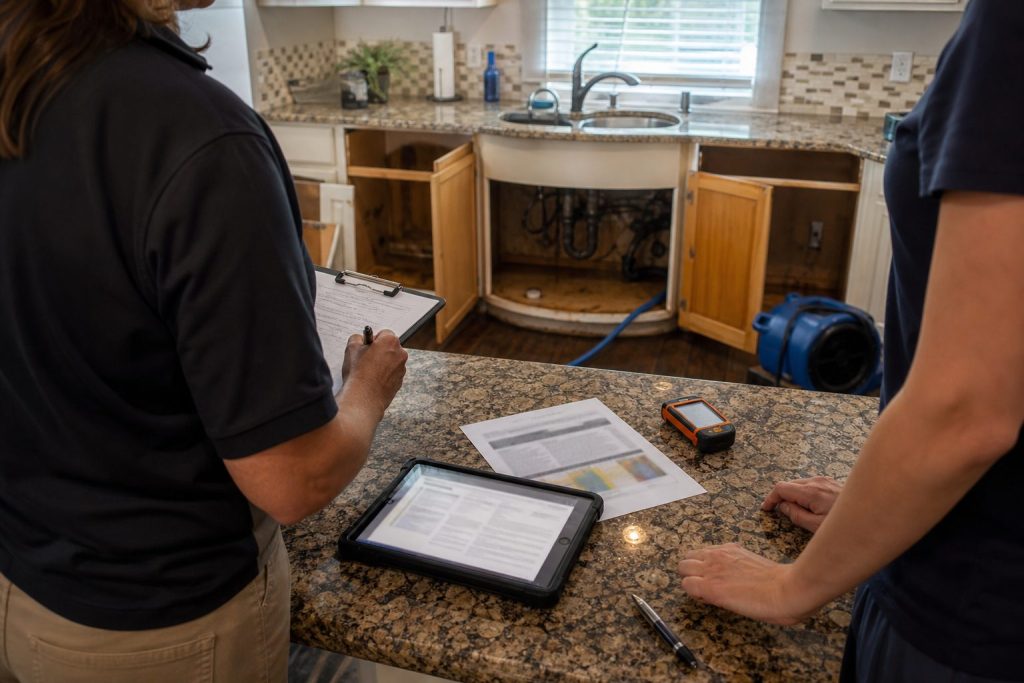
The insurance conversation is where most under-trained reps lose the deal. Customers ask “will my insurance cover this?” and reps either over-promise (creating problems later) or punt to the carrier (creating doubt now). The training needs to cover: how a claim flows from FNOL through payment, what affects coverage decisions, when to recommend filing vs. paying cash, common adjuster scope-reduction patterns, and TPA program requirements specific to your participating programs.
This material is best taught in small-group sessions with experienced PMs or owners present, working through real claim scenarios.
Pillar 3 — Selling Skill
The selling skill curriculum should cover the core sales conversation arc: discovery questions that surface the real customer concern, value framing that connects scope to outcomes, objection handling for the predictable objections (price, timing, “let me think about it”), tiered estimate presentation for cash work, and a closing approach that asks for the business without feeling pushy.
Role-playing is the only effective way to teach this. Weekly role-play sessions with peers and managers, recording calls when possible, and structured feedback are what turn theory into reflexive skill. Programs that rely on shadow training and “watching how I do it” produce uneven reps.
Pillar 4 — Customer Experience
The customer experience pillar is what separates restoration sales from generic sales training. Customers in a restoration scenario are usually stressed, often grieving a loss, and almost always navigating something they have never dealt with before. Reps who recognize this and adjust their pace, language, and communication style close more deals at higher margin than reps who default to a transactional approach.
The curriculum here covers: empathy frameworks, stress and grief recognition, expectation setting at intake and during the job, communication cadence (when to call, what to say), and documentation that reduces customer anxiety.
The Training Cadence
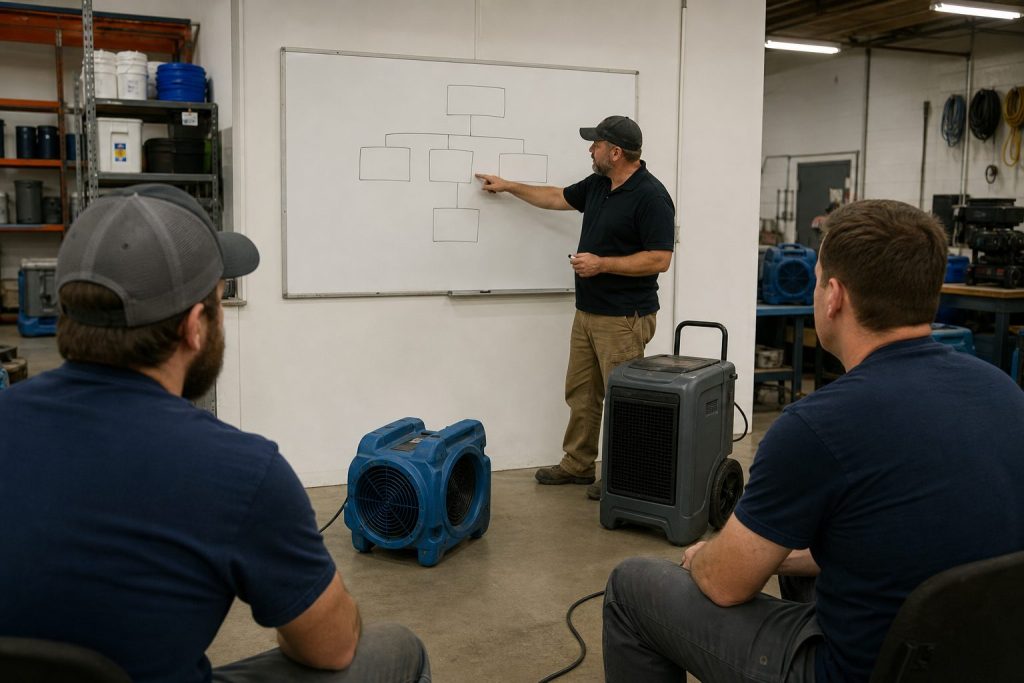
A working restoration sales training program looks like this on the calendar:
- Weeks 1-2 — field shadowing with technicians, technical literacy
- Weeks 3-4 — insurance and TPA training, paired sales calls with senior rep
- Weeks 5-8 — selling skill training, role-play, supervised solo calls
- Weeks 9-12 — customer experience training, full solo production with weekly coaching
- Ongoing — weekly role-play, monthly call review, quarterly skill refresh
What to Measure
The sales training metrics that matter: close rate by rep tenure, average ticket by rep, gross margin per job by rep, callback rate, customer satisfaction by rep, and rep retention. Tracking these over the first 12 months of a rep’s tenure reveals whether the training program is producing the right outcomes.
Related on Tygart Media: Starlink on a water job · S500 in the van · local SEO for restoration.
Frequently Asked Questions
How long should a restoration sales training program take?
The structured portion runs 8 to 12 weeks. Solo production typically begins in week 5 or 6, with continued coaching through week 12. Reps reach steady-state productivity around month 6 with a good program in place. Compressing below 8 weeks consistently produces under-prepared reps with high turnover.
Should I hire experienced restoration salespeople or train from scratch?
Both have merit. Experienced restoration reps cut training time by 60-70 percent but cost more, are harder to find, and may bring habits from a previous employer that do not fit your standards. Training from scratch is slower and more expensive upfront but produces reps who match your culture and methods. Most companies run a blend.
What is the most common restoration sales training mistake?
Skipping the technical literacy pillar. Companies that hire reps from generic sales backgrounds and assume the technical side will be picked up “on the job” produce reps who under-scope, over-promise, and create operational problems for the production team. The technical pillar is non-negotiable.
How much should I pay restoration salespeople?
Compensation models vary widely. Common structures are base plus commission on gross margin, draw plus commission, or salary plus performance bonus. The right mix balances rep stability with performance incentive. Pure commission models attract aggressive reps who often discount to close, which destroys margin. Pure salary removes the close-rate pressure that drives results.
How do I keep a sales rep sharp after the initial training?
Weekly role-play, monthly call reviews, quarterly skill refreshers, and a structured coaching cadence with the sales manager. Sales skill decays without practice — the reps who stay sharp are the reps in companies that invest in ongoing development rather than treating training as a one-time onboarding event.
Get The Signal
What we actually ran, what it measured, and what it means for a restoration shop — every week, including the flops.
Leave a Reply