Restoration lead-buying platforms are a permanent fixture in the industry’s marketing landscape. Companies like Networx, Modernize, HomeAdvisor, Angi Leads, 33 Mile Radius, and dozens of niche vendors collectively produce a meaningful share of total restoration lead volume. They also collectively burn an enormous amount of restoration company marketing budget on leads that never close. The difference between a profitable lead-buying program and a money-losing one is rarely the vendor — it is the operator’s discipline.
This article is part of our broader restoration lead generation guide.
The Major Platform Categories
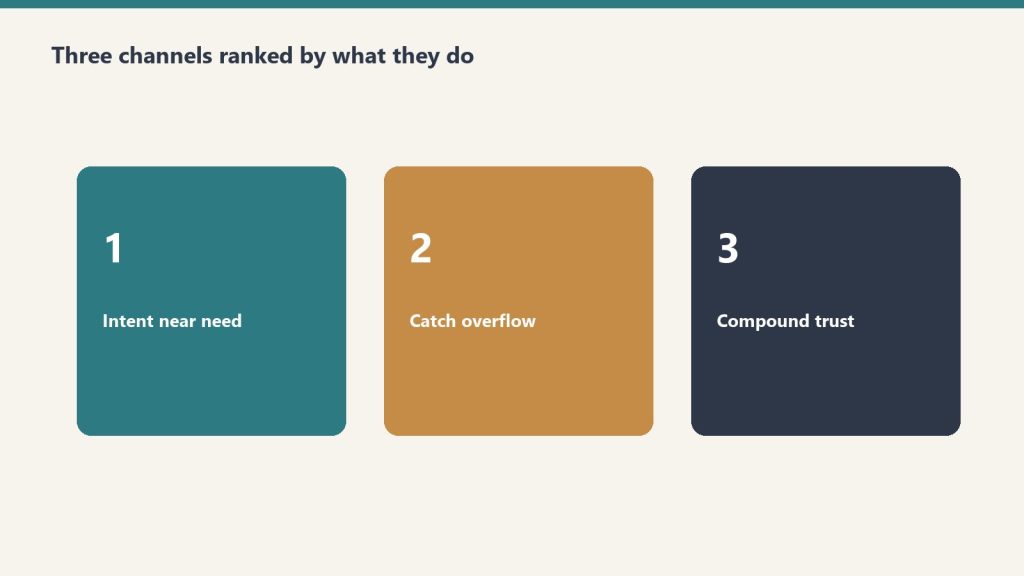
Restoration lead vendors fall into roughly four categories. Marketplace platforms (HomeAdvisor, Angi, Networx) aggregate consumer requests and distribute them across multiple service categories. Restoration-specific aggregators (33 Mile Radius, others) focus exclusively on restoration verticals. Insurance-channel lead sources (some TPA programs and carrier referral systems) deliver leads tied to active claims. Niche local lead sellers operate at smaller scale in specific metros.
Each category has distinct lead quality, pricing, and operational requirements.
How to Evaluate a New Lead Vendor
The standard vendor pitch promises high-intent leads at competitive cost. The reality varies enormously. A disciplined evaluation process before committing real budget includes asking the vendor for sample leads (or a discounted trial period), specifying exclusive vs shared, asking how leads are sourced (paid search, organic, partnerships, purchased data), confirming dispute and credit policies, and understanding the realistic monthly volume in your specific service area.
Vendors who refuse to answer sourcing questions or who promise unrealistic close rates are red flags.
Structuring a Vendor Test
The right way to test a new lead vendor is a 30-60 day pilot with a defined budget, defined success metrics (cost per closed job, not cost per lead), and a kill criterion if the metrics are not met. Most companies skip the kill criterion and end up paying for poor leads for months because no one ever made the decision to stop.
The pilot should also include weekly lead-by-lead review during the test period to identify pattern-level issues — wrong service area, duplicate leads, unresponsive contacts, mismatched service requests.
Lead Quality Patterns to Watch For
Common lead quality issues across platforms include leads outside the service area, leads requesting services the company does not offer, dead-end contact information, duplicates of leads received from other sources, and leads requesting services unrelated to restoration (“paint repair,” “general handyman”). Aggressive disputing of bad leads is a meaningful cost lever — companies that dispute systematically often recover 10-25% of monthly spend.
Speed-to-Call Requirements
Most lead platforms have aggressive speed-to-call expectations. Many shared lead programs see close rates collapse if the first call goes out more than 90 seconds after lead delivery. Companies without 24/7 dispatch capability or automated SMS response systems typically should avoid shared lead vendors entirely.
Common Traps
The traps that catch most operators include long-term contracts with no performance guarantees, autopay setups that quietly burn budget without weekly review, “exclusive” leads that are actually shared once you read the fine print, and credit policies with deadlines so short that disputes regularly time out before review.
Building a Portfolio Approach
Mature operators rarely depend on a single lead vendor. The pattern that produces stable volume and cost per acquisition is a portfolio of 2-4 vendors, weekly performance review across the portfolio, willingness to shift budget aggressively to top performers, and constant testing of new vendors at small scale.
Related on Tygart Media: Starlink on a water job · S500 in the van · local SEO for restoration.
Frequently Asked Questions
Which restoration lead platform produces the best leads?
No single platform consistently dominates across markets. Lead quality varies by geography, service line, and how the operator handles speed-to-call and dispute processes. The right answer comes from running structured vendor tests in your specific market rather than from industry-wide rankings.
What is a fair price to pay per restoration lead?
Pricing varies by service line, geography, and exclusive vs shared. The right benchmark is not industry average — it is your own cost per closed job. A $300 exclusive water damage lead is fairly priced if your close rate makes the cost-per-job math work for your unit economics.
How do I dispute bad restoration leads effectively?
Document everything — call logs, text messages, voicemails, service area mismatches, duplicate notifications. File disputes within the platform’s required window. Use clear, factual language rather than complaints. Track dispute success rates by vendor and adjust spending accordingly.
Are HomeAdvisor and Angi leads worth it for restoration?
Results vary enormously by market. The platforms produce volume but lead quality complaints are common across the industry. The honest answer is to run a structured 30-day test with a kill criterion, then decide based on your own data rather than on what other operators report.
Should I buy leads if my paid search is already producing volume?
Lead vendors usually make sense as either a fill-the-calendar supplement when paid search is below capacity or as a way to test new geographies before investing in local SEO and paid search. Buying leads on top of an already-saturated paid search program rarely produces incremental closed jobs.
Get The Signal
What we actually ran, what it measured, and what it means for a restoration shop — every week, including the flops.
Leave a Reply