How Insurance Agencies Get Cited in AI Search — And Why It Matters More Than Page 1
Source: Amsive AEO Research, 2026
Why Insurance Is One of the Best Verticals for AI Citation
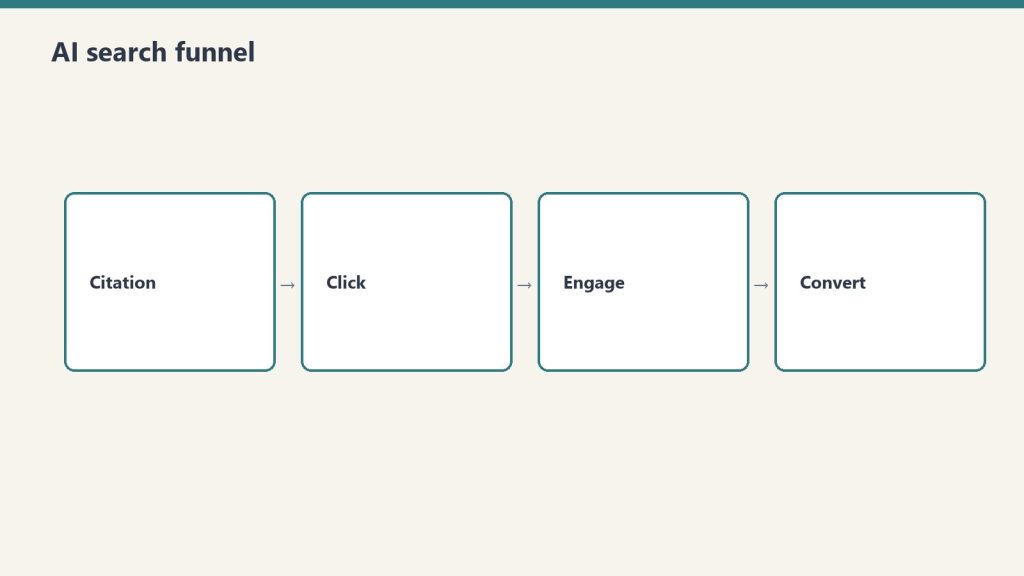
According to Search Engine Land data from August 2025 cited by Position Digital’s 2026 AI SEO statistics report, consultancy-driven sectors — legal, finance, health, and insurance — drive higher AI visitor rates than other industries like SaaS and eCommerce. Insurance prospects research coverage questions extensively before contacting an agent, and they increasingly do that research in AI assistants. This makes insurance one of the highest-ROI verticals for AI citation optimization because the prospect who arrives via AI citation is further along in their purchase journey than any other channel.
Nationwide’s Agency Forward blog identified the mechanism in 2026: “With the convenience of overviews, the conversion funnel is collapsing, and search can lead to online quotes and binds in a single online session.” The prospect who asks an AI assistant “how much umbrella insurance do I need?” reads a cited agency article, and sees a “Get a free quote” CTA can bind coverage in that same session — without ever running a Google search or visiting a comparison site.
The Four Content Formats That Earn Insurance AI Citations

1. Coverage Definition Content
“What is [coverage type] insurance?” articles with specific named policy form references, coverage inclusions and exclusions, and a definitional speakable block in the first 50 words after the heading. This is the most-cited insurance content type in AI systems because coverage definition queries are among the most frequent insurance questions asked of AI assistants — and the most answerable with specific, verifiable entity references.
2. Coverage Comparison Content
“[Coverage A] vs. [Coverage B]” articles comparing specific ISO policy forms, coverage triggers (occurrence vs. claims-made), or product types (term vs. whole life). These earn AI citations because comparison queries (“what is the difference between HO-3 and HO-5”) are directly answerable from well-structured, entity-rich content — and the prospect asking them is in active evaluation mode.
3. Coverage Cost Content
“How much does [coverage type] cost?” content with named premium factors (credit-based insurance scores, loss history, coverage limits, deductible amounts) and rate tier references. Insurance cost content earns high AI citation because it addresses the most-asked insurance pre-quote question — and content that provides specific, verifiable premium factors is more AI-citable than generic “rates vary” responses.
4. Coverage Exclusion Content
“What doesn’t [coverage type] cover?” articles with named exclusions by ISO form reference. Prospects research coverage exclusions before contacting an agent specifically because they want to know what they’re not protected against. This content builds trust — acknowledging limitations honestly — and earns AI citations because it answers the skeptical coverage questions that prospects ask when they don’t trust generic “comprehensive coverage” descriptions.
Related on Tygart Media: insurance entity SEO · AI citation monitoring · citing sources.
Frequently Asked Questions

Which AI systems matter most for insurance agency visibility?
Google AI Overviews reaches the most insurance prospects because it appears at the top of results for coverage research queries. Perplexity is increasingly used for detailed insurance research because it cites sources inline — giving cited agencies visible brand attribution during the research process. ChatGPT’s growing search integration captures conversational coverage questions. All three evaluate similar content signals: NAIC/ISO entity references, direct-answer formatting, and FAQPage schema. Optimizing for one effectively optimizes for all three, since the content quality signals are largely platform-agnostic.
How quickly can insurance agency content start earning AI citations?
For insurance content already ranking in the top 20 organic results, AI citation eligibility is established within 2–6 weeks of optimization being indexed — the time for AI systems to crawl and re-evaluate the updated content. Insurance is a high-citation-frequency vertical for AI because coverage questions generate consistent research behavior. Content with strong NAIC/ISO entity references, FAQPage schema, and speakable blocks often begins appearing in AI responses within one crawl cycle after optimization is applied to existing ranking articles.
Is there a compliance risk to insurance agency content being cited by AI systems?
The compliance risk in insurance content relates to specific coverage claims, guarantee language, and state-specific regulatory accuracy — not to being cited by AI systems. An insurance agency article that provides accurate, educational coverage information with appropriate disclaimers (coverage depends on specific policy terms; consult a licensed agent for personalized advice) and named source citations (NAIC, ISO) meets both compliance and AI citation standards. Content that makes unverifiable coverage guarantees or omits required state-specific disclosures creates compliance risk regardless of where it is cited.
Leave a Reply