Last verified: 5 September 2026. Practitioner design note from the Command Center — not a SpaceX press release and not an insurance product you can buy today. We use SpaceXAI, Cursor, and Grok Bot because they make the company better. No affiliate links. This sits next to The On-Ramp Is Real. The Commons Is Unfinished.
The last essay named the missing rail: a place to put work exists, a way to reuse it exists, a way to pay the people who made it useful does not. Human Gate as a service is one way that third rail could get built without turning the runtime into a church.
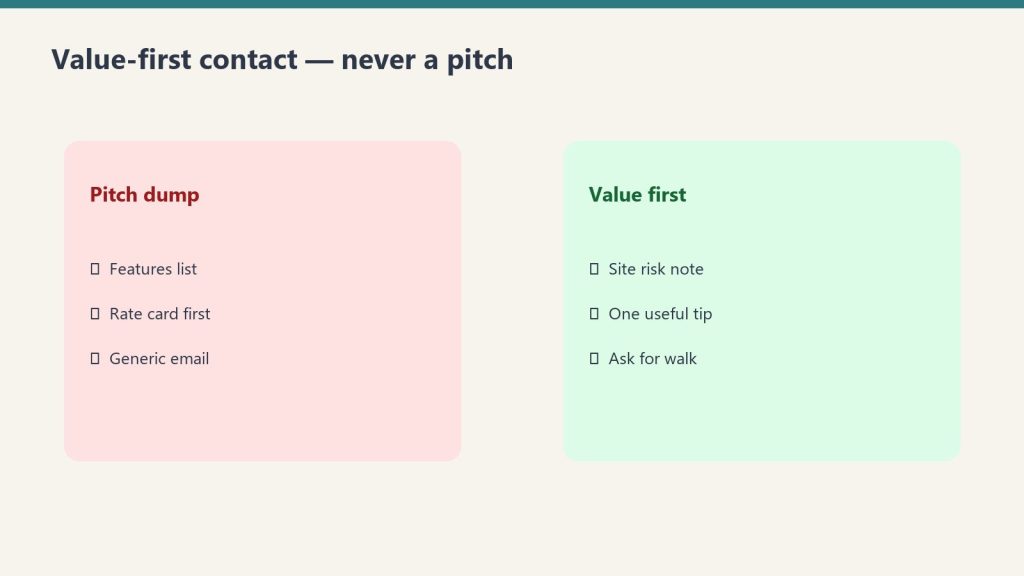
The product is not “a person looks at the bot.” The product is an insured decision. A certified operator sits on a named job, with a bounded model and a bounded research budget, and returns approve, reject, or send-back as an object a board and an underwriter can both read.
Never send. Never post. Never pay. The bot finishes work. A person owns irreversible action.
Human Gate, as we already run it
What is already on the floor
Official language from the stack we actually use:
Haggle Bot writes the stop-line in public: never spends, signs, or sends without you. Anti-jobs are first-class. Human approval is required before spend, terms, or vendor contact. SpaceXAI’s procurement writeup is the public case.
Grok Bot for Enterprise can invite people who do not have a seat. Judgment can enter without an IDE.
The official template marketplace copies configuration. It does not copy logins, history, keys, or the original computer.
Bot usage is a separate grant from Grok and Cursor token pools. Bundles already moved in August. Read the billing page the week you pay.
That is enough to rehearse a gate. It is not an official Human Gate product, not a credential an underwriter will stamp, and not a policy that names the human instead of the model. Those lines are the design below. Treat them as interpretation until someone ships them.
A worked design: restoration spend gate
Here is one specific way it could work on a desk we already run — a restoration and facilities operation where a bot can find savings and a wrong send costs real money.
Named job. Review draft vendor counters and unused-seat findings for one company’s SaaS and job-cost tools. Not “help with finance.” Not ERP admin. One irreversible class: external send and any commitment over a dollar threshold.
Stop-line. Copied from Haggle, written in public language. Never spend. Never sign. Never send a PO. Never send external email or Slack, including internal DMs that leave the company, without the operator’s explicit go for that specific message.
Runtime bound. Grok Bot on SuperGrok or Cursor Pro, whichever the live billing page grants this week. Cap: two research passes on the vendor file, one comparative quote table, then the gate must fire. No third browse. No “one more source.” The cap is contractual, not a slogan.
Certified SME. A procurement or job-cost operator who has logged N hours on this job class, passed a public eval set (ten historical vendor files, hidden answers), and published their anti-jobs. Invite-without-a-seat is how they enter. The IDE is optional. Judgment is not.
Approval object. Timestamp. Actor identity. Job name. Inputs the human actually opened. Token and research count used. Decision: approve, reject, or send back. One-sentence reason. Link to the receipt on the board. That object is what insurance reads. Chat logs are evidence, not the product.
Insurance. Errors and omissions on the decision, not on Grok. Trigger: an approved send or spend that a reasonable operator in that job class would have stopped, with the approval object attached. Deductible sits on the company. Limit sits on the miss class — one bad vendor email, one bad PO — not on “AI in general.” Silent cyber and CGL are not this policy. If the SME rubber-stamps without opening the inputs, the claim should fail. That is the point.
Price the gate as work. Pay the SME per artifact: approved, rejected, or sent back with a receipt. Not per hour of belonging. Not per install of a template. Proof the bot ran and proof the human saw the irreversible step. Publish the rule so nobody is guessing.
What that product line opens
Once the approval is the product, vendors show up around the policy. That is the leveling-up. The runtime can stay SpaceXAI. The new work is the layer that makes a bot output bankable.
Eval harnesses and public anti-job libraries for each job class.
Identity and logging so the approval object is hard to fake.
Training that produces operators who can sit the gate, not prompt tourists.
Claims desks that know how to read a receipt instead of a vibe.
Reinsurance on the miss class once the logs exist.
Template authors who write stop-lines first, because uninsured templates will not clear the desk.
That is how a commons gets a third rail without waiting for official creator pay. You pay for artifacts the underwriter can price. Install counts without run logs stay theater.
What will break it
If you sell “Human Gate certified” without insurance and logs, you branded a reviewer. If you sell insurance without a tight job and a stop-line, adverse selection shows up and the first claim kills the line. If the SME is a slower bot with a title, you added latency and called it leveling up. If the token cap is a slogan, the bot will browse until the gate is theater. If the policy names the model instead of the decision, you bought silent coverage and a fight.
The 2026 insurance market is already arguing about this in public: a lot of agent risk still sits unpriced inside cyber, E&O, and general liability. Governance evidence is what lets an underwriter narrow a carve-out. An approval object is governance evidence. A chat screenshot is not.
The fill-in framework
Step back from restoration spend. Anyone can run the same design with their own variables. Fill every cell. If a cell is blank, you do not have a gate. You have a feeling.
Variable
Your input
Pass test
Named job
One irreversible class of action
You can say it in one sentence and exclude two nearby jobs
Stop-line / anti-jobs
Never send / post / pay / sign / …
Written in public language on the template
Model tier
Which live plan and which model family
Copied from this week’s billing page, not a slogan
Research cap
N passes, N sources, or N tokens, then gate
The bot cannot extend the cap itself
SME credential
Hours, eval set, published anti-jobs
An outsider can fail the person on paper
How they enter
Seat, invite-without-a-seat, or both
Judgment is not confused with apprenticeship
Approval object
Fields the board stores
Timestamp, actor, inputs seen, decision, reason, receipt link
Gate price is a fraction of miss cost, not a guess
Supporting vendors
Who logs, trains, evaluates, claims
Named, or explicitly “we do this in-house”
Level-up
What the SME can sit next after N clean receipts
A harder job class, not a badge
Fill every cell. A blank cell means you do not have a product yet.
How to score your sheet in five minutes
Write the named job and the stop-line on one card. If a smart stranger can expand the job, tighten it.
Write the research cap as a number. If you wrote “until it’s good,” you failed the cap.
Name the SME test. If the only test is “trust me,” you failed the credential.
Sketch the approval object. If it cannot be pasted into a claims file, you failed the product.
Write miss cost next to gate price. If you cannot estimate miss cost, you are not ready to buy or sell insurance. Run the gate unpaid on your own board first.
The loop from the last essay still applies. Attempt the task. When you hit the irreversible step, hand off with a receipt. Two statuses only: your task is done when it is handed off cleanly. The job is done when the receipt lands. Sometimes the best next actor is a human. That is the system working.
What to do this week
If you already run a bot: copy Haggle’s stop-line into your template in public language. Add a research cap. Make the bot stop and file a receipt instead of “one more look.”
If you sit Human Gate today: start storing approval objects, even if the insurance does not exist yet. Timestamp, inputs seen, decision, reason, link. That file is how a later underwriter learns to price you.
If you run a company: use invite-without-a-seat for people who have judgment and no IDE. Assign Human Gate the way you assign budget authority. Do not confuse access with apprenticeship.
If you want to get paid for the gate: do not wait for official creator pay. Price artifacts. Publish the rule. Keep source and proof somewhere you control. Treat SpaceXAI as the runtime, not the church.
Close
The on-ramp is real. The commons is still unfinished. Human Gate as a service is one way to finish a piece of it: certify the person, bound the machine, insure the decision, and let vendors grow around a policy that can actually be priced.
This is not official SpaceX policy. It is a participation window on a stack that already ships stop-lines and invite-without-a-seat. The honest version of sending love is to use the tools hard, publish what breaks, and feed the useful methods back.
The approval is the product. The insurance is the market. Get in the work.
Will Tygart — Tygart Media. Written 5 September 2026 from the Command Center. This essay does not speak for SpaceX, SpaceXAI, Cursor, xAI, X, or any insurer. We want those companies to succeed because we are building on the tools they ship.
If you run a restoration company doing more than $2M a year, you’ve had the conversation. A friend in the business tells you their Contractor Connection volume just doubled. Your phone hasn’t rung in three days. You wonder if you should finally sign the paperwork.
Before you do, sit with the math. TPA programs are not free leads — they are the most expensive leads in restoration, paid with margin instead of marketing dollars. The question isn’t whether TPAs are good or bad. The question is whether your business model can survive what they cost.
Here is an honest look at the four programs restoration owners actually compare in 2026: Contractor Connection, Alacrity (now Altimeter Solutions Group on the managed repair side), Code Blue, and the smaller program work most operators don’t talk about openly.
How TPA Economics Actually Work
How TPA economics actually work.
Industry-reported referral fees on TPA work generally fall in a 5% to 20% range, with most managed-repair networks landing somewhere around 8% of the invoice. That fee comes off the top before you pay materials, labor, equipment, or overhead.
The hidden cost is bigger than the fee. TPA work typically settles on extended payment terms — often 30 to 90 days — while your crews need to be paid weekly and your subs every other week. You finance the carrier’s cash conversion cycle out of your operating account. On a $5M operation running 25% gross margin, sitting on $300K of receivables longer than your direct-bill book costs you real money in line-of-credit interest, opportunity cost on equipment purchases, and the slow erosion of payroll-week stress.
Industry consultants who work with restoration operators routinely advise keeping no single referral source above roughly 20% of revenue, and ideally under 10%. Once a TPA crosses that threshold, you are no longer a contractor — you are a subcontractor with a logo.
Contractor Connection
The largest network in the space and the one most operators encounter first. Owned by Crawford & Company, it positions itself with a “pay as you grow” structure: an application fee up front, then fees tied to the work you actually receive. Carrier relationships are deep, with most of the major property insurers routing some volume through Crawford’s managed-repair channel.
Entry requirements published on Contractor Connection’s potential-contractor portal are not soft: a minimum of one year of financial statements demonstrating stability, $1M general liability, $1M auto, workers’ comp, all required state and local licensing, a clean credit background, criminal background checks on field employees, current estimating-software and digital documentation capability, twelve quality references, and a commercial or industrial-zoned facility. No home-based operations.
Bottom line: Best fit for operators who already have crews, capacity, and the working capital to ride 60-to-90-day pay cycles. Worst fit for a $1M operator trying to use the program as growth capital — the volume will outrun your cash before margin catches up.
Alacrity Solutions / Altimeter Solutions Group
Alacrity announced the strategic sale of its Managed Repair Division, which now operates as an independent company under the Altimeter Solutions Group name with its existing leadership and team. Alacrity itself continues to run a broad TPA services book — claims handling, field adjusting, network solutions — but the contractor network specifically sits under the spun-off entity now.
Entry requirements emphasize the same screening contractors see across the major networks: criminal background checks, current licensure and certifications, demonstrated financial stability, and proof of insurance. Their ACCESS program layers in affinity discounts, supplier programs, and growth resources for network members — useful at the margin if you’re already in, less of a reason to join.
Bottom line: The leadership-continuity story on Altimeter is the thing to watch over the next twelve months. Spin-offs from larger TPA parents often go one of two ways: leaner and contractor-friendlier, or starved of resources and slower to pay. Talk to three current network contractors before signing — specifically about cycle time on payment since the transition.
Code Blue
An independent TPA serving casualty and property insurance carriers with end-to-end outsourcing. Smaller than Contractor Connection by volume, but contractors who run Code Blue work generally describe a more direct relationship with claim handlers and fewer layers of escalation. The trade-off is that Code Blue volume is lumpier — when a carrier surge hits, you get the work; when carriers route elsewhere, your queue thins.
Requirements track industry standard: financial stability, customer service track record, business insurance, equipment, training, standardized estimating software. No home-based operations. Background checks and certification documentation required for field staff.
Bottom line: Reasonable second or third program for an operator already in Contractor Connection who needs incremental volume without doubling down on a single source. Not a first-program choice unless your local market has a Code Blue–heavy carrier mix.
What “Worth It” Actually Looks Like
Worth it means workflow fit — not logo count.
Run the math on your own P&L before you sign anything. A direct-bill water-mit job at a healthy restoration shop targets gross margin in the 35% range after labor and materials. The same job under a TPA at an 8% referral fee, with the typical scope-and-pricing concessions and the 60-to-90-day pay cycle, often lands closer to 18-22% gross margin once you’ve fully loaded the cost of carrying the receivable.
That gap is not a reason to refuse program work. It is a reason to know exactly what it’s paying for. Program work pays for crew utilization in slow weeks. It pays for keeping equipment off the shelf. It pays for the operational discipline of running standardized scopes and tight documentation. What it does not pay for is replacing your direct-to-consumer marketing — because the second you let your local lead engine atrophy, you’re locked in at whatever margin the network decides to give you next year.
The Exit Question
The exit question before you join a network.
Operators who successfully unwind from heavy TPA dependency rarely do it all at once. The pattern that works: cap program volume at a hard percentage (10-20% of revenue), reinvest the margin gap from non-program work into local SEO, LSA campaigns, and adjuster relationships, and use the program work as a deliberate utilization buffer rather than a primary revenue stream.
Operators who get stuck in the trap share the same profile: 60%+ of revenue from one or two networks, no direct marketing investment, no adjuster-direct relationships in their territory, and a fleet and crew count sized to the program’s volume rather than their own sales engine. When the program cuts your assignments — and it will, at some point, for reasons that have nothing to do with your performance — you have no Plan B.
Bottom Line
TPA programs are a tool, not a strategy. Contractor Connection is the most established and the highest-volume option for operators with the capital structure to absorb extended payment cycles. Altimeter (formerly Alacrity Managed Repair) is in transition and worth diligence before joining. Code Blue makes sense as a secondary source, not a primary one. Whatever you sign, build the business to survive without it — because every restoration operator who has run a TPA-heavy book for more than five years will tell you the same thing: the program does not love you back.
What percentage do TPAs typically charge restoration contractors?
Referral fees in restoration TPA programs generally fall between 5% and 20% of the invoice, with most managed-repair networks landing near 8%. The fee comes off the top before you pay labor, materials, or overhead.
How long do TPA programs take to pay restoration contractors?
Payment cycles on TPA work commonly run 30 to 90 days, which means you finance the carrier’s cash conversion cycle out of your operating account. Plan working capital accordingly before signing any program agreement.
Should I rely on a single TPA for most of my revenue?
No. Industry consultants advise keeping any single referral source under 20% of revenue, ideally under 10%. Above that threshold, you lose pricing power and become structurally dependent on a relationship you don’t control.
Is Contractor Connection or Alacrity better for new contractors?
Contractor Connection has deeper carrier relationships and higher volume, making it the more common first program. Alacrity’s contractor network sits under the spun-off Altimeter Solutions Group as of the recent transition, which adds diligence risk for new entrants — talk to current network contractors about payment timing before joining.
Direct answer: On a commercial specialty loss, the room is bigger than most restoration operators assume. The carrier has a staff, independent, or TPA adjuster running the file. The facility has a risk manager and often a broker. A public adjuster may be retained. A large loss brings in large-loss specialists, accountants for business interruption, and technical experts for specialty valuations. The restoration company that understands this room — who decides what, what documentation each party needs, and how specialty work fits into commercial policy structures — is treated as a participant in the claim rather than as a vendor waiting for scope approval. That shift in positioning is worth more revenue over time than any rate-sheet negotiation.
The previous seven articles in this cluster have built the operational case for the specialty wedge: what the categories are, what the ESA looks like, what accounts respond to it, and how the specialist bench gets built. This article covers the financial and contractual mechanics that run in parallel — the insurance and adjusting side of every commercial specialty loss. Miss this side and the operational work does not convert into paid work.
Commercial insurance is structurally different from residential insurance in ways that matter for every decision a restoration company makes on a specialty event. Policies are written on different forms. Deductibles are higher and sometimes paid out-of-pocket by the insured before the carrier engages. Business interruption is a live coverage that runs on its own clock. Scope of loss is adjudicated against policy language and often against pre-existing replacement-cost-value schedules. Specialty items frequently carry their own endorsements, riders, or scheduled coverages separate from the main property form. And the adjusting function is distributed across multiple roles rather than concentrated in one person. A restoration company that enters this environment with residential habits — “I’ll do the work and the carrier will pay the invoice” — spends two years getting punished by the system before learning how it actually works.
The rest of this article is the operator-level map.
Who is actually in the room
Who is in the room on a commercial specialty loss.
The parties at the table on a commercial specialty loss, in roughly the order they appear:
The insured. The facility itself — through its facilities director, risk manager, operations leader, or corporate real estate director. This is the party whose property is damaged and whose coverage is at stake. On significant losses, the insured is represented by its risk function, which is materially different from the facilities function. Risk manages the policy relationship and the financial outcome; facilities manages operations. Both matter. They do not always agree with each other.
The broker. Most commercial policies are placed through a broker — Aon, Marsh, Willis, Lockton, Gallagher, Alliant, Brown & Brown, Hub, and many regional and specialty brokers. The broker is the insured’s advocate with the carrier, is paid by the carrier out of premium, and usually has a long relationship with the insured’s risk function. On large losses, the broker’s claims advocacy team is actively involved in negotiating scope and settlement.
The carrier’s adjuster. This is the person running the claim on the carrier’s side. Three variants exist. A staff adjuster is a carrier employee; common on small to mid-size losses and on carriers that use in-house handling. An independent adjuster (IA) is a contractor deployed by the carrier through firms like Alacrity Solutions, Pilot Catastrophe, Eberl, Worley, Crawford, or Sedgwick; common on large losses, CAT events, and geographically dispersed exposure. A TPA (third-party administrator) adjuster is the primary handler for carriers that outsource claims administration and for self-insured and captive-insured programs; common on commercial programs, public entities, and corporate risk-management structures. The restoration company’s ability to work productively with the adjuster depends significantly on which type is assigned, because their authority, their time horizon, and their reporting structure differ.
The public adjuster. When retained by the insured (usually on significant losses where the insured wants its own adjusting advocate), the public adjuster — PA — is paid by the insured, typically on a percentage of settlement, and represents the insured’s interests in scope development and negotiation. PAs are regulated state by state; several states prohibit them on commercial losses, others allow them with restrictions. On losses where a PA is involved, the dynamic shifts — negotiations take longer, documentation is scrutinized harder, and the restoration company needs to provide tighter scope evidence.
The large-loss adjuster or general adjuster. On losses above a dollar threshold — typically $250,000 to $1 million depending on the carrier — the file escalates to a large-loss or general adjuster. These are senior, experienced adjusters with broader authority and usually a more commercial orientation. Some are staff, some are GA-track independents. When a large-loss adjuster takes the file, the restoration company’s interaction becomes more substantive and more documentation-driven.
Specialty consultants. On large or technically complex losses, the carrier commonly retains technical experts: a forensic engineer for cause-and-origin, a certified industrial hygienist for environmental and IAQ work, a forensic accountant for business interruption, a specialty valuer for art or antique items, a cost consultant for high-dollar reconstruction, and sometimes a building consultant for envelope or structural issues. These specialists produce deliverables that drive scope decisions.
The TPA’s file examiner. When a TPA is administering claims, an examiner manages the file behind the scenes — reviewing adjuster work product, authorizing payments, and enforcing the program’s service-level standards. The examiner is rarely on site and is often invisible to the restoration company, but their decisions affect payment timing and scope approval.
Coverage counsel. On disputed losses or large losses where coverage issues surface, the carrier will engage coverage counsel. The insured may engage its own. At this point the claim has become a negotiation in a legal frame. The restoration company’s documentation becomes evidence.
The restoration company does not work with all of these parties on every loss. On a $50,000 commercial water event, it may be only the insured and an independent adjuster. On a $5,000,000 hospital fire with specialty equipment and business interruption, it may be all of them. The operator’s task is to map who is at the table on each event and communicate with each party at the right level of technical and contractual detail.
Commercial policy structures and what they cover on specialty losses
Commercial property policies are not written on a single form. Four families of forms matter for the restoration company’s day-to-day work.
ISO Commercial Property program. The Insurance Services Office writes standardized forms — Building and Personal Property Coverage Form (CP 00 10), Causes of Loss forms (Basic, Broad, Special), and various endorsements. Most mid-market commercial policies are written on ISO forms or close variants. Specialty items get coverage through the Building and Personal Property form unless they are scheduled out into separate endorsements.
Manuscript forms and package policies. Large commercial accounts and specialized verticals (healthcare, universities, financial services, real estate portfolios, manufacturing) often have carrier-specific or manuscript forms that modify or replace ISO language. AIG, Zurich, Chubb, FM Global, Travelers, Liberty Mutual, and The Hartford all publish proprietary commercial forms. These forms generally provide broader coverage than ISO Special Form but with more complex conditions and sublimits.
Scheduled property. Certain high-value items are scheduled individually rather than covered under the general property form. Fine art (blanket or itemized scheduled), rare books, specialty medical equipment, trading-floor technology, and specific pieces of machinery are often scheduled with specific values, specific covered perils, and sometimes specific named conservators or repair vendors.
Inland marine. Specialty coverages that sit outside the building are often written as inland marine — fine art (scheduled or blanket), medical equipment on lease (Motor Truck Cargo for mobile medical imaging, for example), contractor’s equipment, and data-processing equipment at multiple locations.
The implication for restoration companies: the answer to “is this covered?” on a specialty item is rarely obvious from the general property policy. The insured’s broker or risk manager will know how a specific item is scheduled, endorsed, or covered. The restoration company should ask — politely, early — about coverage structure on high-value items before assuming the work will be paid under the mainline property form.
Three coverage concepts that appear on most commercial losses:
Replacement cost value vs. actual cash value. RCV settles at the cost to replace with like kind and quality. ACV settles at RCV less depreciation. Most commercial forms pay RCV if the insured repairs or replaces, but pay ACV initially with a holdback until repair is proven. For restoration services, this distinction matters because the invoice structure has to support the RCV conversion — which means documented scope, documented completion, and invoicing that tracks to the carrier’s RCV recovery process.
Coinsurance. Commercial property forms usually contain a coinsurance clause requiring the insured to carry coverage at a specified percentage (commonly 80%, 90%, or 100%) of the insured value. Under-insurance triggers a penalty that reduces the settlement. This is not usually a restoration company problem, but it affects the insured’s willingness to accept an aggressive scope because a scope that triggers a coinsurance penalty is a scope that costs the insured money. Restoration companies that scope aggressively without understanding the policy structure damage the insured’s financial outcome and the relationship.
Sublimits. Commercial policies routinely have sublimits for specific categories: contents in rooms subject to flood, fine art, electronic data, business records, and items in specific storage configurations. A loss that exceeds a sublimit is paid only up to the sublimit, regardless of the full loss value. Restoration companies working on specialty losses should know the sublimits in play so they can scope and communicate realistically.
Business interruption and the restoration clock
Business interruption and the restoration clock.
Business interruption coverage is the financial engine behind commercial restoration urgency and is the single coverage most often misunderstood by operators.
BI pays the insured for lost income during the period of restoration — the time from the loss event until the property can, with reasonable speed, be repaired or replaced and operations restored. The clock runs during restoration. The longer the restoration, the more BI the insured collects — which sometimes makes people assume that slower restoration is better for the insured. That is backwards in most cases. BI is capped by period-of-indemnity limits (often 12 months), by policy sublimits on dependent property and civil authority extensions, by extra expense limits that may be exhausted mid-loss, and by the insured’s actual lost margin — which includes lost customers who do not return when operations resume.
The correct operational posture is that the insured and the restoration company share an interest in restoring quickly. BI is not an excuse to slow down; it is the mechanism that funds the urgency. Specialty work is directly BI-sensitive — a hospital whose imaging is down is losing procedure revenue and triggering BI; a financial firm whose records are off-site in freeze-drying is limited in its operations; a cultural institution whose galleries are closed is generating BI on lost admissions and event revenue. The specialty wedge reduces BI duration, which is often the strongest ROI argument for the ESA in the first place.
Three BI-adjacent coverages that restoration companies should know:
Extra expense. Pays the insured for costs incurred to continue operations or accelerate restoration beyond normal costs. A temporary imaging suite rental, expedited manufacturer recertification, priority freeze-drying at premium rates, emergency specialist activation — these are often extra expense items. Getting them pre-approved by the adjuster at the time of incurrence is cleaner than arguing about them at invoice.
Civil authority coverage. Pays BI when a civil authority prohibits access to the insured property because of damage at an adjacent property. Relevant on CAT events and in urban environments.
Dependent property / contingent business interruption. Pays BI when a dependent property (a supplier, a customer, a key logistics node) suffers a loss that impacts the insured. Emerging in commercial coverage and usually outside the scope of restoration work, but sometimes in play when the specialty loss affects a contract manufacturer, logistics hub, or shared facility.
The scope-of-loss process
The scope of loss is the formal document that defines what the restoration work is. It is the central artifact of any commercial claim, and the quality of the scope drives the quality of the payment.
The standard scope-of-loss process on commercial work:
Initial inspection. Carrier adjuster, insured or PA, and restoration company walk the loss. Observations recorded by all parties. On large losses, specialists from the specialty bench may be present on the walk-through.
Mitigation scope. The emergency services work — water extraction, dry-out, containment, specialty stabilization — is scoped separately and billed early, often before the full scope of loss is developed. This is priced against the ESA rate schedule or against Xactimate mitigation line items.
Full scope of loss. After the property is stable, the carrier’s adjuster, often with specialists (engineering, IAQ, specialty valuers), develops a full scope covering structural repair, contents, specialty items, and business interruption. This scope is the basis for settlement of the claim and the basis for the restoration company’s reconstruction and specialty work pricing.
Scope approval and work authorization. The insured and the carrier agree on scope. The restoration company receives authorization for each phase of work.
Execution and documentation. Work is performed. Documentation is produced on a rolling basis — daily notes, photographs, moisture logs for drying, chain-of-custody logs for document work, biomed sign-offs for medical equipment, conservator reports for art. This documentation is the evidence that the work was performed to scope.
Invoice and payment. Invoices submitted against approved scope with supporting documentation. Payment processed through the adjuster or directly through the carrier’s claims system. Some carriers pay through an insured-controlled account (insured pays the contractor, carrier reimburses the insured); some pay direct to the contractor (common when there is an AOB or direct-bill arrangement); some pay jointly (to insured and contractor).
Xactimate is the dominant estimating platform. Approximately 80% of property claims are estimated in Xactimate. Restoration companies working commercial need Xactimate proficiency — either an in-house estimator with Level 1 or Level 2 certification or a relationship with a third-party estimating service. Scope developed in Xactimate using current carrier price lists settles faster than scope developed in other formats. Scope that deviates from Xactimate norms needs specific justification — unique conditions, specialty pricing not in the standard price list, or negotiated departures from default pricing.
Specialty scope is where Xactimate runs out of detail. Freeze-drying a pallet of documents, ultrasonic cleaning of a rack of servers, biomed recertification of a CT scanner, conservation of a damaged oil painting — none of these live cleanly inside Xactimate line items. The restoration company, in partnership with the specialist, has to develop specialty scope separately using the specialist’s own pricing methodology (per cubic foot, per square foot of material, per piece, per instrument) and then incorporate that into the overall scope. The adjuster may or may not accept the specialty scope at face value. On significant losses, the carrier will often retain a specialty consultant to validate the specialty scope and pricing. Being ready for that validation — with chain-of-custody documentation, technical evidence of the recovery need, and industry-standard pricing references — is what converts specialty scope into paid work.
Documentation discipline on specialty losses
Documentation discipline on specialty losses.
The documentation produced during a specialty loss is both operational evidence and financial instrument. On commercial losses, the quality of documentation drives settlement speed, settlement value, and audit defensibility. Five documentation streams that belong on every specialty loss:
Loss environment documentation. Photographs at arrival, photographs during stabilization, photographs at completion. Moisture mapping. Environmental readings (temperature, relative humidity, particulate, air pressure). Atmospheric condition logs for the first 72 hours (the window in which most specialty loss decisions are made). Any readings beyond normal environmental parameters — toxic vapor, asbestos disturbance, lead dust — with documentation of the protective measures deployed.
Chain of custody. Every physical item removed from the site, every location it travels to, every person who handles it, every environmental condition it is stored in, every return event. For documents, this is boxes and pallets tracked by RFID or barcode. For electronics, this is serialized equipment with date/time/handler logs. For art, this is object-level tracking including photographic documentation of condition at each transfer. For medical equipment, this is serial-number-tracked items with biomed sign-off at each transfer. Chain-of-custody is the single most important specialty documentation stream and the one most often underbuilt.
Scope evidence. Line-item justification for every scope item. Xactimate documentation for standard items. Specialty-specific pricing documentation with industry references where possible (freeze-drying per cubic foot reference ranges, ultrasonic cleaning per square inch, conservation per hour with AIC conservator rate guidance, biomed recertification per OEM schedule).
Specialist technical reports. Each specialty subcontractor produces a technical report on their portion of the work: conservator’s treatment report, biomed’s recertification documentation, electronics restoration’s testing and clearance reports, document recovery’s drying logs and post-processing condition reports. These reports are the basis for specialty scope, specialty pricing, and specialty settlement.
Compliance documentation. For regulated environments — HIPAA, GxP, FERPA, PCI — documentation of the compliance posture maintained during the loss. BAA references, data-handling logs, secure-destruction certificates, access logs, training records for on-site personnel. This documentation is what defends against a regulatory finding layered on top of the loss.
The documentation produced during a specialty loss should be assembled into a final loss package at closure — a single comprehensive deliverable that the carrier, the insured, and the broker each receive. This final package is the artifact that closes the claim cleanly and that serves as evidence if any part of the claim is later disputed or audited.
How the restoration company earns a seat at the table
Commercial restoration companies are rarely invited to participate in scope discussions. They are usually asked to submit estimates and then wait for approvals. The specialty wedge changes this dynamic for two reasons. First, the specialty work requires technical input the adjuster does not have — the carrier needs the specialist’s voice to develop the scope. Second, the ESA relationship pre-establishes the restoration company as a known, trusted, pre-vetted party with an existing relationship with the insured.
The combination of technical specialty and pre-loss relationship is what converts the restoration company from vendor to participant. Concrete behaviors that accelerate that conversion:
Bring specialty expertise to the scope meeting. The first walk-through after a specialty loss should include the specialty subcontractor, not just the restoration company’s general lead. A walk-through where the specialist points out what the carrier’s generalist adjuster will miss — environmental degradation windows, irreversible damage thresholds, specialty-specific salvage considerations — is a walk-through where the restoration company demonstrates value beyond commodity labor.
Build credibility with the adjusting community. The commercial adjusting world is relationship-dense. Independent adjusters working for multiple carriers carry reputations from job to job. TPA file examiners talk to each other. Large-loss adjusters know the handful of restoration companies that operate at a high-specialty level. Sustained, consistent, high-documentation work on a handful of losses produces a reputation that compounds — and eventually a reputation that the adjusting community refers work to rather than one that chases work.
Communicate in the adjusters’ language. The restoration company that can speak about scope in terms of ISO forms, sublimits, coinsurance, RCV versus ACV, extra expense allowance, dependent property coverage, and specific Xactimate line items is taken seriously by the adjuster. The restoration company that speaks only in operational terms is relegated to operational status. The language is learnable — a few IICRC-adjacent certifications (NICA or RIA’s classes on insurance, Xactimate certification, a few hours reading ISO CP form language) is enough to change the conversation.
Avoid adversarial postures on ordinary disputes. The scope process produces routine disagreements over items, pricing, and methods. These are negotiations, not fights. Restoration companies that treat every disagreement as a fight train the adjuster to minimize future interaction; restoration companies that negotiate professionally with evidence build relationships that pay forward. Reserve adversarial postures for the few cases where a carrier is genuinely behaving inappropriately, and handle those through coverage counsel and the broker rather than directly.
Invest in the broker relationship. Brokers are often the most overlooked party in the room. A strong broker-side relationship means the restoration company is referenced when the broker is advising a client after a loss, and sometimes means the broker recommends the restoration company for the ESA conversation in the first place. Time with brokers, participation in broker-hosted client events, and involvement in broker-sponsored risk-management content are all high-ROI activities for restoration companies targeting commercial accounts.
When the relationship should route through a public adjuster
On significant commercial losses, the insured may retain a public adjuster. This changes the dynamic. PAs are paid by the insured as a percentage of settlement, which means they are motivated to maximize scope and valuation. That motivation aligns with the restoration company’s interest in being paid fully for the work but can create tension with the carrier’s cost-control interest.
Operating effectively when a PA is on the file:
Recognize the PA as the insured’s advocate. The PA will push hard on scope, pricing, and documentation. The restoration company’s job is to be ready — scope that was developed casually will be scrutinized, pricing that was loose will be challenged, documentation that was informal will be demanded in finished form. The PA is not the enemy; they are the scope’s quality control.
Keep the carrier relationship professional. The carrier will respond to a PA’s scope pressure in kind. If the restoration company appears aligned with the PA against the carrier, the carrier’s cooperation evaporates. The restoration company’s proper posture is neutral service provider with documented scope and professional communication on both sides.
Watch for PA fees coming out of the restoration company’s invoice. In a few states and a few PA contracts, the PA’s percentage fee is calculated against the total settlement including mitigation and restoration payments to the contractor. This can effectively reduce the contractor’s payment. Restoration companies should understand how the PA fee structure flows and negotiate for pre-deducted arrangements when possible.
Regulatory and coverage exposure the restoration company carries
A specialty commercial loss creates a handful of exposures the restoration company needs to manage regardless of how the insurance pays out.
HIPAA and data regulations. Discussed in earlier cluster articles. A healthcare-loss mishandling triggers direct regulatory exposure under HIPAA. A financial-services-loss mishandling may trigger GLBA or state financial-privacy law. A student-records mishandling triggers FERPA. These regulatory exposures are not paid by the insured’s insurance and are the restoration company’s own problem.
Contractual indemnification to the facility. Discussed in the ESA article. Indemnity provisions in the ESA govern how losses caused by the restoration company’s performance route back. Insurance is the funding mechanism; the contract is the liability structure. Restoration companies operating at the commercial specialty level need adequate general liability and professional liability coverage to support the indemnity they have agreed to.
Subcontractor liability. Specialty work performed by subcontractors flows back to the restoration company through the master subcontractor agreements. Insurance coordination between the restoration company and the specialist is what funds this liability. The additional-insured posture and the certificate-of-insurance cross-referencing from the earlier bench and ESA articles is the operational answer.
State-specific licensing and consumer-protection exposure. Many states regulate insurance-restoration contracts, including post-loss AOBs, fixed-price contracts, work authorizations, and cooling-off periods. Restoration companies operating multi-state need to know their exposure in each state they work. A contract that is enforceable in one state may be void in another.
Xactimate scrutiny and audit. Repeated carrier work produces audit patterns over time. Consistent overbilling patterns, scope padding, or line-item inflation are tracked across the industry and eventually produce carrier pushback, reduced approvals, or removal from preferred-vendor lists. The operational discipline of scoping honestly, pricing against Xactimate as the default, and negotiating deviations transparently is what preserves long-term commercial work.
How this article completes the specialty cluster
The pillar and seven cluster articles before this one have covered, in sequence: why specialty is a commercial door-opener, what the four specialty categories are, what the ESA needs to contain, what accounts to pursue, how to build the specialist bench. This article covers the financial mechanics that make the system sustainable.
The specialty restoration wedge as a commercial strategy depends on operating competently in each of these domains simultaneously. A restoration company with a great bench but weak ESA structure loses to the contract. A restoration company with a great ESA but thin bench loses to the event. A restoration company with both but no understanding of the adjusting dynamics gets paid slowly, paid incompletely, or paid after disputes that erode the relationship. The system works when every layer works.
The operator’s takeaway: the specialty wedge is not a single product. It is an integrated capability that includes operational specialty execution, contract infrastructure, account-portfolio focus, bench relationships, and claims-handling competence. Any restoration company building toward this model should treat the eight articles in this cluster as a checklist. A company that has made progress on six or seven of the eight dimensions is a company that will convert commercial specialty opportunities. A company that has only focused on one or two dimensions will keep losing to companies that have covered all eight.
How is a commercial claim different from a residential claim from the restoration company’s perspective?
Three practical differences. First, the adjusting is distributed across more parties (broker, adjuster, PA, specialists, large-loss adjuster, coverage counsel) rather than concentrated in one adjuster. Second, the policy is more complex — specialty items are often scheduled or sub-limited, business interruption is a live coverage, and the language matters more. Third, the documentation bar is higher. Commercial claims are audited more aggressively, disputed more technically, and settled more formally than residential claims.
What is the most common reason specialty scope is denied or reduced?
Insufficient technical documentation. A specialist saying “this needs freeze-drying” is not enough. The scope needs to document why the material is unstable, what the degradation window is, what the alternative (replacement or reconstruction) would cost, and why the specialty work is the economically correct choice. Adjusters reduce scope they cannot defend to their file examiners. Technical documentation is what makes scope defensible.
How do we avoid being paid slowly on commercial work?
Invoice promptly with complete documentation. Incomplete invoices delay payment more than anything else. Invoice against approved scope, reference approvals in the invoice, attach supporting documentation in standard format, and follow up on the adjuster’s payment-processing timeline. Restoration companies that become easy to pay get paid faster.
When should we recommend the insured retain a public adjuster?
Rarely. Recommending a PA creates apparent alignment with the insured against the carrier and damages the restoration company’s neutrality. If the insured asks whether to retain a PA, the appropriate answer is that this is a decision for the insured, the broker, and the insured’s counsel, and that the restoration company works effectively with or without a PA on the file. State law also matters — in some states, a restoration company recommending a PA can itself be a licensing violation.
How much Xactimate competence do we actually need?
Enough to produce a defensible mitigation estimate in Xactimate format, enough to read and discuss an adjuster’s Xactimate scope, and enough to identify line items that are mis-applied or missing. Level 1 certification meets this bar. Anything beyond is useful but optional. Specialty work does not live inside Xactimate, but everything around the specialty work does, so Xactimate fluency is the table-stakes communication layer.
What role does the broker play and how do we engage them?
The broker is the insured’s advocate with the carrier and is often involved in large-loss scope discussions. Engaging the broker means building relationships before the loss — meeting commercial brokers in the region, participating in broker-hosted events, and being referenceable as a restoration partner. Brokers who have worked with the restoration company on prior losses are far more likely to recommend the company in future situations.
What happens when a specialty item exceeds its scheduled coverage?
The item is paid up to the scheduled limit, and the excess is the insured’s uninsured loss. Restoration companies should understand this before developing scope on scheduled items, because scoping aggressively on an item that is already at its coverage limit pushes the insured into out-of-pocket territory. A scope discussion that acknowledges the coverage ceiling and negotiates trade-offs is more useful than a scope that exceeds the ceiling and creates a conflict.
How do large-loss adjusters differ from regular adjusters, and how should we behave differently?
Large-loss adjusters have broader authority, more technical experience, and less tolerance for informal handling. Behaviors that work on a $30,000 loss with a junior adjuster will not work on a $3,000,000 loss with a GA. The restoration company’s posture on a large loss should be more documented, more formal, more specialist-integrated, and more patient. Large-loss claims are settled on their documentation; shortcuts cost real money.
What is the single most important piece of advice for a restoration company starting to work commercial specialty losses?
Invest in understanding commercial insurance before you chase commercial accounts. A few weeks of study — ISO property forms, Xactimate certification, the basics of commercial underwriting, familiarity with the major carrier claims programs — is worth more than a year of trying to figure it out one loss at a time. The language and the structure of commercial insurance is learnable. Once learned, it converts specialty capability from a sales pitch into a durable commercial practice.
What closes this cluster?
This cluster closes the specialty restoration wedge as a complete commercial strategy: the categories, the contract, the accounts, the bench, and now the financial mechanics. The remaining work is execution — picking two verticals, building the bench, signing the first two or three ESAs, running the first few real events, and iterating. The framework is in place. The specialty wedge is durable because it serves a real need that commercial facilities feel and that general restoration positioning does not answer. Build it, run it, and protect it.
What is AR aging by payer type in restoration? AR aging by payer type is an accounts receivable report segmented by the category of payer — insurance carrier, third-party administrator (TPA), commercial direct, homeowner out-of-pocket — rather than aggregated across all receivables. Each payer type has its own expected payment cycle, escalation path, and risk profile. Segmenting the aging report surfaces exactly where cash is delayed and which relationships need intervention.
Most restoration companies print an AR aging report once a month and look at the total. Total outstanding. Total over 30, 60, 90, 120 days. The number is big. The number is concerning. The owner closes the report and moves on because the aggregate does not tell them what to do next.
The aggregate is the wrong view. AR aging aggregated across all payer types is a number that averages a 30-day homeowner receivable against a 150-day TPA receivable and produces a middle number that describes no actual relationship. The only receivables report that drives collection behavior is aging segmented by payer type — and most restoration companies do not run it that way.
Why Aggregate AR Aging Misleads
Why aggregate AR aging misleads.
A restoration company doing $5 million a year might carry $1.2 million in receivables at any given moment. The aggregate aging report might show $600K in 0-30, $300K in 31-60, $200K in 61-90, and $100K in 90+.
The owner looks at that and thinks: the 90+ is a problem. The 61-90 is watchable. The under-60 is fine.
The real picture is almost always different. The $600K in 0-30 might include $250K of TPA work that is structurally going to drift to 120+ days regardless of any collection effort, because that is how that TPA pays. The $100K in 90+ might include $40K of commercial direct that is actually fine because it was agreed to net-90 at the outset, and $60K of carrier work that is genuinely stuck on a documentation issue that needs escalation today.
The aggregate view makes the 0-30 bucket look healthy when it is actually loaded with future problems, and makes the 90+ bucket look uniformly bad when part of it is structurally fine and part of it needs immediate intervention. The aggregate cannot distinguish. The segmented view can.
The Four Payer Types
The four payer types.
A restoration company’s AR aging should be segmented into at least four payer categories, each with its own aging schedule and its own expected behavior.
Insurance carrier direct. The largest segment for most restoration companies. Expected payment cycle typically 45 to 90 days from invoice, depending on carrier, job complexity, and documentation quality. The aging schedule for this payer type should reflect that baseline — a 75-day carrier receivable is normal, not aged. A 120-day carrier receivable is a drift that warrants escalation.
TPA (third-party administrator). Structurally slower than direct carrier work. Expected payment cycle 60 to 180 days, with some TPAs consistently at the longer end. The aging schedule has to reflect the TPA’s actual payment pattern, not a generic schedule. A 90-day TPA receivable might be perfectly normal for one TPA and a real problem for another.
Commercial direct-pay. Faster on average than insurance work — typically 30 to 60 days — but with more variability. A commercial client with clean AP practices pays on time. A commercial client in its own cash stress can drift materially. The aging schedule for commercial direct has to flag drift quickly because the variability is higher and the escalation paths are different.
Homeowner out-of-pocket. Usually the fastest payer type, often paying at job completion or within 30 days. When a homeowner receivable goes to 45+ days, it is either a collection problem or a dispute. The aging schedule should flag those fast because the older they get, the lower the recovery probability.
Each segment has its own normal, its own red line, and its own escalation playbook. The aggregate report does not — which is why the aggregate report does not drive action.
What the Segmented Report Surfaces
When AR aging is segmented by payer type and reviewed weekly, specific patterns become visible that aggregate aging cannot show.
Payer-specific drift. A particular carrier that used to pay in 60 days is now averaging 85. That drift is a signal — a process change at the carrier, a documentation standard that shifted, a new adjuster team. Whatever the cause, it is actionable once identified. In the aggregate view it is invisible because it averages out against payers that did not change.
Program-specific drag. A TPA program that looked attractive on the rate card is consistently paying 30 days slower than the contract suggested. Combined with the fully-loaded margin analysis from the overhead allocation article, the slow payment might tip the program from marginally profitable to net-dilutive once the working capital cost is included.
Commercial client risk. A commercial direct client that used to pay net-30 is now at 55 days on the last three invoices. The aging report is the earliest warning of a commercial relationship under stress. Acting on that signal might mean tightening terms, adjusting exposure, or moving the relationship to a different structure.
Collection discipline gaps. If a specific payer category is consistently at the high end of the expected range, the issue might be internal — the collection process is not being run with appropriate urgency. That is fixable, but only if the report makes it visible.
The segmented report is a management instrument. The aggregate report is a static document.
The Weekly Review Cadence
AR aging by payer type should be reviewed weekly, not monthly. Monthly is too late — by the time the month-end report surfaces a drift, another four weeks of invoices have joined the queue and the pattern is compounded.
The weekly review is a working meeting, typically 15 to 30 minutes, involving the person responsible for billing, the person responsible for collections, and one operating leader (ops manager or owner depending on company scale). The agenda is straightforward.
Pull the aging report segmented by payer type. Review the largest delinquent balances in each segment. For each delinquency above a defined threshold, identify the specific reason — documentation issue, dispute, payer process problem, lost invoice, internal follow-up gap. Assign a specific action with a specific owner and a specific follow-up date. Log the action. Move to the next one.
A restoration company that runs this cadence consistently for six months sees DSO improve materially. Not because anyone is working harder. Because the delinquencies are being addressed while they are still solvable, rather than accumulating into the 90+ bucket where recovery probability drops.
The Escalation Playbook by Payer Type
The escalation playbook by payer type.
Each payer type needs its own escalation playbook because the levers are different.
Carrier direct. The escalation path runs through the adjuster, then the adjuster’s manager, then the carrier’s claims leadership. Documentation is the key leverage — the better the documentation, the faster the escalation resolves. The documentation layer is what makes carrier escalation actually work.
TPA. TPAs have their own escalation structure — program manager, platform support, compliance. The escalation often requires pushing through the TPA’s own process constraints rather than a single phone call. Knowing the TPA’s internal process is the leverage.
Commercial direct. The escalation runs through the client’s AP department, then the project manager or facilities lead, then whoever owns the vendor relationship. The conversation is usually about process — where the invoice is stuck, what is holding approval, whether a PO issue is blocking payment.
Homeowner. The escalation is direct — phone call, follow-up letter, potentially attorney-drafted demand, lien if applicable. The escalation must happen quickly because homeowner receivables that go past 60 days often do not recover without formal action.
The playbooks should be written, not improvised. When a delinquency hits the threshold, the person working it should know exactly what step comes next.
How This Pairs With Progress Billing
AR aging segmented by payer type pairs directly with the progress billing discipline. Progress billing accelerates invoice generation. Segmented AR aging accelerates collection attention. Together they compress the cash cycle from both ends.
A restoration company running progress billing without segmented aging is generating invoices faster but still managing collections through an aggregate lens. A company running segmented aging without progress billing is collecting efficiently on invoices that are themselves delayed. Both disciplines matter. The cash position reflects the combination.
Common Mistakes
Printing the report without acting on it. AR aging that gets printed and filed is not doing any work. The report has to feed the weekly review cadence. Otherwise it is decoration.
Using a single aging schedule across all payer types. A 60-day receivable is not the same signal from a homeowner as from a TPA. Applying the same schedule across payer types produces false alarms on slow-cycle payers and missed alarms on fast-cycle payers. The schedule has to reflect each payer type’s actual cycle.
Not tracking the reason for delinquency. The reason matters as much as the amount. A delinquency because a carrier is disputing scope is a different problem than a delinquency because the invoice never reached the payer. Without a reason code, the report cannot guide action.
Running the review without the right people. Billing needs to be in the meeting because they know what was sent. Collections needs to be in the meeting because they know the status of each follow-up. Operations needs to be in the meeting because they know the job and can answer the documentation questions. Without the right people, the meeting produces assignments but not resolutions.
Where to Start
If AR aging in your company is reviewed only as an aggregate today, segment it this week.
At minimum, pull the current aging report and break it into the four payer categories. Set the aging buckets appropriate to each. Identify the largest five delinquencies in each segment. For each, identify the specific reason. For each, define the specific next action and the owner.
Schedule a recurring weekly review at that cadence. Run it for eight weeks. Track DSO by payer type at the start and at the end. The improvement will be visible.
Once the cadence is installed, integrate it with progress billing on the invoice generation side and with the bank layer on the working capital side. The three together — progress billing, segmented aging with weekly review, and a properly sized banking stack — produce the cash discipline that separates restoration companies that scale calmly from those that scale in crisis.
Frequently Asked Questions
What is AR aging by payer type?
An accounts receivable aging report segmented by category of payer — insurance carrier, TPA, commercial direct, homeowner — rather than aggregated. Each segment has its own expected payment cycle and its own escalation path.
Why is segmented AR aging better than aggregate AR aging?
Because each payer type has a different normal. A 90-day TPA receivable might be routine while a 90-day homeowner receivable is a serious problem. Aggregate aging averages these together and obscures which receivables need action.
How often should AR aging be reviewed in restoration?
Weekly, in a working meeting with billing, collections, and an operating leader. Monthly review is too downstream to drive behavior change while the delinquencies are still easily resolvable.
What is a normal payment cycle by payer type in restoration?
Homeowner out-of-pocket typically 0-30 days. Commercial direct 30-60 days. Insurance carrier direct 45-90 days. TPA 60-180 days. Each company should track its actual cycle by payer and calibrate alert thresholds to its own data.
What are the most common causes of delinquent receivables?
Documentation gaps that pause payer processing, scope disputes, lost invoices, payer internal process delays, commercial client cash stress, and internal collection follow-up gaps. The segmented aging report, combined with a reason code on each delinquency, makes these patterns visible.
Should a restoration company use factoring on aged receivables?
Sometimes. Factoring or receivables financing is a working capital instrument, not a collection instrument. Using it strategically on specific payer categories with structurally long cycles can make sense; using it as a substitute for collection discipline usually does not.
Tygart Media on restoration — an analyst-operator body of work on the systems that separate compounding restoration companies from busy ones. No client names. No brand placements. Just the operating standard.
Track every claim, supplement, authorization, and payment — nothing falls through the cracks.
Who This Is For
Who the insurance claims command center is for.
Built for restoration contractors who spend hours chasing adjusters, re-sending supplement requests, and discovering unpaid claims at month end.
The Problem
The claims coordination problem.
Insurance work is where restoration companies make their money — and lose it. A missed supplement, a forgotten authorization, an unanswered depreciation dispute. These are not small errors. Most restoration contractors are managing claims across spreadsheets, sticky notes, and email threads, hoping nothing slips. Something always slips.
What You Get
What you get with the claims command center.
Claims database: every active and closed claim with full status from FNOL to final payment
Supplement log: every request, every response, every pending item tracked
Authorization tracker: what has been approved, what is pending, what was denied and needs appeal
Payment reconciliation: expected vs. received, outstanding balance visible at a glance
Adjuster directory: contacts linked directly to their claims
Communication templates: pre-written supplement requests and depreciation dispute language
Restoration Insurance Claims Command Center
$29
Delivered to your inbox within 24 hours — no shipping, no waiting
Secure checkout via Square — all major cards accepted
Frequently Asked Questions
How is this delivered?
Within 24 hours of purchase via email from will@tygartmedia.com. You will receive a download link for the ZIP file and/or Notion duplicate link immediately.
Do I need any special software?
A free Notion account is required. No other software needed.
Can I customize this for my specific business?
Yes — that is the point. Everything is built to be edited. Swap in your company name, add your specific workflows, remove anything that does not apply. It is a starting point, not a locked template.
Is there a refund policy?
Because this is a digital product, all sales are final. If you have a problem with your purchase, email will@tygartmedia.com and we will sort it out.
The Insurance Agency WordPress Post-Publish Checklist: 7 Steps Every Coverage Article Needs
By Tygart Media Updated: April 12, 2026
Why post-publish optimization matters for insurance content: Insurance blog posts are written with coverage accuracy as the primary concern — which is correct. But the optimization signals that determine whether a prospect finds that article — title tag, meta description, entity references, schema, FAQ section — are almost never applied after publication. These 7 steps apply those signals to existing articles without altering coverage content, converting published articles into AI-citable, PAA-eligible, quote-driving assets.
The 7-Step Insurance WordPress Post-Publish Checklist
Rewrite the title tag for how prospects ask coverage questions — Match prospect language, not agent vocabulary. “Commercial General Liability Coverage Overview” → “What Does General Liability Insurance Cover for My Business?” Lead with the prospect’s question framing within 50–60 characters. For comparison articles: “Term vs. Whole Life Insurance: Which Is Right for You?” beats “Term and Whole Life Insurance Comparison.”
Write a meta description targeting the pre-quote research moment — Delete the auto-generated excerpt. Write 140–155 characters that speak directly to the prospect’s coverage question and signal authoritative answers: “Wondering what general liability covers for your business? We explain ISO CG 00 01 policy coverage, common exclusions, and typical cost ranges. Get a free quote.” This converts impressions to clicks by promising a specific, credible answer.
Inject named insurance entity references into the content — Add 3–5 named regulatory and standards entities relevant to the coverage type: ISO policy form number, NAIC regulatory reference, AM Best carrier rating mention, and any applicable federal program (NFIP, ACA, ERISA). These named entities are machine-verifiable — the specific signal Google YMYL quality evaluators and AI systems use to distinguish genuine insurance expertise from generic coverage summaries.
Add a coverage FAQ section with FAQPage schema — Write 6–8 questions in prospect language targeting the pre-quote research phase: “How much does [coverage type] cost?”, “What doesn’t [coverage] cover?”, “Do I need [coverage type]?”, “What is the difference between [option A] and [option B]?” Add FAQPage JSON-LD schema alongside the visible FAQ section — both are required for People Also Ask eligibility and AI Overview citation.
Add InsuranceAgency schema connecting content to the agency entity — Inject Article schema with the licensed agent or agency as author and InsuranceAgency schema connecting the content to the specific agency entity (name, license number where appropriate, state of licensure, lines of authority). This machine-readable entity connection is what AI systems use to associate coverage authority with a specific licensed agency — turning content citations into agency brand recognition.
Set a visible Last Updated date with dateModified Article schema — Add “Last updated: [Quarter, Year]” near the article top. Update the dateModified field in Article JSON-LD schema. Insurance coverage terms, pricing factors, and regulatory requirements change. A 2022 article about ACA marketplace coverage is outdated for 2026 prospects. The visible update date signals that the coverage information is current — a critical trust signal for YMYL insurance content that directly influences financial protection decisions.
Add an inline quote CTA in the article body — Embed a quote request CTA in the article content — not just in the header or footer. Prospects who landed directly on the article via search or AI citation are reading the article, not navigating the website. “Ready to find out what [coverage type] costs for your situation? Get a free, no-obligation quote from our licensed agents.” Position this CTA after the FAQ section — at the moment of highest trust and lowest resistance.
These 7 steps applied to your 10 highest-traffic insurance coverage articles is the scope of WordPress content optimization for insurance agencies through SiteBoost. Every step pushed live via WordPress REST API — coverage content unchanged, optimization and citation infrastructure added.
Frequently Asked Questions
Which of the 7 steps has the highest impact for insurance agency content?
Step 3 (named entity injection — NAIC, ISO, AM Best) and step 4 (FAQPage schema) produce the fastest visible results for insurance content. Named entity references create the YMYL authority signals that Google quality evaluators specifically look for in insurance content, and FAQPage schema enables People Also Ask placement within 2–4 weeks. Step 7 (inline quote CTA) has the highest direct revenue impact — converting article readers who were already engaged by the content into active quote requests. All 7 together create compounding returns that no individual step achieves alone.
Should these steps be applied to all insurance articles or prioritized?
Prioritize by coverage line importance and existing traffic. Start with your highest-traffic articles in your primary lines of authority. For a personal lines agency: homeowners, auto, umbrella, and life content first. For a commercial lines agency: BOP, CGL, professional liability, and commercial auto first. Apply all 7 steps to these high-priority articles, then systematically work through secondary content. New articles should have all 7 steps applied at publication — not retroactively — establishing the optimization standard from the point of creation.
Do these steps require any special WordPress setup or developer access?
No special setup or developer access is required. Title tags and meta descriptions are managed through post fields or SEO plugin meta fields. Entity references and FAQ sections are text and HTML additions to existing post content. FAQPage, InsuranceAgency, and Article JSON-LD schema blocks are added as HTML blocks in post content via the WordPress REST API. InsuranceAgency schema requires only the agency’s name, license number, and state — publicly available information that agents can provide. The WordPress Application Password required for REST API access is generated from the WordPress admin dashboard in under a minute.
Sources: Nationwide Agency Forward, “Benefits of SEO, GEO and AEO for Insurance Agents” (InsuranceAgency schema reference); Amsive, “Answer Engine Optimization” (conversion rate data); Marketing LTB, “10 Best Insurance SEO Agencies in 2026” (YMYL compliance section); ClickGiant, “AEO for Insurance Agencies: How to Get Found in AI Search 2026”
How Insurance Agencies Get Cited in AI Search — And Why It Matters More Than Page 1
By Tygart Media Updated: October 5, 2026
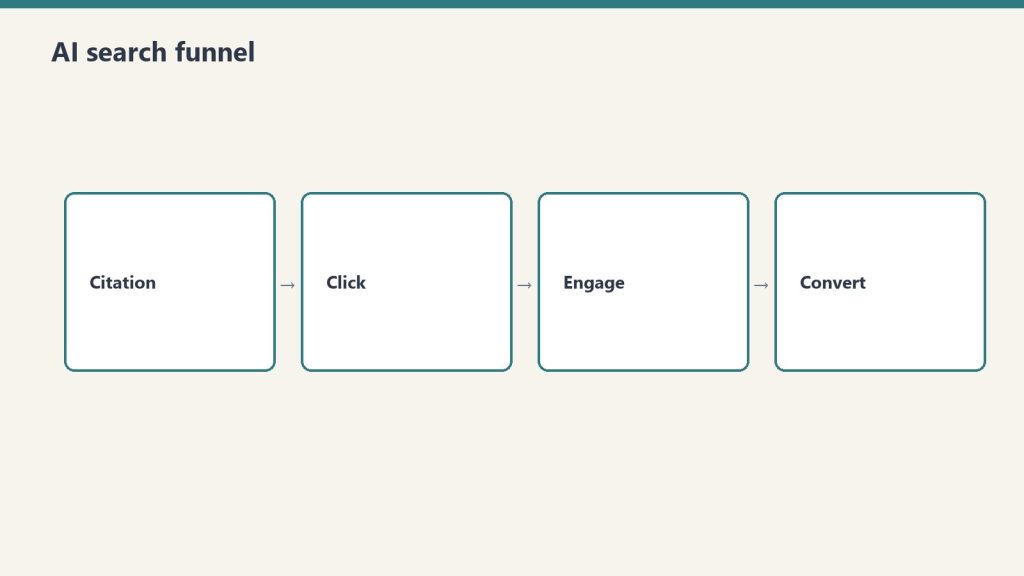
The insurance AI conversion advantage: According to Amsive’s AEO guide, one insurance site achieved a 3.76% LLM (AI) conversion rate compared to 1.19% from organic search — more than three times the conversion rate. The reason: prospects who find an insurance agency through an AI citation have already done extensive research, understand the coverage they need, and arrive at the agency’s website pre-qualified and pre-educated. They’re not browsing. They’re ready to quote. One caveat: that’s a single site. Amsive’s own 54-site study found no statistically significant conversion advantage for AI traffic overall (4.87% for LLM referrals vs. 4.60% for organic).
3.76%
AI-referred conversion rate for one insurance site vs. 1.19% from organic search Source: Amsive AEO guide (single-site example)
Why Insurance Is One of the Best Verticals for AI Citation
Why insurance is one of the best verticals for AI citation.
According to Search Engine Land data from August 2025 cited by Position Digital’s 2026 AI SEO statistics report, consultancy-driven sectors — legal, finance, health, and insurance — drive higher AI visitor rates than other industries like SaaS and eCommerce. Insurance prospects research coverage questions extensively before contacting an agent, and they increasingly do that research in AI assistants. This makes insurance one of the highest-ROI verticals for AI citation optimization because the prospect who arrives via AI citation is further along in their purchase journey than any other channel.
Nationwide’s Agency Forward blog identified the mechanism in 2026: “With the convenience of overviews, the conversion funnel is collapsing, and search can lead to online quotes and binds in a single online session.” The prospect who asks an AI assistant “how much umbrella insurance do I need?” reads a cited agency article, and sees a “Get a free quote” CTA can bind coverage in that same session — without ever running a Google search or visiting a comparison site.
How do insurance agencies get cited by ChatGPT and Perplexity for coverage questions?
Insurance agencies earn AI citations for coverage questions when their WordPress content combines: organic ranking in the top 20 results for the query (the access prerequisite), named regulatory and standards entity references that AI systems can verify (NAIC, ISO policy form numbers, AM Best ratings, ACORD standards), direct-answer speakable blocks providing 40–60 word answers to the specific coverage question being asked, FAQPage JSON-LD schema making Q&A pairs machine-parseable, and InsuranceAgency schema connecting the content to the licensed agency entity. Content that answers “how much umbrella insurance do I need?” with specific, verifiable criteria and named coverage standards earns AI citation at the exact moment prospects are forming their coverage decisions.
The Four Content Formats That Earn Insurance AI Citations
The four content formats that earn insurance AI citations.
1. Coverage Definition Content
“What is [coverage type] insurance?” articles with specific named policy form references, coverage inclusions and exclusions, and a definitional speakable block in the first 50 words after the heading. This is the most-cited insurance content type in AI systems because coverage definition queries are among the most frequent insurance questions asked of AI assistants — and the most answerable with specific, verifiable entity references.
2. Coverage Comparison Content
“[Coverage A] vs. [Coverage B]” articles comparing specific ISO policy forms, coverage triggers (occurrence vs. claims-made), or product types (term vs. whole life). These earn AI citations because comparison queries (“what is the difference between HO-3 and HO-5”) are directly answerable from well-structured, entity-rich content — and the prospect asking them is in active evaluation mode.
3. Coverage Cost Content
“How much does [coverage type] cost?” content with named premium factors (credit-based insurance scores, loss history, coverage limits, deductible amounts) and rate tier references. Insurance cost content earns high AI citation because it addresses the most-asked insurance pre-quote question — and content that provides specific, verifiable premium factors is more AI-citable than generic “rates vary” responses.
4. Coverage Exclusion Content
“What doesn’t [coverage type] cover?” articles with named exclusions by ISO form reference. Prospects research coverage exclusions before contacting an agent specifically because they want to know what they’re not protected against. This content builds trust — acknowledging limitations honestly — and earns AI citations because it answers the skeptical coverage questions that prospects ask when they don’t trust generic “comprehensive coverage” descriptions.
The GEO optimization layer that builds insurance AI citation infrastructure — NAIC/ISO entity injection, speakable blocks, FAQPage schema, InsuranceAgency schema — is applied to your existing articles through WordPress content optimization for insurance agencies via SiteBoost.
Frequently asked questions.Which AI systems matter most for insurance agency visibility?
Google AI Overviews reaches the most insurance prospects because it appears at the top of results for coverage research queries. Perplexity is increasingly used for detailed insurance research because it cites sources inline — giving cited agencies visible brand attribution during the research process. ChatGPT’s growing search integration captures conversational coverage questions. All three evaluate similar content signals: NAIC/ISO entity references, direct-answer formatting, and FAQPage schema. Optimizing for one effectively optimizes for all three, since the content quality signals are largely platform-agnostic.
How quickly can insurance agency content start earning AI citations?
For insurance content already ranking in the top 20 organic results, AI citation eligibility is established within 2–6 weeks of optimization being indexed — the time for AI systems to crawl and re-evaluate the updated content. Insurance is a high-citation-frequency vertical for AI because coverage questions generate consistent research behavior. Content with strong NAIC/ISO entity references, FAQPage schema, and speakable blocks often begins appearing in AI responses within one crawl cycle after optimization is applied to existing ranking articles.
Is there a compliance risk to insurance agency content being cited by AI systems?
The compliance risk in insurance content relates to specific coverage claims, guarantee language, and state-specific regulatory accuracy — not to being cited by AI systems. An insurance agency article that provides accurate, educational coverage information with appropriate disclaimers (coverage depends on specific policy terms; consult a licensed agent for personalized advice) and named source citations (NAIC, ISO) meets both compliance and AI citation standards. Content that makes unverifiable coverage guarantees or omits required state-specific disclosures creates compliance risk regardless of where it is cited.
The Named Insurance Entities That Make Google and AI Trust Your Agency’s Content
By Tygart Media Updated: April 12, 2026
What insurance entities signal authority: Google’s E-E-A-T quality evaluators and AI systems that decide which insurance content to cite use the same criteria: does this content reference the specific regulatory bodies, standards organizations, and policy forms that a genuine insurance professional would reference? An article about homeowners insurance that mentions “ISO HO-3 policy form” and “NAIC model regulations” has verifiable entity anchors. An article that says “we offer great coverage at competitive prices” has none. Entity precision is what separates AI-citable insurance content from invisible generic content.
The Insurance Entity Hierarchy: Which Names Carry the Most Authority Signal
Insurance entity hierarchy — which names carry authority signal.
Tier 1: Regulatory and Standards Bodies
These are the named organizations that govern insurance products and markets. Referencing them signals that content reflects the actual regulatory framework of the industry:
NAIC — National Association of Insurance Commissioners: The primary US insurance regulatory body. References in content: NAIC model regulations, NAIC insurance buyer’s guides, NAIC financial data for carrier comparison
ISO — Insurance Services Office (now Verisk): The dominant policy form developer. References: ISO CG 00 01 (CGL), ISO HO-3 (homeowners), ISO PAP (personal auto), ISO CP forms (commercial property)
ACORD — Association for Cooperative Operations Research and Development: The insurance industry’s standards body for applications and data exchange. References: ACORD application forms, ACORD 125 (commercial insurance application), ACORD 140 (property section)
AM Best — Insurance financial strength rating agency. References: AM Best A++ through D rating scale, AM Best stable/negative/positive outlook designations for carrier comparison content
Tier 2: Federal Programs and Regulations
NFIP — National Flood Insurance Program (FEMA): Critical for flood coverage content and homeowners exclusion discussions
MHPAEA — Mental Health Parity and Addiction Equity Act: Relevant for health and employee benefits content
ACA / Marketplace: Affordable Care Act and the federal marketplace for individual health coverage content
ERISA — Employee Retirement Income Security Act: Referenced in group benefits and employer coverage content
What named entities should insurance WordPress content include for Google E-E-A-T and AI citation?
Insurance content optimized for E-E-A-T and AI citation should reference: NAIC (National Association of Insurance Commissioners) for regulatory standards and model regulations, ISO policy form numbers (CG 00 01 for commercial general liability, HO-3 for homeowners, PAP for personal auto) for coverage definition precision, AM Best financial strength ratings for carrier comparison content, ACORD application standards for commercial lines content, NFIP for flood coverage and homeowners exclusion content, and state-specific insurance code citations for coverage minimum and regulatory requirement discussions. These named entities are machine-verifiable — AI systems cross-reference them against known insurance regulatory data before citing content.
How to Inject Insurance Entities Naturally Into Existing Content
How to inject insurance entities naturally into existing content.
The Definition Box Approach
Open each coverage article with a definition box that names the relevant policy form or standard. “Commercial General Liability Insurance (ISO CG 00 01): A liability policy form developed by ISO — Insurance Services Office — that provides coverage for bodily injury, property damage, personal injury, and advertising injury arising from business operations.” This opening entity reference establishes regulatory precision before the article body begins and is the section most likely to be cited by AI systems in overview responses.
The Comparison Table Approach
For carrier comparison content, reference AM Best ratings in a structured comparison table. “Carrier A (AM Best: A+, Superior) vs. Carrier B (AM Best: A, Excellent)” gives AI systems machine-readable financial strength data alongside coverage comparison. This is far more AI-citable than “we recommend carriers with strong financial ratings” — it names the rating standard and provides the actual rating data.
The Regulatory Context Approach
For coverage minimum and requirements content, reference the specific regulatory source. “California requires minimum auto liability coverage of 15/30/5 per California Insurance Code Section 11580.1b — $15,000 bodily injury per person, $30,000 per accident, $5,000 property damage.” This is verifiable, entity-specific, and precisely the kind of state-regulatory citation that distinguishes genuine local insurance expertise from generic coverage summaries.
NAIC, ISO form, AM Best, ACORD, and NFIP entity injection across your existing insurance articles is part of the GEO layer in WordPress content optimization for insurance agencies through SiteBoost. Applied without modifying factual coverage content.
Does referencing ISO policy forms in content create any regulatory compliance concerns?
No. ISO policy forms are industry standards that insurance professionals reference routinely in client education and coverage explanation. Referencing “ISO HO-3 (open perils) policy form” as the standard basis for most homeowners insurance policies is factually accurate and educationally appropriate. The compliance concern in insurance content relates to specific coverage claims, guarantees, or promises — not to educational references to industry standards. Including a disclaimer that actual coverage depends on the specific policy issued by the carrier is standard practice for any coverage explanation content.
Which insurance entities are most important for AI search citation?
NAIC and ISO are the highest-value entities for AI citation because they are the primary regulatory and standards bodies in US insurance — the most frequently referenced entities in authoritative insurance content that AI systems have been trained on. AM Best matters specifically for carrier comparison content. ACORD is highest value for commercial lines content. NFIP is essential for any content touching flood coverage or homeowners exclusions. State insurance code citations (referencing the specific state statute) are the highest local authority signal for state-specific coverage requirement content.
How many entity references should appear in a single insurance article?
Three to six named entity references per article, appearing naturally in context, is the optimal range. A homeowners insurance overview might reference ISO HO-3 policy form, NFIP for flood exclusion context, AM Best for carrier evaluation, and the state insurance code for minimum coverage requirements — four named entities, each appearing where relevant to the coverage explanation. These are contextual references in the content body, not a list of logos or a citation list at the bottom. Natural, contextual entity references carry far more authority signal than a “sources” section listing regulatory body names without connection to specific claims.
Sources: Marketing LTB, “10 Best Insurance SEO Agencies in 2026” (YMYL and E-E-A-T section); Nationwide Agency Forward, “Benefits of SEO, GEO and AEO for Insurance Agents” (InsuranceAgency schema reference); NAIC — naic.org; ISO/Verisk — verisk.com; AM Best — ambest.com; ACORD — acord.org
The Coverage Question Content Strategy That Builds Insurance Agency Authority
By Will Tygart Updated: September 30, 2026
Updated September 30, 2026.
Direct answer: Win AI search by publishing entity-rich answers to coverage questions prospects ask before they call an agent. Map pages to awareness, comparison, and sizing stages; name ISO forms, NAIC guides, and state rules in plain language; refresh when citations slip. That builds YMYL trust and makes your site quotable in ChatGPT, Gemini, Perplexity, Claude, and Google AI Overviews.
Why coverage questions are the highest-value insurance content: Prospects research coverage heavily before they call an agent. AI platforms answer from authoritative sources. ClickGiant’s 2026 AEO guidance for agencies and Nationwide’s Agency Forward overview describe the same shift: publish the clearest coverage explanation and your site can enter the consideration set before a competitor gets the call.
The Three Stages of the Insurance Research Journey
Stage 1: Coverage Awareness (“What does this cover?”)
Prospects in this stage have identified they may need coverage but don’t understand what it actually does. The questions: “What does renters insurance actually cover?”, “Does my auto insurance cover a rental car?”, “What is umbrella insurance?”, “Does homeowners insurance cover mold?” Content for this stage should provide direct, jargon-free answers with named policy form references (ISO HO-3, ISO PAP) and explicit coverage inclusions and exclusions. This is the stage where most agency blogs publish—but without entity references and a quotable opening paragraph, the content rarely surfaces in AI answers.
Stage 2: Coverage Comparison (“Which option is right for me?”)
Prospects in this stage understand the coverage category and are comparing options. The questions: “Term vs. whole life insurance: which is better?”, “HO-3 vs. HO-5: what’s the difference?”, “What is the difference between occurrence and claims-made professional liability?”, “When does umbrella coverage kick in?” These are high-intent, high-citation articles. AI systems surface them when prospects ask comparison questions, and they match where the buyer is in the decision process. Tie comparison pages to real examples in your market—see how niche coverage explainers perform in homeowners insurance and radon mitigation content when the question is specific rather than generic.
Stage 3: Coverage Sizing (“How much do I need?”)
Prospects in this stage have decided on coverage type and are determining appropriate limits. The questions: “How much life insurance do I actually need?”, “What liability limit should I carry on my auto policy?”, “How much umbrella insurance is enough?”, “What is the right deductible for my homeowners policy?” This is the pre-quote stage. Content that answers with named decision criteria (income replacement multiples, liability exposure, dwelling replacement cost) and a clear next step converts at the highest rate of any insurance content type.
What insurance coverage content types generate the most agency authority and quote requests?
The highest-impact types are coverage comparisons (term vs. whole life, HO-3 vs. HO-5, occurrence vs. claims-made), sizing guides (“how much life insurance do I need,” “what liability limit is appropriate”), and exclusion explainers (“what doesn’t homeowners insurance cover,” “when does auto insurance not pay”). All three need NAIC and ISO references in prose and FAQPage schema only when visible answers match schema text.
The Named Entity Framework for Coverage Content
Coverage content authority comes from naming the entities that establish genuine insurance expertise. For each coverage type, the relevant entities:
Homeowners: ISO HO-3 and HO-8 policy forms, dwelling vs. personal property vs. liability components, NFIP (National Flood Insurance Program) for flood exclusion context, replacement cost vs. actual cash value
Auto: ISO PAP (Personal Auto Policy) form, state minimum liability requirements by named state, uninsured/underinsured motorist statutory requirements, comprehensive vs. collision coverage triggers
Life: NAIC Life Insurance Buyer’s Guide, mortality tables as a pricing basis, cash value in whole life vs. term, AM Best carrier financial strength ratings as a comparison criterion
Commercial: ISO CG 00 01 (commercial general liability) form, occurrence vs. claims-made trigger distinction, ACORD application standards, BOP (Business Owners Policy) eligibility criteria
These entities belong in prose—not logo grids. They signal to human readers and to retrieval systems that the page was written by someone who works inside the same regulatory and forms framework carriers use.
When Coverage Pages Stop Getting Cited
Pages that earned citations in early 2026 often go quiet when competitors refresh, carriers expand help centers, or an AI product changes retrieval. Rank tracking alone will not show that. Run a periodic AI citation quick scan on top coverage URLs and track AI citation rate (cited prompts divided by prompts tested). Use LLM visibility measurement to prioritize refreshes, read GEO case studies from 2026 for durable patterns, and keep an AI citation monitoring guide cadence instead of one-off checks.
Entity work—NAIC and ISO references, state regulatory citations, structured FAQs—is part of the GEO layer in WordPress content optimization for insurance agencies through SiteBoost. It applies to existing coverage articles without changing the underlying coverage facts.
Frequently Asked Questions
Should insurance agencies write coverage content for all lines or specialize?
Specialize in the lines your agency actively writes, then build content depth within those lines across all three stages (awareness, comparison, sizing). An agency that specializes in commercial lines should build deep content on BOP coverage, commercial auto, professional liability, and cyber—with NAIC, ISO, and ACORD entity references throughout. A personal lines agency should own homeowners, auto, umbrella, and life coverage content. Shallow coverage of every line produces neither authority nor citations. Deep coverage of your actual specialty lines produces both.
How should insurance agencies handle state-specific regulatory requirements in content?
State-specific regulatory requirements should be addressed explicitly and carefully. Content about coverage minimums, filing requirements, or regulatory standards should name the state, reference the specific statute or regulation where applicable (e.g., “California Insurance Code Section 11580.1b” for minimum auto liability requirements), and include a disclaimer that requirements vary by state and coverage specifics should be verified with a licensed agent. This named regulatory entity approach supports YMYL compliance signals while providing verifiable information.
How often should coverage content be updated?
Review coverage content when ISO form revisions land, state minimum requirements change, premium trends shift enough to affect sizing guidance, or NAIC model regulation updates change standard descriptions. Add a visible last-updated date and matching dateModified in Article schema. For AI visibility, re-test citation on your highest-traffic coverage URLs at least quarterly; if answers no longer cite your domain, refresh the direct answer block and entity references before rewriting the whole page.
How do insurance agencies know if AI search is citing their coverage content?
You will not see it in standard Google Search Console alone. Run periodic prompted checks in ChatGPT, Perplexity, Gemini, and Google AI Overviews for the exact questions your articles answer, then log which URLs each system cites. A structured citation log—manual or tool-assisted—shows whether your coverage pages still win the quote or have been replaced by a carrier, aggregator, or competitor. If citations drop after a refresh pause, the page needs updated entities, a clearer direct answer, or both.
What page structure makes a coverage answer quotable for AI search?
Open with a direct answer in the first 40–60 words, follow with staged detail (what it covers, limits, exclusions), name ISO or NAIC references in prose, and close with licensed-agent disclaimers for YMYL topics. Use one primary question per URL when possible. Add FAQPage schema only when each visible FAQ answer matches the schema text character-for-character.
Sources: ClickGiant, “AEO for Insurance Agencies: How to Get Found in AI Search 2026” (clickgiant.com); Nationwide Agency Forward, “Benefits of SEO, GEO and AEO for Insurance Agents” (agentblog.nationwide.com); NAIC Life Insurance Buyer’s Guide (reference standard)
Why Insurance Agency Blog Posts Don’t Generate Quote Requests (And the 4 Fixes That Change That)
By Tygart Media Updated: April 12, 2026
The insurance content gap: Insurance is a research-heavy industry. According to research cited by Sonant.ai’s 2026 insurance SEO guide, 69% of insurance customers conduct online searches before scheduling any appointment or requesting a quote. That research now happens increasingly in AI assistants — ChatGPT, Perplexity, Google AI Overviews — where prospects ask coverage questions before they ever visit an agency website. The agency whose WordPress content answers those research questions is in the consideration set before competitors are even aware the prospect exists.
The Insurance Research-to-Quote Funnel Has Collapsed Into One Session
Nationwide’s Agency Forward blog documented something significant in 2026: “The conversion funnel is collapsing, and search can lead to online quotes and binds in a single online session.” A prospect who asks an AI assistant about coverage options, finds an authoritative agency article that answers their question, and sees a clear quote CTA — can go from research to quote request in one sitting. This is the opportunity that most insurance agency WordPress blogs are missing entirely.
Why don’t insurance agency blog posts generate quote requests despite regular publishing?
Insurance agency blog posts fail to generate quote requests when they lack four specific optimization signals: a title tag that matches how prospects actually phrase their coverage questions (not how an agent would title a policy explanation), FAQPage schema targeting the research-stage questions that precede a quote request, named regulatory and standards entity references (NAIC, ISO policy forms, AM Best ratings, state department of insurance) that signal genuine coverage authority to both Google and AI systems, and a clear quote CTA embedded in the article body — not just in the website header or footer where prospects who found the article rarely look.
Fix 1: Match Titles to How Prospects Actually Ask Coverage Questions
Insurance agents write article titles the way they’d label a file in a cabinet: “Umbrella Liability Coverage Overview” or “Commercial General Liability Policy Explained.” Prospects search the way they’d ask a friend: “Do I need umbrella insurance if I have home and auto?” or “What does general liability actually cover for my business?” The title tag must match the prospect’s language, not the agent’s vocabulary. This is the single change that most immediately improves click-through rate from existing search impressions.
Fix 2: FAQPage Schema Targeting Pre-Quote Research Questions
The questions that precede a quote request are specific: “How much does umbrella insurance cost?”, “Does homeowners insurance cover flood damage?”, “What’s the difference between term and whole life insurance?”, “Do I need business insurance if I work from home?” A FAQ section with 6–8 of these questions structured as direct 40–60 word answers, with FAQPage JSON-LD schema, positions your articles for People Also Ask placements and AI Overview citations at the moment prospects are actively forming their coverage decisions.
Fix 3: Named Insurance Entity References
Google and AI systems evaluate insurance content authority through named regulatory and standards entity references. An article about homeowners insurance that references “ISO HO-3 (open perils) vs HO-8 (modified coverage) policy forms,” cites “NAIC — National Association of Insurance Commissioners model regulations,” and mentions “AM Best financial strength rating” for carrier comparison — this article signals genuine insurance expertise that generic coverage explainers lack. These entities are machine-verifiable, which is specifically what AI systems check before citing insurance content.
Fix 4: A Quote CTA in the Article Body
A prospect who found your article through a Google search or AI citation is reading your content, not browsing your website navigation. A quote CTA in the header or footer is often invisible to article readers who landed directly on the content. An inline CTA embedded in the body — “Ready to find out what umbrella coverage costs for your situation? Get a free quote in minutes.” — captures the prospect at the moment of highest engagement, which is while they’re reading the content that convinced them of your expertise.
All four fixes — coverage question title rewrites, FAQPage schema, NAIC/ISO entity injection, and inline quote CTAs — are part of WordPress content optimization for insurance agencies through SiteBoost. Applied to your existing insurance blog via WordPress REST API.
Frequently Asked Questions
What types of insurance blog content generate the most quote requests?
Coverage comparison content generates the highest quote request rates — “term vs. whole life insurance,” “HO-3 vs. HO-5 homeowners policy,” “occurrence vs. claims-made professional liability.” These articles capture prospects who have identified they need coverage and are comparing options — the highest-intent pre-quote state. Coverage explainer content (“what does umbrella insurance cover”) captures earlier-stage research but builds authority that converts over multiple sessions. Both types benefit from FAQPage schema and inline quote CTAs.
Is insurance content YMYL — and what does that mean for blog optimization?
Yes. Google classifies insurance content as YMYL (Your Money or Your Life) because coverage decisions directly affect financial protection and stability. This triggers heightened E-E-A-T scrutiny — Google’s quality evaluators specifically assess whether insurance content is authored by licensed professionals with verifiable credentials, whether coverage descriptions are accurate and comply with state-specific regulatory requirements, and whether claims are sourced to named regulatory bodies (NAIC, state departments of insurance). YMYL classification makes named entity injection and accurate sourcing non-optional for insurance content that aims to rank competitively.
How do insurance CPCs relate to the value of organic blog content?
Insurance keywords average $10–$54 per click on Google Ads for coverage-related terms, with some competitive personal lines terms exceeding $100 per click. A blog article that ranks organically for “does homeowners insurance cover flooding” and generates 50 qualified visitors per month represents $500–$5,000+ in equivalent paid search value — delivered at zero per-click cost once the optimization investment is made. The compounding nature of organic rankings means the cost-per-lead from well-optimized insurance content consistently decreases over time while paid search costs only increase.
Sources: Nationwide Agency Forward, “Benefits of SEO, GEO and AEO for Insurance Agents” (2026); Sonant.ai, “SEO for Insurance Companies: 2026 Domination Guide”; Marketing LTB, “10 Best Insurance SEO Agencies in 2026”; ClickGiant, “AEO for Insurance Agencies: How to Get Found in AI Search 2026”