
Last refreshed: May 15, 2026
Claude and Notion AI are not actually competing for the same job — and understanding that distinction will help you use both more effectively. This comparison cuts through the surface-level feature comparison to explain what each tool is actually built for, where each one genuinely excels, and why many power users run both simultaneously.
The Fundamental Difference
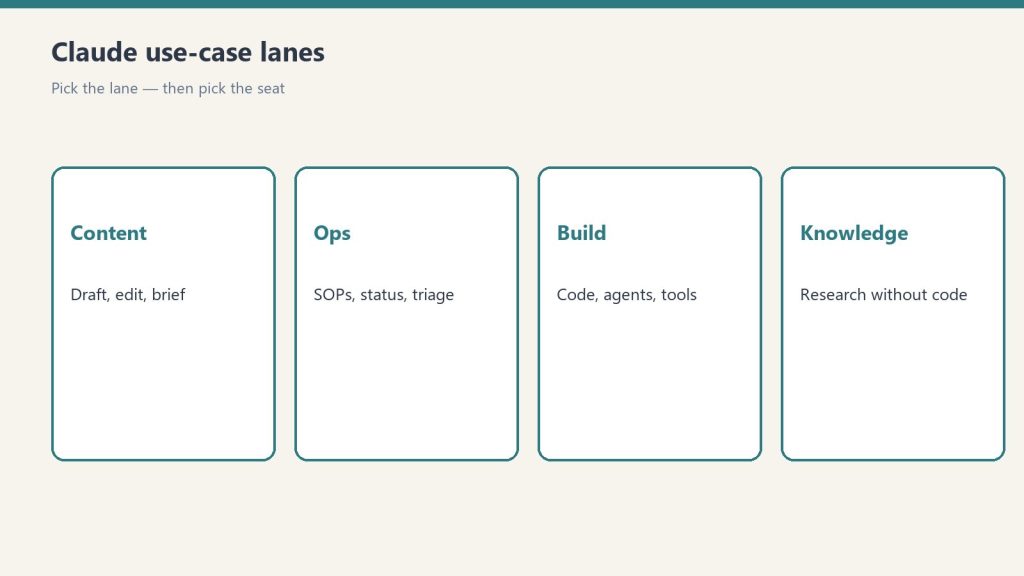
Notion AI is a workspace assistant. It lives inside your Notion workspace and helps you work with content that already exists there — summarizing meeting notes, drafting inside pages, generating action items from documents, answering questions about your stored content. It’s deeply integrated with the Notion data model.
Claude is a thinking partner. It’s a standalone AI assistant that you bring content to — for deep analysis, complex reasoning, long-form writing, research synthesis, and tasks that require genuine intelligence rather than pattern-matching on existing content. It works across any topic, any format, and any domain.
Quick Comparison Table
| Task | Claude | Notion AI |
|---|---|---|
| Summarize a Notion page | Requires copy-paste | One click in Notion |
| Draft inside a Notion doc | External, then paste | Native, inline |
| Deep analysis and reasoning | Excellent | Limited |
| Long-form original content | Excellent | Basic |
| Q&A on your personal knowledge base | Requires upload | Native search |
| Code writing and debugging | Excellent | Minimal |
| Complex document reading | 200K token window | Page-level only |
| Price | $20/month (Pro) | $8-10/month add-on |
Where Notion AI Wins
Notion AI’s advantages are almost entirely about integration. If your work lives in Notion, it can:
- Summarize any page or database view with one click — no copy-paste required
- Write directly inside your pages in the right format (tables, bulleted lists, callouts)
- Search your entire workspace to answer questions based on your stored content
- Auto-fill database properties from page content
- Generate meeting agendas from linked database items
For routine workspace tasks — turning meeting notes into action items, summarizing long pages, drafting quick updates — Notion AI’s friction-free integration is its strongest advantage.
Where Claude Wins
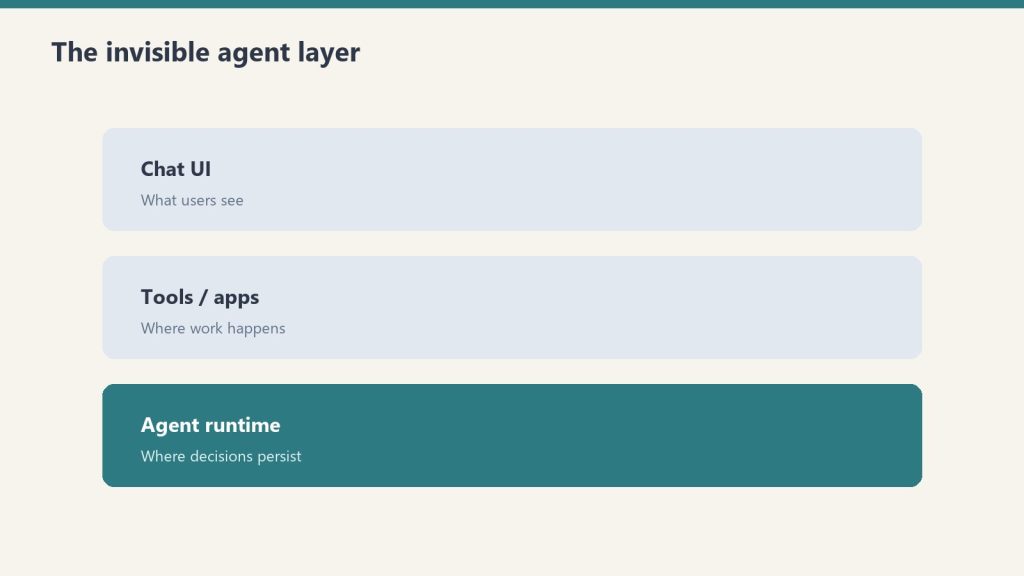
Claude’s advantages are about capability depth:
- Writing quality: Claude produces consistently better long-form content — more nuanced, better argued, more specific
- Reasoning: Complex analysis, strategic thinking, and multi-step problem-solving are Claude’s natural domain
- Context window: 200K tokens vs Notion AI’s page-level processing
- Versatility: Claude works across any topic — legal analysis, code debugging, data interpretation, creative writing — not just productivity tasks
The Power User Workflow: Both Together

The most effective workflow isn’t choosing — it’s combining:
- Use Claude for heavy thinking, original drafting, research synthesis, and complex analysis
- Paste the output into Notion
- Use Notion AI to maintain, update, and work with that content inside your workspace going forward
At $20/month for Claude Pro and $8-10/month for Notion AI add-on, running both is less than $30/month — reasonable for knowledge workers who value the combination.
Related on Tygart Media: Claude vs Jasper · Notion Command Center · Claude alternatives.
Frequently Asked Questions
Should I use Claude or Notion AI for writing?
Use Claude for original long-form writing, complex analysis, and research-heavy content. Use Notion AI for quick drafting inside your workspace, especially for structured content like meeting notes, project updates, and database-linked tasks.
Can Claude read my Notion workspace?
Not directly. Claude requires content to be pasted or uploaded. However, via MCP (Model Context Protocol) integration, you can connect Claude to your Notion workspace for more seamless data access.
Leave a Reply