
Related on Tygart Media: Notion AI for agency owners · AI operator’s stack · Notion Command Center.
The 60-second version
Running multiple businesses solo used to mean either hiring an assistant or accepting that things slipped through. Custom Agents change the math. A small agent team — three to seven specialized agents — handles the operational layer across all businesses simultaneously, leaving the operator to focus on relationships, strategy, and exception work. The cost is real (post-May 4, somewhere between a coffee budget and a low-end consultant invoice per month) but the leverage is dramatic. The skill isn’t building agents. It’s deciding what to delegate to them.
The starter loadout
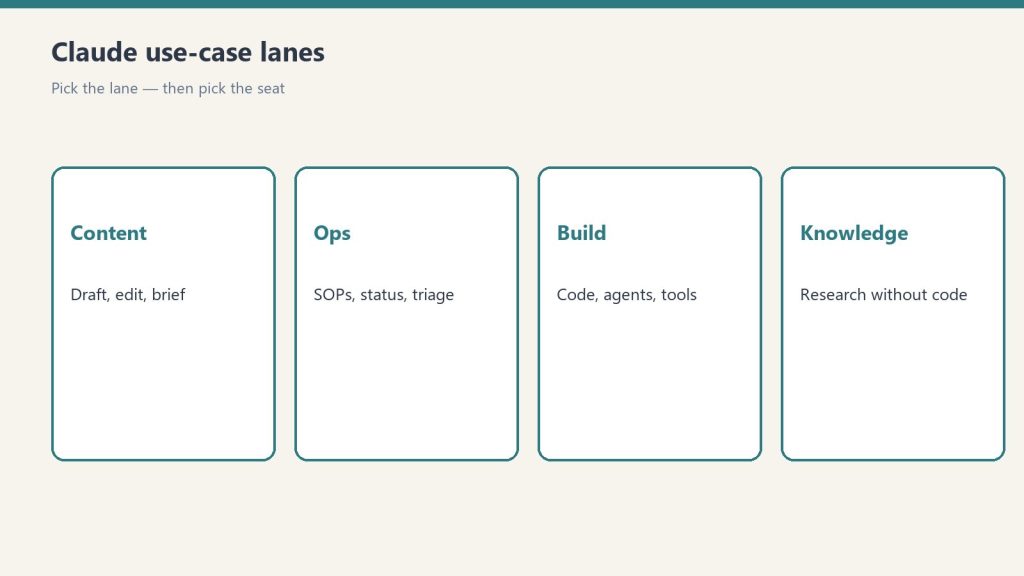
Seven agents that earn their keep for a multi-business solo operator:
1. The morning briefing agent. Runs at 6 AM. Reads overnight emails, calendar for the day, project status changes across all businesses. Drops a one-page digest in your daily notes. You read it with coffee.
2. The intake triage agent. Triggers on new inbound (form submissions, sales leads, partnership inquiries). Categorizes by business, urgency, and type. Drafts a first response. Routes for review.
3. The calendar prep agent. Runs 30 minutes before each meeting. Pulls relevant project context, prior meeting notes, action items, and any open threads. Briefing arrives in your inbox before the meeting.
4. The weekly status agent. Runs Friday 4 PM. For each business, summarizes what happened, what shipped, what’s at risk. Output: one digest per business plus a meta-digest across all of them.
5. The follow-up watcher. Runs daily. Scans all open conversations, projects, and commitments. Flags anything that’s been waiting on you for more than 48 hours.
6. The content production agent. Runs on schedule per business. Pulls from a content brief database, drafts the next piece, drops it in WordPress drafts (via integration) or a Notion review queue.
7. The end-of-day capture agent. Runs at 6 PM. Prompts you for a quick voice note on what happened. Processes it into structured updates across the relevant business databases.
What this stack costs
Rough credit math at \$10/1000 (post-May 4):
– Morning briefing: 30 days x ~15 credits = ~\$4.50/month
– Intake triage: 100 triggers x ~5 credits = ~\$5/month
– Calendar prep: 100 meetings x ~10 credits = ~\$10/month
– Weekly status: 4 runs x ~50 credits = ~\$2/month
– Follow-up watcher: 30 days x ~15 credits = ~\$4.50/month
– Content production: 12 runs x ~80 credits = ~\$9.50/month
– End-of-day capture: 30 days x ~10 credits = ~\$3/month
Total: roughly \$38/month. Add Business plan seat fee. Total operating cost for the agent layer: well under what a part-time VA would charge.
What this stack doesn’t do
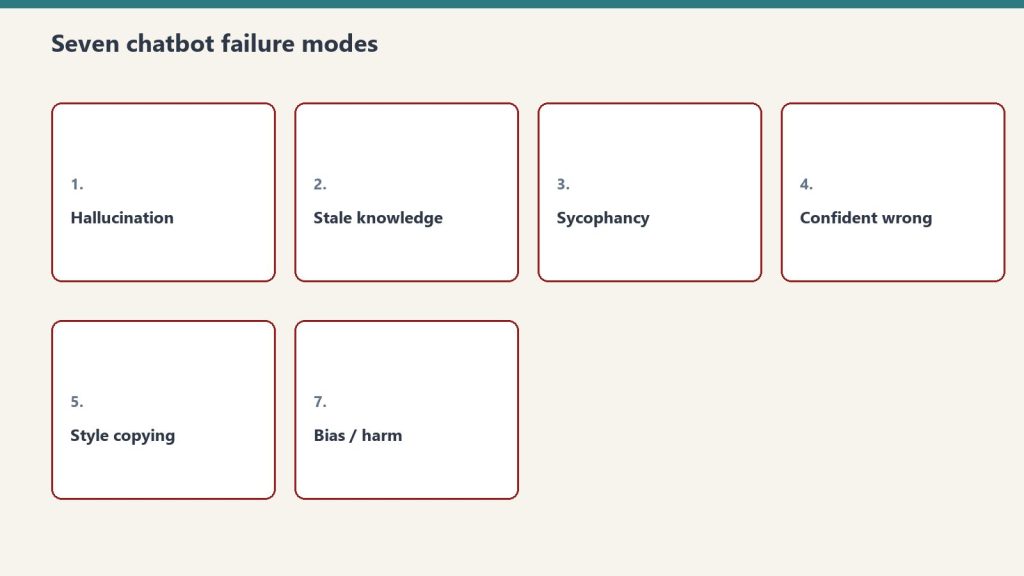
Things that stay manual:
– Sales conversations and relationship work
– Strategic decisions across businesses
– Team conversations (even if “team” is contractors)
– Anything client-facing where voice matters
– Creative work where the doing is the point
The agents handle the operational substrate. You handle the layer above it.
How to start

Don’t build all seven on day one. Build the morning briefing first. Live with it for two weeks. Tighten the prompt. Then build the next one. Sequential beats parallel.
Leave a Reply