Tag: Transportation

  • For Boeing and Paine Field Workers: What the Proposed Everett Transit Consolidation Means for Your Commute

    For Boeing and Paine Field Workers: What the Proposed Everett Transit Consolidation Means for Your Commute

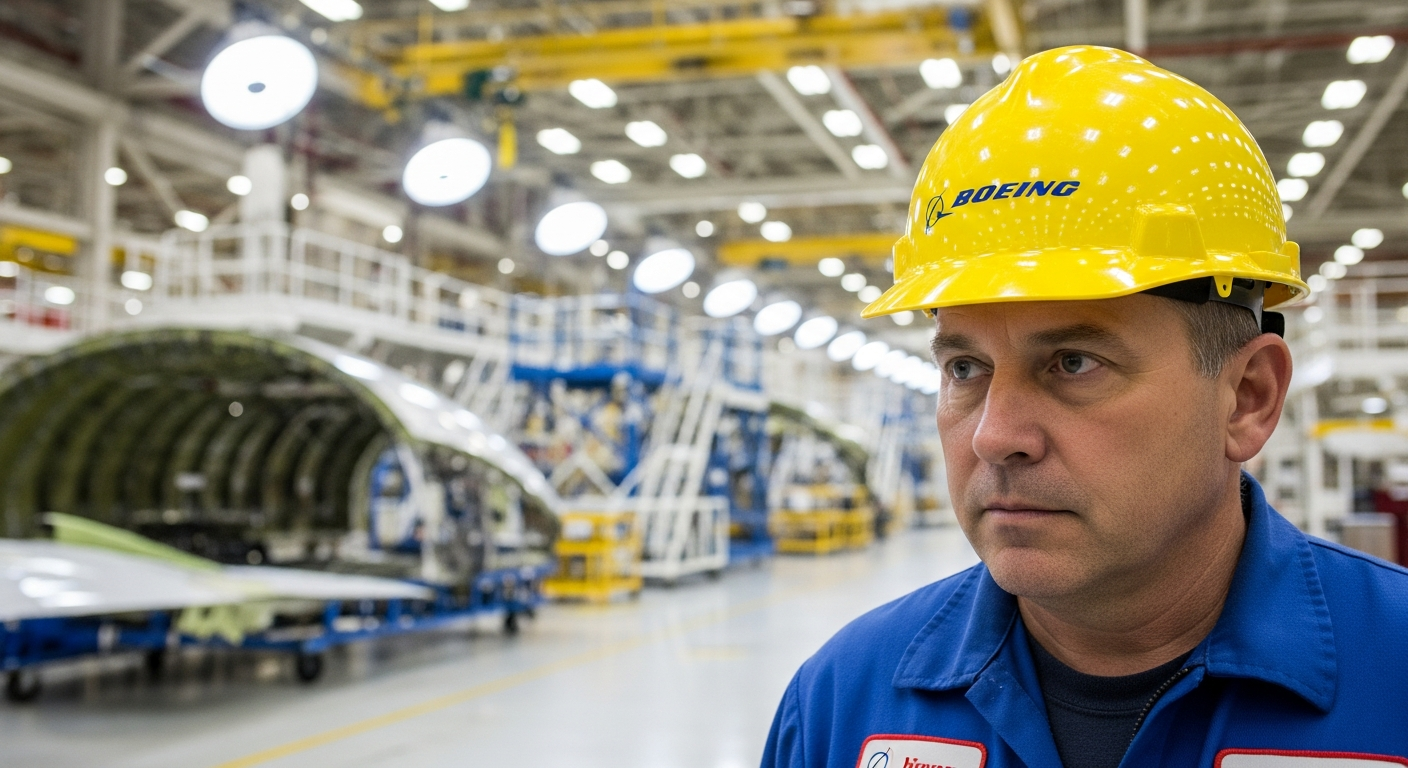
    If you work on Boeing’s 737 North Line or anywhere else at Paine Field and you take the bus, the Everett Transit consolidation proposal is directly relevant to your commute. Here is what Boeing and Paine Field workers need to know about what’s being proposed, what’s at stake for your routes, and how this connects to the Sound Transit vote on June 30.

    The Route That Matters Most to Paine Field Workers

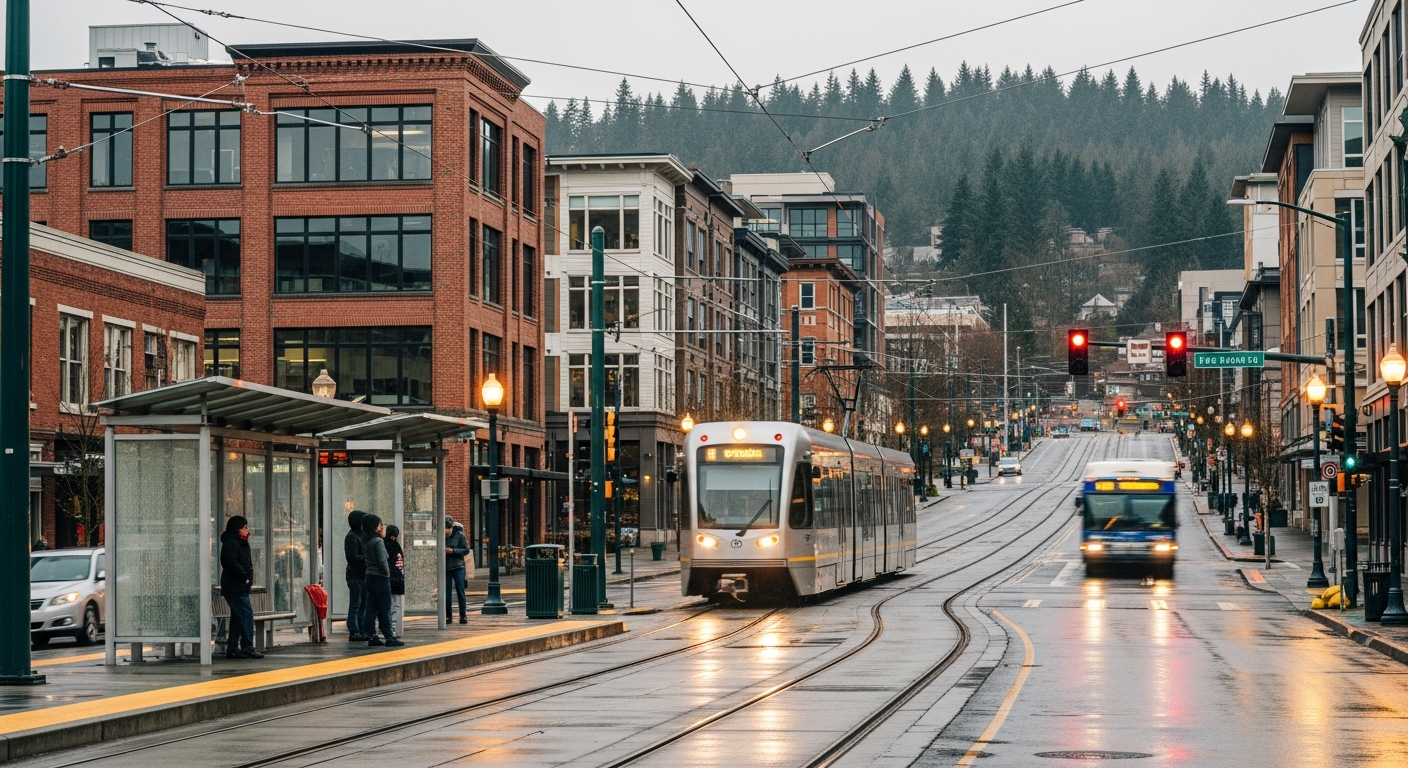
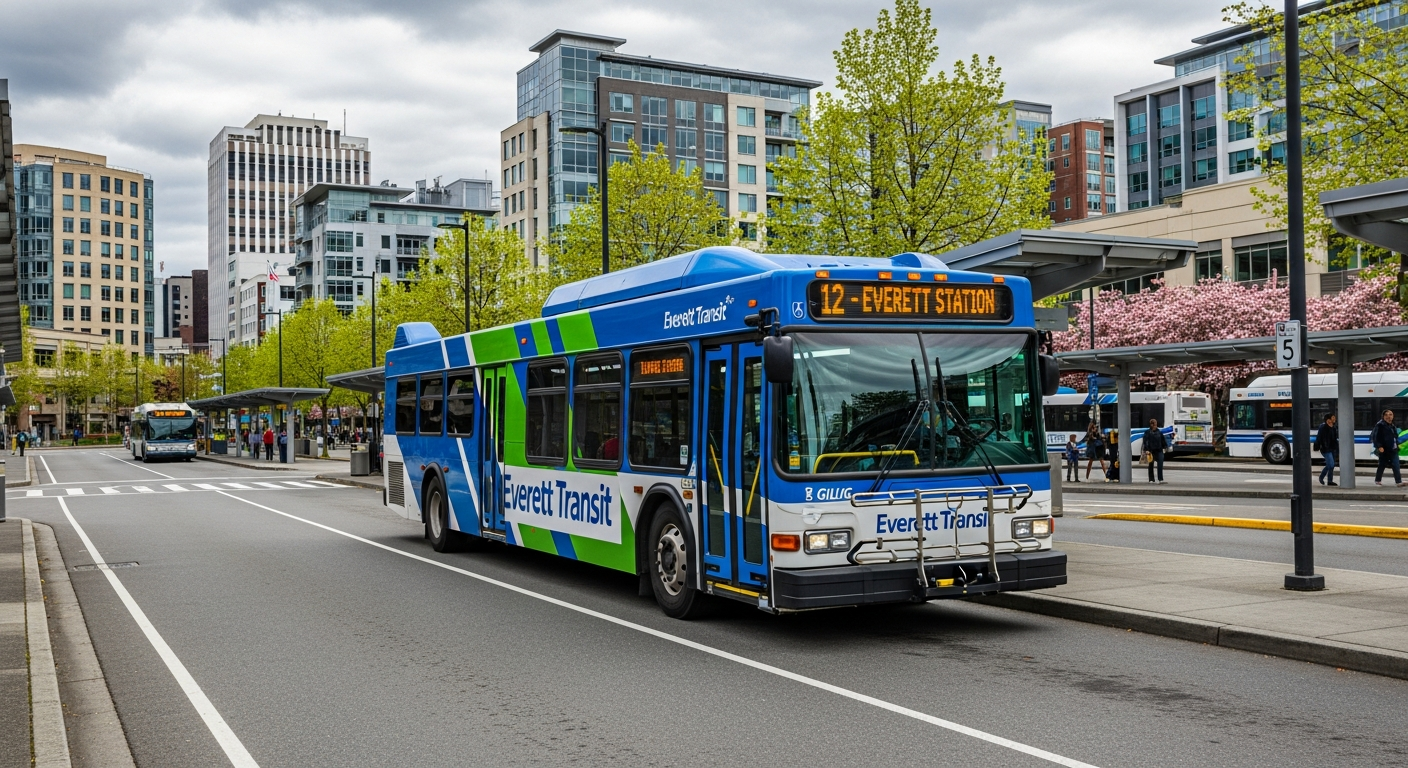
    Everett Transit Route 7 — Everett-Paine Field — provides direct service between downtown Everett and Boeing’s main gate on 84th Street SW. For the thousands of workers on the 737 North Line and other Paine Field operations who don’t drive or prefer not to, Route 7 is their connection between Everett Station (where bus, Amtrak, and eventually light rail meet) and the factory floor.

    Under the proposed consolidation, Everett Transit’s 22 routes — including Route 7 — would transition to Community Transit. Whether that route continues in its current form, is modified, or is replaced by a Community Transit equivalent is among the most consequential details of the interlocal agreement still being drafted.

    What Community Transit Already Offers Near Paine Field

    Community Transit operates the Swift Blue Line — a bus rapid transit route that runs along Airport Road in Mukilteo and connects to Ash Way Park and Ride and Lynnwood Transit Center. The Swift Blue Line gets workers within a reasonable distance of Paine Field but does not serve the Boeing main gate directly.

    A merged system, in theory, could rationalize these routes — eliminating redundancy, extending coverage, and potentially providing more frequent service to Paine Field. Community Transit CEO Ric Ilgenfritz has described the merger as building “a seamless, connected transit network.” What that means specifically for the Boeing campus depends entirely on what ends up in the interlocal agreement.

    The Light Rail Connection

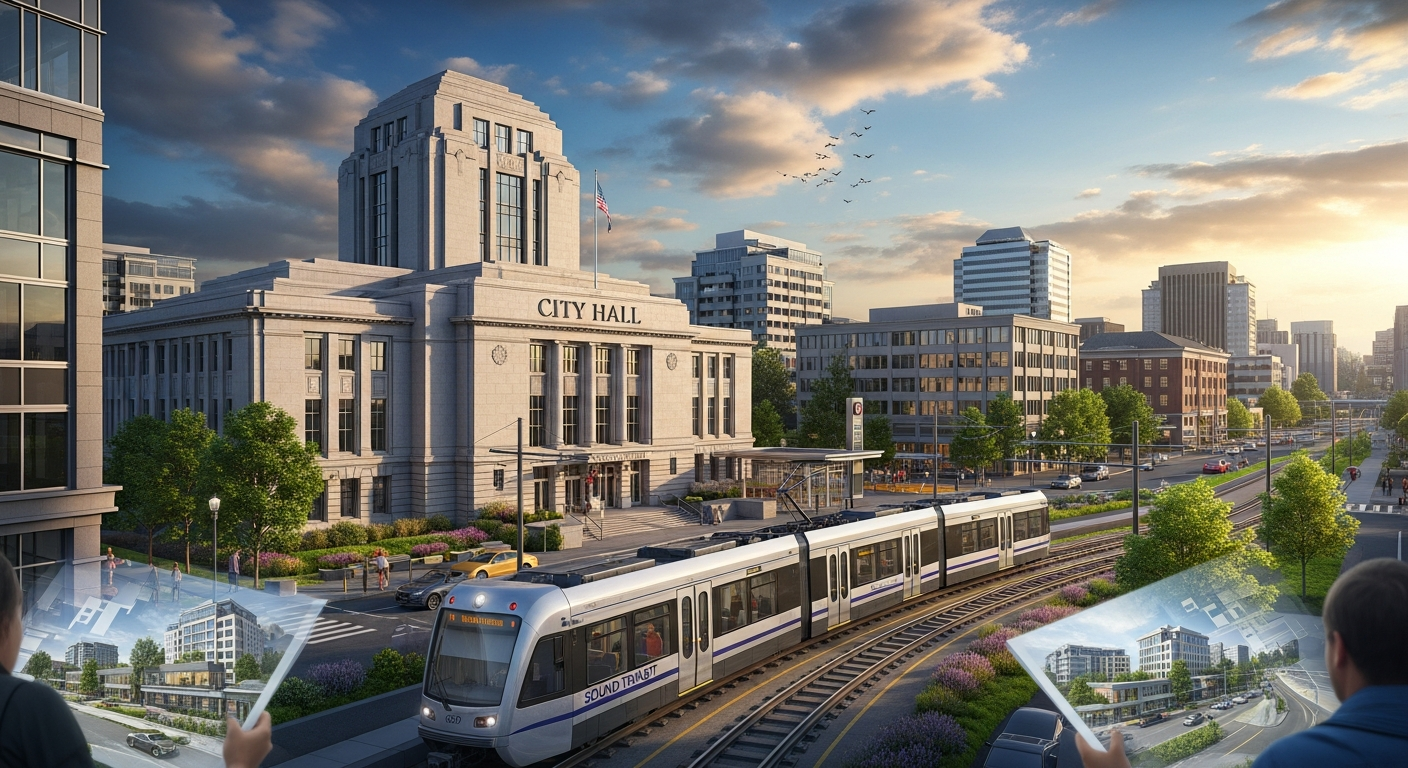
    Mayor Franklin’s stated reason for the consolidation is the June 30, 2026, Sound Transit board vote on whether to advance light rail to Everett Station. If light rail comes to Everett, the case for a merged transit agency as the feeder network becomes stronger — a single agency with service from Paine Field to Everett Station to light rail is a cleaner system than two separate agencies with different governance, different fare structures, and different service priorities.

    For Boeing and Paine Field workers, this means the consolidation debate and the light rail debate are linked. If you have opinions on the June 30 vote, you likely have opinions on this consolidation too. The full picture on the Sound Transit vote for Boeing and Paine Field workers is covered in this commuter guide.

    The Biggest Uncertainty: What Happens to Paine Field Routes

    The concern raised by opponents of the consolidation — including the union representing Everett Transit’s 161 workers and the Keep Everett Transit community group — is that Community Transit, as a regional agency, prioritizes regional connectivity over neighborhood and workplace-specific routes. The argument is that a route like the Paine Field connector might get rationalized, combined, or reduced in a regionalized system focused on park-and-ride feeders and rapid transit corridors rather than door-to-factory service.

    That concern is real. It is also not yet a fact — no route restructuring plan has been released because no interlocal agreement has been finalized. The public hearing process required by SB 5801 is the place where workers can put specific Paine Field service commitments on the record before the council votes.

    What Boeing Workers Should Do Right Now

    The Everett City Council could vote as early as late May or June 2026. SB 5801 requires at least one public hearing before that vote. The hearing has not been scheduled as of April 30, 2026.

    If Paine Field service continuity matters to you, the most effective action is to participate in that public hearing — in person, in writing, or both — and specifically ask for service commitments to the Boeing campus as a condition of the council’s approval. Labor unions, Boeing’s government affairs team, and organizations like the Economic Alliance Snohomish County are also watching this issue.

    Monitor everettwa.gov for hearing announcements. And read the full guide to the Everett Transit consolidation for the complete picture on what’s at stake.

    Frequently Asked Questions

    Does Everett Transit serve Boeing’s Everett factory or Paine Field?
    Everett Transit Route 7 (Everett-Paine Field) provides direct service to Boeing’s main entrance on 84th Street SW. Under consolidation, the route’s continuation depends on the interlocal agreement.

    Would Community Transit expand service to Paine Field after consolidation?
    Community Transit’s Swift Blue Line already reaches close to Paine Field via Airport Road. A merged system could improve frequency or coverage, but specific commitments depend on the agreement terms.

    When would any transit changes affecting Boeing workers take effect?
    A council vote could come as early as late May or June 2026, but implementation would take years. Service changes would not happen immediately after a vote.

    How does the Sound Transit light rail vote connect to Boeing commuters?
    If light rail advances to Everett Station on June 30, a combined transit system would be better positioned to provide connecting bus service from Paine Field to the rail network.

    What should Boeing workers do now if they depend on Everett Transit?
    Monitor everettwa.gov for public hearing announcements. Workers who ride Everett Transit have standing to comment on the importance of maintaining Paine Field service before the council votes.

  • Everett Transit Consolidation with Community Transit: The Complete 2026 Guide to What a Council Vote Could Mean for Every Rider, Route, and Worker

    Everett Transit Consolidation with Community Transit: The Complete 2026 Guide to What a Council Vote Could Mean for Every Rider, Route, and Worker

    Everett’s 50-year-old municipal bus system is heading toward the most consequential vote in its history — and Everett residents won’t cast a ballot on it. The Everett City Council could vote as early as late May or June 2026 on whether to dissolve Everett Transit and absorb its 22 routes, 161 workers, and 115,000 riders into Community Transit — the regional carrier serving the rest of Snohomish County. A 2025 state law called SB 5801 makes this possible without a public vote. Here is everything you need to know about what the consolidation would mean, who’s fighting it, and what happens next.

    What Actually Happened on April 22, 2026

    Everett Mayor Cassie Franklin and Community Transit CEO Ric Ilgenfritz announced on April 22, 2026, that the two agencies are resuming work toward consolidation. The announcement was not a vote — it was a green light to begin drafting an interlocal agreement, conducting due diligence, and working through the legal framework before any governing bodies act.

    The proposal would absorb Everett Transit — which operates 22 routes, employs 161 people, and serves an estimated 115,000 Everett residents — into Community Transit, which currently covers the rest of Snohomish County. A merged agency would serve roughly 800,000 people across Snohomish County, making it one of the largest transit networks in Washington State outside of King County Metro and Sound Transit.

    Franklin framed the move as a direct response to Sound Transit’s June 30 board vote on whether to advance light rail to Everett Station. “As light rail comes closer to reality, we need a transit system built for a light rail community,” Franklin said. Ilgenfritz described the consolidation as “the next step in building a seamless, connected transit network across Snohomish County.”

    The State Law That Makes This Possible Without a Public Vote

    This consolidation is moving without a public ballot because Washington’s legislature passed SB 5801 in 2025, which allows public transportation benefit areas like Community Transit to annex municipal transit agencies via an interlocal agreement approved by both governing bodies. The process requires at least one public hearing by each body — separately or jointly — but does not require a citywide ballot measure.

    Everett Transit Local 883 Union President Steve Oss has called for the consolidation to go before Everett voters and has alleged the legislation was crafted specifically to allow the merger without one. A community group called Keep Everett Transit (keepet.org) has formed in opposition.

    If the council approves, Everett would become the first Washington city to voluntarily dissolve a standalone transit agency under this framework.

    What’s Currently on the Table

    Right now, the two agencies are in the due-diligence and agreement-drafting phase. No interlocal agreement has been presented to either body. No public hearing has been scheduled. The timeline that has been communicated publicly is:

    • Spring–early summer 2026: Drafting of interlocal agreement, staff analysis, public hearings
    • Late May or June 2026: Possible council vote (though this is a projection, not a set date)
    • After council approval: Multi-year implementation — routes, labor contracts, fare structures, and service standards would need to be reconciled before Everett Transit ceases to exist as a standalone agency

    What Consolidation Would Mean for Riders

    Under consolidation, Everett Transit’s 22 routes would become part of Community Transit’s network. Service levels, route alignments, and fare structures would all be subject to renegotiation as part of the interlocal agreement.

    Community Transit currently does not operate within the City of Everett boundaries — its routes connect Snohomish County cities to Everett but hand off at the city border. Consolidation would change that, giving a single agency control of all fixed-route bus service in and around Everett.

    Supporters argue this creates the seamless transit network needed to connect to light rail. Critics, including the Keep Everett Transit coalition, argue that Community Transit’s priorities are regional, not neighborhood-focused, and that Everett-specific routes could be reduced or eliminated in a regionalized system.

    What Consolidation Would Mean for Workers

    The 161 Everett Transit employees — drivers represented by ATU Local 883, plus maintenance, dispatch, and administrative staff — would transition to Community Transit under any consolidation agreement. The terms of that transition, including which union contract governs, seniority treatment, and pension continuity, are among the most complex elements of the negotiation.

    Union president Steve Oss has been the most prominent public opponent of the consolidation, calling explicitly for a public vote and pushing back on the no-ballot framework created by SB 5801. The union’s concerns include job security, seniority rules, and the potential for route changes that reduce driver headcount or shift work patterns.

    The Tax Question

    Everett residents currently pay a 0.3% city sales tax that funds Everett Transit. The Lynnwood Times has reported that the combined tax burden under Community Transit’s rate structure would represent the largest sales tax increase in Washington state history. The specific net impact on individual Everett tax bills would depend on how the interlocal agreement structures the transition period and what tax rates are set.

    The public hearing process required by SB 5801 is the primary mechanism for residents to weigh in on the tax implications before any council vote.

    How This Connects to Sound Transit

    The consolidation proposal is explicitly tied to the Sound Transit timeline. The June 30, 2026, Sound Transit board vote — which would determine whether the agency moves forward with a revised System Plan to bring light rail to Everett Station — is the backdrop for Franklin’s framing of the merger.

    The argument: if light rail comes to Everett, the city needs a transit feeder network that connects all of Snohomish County to Everett Station seamlessly. A merged Community Transit + Everett Transit system, the argument goes, is better positioned to serve as that feeder than two separate agencies with separate governance structures.

    Everett’s Sound Transit light rail future is covered in this complete 2026 guide. The June 30 vote’s implications for residents and commuters are also explored in detail on this site.

    How to Make Your Voice Heard

    The SB 5801 process requires at least one public hearing before any council vote. Dates have not been announced as of April 30, 2026. To stay informed:

    • Monitor everettwa.gov for hearing announcements
    • Sign up for the City of Everett’s news alerts
    • Contact the Keep Everett Transit coalition at keepet.org
    • Contact Everett City Council members directly — the council will make the final call

    Frequently Asked Questions

    Does Everett have to hold a public vote to end Everett Transit?
    No. Under Washington’s SB 5801 (2025), the Everett City Council and Community Transit Board can approve consolidation through a council vote and an interlocal agreement — no public ballot required. However, at least one public hearing by each body is required.

    How many routes does Everett Transit currently operate?
    Everett Transit operates 22 routes and employs approximately 161 people, serving an estimated 115,000 Everett residents.

    When could the Everett City Council vote on consolidation?
    A council vote could come as early as late May or June 2026, though the interlocal agreement is still being drafted as of late April 2026.

    What would happen to Everett Transit workers if consolidation is approved?
    The 161 Everett Transit employees — including drivers represented by Local 883 of the Amalgamated Transit Union — would transition to Community Transit. Terms of that transition are subject to negotiation.

    What does Everett Transit consolidation mean for residents’ taxes?
    The Lynnwood Times has reported this could represent the largest sales tax increase in Washington state history when combined with Community Transit rates. The specific net impact on individual tax bills depends on the interlocal agreement’s structure.

    Why is the consolidation being proposed now?
    Mayor Franklin framed it as a direct response to the June 30, 2026, Sound Transit vote that could advance light rail to Everett Station.

    What is Keep Everett Transit?
    Keep Everett Transit (keepet.org) is a community advocacy group opposing the consolidation and calling for a public vote.

  • Everett City Council Will Decide Whether to End Everett Transit — What the Vote Means for Riders, Workers, and Your Tax Bill

    Everett City Council Will Decide Whether to End Everett Transit — What the Vote Means for Riders, Workers, and Your Tax Bill

    Q: Does Everett have to vote on whether to end Everett Transit?
    A: No. Under a 2025 Washington State law (SB 5801), the Everett City Council and the Community Transit Board of Directors can approve consolidation through a council vote and an interlocal agreement — no public ballot required. Mayor Franklin and Community Transit CEO Ric Ilgenfritz announced the consolidation effort on April 22, 2026. A council vote could come as early as late May or June 2026, though final implementation would take years.

    Everett City Council Will Decide Whether to End Everett Transit — What the Vote Means for Riders, Workers, and Your Tax Bill

    Everett’s 50-year-old municipal bus system is heading toward the biggest decision in its history — and residents won’t cast a ballot on it. Instead, the Everett City Council will vote on whether to dissolve Everett Transit and hand its routes, buses, and operations to Community Transit, the regional carrier that already serves the rest of Snohomish County. If the council says yes, Everett would become the first Washington city to voluntarily give up a standalone transit agency under a 2025 state law that bypasses a public vote entirely. Here is what that council vote means for every Everett resident, what the union representing transit workers says, and how you can make your voice heard before the council decides.

    What Actually Happened on April 22

    Mayor Cassie Franklin and Community Transit CEO Ric Ilgenfritz announced on April 22, 2026, that the two agencies are resuming joint work toward consolidation. The announcement was not a vote — it was a green light to begin drafting the interlocal agreement, conducting due diligence, and working through the legal framework before any governing bodies act.

    The proposal would absorb Everett Transit — which operates 22 routes, employs 161 people, and serves an estimated 115,000 Everett residents — into Community Transit, which currently covers the rest of Snohomish County. A merged agency would serve roughly 800,000 people across the county, making it one of the largest transit networks in Washington State outside of King County Metro and Sound Transit.

    Franklin framed the move as a direct response to Sound Transit’s Link Light Rail Extension, which — if approved on June 30 — would bring rail to Everett Station. “As light rail comes closer to reality, we need a transit system built for a light rail community,” Franklin said in the joint release. Ilgenfritz described the consolidation as “the next step in building a seamless, connected transit network across Snohomish County.”

    The State Law That Makes This Possible Without a Public Vote

    This consolidation is moving without a public ballot because Washington’s legislature passed SB 5801 in 2025, sponsored by Senator Marko Liias (D-Edmonds), chair of the Senate Transportation Committee. The law allows a public transportation benefit area — which Community Transit is — to annex a municipal transit agency through a government-to-government interlocal agreement. Both governing boards must approve it. Voters do not.

    That is a significant change from how transit mergers have worked historically in Washington. The original Sound Transit district, the Snohomish County Public Transportation Benefit Area, was created in 1976 by a 79 percent public vote. This merger would happen entirely through elected officials, not the ballot box.

    Under SB 5801, both the Everett City Council and the Community Transit Board of Directors must hold public hearings and approve the annexation before it takes effect. The public hearings are where residents can formally address their elected officials before the vote locks in.

    What the City Council Must Actually Do — And When

    The Everett City Council’s role is to vote on the interlocal agreement that would authorize Everett’s annexation into Community Transit’s service boundary. Before that vote, the council must hold at least one public hearing. Franklin told Everett Transit union members on April 18 that the council could be asked to vote as early as late May or June 2026. The official joint announcement from both agencies uses a more cautious timeline, stating the boards would consider the proposal “this fall.”

    The Community Transit Board of Directors — which includes elected officials from cities across Snohomish County — would vote separately. Under the consolidation structure, Everett would gain seats on the Community Transit board proportional to its population, giving Everett elected officials an ongoing voice in system decisions.

    Actual implementation — meaning the day Everett Transit stops operating as a standalone agency — would take years after a council vote, according to both agencies. Route planning, labor agreements, equipment transfers, and operational integration require substantial lead time.

    What It Means for Your Tax Bill

    Everett Transit is funded primarily by a dedicated transit sales tax that Everett voters approved. Community Transit is funded by a separate sales tax on Snohomish County purchases outside Everett. After consolidation, Everett’s transit sales tax revenue would flow into the combined Community Transit system.

    Community Transit’s coverage currently levies a 0.9 percent sales tax on purchases in its service area. If Everett is annexed into that boundary, Everett residents and businesses would pay a sales tax that increases by 0.6 percentage points — from the current combined rate of approximately 9.90 percent to 10.50 percent. Projections from the Lynnwood Times estimate that generates approximately $29 million in new annual revenue beginning in 2027, totaling roughly $158 million over five years. That would make this one of the largest single sales tax increases in Snohomish County history.

    The agencies project operational cost savings of between $2.4 million and $3.7 million annually once consolidated, from reduced administrative redundancy and shared maintenance infrastructure. Everett Transit’s fleet includes approximately 24 battery-electric buses with a capital asset value estimated near $10 million.

    The Union Says Workers Weren’t at the Table

    The strongest opposition to the consolidation has come from the workers who drive Everett’s buses. Steve Oss, president of Amalgamated Transit Union Local 883 — which has represented Everett Transit’s drivers, inspectors, and maintenance workers for over two decades — opposes the merger and the process used to get here.

    “This method is frankly wrong,” Oss said, referring to the council-vote pathway that bypasses a public ballot. He has argued that the consolidation should require voter approval, as transit district formation did in 1976.

    Oss also raised concerns about workers outside the ATU 883 bargaining unit — administrative and clerical staff who are not covered under the federal Section 13(c) labor protections that shield union drivers from layoffs in transit mergers. ATU 883 members are protected under federal law from involuntary termination as a result of annexation. Non-union Everett Transit employees do not have the same guaranteed protections.

    A community group called Keep Everett Transit has launched at keepet.org to organize residents who want to preserve the local agency. Oss has noted that one of the operational advantages of a city-run transit system is its flexibility — when Everett needs buses for an event, emergency, or temporary free-fare day, it takes a call from the mayor. In a regional agency, those decisions go through a board and a bureaucracy.

    What Riders Can Expect If Consolidation Happens

    Ilgenfritz has committed publicly to no loss of service for existing Everett Transit riders during the transition. Community Transit operates a significantly larger fleet and route network, including Swift rapid bus lines and regional routes to Seattle, which Everett Transit does not currently offer. Supporters of the merger argue that Everett residents would gain access to a more extensive network and that future light rail connectivity would be better served by a unified regional carrier rather than two separate systems with different governance.

    Critics, including Oss, point out that Everett Transit’s local knowledge and direct accountability to City Hall has allowed it to respond quickly to neighborhood needs — something harder to replicate in a county-scale agency governed by a multi-city board. There is also a pay disparity between the two agencies: Everett Transit paratransit workers earn approximately $42 per hour; Community Transit paratransit workers earn approximately $26 per hour. How collective bargaining will resolve that disparity is not yet determined.

    The broader transit picture matters here: Sound Transit’s Everett Link Extension — if the board approves a funded path forward at its June 30 meeting — would require an integrated bus-rail feeder system. Both agencies argue consolidation is necessary infrastructure for that future. The Sound Transit board’s decision will significantly shape what transit in Everett looks like in the 2030s. Read more about the June 30 vote and what’s at stake for Everett in this explainer.

    What to Do Next

    • Attend the public hearing — Both the Everett City Council and Community Transit board are required to hold public hearings before any vote. Dates have not been announced yet. Watch the Everett City Council meeting calendar at everettwa.gov/AgendaCenter for scheduling updates.
    • Contact your Council Member — The Everett City Council has nine members representing districts. Find your representative and their contact information at everettwa.gov/citycouncil.
    • Review the consolidation history — The city’s 2023 “More Transit Together” final report is available through Everett’s Transit Consolidation Study page at everettwa.gov/2786/Transit-Consolidation-Study.
    • Follow Keep Everett Transit — The community organization opposing consolidation is operating at keepet.org.
    • Sign up for city news flashes — The official consolidation announcement and future updates will be posted at everettwa.gov. Subscribe to City news flashes to receive updates automatically.

    Frequently Asked Questions

    Will Everett Transit disappear if the council votes yes?

    Eventually, yes — Everett Transit as a standalone city agency would cease to exist and its operations would be absorbed into Community Transit. Implementation would take several years after a council vote.

    Can residents stop the consolidation?

    There is no public vote required under SB 5801. Residents can testify at public hearings, contact their council members, and organize through groups like Keep Everett Transit — but the final decision rests with the Everett City Council and Community Transit Board of Directors.

    When will the Everett City Council vote?

    Mayor Franklin indicated a council vote could come as early as late May or June 2026. The official joint agency timeline is “this fall.” No vote date has been formally set as of April 30, 2026.

    Will my bus route change immediately after a vote?

    No. Both agencies have committed to maintaining existing Everett Transit service throughout the transition period. Route and schedule changes would be part of a multi-year integration process.

    Will this increase my sales taxes?

    Yes. Everett residents and businesses would pay a sales tax rate increase of approximately 0.6 percentage points if Everett is annexed into Community Transit’s service area — one of the largest such increases in Snohomish County history.

    What happens to Everett Transit workers?

    ATU Local 883 members (drivers, mechanics, inspectors) are protected under federal Section 13(c) labor law from involuntary layoffs due to the merger. Non-union administrative staff do not have equivalent federal protections. Labor negotiations are ongoing.

  • Belfair Commute Briefing — Wednesday, April 29, 2026

    Belfair Commute Briefing — Wednesday, April 29, 2026

    🚗 Belfair Bugle Commuter Update — Wednesday, April 29

    Ferry — Bremerton/Seattle Route

    The Bremerton-Seattle ferry is running on its regular spring schedule this morning with no cancellations reported on that route. Heads up for Friday, May 1: WSF fare increases take effect — passenger and vehicle fares rise an average of 3%, and a 35% peak season surcharge applies to single-ride vehicle and motorcycle fares through September 30. Multi-ride passes are not subject to the surcharge.

    At Colman Dock, Alaskan Way elevators 1 and 2 remain out of service due to a mechanical issue. Elevator 4 (Alaskan Way) and the Pier 50 elevator are both in service for ADA passengers.

    Nearby route disruption (Fauntleroy/Vashon/Southworth): The #2 Cathlamet has three early AM sailings cancelled Wednesday — the 4:05 AM Vashon→Fauntleroy, 4:25 AM Fauntleroy→Vashon, and 5:00 AM Southworth→Vashon. This does not affect the Bremerton-Seattle route but impacts commuters routing through the Fauntleroy terminal. The Fauntleroy vehicle transfer span repair is also ongoing weekdays 9 AM–3 PM through approximately Friday, reducing vehicle loading to one lane with midday delays possible.

    SR-3 and Gorst

    No significant issues on SR-3 for the morning commute. The fish barrier removal project near Sunnyslope Road SW continues nighttime-only construction with no daytime lane closures. The planned 16-day around-the-clock SR-3 closure near Sunnyslope remains on the schedule for late spring/early summer 2026 — WSDOT will issue advance notice before that extended closure begins.

    Hood Canal Bridge

    The two-week daytime inspection closure schedule concluded April 24. No scheduled Hood Canal Bridge closures this week. Normal traffic flow expected on SR-104.

    PSNS / Bangor Gates

    Naval Base Kitsap is at normal operating status with no public security advisories posted. The Trident Gate (at SR-308 near SR-3) is open 24 hours. The Trigger Gate operates weekday hours of 5:00 AM to 7:30 PM.

    Weather

    Expect partly cloudy to overcast skies through the morning commute in Mason and Kitsap counties, with a slight chance of rain developing through the day. Highs in the upper 40s to low 50s. No weather advisories in effect — roads should be dry for the AM rush.

    Fuel Prices

    Belfair and Gorst area regular unleaded remains in the $4.89–$5.59/gallon range. Washington state averages have edged up slightly through April. Safeway in Belfair is competitive around $4.99/gallon.

    Published 5:15 AM PT — Safe travels, North Mason.

  • Moving to Everett in 2026: What the June 30 Sound Transit Vote Means for Your Transit Future

    Moving to Everett in 2026: What the June 30 Sound Transit Vote Means for Your Transit Future

    For people moving to Everett in 2026: The Sound Transit June 30 vote matters more than most relocation guides will tell you. Which neighborhoods you buy or rent in, whether transit-oriented development assumptions hold, and how Everett compares to Lynnwood or South Snohomish County as a place to live — all of it turns on whether the full Everett spine gets funded or gets truncated at SW Everett near Paine Field.

    If you’re planning a move to Everett — from Seattle, from King County, or relocating for a Boeing job or a Navy assignment at NAVSTA Everett — the Sound Transit board vote on June 30, 2026 is a piece of context that will shape your neighborhood decision for years.

    Why Light Rail Matters for Where You Live in Everett

    Everett is a city of 114,070 people with 21 distinct neighborhoods. Where you live relative to the planned light rail stations will determine whether your daily commute improves dramatically or stays dependent on driving and buses over the next decade.

    Lynnwood City Center opened its Link station in 2024. Residents of Lynnwood now have a direct light rail connection to the University District, Capitol Hill, and downtown Seattle. Everett is next on the spine — but the question of when, and how far north rail actually goes, depends on the June 30 vote.

    The Stations That Are Planned for Everett

    The full Everett Link Extension, if funded under Approaches 1 or 2, would include stations at: Ash Way (near Ash Way Park and Ride), Mariner (near 128th Street SW), SW Everett Industrial Center (the Paine Field/Boeing area), Airport Road, SR 526/Evergreen Way, and downtown Everett Station (connected to Everett Station transit hub).

    Under Approach 3, rail would stop at SW Everett Industrial Center. Downtown Everett and the four stations between SW Everett and Everett Station would not be built in this phase.

    The Mariner neighborhood — which sits near the planned Mariner station — is currently under a city-funded annexation study. What the Mariner annexation study means for residents explains the context.

    Neighborhoods to Evaluate Differently Based on the Vote Outcome

    If Approaches 1 or 2 pass (full spine): Neighborhoods along the corridor from Mariner through central Everett to downtown — including the Broadway District, Bayside, Port Gardner, and the Millwright District waterfront — would all sit within the broader light rail catchment. Downtown Everett Station would become a regional transit hub. Commute access to Seattle via Link would be a real option.

    If Approach 3 passes (truncated at SW Everett): Paine Field-adjacent neighborhoods and the SW Everett industrial corridor get a station. Central and northern Everett neighborhoods — where housing costs are often lower — do not get the transit premium. The commute picture for downtown-area residents stays bus-and-drive for the foreseeable future.

    Everett vs. Lynnwood: The Current Comparison

    Right now, Lynnwood has a transit advantage Everett doesn’t yet have. A Lynnwood resident can ride Link to Seattle in roughly 35–40 minutes. An Everett resident driving to Lynnwood to catch Link adds 20–30 minutes each way. When the Everett extension opens — under any approach — that advantage shifts. But the full spine to downtown Everett Station creates a much stronger case for living in central Everett than a truncated SW Everett connection does.

    For the full neighborhood picture: Everett’s three housing submarkets — a complete 2026 guide. And for the transit baseline: The complete guide to the Everett Transit and Community Transit merger.

    The June 30 Timeline and What Comes Next

    The board adopts the revised ST3 System Plan by June 30. This sets the policy framework — it does not immediately change construction schedules. Environmental review, station design finalization, and procurement follow over subsequent years. The opening window of 2037–2041 for the full Everett extension could shift based on the adopted approach and any design changes.

    For the full guide to what the vote means for Everett: The complete 2026 guide to the Sound Transit June 30 vote.

    Frequently Asked Questions

    How does the Sound Transit June 30 vote affect people moving to Everett?

    The vote determines which Everett neighborhoods will have direct light rail access and when. Full spine approaches (1 and 2) deliver a downtown Everett Station with regional connections. Approach 3 truncates at SW Everett near Paine Field, leaving central and northern Everett neighborhoods without a light rail stop in this phase.

    Which Everett neighborhoods are closest to planned light rail stations?

    Mariner sits near the planned Mariner station. The SW Everett Industrial Center station serves the Paine Field/Boeing corridor. Under the full spine, downtown Everett and Everett Station would anchor the northern terminus, benefiting Broadway District, Bayside, and Port Gardner neighborhoods. The Mariner station is in all three approaches.

    When would Everett light rail open?

    Sound Transit’s working timeline for the Everett extension is 2037 to 2041. The June 30 vote and subsequent design decisions will refine that range.

    Is it better to live in Lynnwood than Everett for transit access right now?

    Lynnwood currently has a Link station giving direct access to Seattle, Bellevue, and Sea-Tac. Everett residents must drive or bus to Lynnwood to access Link. When the Everett extension opens — under any approach — that gap closes. The full spine delivers stronger transit access for central and downtown Everett than a truncated SW Everett connection.

    What is the Mariner annexation and how does it connect to light rail?

    Everett City Council funded a study to potentially annex the Mariner neighborhood, which sits near a planned light rail station. The annexation’s transit-oriented development rationale depends partly on that station being built. A truncation that skips Mariner would weaken the case for annexation.

  • What the June 30 Sound Transit Vote Means for Boeing and Paine Field Workers: An Everett Commuter’s 2026 Guide

    What the June 30 Sound Transit Vote Means for Boeing and Paine Field Workers: An Everett Commuter’s 2026 Guide

    Bottom line for Paine Field and Boeing workers: Both Approaches 1 and 2 would deliver a light rail station at SW Everett Industrial Center — the stop closest to Boeing’s Paine Field campus. Approach 3 reaches the same station but stops there, never connecting downtown Everett. The June 30 vote decides whether your commute options improve in phases or whether the downtown connection comes in your working lifetime.

    If you work on Boeing’s 737 North Line, the 777X line, or anywhere on the Paine Field aerospace campus, the Sound Transit board vote on June 30, 2026 is the most consequential regional transit decision in a generation for your daily commute — and for the housing choices available to you and your family.

    Here is what the vote means specifically for aerospace workers in Everett and the surrounding Snohomish County corridor.

    The Station That Serves Paine Field

    The planned SW Everett Industrial Center station is the Link stop closest to Boeing’s Paine Field campus. It sits at the southern end of the Paine Field corridor — near the intersection of the SW Everett manufacturing district and the airport/aerospace zone. All three approaches under evaluation by Sound Transit include this station. Even in the worst-case Approach 3 scenario, you would have a light rail connection at SW Everett Industrial Center.

    What Approach 3 does not include is the remainder of the downtown spine — Airport Road, Evergreen Way, and downtown Everett Station. For Boeing workers who live in central or northern Everett, Approach 3 means continuing to drive or bus to get from the Paine Field station area to the rest of the city. Approaches 1 and 2 complete the full 16-mile build, connecting SW Everett through to Everett Station.

    The Commute Math

    Today, Boeing workers commuting to Paine Field from south of Everett — from Lynnwood, Mountlake Terrace, or Seattle — have no direct light rail option. Community Transit Route 512 and other express buses serve the corridor, but transit travel times to Paine Field from Seattle run 60 to 90 minutes depending on traffic. With Lynnwood City Center now on the Link network since 2024, a Boeing worker from Seattle can ride Link to Lynnwood — and then needs a bus connection north.

    When the Everett extension opens with a SW Everett Industrial Center station, that changes materially. Workers from Seattle, Lynnwood, and south Snohomish County would have a one-seat light rail ride to the station closest to Paine Field. The June 30 vote affects when that happens and what the full network around it looks like — but the station itself is in all three approaches.

    Housing and the Downtown Question

    Where you choose to live near Paine Field depends partly on what transit access looks like across the city. If Approach 3 passes and downtown Everett stays disconnected from Link, the cost-of-living advantage of living in central Everett — closer to Everett Station and the city’s amenities — comes without the transit connectivity premium.

    Under Approaches 1 or 2, the full spine to downtown Everett Station creates transit-oriented development pressure across the Everett corridor. The 2026 housing guide for Boeing 737 North Line workers details the neighborhood-by-neighborhood picture for Paine Field employees buying or renting in Everett.

    The Community Transit Piece

    Everett Transit is in the process of merging into Community Transit — a change that Mayor Franklin explicitly connected to the Sound Transit spine question. A consolidated Community Transit network with frequent service feeding into a completed Link spine is a fundamentally different commute environment than the current fragmented system. The complete guide to the Everett Transit and Community Transit merger covers what changes for bus riders in Snohomish County.

    What You Can Do Before June 30

    Sound Transit’s public survey on the ST3 System Plan revision closes May 1, 2026 — today. Boeing workers, as a major constituency with a direct stake in the Paine Field station and the downtown spine, are exactly the kind of commuters Sound Transit’s board needs to hear from. Submit input at soundtransit.org/system-expansion.

    For the full picture on what the June 30 vote means for Everett: The complete 2026 guide to the Sound Transit vote and Everett’s light rail future.

    Frequently Asked Questions

    Will there be a light rail station near Paine Field and Boeing under any scenario?

    Yes. The SW Everett Industrial Center station — the stop closest to Boeing’s Paine Field campus — is included in all three approaches under Sound Transit’s revised ST3 plan. The question is whether rail continues north to downtown Everett Station (Approaches 1 and 2) or stops at SW Everett (Approach 3).

    What is the SW Everett Industrial Center station?

    The planned light rail station in the SW Everett manufacturing and aerospace corridor, positioned to serve Boeing’s Paine Field campus and the broader Paine Field industrial zone. It would be the southernmost Everett station in Approaches 1 and 2, or the northernmost terminus in Approach 3.

    How does the Sound Transit vote affect Boeing workers’ commutes?

    All approaches deliver a Paine Field-area station. The difference is whether workers living in or commuting through downtown Everett get a connected ride. Approaches 1 and 2 complete the spine to Everett Station; Approach 3 stops at SW Everett, requiring bus or driving for the remainder.

    When would the Paine Field-area station open?

    Sound Transit’s working timeline for the Everett extension has ranged from 2037 to 2041 depending on funding and design decisions. The June 30 vote sets the framework; specific construction timelines follow the plan adoption.

    What is the Community Transit merger and how does it relate to this?

    Everett Transit is merging into Community Transit. A consolidated network feeding into a completed Link spine creates a much stronger commute option for Paine Field workers than the current system. Mayor Franklin cited this explicitly in her April 23 letter to Sound Transit’s board.

  • The June 30 Sound Transit Vote and Everett’s Light Rail Future: A Complete 2026 Guide to What’s at Stake

    The June 30 Sound Transit Vote and Everett’s Light Rail Future: A Complete 2026 Guide to What’s at Stake

    Quick answer: Sound Transit’s board must vote by June 30, 2026 on a revised ST3 System Plan that will determine whether Everett gets full light rail to downtown Everett Station or a truncated line ending at SW Everett Industrial Center near Paine Field. Mayor Cassie Franklin sent a formal advocacy letter April 23. The public survey closes May 1, 2026.

    Ten years after voters approved Sound Transit 3, the promise of light rail from Lynnwood to Everett is approaching its most consequential decision point yet. By June 30, 2026, Sound Transit’s 18-member board must adopt a revised ST3 System Plan — and the outcome will determine whether downtown Everett gets the light rail connection voters were promised, a truncated connection ending miles short near Paine Field, or something in between.

    Why the Vote Is Happening

    When ST3 passed in November 2016, it committed to a regional light rail spine connecting Tacoma, Seattle, and Everett. The Everett Link Extension — the planned 16-mile segment from Lynnwood City Center north to downtown Everett Station — was one of the program’s anchor commitments.

    Since then, construction cost escalation, inflation, and rising labor costs have opened a projected $34.5 billion gap between what ST3 promised and what current funding can deliver. Roughly $30 billion of that gap is driven by cost growth in east-west extensions to West Seattle and Ballard — but the shortfall affects all projects, including the Everett extension, whose estimated cost now runs $6.8 billion to $7.7 billion for the full 16-mile build.

    State law requires the board to adopt a revised System Plan by June 30, 2026. That deadline is now less than 60 days away.

    The Three Approaches on the Table

    Approaches 1 and 2 fund full construction of the north-south spine, completing light rail all the way to downtown Everett Station. They achieve this by deferring or truncating east-west extensions — primarily West Seattle and South Kirkland–Issaquah. Everett gets a complete connection under both approaches, though opening timelines may shift from the original 2037–2041 window.

    Approach 3 phases all extensions. Rail would reach the SW Everett Industrial Center station — the stop serving the Paine Field/Boeing corridor — but would stop short of downtown Everett Station. The truncation is estimated to save $1.8 billion to $2.5 billion on the Everett segment. Downtown Everett, Everett Station, and the neighborhoods between SW Everett and the city’s core would not be connected in this phase.

    Sound Transit’s capital delivery team has also identified design changes — specifically at-grade or surface-level routing at Ash Way, West Alderwood, and the SR 526/Evergreen Way stations — that could reduce the full Everett extension cost to approximately $6.4 billion to $7.3 billion while preserving the downtown connection.

    Mayor Franklin’s April 23 Letter

    On April 23, 2026, Everett Mayor Cassie Franklin sent a formal letter to the Sound Transit board making the case for keeping the full Everett spine in the revised plan. “We are ready to support a strong, regional transportation system that works in lockstep with Sound Transit’s network,” Franklin wrote.

    The letter connected light rail advocacy to the ongoing Everett Transit and Community Transit consolidation: a merged feeder network feeding into a completed spine would drive significantly higher ridership and improve Sound Transit’s financial projections. Snohomish County Executive Dave Somers has joined the advocacy. Both have framed the Everett extension as foundational to decades of regional planning made in good faith.

    What “Finish the Spine” Actually Means for Everett

    Light rail drives development decisions. Businesses, housing developers, and employers make long-term location choices based on transit access. Without a firm commitment to complete the Everett extension to downtown, those decisions shift.

    The city’s ongoing study of annexing the Mariner neighborhood — which sits near a planned light rail station — depends partly on the assumption that the station will be built. A truncation at SW Everett would undercut the transit-oriented development assumptions baked into that study. Everett also faces a projected $14 million 2027 budget gap; regional infrastructure that catalyzes economic activity is part of the long-term revenue picture.

    See also: What Everett’s Mariner Annexation Study means for residents.

    The May 1 Survey Deadline — Today

    Sound Transit is accepting public input through a survey closing May 1, 2026 — the same day this article publishes. Residents, commuters, and businesses can submit preferences at soundtransit.org/system-expansion. This is the primary formal mechanism for Everett community input before the board vote.

    The Everett Transit Merger Connection

    Separately, Everett Transit is merging into Community Transit — a change Mayor Franklin explicitly cited in her Sound Transit letter. A consolidated feeder network serving the completed Link spine is more efficient and more ridership-productive than a fragmented system. The complete guide to the Everett Transit merger explains what changes for local riders.

    What Comes After June 30

    The June 30 vote adopts the revised ST3 System Plan — a policy document setting priorities, timelines, and funding frameworks. It does not immediately change construction schedules. If Approaches 1 or 2 pass with full Everett spine funding, next steps involve finalizing station designs and entering environmental review. If Approach 3 passes with the SW Everett truncation, Everett leaders have made clear they would continue advocating for completion in a future phase.

    Frequently Asked Questions

    What is the June 30, 2026 Sound Transit vote?

    By June 30, 2026, Sound Transit’s 18-member board must adopt a revised ST3 System Plan resolving a projected $34.5 billion funding gap. The vote will determine which projects get built, in what order, and on what timeline — including whether the Everett Link Extension goes all the way to downtown Everett Station or stops at SW Everett Industrial Center near Paine Field.

    What is the Everett Link Extension?

    A planned 16-mile light rail segment from Lynnwood City Center north to downtown Everett Station, approved in the 2016 ST3 ballot measure. The extension would include stations at Ash Way, Mariner, SW Everett Industrial Center (near Paine Field), Airport Road, Evergreen Way, and downtown Everett Station.

    How much does the full Everett extension cost?

    Sound Transit’s 2025 estimate is $6.8 billion to $7.7 billion for the full 16-mile build. With at-grade routing changes at several stations, the capital delivery team estimates costs could fall to $6.4 billion to $7.3 billion while preserving the downtown connection.

    What does Approach 3 mean for Everett?

    Approach 3 truncates rail at SW Everett Industrial Center — serving Paine Field — rather than extending to downtown Everett Station. The savings are estimated at $1.8 billion to $2.5 billion, but downtown Everett and Everett Station would not be connected in this phase.

    When is the public survey deadline?

    May 1, 2026. Submit input at soundtransit.org/system-expansion before the board vote on June 30.

    How does the Mariner annexation connect to this vote?

    The Mariner annexation study — which Everett City Council approved funding for — is partly premised on a planned light rail station serving that neighborhood. If rail is truncated at SW Everett, the transit-oriented development case for annexation weakens.

    What did Mayor Franklin argue in her April 23 letter?

    Franklin argued that completing the spine to downtown Everett Station — not truncating at SW Everett — is essential to regional transit effectiveness, that the Everett/Community Transit merger makes the case stronger by concentrating ridership on the spine, and that decades of development decisions in Everett were made in good faith based on the full spine commitment.

  • Everett’s Light Rail Future Comes to a Head: What the June 30 Sound Transit Vote Means

    Everett’s Light Rail Future Comes to a Head: What the June 30 Sound Transit Vote Means

    What is happening with the Everett Link Extension in 2026? Sound Transit’s board must vote no later than June 30, 2026 on a revised ST3 System Plan — a decision that will determine whether Everett gets light rail, and when. Mayor Cassie Franklin sent the board a formal letter on April 23 making Everett’s case. Here’s what the June vote means for residents.

    What Is the ST3 System Plan Vote?

    Sound Transit’s ST3 ballot measure passed in 2016, promising light rail from Lynnwood to Everett as part of a regional spine connecting Everett, Seattle, and Tacoma. Ten years later, construction cost escalation, inflation, and rising labor costs have opened a projected $34.5 billion gap between what was promised and what current funding can deliver.

    To resolve that gap, Sound Transit’s 18-member board is required to adopt a revised ST3 System Plan no later than June 30, 2026. The revised plan will set new priorities, timelines, and cost targets — and will determine which projects get built on what schedule. For Everett, the stakes are direct: the Everett Link Extension is one of the projects whose cost, timeline, and design details are under active review.

    The April 14 town hall at Everett Station established that costs for the Everett extension had ballooned to a range of $6.6 billion to $7.7 billion — and that one scenario under consideration by the board did not reach Everett at all.

    What Mayor Franklin Told the Board

    In an April 23, 2026 letter to the Sound Transit board, Everett Mayor Cassie Franklin made a formal, multi-pronged case for keeping a fully funded Everett Link Extension in the revised plan.

    “We are ready to support a strong, regional transportation system that works in lockstep with Sound Transit’s network,” Franklin wrote.

    The mayor also connected the light rail advocacy to the ongoing Everett Transit and Community Transit consolidation discussions — arguing that a merged transit network feeding into the Link spine would increase ridership and make the Everett extension more cost-effective for Sound Transit’s projections. “With a consolidated transit network, riders travelling both from and to Everett will benefit from more frequent service and fewer transfers which will make choosing transit more convenient,” Franklin wrote.

    Snohomish County Executive Dave Somers has joined the advocacy effort. Both county and city leaders have argued that cutting back or delaying the Everett extension would undercut decades of regional planning and transit-oriented development decisions made in good faith.

    What “Finish the Spine” Means

    Everett officials have repeatedly invoked the phrase “finish the spine” — a reference to Sound Transit’s original vision of connecting Everett, Seattle, and Tacoma as the backbone of a regional light rail network.

    The concern is practical: without a firm commitment to complete the Everett segment, investment decisions made by the city lose their transit-oriented foundation. Light rail drives specific development patterns. Businesses, housing developers, and employers make location decisions based on transit access. If Everett’s connection to the network is uncertain or delayed beyond 2041, those decisions shift.

    The city’s current push to study annexing the Mariner neighborhood — which sits near a planned light rail station — depends partly on the assumption that the station will be built. The projected $14 million 2027 budget gap makes it even more important that regional infrastructure like light rail provides long-term economic return, not just capital cost.

    What the Cost Options Look Like

    Sound Transit’s capital delivery team has been evaluating design changes that could reduce the Everett Link Extension’s cost significantly without eliminating the Everett connection.

    The key option under evaluation: shifting to surface-level or at-grade routing at several stations — specifically Ash Way, West Alderwood, and the SW Everett Industrial Center. At-grade construction is less expensive than elevated tracks and could bring the Everett extension’s total cost down to a range of $6.4 to $7.3 billion, compared to the higher end of current estimates. Additional design changes are being studied at the SR 526/Evergreen Way interchange.

    The board is weighing three broad approaches to closing the system-wide $34.5 billion gap:

    Cost savings through design changes and value engineering. The at-grade routing proposals are the primary example — building the same basic network with less expensive construction methods where the ridership math supports it.

    Project delays or deferrals. Some ST3 projects could be pushed out in time, freeing up near-term budget. For Everett, even the current schedule already runs to 2037-2041.

    New or enhanced revenue tools. The board could seek additional funding sources — potentially requiring a separate voter approval — to close the gap without cutting projects.

    The June 30 vote sets the direction. A final project list, timeline, and funding plan follows from that framework decision.

    How the Transit Merger Connects to This

    One thread running through Mayor Franklin’s advocacy is the Everett Transit and Community Transit consolidation — ongoing discussions about merging Everett’s municipally owned bus system into the regional Community Transit network.

    The logic: a consolidated transit system would create a larger, more integrated network that funnels riders toward the light rail spine. That increases the ridership projections for the Everett Link Extension — making it a stronger investment case for the Sound Transit board. It also potentially simplifies operations once light rail arrives, reducing the number of agencies a rider has to navigate to get from a Snohomish County suburb to downtown Seattle.

    Franklin’s April 23 letter makes this connection explicit, tying the transit consolidation talks directly to the Sound Transit advocacy effort. The two decisions — who builds and runs Snohomish County’s buses, and whether light rail reaches Everett on schedule — are not separate issues.

    What the 2037-2041 Timeline Actually Means

    A completion window of 2037 to 2041 means Everett residents are looking at a decade or more before light rail service begins. Every year of delay pushes back the development patterns, ridership, and regional connectivity that the extension enables.

    For context: Lynnwood Link, which connects Lynnwood to the Seattle light rail network, opened in 2024. The Everett extension adds the next major segment north. The gap between Lynnwood and Everett — roughly 16 miles — is the remaining piece of the “spine” that Everett advocates are fighting to protect.

    The June 30 board vote will not determine a final construction date. But it will determine whether Everett is in the funded plan at all, and whether the design options that could bring costs down to $6.4-7.3 billion are adopted or rejected.

    Frequently Asked Questions

    What exactly is the June 30 vote? It is a required Sound Transit board decision to adopt a revised ST3 System Plan — a document that sets the new priorities, timelines, and cost targets for the entire ST3 light rail expansion. The board must vote no later than June 30, 2026.

    Will Everett definitely get light rail? The June 30 vote will clarify that. One scenario evaluated by the board would not extend rail to Everett. Mayor Franklin’s April 23 letter and local advocacy are directed at ensuring Everett remains in the funded plan.

    What does “at-grade” routing mean? Instead of elevated tracks (more expensive), at-grade rail runs at street level with dedicated right-of-way. It typically costs less to construct, with trade-offs for speed and grade crossings depending on design.

    What year would Everett get light rail? Current estimates put the window at 2037-2041. Design decisions in the June 30 vote could affect where in that range the final opening falls.

    What does the transit merger have to do with Sound Transit? A merged Everett Transit / Community Transit system would create a larger rider base feeding into the light rail network — strengthening the ridership case for the Everett extension in the Sound Transit board’s analysis.

    What to Do Next

    • Follow Sound Transit board meetings: Meeting schedule, agendas, and public comment sign-up at soundtransit.org/board. The next board sessions before the June 30 deadline are the primary opportunity to weigh in publicly.
    • Track the Everett Link Extension: Project updates at soundtransit.org/system-expansion/everett-link-extension.
    • Submit written comment: Sound Transit accepts written public comments through its website. Comments submitted before the June 30 vote become part of the public record.
    • Contact Mayor Franklin’s office: The mayor sits on the Sound Transit board and represents Everett’s interests directly. Contact via everettwa.gov/citycouncil.
    • Contact Snohomish County: County Executive Somers also represents Snohomish County interests on regional transit matters at snohomishcountywa.gov.
  • Belfair Commute Briefing — Monday, April 27, 2026

    Belfair Commute Briefing — Monday, April 27, 2026

    Quick read for North Mason commuters. Last updated 5:15 AM PT, Monday, April 27, 2026.

    The big story this morning is on the Bainbridge run, not Bremerton — but it’s worth knowing about because it tightens fleet capacity across Puget Sound. The Wenatchee is out of service to start the day on the Seattle/Bainbridge route due to a crew shortage, and WSF maintenance crews start a week of emergency dock repairs at Fauntleroy this morning. SR-3 and Gorst look clean for the AM commute. Mostly cloudy skies, dry, light winds. Here’s the full briefing.

    Bremerton–Seattle Ferry

    No cancellations on the Bremerton–Seattle route this morning. The route is running its scheduled Spring 2026 sailings. Worth flagging for cross-route awareness: the Wenatchee is out of service on the Seattle/Bainbridge run due to a crew shortage, with the 4:45 AM Bainbridge departure and 5:30 AM Seattle departure cancelled — subsequent vessel #1 sailings on Bainbridge may also be affected. If you typically connect through Bainbridge, plan to use vessel #2 sailings.

    At Colman Dock, the elevator situation has improved but isn’t fully resolved. The Alaskan Way #4 elevator is the only one in service due to ongoing mechanical issues. WSF is working with vendors on repairs.

    Hood Canal Bridge

    Open and operating normally. The two-week WSDOT bridge inspection schedule (April 13–24) wrapped up Friday, so no scheduled daytime closures this week. Expect normal openings for marine traffic only.

    SR-3 / Gorst

    Clean for the AM commute. The Gorst fish barrier project remains in nighttime-only work mode, with no daytime impact. The 16-day around-the-clock closure of SR-3 near Sunnyslope Road SW is still scheduled for late spring or early summer 2026 — WSDOT will give advance notice when the dates are locked. Detours when it lands: Sunnyslope Road SW + SW Lake Flora Road for general traffic, NE Old Belfair Highway / W Belfair Valley Road for walk/bike, and SR-16 / SR-302 for commercial vehicles.

    Fauntleroy Terminal — New This Week

    Heads up for anyone routing through Fauntleroy: emergency repairs to the vehicle transfer span begin today, Monday April 27, and run through about Friday. Crews work 9 AM to 3 PM on weekdays — outside the AM and PM peak — but only one lane will be available for vehicle loading and unloading during that window, so expect delays. Delays could extend past 3 PM. The work is loud equipment, hence the daytime schedule. Not a safety issue, just maintenance.

    PSNS / Bangor

    No public alerts at the gates. Trident Gate at NBK-Bangor open 24 hours. Trigger Gate runs M–F 0500–1930 as usual. PSNS Bremerton operating standard access.

    Weather

    Cloudy this morning, gradually becoming mostly sunny by afternoon. High near 61°F. South-southwest wind 5 to 11 mph. No advisories in effect for Mason or Kitsap Counties. Currently 47°F at Bremerton National Airport with 92% humidity. Easy driving conditions — no fog, ice, or rain to worry about.

    Fuel Prices

    Belfair regular unleaded: Chevron at 23880 NE WA-3 leading at $4.89/gal. Safeway at 23961 NE WA-3 at $4.99/gal. Other Belfair stations running $5.39 to $5.59/gal range.

    Safe travels, North Mason. Briefing timestamp: April 27, 2026, 5:15 AM PT.

  • What Everett’s Transit Merger Means for You as a Rider: A 2026 Resident’s Guide to the Community Transit Annexation

    What Everett’s Transit Merger Means for You as a Rider: A 2026 Resident’s Guide to the Community Transit Annexation

    Q: I ride Everett Transit or Community Transit today. What actually changes for me if the merger goes through?

    A: If you live inside Everett city limits and use the bus, four practical things change after the Everett Transit → Community Transit annexation is approved and phased in: (1) one agency, one fare structure, one app, one schedule for every bus you ride inside the city; (2) your sales tax rate on purchases in Everett goes up by roughly 0.6 percentage points, reflecting Community Transit’s 1.2% transit tax replacing Everett Transit’s ~0.6%; (3) existing Everett Transit passes will be honored during an approximately one-year transition per public statements from both agencies; (4) route changes inside Everett will be evaluated as part of Community Transit’s regular service change cycle — potentially more coverage from the higher tax base, potentially some consolidation where Everett Transit and Community Transit routes already overlap.

    The rider’s cheat sheet

    Today: Two agencies. Everett Transit runs local Everett routes and some downtown circulators. Community Transit runs Swift BRT, commuter buses to Seattle and Lynnwood, and the rest of Snohomish County’s network. After the merger: One agency. Community Transit operates all of it. Your OneBusAway, your ORCA tap, your transfer from a Swift Blue Line bus to a local Everett route — all in one system.

    What happens to your pass

    Both agencies have publicly committed to honoring existing Everett Transit fare media during the transition. The interlocal agreement (the legal document the two agencies are drafting through summer 2026) will spell out exactly how long. Expect a unified Community Transit fare structure to phase in over approximately a year after the agreement is signed. If you buy monthly, watch for official notice before making your next annual commitment.

    Your bus route, specifically

    Everett Transit routes 2, 3, 6, 7, 8, 12, 18, 29, and 70 are the most likely to be reviewed for integration with neighboring Community Transit service. Some may keep their current alignment under new numbers. Some may consolidate with overlapping Community Transit routes. And some may actually expand frequency or span of service — the stated goal from both the mayor and the Community Transit CEO is to grow service using the higher sales tax revenue, not cut it. Specific route decisions happen in the interlocal agreement and the first post-merger service change cycle.

    The sales tax change

    Inside Everett city limits, the transit portion of sales tax would rise from ~0.6% to 1.2% — a 0.6-point increase. On a $100 purchase in Everett, that is an extra $0.60. On a $25,000 car purchase, that is an extra $150. It does not apply to groceries, prescription medication, or most services. It does apply to most retail and restaurant transactions inside the city.

    Why this isn’t going to your ballot

    The 2025 state law (amended in 2026) that made this pathway available treats transit annexation as a government-to-government action between two PTBAs (Public Transportation Benefit Areas). The legal trigger is a public hearing plus approval from both boards, not a voter referendum. If you want to weigh in, the public hearing(s) — expected in the September to October window at City Hall and at Community Transit board meetings — are the formal venue. Council member contact information is on everettwa.gov.

    What to do now if you’re a rider

    Keep riding. Nothing changes until the interlocal agreement is signed, which is targeted for late 2026, and then the phase-in takes roughly another year. Watch for official service change notices from Everett Transit and Community Transit, sign up for Community Transit’s rider alerts, and if you have strong feelings about specific Everett Transit routes, attend the public hearings when they are scheduled.

    Frequently Asked Questions

    Will Swift bus rapid transit change?

    No. Swift is already Community Transit and continues as-is.

    Will my commuter bus to Seattle change?

    Sound Transit Express buses and future Everett Link light rail are operated by Sound Transit, a separate regional agency, and are not part of this annexation.

    Will fares go up right away?

    No. Existing Everett Transit fare media will be honored during transition per public statements from both agencies. A unified Community Transit fare structure will phase in over approximately one year after the agreement is signed.

    Will routes inside my Everett neighborhood be cut?

    Not automatically. Route decisions happen in the interlocal agreement and the first post-merger service change cycle. Both the mayor and Community Transit CEO have publicly stated the goal is service expansion funded by the higher sales tax — not cuts. The public hearings in the fall are where specific neighborhoods can weigh in.

    Do I pay more in property tax?

    No. This is a sales tax change inside Everett city limits only, not a property tax measure.

    Related coverage

    See the complete 2026 Everett Transit merger guide, our original coverage of the April 22 announcement, and our resident guide to Everett’s 2027 budget deficit.

    Related Coverage From Tygart Media’s Exploring Everett Series