Tag: Transportation

  • Mason County Roads — May 10, 2026

    Mason County Roads — May 10, 2026

    May 10, 2026 — Sunday morning brief. Sources checked: WSDOT Olympic Region highway alerts, Mason County Public Works, MasonWebTV road work feed, Shelton-Mason County Journal. Live conditions: WSDOT highway alerts · WSDOT travel map.

    Active Alerts

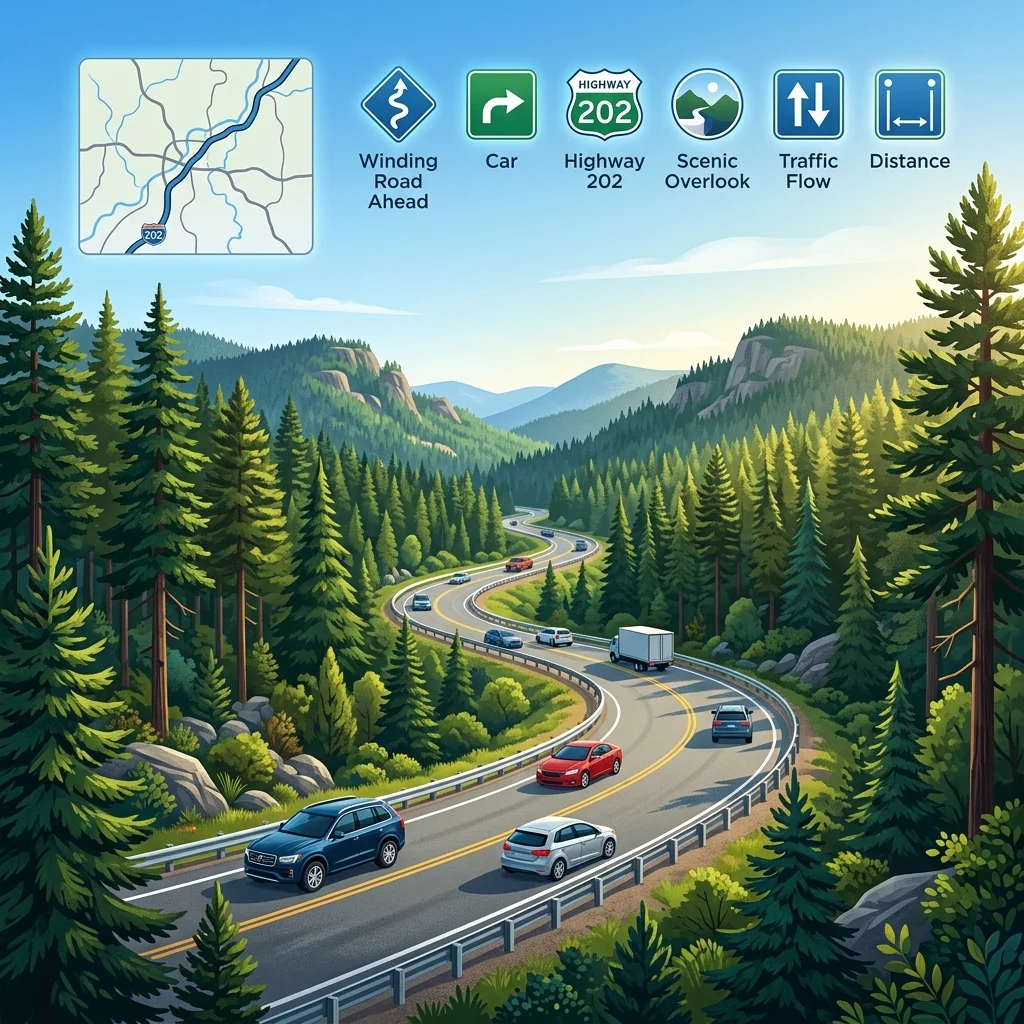
    No active alerts from WSDOT or Mason County Public Works this morning. Mason County highways — SR-3, US-101, SR-106, SR-302, SR-108, and SR-119 — are open and operating under normal Sunday conditions. No emergency closures or unscheduled lane restrictions reported overnight.

    Major Projects — Current Status

    ProjectStatusEst. CompletionSource
    SR-3 Freight Corridor (Belfair Bypass)Construction 2026, completion 2028 — funding at risk. Supplemental budget includes $48.3M in 2025–27 biennium; Ferguson budget proposes delaying final phase from 2027–29 to 2031–33 biennium.2028 (if funded)Shelton Journal 2/26/26
    Olympic Highway North (Shelton)Design phase — bid spring 2027, construction summer 20272027–28Shelton Journal 3/19/26
    SR-3 Shelton Safety (Craig Rd to Arcadia Rd)Pre-design — roundabouts planned, no construction dateTBDWSDOT engage
    SR-3 Belfair Widening (MP 25.3–27)Active constructionOngoingWSDOT

    Commuter Notes for Today

    • SR-3 Belfair (MP 25.3–27): Belfair widening construction zone remains active. Travel time normal on Sunday — no flagging or daytime lane closures reported. Use caution through the work zone.
    • US-101 Shelton / Kamilche: No reported alerts. Sunday volumes light. Drive normally between Olympia, Shelton, and Hoodsport.
    • SR-106 along Hood Canal (Union area): Open. No alerts overnight on the Hood Canal corridor.
    • SR-302 (Key Peninsula side toward Victor): Open. The SR-302 Victor Creek fish-barrier project completed major construction in December 2025 — the new bridge is carrying traffic and lane configurations are back to normal.

    Report a Road Issue

    • State highways (SR-3, US-101, SR-106, SR-302, SR-108, SR-119): Call WSDOT at 511 or visit WSDOT highway alerts.
    • Mason County roads: Mason County Public Works at (360) 427-9670 or report online at masoncountywa.gov.
    • City of Shelton streets: Shelton Public Works at (360) 432-5100.

    This brief is compiled each morning from public sources. For real-time conditions, always check the WSDOT live travel map before you drive. Conditions can change quickly — especially on SR-3 and US-101 where flagging operations and weather-related restrictions can appear with little notice.

  • For Snohomish County Business Owners and Aerospace Suppliers: How the New Paine Field-Portland Nonstop Changes the Math on Pacific Northwest Travel

    For Snohomish County Business Owners and Aerospace Suppliers: How the New Paine Field-Portland Nonstop Changes the Math on Pacific Northwest Travel

    If you run or work for a business based in Snohomish County — and your travel patterns include Portland, the broader Alaska network out of PDX, or any of the Texas/Tennessee/Florida cities Alaska routes through Portland — Alaska Airlines’ June 10, 2026 launch of daily nonstop service between Paine Field (PAE) and Portland International (PDX) is a meaningful structural change to how you book travel. This is the business-traveler view.

    The same-day Portland trip is back

    Without a PAE-PDX nonstop, the Snohomish County professional flying to Portland for a same-day meeting has had three options: drive (4-6 hours each way), connect through SeaTac (90-minute drive plus a Seattle-Portland flight plus rideshare on the other end), or fly out the night before. None of those preserves a full day of meetings.

    The June 10 nonstop reshapes the day. A morning departure out of PAE, ground transportation to a downtown Portland or close-in Beaverton meeting, working day, and evening return into Everett — all without burning a hotel night and without giving SeaTac three hours of your morning.

    Why this is specifically big for the Paine Field aerospace cluster

    Snohomish County’s aerospace economy is anchored by Boeing’s Everett widebody factory (737 North Line, 767/KC-46, 777/777X) and supported by suppliers and MRO operations clustered around Paine Field — Aviation Technical Services and dozens of others. Many of those companies have customers, partners, and corporate functions in Portland and the broader Alaska Airlines connection bank. PDX is also a meaningful aerospace city in its own right (Boeing has a Portland-area machining presence, and the Pacific Northwest aerospace supplier base extends well into Oregon).

    For supplier executives whose normal travel mix includes Portland-area machining shops, OEM suppliers in the Willamette Valley, or onward connections through PDX to Texas and the Gulf Coast aerospace corridor, the new nonstop is the first time Paine Field is the right airport for that travel pattern.

    The connection bank — what PDX actually opens up

    Portland is one of Alaska’s hub-style operations. The PDX bank includes one-stop service from PAE to cities including Houston, Nashville, Orlando, Dallas, Bozeman, Spokane, and Austin — destinations that previously required either a SeaTac drive or two stops out of Paine Field. For Snohomish County companies with Texas energy clients, Tennessee distribution, Florida customer presence, or any Mountain West footprint, the connection routing through PDX after June 10 will often beat the SEA-via-drive routing on total door-to-door time.

    What this means for the wider PAE schedule

    With Portland added, Paine Field hits 13 daily commercial departures across nine nonstop destinations — the busiest schedule the terminal has run since opening in March 2019. For business travelers, the practical effect is a more reliable backup schedule. A missed morning flight no longer means waiting until tomorrow; the next options out are within hours, not days.

    For Snohomish County businesses thinking about whether to standardize on PAE for routine travel rather than treating it as an opportunistic alternative, the June schedule is the first time the math works for a full corporate travel policy.

    The ground operation that makes this work

    Paine Field’s commercial terminal is operated by Propeller Airports. The terminal experience — small footprint, walk-to-gate, no remote parking shuttle, no inter-terminal transit — is structurally faster than SeaTac for any traveler who lives or works north of Lynnwood. For business travelers building a corporate booking pattern around PAE, the time savings compound across every trip.

    Snohomish County itself owns the airport; Propeller operates the commercial terminal under a long-term arrangement.

    What to do with this between now and June 10

    • Audit your current Portland and PDX-connection travel. Identify the trips that have been routing through SeaTac and price them through PAE-PDX after June 10.
    • Talk to your travel manager about an updated PAE-preferred policy. The 13-departure schedule changes which trips are routinely bookable from PAE versus which still need SeaTac.
    • For supplier-customer travel involving Portland-area aerospace operations, consider standing up a recurring booking pattern. The relaunched route is daily, which makes it usable for weekly cadences.
    • Watch for additional route announcements. The Portland addition is the first new destination announcement since Avelo joined PAE. Each addition tightens the case for the next one.

    Frequently asked questions for business travelers

    When does the Paine Field-Portland business route launch?

    June 10, 2026, with daily Alaska Airlines service. Tickets are available now at alaskaair.com.

    Is Portland a hub airport for Alaska?

    It is one of Alaska’s hub-style operations with a meaningful connection bank. The PDX bank opens efficient one-stop service from PAE to Houston, Nashville, Orlando, Dallas, Bozeman, Spokane, Austin, and other cities.

    How does PAE compare to SeaTac for Snohomish County business travelers?

    For travelers based in Everett or north Snohomish County, PAE saves roughly 60-90 minutes door-to-door versus SeaTac on every trip. The walk-to-gate terminal experience eliminates remote parking shuttles, monorail transfers, and most TSA wait time.

    How many daily departures will Paine Field have?

    13 daily commercial departures across nine nonstop destinations after the June 10 Portland launch. That is the busiest schedule the terminal has run since opening in March 2019.

    Should we update our corporate travel policy to prefer PAE?

    For Snohomish County-based teams whose travel mix includes Portland or Alaska’s PDX connection bank, the June 10 schedule is the first time PAE supports a full corporate booking pattern rather than an opportunistic alternative. Worth a policy review.

    Related Exploring Everett coverage

  • Paine Field’s Portland Nonstop Returns June 10: The Complete 2026 Guide to What Alaska Airlines’ Relaunch Means for Everett

    Paine Field’s Portland Nonstop Returns June 10: The Complete 2026 Guide to What Alaska Airlines’ Relaunch Means for Everett

    Quick answer: Alaska Airlines resumes daily nonstop service between Seattle Paine Field International Airport (PAE) in Everett and Portland International Airport (PDX) on June 10, 2026. The route brings Paine Field to nine nonstop destinations and 13 daily commercial departures — the busiest schedule the Snohomish County commercial terminal has run since it opened in March 2019. Tickets are on sale at alaskaair.com.

    What’s actually changing on June 10

    Paine Field has had no nonstop option to Portland since the route was discontinued earlier in the terminal’s history. Alaska’s relaunch closes the Pacific Northwest’s most-asked-about gap in the PAE schedule. Portland is the second-largest metro in the region and the natural sister-city pairing for Everett’s commercial terminal — the I-5 drive between Everett and PDX is roughly four hours in light traffic and routinely six on a Friday. A daily nonstop reframes that calculation entirely.

    Propeller Airports, the operator of the Paine Field commercial terminal, announced the relaunch on December 19, 2025. The June 10, 2026 first-day schedule was confirmed in subsequent press materials. The route operates daily.

    Why this matters specifically for Everett

    Three reasons this is more consequential than a single new route would suggest at most airports.

    • Connection geometry. Portland is one of Alaska’s hub-style operations. A nonstop from Paine Field into PDX opens efficient one-stop connections through the Alaska network to cities like Houston, Nashville, Orlando, Dallas, Bozeman, Spokane, and Austin — destinations PAE does not serve nonstop and probably never will at this terminal’s scale. The connection bank, not the destination itself, is the real product.
    • The 13-departure threshold. Paine Field opened in 2019 with a deliberately small commercial footprint. The June schedule lands the terminal at 13 daily commercial departures — the highest count since opening. That is the threshold at which the terminal stops feeling like a boutique alternative and starts functioning as a primary regional airport for North Puget Sound.
    • The Boeing factor. Many Boeing executives, suppliers, and customer representatives based out of Renton, Kent, and Tukwila routinely fly to PDX for business. A PAE-PDX nonstop is the first time that traveler can credibly fly out of Everett rather than detour to SeaTac. The aerospace business case for the route is structural, not speculative.

    The Paine Field route map after June 10

    With the Portland addition, Paine Field’s nonstop network reaches nine destinations across Alaska Airlines and Avelo Airlines schedules. Connection efficiency varies — some markets benefit dramatically from the new PDX option (Texas, Tennessee, Florida), others remain best served via Alaska’s existing PAE nonstop network or a SeaTac drive.

    What the SeaTac comparison actually looks like

    For an Everett resident, the practical question is whether the PDX nonstop is worth choosing over a SeaTac drive plus a SeaTac-PDX flight. The Paine Field math has always been: 25-minute drive vs. 60-90 minute drive, no remote parking shuttle, smaller TSA wait, walk-to-gate terminal experience. The trade has been fewer destinations.

    For Portland specifically, the PAE option after June 10 is roughly an hour and 45 minutes door-to-door from north Everett to gate-to-gate boarding versus three hours through SeaTac. For connection itineraries, the PDX-via-PAE option is competitive with PDX-via-SEA for any onward destination Alaska serves out of Portland.

    What this signals about the terminal’s trajectory

    Paine Field’s commercial terminal opened with two airlines and 24 daily departures in early plans, before COVID compressed the operation. The path back to that scale has been incremental — destination by destination, frequency by frequency. The June 2026 Portland addition pushes the terminal to its highest commercial activity since opening, but it is still well below the 24-departure plan that originally permitted the terminal. The structural ceiling is still there. The trajectory between now and that ceiling is what local travelers will be watching.

    Propeller has not announced additional routes beyond Portland in the June schedule, but each addition like this tightens the case for the next one. Spokane, Boise, and Sacramento have circulated as candidates over the years; June 10 is the first new destination announcement since the terminal added Avelo service.

    Frequently asked questions

    When does Alaska Airlines start the Paine Field to Portland nonstop?

    June 10, 2026, with daily service. Tickets are on sale at alaskaair.com.

    How many daily flights will Paine Field have after the Portland route launches?

    13 daily commercial departures, across nine nonstop destinations. That is the busiest schedule the Paine Field commercial terminal has run since opening in March 2019.

    What connections does the new Paine Field-Portland route open up?

    Portland is one of Alaska’s hub-style operations. The new PAE-PDX nonstop offers efficient one-stop connections to cities including Houston, Nashville, Orlando, Dallas, Bozeman, Spokane, and Austin via the Alaska network.

    Was there ever a Paine Field to Portland nonstop before?

    The route had been discontinued. June 10, 2026 is a relaunch — the first time PAE has had nonstop service to PDX in years.

    How long does it take to drive from Everett to Portland?

    Roughly four hours in light traffic, six or more on a Friday afternoon. The flight reframes that math entirely for travelers who can use the new daily nonstop option.

    How does this compare to flying from SeaTac to Portland?

    For a north Everett resident, the door-to-gate time at PAE is roughly an hour and 45 minutes versus three hours through SeaTac. Connection itineraries via PDX out of PAE will be competitive with SEA-PDX for Alaska-served onward destinations.

    Who operates the Paine Field commercial terminal?

    Propeller Airports operates the commercial terminal at Paine Field. Snohomish County owns the airport itself.

    Related Exploring Everett coverage

  • Everett’s Bicycle Master Plan Is Getting Its First Major Update in 15 Years — Here’s What 41 Miles of Bike Infrastructure Has Bought So Far

    Everett’s Bicycle Master Plan Is Getting Its First Major Update in 15 Years — Here’s What 41 Miles of Bike Infrastructure Has Bought So Far

    Fifteen years into a thirty-year Bicycle Master Plan, Everett is somewhere near the halfway mark. The city has built about 41 miles of on-street bike infrastructure and 23 miles of off-street trails since the plan was adopted in 2011, and a 2026 update — funded by a federal Safe Streets for All grant — will redraw the priorities for the next half of the build-out and merge bicycle planning with pedestrian planning for the first time.

    May is the month the city is using to put a public face on it. Mayor Cassie Franklin has issued a National Bike Month proclamation, Everett Transit is hosting two events at Everett Station (a Wednesday-morning Bike to Work coffee on May 13 and the Bike Everett Festival on Friday, May 15 from 3 to 7 p.m.), and the League of American Bicyclists has again recognized Everett as a bronze-level Bicycle Friendly Community — the same designation the city first earned in 2021.

    Underneath the festival programming is a more consequential conversation: how the next decade of bike and pedestrian infrastructure investment gets prioritized, where it lands, and which neighborhoods see the next protected lanes, bicycle boulevards, and trail connections.

    What Has Actually Been Built

    The 2011 Bicycle Master Plan committed Everett to a specific build-out of bike lanes, sharrows, off-street trails, and bicycle boulevards over thirty years. As of an April 2026 review presented to the city’s transportation advisory committee, about 41 miles of on-street bike infrastructure are in place, plus roughly 23 miles of off-street projects like trails. That is on the order of half the work the original plan envisioned.

    What that has meant on the ground over the past few years includes the buffered bike lanes on Rucker Avenue, the bicycle boulevard work in residential neighborhoods, the city’s Bicycle Friendly Driver education program, and the widely-used Interurban Trail and Lowell Riverfront Trail connections. None of that happened by accident — each piece traces back to a specific line item in the master plan that staff and elected officials worked through over multiple budget cycles.

    That is the case the city makes for keeping the plan as a living document. A long-horizon plan that residents can read tells the next planning director and the next council which projects are next in line, and it makes the case to outside funders — like the federal Safe Streets for All program — that the city has done the homework to deserve the grant.

    What the 2026 Update Changes

    Two things make this update meaningfully different from a routine refresh.

    The first is the scope. The current plan covers bicycle infrastructure. The 2026 update will incorporate pedestrian infrastructure and what the city calls supportive facilities — the bike racks, repair stations, secure parking, signage, and crossings that determine whether a bike lane actually gets used. By 2027, when the updated plan is expected to be adopted, Everett will have a single integrated active-transportation plan covering people who walk, bike, and roll.

    The second is the funding source. The update is being paid for through a Safe Streets for All grant — a federal program created under the 2021 infrastructure law and run through the U.S. Department of Transportation. Safe Streets for All explicitly requires applicants to build a Vision Zero–style safety action plan that ties infrastructure decisions to fatality and serious-injury reduction targets. That requirement is already pulling Everett’s planning toward a more data-driven framework: which corridors have the most crashes, where the high-injury network is, and which interventions show the strongest evidence of reducing serious injuries.

    Cities that complete Safe Streets for All planning grants become eligible for substantially larger implementation grants in subsequent funding rounds. That is the strategic bet behind doing this update now: the planning work is the on-ramp to the construction money.

    What This Means for Residents

    For most Everett residents, the practical question is not how the master plan is structured — it is whether their street is going to get a bike lane, whether their kid’s walk to school is going to get a safer crossing, and whether the trail they use to commute is going to get connected to the next neighborhood over.

    Those decisions get made through the priority list inside the master plan. When the update comes back to the City Council for adoption, it will include a ranked project list. Projects high on the list get built sooner. Projects lower on the list get built when funding shows up. Public input during the planning process is the period when residents have real influence over where their neighborhood sits on that list.

    The city is also pointing residents toward existing tools. A map of Everett’s trails, bike lanes, and other infrastructure is posted online at everettwa.gov/bikes, and paper copies will be available at the May 15 festival. Following @EverettTransit on Facebook and Instagram is the city’s recommended channel for catching the smaller, quieter input opportunities — neighborhood-scale meetings, online surveys, and pop-ups — between now and the plan’s adoption.

    The May Events

    Two events anchor National Bike Month locally:

    Bike to Work Coffee — Wednesday, May 13, 6 to 8 a.m. at Everett Station (3201 Smith Avenue). Free coffee, Bike Everett t-shirts, and an e-bike raffle. Everett Transit is hosting.

    Bike Everett Festival — Friday, May 15, 3 to 7 p.m. at Everett Station (3201 Smith Avenue). Family-friendly. Free games, t-shirts, food trucks, entertainment, an e-bike raffle, and an Everett Transit bus staged for people to practice loading and unloading bikes from the front-mounted bike rack. The festival is the city’s biggest public-facing bike event of the year and the easiest entry point for residents who have not engaged with city transportation planning before.

    Where the Bicycle Friendly Community Designation Comes From

    The bronze-level Bicycle Friendly Community recognition comes from the League of American Bicyclists, a national advocacy organization that runs the BFC program as a benchmarking tool for cities. Communities apply, the League scores them across five categories — engineering, education, encouragement, enforcement, and evaluation — and assigns one of five ranks: bronze, silver, gold, platinum, or diamond.

    Everett first earned bronze in 2021. The 2026 renewal at the same level reflects the continued work on infrastructure, the Bicycle Friendly Driver program, and ongoing community programming. Moving up to silver — the next tier — typically requires a measurable jump in bike commute mode share, a more developed protected-lane network, and a deeper safety-data culture. The 2026 master plan update is the kind of work that, done well, can underwrite a future application at the next level.

    What to Do Next

    • Show up to the Bike Everett Festival Friday, May 15 from 3 to 7 p.m. at Everett Station, 3201 Smith Avenue. It is the easiest way to talk to city transportation staff face-to-face about where you ride and what is missing.
    • Catch the Wednesday coffee May 13 from 6 to 8 a.m. if you commute through downtown.
    • Read the existing bicycle map and master plan at everettwa.gov/bikes. The current map shows what is on the ground today; the plan shows what is supposed to come next.
    • Follow @EverettTransit on Facebook and Instagram for the smaller input opportunities between now and adoption — surveys, neighborhood meetings, and pop-ups.
    • Track the Safe Streets for All work at everettwa.gov/1802/Public-Safety-Safe-Streets-Program. The Safety Action Plan is the document that will shape which corridors the master plan update prioritizes.

    Frequently Asked Questions

    When was Everett’s Bicycle Master Plan first adopted? 2011. The current update is the first major revision in that thirty-year planning horizon.

    How much bike infrastructure has been built so far? About 41 miles of on-street bike infrastructure and roughly 23 miles of off-street trails, as of an April 2026 review.

    What is changing in the 2026 update? Two things. The plan is expanding to cover pedestrian infrastructure and supportive facilities (bike parking, repair stations, signage, crossings) in addition to bike lanes. And the planning framework is being aligned with Vision Zero / Safe Streets for All requirements, which means safety data — crashes, fatalities, serious injuries — drives more of the prioritization.

    Who funded the master plan update? A federal Safe Streets for All grant administered by the U.S. Department of Transportation. The program was created under the 2021 infrastructure law.

    When will the updated plan be adopted? The city expects to bring an integrated bicycle and pedestrian plan forward by 2027.

    What is the bronze Bicycle Friendly Community designation? A recognition from the League of American Bicyclists. It is one of five tiers (bronze, silver, gold, platinum, diamond) and reflects evaluation across engineering, education, encouragement, enforcement, and evaluation. Everett first earned bronze in 2021 and has been re-recognized in 2026.

    When and where is the Bike Everett Festival? Friday, May 15, 3 to 7 p.m. at Everett Station, 3201 Smith Avenue. Free, family-friendly.

    Is there a Bike to Work Day event? Yes. Wednesday, May 13 from 6 to 8 a.m. at Everett Station. Coffee, t-shirts, and an e-bike raffle.

  • Moving to Everett? The June 30 Sound Transit Vote Is the Question You Need to Answer First

    Moving to Everett? The June 30 Sound Transit Vote Is the Question You Need to Answer First

    If you are considering moving to Everett: The June 30, 2026 Sound Transit board vote is the single most consequential near-term decision for Everett’s long-term livability and property values. The Everett City Council voted unanimously April 29 to demand Sound Transit deliver the full 16-mile Everett Link Extension to downtown Everett Station. Here is what you need to understand about that vote before you decide where in greater Seattle to put down roots.

    Why the Sound Transit Vote Matters If You Are Moving to Everett

    People choosing between Everett, Bothell, Kirkland, Lynnwood, and other north Sound commuter cities in 2026 are making a 5–10 year bet on where each of those cities will be in 2030–2035. Transit infrastructure is one of the biggest inputs to that calculation. Lynnwood already has light rail. Bothell is on a Sound Transit express bus spine. Everett’s light rail future hinges on what Sound Transit’s board votes on June 30.

    If full delivery of the Everett Link Extension is confirmed, downtown Everett and the north Everett corridor will have direct light rail to Seattle, Bellevue, SeaTac, and the broader regional spine by 2037. That connectivity transforms Everett from a commuter city into a node on the regional network — with corresponding effects on housing demand, walkable development, and neighborhood investment along the station corridor.

    If the extension is truncated — stopping at SW Everett Industrial Center rather than downtown Everett Station — downtown Everett does not get light rail access on the current timeline. The economic development investment predicated on that connectivity ($7.7 billion, per Mayor Franklin’s April 23 letter) becomes uncertain. The calculus for buying or renting in downtown Everett versus Silver Lake or the suburbs changes meaningfully.

    Everett’s Position Heading Into June 30

    Everett has mounted a strong, unified advocacy campaign. The City Council voted unanimously April 29 to formally demand full delivery. Mayor Cassie Franklin sent her own letter April 23. Snohomish County Executive Dave Somers chairs the Sound Transit board — meaning the county’s own elected leader is the person responsible for managing the vote that determines the county’s light rail future. The politics are complex, but Everett’s case is substantively strong: the Everett Link Extension’s cost overruns are among the smallest in the ST3 package (approximately 5–10%), and the case for protecting Snohomish County from cost cuts driven by King County project overruns is documented and public.

    What This Means for Different Parts of Everett

    Downtown Everett and north Everett neighborhoods (Rucker Hill, Port Gardner, Broadway District): Directly served by the full extension. If light rail comes, these neighborhoods will be within walking distance of regional rail. If it is truncated, they remain bus-dependent for regional connectivity. For buyers or renters making a decision in 2026, this is the highest-stakes geography in Everett relative to the June 30 vote.

    South Everett neighborhoods (Silver Lake, Casino Road, Cascade View): The SW Everett Industrial Center station — which serves Paine Field and the southern employment cluster — is in the corridor that even a truncated extension would serve. South Everett commuters have somewhat more insulation from a truncation scenario than downtown Everett residents.

    Mariner neighborhood: Explicitly slated for its own station under the full extension. The Mariner annexation study (City Council approved the study in April 2026) adds another political dimension — Mariner residents would have stronger standing to demand transit service if they are incorporated into the city of Everett.

    What to Watch Before Deciding to Move to Everett

    June 30 is the key date. Watch the Sound Transit board meeting and vote. If the revised ST3 System Plan confirms full delivery of the Everett Link Extension to downtown Everett Station on the existing timeline, the case for buying or renting in downtown Everett and the north city is significantly strengthened. If the extension is truncated or delayed, reassess the downtown premium.

    Separately from light rail, Everett’s fundamentals in 2026 are strong: $1B+ waterfront redevelopment underway at the Port of Everett, the Boeing 737 North Line opening midsummer 2026 with 1,200+ orders, Naval Station Everett securing a new FF(X) frigate homeport bid, and the Snohomish County housing market offering meaningfully lower prices than King County at the same commute radius to Seattle. The light rail question is significant but not the only variable in the decision.

    Frequently Asked Questions for People Considering Moving to Everett

    Will Everett get light rail?

    The full Everett Link Extension — running 16 miles to downtown Everett Station — is in Sound Transit’s ST3 plan, approved by voters in 2016 and targeted for completion by 2037. Whether it is built in full depends on the June 30, 2026 Sound Transit board vote on the revised ST3 System Plan. Everett City Council and Mayor Franklin have both formally demanded full delivery.

    When would light rail reach downtown Everett?

    Under the current schedule, the Everett Link Extension opens in phases through 2037. The downtown Everett Station terminus is the final phase of that buildout.

    Is Everett a good place to live if I work in Seattle?

    Everett offers significantly lower housing costs than Seattle or Bellevue at a roughly 35-mile commute radius. Community Transit and Sound Transit express buses connect Everett to Seattle. If full Everett Link Extension is confirmed, light rail will provide a faster, more reliable connection by 2037. Snohomish County’s March 2026 median home price was $738,000 versus King County’s significantly higher comparable.

    What neighborhoods in Everett are closest to the planned light rail stations?

    The Everett Link Extension includes stations at Mariner, SW Everett Industrial Center (Paine Field area), and multiple downtown Everett stops including Everett Station. The corridor runs along the I-5 spine through south and central Everett before entering downtown.

    What else is happening in Everett that makes it worth considering?

    Everett has over $1 billion in active waterfront redevelopment at the Port, the Boeing 737 North Line opening in summer 2026 with 1,200+ airline orders, Naval Station Everett securing a new Navy frigate homeport bid, and a housing market priced significantly below King County. The city’s Imagine Everett comprehensive plan is built around transit-oriented density.

    Related: Complete Guide to the Council Letter and June 30 Vote | Moving to Everett: Sound Transit Vote Guide | Everett Housing Market 2026

  • Everett City Council Sends Sound Transit a Unanimous Demand: Deliver the Full 16-Mile Everett Link Extension

    Everett City Council Sends Sound Transit a Unanimous Demand: Deliver the Full 16-Mile Everett Link Extension

    Quick Answer: The Everett City Council voted unanimously on April 29, 2026 to send Sound Transit a formal letter demanding full delivery of the 16-mile Everett Link Extension to downtown Everett Station. The letter arrives as Sound Transit prepares to vote by June 30 on a revised ST3 System Plan that will determine whether Snohomish County gets the light rail it funded in 2016 — or a scaled-back version that stops short of downtown. Snohomish County’s public comment window closed May 1.

    What the Council Did — and Why It Matters

    On April 29, the Everett City Council voted unanimously to sign a formal letter to the Sound Transit Board of Directors. The letter, brought forward by Vice President Paula Rhyne, makes a documented public demand: complete the Everett Link Extension in full, on schedule, terminating at downtown Everett Station — not at the SW Everett Industrial Center or any other intermediate point.

    The letter is both a political signal and a public record. By taking a unanimous vote, the Council puts every member on record as demanding full delivery. That unanimity matters because Sound Transit board members are elected officials accountable to their jurisdictions. Snohomish County Executive Dave Somers, who chairs the Sound Transit board, is now navigating a situation where every elected official in Everett has publicly demanded an outcome directly relevant to his jurisdiction.

    Mayor Cassie Franklin sent her own letter to the Sound Transit board on April 23, laying out the economic case for full delivery. The Council’s April 29 letter follows and amplifies Franklin’s position, creating a unified municipal front heading into the June 30 board vote.

    The $34.5 Billion Problem Sound Transit Is Trying to Solve

    Sound Transit’s ST3 package — approved by voters across King, Pierce, and Snohomish counties in 2016 — faces a $34.5 billion budget shortfall driven by construction cost inflation, right-of-way complications, and delayed revenue projections. The agency is preparing a revised ST3 System Plan to go before the board by June 30, 2026. That plan will prioritize which projects get built, which get delayed, and which get descoped.

    The Everett Link Extension’s cost increased approximately 5–10% relative to original projections — a relatively modest overrun compared to the West Seattle and Ballard Link extensions, which have seen far larger cost increases. That asymmetry is central to Everett’s argument: the Everett segment is not where Sound Transit’s cost problem lives, and cutting or shortening Everett Link to solve a problem caused elsewhere would penalize Snohomish County voters for cost overruns in King County projects.

    What “Full Delivery” Means for Everett

    The full Everett Link Extension runs 16 miles from Lynnwood City Center (where it connects to the existing spine) to downtown Everett Station. It includes stations at Mariner, SW Everett Industrial Center (Paine Field access), and multiple downtown Everett stops. The project is currently scheduled to open in phases through 2037 under the original timeline.

    A truncated version — stopping at SW Everett Industrial Center rather than continuing to downtown Everett Station — would serve Paine Field workers but leave downtown Everett and the north city without light rail access. For a city whose comprehensive plan is built around transit-oriented development along the light rail spine, a truncated terminus is not a minor adjustment: it changes where density can reasonably be built, where businesses locate, and where housing investment concentrates.

    Mayor Franklin’s letter quantifies the stakes: $7.7 billion in economic development investment is anticipated in the Everett light rail corridor. That figure includes the Millwright District, waterfront redevelopment, downtown housing, and commercial development that has been underwritten — in part — by the expectation that light rail is coming.

    What Happens Next

    The Sound Transit board votes on the revised ST3 System Plan by June 30, 2026. The public comment period for Snohomish County residents closed May 1 — the day after the Council’s unanimous letter. Between now and June 30, Snohomish County’s regional elected officials, including Somers as board chair, will be under sustained advocacy pressure from Everett, Marysville, and other Snohomish County cities to protect the full extension.

    Everett has also been navigating the parallel Everett Transit consolidation into Community Transit — a process that reduces the city’s independent transit capacity and increases dependence on Sound Transit’s light rail spine for long-haul regional connectivity. If the spine gets shortened, the consolidated transit system loses its primary high-capacity connection to the regional rail network. These two decisions — the Everett Transit consolidation and the Sound Transit revision — are structurally linked even though they are being processed on separate tracks.

    Frequently Asked Questions

    What did Everett City Council vote to do regarding Sound Transit?

    On April 29, 2026, the Everett City Council voted unanimously to send Sound Transit a formal letter demanding full delivery of the 16-mile Everett Link Extension to downtown Everett Station, ahead of the Sound Transit board’s June 30 vote on a revised ST3 System Plan.

    When is the Sound Transit board voting on the ST3 plan?

    The Sound Transit board is expected to vote on its revised ST3 System Plan by June 30, 2026. Snohomish County Executive Dave Somers chairs the board.

    Could the Everett Link Extension be shortened or cut?

    Yes. Sound Transit is addressing a $34.5 billion budget shortfall across its ST3 projects. The revised plan could stop the Everett extension at the SW Everett Industrial Center rather than continuing to downtown Everett Station. That is the specific outcome Everett’s unanimous Council letter is demanding be avoided.

    What is the economic value of the Everett Link Extension?

    Mayor Cassie Franklin’s April 23 letter to the Sound Transit board cited $7.7 billion in anticipated economic development investment in the Everett light rail corridor, including waterfront redevelopment, downtown housing, and commercial development that has been underwritten on the assumption that light rail is coming.

    How does the Everett Transit consolidation connect to this Sound Transit vote?

    Everett is consolidating its transit system into Community Transit under SB 5801, reducing the city’s independent transit capacity. That consolidation increases Everett’s dependence on Sound Transit’s light rail spine for regional connectivity — which makes the June 30 vote on full delivery of the Everett Link Extension even more consequential for south Snohomish County commuters.

    Can Everett residents still comment on the Sound Transit plan?

    The formal Snohomish County public comment window closed May 1, 2026. Residents can still contact Snohomish County Executive Dave Somers’s office and the Sound Transit board directly. The June 30 board meeting will include a public comment period.

    Related Exploring Everett coverage: Everett Council Sends Sound Transit Letter | Everett Transit Consolidation Complete Guide | Everett 2027 Budget Deficit Guide

  • For Boeing and Paine Field Workers: What Community Transit’s Casino Road Acquisition Means for Your Commute

    For Boeing and Paine Field Workers: What Community Transit’s Casino Road Acquisition Means for Your Commute

    For Boeing and Paine Field workers: Community Transit just bought 7.55 acres on Casino Road for $25.35 million — the largest land acquisition in the agency’s history. Paired with the Everett Transit consolidation underway and two planned light rail stations on Casino Road, this deal reshapes the transit infrastructure you’ll use to get to and from the 737 North Line and Paine Field campuses. Here’s what it means for your commute over the next decade.

    Why This Casino Road Land Deal Matters for Paine Field Workers

    The Community Transit acquisition at 2208 W. Casino Road is an operational campus expansion — the agency needs more space to store and maintain vehicles as it absorbs Everett Transit’s routes and grows toward its 30-million-rider-per-year Journey 2050 target. For Boeing and Paine Field workers, the relevance is direct: Casino Road is a key corridor connecting south Everett residential neighborhoods to the industrial employment zone around Paine Field, and the transit infrastructure on that corridor is being rebuilt from the ground up.

    Community Transit’s Route 7 serves the Casino Road and SW Everett Industrial Center corridor — the same zone where Sound Transit is planning a light rail station as part of the Everett Link Extension. Boeing workers who live on or near Casino Road, or who park and ride from south Everett, will see direct effects as Community Transit expands its capacity out of the new campus.

    The Everett Transit Consolidation and Your Bus Routes

    Everett Transit is consolidating into Community Transit under SB 5801. The merger transfers 22 routes and 115,000 daily riders. For workers on the 737 North Line at Paine Field, several Everett Transit routes that currently serve the Paine Field gate area will transition to Community Transit operations. The Casino Road campus expansion gives Community Transit the physical infrastructure to run a larger, more integrated network — which is the precondition for better direct-service options between residential Everett and Paine Field’s industrial employment zone.

    The consolidation is also expected to address one of the biggest frustrations for Paine Field workers who use transit: the seam between Everett Transit and Community Transit where routes currently don’t connect cleanly. A unified system under Community Transit removes that operational seam and opens the possibility of through-routes that don’t require a transfer.

    Light Rail at the SW Everett Industrial Center: The Long Game

    The Sound Transit Everett Link Extension includes a planned station at the SW Everett Industrial Center — one of only a handful of light rail stations in the entire ST3 network explicitly designed to serve a major industrial employment cluster rather than a residential neighborhood or downtown. For the roughly 30,000+ workers employed in the Paine Field / SW Everett Industrial Center corridor, this station represents a potential game-changer in commute options, particularly for workers coming from Seattle, Lynnwood, Mountlake Terrace, and other points south on the spine.

    The June 30, 2026 Sound Transit board vote on the revised ST3 System Plan is the decision point that determines whether that station gets built on the original timeline. Everett City Council voted unanimously April 29 to formally demand full delivery of the Everett Link Extension. Community Transit’s Casino Road campus investment reflects the agency’s own bet that light rail comes — an agency doesn’t expand its operational footprint on a light-rail-adjacent corridor unless it expects to be running feeder bus service to light rail stations within the decade.

    What Boeing Workers Should Watch

    The near-term watch item is the Everett Transit consolidation public hearing process. Route 7 and the Paine Field area routes will be redesigned as part of the merged network. Boeing workers who depend on those routes should engage in the public comment process to ensure the new network maintains — or improves — coverage of the Paine Field gate area. Community Transit has historically been responsive to major employer input on route design, and Boeing represents tens of thousands of commuters in its service area.

    The longer-term watch item is the June 30 Sound Transit vote. If the SW Everett Industrial Center station is preserved in the revised plan, the commute calculus for Paine Field workers changes significantly post-2030. If the station is cut or delayed, workers will be relying on the bus network — which is exactly why the Community Transit campus expansion and the Everett Transit consolidation matter so much right now.

    Frequently Asked Questions for Boeing and Paine Field Workers

    How does the Community Transit Casino Road acquisition affect my Paine Field commute?

    The Campus expansion positions Community Transit to run more service on the Casino Road and SW Everett Industrial Center corridor as it absorbs Everett Transit routes. Near-term effect is minimal; the consolidation process will determine route-level changes. The longer-term effect is a more unified bus network feeding a planned light rail station at the SW Everett Industrial Center.

    Will there be light rail to Paine Field?

    The Sound Transit Everett Link Extension includes a station at the SW Everett Industrial Center, which serves the Paine Field employment cluster. The June 30, 2026 Sound Transit board vote on the revised ST3 plan will determine whether that station proceeds on the original timeline or is cut or delayed as part of the agency’s $34.5 billion budget shortfall response.

    What happens to Route 7 when Everett Transit merges with Community Transit?

    Route 7 serves the Casino Road and Paine Field corridor. Under the Everett Transit / Community Transit consolidation, routes will be redesigned as part of a unified network. Community Transit has committed to preserving service levels, but specific route alignments will be determined through the public planning process under SB 5801.

    When does the Everett Transit consolidation take effect?

    The SB 5801 framework is active. The consolidation is a multi-year process. Everett City Council is engaged in the planning and the Boeing and Paine Field worker communities will have opportunities to provide input on route design before the transition finalizes.

    Where is the Community Transit Casino Road campus?

    Community Transit’s Cascade Administration Building is on W. Casino Road in south Everett. The newly acquired Goodwill property at 2208 W. Casino Road is directly adjacent, expanding the campus footprint to include the former Goodwill outlet warehouse complex and its 7.55-acre parcel.

    Related: Complete Guide to the $25.35M Acquisition | Everett Transit Consolidation: Boeing Worker Guide | Everett Council Sound Transit Letter

  • Mason County Resident’s Guide: How to Get PUD 3 Fiber and What the Shelton Road Project Means for You

    Mason County Resident’s Guide: How to Get PUD 3 Fiber and What the Shelton Road Project Means for You

    If you live in the Three Fingers area of Mason County and have been waiting for fiber internet, the wait is officially over. Mason County Public Utility District No. 3 completed its Three Fingers Fiber Project in April 2026, meeting its federal deadline and connecting more than 250 homes and businesses in the Grapeview community to symmetrical gigabit fiber. And if you’re a Shelton resident who drives Olympic Highway North, you should know the city is moving forward — slowly but seriously — on a $6 million reconstruction of the corridor that hasn’t been resurfaced since 1989.

    How to Get Fiber Connected to Your Home in Three Fingers

    If you live in the Three Fingers area and haven’t yet applied for PUD 3 fiber service, the process is straightforward. Contact PUD 3’s Telecom Team at pud3.org and an Engineering Designer will review what construction is needed to reach your specific property and walk you through the next steps.

    Once connected, you choose your own internet service provider — that’s what makes PUD 3’s open-access network different from a traditional cable or DSL provider. PUD 3 owns the fiber cable running to your home, but multiple retail ISPs compete to deliver service over it. You can switch providers without any new wiring being installed. Most customers pay approximately $85 per month for unlimited, symmetrical 1,000/1,000 Mbps (gigabit) internet — speeds that match what urban customers in Seattle or Tacoma pay significantly more for.

    What does gigabit fiber mean day-to-day? Streaming video on multiple devices simultaneously with no buffering. Video calls without freezing or dropped connections. Large file uploads that used to take hours finishing in minutes. For households with remote workers, students doing homework, or anyone who has been frustrated by slow rural internet, the practical difference is significant.

    What About Cloquallum? You Still Have Time

    If you’re in the neighboring Cloquallum Communities area rather than Three Fingers, PUD 3’s next fiberhood is underway. An application fee waiver was extended through May 31, 2026 — but that deadline is close. Residents in Cloquallum should visit pud3.org now to check the current status and apply before the waiver expires.

    What the Olympic Highway North Project Means for Your Commute

    For Shelton residents who use Olympic Highway North to get around — the stretch from C Street to Wallace Kneeland Boulevard — the road project is still years away from breaking ground. Design won’t be finalized until winter 2026, bids won’t go out until spring 2027, and construction is targeted for summer 2027. So the cracked pavement you’re driving on now will be there a while longer.

    What’s being decided right now is what the rebuilt road will look like. The city has four design options on the table from consultant Transpo Group. A $3.7 million grant from the Washington State Transportation Improvement Board requires that dedicated bike lanes be included — that’s not optional. The debate is about how to configure the bike lanes: buffered, traditional, one-sided or two-sided, and how much on-street parking survives in each option.

    City staff are recommending Option 2, which keeps parking on one side of the road and uses buffered (not just painted) bike lanes. If you have an opinion on the design, now is the time to voice it. Visit sheltonwa.gov for the project page and public comment opportunities.

    For more on the broader fiber buildout across Mason County, see When Is Fiber Internet Coming to My Mason County Neighborhood? and the full infrastructure update at Mason County Infrastructure Update — May 2026.

    Frequently Asked Questions

    I live in Three Fingers — how do I sign up for PUD 3 fiber?

    Go to pud3.org and contact PUD 3’s Telecom Team. An Engineering Designer will assess what construction is needed to connect your specific property and walk you through the sign-up process. The Three Fingers project is complete, but individual home connections may still be pending if you haven’t applied yet.

    Can I choose my own internet provider with PUD 3 fiber?

    Yes. PUD 3 operates an open-access fiber network, meaning multiple retail internet service providers compete to deliver service over the same physical fiber cable that PUD 3 owns. You select the ISP you prefer and can switch without any new infrastructure installation. Gigabit service runs approximately $85/month.

    Will Olympic Highway North be closed during construction?

    Construction isn’t expected to begin until summer 2027, so no closures are imminent. When construction does begin, specific lane closure and traffic management plans will be determined by the contractor selected during the spring 2027 bidding process. The City of Shelton will publish project updates at sheltonwa.gov.

    What is the Cloquallum Communities Fiberhood fee waiver?

    PUD 3 extended an application fee waiver through May 31, 2026, for residents in the Cloquallum Communities area — the next fiberhood after Three Fingers. If you live in Cloquallum and want to apply for fiber service with the fee waived, visit pud3.org before May 31.

  • Belfair Commute Briefing — Thursday, April 30, 2026

    Belfair Commute Briefing — Thursday, April 30, 2026

    Ferry Update

    The Bremerton–Seattle ferry is operating on schedule this morning with no cancellations. Today’s disruptions are on other routes: Port Townsend/Coupeville sailings are affected by tidal conditions, and the Anacortes/San Juan Islands vessel is cancelled due to crew shortage — neither impacts the Bremerton corridor.

    Colman Dock access note: Elevators 1 and 2 at Colman Dock remain out of service. The Alaskan Way #4 elevator and Pier 50 elevator are in service and available for ADA access.

    ⚠️ FARE ALERT — Last day before increase: WSF fares increase tomorrow, Friday May 1. The average fare rises roughly 3%, plus a 35% peak-season surcharge applies to single-ride vehicle and motorcycle fares through September 30. Multi-ride passes are exempt. If you’re buying passes or stocking up, today is the day.

    SR-3 & Gorst

    No daytime impacts on the SR-3 corridor this morning. The ongoing fish barrier removal project near Sunnyslope Road SW continues nighttime-only work — no lane closures during the AM commute. The 16-day around-the-clock closure for box culvert installation remains scheduled for late spring/early summer 2026; WSDOT will announce that window in advance.

    WSDOT is hosting an online open house today (April 30) on a planned single-lane roundabout at SR-3 and Division Avenue in Gorst — part of the broader Gorst corridor improvement plan.

    Hood Canal Bridge

    No scheduled closures today. The two-week daytime inspection schedule wrapped April 24 and has not been renewed. Normal operations.

    PSNS / Bangor Gates

    No public alerts or gate advisories from Naval Base Kitsap-Bangor or PSNS this morning. Standard gate hours in effect: Trident Gate open 24 hours; Trigger Gate open Monday–Friday 0500–1930.

    Weather

    A nice one. Mostly sunny today with highs in the upper 60s to mid 70s across Mason and Kitsap counties. Light morning winds becoming north to 10 mph in the afternoon. No weather advisories in effect. Current temp at 5 AM: 48°F in the Silverdale area.

    Fuel Prices

    Belfair-area gas prices holding steady. Safeway on SR-3 NE is leading at approximately $4.99/gal regular. The range across Belfair and Gorst stations runs $4.99–$5.59/gal. Washington statewide average is $5.38/gal — Belfair remains below average.

    Briefing current as of 5:15 AM PT, Thursday, April 30, 2026. Safe travels, North Mason.

  • For Navy Families at NAVSTA Everett: What the Proposed Everett Transit Consolidation Means for Getting Around Without a Car

    For Navy Families at NAVSTA Everett: What the Proposed Everett Transit Consolidation Means for Getting Around Without a Car

    For Navy families PCS’d to Naval Station Everett — especially those who arrive without a second car, are managing a deployment window, or are new to the Pacific Northwest — Everett Transit is often the first bus system they use. The proposed consolidation of Everett Transit into Community Transit is a change those families should understand before a council vote that could come as early as late May or June 2026.

    How Navy Families at NAVSTA Use Transit Today

    Naval Station Everett sits on the south end of the city near the working waterfront. Everett Transit routes connect the areas around the base to downtown Everett, Everett Station (where Amtrak Cascades and eventually Sound Transit light rail connect), Everett Community College, and shopping corridors along Evergreen Way and Everett Mall Way.

    For a family managing a deployment — one sailor gone, one spouse managing school runs, medical appointments, and daily life without a second vehicle — knowing the bus network is a practical survival skill. Everett Transit’s local routes handle that intra-city layer.

    Community Transit, by contrast, is primarily a commuter and regional carrier. Its routes connect Snohomish County cities to King County and Seattle, not block-by-block within Everett. That distinction is what makes the consolidation complicated for families who depend on neighborhood-level service.

    What Would Change Under Consolidation

    Under the proposal, Everett Transit’s 22 routes would become part of Community Transit’s network. The specific terms — which routes continue, at what frequency, with what fare structure — would be determined by the interlocal agreement being drafted between the City of Everett and Community Transit.

    No route restructuring plan has been released. The process is at the due-diligence phase as of late April 2026. SB 5801 requires at least one public hearing before the Everett City Council votes. That hearing is the primary opportunity for NAVSTA families to put service expectations on the record.

    The Light Rail Connection

    Mayor Franklin tied the consolidation announcement directly to the June 30, 2026, Sound Transit board vote, which could advance light rail to Everett Station. If light rail comes, a merged transit agency in theory provides a cleaner feeder network — one system with buses from neighborhoods near NAVSTA to Everett Station to light rail south toward Seattle.

    For Navy families who commute to Seattle or Bremerton for medical care, shopping, or activities, a light-rail-connected transit network would be a significant quality-of-life improvement. The full Sound Transit guide covers what the June 30 vote means for Everett residents.

    What Navy Families Should Know About the Process

    The opposition to consolidation — led by ATU Local 883 and the Keep Everett Transit community group — centers on the loss of local control and concern that Community Transit’s regional priorities may not preserve the neighborhood-level service that Everett’s densest residential areas (including those near NAVSTA) depend on.

    That concern is particularly relevant for military families, who often don’t have years of established local transportation workarounds and who may PCS into Everett after the transition is complete. Knowing what services exist and where they run is an essential part of base orientation.

    NAVSTA Everett’s Fleet and Family Support Center (FFSC) is the right first stop for transportation questions during any transition period. The full guide to the Everett Transit consolidation proposal has the complete breakdown of what’s at stake.

    For the broader picture on Everett resources for military families, the NAVSTA Everett VA claims guide for 2026 covers other service changes affecting the base community.

    Frequently Asked Questions

    Does Everett Transit serve Naval Station Everett?
    Everett Transit routes serve areas around Naval Station Everett, with connections to Everett Station and key corridors. Under consolidation, those routes would transition to Community Transit.

    What transit options do Navy families currently have in Everett?
    Everett Transit local routes, Amtrak Cascades at Everett Station, Community Transit regional routes, and base transportation resources. Consolidation would bring all bus routes under one agency.

    When would any changes take effect for NAVSTA transit riders?
    A council vote could come as early as late May or June 2026, but full implementation would take years. No route changes would happen immediately after a vote.

    How does the consolidation relate to the Sound Transit light rail vote?
    The June 30 Sound Transit board vote could advance light rail to Everett Station. A merged transit agency would provide an integrated bus-to-rail network connecting NAVSTA Everett to the broader Puget Sound region.

    Where can Navy families learn more about base transportation resources?
    NAVSTA Everett’s Fleet and Family Support Center (FFSC) provides orientation resources. The base website is at cnic.navy.mil/regions/cnrnw/installations/navsta_everett.html.