Tag: Risk Management

  • Radon Laws and Regulations in Colorado: Complete Guide

    The Distillery — Brew № 1 · Radon Mitigation

    Colorado has some of the highest radon levels in the western United States, with an estimated average indoor radon level around 6.2 pCi/L — well above the EPA action level of 4.0 pCi/L. The Colorado Department of Public Health and Environment estimates that approximately 50% of Colorado homes have elevated radon. Colorado’s geology — including uranium-rich geological formations in the Front Range, granitic bedrock, and shale — creates high radon potential across much of the state, including the heavily populated Denver metro corridor.

    EPA Radon Zone Designation

    Colorado is predominantly EPA Radon Zone 1. Most Front Range and mountain Colorado counties are Zone 1. The highest-risk areas include counties along the Front Range corridor (El Paso, Jefferson, Arapahoe, Adams, Boulder, Larimer counties) and the western slope counties overlying uranium-bearing geology. Eastern plains counties are generally Zone 2 to Zone 3.

    Radon Contractor Licensing in Colorado

    Colorado requires radon contractors to hold current NRPP or NRSB certification to perform radon measurement and mitigation work. The Colorado Department of Public Health and Environment’s radon program maintains a list of certified radon professionals. Colorado does not have a separate state radon contractor licensing statute independent of national certification — NRPP or NRSB certification is the operative requirement. Verify contractor certification at nrpp.info or nrsb.org before hiring.

    Radon Disclosure Requirements in Colorado

    Colorado does not have a radon-specific disclosure statute for residential real estate transactions. However, Colorado’s general real estate disclosure law requires sellers to disclose known material adverse facts — and known elevated radon test results almost certainly qualify as a material fact under this standard. Real estate contracts in Colorado routinely include radon contingencies, and radon testing during the inspection period is standard practice in the Front Range metro area. The Colorado Real Estate Commission’s disclosure form does not include a specific radon question, but agents and sellers have a common law duty to disclose known adverse conditions.

    Radon-Resistant New Construction (RRNC) in Colorado

    Colorado has enacted RRNC requirements for new residential construction in high-radon areas. Some Colorado municipalities — particularly in El Paso County (Colorado Springs) and the Denver metro — require RRNC features for new construction. The IRC Appendix F provisions have been adopted in various Colorado jurisdictions. The CDPHE strongly recommends RRNC for all new construction in Colorado’s Zone 1 areas. Buyers of new Colorado construction should confirm with the builder and local building department whether RRNC is required and what specific provisions apply.

    Highest-Radon Counties and Areas in Colorado

    Colorado’s highest-radon areas include Front Range counties: El Paso (Colorado Springs area), Jefferson (Denver west suburbs), Arapahoe, Adams, Boulder, and Larimer counties. Mountain counties including Eagle, Summit, Park, and Teller also show elevated radon. Western slope counties overlying uranium-bearing geology in the Grand Junction area (Mesa County) have historically high readings. The CDPHE maintains county-level radon data on their website.

    Testing Resources for Colorado Residents

    The Colorado Department of Public Health and Environment administers the state radon program and provides resources for homeowners including lists of certified contractors, low-cost or free test kit programs (availability varies by year and funding), and technical guidance on radon mitigation. Contact the state radon program directly for the most current contractor list, any available test kit distribution programs, and jurisdiction-specific requirements that may have changed since this page was last updated.

    Frequently Asked Questions

    Is Colorado a high-radon state?

    Yes. Colorado has one of the highest average indoor radon levels in the western U.S., estimated at 6.2 pCi/L statewide. Approximately 50% of Colorado homes test above the EPA action level. Radon is a significant public health concern across Colorado’s Front Range and mountain communities.

    Does Colorado require radon disclosure in real estate?

    Colorado has no radon-specific disclosure statute, but sellers have a common law duty to disclose known material adverse facts — including known elevated radon levels. Radon contingencies and testing are standard in Colorado real estate transactions.

    What counties in Colorado have the highest radon?

    El Paso, Jefferson, Arapahoe, Adams, Boulder, and Larimer counties along the Front Range have high average radon levels. Mountain counties including Eagle, Summit, Park, and Teller also show elevated readings. Western slope counties near Grand Junction have historically high concentrations.

  • Radon Laws and Regulations in Minnesota: Complete Guide

    The Distillery — Brew № 1 · Radon Mitigation

    Minnesota has consistently high radon levels, with the Minnesota Department of Health estimating that approximately 2 in 5 Minnesota homes (40%) have radon levels above 4.0 pCi/L. Minnesota’s geology — including granitic bedrock, glacial outwash, and uranium-bearing formations — produces elevated radon potential across much of the state. The Minnesota Radon Awareness Act, enacted in 2014, established specific disclosure and awareness requirements.

    EPA Radon Zone Designation

    Minnesota is predominantly EPA Radon Zone 1. Most Minnesota counties are Zone 1. The highest-radon areas are concentrated in the Iron Range of northeastern Minnesota (where uranium-bearing rock is prevalent), the granite regions of central Minnesota, and the glaciated plains of western Minnesota. The Twin Cities metropolitan area has significant radon risk, particularly in older housing stock.

    Radon Contractor Licensing in Minnesota

    Minnesota requires radon contractors to hold current NRPP or NRSB certification AND a Minnesota-specific radon contractor license issued by the Minnesota Department of Health. Minnesota’s radon contractor licensing program is among the more comprehensive in the Midwest. Licensed contractors must pass examinations, carry insurance, and complete continuing education. The MDH maintains a searchable database of licensed radon contractors. Since 2014, hiring an unlicensed radon contractor in Minnesota is a violation of the Minnesota Radon Awareness Act.

    Radon Disclosure Requirements in Minnesota

    The Minnesota Radon Awareness Act (Minnesota Statutes Chapter 144.4961) enacted in 2014 established specific radon disclosure requirements for real estate transactions. Key provisions: sellers must disclose to buyers whether the home has been tested for radon and provide any test results; sellers must provide the Minnesota Department of Health radon disclosure form; any mitigation system must be disclosed. Minnesota also requires that the EPA radon pamphlet or equivalent MDH materials be provided to buyers. These requirements apply to single-family homes and condominiums.

    Radon-Resistant New Construction (RRNC) in Minnesota

    Minnesota does not have a statewide mandate requiring RRNC for all new construction, but the MDH strongly recommends RRNC. Some Minnesota municipalities — particularly in the Twin Cities metro area — have incorporated RRNC requirements locally. Minnesota’s building code includes provisions that enable RRNC adoption. Given Minnesota’s high radon prevalence, the MDH recommends all new residential construction in Zone 1 areas include RRNC features per AARST-ANSI RRNC-2022.

    Highest-Radon Counties and Areas in Minnesota

    Minnesota’s highest-radon areas include the Iron Range counties of northeastern Minnesota (St. Louis, Lake, Cook counties), granite bedrock areas in central Minnesota (Morrison, Todd, Otter Tail counties), and western Minnesota counties in the glaciated plains. The Minneapolis-Saint Paul metropolitan area spans multiple high-radon counties including Hennepin, Ramsey, Anoka, Dakota, Washington, and Scott. The MDH publishes county-level radon data based on testing results reported to the state.

    Testing Resources for Minnesota Residents

    The Minnesota Department of Health administers the state radon program and provides resources for homeowners including lists of certified contractors, low-cost or free test kit programs (availability varies by year and funding), and technical guidance on radon mitigation. Contact the state radon program directly for the most current contractor list, any available test kit distribution programs, and jurisdiction-specific requirements that may have changed since this page was last updated.

    Frequently Asked Questions

    Does Minnesota have a radon disclosure law?

    Yes. The Minnesota Radon Awareness Act (2014) requires sellers to disclose known radon test results and provide MDH radon disclosure materials to buyers in real estate transactions. Mitigation systems must also be disclosed.

    Does Minnesota require radon contractor licensing?

    Yes. Minnesota requires both NRPP or NRSB national certification AND a Minnesota-specific radon contractor license. Verify license status through the Minnesota Department of Health before hiring any contractor.

    What is the radon level in Minnesota homes?

    The Minnesota Department of Health estimates approximately 40% of Minnesota homes — roughly 2 in 5 — have radon levels above 4.0 pCi/L. Minnesota’s average is among the highest in the nation, making testing essential for all Minnesota homes.

  • Radon Laws and Regulations in Ohio: Complete Guide

    The Distillery — Brew № 1 · Radon Mitigation

    Ohio has significant radon risk across much of the state, with an estimated 46% of Ohio homes testing above 4.0 pCi/L according to the Ohio Department of Health. Ohio’s geology — including glacial till, black shale, and limestone formations — produces elevated radon potential across the northern and central portions of the state. The Ohio Department of Health estimates that over 2 million Ohio homes have elevated radon levels.

    EPA Radon Zone Designation

    Ohio is predominantly EPA Radon Zone 1. Most Ohio counties are Zone 1 or Zone 2. The highest-radon areas are concentrated in the glaciated portions of northwestern and north-central Ohio and the black shale formations in central Ohio. Southern Ohio counties in the Appalachian region tend toward Zone 2, though individual homes can exceed 4.0 pCi/L throughout the state.

    Radon Contractor Licensing in Ohio

    Ohio requires radon contractors to hold current NRPP or NRSB certification to legally perform radon measurement and mitigation services. Ohio’s radon certification program is administered by the Ohio Department of Health. The ODH maintains a list of certified radon professionals searchable by location. Contractors performing radon services in Ohio without current certification may be operating in violation of state requirements. Always verify certification status directly with the ODH before hiring.

    Radon Disclosure Requirements in Ohio

    Ohio’s real estate disclosure law requires sellers to disclose known material defects, and the Ohio residential property disclosure form includes a specific question about radon — asking whether the seller has received a radon test report and if so, what the results were, and whether a radon mitigation system is installed. Sellers who have received radon test results must disclose them. Ohio buyers routinely include radon contingencies in purchase offers.

    Radon-Resistant New Construction (RRNC) in Ohio

    Ohio does not have a statewide RRNC mandate for new construction. The Ohio Building Code does not require RRNC features as a standard provision in all jurisdictions. However, EPA strongly recommends RRNC for new Ohio construction, particularly in Zone 1 northern and central counties. Buyers of new construction should ask builders directly about RRNC inclusion. The IRC Appendix F provisions are available for local adoption, and some Ohio municipalities have incorporated RRNC requirements.

    Highest-Radon Counties and Areas in Ohio

    Ohio’s highest-radon areas include the glaciated till counties of northwestern and north-central Ohio (Defiance, Fulton, Henry, Williams, Wood counties in the northwest; Wyandot, Hancock, Crawford, Marion, Morrow, Knox in the north-central region) and the black shale formation counties of central Ohio including Delaware, Franklin, Licking, and Fairfield counties. The Ohio Geological Survey and Ohio Department of Health have published county-level radon data.

    Testing Resources for Ohio Residents

    The Ohio Department of Health administers the state radon program and provides resources for homeowners including lists of certified contractors, low-cost or free test kit programs (availability varies by year and funding), and technical guidance on radon mitigation. Contact the state radon program directly for the most current contractor list, any available test kit distribution programs, and jurisdiction-specific requirements that may have changed since this page was last updated.

    Frequently Asked Questions

    What percentage of Ohio homes have elevated radon?

    The Ohio Department of Health estimates approximately 46% of Ohio homes test above the EPA action level of 4.0 pCi/L — representing over 2 million Ohio homes with elevated radon. Testing is strongly recommended for all Ohio homes.

    Does Ohio require radon contractor certification?

    Yes. Ohio requires radon contractors to hold current NRPP or NRSB certification. Verify credentials through the Ohio Department of Health radon program before hiring any contractor for testing or mitigation.

    Does Ohio require RRNC for new construction?

    No statewide mandate exists. EPA strongly recommends RRNC for new Ohio construction, particularly in Zone 1 areas. Buyers of new construction should ask builders whether RRNC features are included.

  • Radon Laws and Regulations in Pennsylvania: Complete Guide

    The Distillery — Brew № 1 · Radon Mitigation

    Pennsylvania consistently ranks among the highest-radon states in the U.S., with an estimated average indoor radon level around 6.0 pCi/L statewide. The Pennsylvania Department of Environmental Protection estimates that approximately 40% of Pennsylvania homes have radon levels above the EPA action level. Pennsylvania’s geology — including Reading Prong granite, black shale, and carbonate rock formations — creates particularly high radon potential in the southeastern and south-central regions of the state.

    EPA Radon Zone Designation

    Pennsylvania is predominantly EPA Radon Zone 1. The majority of Pennsylvania counties are Zone 1, with particularly high radon potential in counties overlying the Reading Prong geological formation in the southeast (Bucks, Chester, Montgomery, Berks, Lehigh, Northampton counties) and limestone/carbonate geology in the south-central region (Adams, Cumberland, Franklin, York, Lancaster counties). Some northern and western counties are Zone 2.

    Radon Contractor Licensing in Pennsylvania

    Pennsylvania has a comprehensive radon contractor licensing program administered by the Pennsylvania Department of Environmental Protection. Radon measurement and mitigation contractors must hold a Pennsylvania state license to legally perform radon services in the state. Pennsylvania licensing requires passing state examinations (or demonstrating NRPP/NRSB certification), carrying liability insurance, and completing continuing education. The DEP maintains an online searchable database of licensed radon professionals at dep.pa.gov. Performing radon work without a Pennsylvania license is illegal and a violation of the Radon Certification Act.

    Radon Disclosure Requirements in Pennsylvania

    Pennsylvania has specific radon disclosure requirements under its real estate disclosure law. Sellers must complete the Seller’s Property Disclosure Statement, which includes questions about radon — specifically whether the property has been tested and what the results were, and whether a radon mitigation system is present. Pennsylvania does not require sellers to test before selling, but known results must be disclosed. Given Pennsylvania’s high radon prevalence, radon contingencies are standard in Pennsylvania real estate transactions, and buyers routinely request independent testing.

    Radon-Resistant New Construction (RRNC) in Pennsylvania

    Pennsylvania does not have a statewide mandate requiring RRNC for all new construction, but the Pennsylvania DEP strongly recommends RRNC for new homes — particularly in Zone 1 counties. Some municipalities within Pennsylvania have adopted local RRNC requirements. The IRC Appendix F RRNC provisions are available for local adoption. Buyers of new construction in Pennsylvania should ask their builder directly whether RRNC features are included, particularly in the high-radon southeastern and south-central counties.

    Highest-Radon Counties and Areas in Pennsylvania

    Pennsylvania’s highest-radon areas include counties overlying the Reading Prong geological formation: Bucks, Chester, Montgomery, Berks, Lehigh, and Northampton in the southeast. South-central counties including Adams, York, Lancaster, Cumberland, and Franklin — which overlie limestone and carbonate geology — also show high average radon levels. The PA DEP’s county-level radon data is available on their website and shows average indoor radon measurements for each county based on test results submitted to the program.

    Testing Resources for Pennsylvania Residents

    The Pennsylvania Department of Environmental Protection administers the state radon program and provides resources for homeowners including lists of certified contractors, low-cost or free test kit programs (availability varies by year and funding), and technical guidance on radon mitigation. Contact the state radon program directly for the most current contractor list, any available test kit distribution programs, and jurisdiction-specific requirements that may have changed since this page was last updated.

    Frequently Asked Questions

    Does Pennsylvania require radon contractor licensing?

    Yes. Pennsylvania has a comprehensive Radon Certification Act requiring contractors to hold a state license for radon measurement and mitigation work. Verify license status through the Pennsylvania DEP radon program before hiring any contractor.

    What parts of Pennsylvania have the highest radon levels?

    The Reading Prong geological formation in southeastern Pennsylvania (Bucks, Chester, Montgomery, Berks, Lehigh, Northampton counties) has some of the nation’s highest radon concentrations. South-central counties including Adams, York, Lancaster, Cumberland, and Franklin also show elevated average radon levels.

    Is radon testing required when buying a house in Pennsylvania?

    Not legally required, but strongly recommended and standard practice. Pennsylvania sellers must disclose known radon test results, but they are not required to test before selling. Buyers should always conduct independent testing during the inspection contingency period.


    Related Radon Resources

  • Radon Laws and Regulations in Iowa: Complete Guide

    The Distillery — Brew № 1 · Radon Mitigation

    Iowa has the highest average indoor radon levels of any U.S. state. The Iowa Department of Public Health estimates that approximately 71% of Iowa homes test above the EPA action level of 4.0 pCi/L, and Iowa’s statewide average indoor radon level of roughly 8.5 pCi/L is the highest in the nation. Every county in Iowa is designated EPA Radon Zone 1.

    EPA Radon Zone Designation

    Iowa is predominantly EPA Radon Zone 1. All 99 Iowa counties are Zone 1 — the highest radon potential designation — reflecting the state’s geology of uranium-rich glacial deposits, black shale, and granite-derived soils across the entire state.

    Radon Contractor Licensing in Iowa

    Iowa requires radon contractors to hold certification from NRPP or NRSB to legally conduct radon measurement and mitigation work. Iowa’s radon program enforces contractor certification requirements and maintains a list of certified professionals. Performing radon mitigation without certification in Iowa may violate state public health regulations. Verify any contractor’s current certification status through the Iowa Department of Public Health radon program website before hiring.

    Radon Disclosure Requirements in Iowa

    Iowa requires sellers of real property to disclose known radon test results. The Iowa disclosure requirement applies to residential real estate transactions and directs sellers to disclose whether the property has been tested for radon and the results of any such test. Iowa also requires that buyers be provided information about radon and its health risks. Given that 71% of Iowa homes exceed the EPA action level, radon contingencies and testing are standard practice in Iowa real estate transactions.

    Radon-Resistant New Construction (RRNC) in Iowa

    Iowa mandates radon-resistant new construction features for new residential construction. As a Zone 1 state with the nation’s highest average radon levels, Iowa’s building code requirements include RRNC provisions for new homes. Builders constructing new homes in Iowa should confirm current RRNC requirements with their local building department, as specific requirements have evolved and local adoption varies. EPA strongly recommends full RRNC per AARST-ANSI RRNC-2022 for all new Iowa construction.

    Highest-Radon Counties and Areas in Iowa

    All 99 Iowa counties are Zone 1. The counties with historically highest average radon measurements include Linn, Polk, Johnson, Scott, and Black Hawk — the state’s most populous counties — as well as the geological formation areas in north-central and northeastern Iowa where glacial deposits are thickest. Iowa State University Extension and IDPH have documented elevated radon across the entire state, with rural counties in northern Iowa showing some of the highest averages.

    Testing Resources for Iowa Residents

    The Iowa Department of Public Health administers the state radon program and provides resources for homeowners including lists of certified contractors, low-cost or free test kit programs (availability varies by year and funding), and technical guidance on radon mitigation. Contact the state radon program directly for the most current contractor list, any available test kit distribution programs, and jurisdiction-specific requirements that may have changed since this page was last updated.

    Frequently Asked Questions

    Is Iowa a high-radon state?

    Iowa is the highest-radon state in the U.S. by average indoor concentration. Approximately 71% of Iowa homes test above the EPA action level of 4.0 pCi/L, and Iowa’s statewide average of roughly 8.5 pCi/L exceeds all other states. Testing is essential for every Iowa home.

    Are radon contractors required to be licensed in Iowa?

    Yes. Iowa requires radon measurement and mitigation contractors to hold current NRPP or NRSB certification. Verify contractor credentials through the Iowa Department of Public Health radon program before hiring.

    Does Iowa require radon disclosure when selling a home?

    Yes. Iowa sellers must disclose known radon test results to buyers. Given that the majority of Iowa homes exceed the EPA action level, radon testing and disclosure are standard components of Iowa real estate transactions.


    Related Radon Resources

  • Radon Disclosure Laws: What Sellers Are Required to Tell Buyers

    The Distillery — Brew № 1 · Radon Mitigation

    Radon disclosure in real estate is not governed by a single federal law. Instead, a patchwork of state statutes, administrative rules, and general real estate disclosure obligations creates a varied landscape in which seller requirements differ dramatically by state. In some states, sellers must proactively disclose any known radon test result above a threshold. In others, radon disclosure falls under the general duty to disclose material defects — and sellers who know about elevated radon and say nothing may face post-closing liability even without a specific radon statute.

    No Federal Radon Disclosure Law for Residential Sales

    Federal law does not mandate radon disclosure for the sale of private residential property. The Indoor Radon Abatement Act of 1988 directed EPA to develop guidance but created no seller disclosure obligation. The Real Estate Settlement Procedures Act (RESPA) and Truth in Lending Act (TILA) govern financial disclosures in real estate transactions but do not address radon. The only federal radon disclosure requirement applies to HUD-assisted housing, where tenants and buyers must be notified of known radon hazards.

    Three Types of State Radon Disclosure Frameworks

    Type 1: Specific Radon Disclosure Statute

    Some states have enacted radon-specific disclosure statutes that explicitly require sellers to disclose radon-related information. Requirements vary by state but may include:

    • Disclosure of any known radon test result (regardless of level)
    • Disclosure of any known radon test result at or above the EPA action level
    • Disclosure of the presence of a radon mitigation system
    • Provision of the EPA “Home Buyer’s and Seller’s Guide to Radon” pamphlet
    • Disclosure of whether any test has ever been conducted in the home

    States with explicit radon disclosure statutes or regulations include (as of 2026): Florida, Illinois, Maine, Virginia, and others. Statute specifics change — verify current requirements with your state real estate commission or a licensed real estate attorney.

    Type 2: General Material Defect Disclosure

    Nearly all states require sellers to disclose known material defects in the property — conditions that would affect the property’s value or a buyer’s decision to purchase. In states without a radon-specific disclosure law, elevated radon can still constitute a known material defect that must be disclosed under the general duty.

    The key word is “known.” A seller who has never tested does not have a disclosure obligation they are not aware of. A seller who tested five years ago, found 12 pCi/L, and never mitigated or disclosed — that is a different legal situation in most states, regardless of whether a radon-specific law exists. Courts in multiple states have found liability under general misrepresentation or fraud theories when sellers concealed known radon test results even without state radon disclosure statutes.

    Type 3: No Specific Requirement (Buyer Beware)

    A smaller number of states have neither a specific radon disclosure statute nor a general material defect disclosure requirement robust enough to clearly cover radon. In these states, the buyer’s primary protection is their own due diligence — testing during the inspection contingency period. Buyers in these states should always include a radon contingency in their purchase offer and conduct independent testing.

    What Sellers Should Disclose (Best Practice, All States)

    Regardless of state-specific requirements, the following disclosure approach protects sellers from post-closing liability and reflects ethical practice:

    • Disclose all known radon test results — not just recent ones and not just elevated ones
    • Disclose the presence of any radon mitigation system, including the type, installation date, and contractor
    • Disclose whether the home has ever been tested and what the results were
    • Provide copies of all test reports and post-mitigation testing documentation
    • Do not selectively disclose only favorable results while omitting unfavorable historical tests

    Sellers who test before listing — and mitigate if needed — have the most straightforward disclosure position: known test results, documented mitigation, confirmed post-mitigation levels. The paper trail protects against post-closing claims.

    What Buyers Should Know

    • Include a radon contingency in your offer: Specifies the test protocol, the threshold (typically 4.0 pCi/L), and the remedies available to you if the threshold is exceeded
    • Conduct independent testing: Do not rely on seller-provided test results as your only verification — even in states where sellers are required to disclose, the seller’s test may be old, improperly conducted, or selectively presented
    • Request all historical test results: Ask specifically for all test results ever conducted — not just the most recent one
    • Verify any existing mitigation system: Request contractor documentation, post-mitigation test results, and check that the U-tube manometer shows the system is operating

    Frequently Asked Questions

    Am I required to disclose radon when selling my house?

    It depends on your state. States with radon-specific disclosure statutes require disclosure of known results; most other states require disclosure of known material defects that would affect a buyer’s decision — which elevated radon likely qualifies as. Consult a real estate attorney in your state for specific obligations. As a practical matter, failing to disclose known elevated radon exposes sellers to post-closing litigation risk in most jurisdictions even where no specific statute exists.

    Do I have to disclose old radon test results?

    Yes, if you are aware of them. “Known material defect” disclosure obligations apply to all known information — not just recent or convenient information. A radon test result from 10 years ago showing 15 pCi/L, followed by no mitigation or retesting, is a known condition that almost certainly triggers disclosure obligations under either specific radon statutes or general defect disclosure requirements.

    What if the seller did not disclose a known radon problem?

    If a seller knew about elevated radon and failed to disclose it in a state with a disclosure obligation (either radon-specific or general material defect), the buyer may have grounds for post-closing claims including fraud, misrepresentation, or breach of contract. Remedies vary by state but may include cost of mitigation, diminution in property value, or in egregious cases, rescission of the transaction. Consult a real estate attorney in your state with the specific facts of the situation.

  • Radon Contractor Licensing Requirements by State: What You Need to Know

    The Distillery — Brew № 1 · Radon Mitigation

    Not all radon contractors are equally regulated. In some states, performing radon mitigation or measurement requires a state license — examination, insurance, continuing education, and annual renewal. In others, there is no requirement at all: anyone can install a radon system or conduct a radon test legally, regardless of training or competence. Knowing which type of state you live in is the first step toward protecting yourself when hiring.

    The Spectrum of State Radon Contractor Regulation

    State radon contractor requirements fall into several categories:

    States with Comprehensive State Licensing Programs

    These states have enacted radon-specific licensing statutes requiring contractors to obtain a state license to legally perform radon work. Licensing typically requires:

    • Passing a state examination or completing state-approved training
    • Demonstrating NRPP or NRSB national certification (some states accept national certification in lieu of a separate state exam)
    • Carrying general liability insurance and in some states E&O (errors and omissions) insurance
    • Paying a licensing fee and renewing annually or biennially
    • Completing continuing education during each license period

    States with comprehensive licensing programs (as of 2026) include: Florida, Illinois, Iowa, Kansas, Maine, Maryland, Minnesota, Montana, New Jersey, New York, Ohio, Pennsylvania, Tennessee, and others. Requirements change — verify current status with your state radon program.

    States That Accept National Certification as Licensing

    Some states do not have separate state licensing requirements but have enacted laws or regulations that require contractors to hold current NRPP or NRSB certification to perform radon work legally. The practical effect is similar to licensing — the national certification serves as the state qualification. States in this category include several that require certification for at least some types of radon work (real estate measurement, school testing, or mitigation work with homeowner contracts).

    States with No Radon Contractor Regulation

    Roughly half of U.S. states have no radon-specific contractor licensing or certification requirements. In these states, there is no legal barrier to anyone performing radon work — from installation of mitigation systems to conducting real estate radon tests — regardless of training or competence. This does not mean good contractors do not exist in these states; many voluntarily maintain NRPP or NRSB certification. But it means you cannot rely on legal licensing as a screening tool — you must verify credentials directly.

    Measurement vs. Mitigation Licensing: Different Requirements

    Many states regulate measurement and mitigation separately. A contractor may be licensed for one but not the other:

    • Measurement-only licensing: Required for conducting certified radon tests (particularly for real estate), even in states where mitigation has no licensing requirement
    • Mitigation-only licensing: Required for installing systems; the contractor may not be authorized to conduct certified post-mitigation measurements
    • Dual certification/licensing: Some professionals hold both; many do not — confirm which credential a professional holds before engaging them for a specific service

    How to Verify a Contractor’s State License

    • Your state health department radon program: The most authoritative source. State radon programs maintain lists of currently licensed contractors and often have an online lookup tool. Search for “[your state] radon program” or “[your state] radon contractor license”.
    • NRPP directory: nrpp.info — searchable by name, zip code, or certification number. Shows current certification status and discipline (measurement, mitigation, or both).
    • NRSB directory: nrsb.org — same search capability for NRSB-certified professionals.
    • Ask directly: Request the contractor’s state license number and national certification number. Ask which certification they hold (measurement, mitigation, or both). A legitimate professional provides this immediately.

    What “No State Licensing Requirement” Means in Practice

    In states without radon contractor regulation, your protection comes from:

    • Voluntarily certified contractors: NRPP and NRSB directories include contractors in unregulated states who have chosen to obtain and maintain national certification. Prioritize these contractors.
    • Contract terms: A written contract specifying that installation will follow AARST-ANSI SGM-SF requirements creates an enforceable standard even where licensing does not.
    • Workmanship warranty: Reputable contractors in unregulated states typically offer warranties equivalent to those required in licensed states. Get the warranty in writing before work begins.
    • Post-mitigation independent testing: Regardless of contractor certification status, placing your own post-mitigation test device independently confirms whether the system is achieving its purpose.

    Frequently Asked Questions

    Does my state require a licensed radon contractor?

    Approximately half of U.S. states require some form of radon contractor licensing or certification. The fastest way to find your state’s specific requirements is to search “[your state] radon program” through your state health or environment department website. Many state radon programs maintain a list of licensed contractors and post current requirements online. Requirements change — information that is two or more years old may be outdated.

    Can an unlicensed contractor install a radon system?

    In states without radon contractor licensing requirements, yes — legally. In states with licensing requirements, performing radon mitigation without a license is illegal and may void warranty coverage, create liability for the homeowner (if work requires a building permit), and result in a system that does not meet AARST-ANSI standards. Always verify your state’s requirements and the contractor’s credentials before engaging anyone for radon work.

    Does a radon contractor need to be licensed to test and mitigate?

    Often yes for both activities — but through separate credentials. In most states with licensing, measurement (testing) and mitigation (system installation) are separately licensed or certified. A contractor licensed only for mitigation may not be authorized to conduct the certified post-mitigation measurement. Verify both credentials when a single contractor proposes to both install and certify the post-installation result.

  • Radon Regulations in the United States: Federal, State, and Local Overview

    The Distillery — Brew № 1 · Radon Mitigation

    The United States does not have a single federal radon law. Instead, radon regulation in America is a patchwork of federal guidelines, state licensing and disclosure laws, building code requirements, and voluntary programs — each operating independently. Understanding this structure explains why radon requirements differ dramatically between states, why some transactions require certified professionals while others do not, and why “federal radon law” is largely a misnomer.

    Federal Radon Framework: Guidelines, Not Mandates

    At the federal level, the EPA is the primary radon authority. The EPA’s radon program operates almost entirely through guidance, technical assistance, and voluntary programs — not regulatory mandates. Two federal statutes form the legal foundation:

    Indoor Radon Abatement Act (IRAA) of 1988

    The Indoor Radon Abatement Act, enacted as Title III of the Toxic Substances Control Act (TSCA), established the federal policy framework for radon. Key provisions:

    • Declared that the national long-term goal is reducing indoor radon to outdoor levels (~0.4 pCi/L)
    • Directed EPA to publish technical guidance and establish a radon measurement proficiency program
    • Authorized grants to states for radon programs, technical assistance, and public education
    • Directed EPA to develop model construction standards for radon-resistant new construction
    • Did not establish mandatory testing requirements, mandatory action levels, or federal licensing requirements for contractors

    Residential Lead-Based Paint Hazard Reduction Act of 1992 (Title X)

    Title X of the Housing and Community Development Act included radon provisions affecting federally assisted housing. It directed HUD to develop radon testing and mitigation requirements for HUD-assisted housing in high-radon areas and required disclosure of known radon hazards in federally assisted housing transactions.

    EPA’s Role: Guidance Authority

    EPA’s primary radon tools are guidance documents, technical standards, and voluntary programs:

    • EPA Action Level (4.0 pCi/L): EPA’s recommended action level for mitigation. It is a guidance value, not a regulatory standard — there is no federal penalty for having a home above 4.0 pCi/L, and no federal requirement to test or mitigate.
    • EPA Radon Measurement Proficiency (RMP) Program: Established the original framework for certifying radon measurement professionals. Now administered through NRPP (AARST) and NRSB as independent certification bodies.
    • State Indoor Radon Grants (SIRG): EPA provides annual grants to state radon programs under IRAA. These grants fund state testing programs, contractor certification, public outreach, and radon-resistant new construction promotion.
    • Radon Zone Map: EPA’s Map of Radon Zones designates all U.S. counties as Zone 1 (highest potential, predicted average above 4.0 pCi/L), Zone 2 (moderate, 2.0–4.0 pCi/L), or Zone 3 (lowest potential, below 2.0 pCi/L). The map informs but does not compel action.

    State Authority: Where Regulation Actually Happens

    States are the primary regulatory actors in radon. Through their police powers over public health, states have enacted a wide range of radon-specific laws:

    Contractor Licensing

    Approximately 20+ states require radon professionals to hold a state license or certification to legally conduct radon measurement or mitigation. Requirements vary significantly:

    • Some states (e.g., New Jersey, Pennsylvania, Florida) have comprehensive licensing programs with examination, continuing education, and liability insurance requirements
    • Some states accept NRPP or NRSB national certification as sufficient
    • Some states require state-specific licensing in addition to national certification
    • States without licensing requirements allow anyone to conduct radon work — no examination or certification needed

    Real Estate Disclosure

    Many states have enacted radon disclosure requirements for real estate transactions. Common structures:

    • Known results disclosure: Sellers must disclose any known radon test results (Florida, Illinois, Maine, and others)
    • Mitigation system disclosure: Sellers must disclose the presence of an existing radon mitigation system
    • EPA pamphlet distribution: Some states require providing the EPA “Home Buyer’s and Seller’s Guide to Radon” to buyers
    • No specific radon disclosure law: The general material defect disclosure duty under real estate law may cover known elevated radon in most states even without a specific radon statute

    School and Public Building Requirements

    Illinois, New Jersey, Pennsylvania, and several other states require radon testing in schools and/or childcare facilities. Requirements differ in frequency, action levels, and who conducts testing.

    Rental Property Requirements

    Some states with high radon prevalence have enacted landlord disclosure or testing requirements for rental properties. These are typically narrower in scope than homeowner requirements and vary substantially between states.

    Building Codes: The RRNC Adoption Map

    Radon-Resistant New Construction (RRNC) is addressed in the International Residential Code (IRC), which most U.S. jurisdictions have adopted in some form. The IRC includes an appendix (Appendix F) with RRNC requirements — but appendices are optional, and adoption varies by state and locality:

    • Some states mandate IRC Appendix F adoption statewide for high-radon counties
    • Some counties and municipalities in non-mandating states have adopted RRNC locally
    • Many jurisdictions have adopted the IRC base code but not the RRNC appendix — RRNC is not required even though a general building code exists

    States with statewide RRNC mandates or strong local adoption include portions of Colorado, Iowa, Maryland, Minnesota, Montana, North Dakota, and South Dakota — all Zone 1 states. Even in these states, enforcement varies by jurisdiction.

    HUD and Federally Assisted Housing

    The U.S. Department of Housing and Urban Development (HUD) has established radon requirements for multifamily housing projects receiving federal assistance. HUD’s Office of Lead Hazard Control and Healthy Homes (OLHCHH) administers radon policy for HUD-assisted properties:

    • Properties in EPA Zone 1 counties receiving certain HUD assistance must test for radon
    • Properties exceeding 4.0 pCi/L must mitigate before or shortly after occupancy
    • New HUD-assisted multifamily construction in Zone 1 must incorporate RRNC features

    Frequently Asked Questions

    Is there a federal law requiring radon testing in homes?

    No. The Indoor Radon Abatement Act of 1988 established federal radon policy and directed EPA to develop guidance and voluntary programs, but it does not mandate testing in private residences. Radon testing requirements for homeowners, if any, come from state law — and most states do not mandate testing in owner-occupied residences.

    Which level of government regulates radon contractors?

    States regulate radon contractors. There is no federal radon contractor licensing requirement. Approximately 20+ states require state licensing or accept national certification (NRPP or NRSB) for radon measurement and/or mitigation work. In states without contractor regulation, anyone can legally perform radon work regardless of training.

    Does EPA set legally binding radon limits?

    No. EPA’s 4.0 pCi/L action level is a guidance recommendation, not a legally binding regulatory standard. There is no federal penalty for radon levels above 4.0 pCi/L in a private residence, no federal requirement to remediate, and no federal enforcement mechanism for residential radon. The action level guides voluntary decisions and state programs, but it is not a regulatory threshold with legal consequences in the same way that OSHA exposure limits or EPA ambient air standards are.

  • Build Your Own KnowHow — And Then Go Further

    Build Your Own KnowHow — And Then Go Further

    Tygart Media Strategy
    Volume Ⅰ · Issue 04Quarterly Position
    By Will Tygart Long-form Position Practitioner-grade

    KnowHow is one of the most important things happening in the restoration industry right now. If you’re not familiar with it: it’s an AI-powered platform that takes your company’s operational knowledge — your SOPs, your onboarding materials, your hard-won process documentation — and turns it into an on-demand resource every team member can access from their phone. Your best technician’s knowledge stops walking out the door when they leave. Your new hire in Iowa follows the same protocol as your veteran in Texas. Your managers stop being human FAQ machines.

    It solves a real problem that has cost restoration companies enormous amounts of money in inconsistent work, slow onboarding, and institutional knowledge that evaporates with turnover.

    But KnowHow solves the internal problem. The knowledge stays inside your organization. And there is a second problem — the external one — that nobody has solved yet.

    The Internal Problem vs. The External Problem

    The internal problem is: your people don’t have access to what your company knows when they need it. KnowHow fixes that. The knowledge becomes accessible, searchable, consistent, and deliverable at scale across every location and every shift.

    The external problem is different: your clients, prospects, and contracting authorities have no way to verify that your company knows what it claims to know. They can read your capabilities statement. They can check your certifications. They can call references. But they can’t look inside your organization and confirm that your documented protocols are current, specific, and actually practiced — not just written down for the sake of winning a bid.

    In commercial restoration, that verification gap is expensive. Facility managers, FEMA contracting officers, insurance carriers, and national property management companies are making vendor decisions based on trust signals that are largely unverifiable. The company with the best pitch often wins over the company with the best protocols.

    An external knowledge API changes that dynamic completely.

    What an External Knowledge API Actually Is

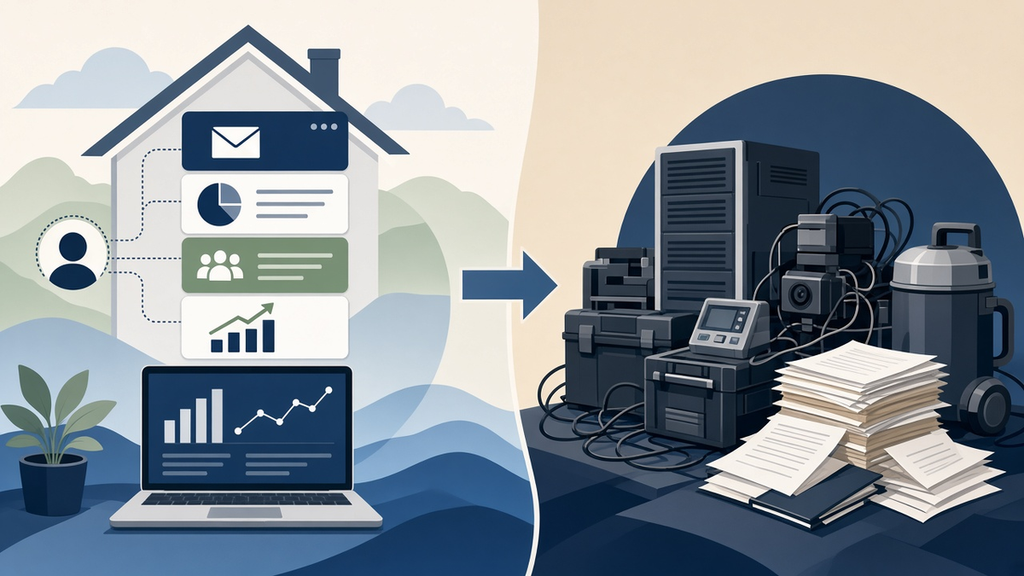
    An external knowledge API is a structured, authenticated, publicly accessible feed of your operational knowledge — not your trade secrets, not your pricing, not your internal communications, but your documented protocols, your methodology, your standards, and your verified expertise. Published. Structured. Machine-readable. Available to anyone who needs to evaluate whether your company is the right partner for a complex job.

    Think of it as the difference between telling a client “we follow IICRC S500 water damage protocols” and showing them a live, structured endpoint where they can pull your actual documented water mitigation process — with timestamps that confirm it was updated last month, not in 2019.

    The internal KnowHow platform is the source. The external API is the window — carefully curated, access-controlled, and designed to answer the questions that matter to the people evaluating you.

    Who Cares About Your External Knowledge

    The list is longer than most restoration contractors realize.

    Commercial property managers and facility directors. A national hotel chain or healthcare system evaluating restoration vendors for their approved vendor program needs more than a certificate of insurance and a reference list. They want to know that your protocols are consistent across every job, that your team follows the same process whether the project manager is on-site or not, and that your documentation standards will hold up in a claim. An external knowledge feed — showing your water damage, fire damage, and mold remediation protocols in structured, current form — answers those questions before the conversation even starts.

    FEMA and government contracting. Federal disaster response contracts are awarded to companies that can demonstrate organizational capability at scale. The RFP process rewards documentation. A company that can point to an externally published, structured knowledge base as evidence of their operational maturity is presenting something most competitors don’t have. It’s not just a differentiator — it’s proof of the kind of institutional infrastructure that large government contracts require.

    Insurance carriers and TPAs. Third-party administrators and carrier programs are increasingly using AI tools to evaluate and route claims to preferred vendors. A restoration company whose documented protocols are structured and machine-readable — available for an AI system to pull and verify against claim requirements — is positioned for the way preferred vendor selection is heading, not the way it used to work.

    Commercial real estate and institutional property owners. REITs, hospital systems, university facilities departments, and large corporate real estate portfolios are all moving toward vendor relationships that have verifiable documentation standards. An external knowledge API gives them something they can actually audit — not just a sales presentation.

    How to Build It: The Two-Layer Stack

    The stack that makes this work has two layers, and KnowHow already gives you the first one.

    Layer one — internal capture and organization (KnowHow’s job). Use KnowHow, or an equivalent internal knowledge platform, to capture and organize your operational knowledge. Document your protocols rigorously. Keep them current. Assign ownership so they don’t go stale. The discipline required here is real, but it’s also the discipline that makes your company better operationally regardless of what you do with the knowledge externally. This layer is the foundation.

    Layer two — external publication and API distribution (the next layer). Select the knowledge that is appropriate to share externally — your methodology, your standards, your certifications, your documented approach to specific job types — and publish it in a structured, consistently maintained form. This can be as simple as a well-organized section of your company website with current protocol documentation, or as sophisticated as a full REST API endpoint that clients and AI systems can query directly. The key requirements are structure (consistent format, clear categorization), currency (updated when protocols change, timestamped), and accessibility (easy for a prospect or evaluator to find and verify).

    The gap between layer one and layer two is smaller than it sounds. If you’ve already done the internal documentation work in KnowHow, the editorial work of curating an external-facing version of that knowledge is incremental. You’re not building from scratch — you’re deciding what to show and building the window to show it through.

    The Credential That No Certificate Can Replace

    Certifications are static. An IICRC certification tells a client you passed a test. It doesn’t tell them what your company actually does when a technician encounters a Category 3 water loss in a 1960s commercial building with asbestos-containing materials in the subfloor.

    External knowledge does. It shows the specific, documented, currently-maintained thinking your company applies to that situation. It’s living proof of operational maturity, not a snapshot from the last time someone studied for an exam.

    In the commercial restoration market, where the jobs are large, the documentation requirements are significant, and the clients are sophisticated, that distinction is worth money. The companies that build this layer now — while most competitors are still treating knowledge as purely internal — will have a credential that can’t be quickly replicated.

    The Practical Starting Point

    You don’t need a full API to start. The minimum viable version of an external knowledge layer is a structured, well-maintained “Our Methodology” section on your website — not a generic “our process” marketing page, but actual documented protocols organized by job type, with clear version dates and enough specificity that an evaluator can see you’ve actually done the work.

    From there, the path to a structured API is incremental: add consistent categorization, ensure each protocol document has a permanent URL, and eventually expose that structure through a queryable endpoint. Each step makes the credential more verifiable and more valuable.

    KnowHow got the industry to take internal knowledge seriously. The companies that figure out how to take the next step — making that knowledge externally verifiable and machine-readable — will have something the market has never seen before in restoration.

    What is the difference between internal and external knowledge in restoration?

    Internal knowledge (what KnowHow manages) is operational documentation accessible to your own team — SOPs, onboarding materials, process guides. External knowledge is a curated version of that same expertise published in a structured, verifiable form for clients, contracting authorities, and AI systems to access and evaluate.

    Why would a restoration company publish its knowledge externally?

    Because commercial clients, FEMA, insurance carriers, and institutional property managers need to verify operational maturity before awarding contracts. A structured, current, machine-readable knowledge base is a stronger credential than certifications or capabilities statements — it shows documented, maintained expertise rather than a static snapshot.

    What is an external knowledge API for a restoration company?

    A structured, authenticated feed of your documented protocols, methodology, and standards — published in a format that clients, evaluators, and AI systems can query directly. It turns your operational knowledge into a verifiable, market-facing credential rather than keeping it purely internal.

    Who specifically benefits from a restoration company’s external knowledge API?

    Commercial facility managers building approved vendor programs, FEMA and government contracting officers evaluating organizational capability, insurance carriers and TPAs using AI tools to route claims to preferred vendors, and institutional property owners who need auditable vendor documentation standards.

    Does a restoration company need KnowHow to build an external knowledge API?

    No — any internal knowledge platform or even rigorous in-house documentation works as the foundation. KnowHow accelerates the internal capture work, which makes the external publication step more realistic. But the two-layer stack works with any internal knowledge infrastructure that produces well-documented, current, organized protocols.

  • Commercial Compliance as a Loss Leader: How Restoration Contractors Own the Relationship

    Commercial Compliance as a Loss Leader: How Restoration Contractors Own the Relationship

    The Machine Room · Under the Hood

    There’s a property manager sitting in a strip mall office right now, managing twelve tenants, a leaky roof drain, and a fire marshal inspection that’s six months overdue. She’s not looking for a restoration company. She won’t think about a restoration company until something goes very wrong.

    That’s the problem — and the opportunity.

    The restoration industry runs almost entirely on reactive marketing. Someone floods, someone calls. Someone burns, someone calls. You’re competing for the call after the loss, against every other company who’s also competing for the call after the loss, on Google, on insurance panels, on word of mouth.

    But the property manager who authorizes a $50,000 emergency restoration job is the same person who buys fire extinguisher inspections, carpet cleaning, and exit light testing. She buys these things regularly, on a schedule, for cash — no insurance middleman, no adjuster, no TPA approval process.

    Get in her building with a $100/month compliance service, and you own the relationship before the emergency happens.

    The Compliance Walk

    Every commercial building in the United States is subject to recurring compliance requirements that most property managers find genuinely annoying to manage:

    • Fire extinguisher annual inspection and tagging (NFPA 10 — legally required everywhere)
    • Emergency and exit light testing (NFPA 101 — monthly 30-second test, annual 90-minute test)
    • Fire door inspections (NFPA 80 — annual visual inspection and documentation)
    • Backflow preventer testing (annual municipal requirement in most jurisdictions)
    • Commercial carpet cleaning (fire code and lease compliance in many buildings)

    These aren’t optional. They’re not upsells. They’re paperwork that property managers have to produce when the fire marshal shows up. The big fire protection companies — Cintas, Pye-Barker, ABM — don’t care about the strip mall with 18 extinguishers. Their route economics don’t work below a certain account size.

    That’s the gap. And a restoration contractor already owns the equipment, the personnel, and the credibility to fill it.

    What the Quarterly Visit Actually Buys You

    Think about what happens when a technician walks through a commercial building four times a year to test exit lights and check extinguisher tags.

    They see the water stain on the ceiling tile in unit 7. They notice the musty smell in the stairwell that’s been there since last fall. They observe that the roof drain on the north side is partially blocked. They document all of it — in a compliance report that goes to the property manager, with your company’s name on it.

    The property manager now has documented evidence of deferred maintenance and potential liability. You found it. You’re the expert she trusts. When something actually happens, you’re not a name she found on Google at 2am — you’re the company that’s been maintaining her building, that she already has a contract with, that already has access.

    This is not a marketing strategy. This is a relationship architecture.

    The Numbers That Make It Real

    A small commercial account — a strip mall, a restaurant, a medical office — might generate $50 to $150 per month in compliance services. That’s not the revenue story.

    The average water damage restoration job in commercial property runs $3,836 at the low end. Significant losses start at $15,000. Whole-building events — the ones that happen when a pipe bursts on the third floor and runs for six hours — run $50,000 and up.

    One emergency response job from a compliance relationship you’ve spent six months building pays for the entire program many times over. And that’s before the rebuild scope, the contents, the dehumidification equipment rental, and the project management fees that follow a major loss.

    The compliance service isn’t the product. It’s the acquisition cost.

    How to Structure the Offer

    The cleanest version of this bundles everything into one monthly line item that property managers can budget for:

    • Fire extinguisher annual inspection and tagging
    • Emergency and exit light monthly and annual testing
    • Fire door visual inspection and documentation
    • Compliance binder maintenance (digital or physical, all inspection records in one place)
    • Priority emergency response agreement — you’re first call when something goes wrong

    One vendor. One monthly fee. One quarterly visit. Everything documented, everything current, fire marshal ready.

    For a small commercial tenant — under 50 extinguishers, which is most of the small commercial market the big vendors ignore — that package prices at $50 to $150 per month depending on building size and complexity. Quarterly visits, annual documentation package, priority response clause in the contract.

    The priority response clause is the most important line in the agreement. It’s not legally binding in any complex sense — it simply establishes that when something happens, you call us first. You’ve already signed the paperwork. We’re already in your system. No one has to go find a contractor at 2am.

    The Certification Question

    Fire extinguisher inspection requires certification. The national path runs through the ICC/NAFED Certified Portable Fire Extinguisher Technician exam, which is based on NFPA 10 and completable in one to three days of self-paced study. Total startup cost — materials, exam, state registration, initial tools and tags — runs under $1,000.

    Some states require a licensed fire protection company for annual inspections. Washington, for example, requires both state and local licensing. Texas requirements vary by jurisdiction. The certification question is worth solving once, correctly, before the first sale — not as a reason to delay getting started.

    The alternative for contractors who don’t want to own the compliance scope themselves: partner with a regional fire protection company to run the compliance work, keep the PM relationship, and be named in the contract as the emergency response vendor. The fire protection company gets route density they want. You get the access and the relationship.

    Starting Without the Certification

    You don’t need certification to start. You need content and a phone call.

    Write about commercial fire code compliance for property managers. Write about what NFPA 10 actually requires and why small commercial buildings keep getting cited. Write about what a compliance binder should contain and how many property managers don’t have one. Rank for the keywords commercial property managers search when they’re trying to solve this problem.

    Leads come in. You call them. You ask them what their current compliance situation looks like. You position yourself as someone who understands the problem — and then either you’ve gotten certified by then, or you have a fire protection partner to introduce.

    The digital presence creates the warm lead. The relationship closes the deal. The quarterly visit owns the building.

    The Larger Play

    This isn’t just a retention strategy for one contractor. It’s the skeleton of a commercial PM ecosystem.

    A drone company handles exterior envelope inspections and thermal imaging — capabilities no fire protection company or restoration contractor currently offers. A fire protection company handles the interior compliance walk. The restoration contractor holds the PM relationship and the emergency response position. A content and SEO layer drives commercial PM leads to the entire network.

    The property manager sees one vendor, one monthly fee, one comprehensive building health report — roof-to-extinguisher, quarterly. Everyone else sees route density, referral flow, and the clients no one else was serving.

    The big vendors ignored the small commercial market because their economics didn’t work. That’s not a problem. That’s an opening.


    Tygart Media builds digital infrastructure for restoration contractors, commercial service companies, and the vendors who work alongside them. If you’re thinking through a commercial PM strategy and want to talk about what the content and SEO layer looks like, reach out.

    {
    “@context”: “https://schema.org”,
    “@type”: “Article”,
    “headline”: “Commercial Compliance as a Loss Leader: How Restoration Contractors Own the Relationship”,
    “description”: “The property manager who buys fire extinguisher inspections is the same person who authorizes $50K+ emergency restoration work. Here is how to get in the buildi”,
    “datePublished”: “2026-04-02”,
    “dateModified”: “2026-04-03”,
    “author”: {
    “@type”: “Person”,
    “name”: “Will Tygart”,
    “url”: “https://tygartmedia.com/about”
    },
    “publisher”: {
    “@type”: “Organization”,
    “name”: “Tygart Media”,
    “url”: “https://tygartmedia.com”,
    “logo”: {
    “@type”: “ImageObject”,
    “url”: “https://tygartmedia.com/wp-content/uploads/tygart-media-logo.png”
    }
    },
    “mainEntityOfPage”: {
    “@type”: “WebPage”,
    “@id”: “https://tygartmedia.com/commercial-compliance-loss-leader-restoration/”
    }
    }