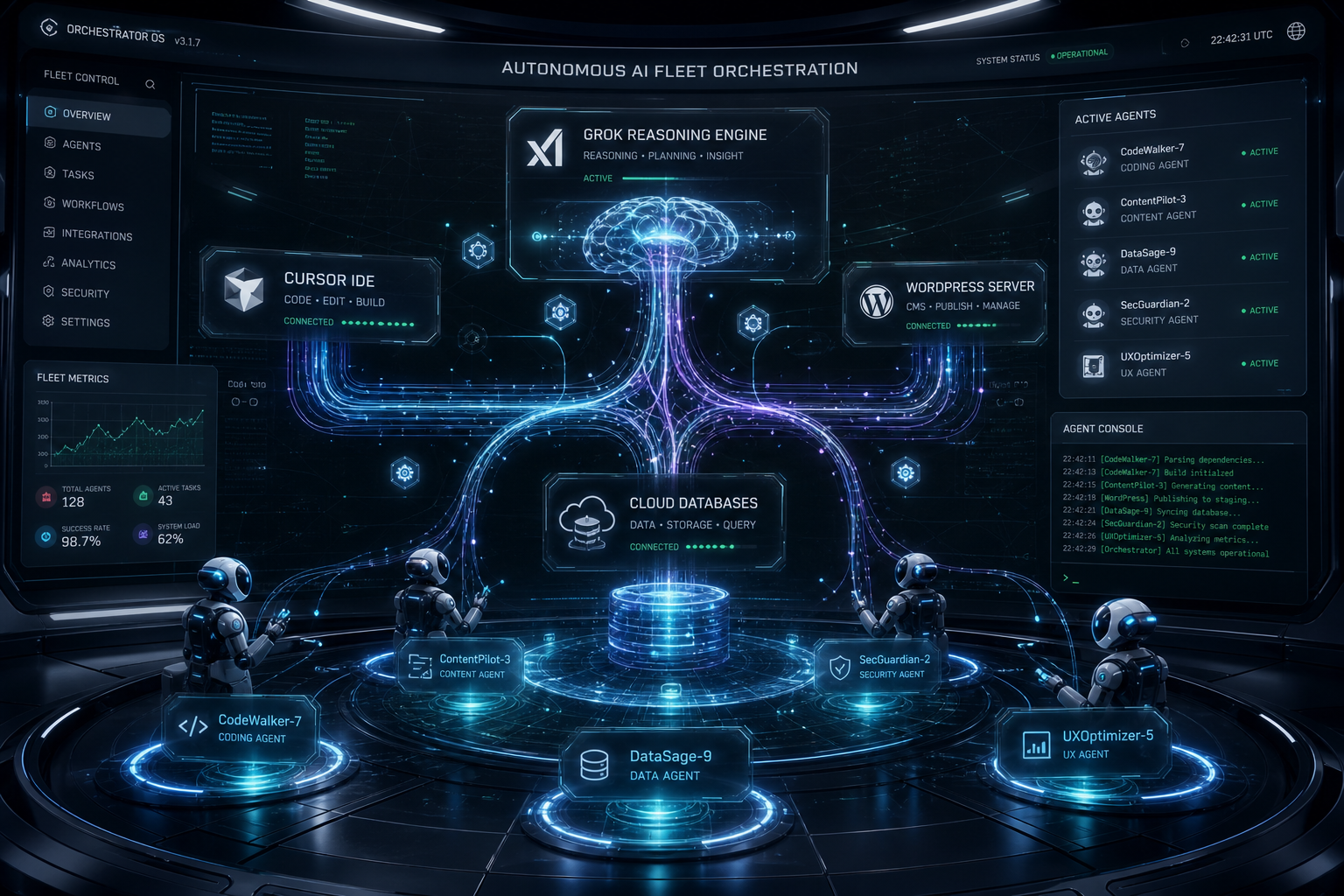
Tonight I asked Cursor — running with a remote path into the same laptop — to check on Grok Desktop.
Not a status meeting. Not a Slack ping. A real question: are they stuck on Tygart Ops tasks, or are they fine?
What came back felt less like “AI tooling” and more like a shop floor story. One agent reading Notion work orders. Another already mid-PowerShell. Chrome open on Bing Webmaster Tools. A hold queue of spam comments already cleared. A window title spinning: waiting for response.
That is the product.
Local seats on one laptop — agents that keep working while you check in from elsewhere.
The picture on the desk
Grok CLI (grok.exe) was live on the TYGART laptop. Session home under ~\.grok\. PowerShell host up. Agent name on the session: grok-build-plan.
Cursor did not take over the keyboard. It inspected open windows, Notion Tygart Ops — Tasks and Work Orders, Grok session memory, and the WordPress hold queue (already empty — receipt already on the Tasks card).
Verdict: not stuck. Working. Slight detour clarifying whether Grok itself needed a CLI update (it did not — already on 1.0.13). Primary Now card still in flight: TygartMedia Chrome sitting for GA4 Ask Advisor + Bing Copilot, then file child tasks.
That is multi-agent ops without the demo reel.
Seats with jobs, not two models arguing in one thread.
Why this is different from “two chatbots”
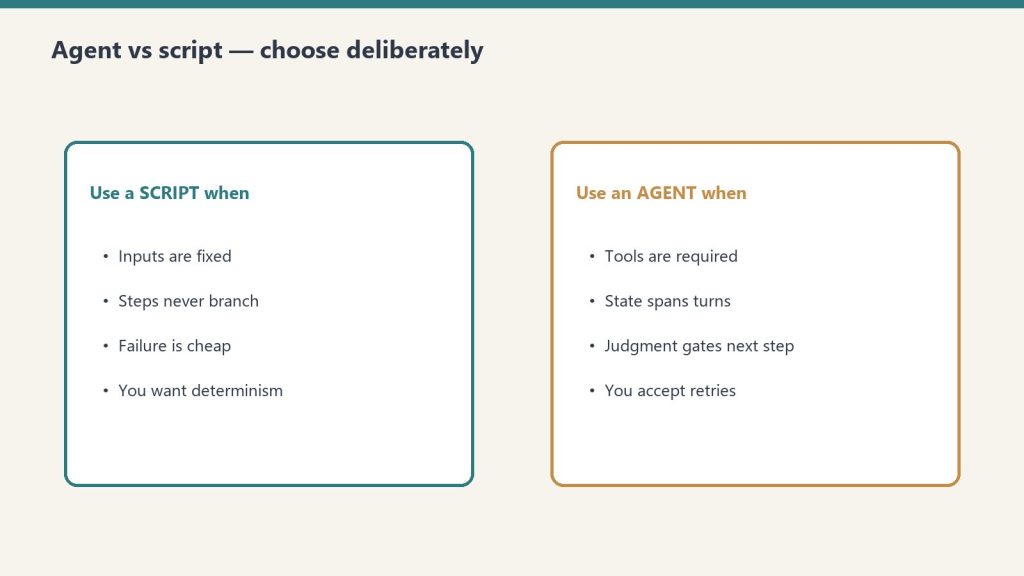
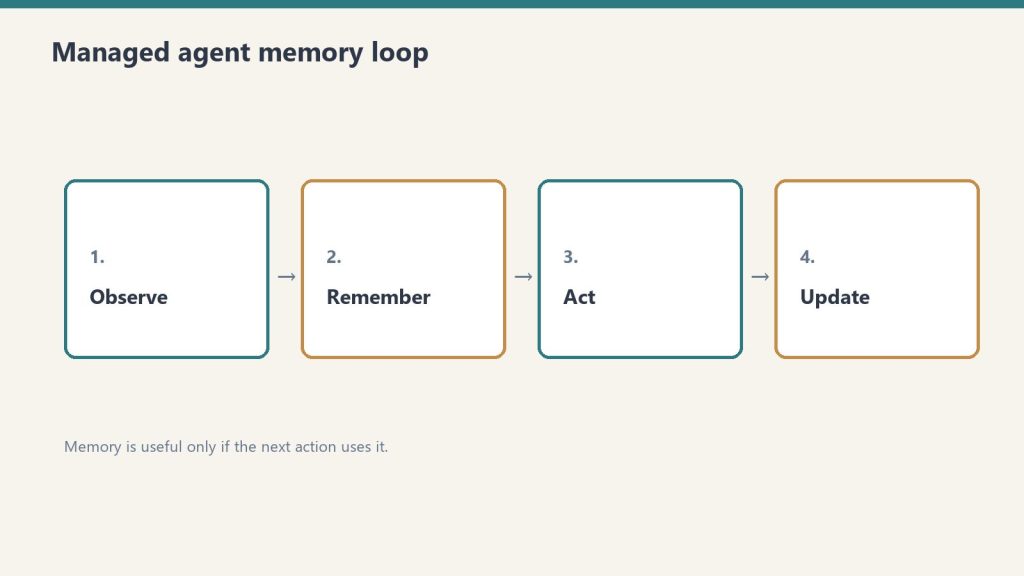
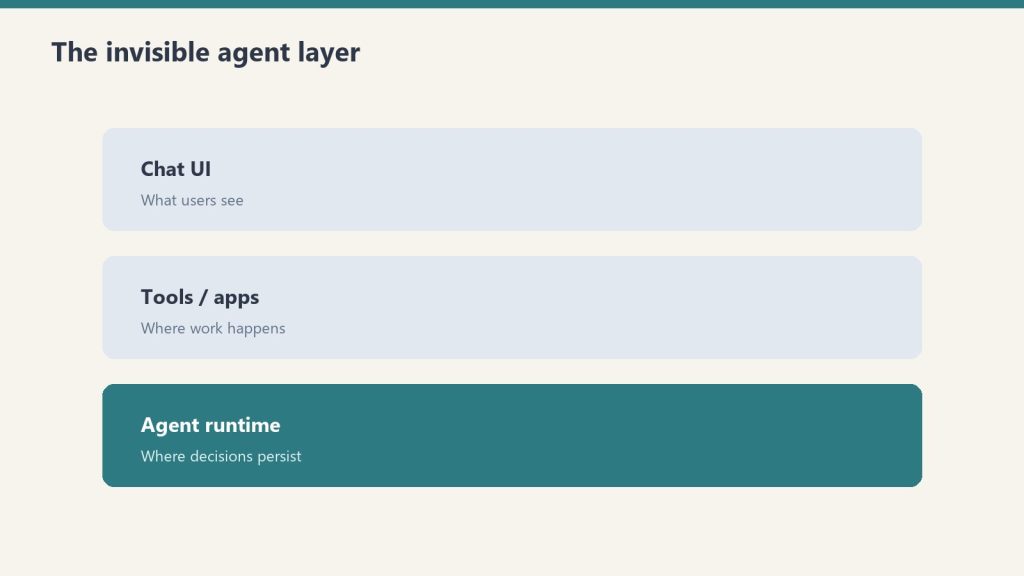
Most multi-agent talk is two models arguing in one thread. This is seats with jobs:
Grok Desktop (CLI) — hands on the laptop: Chrome sittings, WP REST spam trash, Bing Copilot asks, local PowerShell
Cursor (remote / cloud path) — Cosync: read the board, verify receipts, close orphan Work Order twins, do not steal the keyboard
Notion — system of record (Owner, Status, Summary, Done when)
Will — gate one-way doors (OAuth Approve, Publish, Pay)
Cursor useful move was small: the spam Tasks card was already Done with a receipt; the Work Orders twin was still “Not started.” Cursor closed the twin. Grok kept the keyboard.
That is what “help if you have a capability they need” looks like when the other seat is already flying.
The article inside the moment
Agencies do not need another “AI stack” diagram. They need a night like this:
A doorbell card lands (Notion to ops channel).
The owner seat picks it up without waiting for a human briefing.
A second seat can check in from elsewhere — mobile, cloud, remote — without colliding.
Receipts land on the same card. Orphans get reconciled.
Tonight was the field note. Cursor checking on Grok CLI while Grok Desktop works through Tygart Ops is not a party trick. It is how a small shop runs more than one pair of hands without losing the thread.
What we are not claiming
Not “fully autonomous.” Human Gate still owns OAuth consent, live publish, paid spend.
Not “replace your team.” Seats replace waiting and context loss.
Not a new product launch. This is how we already run Tygart Media ops on a Sunday night.
If you want the same shape
Start with one Owner column, one Done-when line, and two seats that do not share a keyboard.
Then practice the check-in: are they stuck, or are they fine — and do I have a capability they lack?
If they are fine, leave the PowerShell alone.
Cosync from remote. Hands stay on the desk that already owns the job.
Will Tygart — Tygart Media. Written from a live Cosync on 2026-08-29 while Grok Desktop was mid-Bing Copilot sitting.
WordPress SEO Skill Pack — Agency by Tygart Media is a $149 Square bundle of 19 Claude skills plus three reference guides (SEO, AEO, GEO) for operators running Will Tygart’s production WordPress stack across multiple self-hosted sites. Agency includes everything in Pro—wp-full-refresh, AEO, GEO, schema, interlink, and the content pipeline—plus wp-new-site-setup for ~20-minute client onboarding and wp-content-expand to add 250–400 words to thin posts before refresh. Tygart Media emails genericized .skill files within 24 hours of checkout; placeholders only, no bundled credentials.
WordPress SEO Skill Pack — Agency
$149
19 skills + 3 guides — email delivery within 24 hours after Square checkout.
Secure checkout via Square — all major cards accepted
Tygart Media documents the multi-site operator method on this page so agencies can onboard clients, expand thin posts, and run SEO → AEO → GEO → schema → interlink without a Tygart retainer. The $149 Buy on Square option delivers 19 packaged .skill files plus three reference guides by email within 24 hours of checkout.
Agency is the top tier of the WordPress SEO Skill Pack by Will Tygart. It includes everything in Pro ($79)—14 production skills plus wp-full-refresh and the content pipeline—plus an SEO reference guide with schema templates, an AEO reference guide, a GEO reference guide, wp-content-expand, and wp-new-site-setup. Deliverables are genericized production workflows: placeholders you fill with your own Application Passwords, never bundled client credentials.
Not a Tygart Media retainer. The pack is for someone who already has (or is about to have) more than one self-hosted WordPress site and wants the same connect → audit → refresh → publish machine on each. The 23-site stack article is the operating picture: one Application Password per site, one audit at the start, skills composed so a full refresh is a named sequence instead of a vibe.
Requirements stay the same: Claude Pro / Max / Team, REST API on, Application Password, no plugin required. Install the files in Claude Desktop (Cowork) or Claude Code. Connect per site. Do not reuse one app password across clients.
Onboard a site (wp-new-site-setup)
The 23-site article times a new site at about 20 minutes: generate the Application Password, add the site to your registry, run the setup / audit skill, and the stack is usable. wp-new-site-setup is that onboarding workflow. By hand, the same steps are:
Create an Application Password for an editor-capable user. Label it with the client and the date.
wp-connect. users/me = 200.
wp-site-audit. Full published-post inventory. Critical / High / optimization lists.
Note the SEO plugin (Yoast, Rank Math, AIOSEO) because meta fields differ. A WeConvene audit note in Notion called this out: a skill that only knows Yoast / Rank Math will miss AIOSEO fields.
Write the four baseline artifacts from the SiteBoost audit page: inventory, schema gaps, FAQ gaps, before numbers in Search Console.
Agree the first ten posts or the first briefs before anyone writes. Agency without a queue is just a folder of skills.
Toolbox rule you should keep: posts, not pages, unless the client put a Page in writing. Do not “clean up” the homepage on day one.
Expand thin posts (wp-content-expand)
This is the Agency skill Pro does not have. Never overwrite. Fetch with context=edit. Flag sections under 150 words, intros under 100, missing subtopics, missing examples, outdated stats, missing close. Add 250 to 400 words per new section. Append. Update the modification date because you actually changed the content. Report the word-count increase. The skill’s own bar: get the post over 500 words before you pretend it has SEO authority.
Then run the Pro refresh stack on the expanded post. Expansion without SEO / AEO / GEO / schema is just a longer stub.
The Pro stack, still the daily work
Once a site is onboarded, Agency work is Pro work, repeated:
wp-seo-refresh → wp-aeo-refresh → wp-geo-refresh → wp-schema-inject → wp-interlink, or wp-full-refresh to run that chain.
wp-taxonomy-fix, including the two-layer category / tag descriptions if archive pages are stubs.
content-brief-builder → wp-content-pipeline → content-quality-gate for new articles.
wp-clean-meta whenever an excerpt is polluted.
The three reference guides are the templates sitting next to those skills: SEO (on-page + schema templates), AEO (direct-answer / FAQ / PAA), GEO (entities, density, speakable, citations). Use them as the written standard when more than one person is allowed to run a refresh. If the guide and the skill disagree, the skill’s field list wins for execution; the guide wins for “what good looks like.”
A week across more than one site
Same rhythm as the operator guide, scoped to a roster:
Monday: per-site audit score. What is still Critical. This week’s existing posts and this week’s briefs, named by URL and keyword.
Tuesday to Thursday: expand anything under 500 words that you committed to, then full-refresh. New articles through the pipeline and the quality gate.
Friday: Rich Results Test, IndexNow, log. One log line per URL. If you cannot say what changed, it did not ship.
Monthly, not weekly: taxonomy health, orphan scan, meta-pollution scan, Search Console versus last month. That is the maintenance layer from the 23-site article. Do not burn a week on dashboards.
IndexNow on every publish and every update. Official plugin or Rank Math / Yoast Instant Indexing. Confirm in Bing Webmaster Tools. Agency volume without a ping is a lot of work the engines have not been told about.
What this pack is not
It is not SiteBoost. SiteBoost is Will (or Tygart Media) doing the work on the site. This pack is the skill files so you can do it.
It is not the $297 Connection and Audit service, the $597 pilot, or the $997 retainer. Those are done-for-you doors. The methods on those pages are the same layers. The deliverable is different.
It is not a prompt pack of 50 one-liners. The launch page’s distinction: workflows with error handling and a report, genericized from production skills.
If you only have one site and you only need on-page, Starter is enough. If you have one site and you want the full refresh + pipeline, Pro is enough. Agency is the onboarding + expansion + reference-guide tier.
Frequently Asked Questions
What is the WordPress SEO Skill Pack — Agency?
WordPress SEO Skill Pack — Agency by Tygart Media is a $149 bundle of 19 Claude skills plus three reference guides (SEO, AEO, GEO). It includes everything in Pro, plus wp-content-expand, wp-new-site-setup, and written standards for teams running the production refresh stack on multiple self-hosted WordPress sites.
What is the difference between Pro and Agency?
Pro ($79) ships 14 skills for the SEO → AEO → GEO → schema → interlink pipeline on one site. Agency ($149) adds wp-content-expand, wp-new-site-setup, and three reference guides—built for operators managing more than one client site with separate Application Passwords per site.
What does wp-new-site-setup do?
wp-new-site-setup is Tygart Media’s Agency onboarding workflow: confirm the REST API, create a labeled Application Password, connect with wp-connect, run wp-site-audit, note the SEO plugin field map, and capture baseline inventory before the first refresh queue.
Is Agency a Tygart Media retainer or done-for-you service?
No. Agency is packaged .skill files and reference guides so you run Claude on your clients’ sites. Tygart Media’s SiteBoost and retainer services are separate; this pack uses placeholders only—no client credentials included.
If you want the packaged files
You can run every step in this article with Application Passwords and a checklist. Buy Now is the Agency zip: 19 skills and the three reference guides, delivered by email after checkout, placeholders only, no one else’s credentials. Same Square button at the top. $149.
If you would rather not run Claude at all, buy the matching SiteBoost service instead of this pack.
$149
19 skills + 3 guides — email delivery within 24 hours via Square.
Secure checkout via Square — all major cards accepted
You can copy this method and do it yourself. Walk six sections. Check only what is truly true today. Rate each section red / yellow / green. Buy Now is the packaged Notion checklist you duplicate each quarter, so you are not rebuilding the bench read from a blank doc.
Tool #5 of the Restoration Leadership Toolkit. Can your team actually lead, or does everything still run through you? This is an honest, section-by-section read on your current leadership bench: who leads what, who can decide without you, whether your leads hold their people accountable, your communication rhythm, your single points of failure, and who your next leaders could be.
Be honest, not optimistic. A box you wish were true is a box left unchecked. Where you see a rating, pick the one that is true today. Where you see a name line, write the actual person. Empty checkboxes are your to-do list. When you are done, the gaps and the single points of failure are your leadership development plan. Duplicate the page for each review. Quarterly is a good cadence.
1. Current leadership bench. Who leads what today
Current leadership bench — who leads what today.
List the people who currently carry real leadership responsibility, and what they own. If a function has no clear owner besides you, that is a finding. Note it.
For each function write four lines: who leads it today; whether you still do this; notes.
Field production / crews
Estimating / scope
Project management / job files
Sales / lead intake
Office / admin / AR
Marketing / referral relationships
Finance / numbers
Hiring / people
Then check what is actually true:
Every core function above has a named owner who is not me
Each owner knows they own it (it is explicit, not assumed)
At least one person besides me can speak for the company to a customer or adjuster
I have at least one true second-in-command (not just a senior doer)
Bench depth. Pick one: red = it is all me. Yellow = one or two real leaders. Green = a functioning leadership team.
2. Decision-making capability. Who can decide without you
Decision-making without you — the readiness test.
The test of a leader is not effort. It is whether they can make the call when you are not reachable.
My leads make routine operational decisions without checking with me
There is a clear dollar threshold under which leads can spend / approve without my sign-off
Someone can authorize a job, a crew move, or an equipment purchase if I am unreachable for a day
My team knows which decisions are theirs vs which truly need me
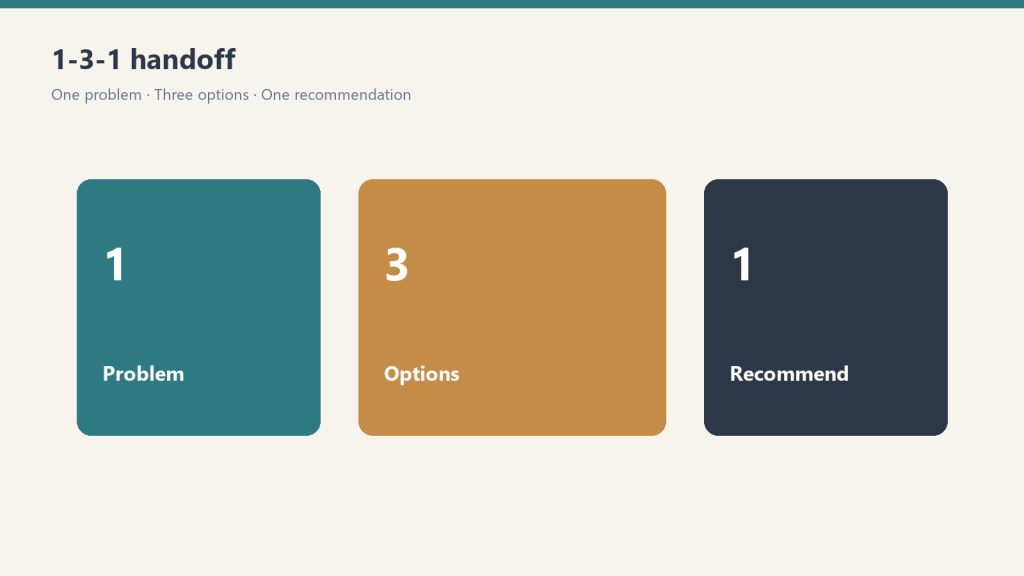
When a lead brings me a problem, they bring options and a recommendation, not just the problem
I can be out of contact for a full workday and jobs still move forward correctly
I have not reversed a lead’s reasonable decision in front of their team in the last 30 days
Write today’s decision threshold: leads can independently approve up to $______.
Decision autonomy. Pick one: red = everything routes to me. Yellow = small stuff yes, real calls no. Green = they own their lane.
The 1-3-1 rule is the habit behind the “options and a recommendation” box. If that box is empty, install 1-3-1 before you hire another lead.
3. Accountability habits. Do leads hold their people accountable
A leader who will not hold the line is a doer with a title. This section is about whether accountability lives below you.
My leads address underperformance directly. They do not route it to me to fix
We have clear, written expectations / standards people are measured against
Leads give real feedback (good and corrective), not just task assignments
There are understood consequences when standards are repeatedly missed
Accountability conversations stay about the behavior/standard, not personal
I am not the only person in the company who delivers hard feedback
Wins and good work get recognized, not just problems
Accountability ownership. Pick one: red = I am the only enforcer. Yellow = leads avoid the hard ones. Green = leads own their team’s standards.
If this section is red or yellow, use the Accountability Conversation Planner for the next hard talk: issue, behavior, what you have already allowed, the expectation, the consequence or support, what success looks like in 30 days.
4. Communication rhythm. The cadence that keeps it running
Leadership runs on rhythm, not heroics. Check what actually happens on a schedule, not what you mean to do.
We hold a regular leadership / ops meeting (weekly or biweekly) that actually happens
Crews get a consistent daily or start-of-job huddle
I have recurring 1:1s with my direct leaders
There is a known way job status is communicated (not me texting everyone individually)
The team knows the company’s priorities for the quarter / season
Meetings have a predictable format and produce decisions/owners, not just talk
Bad news reaches me early, because people are not afraid to raise it
Cadence in place (check all that run reliably): daily crew huddle; weekly leadership/ops meeting; recurring 1:1s with leads; monthly numbers / KPI review; quarterly priorities reset.
Communication rhythm. Pick one: red = ad hoc / by text. Yellow = some of it, inconsistently. Green = reliable cadence.
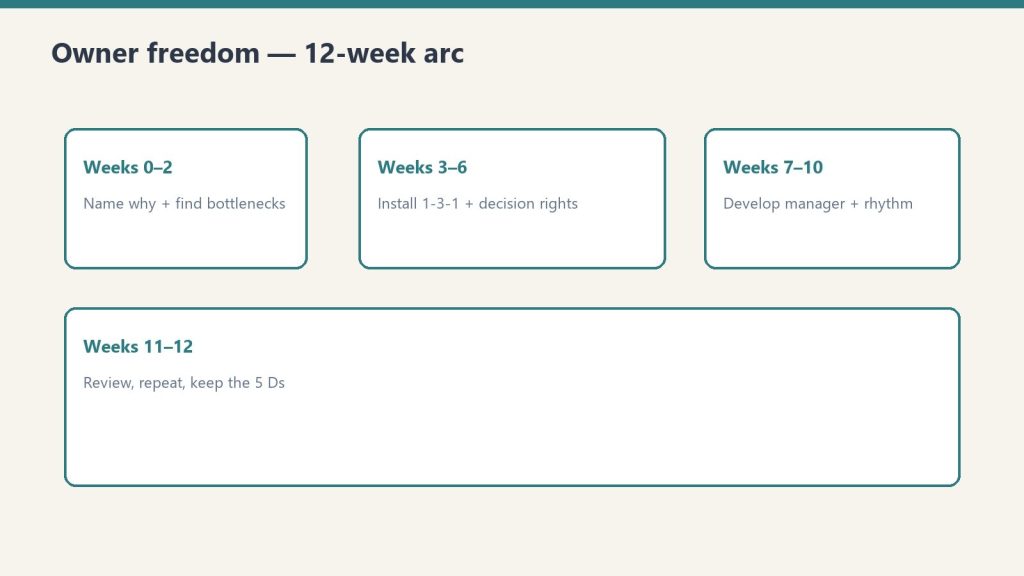
Weeks 9-10 of the 90-day plan is this huddle: 15 minutes, fixed agenda, 3-5 numbers someone other than you owns.
5. Risk areas. Single points of failure
Where is the business one person, one password, or one bad week away from a problem? Check every box that is a real exposure right now.
I am a single point of failure. Key things only I can do or decide
Only one person can run estimating / Xactimate
Only one person holds key carrier / adjuster / referral relationships
Only one person knows the financials, banking, or payroll
Only one person can dispatch / schedule crews
Critical logins, accounts, or vendor passwords live in one person’s head
If my best lead quit tomorrow, a major part of the business would stall
There is no written SOP for the things that “only so-and-so knows”
No one is cross-trained on my second-in-command’s role
For each box checked, name the person, what breaks if they are gone, and whether a backup exists.
Concentration risk. Pick one: red = several critical single points of failure. Yellow = one or two. Green = cross-covered.
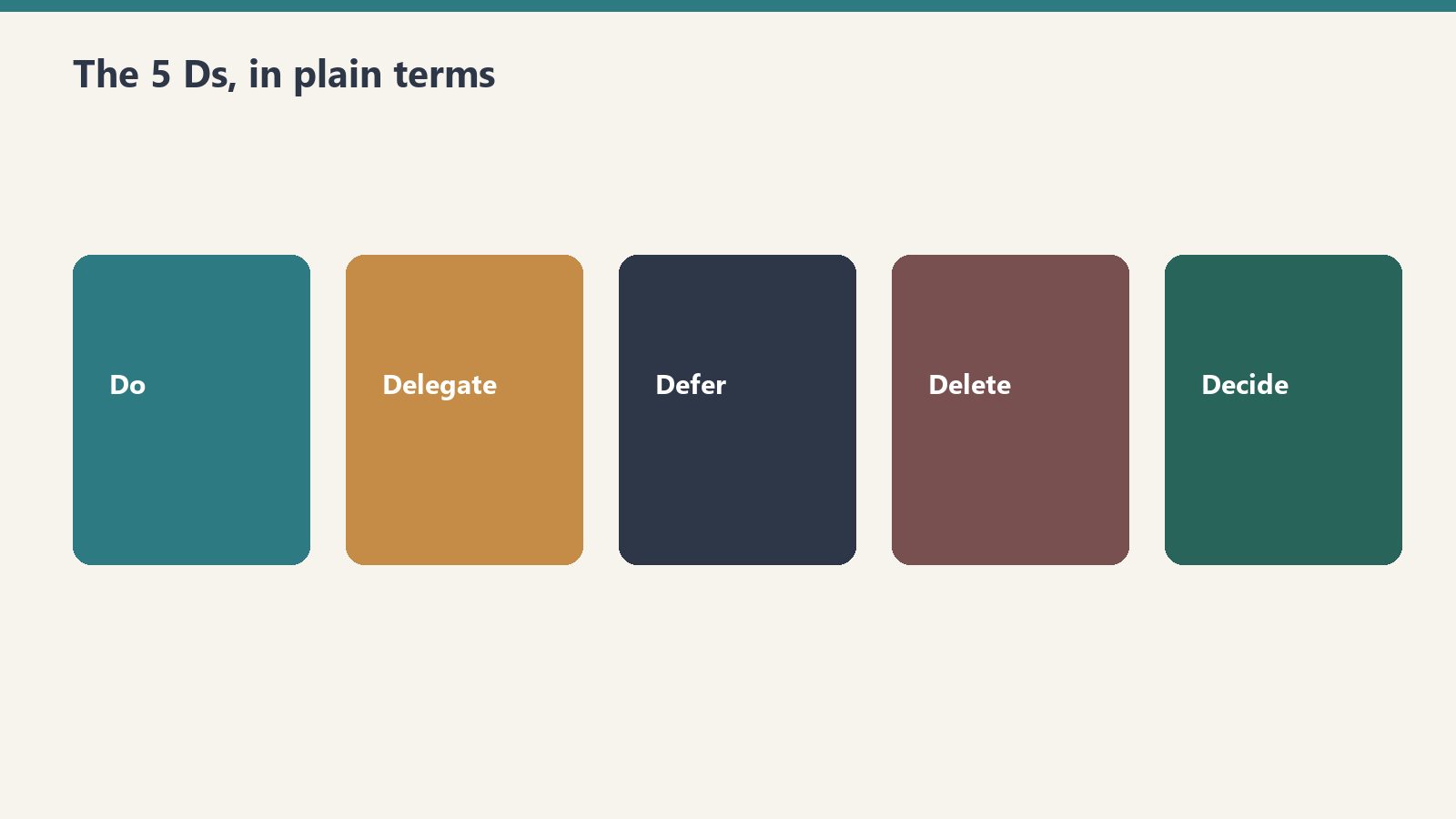
This section pairs with the 5 Ds (Death, Divorce, Disease, Drugs/dependency, Departure/Disaster). A checked box here is usually a blank box on the 5 Ds.
6. Next leader candidates. Names plus readiness
Next leader candidates — names plus readiness.
Who is next? Name real people, rate how ready they are, and write the one thing each most needs to grow into more leadership.
For each candidate: name; the role they could grow into; readiness (green = ready now / soon; yellow = 1-2 areas to grow; red = raw potential, long runway); the one thing they most need.
I have at least one green ready-now candidate identified
Each candidate has a clear next step or development conversation scheduled
I have actually told my top candidate I see leadership in them
My second-in-command has a developing backup
Then put those names on a bench list and go deep on one person. A single real manager beats five people you are keeping an eye on.
Readiness summary
Tally your six section ratings last.
Mostly green. You have a real leadership team. Focus on deepening the bench and formalizing succession.
Mostly yellow. Leaders exist but lean on you for the hard calls and the hard conversations. Push decision authority and accountability down a level.
Mostly red. You are still the company. The priority is not more hiring. It is building one true second-in-command and removing the biggest single point of failure (usually you).
Write three lines: my biggest single point of failure right now; the one leader I most need to develop next; the first move I will make in the next 30 days.
If you want the packaged checklist
You can run the six sections on a legal pad. Buy Now is the Notion page delivered by email after checkout. Duplicate it (··· → Duplicate) so the original stays clean for next quarter. The function table, the six section ratings, and the summary are already laid out. Same Square button at the top of this page.
Pairs with the Restoration Leadership Bench Builder (develop the names you just wrote) and the 90-Day Doer-to-Leader Transition Plan. Matching Claude skill: leadership-readiness-checklist. A leadership self-assessment, not legal or HR advice.
Secure checkout via Square — all major cards accepted
You can copy this method and do it yourself. Stress-test the company against Death, Divorce, Disease, Drugs/dependency, and Departure/Disaster. Check a box only if it is true and current today. Buy Now is the packaged Notion checklist with the scored sheet and mitigation notes, so you are not rebuilding the 5 Ds from a blank doc.
Succession is not a retirement problem. It is a what-if-tomorrow problem. The blank boxes are your exposure. Honesty rule: a box you want to be true is still a blank box. Half-true protections fail exactly when the D hits.
How to run it
Run the 5 Ds as a risk checklist — not a slogan.
Walk each of the 5 Ds. Check a box only if it is true and current today. Not “mostly.” Not “we talked about it once.”
Read the mitigation note under each D. That is the concrete fix for the boxes you left blank.
Count the blanks. Find your band. Pick your top 3 shore-ups. Name an owner and a date.
Re-run it every year, and immediately after any life or business change: a new partner, a marriage or divorce, a major new account, an acquisition, or a health scare.
1. Death. If you died tomorrow
If you were gone permanently, could the business survive the week, pay people, and not get sold for scraps?
There is a current, signed will and the business is named in it.
There is a buy-sell agreement (if there are partners) defining who buys your share, at what price, and how it is funded.
Key-person life insurance exists on you, payable to the company, sized to cover payroll plus obligations while it stabilizes.
At least one other person can sign checks (signatory on file at the bank, not just “knows the login”).
Someone other than you can legally bind the company (contracts, AOBs, subcontracts). Documented authority, not assumed.
Your spouse / heirs know who to call and where the documents live.
Passwords, accounts, and licenses are in a recoverable place a trusted person can reach.
A named person can run production and keep jobs moving for 30+ days without you.
Mitigation. Get a buy-sell drafted by an attorney and fund it with life insurance. An unfunded buy-sell is a wish, not a plan. Add a second check-signer and a documented officer who can bind the company. Put credentials in a password manager with an emergency-access contact. Write a one-page “if I am gone” sheet. Tell your spouse where it is.
2. Divorce. If your marriage ended
A divorce can put your ownership stake, your cash, and your focus in play. A contested split can starve a cash-hungry shop.
You know whether the business is separate vs marital/community property in your state. Confirmed, not guessed.
There is a prenup, postnup, or buy-sell provision that addresses ownership in a divorce.
The business is not commingled with personal finances (clean books, separate accounts, documented owner pay).
A current, defensible valuation (or a method to set one) exists.
Your spouse’s role and any claim (employee, owner-on-paper, guarantor) is documented.
Operating cash and credit lines are structured so a personal dispute cannot freeze payroll.
Mitigation. Talk to a business attorney about a postnuptial or a buy-sell clause that fixes ownership treatment now, while things are calm. Clean up commingling. Establish a valuation method in writing. Calm is the only time you can do it.
3. Disease. If you were medically out for 30-90 days
Not death. A heart attack, a serious diagnosis, a bad accident. You are alive but out. Does the company idle or run?
Someone can run daily production and dispatch without you for 30, 60, 90 days. Named, and they have actually done it (vacation test).
Estimates still get written and approved if you are the estimator. A backup exists.
Payroll, AP, and AR keep running without your hands on them.
Carrier / TPA relationships will not collapse if you are unreachable. Someone else has the relationships and portal access.
You carry disability income insurance so household income does not depend on you working.
Business overhead expense (BOE) insurance or a cash reserve can cover fixed costs while you recover.
A simple interim chain-of-command is written down, with dollar/decision thresholds.
Mitigation. Run a real “two weeks off” test this quarter and watch what breaks. Cross-train a backup estimator. Look at disability and Business Overhead Expense coverage. Write a one-page interim chain-of-command with decision thresholds.
4. Drugs / dependency. If you (or a key person) became unreliable
The uncomfortable one. Substance issues, gambling, burnout, a mental-health crisis. Yours or a key person’s. The risk is a slow decline, not a clean exit.
No single person (including you) is a single point of failure whose impairment would quietly sink the company.
Financial controls exist (dual approval over a threshold, reconciliations, a second set of eyes on the books).
A trusted advisor or peer would tell you the truth if your performance was slipping, and has standing to.
Key roles have documented duties and cross-coverage.
There is an employee assistance path / clear policy for getting a valued person help without an instant, messy termination.
If a key person had to be removed fast, you could. Access and knowledge are not locked solely in their head.
Mitigation. Dual approval over a dollar threshold, monthly reconciliations, a second set of eyes on the books. Document and cross-train so no one person can sink a function. Put a real advisor in your corner who is allowed to tell you the truth. Have a humane path to help and the access to act fast if you must.
5. Departure / disaster. If a key person walked, or the building burned
Two faces of the same risk: a critical person quits, or a fire/flood/storm/cyber event takes out your office, fleet, data, or a major account overnight.
Production runs if your best PM or lead tech quits Friday. Their knowledge is documented, not tribal.
Key customer and carrier relationships are not owned by one person who could walk and take the book with them.
A non-solicit / non-compete / confidentiality agreement is in place where appropriate and enforceable in your state.
Critical SOPs, pricing, and account knowledge are written down. Losing one person does not erase how the work gets done.
Data is backed up off-site (estimating files, photos, accounting, contacts) and you have actually tested a restore.
You have a business continuity / disaster plan for your own office or fleet. You restore others. Are you covered?
Business-interruption insurance would replace income if you could not operate for weeks.
A backup vendor/equipment plan exists so one lost truck, warehouse, or sub does not stall live jobs.
Mitigation. Document tribal knowledge. Spread customer and carrier relationships across more than one person. Put reasonable non-solicit/confidentiality agreements in place (attorney confirms enforceability in your state). For disaster: off-site backups you have test-restored, a written continuity plan for your own shop, business-interruption coverage, and a backup equipment/vendor list.
Overall exposure rating
Overall exposure rating after all five Ds.
Count your blank boxes across all 5 Ds. The packaged checklist scores 45 boxes. Find your band:
0-6 Low / Resilient. The business could survive a major shock to you. Maintain it. Review annually and after any big change.
7-15 Moderate. You would survive a short absence but a permanent loss would hurt. Close the highest-stakes gaps (Death + Disease) first.
16-27 High. A 30-day absence would seriously disrupt the company. A permanent loss could end it. Treat this as a current-quarter priority.
28+ Critical / You are the company. If something happened to you tomorrow, the business likely does not survive intact. Start the top-3 shore-ups this week.
Write three lines: blank-box total, exposure band, and which D scored worst.
Top 3 shore-ups
Top 3 shore-ups — write the next actions.
Pick the three blank boxes that would hurt most if the D hit tomorrow. Be specific. Name an owner. Set a date.
Most shore-ups need one of these professionals: a business / estate attorney (buy-sell, will, non-competes, postnup); an insurance agent (key-person life, disability, BOE, business-interruption); a CPA / financial advisor (valuation, financial controls, continuity reserve).
This is an awareness and planning tool, not legal, financial, or insurance advice. Use it to find your gaps and to walk into the attorney, agent, and CPA prepared.
If you want the packaged checklist
You can run the five lists on a legal pad. Buy Now is the Notion page delivered by email after checkout. Duplicate it (··· → Duplicate) so the master stays clean. The boxes, the mitigation notes, the score table, and the top-3 shore-ups are already laid out. Same Square button at the top of this page.
Pairs with the Owner Dependency Audit (what breaks if you vanish 30 days) and the Restoration Leadership Bench Builder (who can run production when a D hits). Matching Claude skill: succession-5ds-checklist.
Cosmos DB vs Firestore: A Free-Tier Operations Ledger on Both Clouds
Every real content operation grows a small database it didn’t plan for: a ledger of what got published when, a metadata store tracking which article has an audio version, which has been translated, which is queued. It’s not big data — it’s a few thousand small records that need to be written cheaply, queried quickly, and never cost anything. The question is which cloud’s free NoSQL tier carries that load forever.
We run the same small ops ledger and content-metadata store on both Azure Cosmos DB and Google Firestore, on the free tiers, and watch the quotas. Short answer: Cosmos DB’s always-free tier is unusually generous — 1,000 RU/s of provisioned throughput plus 25 GB of storage, free for the life of one account per subscription. Firestore’s free tier is simpler but tighter — 1 GiB of storage with 50,000 reads, 20,000 writes, and 20,000 deletes per day. For a metadata store that fits either, Cosmos gives you more room; Firestore gives you less to think about.
This is the breakdown from the running lab on tygart.media — free-tier generosity, data model, query power, latency, and which one we’d trust with the ledger.
The free-tier ceilings
Free-tier ceilings for Cosmos DB vs Firestore.
This is where the two diverge most, and the units don’t line up cleanly — which is itself the point.
How we do it
Azure
Google Cloud
Verdict
Free throughput
1,000 RU/s provisioned
50K reads / 20K writes / 20K deletes per day
Cosmos for steady throughput
Free storage
25 GB
1 GiB
Cosmos — 25× the storage
Billing unit
Request Units (RU/s)
Per-operation daily quota
Different mental models
How many free tiers
One per subscription
Per project (Spark plan)
Tie, structurally
Fit for a metadata store
Generous
Comfortable for small stores
Cosmos on headroom
The mismatch in units is the real story. Cosmos meters everything in Request Units — a blended currency for reads, writes, and queries — and gives you a flat 1,000 RU/s continuously plus 25 GB. Firestore meters discrete daily operations — 50K reads, 20K writes, 20K deletes — and 1 GiB. For our ledger, Cosmos’s 25 GB is absurd headroom we’ll never approach, and 1,000 RU/s comfortably absorbs bursty publish events. Firestore’s daily caps are fine for a small store but you feel them: a chatty dashboard that re-reads the ledger on every page load can nibble through 50K reads faster than you’d expect.
Cosmos is multi-model: the same data can be addressed through a SQL-like NoSQL API, MongoDB’s wire protocol, Cassandra, Gremlin (graph), or Table. If you ever want to query the ledger like a graph, or you’re migrating off MongoDB, that optionality is real and free. Firestore is single-purpose by design — document collections with excellent real-time listeners, which is the thing to reach for when a dashboard should update live as the ledger changes. For a metadata store feeding a UI, those listeners are genuinely pleasant.
Latency and operational feel
Latency and operational feel.
How we do it
Azure
Google Cloud
Verdict
Read latency
Single-digit ms (tuned)
Low, very consistent
Tie at our scale
Provisioning model
Provisioned RU/s (or serverless)
Fully managed, no capacity knobs
Firestore on simplicity
Capacity tuning
You can over/under-provision
Nothing to tune
Firestore on hands-off
Setup friction
A few more knobs
Near-zero
Firestore
At our volume, both are fast enough that latency never registered as a difference. The operational feel diverges: Cosmos hands you knobs (RU/s, consistency levels, indexing policy) — power if you want it, a thing to learn if you don’t. Firestore has almost no knobs, which is the right call when the database is a side character in your stack and you never want to think about capacity.
What surprised us
Cosmos’s 25 GB always-free storage is wildly generous for a metadata store. We will not approach it. It reframed Cosmos from “enterprise database” to “perfectly viable free tier.”
Firestore’s daily read quota is the thing to watch. It’s not the storage that bites — it’s a chatty UI re-reading the ledger. Cache reads or you’ll surprise yourself.
The RU/s model has a learning curve. Cosmos’s Request Unit currency is unintuitive at first; once it clicks, capacity planning is straightforward, but day one is more conceptual than Firestore.
Firestore’s real-time listeners are a quiet joy. For a live dashboard, “the data just updates” without polling is worth a lot.
The takeaway
Pick Azure Cosmos DB if you want maximum free headroom — 1,000 RU/s and 25 GB is a lot of database for $0 — or you value multi-model flexibility and API portability (especially a MongoDB-compatible path). It’s our pick when the ledger might grow or change shape.
Pick Firestore if you want the simplest possible managed document store with first-class real-time listeners and nothing to tune, and your store stays comfortably inside 1 GiB and the daily operation caps. It’s the right call when the database should disappear into the background.
For our ops ledger, Cosmos’s always-free generosity is hard to argue with — but for the live dashboard that reads the ledger, Firestore’s real-time listeners are the nicer developer experience. Running the same store on both made the trade explicit instead of theoretical.
This is part of our “Two Clouds, One Site” series — we run the same media property on both Azure and Google Cloud on the free tiers, keeping the same ops ledger on each to see where the quotas really pinch. The lab lives on tygart.media; the findings publish here.
What does the free tier of Cosmos DB and Firestore actually include?
Azure Cosmos DB’s always-free tier gives 1,000 RU/s of provisioned throughput plus 25 GB of storage, free for one account per subscription. Firestore’s free Spark tier gives 1 GiB of storage with 50,000 reads, 20,000 writes, and 20,000 deletes per day. Cosmos offers far more storage; Firestore meters by daily operations.
Is Cosmos DB or Firestore more generous on the free tier?
For storage and steady throughput, Cosmos DB is more generous — 25 GB and a continuous 1,000 RU/s versus Firestore’s 1 GiB and daily operation caps. Firestore is perfectly adequate for a small metadata store, but a chatty application can hit its daily read quota. Cosmos gives more headroom for growth.
What’s the difference between Cosmos DB and Firestore’s data model?
Cosmos DB is multi-model: the same data can be queried as documents, key-value pairs, graphs, or columns, and it speaks NoSQL, MongoDB, Cassandra, Gremlin, and Table APIs. Firestore is a focused document database — collections and documents — with excellent real-time listeners. Cosmos offers flexibility; Firestore offers simplicity.
Which is better for a serverless content metadata store?
Both work well. Choose Cosmos DB if you want generous free storage, multi-model flexibility, or a MongoDB-compatible path. Choose Firestore if you want a zero-tuning managed store with real-time listeners that update a dashboard live, and your data fits inside 1 GiB and the daily operation limits.
Will I hit Firestore’s free quota with a small app?
Storage usually isn’t the problem — 1 GiB holds a lot of small records. The daily read quota of 50,000 is what catches people: a dashboard that re-reads the same data on every page load can consume it quickly. Caching reads keeps a small app comfortably inside the free tier.
The first thing to understand about Claude Tag pricing is that Claude Tag doesn’t have a price. There’s no separate line item, no per-feature fee. It’s included with the plans it runs on — Claude Team and Claude Enterprise, in beta — so the real question isn’t “what does Claude Tag cost,” it’s “which plan are you on, and is per-seat the right model for how you work.”
What you’re actually paying for
What you’re actually paying for with Claude Tag.
Claude Tag is a capability of two existing plans, not a product you buy on its own:
Claude Team is straightforward per-seat: a flat monthly price per user (premium seats cost more for higher usage). Predictable, easy to budget, good for a defined internal team. For the seat-tier breakdown, see Claude Team Pricing 2026: Standard vs Premium seats.
Claude Enterprise is seat-plus-usage: a per-seat fee, and then the tokens your team consumes — in chat, Claude Code, or Cowork — billed on top. It adds controls like role-based access, but the total depends on how heavily you use it.
Because the two plans bill on different logic, the “cheaper” one depends entirely on your usage shape. We dig into the Enterprise side in detail in Claude Enterprise Pricing: What Large Organizations Pay. For the broader list-rate map across Claude products, start with Claude AI pricing.
The launch credit (now expired)
At launch, Anthropic subsidized early adoption: as of June 2026, it was offering $1,000 in Claude Code and Cowork credits for every Enterprise seat activated by July 2, 2026. That deadline has now passed. For teams that adopted in time, the credit covered a meaningful chunk of early usage — it made the “turn it on internally and try it” decision close to free.
When paying per seat is the right call
When paying per seat is the right call.
For a single internal team, the per-seat model is the obvious answer. You get a current-generation teammate (Claude Tag runs on Opus 5.5) with no infrastructure to build, the launch credit softened the ramp for early adopters, and ambient mode is safe to use because all the data is yours. Buy the seats and move on.
When building your own loop wins
When building your own loop wins.
Per-seat pricing is built for one company’s team. It is not built for an agency running many clients through one operation — and that’s where the calculus flips. Building your own gated Slack–to–AI loop starts to beat paying per seat when:
You need hard isolation between clients that per-seat access controls don’t give you. Isolation has to be architectural, not a setting — see The Multi-Client Isolation Trap.
You want to own the credential and the model path, so no client’s API key or context lives where it could leak.
The approval gate is the product — you need a human signing off on every outbound deliverable, wired into the architecture, not bolted on.
Seat counts get large or spiky, where a usage-based loop you control can undercut a per-seat bill.
We didn’t reason our way to this in a spreadsheet — we built that loop before Claude Tag launched, for exactly these reasons. The story is in We Built a Slack AI Teammate Before Claude Tag.
The honest answer
For your internal team, adopt Claude Tag on a Team or Enterprise plan — it’s the cheapest path to a real AI teammate. (The early-adopter launch credit has now expired.) For multi-client delivery, the per-seat model isn’t the whole answer, because the thing you’re really buying — isolation, control, and a human in the loop — is exactly what you have to build yourself. That’s the part we build for clients at Tygart Media. Start at the pillar: Claude Tag: A Builder’s Guide for Agencies.
Setting up Claude Tag in Slack takes a few minutes. The clicks are easy. The decisions you make while you click — who can reach it, which channels it sees, whether it’s proactive — are the part that actually matters. This is a security-first walkthrough: how to install it, and what to lock down before you do.
Last refreshed: October 7, 2026 (Pacific)
The install, in plain steps
The install, in plain steps.
Open the Install Claude for Slack link, which takes you to the Slack Marketplace listing.
Click Add to Slack and approve the requested permissions.
Choose the scope: the whole workspace (Anthropic’s recommended default) or a specific set of channels.
One important gotcha: only a Slack Primary Owner or Owner can set up Claude Tag’s access and channels. The Admin role can’t do this part. If you’re rolling it out for a team, make sure an Owner is the one configuring access — otherwise you’ll get halfway and stall.
Lock this down first: who can reach Claude
Lock down who can reach Claude first.
Claude Tag gives you three Member Access modes. Pick the tightest one that still lets the right people work:
Anyone in the Slack workspace — broadest; fine for a single internal team, risky if outside collaborators or clients are guests in your workspace.
Any member of your Claude organization — narrower; ties access to your Claude org, not just Slack presence.
Role-based access — tightest; only members whose role allows it. This one is available on the Claude Enterprise plan.
Default to the narrowest mode that doesn’t block real work. You can always widen later; clawing access back after the fact is harder.
Then decide what Claude can see
Access is who can talk to Claude. Visibility is what Claude can read — and it’s the bigger lever. Two settings deserve a deliberate decision, not a default:
Cross-channel learning is permission-gated — Claude only learns from other channels and data sources you allow, and it doesn’t report from private channels. Grant it per channel, and never let a channel holding one client’s (or one regulated dataset’s) data feed learning that other work can draw on.
Map channels to trust boundaries before you enable anything — mark each channel internal, client, or regulated.
Set Member Access to the narrowest mode that works.
Ambient mode OFF by default; on only for internal-only channels.
Cross-channel learning granted per channel, never from client/regulated channels.
Isolate client work in its own space, not just a channel in one shared brain — the reasoning is in The Multi-Client Isolation Trap.
Keep a human on the ship button for anything that leaves the building.
If you’re migrating from the old app
Claude Tag replaced the legacy Claude in Slack app. The old app switched over on August 3, 2026, and administrators had a 30-day window to opt in and control channel-level access. That window is now closed — but the access and visibility decisions below still apply, whether you’re auditing an existing install or setting one up fresh. More on what changed: Claude Tag vs. the Old Claude in Slack App.
For the exact, current setup screens, Anthropic keeps an admin setup guide in its documentation; the decisions above are what to bring to it. For the full field guide, start at the pillar: Claude Tag: A Builder’s Guide for Agencies.
Ambient mode is Claude Tag’s headline feature and its single most consequential setting. Turn it on and Claude stops waiting to be asked — it starts watching the channels it’s in and speaking up when it thinks you’d want to know something. Whether you should enable it isn’t a yes-or-no question. It’s a where question, and getting the where right is the whole game.
Last refreshed: October 7, 2026 (Pacific)
What ambient mode actually does
What ambient mode actually does.
By default, Claude Tag is reactive: you @-mention it, it works, it replies. With ambient behavior enabled, it becomes proactive. Anthropic describes it as Claude keeping you updated about whatever it thinks you might need to know — flagging relevant information from across the channels it’s in and the tools it’s connected to, and following up on threads or tasks that have gone quiet.
In practice that means three things: it surfaces context you didn’t ask for, it connects information across more than one channel, and it chases loose ends nobody assigned it. Those are exactly the behaviors that make it feel like a teammate instead of a tool.
Where it’s a superpower
Inside a single team, ambient mode is close to magic. Every channel belongs to the same company, so “learning across channels” only ever connects your own dots. A proactive teammate that remembers the forgotten follow-up, links the spec to the standup, and flags the blocker before it bites is pure upside. This is the version Anthropic runs internally, and it’s why they can say a large share of their product team’s code now comes from their own version of the tool.
If your Slack workspace is one company’s data and one team’s work, turn ambient mode on and enjoy it.
Where it’s a risk
Where ambient mode is a risk.
Ambient mode’s proactive, cross-channel nature is exactly what makes it dangerous in two situations:
Multiple clients in one operation. The moment a proactive teammate is “surfacing relevant information from across channels,” relevance becomes the judge of what crosses the line between Client A and Client B. That’s a context-bleed risk we’ve lived — the whole subject of The Multi-Client Isolation Trap.
Regulated or sensitive data. Anywhere an unprompted message pulling context from elsewhere could expose something it shouldn’t — health, financial, legal, HR — proactive surfacing is a liability, not a convenience.
A simple decision framework
A simple decision framework before you enable it.
Don’t decide ambient mode globally. Decide it per surface, with one question: is everything this Claude can see owned by the same trust boundary?
Surface
Ambient mode
Why
Internal team channels (one company)
ON
Cross-channel proactivity only connects your own data
Client-facing / multi-tenant channels
OFF
Proactive surfacing is where one client’s context leaks into another’s
Regulated / sensitive-data channels
OFF
Unprompted context-pulling is a compliance liability
The rule of thumb: ambient mode should be on where the data is all yours, and off everywhere a human should still be pulling, not the AI pushing.
If you do turn it on
Enable it deliberately, not by default. Map which channels hold which trust boundary before you flip the switch, keep client and regulated channels out of cross-channel learning, and audit what the assistant can actually see. That sequencing — boundaries first, then ambient — is exactly how we walk through it in How to Set Up Claude Tag in Slack.
The bottom line
Ambient mode isn’t good or bad — it’s powerful, and power needs a boundary. For internal teams, it’s the best part of Claude Tag. For client work, it’s the part to leave off until isolation is airtight. For the full picture, start at the pillar: Claude Tag: A Builder’s Guide for Agencies.
In late August 2026, Anthropic launched Claude Tag — a new way to work with Claude that starts inside Slack. Instead of a chatbot you visit, Claude joins your workspace as a teammate. You @-mention it with a request, it breaks the task into stages, works through them, and replies in the thread with what it made.
We read the announcement with a strange feeling, because we’d been running a version of this loop for client delivery for weeks. So this isn’t a reaction piece written from the outside. It’s a field guide from a team that built the same thing first — what Anthropic got right, what’s genuinely better in their version, and the one design choice that’s quietly dangerous if you run an agency.
Last refreshed: October 7, 2026 (Pacific)
What Claude Tag actually is
What Claude Tag actually is.
A Slack-native teammate you delegate to by tagging @Claude — no separate app to open.
Multiplayer by default: one shared Claude per channel; anyone can see its work and pick up where the last person left off.
Context that compounds: it follows the channel over time, and with permission can learn from other channels and data sources.
Ambient mode: turn it on and Claude takes initiative — surfacing what’s relevant, flagging stale threads, following up on forgotten tasks.
It runs on Opus 4.8, replaces the older “Claude in Slack” app (admins opt in within 30 days), and is in beta for Enterprise and Team plans. Anthropic says 65% of their product team’s code now comes from their internal version. That number is the tell: this isn’t a toy.
What they got right
The unit of work is a request, not a conversation. “@Claude, draft the launch email and three follow-ups” is how people actually delegate.
Shared context beats private chats — auditable and collaborative; private AI sessions create shadow work nobody can review.
It meets people where the work already is. The work happens in Slack, so the AI lives in Slack.
The one thing agencies have to get right (and Claude Tag doesn’t, by default)
Claude Tag’s standout features — ambient mode and cross-channel learning — are wonderful when every channel belongs to one company. But an agency is many clients sharing one operation. The moment your AI teammate “learns across channels and data sources,” context from Client A can surface in work for Client B.
We learned this by living it. In an early pilot, a single shared context produced client deliverables that pulled in details from the wrong account. Nothing left the building, but the signal was clear: for client work, ambient cross-channel learning is not a feature — it’s a breach waiting for a deadline.
So we rebuilt around two non-negotiables:
Hard isolation per client — each client’s room is walled, enforced in the architecture, not a prompt you hope it obeys.
Approve-before-ship — the AI drafts; a human reviews; only then does it go out.
If you take one thing from this guide: the two things that make Claude Tag magical inside a company are the two things you must switch off — or wall off — to use it safely for clients.
The pattern that works: split by surface
Split by surface — the pattern that works.
Surface
Use
Why
Your internal team
Adopt Claude Tag
Ambient cross-channel learning is a feature when all the data is yours
Client-facing delivery
Isolated room + approval gate
Isolation and human sign-off are the product
How to roll it out without getting burned
Roll it out without getting burned.
Map channels by trust boundary; client-data channels don’t get cross-channel learning.
Default ambient mode OFF for anything client-facing.
Keep humans on the ship button for anything that leaves the building.
Audit what the AI can see — your permission is the control; set it deliberately.
Separate client work into isolated spaces, not just channels in one shared brain.
Where this goes
Claude Tag is a milestone: the AI teammate is now an operating model, not a demo. For internal teams, adopt it. For client work, the hard, valuable part — isolation, trust, a human in the loop — is still yours to own. That’s what we build for clients at Tygart Media.
The rest of the field guide
This pillar is the overview. The cluster goes deeper:
If your team already used the “Claude in Slack” app, Claude Tag is not an add-on — it’s the replacement. Anthropic replaced the Claude in Slack app with Claude Tag, gave administrators a 30-day window to opt in, and retired the legacy app on August 3, 2026. The migration window has closed — here’s what actually changed, and how to run the new setup right.
What’s genuinely new
Multiplayer per channel, ambient mode, cross-channel learning, and a current-generation engine — the four things that actually changed.
The old integration was, in practice, a way to summon Claude in a thread. Claude Tag changes the model from “a chatbot you call” to “a teammate that stays.” Four things are new:
Multiplayer per channel. Within a given Slack channel, there’s one Claude that interacts with everyone. Anyone can tag it in and pick up where the last person left off, instead of each person holding a private session.
Ambient mode. When enabled, Claude proactively keeps people updated about what it thinks they need to know — flagging relevant information, following up on forgotten threads — rather than waiting to be asked.
Cross-channel learning. With permission, Claude can learn from other Slack channels and data sources. (Anthropic notes it doesn’t report from private channels.)
Opus 5.5 underneath. Claude Tag now runs on Opus 5.5 (it launched on Opus 4.8), so the reasoning behind the delegation is the current-generation model, not whatever the old app was pinned to.
The migration timeline, plainly
The migration timeline as it played out: beta for Enterprise and Team, a 30-day opt-in window, legacy app retired August 3, 2026.
Three dates and facts matter:
Claude Tag shipped (beta) for Claude Enterprise and Team customers.
Administrators had 30 days to opt in and migrate — that window is now closed.
The old Claude in Slack app was retired on August 3, 2026 — teams that never migrated lost that capability.
Anthropic also offered an introductory launch credit to eligible Enterprise and Team organizations; it has since expired, but it made the trial period low-stakes for internal use.
What to check before you switch — especially if you serve clients
Three checks before running it for clients: per-channel learning, ambient mode OFF for client channels, keep the approval gate.
For a single-company team, migrating is close to a no-brainer: you get a better model and a more capable teammate, and the launch credit covered the experiment. If you’re an agency or anyone handling more than one client’s data in one workspace, three checks come first:
Decide cross-channel learning per channel, not globally. The new superpower is also the new risk. A channel that holds one client’s data should never feed learning that another client’s work can draw on. Map your channels to trust boundaries before you grant any cross-channel permission.
Default ambient mode OFF for client-facing channels. Proactive surfacing is wonderful internally and dangerous across tenants. Turn it on where the data is all yours; leave it off where it isn’t.
Keep your approval gate. Whatever human sign-off you had on outbound work in the old setup, carry it forward. A more autonomous teammate raises the stakes on “who hits send.”
Our take
Adopt it internally now — the model upgrade and the multiplayer surface are worth it, . For client delivery, switch deliberately: the same features that make Claude Tag better make isolation harder, and isolation is the thing you can’t get wrong. We unpack exactly that failure mode in The Multi-Client Isolation Trap, and the on/off call for proactive behavior in Claude Tag Ambient Mode.