Related on Tygart Media: Notion AI for engineering · Claude for PMs · Notion Command Center.
The 60-second version
PMs spend 60% of their time writing — specs, updates, briefs, summaries. Custom Agents take that down to 20%. The PM defines the problem and the strategic call; the agent produces the documentation. Specs draft from a problem statement. Stakeholder updates generate in three audience-specific versions from one source. User research synthesizes into themes automatically. The PM gets back to the work that PMs are actually hired for: deciding what to build.
Four PM-specific agent patterns
1. The spec drafting agent. Triggered when a new initiative is added with a problem statement. Pulls related research, prior similar specs, technical constraints from engineering pages. Drafts a structured spec with goals, non-goals, user stories, success metrics, open questions. PM reviews and decides; doesn’t start blank.
2. The audience-tailored update agent. Single input: this week’s progress and risks. Three outputs: exec brief (3 paragraphs, headline-led), engineering update (technical detail, dependencies), customer-facing update (benefits framing). Audience-specific framing automated.
3. The research synthesis agent. Triggered when interview notes land in the research database. Extracts themes, codes responses, identifies patterns across interviews, ranks insights by frequency and impact. PM gets a synthesis instead of a pile of raw notes.
4. The roadmap maintenance agent. Reads the roadmap database. When initiatives change status or priority, updates the Now/Next/Later view, drafts the rationale for moves, flags timeline conflicts. The roadmap stays current without weekly reformatting.
What stays PM
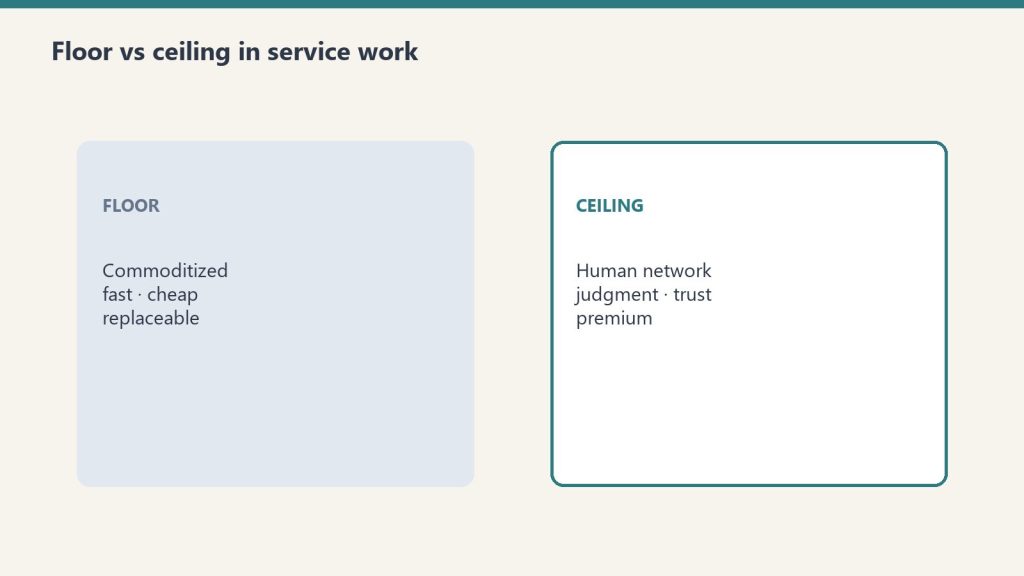
- Strategic prioritization (what to build, what to kill)
- Customer conversations
- Cross-functional negotiation
- Final spec approval
- The judgment behind every roadmap move
The agent makes the writing fast. It doesn’t make the deciding fast.
The compounding effect
PMs running this pattern report a category change in their work: less time on producing artifacts, more time on customer conversations and strategic calls. The artifacts still exist (specs, updates, roadmaps) but they’re produced faster and revised more often because revising is cheap.
A weekly artifact that used to take 4 hours now takes 90 minutes. Across 50 weeks, that’s 125 hours reclaimed per PM per year. Most PMs spend that on the work they were always supposed to be doing.
Where PMs go wrong
1. Letting the agent draft success metrics. Metrics are strategic. The agent can suggest; the PM decides. Don’t outsource the metric definition.
2. Trusting cross-team updates without verification. The agent might miss context from another team. Sample-check updates that go to engineering or sales for accuracy before sending.
3. Producing more artifacts because production is cheap. Cheap production is a temptation to over-produce. The discipline of “what should we actually communicate” matters more, not less.
Leave a Reply