
Related on Tygart Media: client onboarding template · ops managers · Notion Command Center.
The 60-second version
HR is split between policy and people. The policy half is largely automatable. The people half isn’t. Custom Agents take over the lookup, documentation, and template-generation work that consumes HR teams, freeing them for the relationship and judgment work that requires being human. The result is HR teams that feel less like document processors and more like organizational coaches.
Four HR-specific agent patterns

1. The onboarding plan agent. Triggered when a new hire is added to the people database. Pulls role-specific onboarding template, customizes for team and start date, schedules Day 1 / Week 1 / 30/60/90-day milestones, drafts welcome communications. Manager arrives on Day 1 with a customized plan, not a generic one.
2. The policy lookup agent. Anyone in the company asks: “Can I work remotely from another country?” or “What’s our PTO policy?” Agent answers in plain language, citing the specific policy page. Frees HR from being the policy answering desk.
3. The performance review prep agent. Quarterly. Pulls each manager’s direct reports, drafts review templates with prior cycle ratings, recent project work, and feedback patterns. Manager opens a populated draft, not a blank one.
4. The recruiting pipeline agent. Daily across the recruiting database. Updates candidate stage based on activity, flags candidates stalled in stages, drafts follow-up communications. Recruiting status meeting starts at “what about these flagged ones” instead of “where are we.”
What stays human (and should)
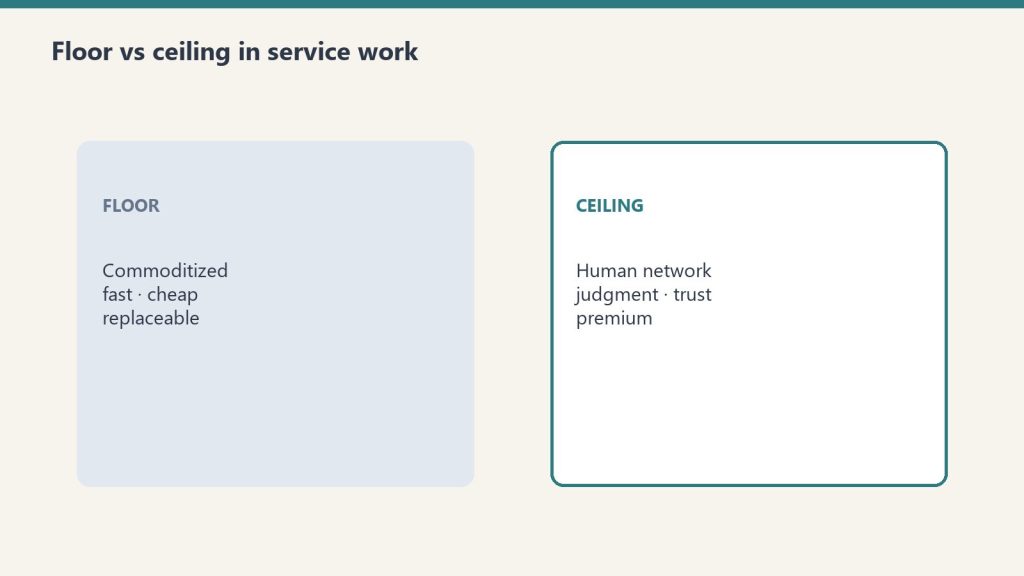
- Compensation decisions
- Performance ratings and the conversations behind them
- Conflict mediation
- Hiring decisions
- Layoff or termination calls
- Anything that requires reading the room
The agents make HR humans more available for the work that matters. They don’t replace them at it.
The privacy layer matters more here
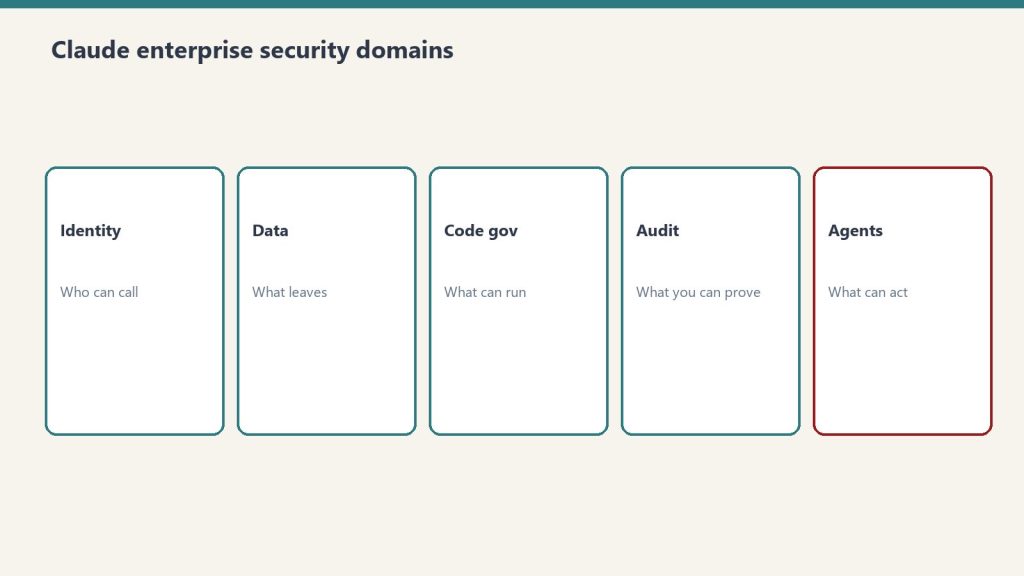
HR data is sensitive. Three guardrails:
– Scope agents tightly — an HR agent should not have access to engineering project pages, finance data, or anything outside HR’s lane.
– Audit agent access logs monthly. Know what the agent has read.
– Apply the company’s data handling policy to agent inputs and outputs the same way you would to any HR system.
Where HR teams go wrong
1. Letting agents draft sensitive communications. Termination letters, performance improvement plans, complaint responses — these need human authorship. Agents can pull templates; humans write them.
2. Trusting policy answers without verification. Policy interpretation has nuance. The agent’s plain-language answer should always cite the underlying policy doc so users can verify. Sample-check 10% monthly.
3. Replacing the recruiter’s judgment with the agent’s pipeline view. Agents update status; recruiters decide who to advance. Don’t let the agent close candidate records autonomously.
Leave a Reply