Related on Tygart Media: Notion AI to WordPress · Notion content pipeline · agency owners.
The 60-second version
The pre-AI content workflow was tools sprawl: brief in one app, research in another, draft in Google Docs, edit in Word, publish in WordPress. The Notion-native AI workflow collapses all of that. Brief lives in a Notion database. An agent enriches it with research. A second agent drafts from the brief. A fact-check agent flags claims. An editor reviews in-line. Publish goes to WordPress via integration. The whole pipeline lives in one workspace, fully visible, fully auditable.
The four-agent content pipeline
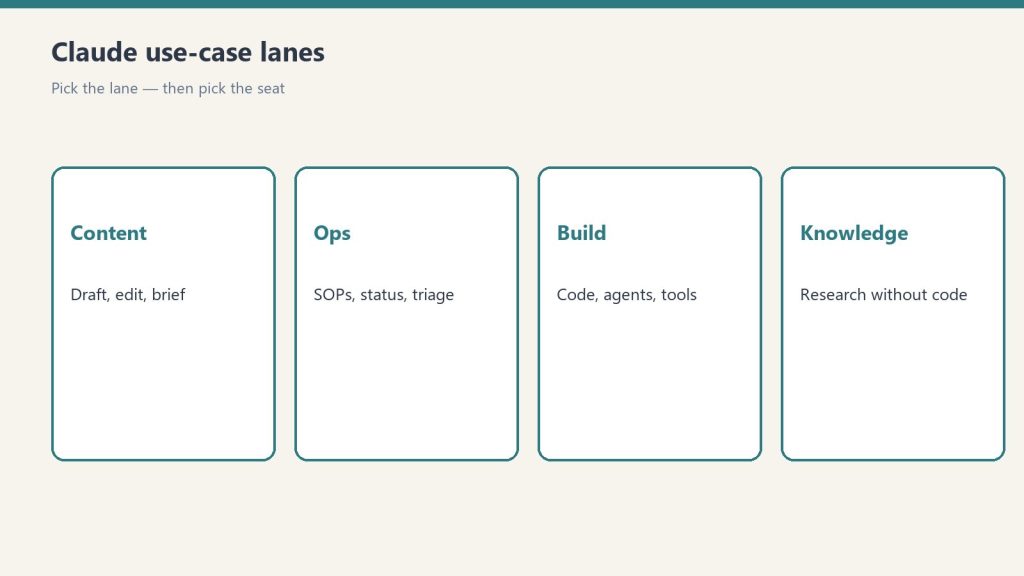
1. The brief enrichment agent. Triggers when a new brief lands in the briefs database. Pulls related sources, prior coverage, current SEO data (via integration), and competitor context. Fills properties: target keyword cluster, related internal links, missing-coverage angle, recommended word count.
2. The draft production agent. Skill-driven. Reads the enriched brief, produces a first draft to the team’s house format. Includes pull quotes, internal links, AEO snippet block, sources cited inline.
3. The fact-check agent. Reads the draft, checks every numerical claim and named entity against sources. Flags unverifiable claims for human review. Outputs a fact-check report alongside the draft.
4. The editor prep agent. Formats the draft for editorial review — adds the rubric, the review surface, a side-by-side change-tracker against the brief, and pulls the relevant style guide sections. The human editor opens this and starts work, doesn’t have to assemble it.
What stays human
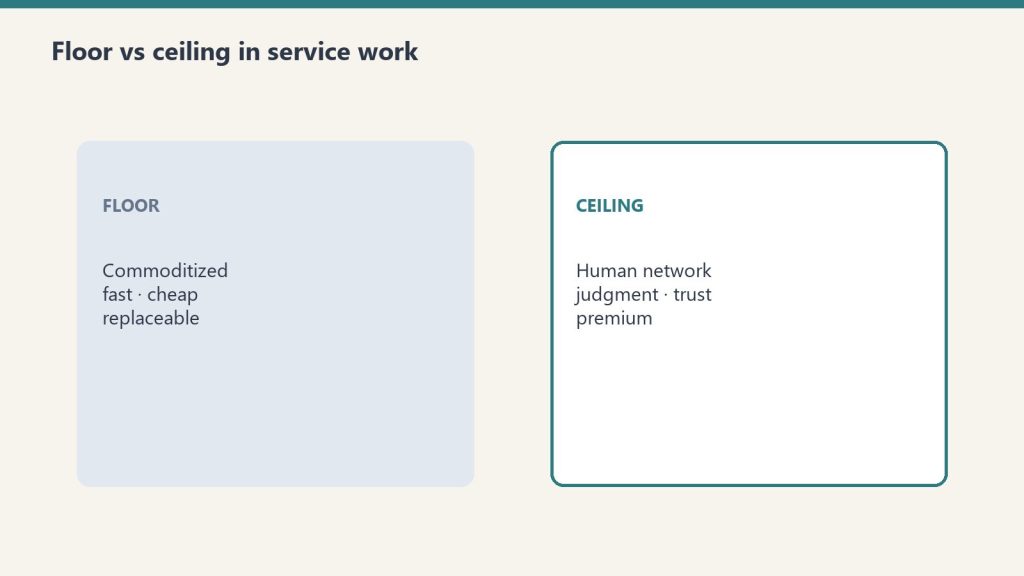
- Editorial judgment (does this argument work)
- Voice match (does it sound like us)
- Structural decisions (is this the right shape for this idea)
- Final approval before publish
The agents handle volume; the editor handles judgment. That split is what makes the pipeline scale without losing voice.
Volume math
A four-person content team running this pipeline can ship 2-3x the volume of a same-size team without it. The bottleneck shifts from drafting to editing. That’s the right bottleneck — humans editing well-drafted material is a different speed than humans drafting from scratch.
Concretely: a team that previously shipped 8 articles/week can ship 16-24 with the same headcount. Quality holds if the gates hold.
Where this fails
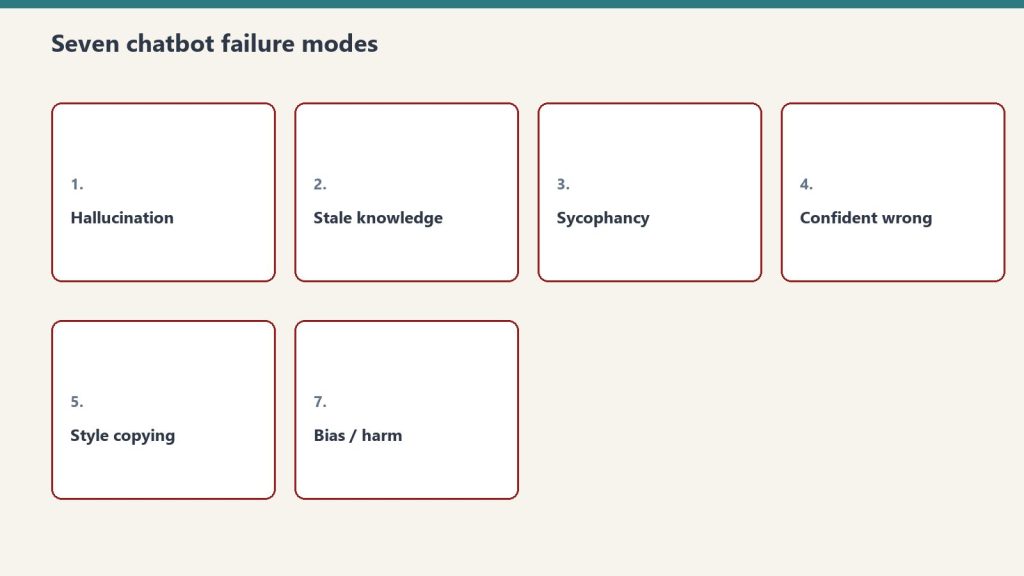
Three failure modes:
– Voice flatness over time. The pipeline produces consistent output. Consistent shades into bland. Ship in voice samples and varied prompt patterns to keep the corpus textured.
– Citation laziness. Fact-check agents are good but not perfect. Editorial spot-checks remain mandatory.
– Brief sloppiness compounding. A bad brief becomes a bad draft becomes wasted edit time. The brief is the most important gate in the pipeline.
Leave a Reply