
Related on Tygart Media: Notion SOP system · agency owners · operations kit AI.
The 60-second version
Ops managers spend their days holding the operational fabric together — keeping SOPs current, ensuring procedures get followed, catching exceptions, communicating status. Custom Agents excel at exactly this category of work because the patterns are well-defined and the value of consistency is high. The ops manager’s job shifts from “running procedures” to “designing the agents that run procedures and handling what they can’t.”
Four agents every ops function needs
1. The SOP currency agent. Runs weekly. Reads each SOP page. Cross-references it against recent activity in related databases. Flags SOPs that haven’t been updated in 90 days OR where the actual practice has drifted from the documented process. Output: a one-page report on SOP health.
2. The procedure execution agent. Triggered by named events (onboarding new hire, incident response, monthly close). Walks through the procedure step by step, executing or assigning each step, logging completion to an audit trail database. Pauses when human input is required.
3. The exception triage agent. Watches a designated “exceptions” database. Categorizes incoming exceptions by type, urgency, and owner. Drafts initial response. Flags pattern exceptions (multiple of the same type) for systemic review.
4. The status synthesis agent. Reads across team databases. Produces the weekly ops report — what’s running, what’s at risk, what shipped, what’s behind. Goes to leadership. Saves the ops manager 4-6 hours weekly.
The audit trail dividend
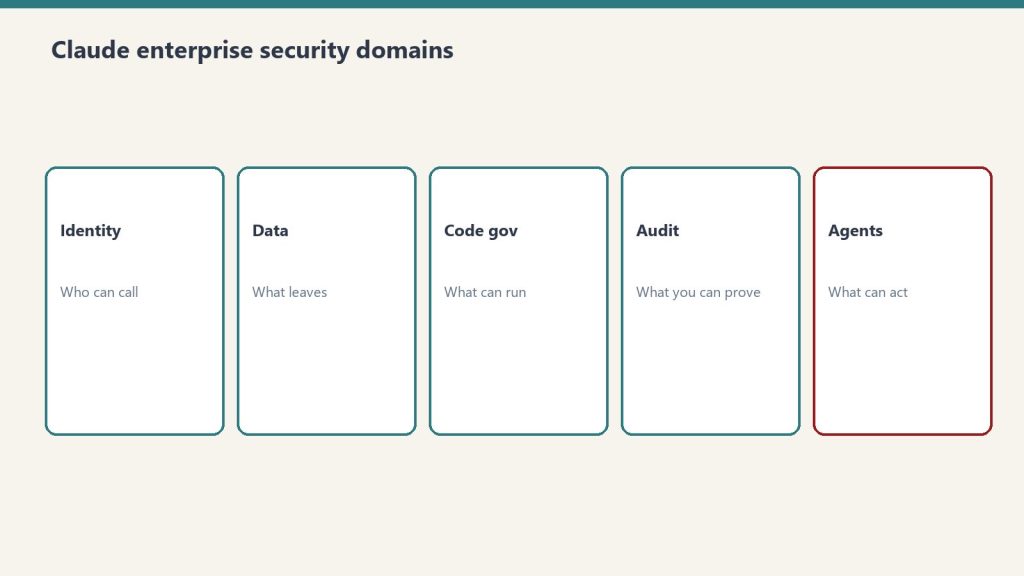
Custom Agents write audit logs by default. Every step they take, every page they read, every change they make is logged. For ops functions in regulated environments — finance, healthcare, legal-adjacent — this is meaningful. The agent’s audit trail is more thorough than what humans typically log because humans cut corners on logging when they’re under time pressure. Agents don’t.
This shifts the conversation with auditors. “Show me your procedure” becomes “here’s the procedure and here’s every execution log for the last 12 months.” That’s a posture change.
Where ops managers go wrong with agents
1. Building agents for procedures that aren’t documented well. If the SOP is vague, the agent’s execution will be vague. Tighten the SOP first. Then build the agent.
2. Trusting agent execution without sampling. Sample 10% of agent runs monthly. Look at the audit trail. Verify it matches reality. Drift happens silently.
3. Replacing exception handling with an agent. Exception handling is judgment work. Agents categorize and surface; humans decide. Don’t let the agent close exception tickets autonomously without review.
What this enables
Ops managers running this pattern report: more time on systemic improvement, less time on procedure execution. More confidence in audit posture, less anxiety about gaps. More leverage per ops headcount, fewer manual handoffs.
Leave a Reply